
Quick Take
- A centuries-old belief about luck turned a quiet park pond into a hazard for one resident.
- A turtle's throat works like a one-way door. The article shows why that design became a trap.
- The surgery went well, and the recovery looked promising. Then something unexpected unfolded.
- The coins did harm beyond their weight, and the vets named a hidden factor.
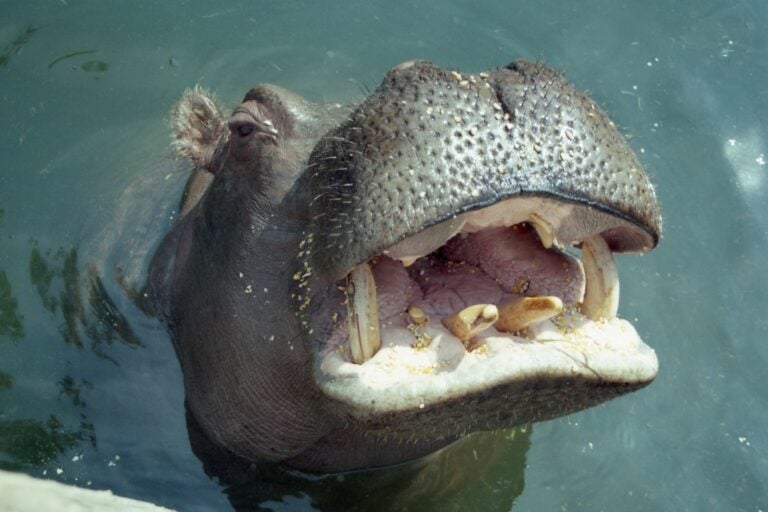
Fiona, the Cincinnati Zoo’s 9-year-old Nile hippo, has died after swallowing a visitor’s hat that got into her habitat on Nov. 8, the zoo announced Thursday, Nov. 19. A visitor tossed the knit hat into the air, and a ceiling fan caught it and flung it through a small opening above the viewing windows, zoo spokesperson Michelle Curley told the Associated Press.
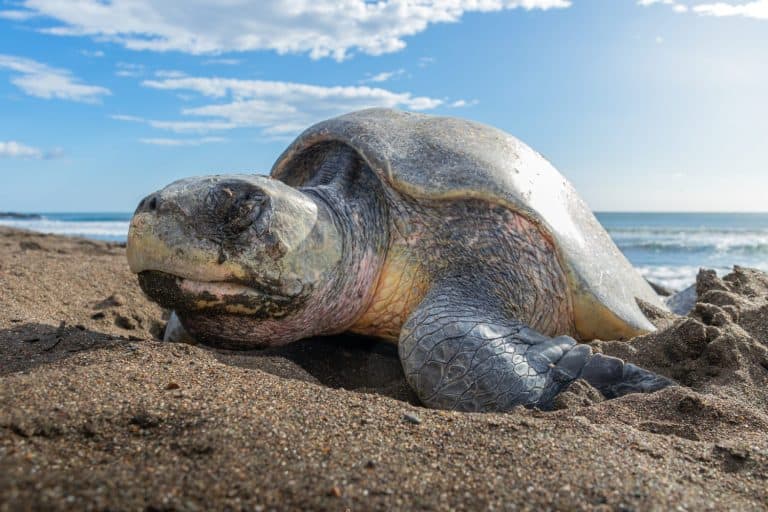
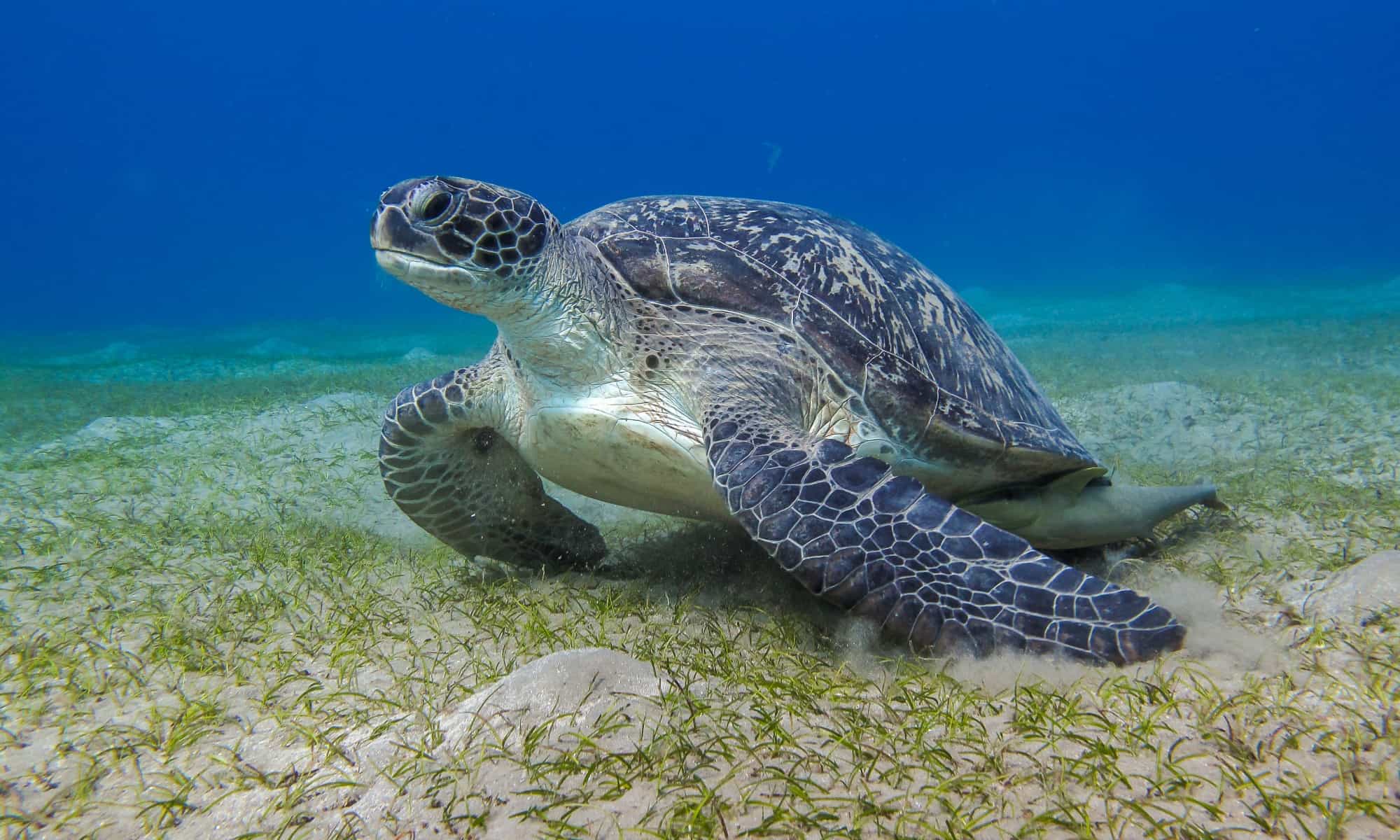
A green sea turtle in Thailand spent about two decades in a small public park where visitors tossed coins into her pond, AFP reported. On March 6, 2017, surgeons removed 915 of those coins from her stomach, and the vet in charge said she was okay. Thirteen days later the turtle was rushed to intensive care, Reuters reported, and she died on March 21.
Who was Omsin, and why did people throw coins at her?
Omsin was 25, and her pond was in Sri Racha, in Thailand’s Chonburi province. Visitors tossed coins into the water to make merit or bring good luck, AFP reported. “A turtle can live up to 80 years and the belief is that throwing coins into the turtle pond will make the coin thrower live longer,” Roongroje Thanawongnuwech, dean of veterinary science at Chulalongkorn University, said in a statement.
Some Thais believe that landing a coin on a turtle’s back drives out bad luck, according to Asia Media International at Loyola Marymount University. The surgical team later nicknamed her Omsin, Thai for “piggy bank”.
How did vets find the coins?
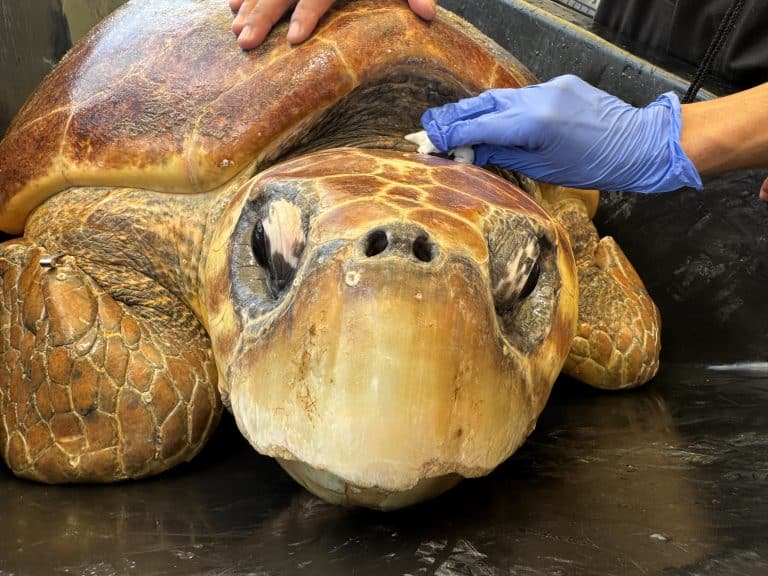
In February 2017, Omsin was moved from the Sri Racha pond to the Royal Thai Navy’s sea turtle conservation center, where staff noticed she was swimming oddly and seemed to have stomach pain, Asia Media International reported. A CT scan found the coins, and on March 6 a team led by veterinarian Nantarika Chansue, head of Chulalongkorn University’s aquatic animal research center, operated.
The coins had grown heavy enough to crack her shell, NPR reported. The vets anesthetized the turtle and cut through her shell to reach the stomach, Numismatic News reported. The hours-long operation produced an egg-shaped clump of 915 coins, once silver and now black, weighing 11 pounds.
Omsin weighed 130 pounds, according to Numismatic News, so the coins made up roughly 8 percent of her body weight. A typical adult green turtle weighs 300 to 350 pounds, according to NOAA Fisheries.
“There were 915 coins in her stomach, we removed them one by one,” Chansue told AFP. “Piggy Bank is okay now but she will have to remain at the center for up to two weeks”.
Why would a turtle swallow coins, and why couldn’t she get rid of them?
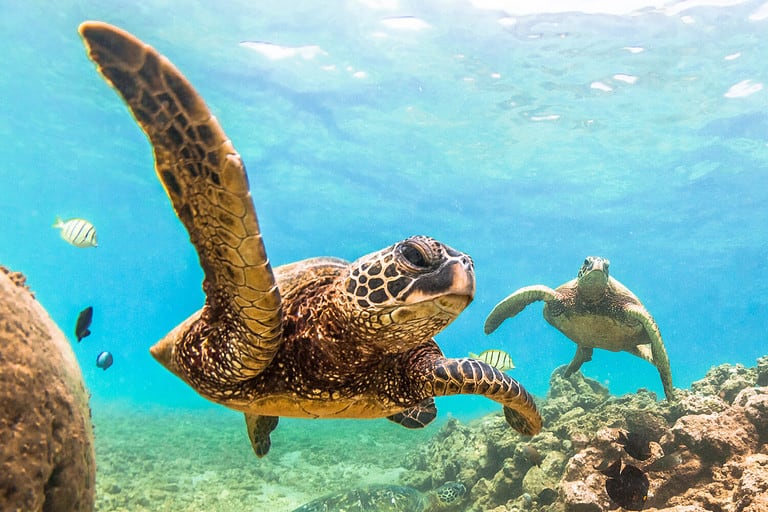
NOAA lists green turtles as the only herbivorous sea turtles, grazers that eat mostly seagrasses and algae. Sea turtles are known to swallow objects that resemble prey, and Omsin likely mistook the coins for food, according to National Geographic.
A sea turtle’s throat is built to move things one way, the Florida Oceanographic Society explains. Tough, pointed structures called esophageal papillae line it from the back of the mouth to the stomach, curving inward toward the stomach. Turtles gulp food underwater, and the papillae act like a one-way filter, letting food in and holding it while the turtle expels the extra water.
Why did she die after the coins were out?
For days the recovery looked good, and staff posted encouraging updates on Facebook, Asia Media International reported. On Sunday night, March 19, Omsin was rushed to intensive care, breathing too slowly, Reuters reported.
An emergency operation on Monday found that the space left by the coins had let her intestine twist and become strangled, cutting off blood flow, the vets told reporters. An acute infection in the intestine spread to her blood. Omsin went into a coma after the surgery and died on Tuesday, March 21, of blood poisoning.
Thanawongnuwech named two more factors, NPR reported: “The cause of death was intestinal obstruction that blocked Omsin’s protein intake, while nickel toxicity from the coins damaged her immune system”. The nickel toxicity was 200 times the safe dose for her species, according to National Geographic.
What did the vets ask people to do?
Chansue told the Bangkok Post she wanted Omsin’s case “to be an example for people in general who may wrongly believe that throwing coins into ponds where there are live animals brings good fortune. It only hurts the animals”.