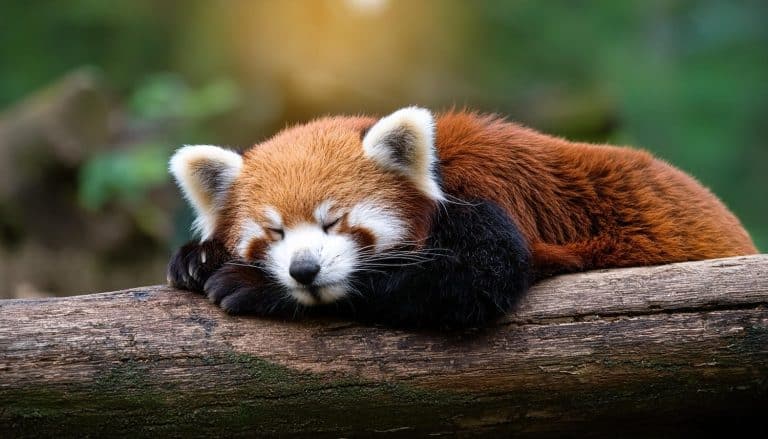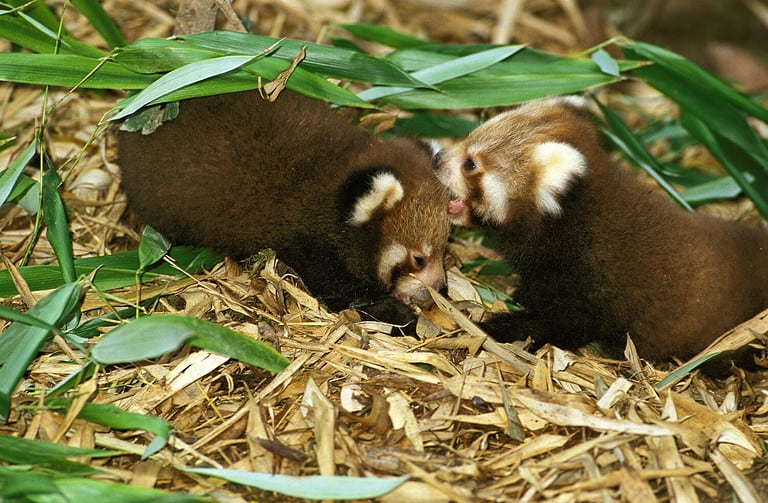

Red pandas are the puppies of the bear world. These endangered non-aggressive bears are protected in Myanmar, China, Bhutan, Nepal, and India. The species is also protected, researched, and bred in zoos, where people can learn about them year-round. Here’s what else you can learn about cute, grape-eating red pandas like this one.
Baby Red Pandas Have a Big Appetite
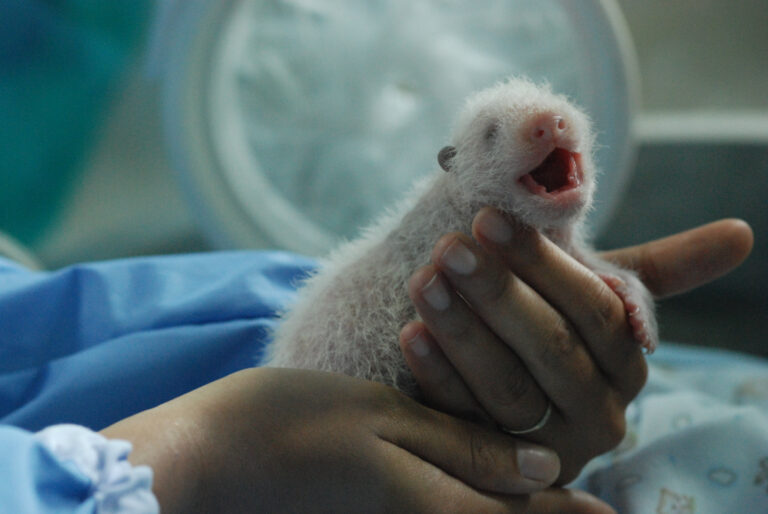
After birth, red pandas stay tucked away with their mothers for roughly three months. They’ll be nursed for up to five months before the cubs can eat solid foods, such as bamboo leaves. Red pandas are specific in their bamboo needs and will only eat young leaves with the most nutritional value. A red panda cub’s diet varies based on where it lives. It will eat anything from roots and grasses to eggs or even small birds in the wild. In the zoo, red panda cubs are fed fruits, bamboo, and other greens. They will even eat insects and grubs, too!
In the video above, the red panda snacks on grapes from a caretaker. These bears have sensitive digestive systems, so grapes are an occasional snack. In zoos, they’re used to help in training or as a treat. According to Sequoia Park Zoo, some red pandas have a sweet tooth. They often love pears and apples just as much as grapes.
Stand-Up Performance
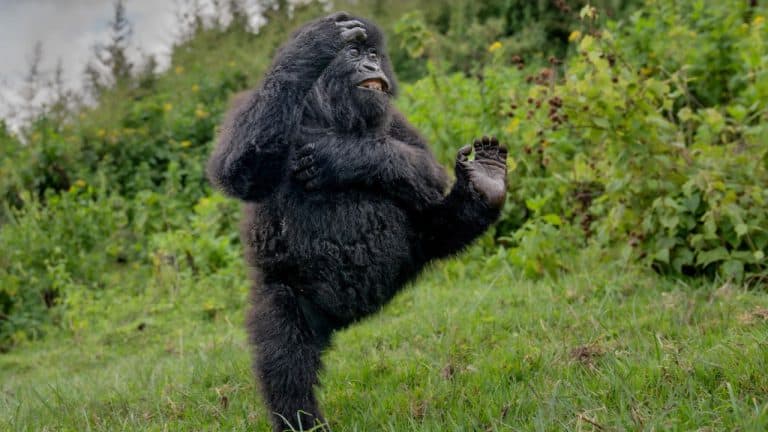
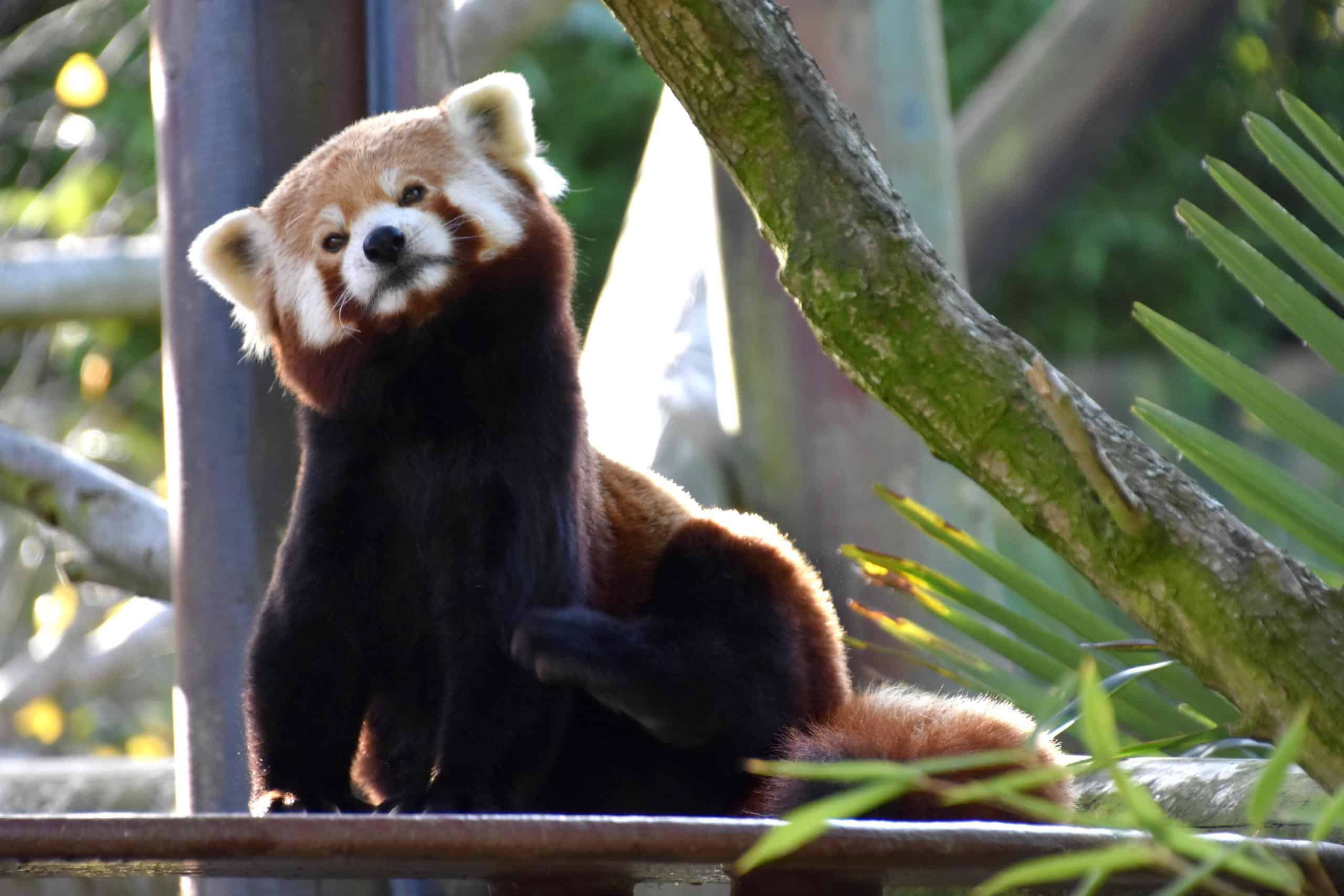
Red pandas are known for standing on their back legs. They do this for several reasons, including a defense mechanism. Red pandas stand on their hind legs and raise their arms to intimate enemies. This big-bear tactic in the wild makes them look larger and more menacing. Sometimes, they’ll growl or emit foul-smelling odors from their scent glands. However, this defense mechanism looks more adorable than frightening in front of humans!
This red panda cub is standing on its hind legs to eat but is not in a defensive posture. This would rarely be seen in the wild because red pandas usually eat while hanging from a branch or sitting. Red pandas are more comfortable with human caretakers in the zoo, which might explain this cub’s behavior. If this bear is comfortable being hand-fed, it might stand up to reach for a grape. Standing up could also be part of this cub’s training, with grapes being the reward.
A Balancing Act
The cub in this video has incredible balance, but you don’t see its long, bushy tail behind it. Their tails act as a counterbalance weight, which they can shift to maintain their posture. This helps red pandas stand up straight to intimidate enemies in the wild. This balancing act can be taught and encouraged in captivity as a cub matures.
Flexible ankles provide further support for a red panda. Thanks to flexibility in its joints, a cub like this will have a wide range of motion and agility. This makes them spectacular climbers and (literally) a stand-up species. Textured, fur-covered feet help them grip the floor and navigate uneven terrain. Together, these make the red panda an extraordinary species when it comes to human-like movement.