
Quick Take
- Newborn giant pandas are shockingly small, and the reason their size surprises even experienced researchers is something unexpected about mammal biology. Discover the newborn details →
- China doesn't name panda cubs at birth, and the real reason behind the 100-day wait is more deliberate than you'd expect. See the 100-day naming tradition →
- En En's cub faces a fork in the road once it leaves its mother, and the path it takes depends on factors most people never consider. See the cub's possible futures →
Whenever a panda is born, no matter where the birth takes place, people around the world celebrate the joyous occasion. Each birth represents years of careful conservation work, scientific research, and hope for the future of one of Earth’s most recognizable animals. Plus, a new panda baby is always super cute. This year, we welcome another new addition to the panda world.
On June 4th, at 10:31 AM, at the Shenshuping Base of the China Conservation and Research Center, giant panda En En gave birth to the first captive giant panda in Sichuan Province. We’ll tell you the whole story and what the future holds for this bundle of joy.
A Baby is Born
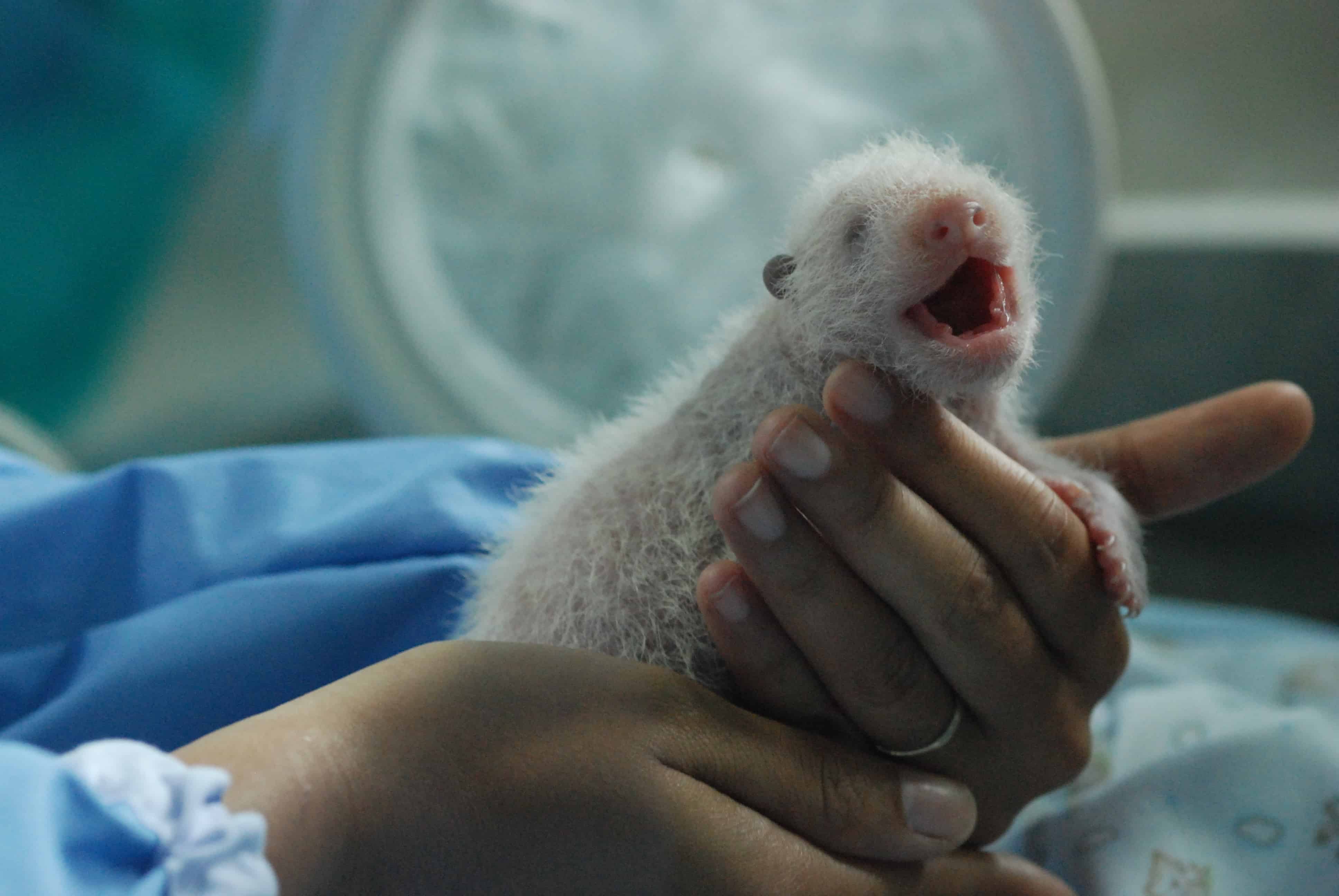
Right after the birth, En En cradled her new baby. Though they grow into sizable adults, newborn giant pandas are surprisingly small. Most weigh between 90 and 200 grams (roughly 3 to 7 ounces), making them one of the smallest newborn mammals relative to the size of their mothers.
At birth, panda cubs are:
- Pink and nearly hairless
- Blind
- Unable to regulate their body temperature
- Completely dependent on their mother
For the first several weeks, En En will spend nearly every moment caring for her baby. Giant panda mothers rarely leave newborn cubs unattended, even for food or water, especially during their earliest days of life.
As of the most recent announcements, En En’s new baby does not yet have an official name, but that’s not unusual. In China, giant panda cubs are traditionally named when they are around 100 days old. The delay allows caretakers to monitor the cub’s health and development before selecting a meaningful name. When naming the baby, caretakers are likely to choose a name that reflects nature, peace, prosperity, strength, or hope, as is typical in the culture.
Will the Cub Stay with En En?
For now, the baby cub will absolutely stay with its mother. The first year of a panda’s life is incredibly important. The cub learns to nurse, crawl, climb, walk, develop social behaviors, and recognize bamboo. While adult giant pandas eat almost nothing but bamboo, newborns rely entirely on their mother’s milk.
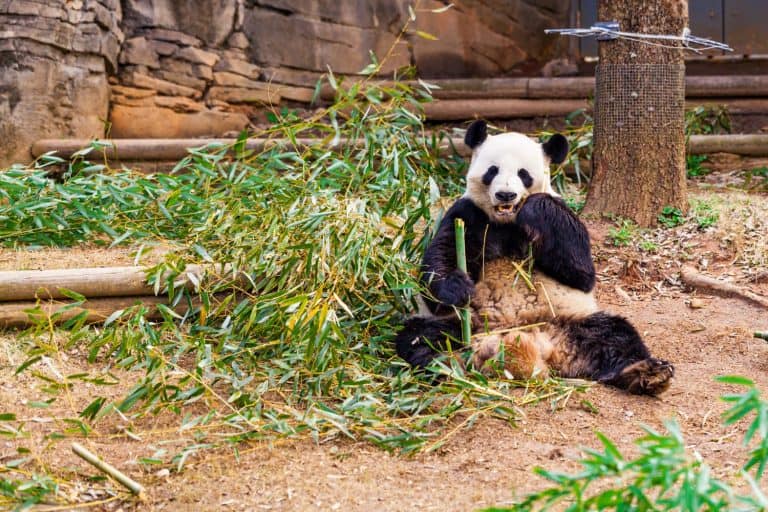
Around six months of age, cubs begin experimenting with bamboo while continuing to nurse. By about 18 months, many cubs become much more independent, although some remain with their mothers for close to two years. The exact timeline varies depending on the individual panda and the breeding center’s management plans.
What Does En En’s New Baby Mean for the Species?
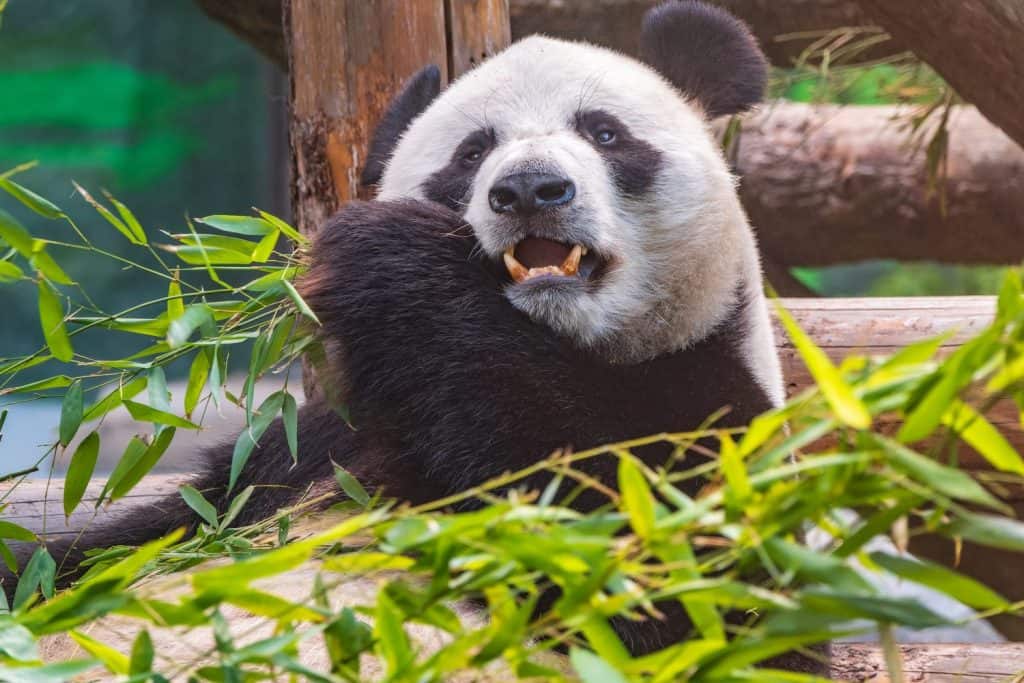
The giant panda species has had its ups and downs over time. Luckily, in 2016, giant pandas were removed from the International Union for Conservation of Nature’s list of endangered species and reclassified as vulnerable. Still, they remain one of the world’s most carefully managed conservation species.
Currently, there are around 1,900 giant pandas living in the wild. That number can slowly increase through conservation programs, such as the China Conservation and Research Center. The captive breeding programs at these institutions help to:
- Preserve genetic diversity
- Increase the overall panda population
- Support scientific research
- Improve veterinary medicine
- Educate the public
- Potentially provide animals for future conservation efforts
Each successful birth adds valuable genetic diversity to the captive population.
What Happens Next?
In the next few months, En En’s new baby will development rapidly. At around six to eight weeks, both eyes will open, hearing will improve, and movement will become stronger. By three months, the cub should begin crawling and start to show interest in climbing. By six months, its teeth will emerge, and it will begin to eat bamboo. By 18-24 months, most cubs are ready to separate from their mothers.
Once the baby is ready to separate from mom, the offspring’s future will depend on the breeding center’s decisions. Some pandas remain in carefully managed breeding programs. Others take part in reintroduction projects aimed at increasing wild populations.
A Promising Future is Necessary
Despite the new birth, giant pandas still face challenges due to habitat fragmentation, climate change, and low reproductive rates. Luckily, this wonderful birth is a great milestone for the species.