
Quick Take
- Pandas eat one plant almost exclusively, yet it is extremely low on calories. See the bamboo struggle →
- For an animal that looks impossibly cuddly, the panda has a bite force that puts most carnivores to shame, and bamboo is the reason why. Discover their jaw power →
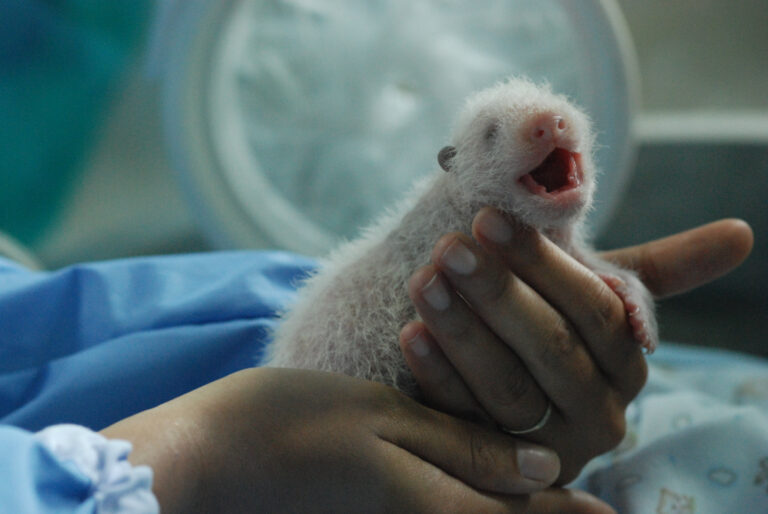
- A newborn panda and its mother are so different in size that the comparison sounds like a joke, and the biology behind it is genuinely bizarre. Explore the size contrast →
- Hear a panda for the first time and you'll question whether you're listening to the right animal. It sounds nothing like a bear. Hear what pandas sound like →
Few animals are as universally adored as the Giant Panda. These bears are extremely charming, with their round faces, gentle nature, and recognizable black-and-white fur. But beyond their cuddly appearance, pandas are strange and fascinating animals. They have odd behaviors and unusual adaptations, like bizarre diets and surprisingly powerful jaws. These are some of the most intriguing things about one of the world’s most beloved mammals.
Bamboo is Their Lifeline
©alisafarov/Shutterstock.com
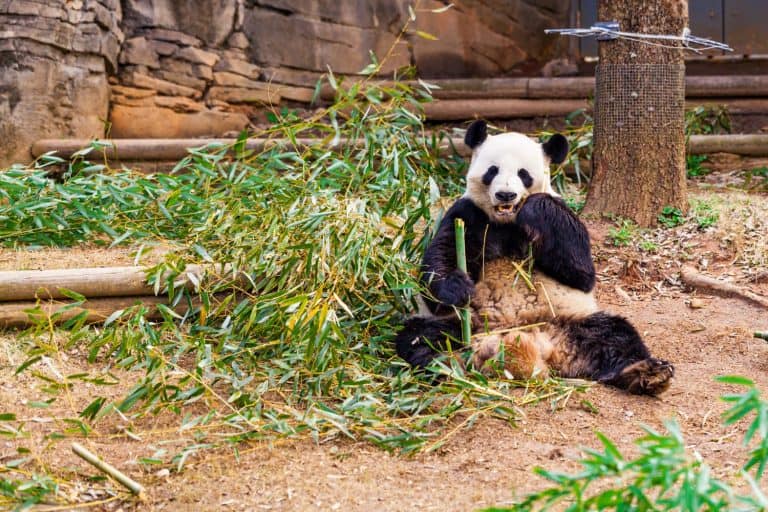
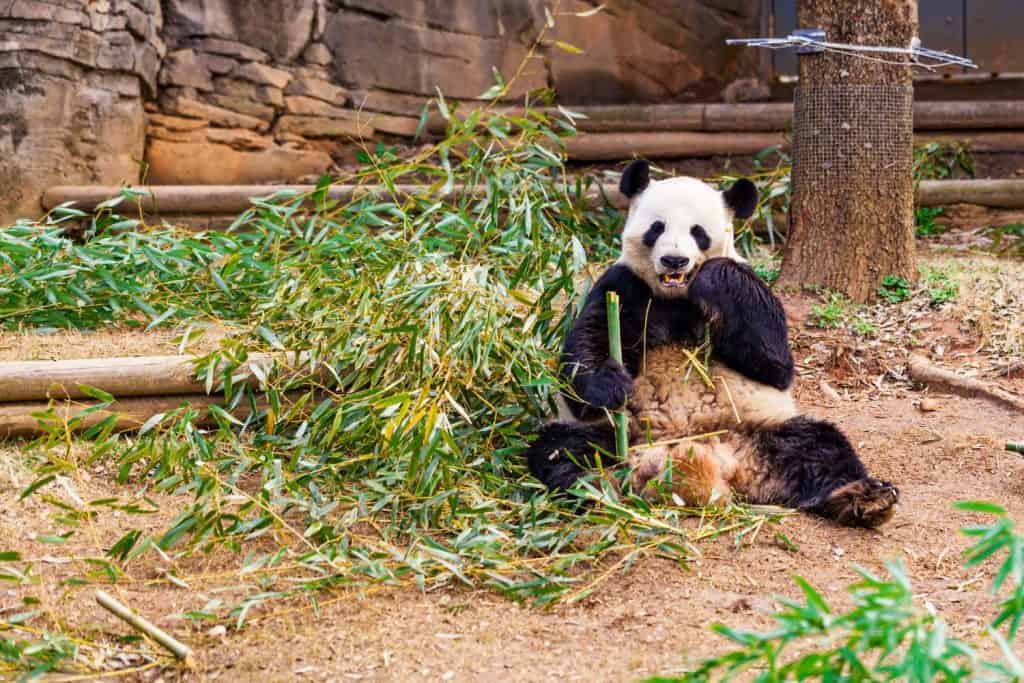
Pandas spend most of their lives eating bamboo, but there is one major problem: bamboo is not very calorie-dense or nutritious. Unlike cows or other herbivores, pandas have digestive systems that are more similar to those of carnivores. Because bamboo provides so little energy, pandas must eat enormous amounts of the plant every day. In fact, they often spend a whopping 16 hours eating daily, during which they consume 20 to 40 pounds of bamboo. Their entire life revolves around slowly processing massive amounts of a single plant that is barely enough to keep them alive.
They Have a “Fake Thumb”
©Foreverhappy/Shutterstock.com
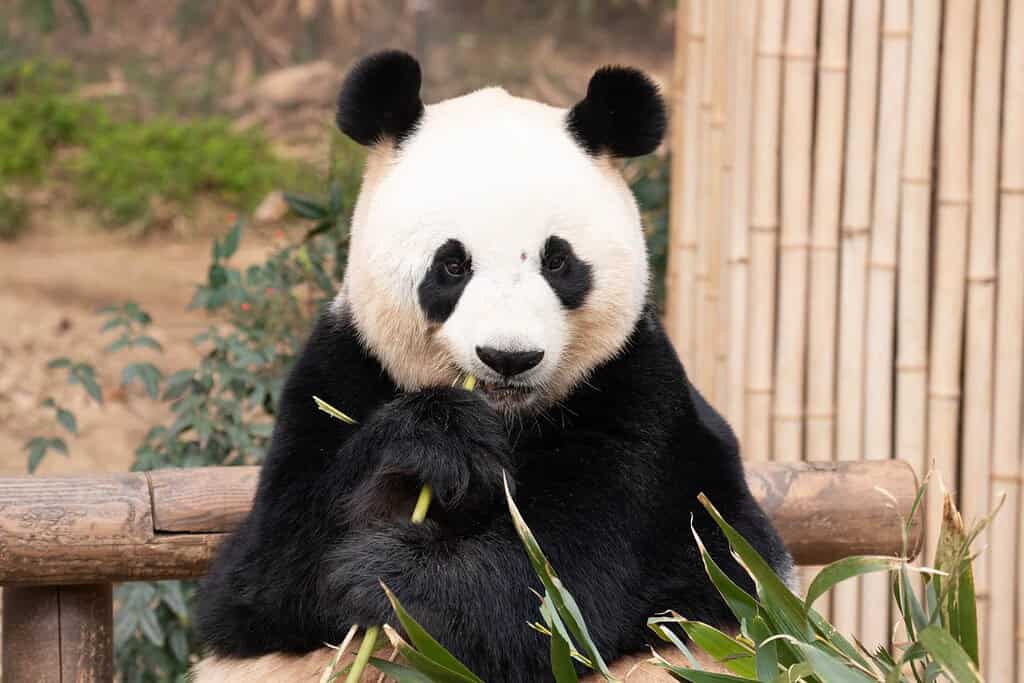
One of the panda’s strangest features is a modified wrist bone that functions almost like an extra thumb. This unusual structure is directly tied to their bamboo-heavy diet; it helps pandas grip bamboo stalks while eating. Scientists sometimes call it a “pseudo-thumb” because it is not technically a true finger, but it is quite thumb-like. Without this adaptation, handling slippery bamboo would be much more difficult. Evolution essentially gave pandas a built-in bonus appendage just to manage their mealtimes.
Baby Pandas Are Shockingly Tiny
©armminivet/Shutterstock.com
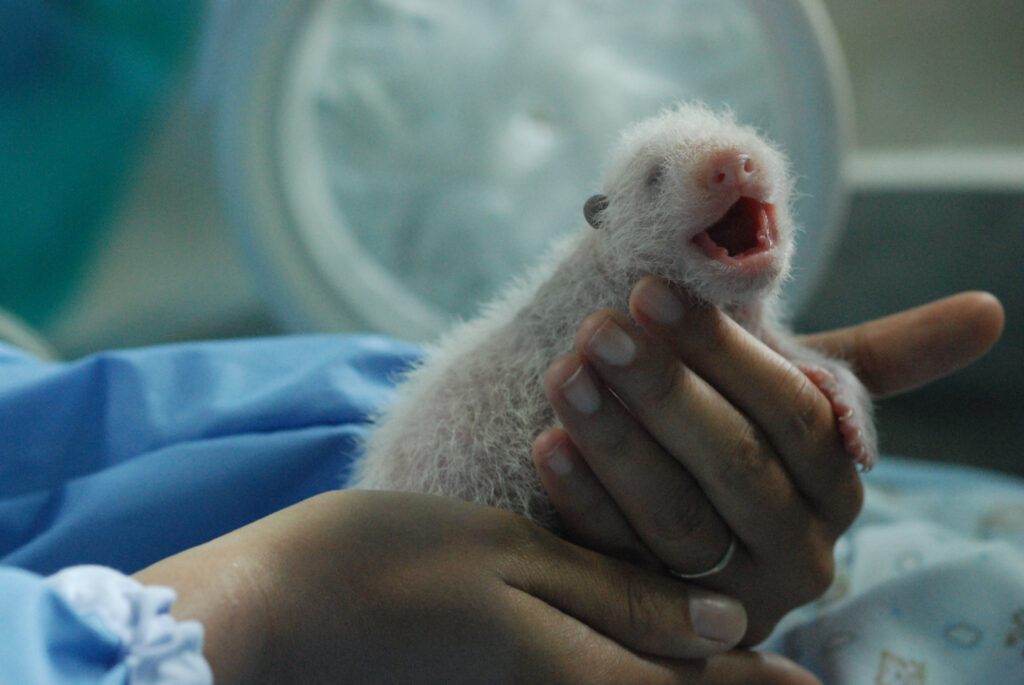
Large mammals usually give birth to large babies, as seen in newborn elephants or giraffes. But newborn pandas are unbelievably small compared to their mothers. A panda cub may weigh only a few ounces at birth, making it one of the tiniest newborn mammals relative to adult body size (an adult panda can weigh hundreds of pounds). In fact, baby pandas are so tiny, they are compared to sticks of butter! They also initially appear pink in color. The dramatic size difference between mother and cub is one of the most fascinating aspects of this unique animal.
Pandas Are Actually Bears

©clkraus/Shutterstock.com
Due to their unusual behavior, gentle reputation, and plant diet, many people assume pandas are not true bears, but they are! However, scientists debated panda classification for many years because the animals seemed so different from other bear species. Genetic research eventually revealed that giant pandas belong to the bear family Ursidae. Unlike many other bears, however, pandas rarely hibernate, mainly because they need to be continually stuffing their faces with bamboo. Despite their cuddly and sweet look, pandas are indeed powerful bears underneath all the fluff.
Their Bite Is Incredibly Strong
©Dark_Side/Shutterstock.com
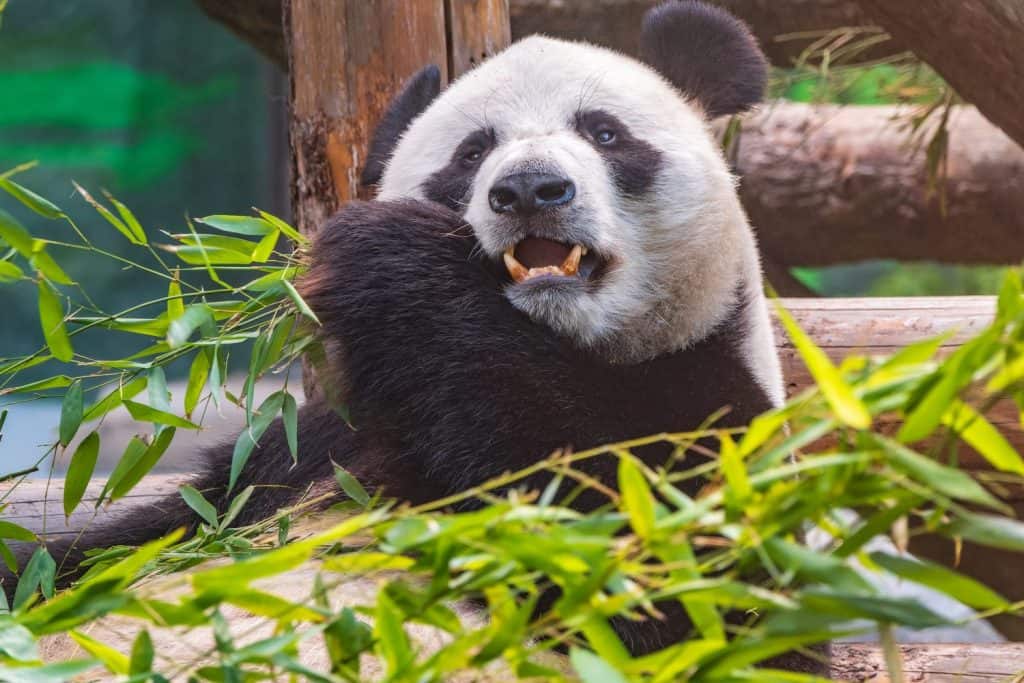
Pandas may spend their days lazily chewing bamboo in lieu of hunting prey, but their jaws are remarkably powerful. Bamboo stalks are thick, so crushing them requires tremendous bite force and strong muscles. In fact, even compared to carnivores, pandas have one of the strongest bite forces among mammals relative to size. Specialized teeth like wide molars are designed to grind tough plant material repeatedly.
Pandas Are Gifted Comedians
©Animalgraphy/Shutterstock.com
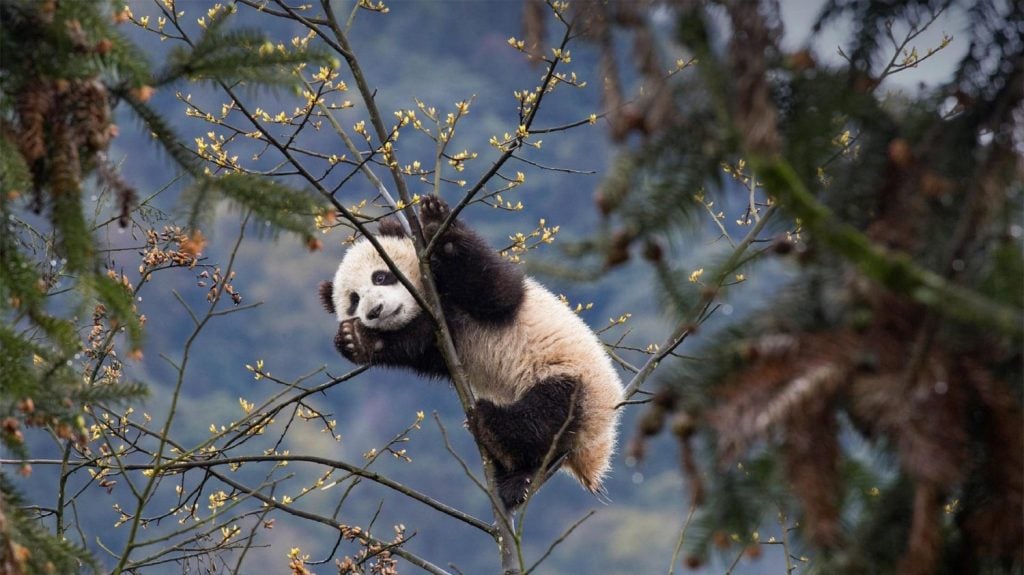
Young pandas are famous for funny behaviors including tumbling, rolling, and falling over in cartoonish ways. Plenty of zoo videos of tumbling panda cubs have gone viral online. Zookeepers and researchers have even seen cubs make playful cartwheel-like movements. Additionally, their adorable climbing attempts are highly entertaining because they seem completely uncoordinated. Though clumsy, these behaviors actually help young pandas build strength and coordination.
They Make Strange Sounds
©dangdumrong/Shutterstock.com
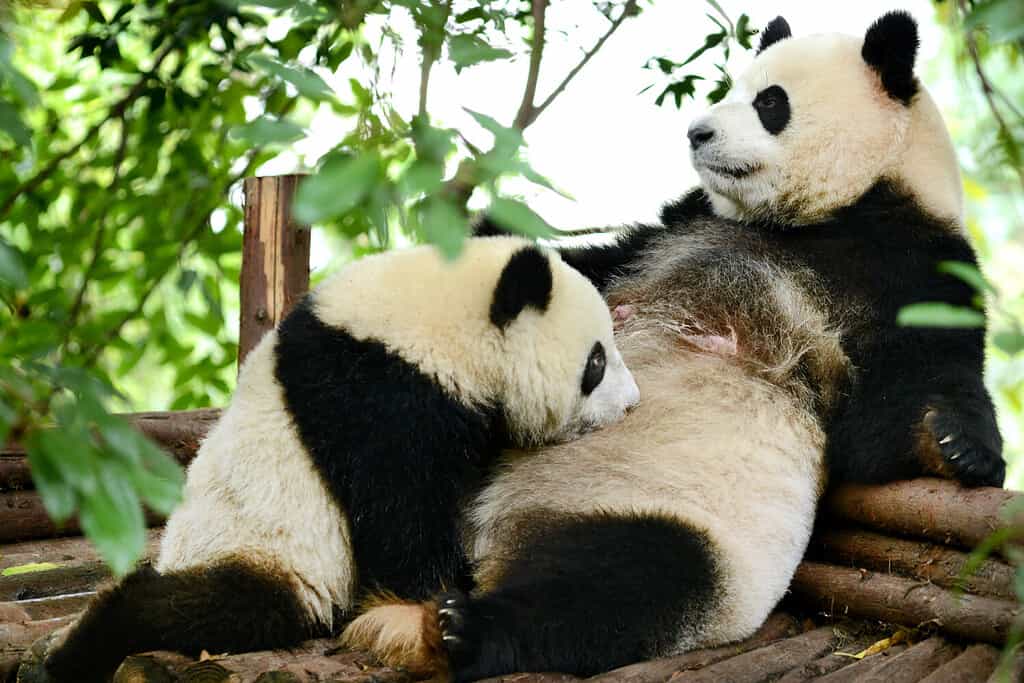
Pandas do not roar like other bears. Instead, when communicating with mates or cubs, pandas make bleats, honks, chirps, and even bark-like noises. Some panda vocalizations sound similar to goats or sheep. The noises sound surprisingly silly and often take observers off guard. Many people are shocked or confused the first time they hear a panda because the sounds seem mismatched with such a large bear.
Pandas Were Once Widespread

©Karel Cerny/Shutterstock.com
Today, wild giant pandas live in mountainous regions of central China. However, fossil evidence tells us that pandas once roamed much larger areas of China and nearby regions. Climate changes and habitat loss reduced their range over thousands of years. Because pandas need access to large bamboo forests, they are vulnerable to environmental changes. Conservation efforts have become necessary to protect the remaining wild populations.
They Are Loners
©funstarts33/Shutterstock.com
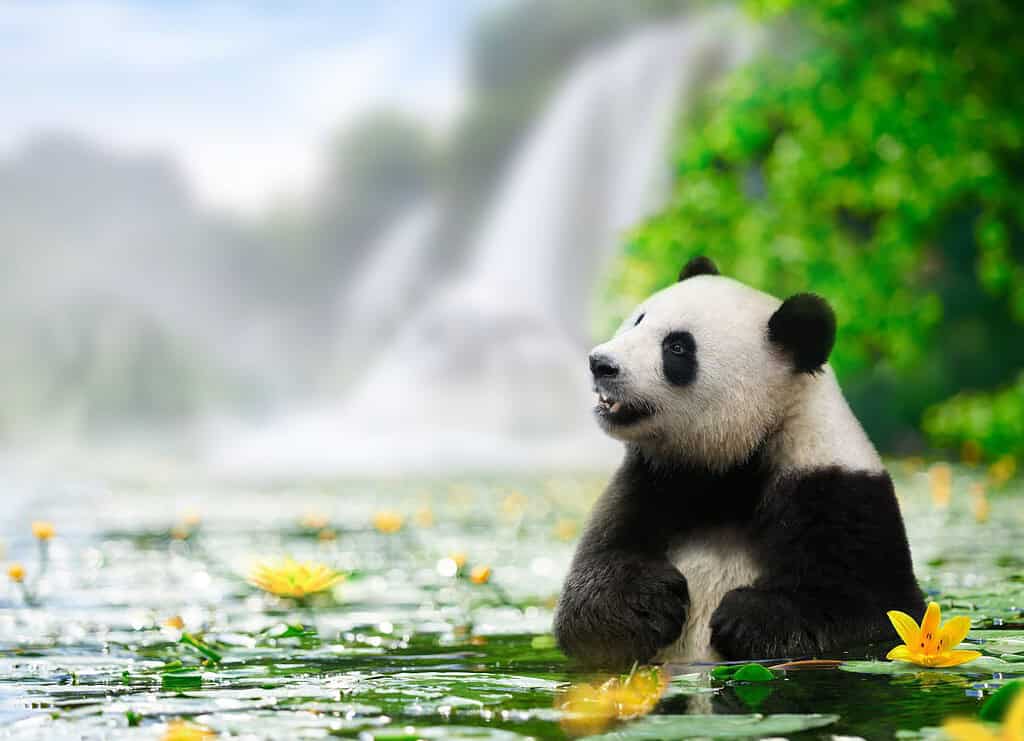
Even though pandas are famous social media stars that receive tons of attention online, giant pandas in their natural habitat are actually solitary animals. Adult pandas prefer to roam and feed alone instead of living in groups. Their primary interaction occurs during mating season or when mothers raise cubs. Because bamboo forests can only support so many pandas (due to their enormous bamboo appetite), this solitary nature helps minimize competition for food.
Pandas Became a Global Conservation Symbol
©Jeff Kubina – Public Domain
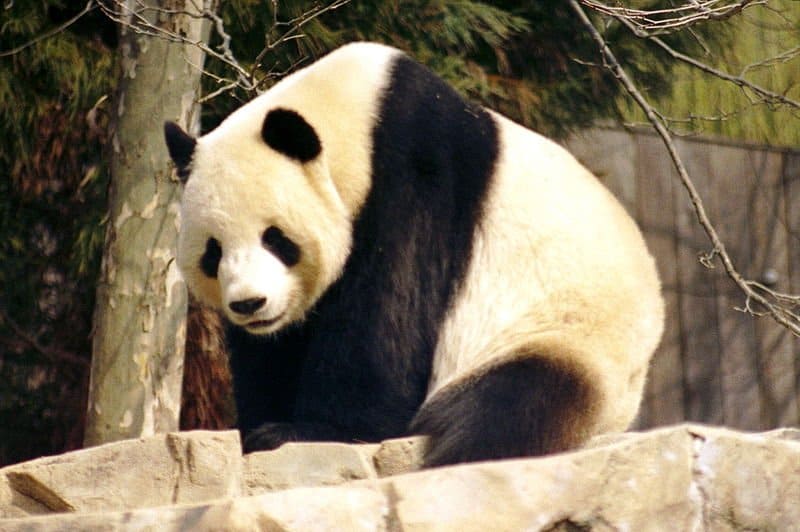
Few animals are as closely associated with wildlife conservation than the giant panda. After the panda became the famous logo of the World Wide Fund for Nature, the species turned into an international symbol for endangered animal protection. For decades, conservation groups have worked to improve panda habitats and increase wild populations. Thanks to these efforts, giant pandas were downgraded from “endangered” to “vulnerable” in 2016. Though they still face threats, these iconic fluffy bears have become one of the most recognizable conservation success stories.