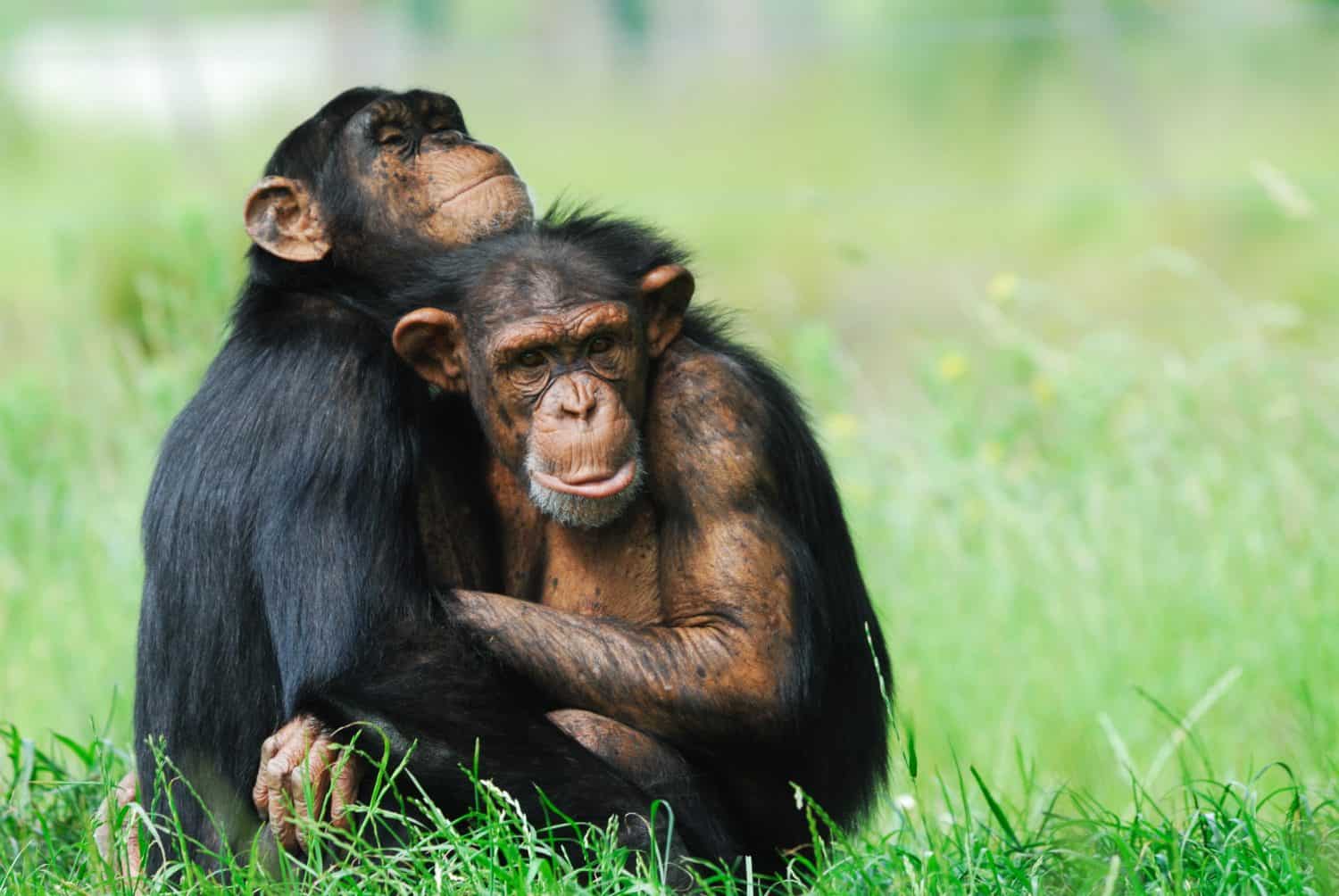

Male and female chimpanzees differ in striking ways—not only in their physical build but also in how they organize their lives, form relationships, and navigate the challenges of survival. While both sexes share the intelligence and adaptability that make chimpanzees such close relatives to humans, a deeper look reveals how sex influences everything from childhood play to adult alliances. This article explores the major differences between male and female chimpanzees and why they matter.
Physical Differences
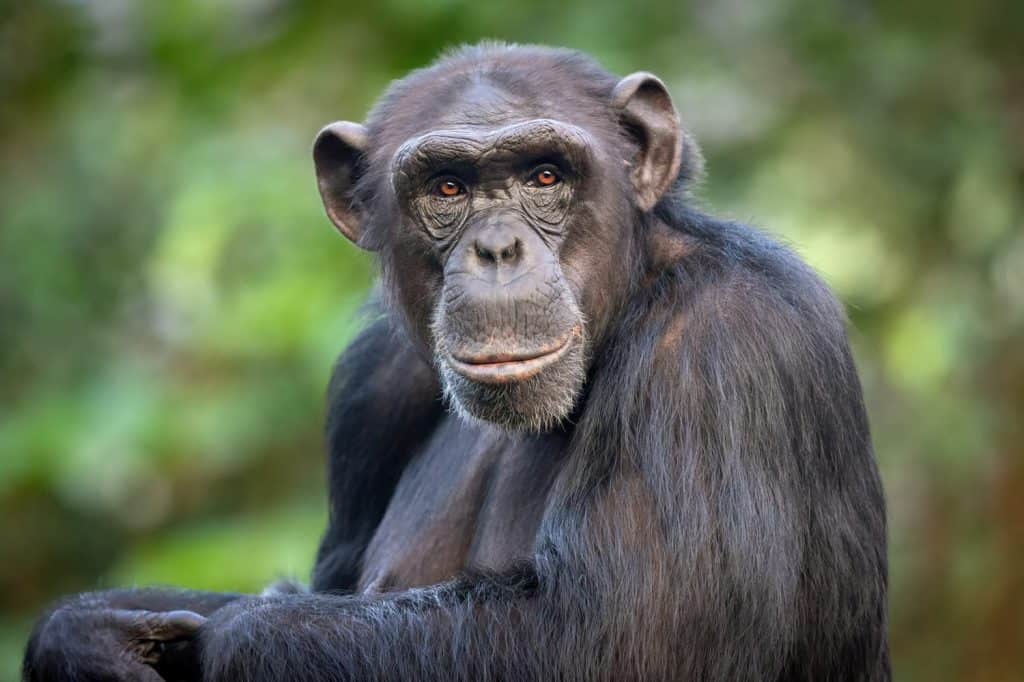
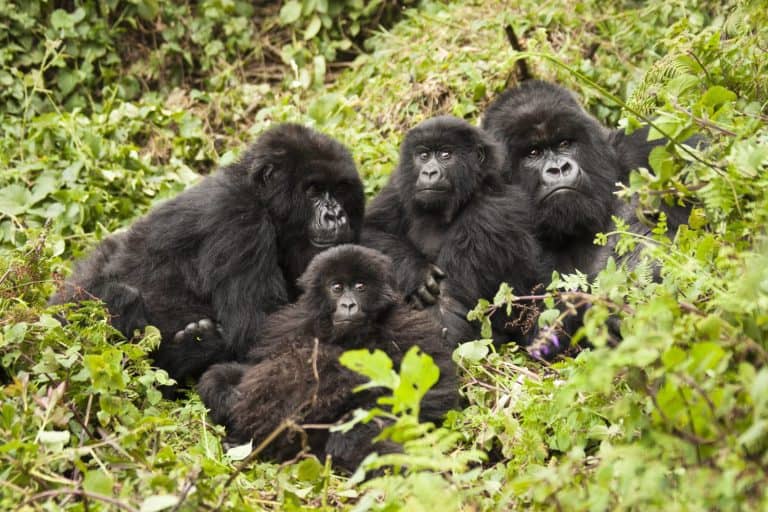
The differences between male and female chimpanzees are not as great as those between male and female gorillas, orangutans.
©KensCanning/Shutterstock.com
Chimpanzees share about 98% of their genes with human beings. One similarity is that both species exhibit sexual dimorphism—differences in size and physical traits between males and females. Adult males typically weigh 88-132 pounds and are stockier and have more muscle mass and greater upper body strength than females. Females weigh 70-104 pounds and have slimmer frames. Standing, they can reach up to 4.5 feet tall, with males being a little taller than females. By comparison: actor Danny DeVito is 4’10’!
Males also have larger canine teeth than females. They flash these in snarls to display dominance and use them as weapons during fights. In a chimp community, these physical differences help males and females with their roles. Males patrol the territory and defend against threats, as well as challenge one another for leadership. Females are responsible for caring for the infants and foraging for food.
Social Organization
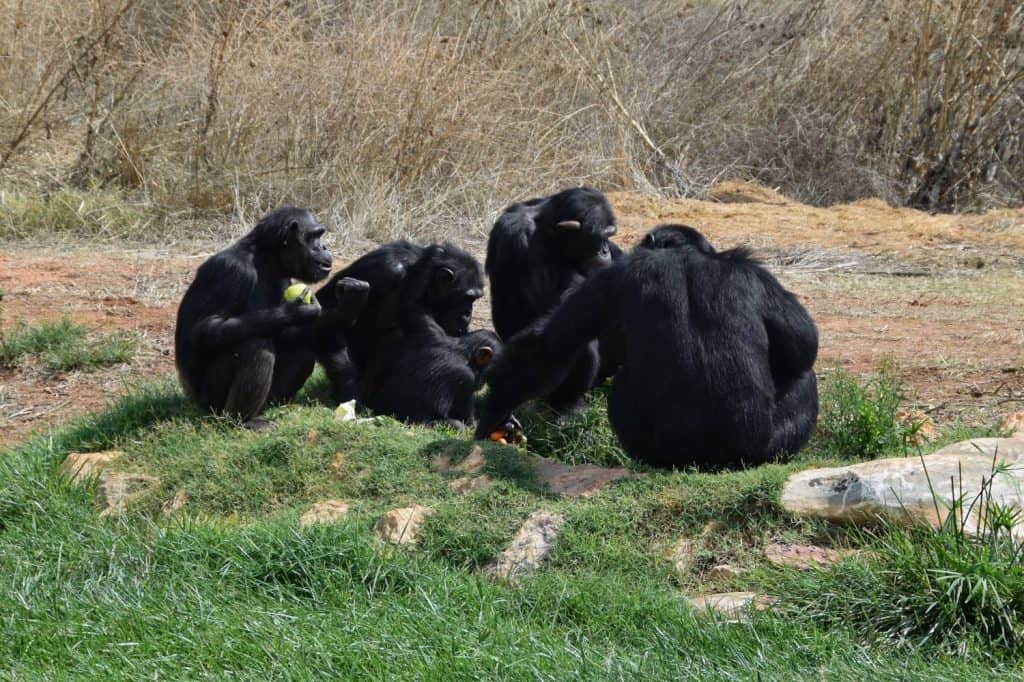
Chimpanzee culture is patriarchal. Grooming is one way chimps build social bonds.
©dimitris_k/Shutterstock.com
Chimpanzee society is heavily patriarchal. Males typically remain in the communities they were born in for life, while most females join other communities when they become adolescents. As a result, males form strong alliances that last a lifetime. They establish a hierarchy among themselves, grooming one another, fighting, and building factions of allies. High-ranking males get their pick of food and mates and lead the group in making decisions about patrols or movements.
In some chimp communities, females are more solitary, spending most of their time foraging with their own young ones. But in other communities, females form strong bonds with each other, especially when they are related or are raising infants of about the same age. Female social life tends to vary by region and environment. They are usually more solitary when food is scarce and it’s “every chimp for herself,” but more communal when there is less competition and they are more willing to share.
Chimpanzee Tool Use
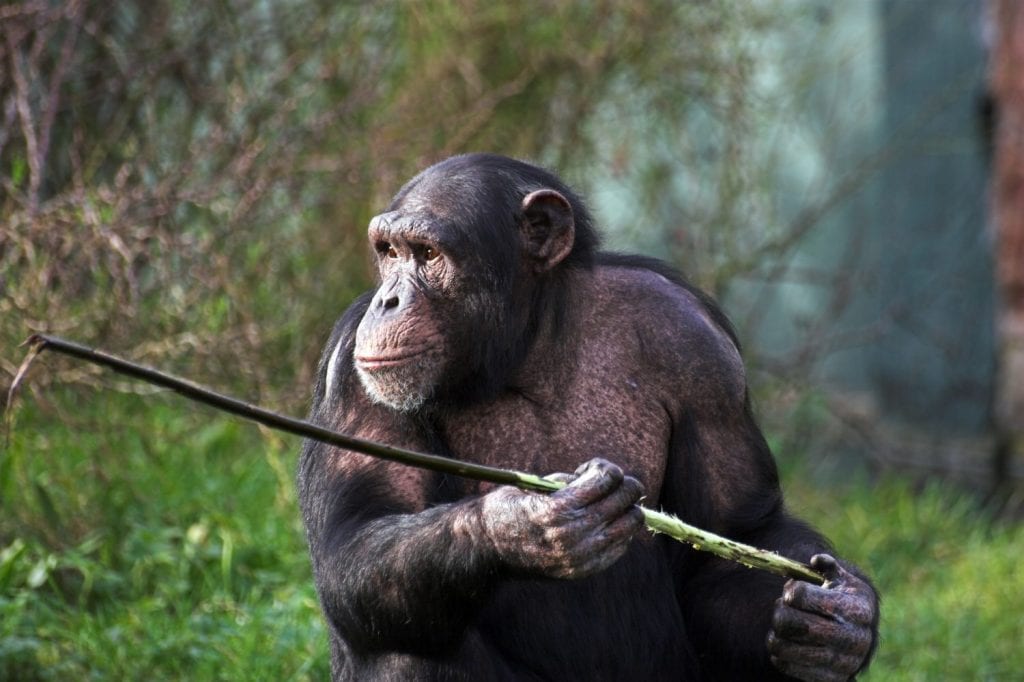
Chimpanzees use sticks and stones as tools and weapons.
©Norma Cornes/Shutterstock.com
When it comes to tools, chimpanzees will strip sticks to catch termites and ants, crack tough nuts with rocks or wood, and even chew up leaves into little sponges to sip water. Some groups have been seen sharpening sticks into spears for hunting, while others use leaves as makeshift gloves, cushions, or even umbrellas. They’ll also wave branches around to show off or intimidate rivals. Not every group uses the same tricks, which means they’re learning from each other and passing down their own “chimp culture.” In a manner of speaking, one might say that chimpanzees have entered their own version of a “Stone Age.”
Chimpanzee Parenting
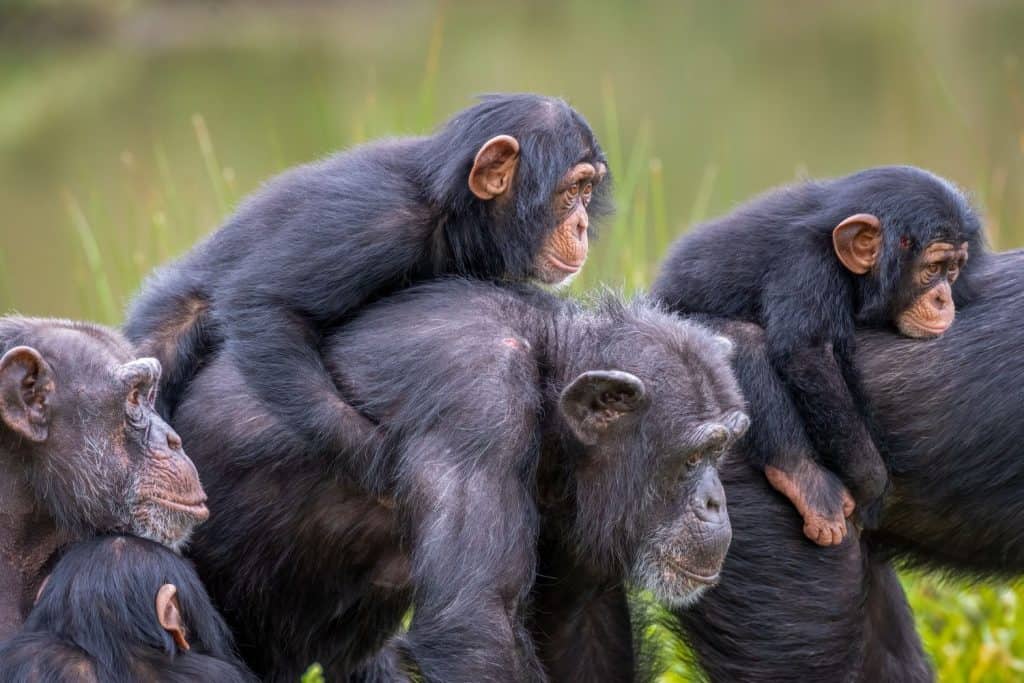
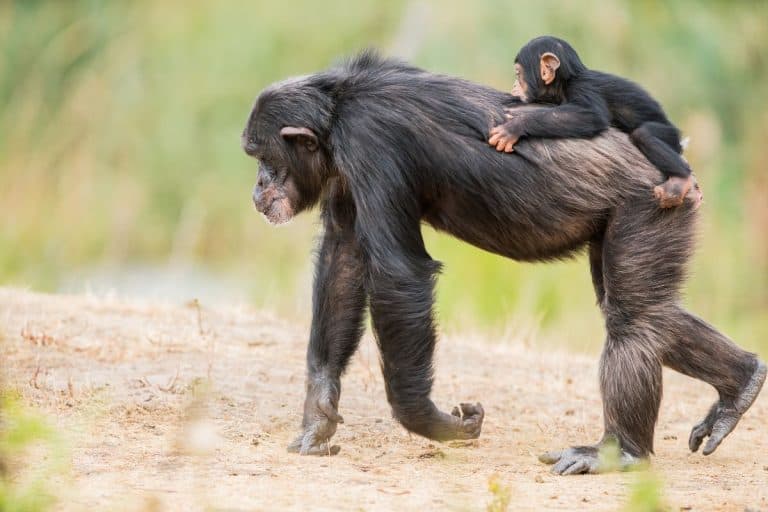
Chimpanzee infants often ride clinging to their mothers’ backs.
©Wirestock Creators/Shutterstock.com
Female chimpanzees carry, nurse, and protect their babies almost constantly for the first few years, with youngsters rarely leaving their side until they’re three to five years old. This creates a strong bond but also gives young chimps the chance to learn social skills and survival behaviors by watching and imitating their mothers.
Male chimps may occasionally play with, groom, or even defend young ones, but they aren’t consistent about it. Unlike species where males form long-term pair bonds and invest heavily in family, male chimpanzees tend to channel their energy into status and power rather than caring for their families.
Young Chimp Play
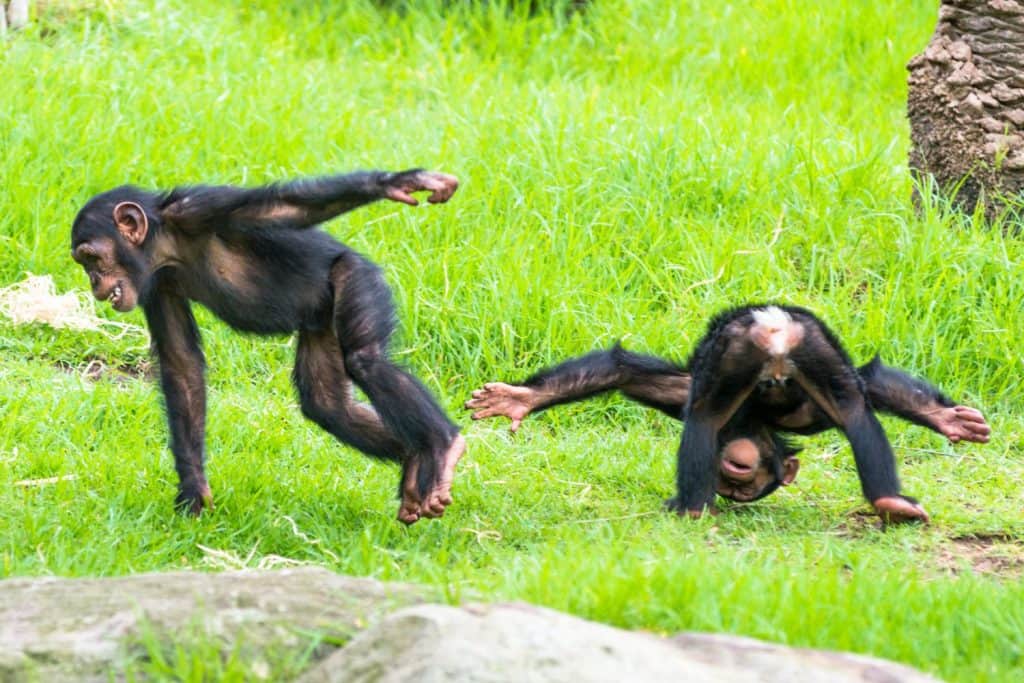
Male chimps tend to be rougher in their play than females.
©Andy333/Shutterstock.com
You can already see differences between male and female chimps when they’re still infants. Males play rougher, throwing sticks, wrestling with each other, and waving and beating branches. This kind of play makes them stronger and helps them start to figure out social hierarchies. Young females spend more time observing their mothers and practicing skills like termite fishing or nut-cracking. Compared to males, females learn to use tools earlier.
Aggression Among Chimpanzees
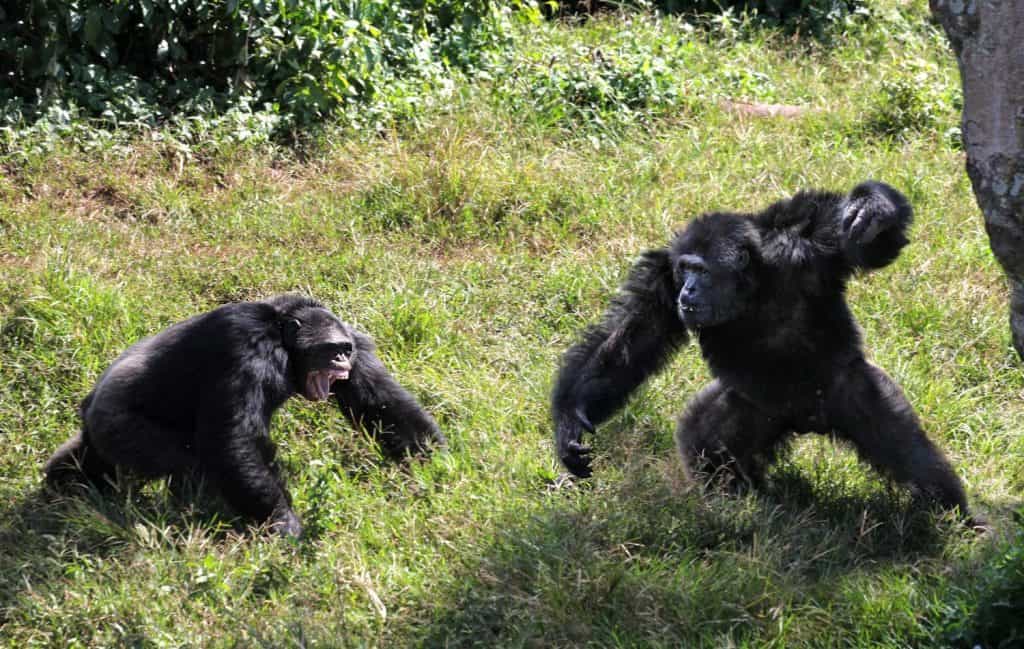
Male chimpanzees are strong and aggressive.
©Charlotte Morse/Shutterstock.com
Male chimpanzees can be explosively aggressive. When they cooperate, they are able to kill monkeys, small antelope, or even drive off leopard attacks. But they also direct a lot of their aggression toward each other. They bite, hit, and chase one another during power struggles. Serious injuries—including torn flesh and broken bones—are common. These violent contests are not limited to rival males; males also use their strength to dominate females, sometimes dragging, hitting, or intimidating them to assert control, particularly during mating.
Females, by contrast, are not as physically strong or violent. They still show aggression in more subtle ways, such as building alliances, withholding cooperation, or finding other ways to express hostility toward each other and the males. Tragically, chimp infants bear the brunt of some of the most brutal violence. When a power struggle brings a new male to dominance, he may kill the infants of rival males. Sometimes females also commit infanticide. Chimps are omnivorous and may sometimes eat the bodies of slain infants.
Cognitive and Emotional Traits
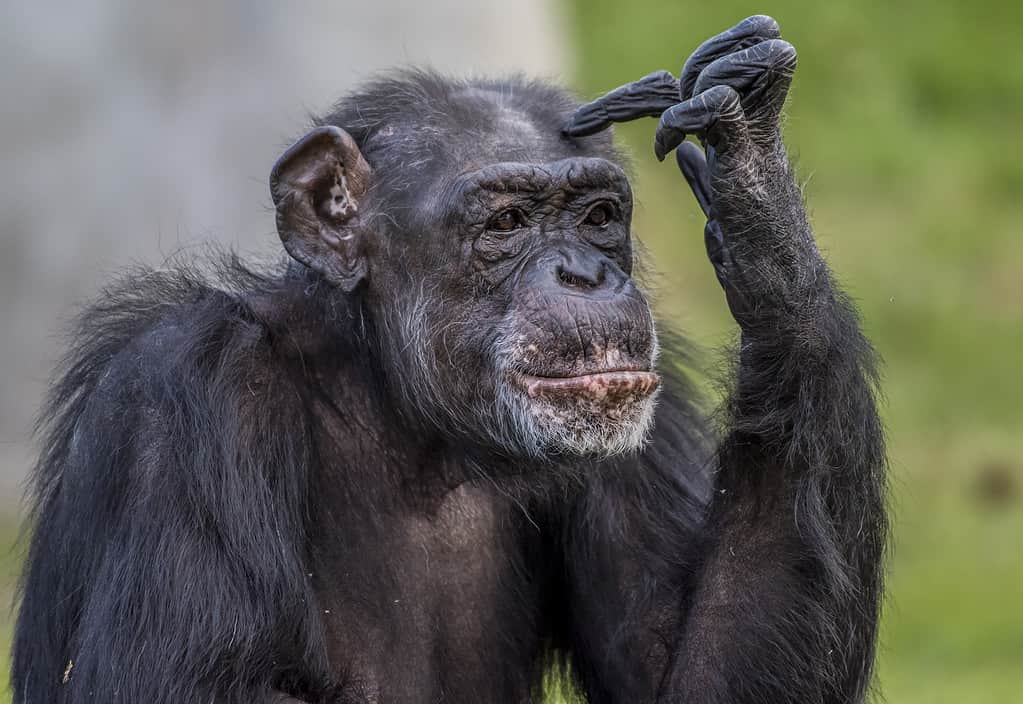
Female chimpanzees tend to take fewer risks than males. This makes sense because they are responsible for caring for infants.
©Wirestock/iStock via Getty Images
Studies are starting to show that male and female chimps may think and react a little differently. Males are often bolder—they’ll take more risks, explore new objects, or walk into unfamiliar situations. At the same time, they can also be quick to show anxiety or react strongly when they feel threatened. Females, on the other hand, tend to be more cautious and sometimes show steadier emotional control when facing new challenges.
However, these are just general trends, not hard rules. Some males are surprisingly gentle, while certain females rise to dominant roles in their groups. Every chimp has its own personality shaped by both genetics and life experience. This wide range of behavior makes chimpanzee societies complex and interesting.
Longevity and Rank in Chimp Communities
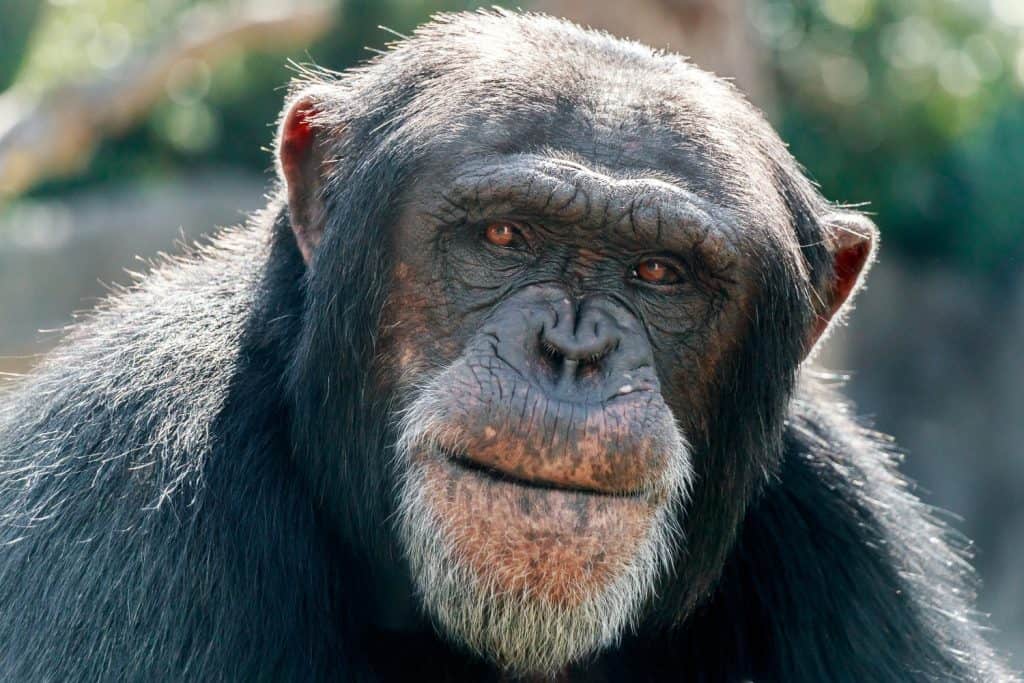
Chimpanzees can live into their 30s, and in rare cases, much longer.
©Holly Michele/Shutterstock.com
The oldest chimpanzee ever documented in the wild lived was estimated to be in her late 50s or early 60s when she passed away. More commonly, though, if a chimp survives through its first birthday, then a male will live on average into his late 20s to early 30s, and a female into her mid- to late-30s.
High-ranking males are more successful at reproducing and passing on their genes. But they pay a price in physical risk—fights, injuries, and constant pressure from rivals. All of this greatly shortens their lives. Dominant females often control resources such as food patches or nesting areas and drive rivals away. In fact, when food is scarce, dominant females can exert significant influence over access to resources, sometimes rivaling the influence of males within their immediate social circles. Older females, especially those with many offspring, at times play stabilizing roles within their groups.
A Shared Intelligence with Different Paths
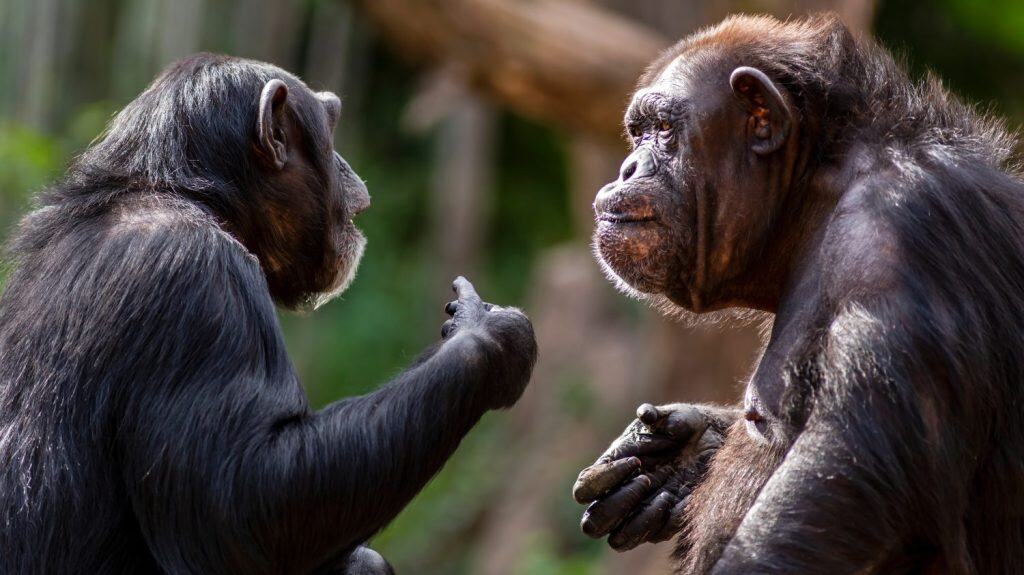
Chimpanzees are among the most intelligent animals in the world.
©Patrick Rolands/Shutterstock.com
Male and female chimps may act differently, but what truly ties them together is their remarkable intelligence and resourcefulness. Both are clever problem-solvers, capable of learning from each other and showing real emotional depth. The difference lies in how they use those abilities: males often apply their brains to politics—building alliances and navigating group rivalries—while females tend to focus on finding food, caring for young, and managing resources. These different strengths complement each other, helping chimp communities survive and thrive in an unforgiving wilderness.