
Quick Take
- A tool hunters have relied on for decades to attract bucks is now linked to spreading CWD, and Delaware has just banned it across the entire state. See the baiting ban →
- CWD can spread through a dead deer long after it's been harvested, and how hunters handle their kill this season could determine whether the disease stays contained. How CWD spreads →
- Delaware is offering free CWD testing this season, but only hunters who comply with a specific chain of requirements will be eligible. Check testing eligibility →
With less than two weeks left until deer hunting season starts in Delaware, the Department of Natural Resources and Environmental Control (DNREC) has announced new restrictions. The state confirmed its first positive case of Chronic Wasting Disease, or CWD, back in April. Now, hunting regulations reflect the increased risk of harvesting a deer infected with a prion disease.
As of September 1st, hunters must comply with several major changes outlined in DNREC’s emergency regulations. Doing so will help prevent the spread of the infection and allow hunters to have their deer tested for free.
Here’s what else hunters will need to be aware of this season.
Continue reading
DNREC Announces New Regulations As of August 17
Emergency regulations were triggered following the first official case of CWD in Delaware back in April. The DNREC jumped into action immediately, and by July, it began working with the U.S. Department of Agriculture’s Animal and Plant Health Inspection Service (APHIS) Wildlife Services and local landowners. Together, these organizations tested additional deer samples to better understand where CWD was concentrated.
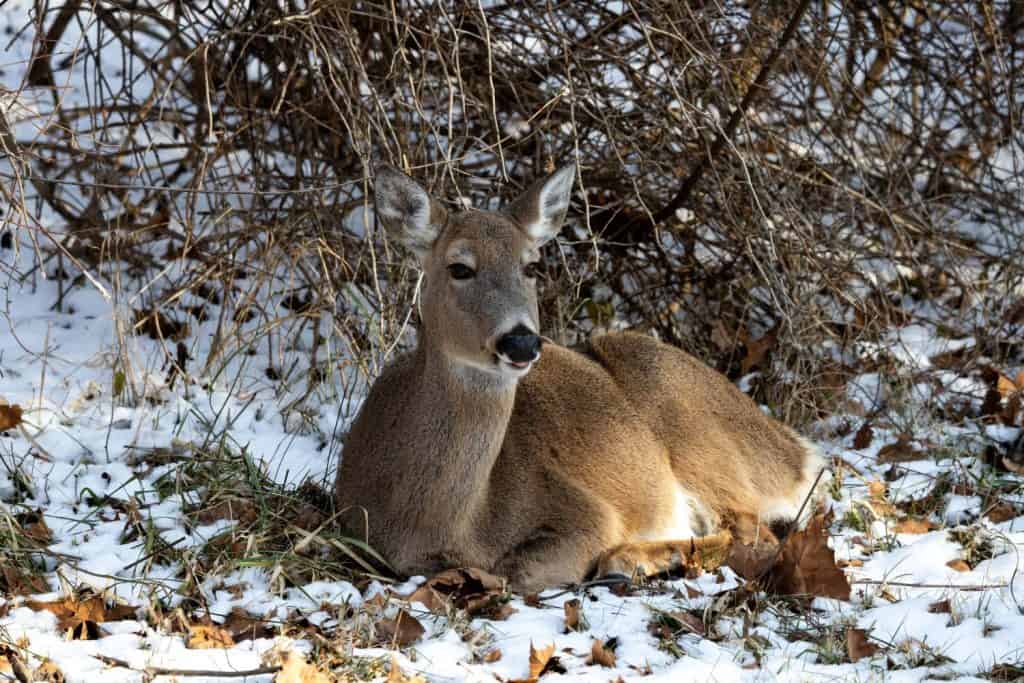
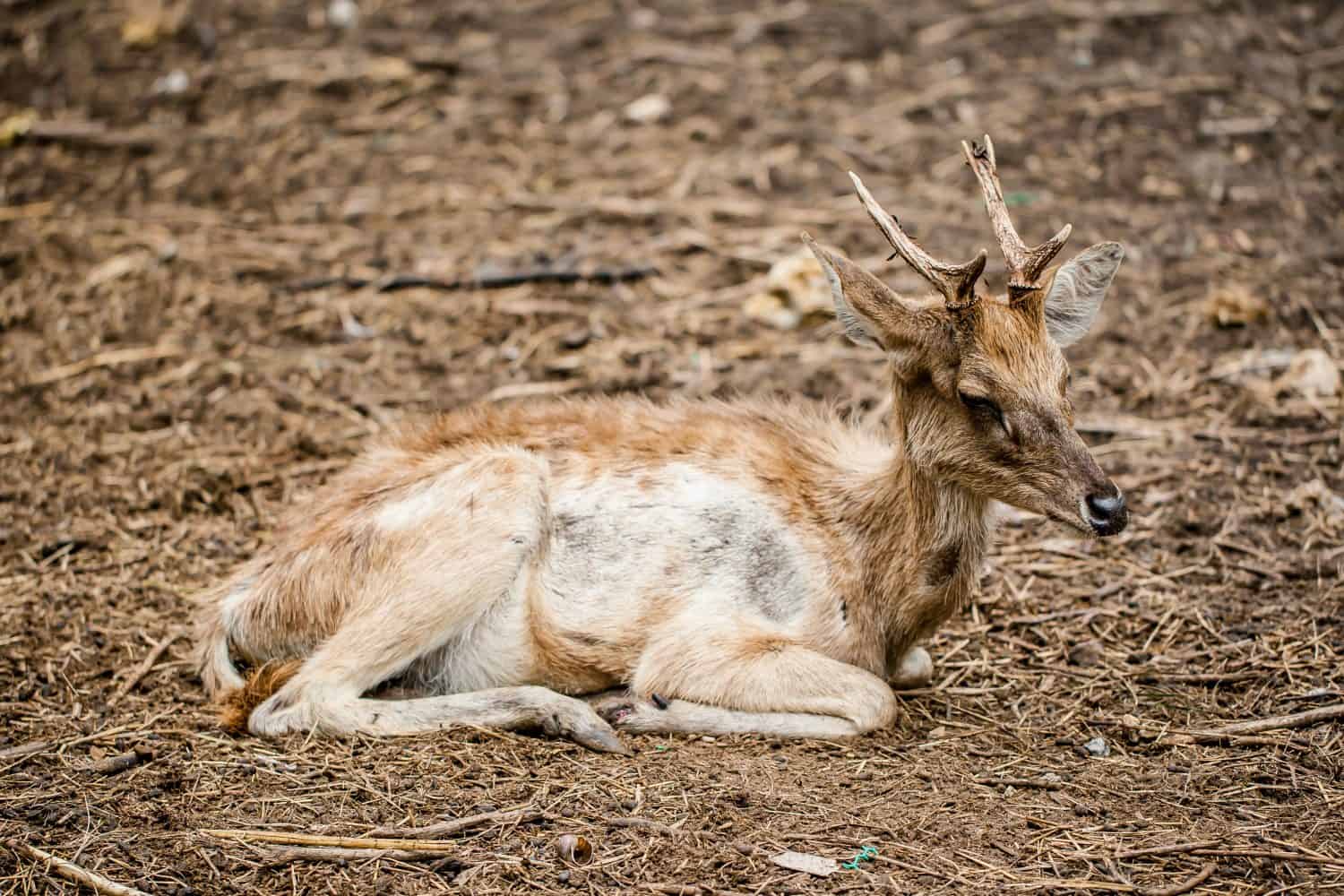
The prions that cause CWD can survive in contaminated soil for years.
©Wirestock Creators/Shutterstock.com
A total of 100 samples were tested by APHIS, helping map the distribution of the disease. None of the samples tested by APHIS were positive for CWD. This came as a relief, according to DNREC Secretary Greg Patterson. “While it comes as a relief that no additional positive samples were found during the focused cluster sampling, the measures in the new regulations aim to help us contain CWD while its range is limited in our state. Now is the time to get ahead of CWD, because once CWD starts spreading, it’s much more difficult to manage,” he said in a statement.
A total of 600 samples have been taken across the 2025 and 2026 hunting seasons. Only two of those samples tested positive for CWD. While this is a positive outcome given the scale of testing, it does not mean that CWD poses no threat.
Chronic Wasting Disease Targets Deer, Elk, and Moose
When an animal is infected with CWD, the disease is almost always fatal. It affects cervid species and is transmitted easily, even though there have been few positive cases in Delaware so far. During transmission, misfolded proteins called prions are spread from animal to animal. Once they enter the body, they target proteins in the brain and cause the animal’s nervous system to fail.
It’s transmitted through saliva, blood, urine, and feces, either directly or indirectly. This means animals drinking from the same pond or lake, walking through puddles of contaminated water, or coming into contact with contaminated waste can contract the disease.

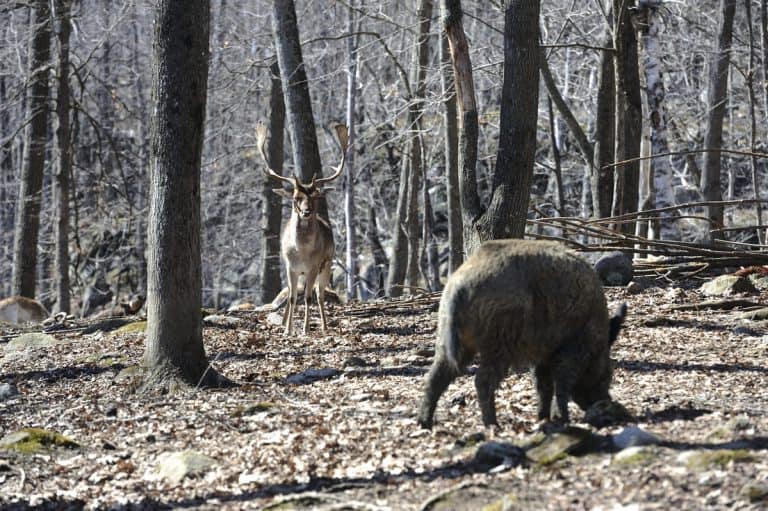
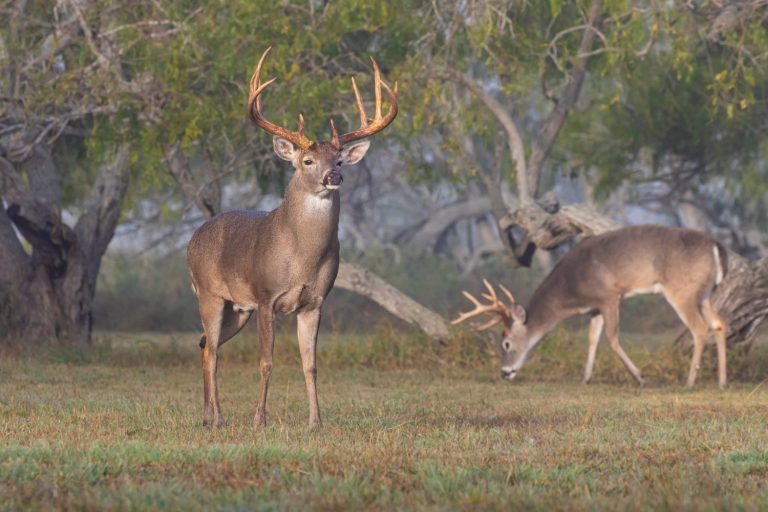
CWD also affects elk and deer, which only helps the disease spread further.
©Cavan-Images/Shutterstock.com
It can also be spread from a doe to a fawn during birth. Researchers have found that CWD can be transmitted through buck semen, which makes the disease even more difficult to contain. Despite all that is known about the disease, there is still no cure or treatment. Because there is no cure, management focuses on prevention and limiting transmission.
What Hunters Need to Know Ahead of Deer Hunting Season
The emergency regulations for Delaware’s hunting season, put in place on August 17, address several major points, including CWD management zones. Additionally, hunters should be aware that most types of bait have now been prohibited. According to the DNREC’s rules, hunters must now:
| New Regulations for Delaware’s Deer Hunting Season |
| Establish a CWD Management Zone (CMZ) that encompasses Wildlife Management Zones 14 and 16, including DNREC’s Midlands Wildlife Area and Trap Pond State Park, in lower Sussex County. |
| Prohibit the use of bait and feed for attracting deer within the CMZ. |
| Requires hunters to check in deer harvested within the CMZ during the November general firearm “shotgun” deer season (Nov. 13-22) at two designated stations: Delaware Solid Waste Authority’s Jones Crossroads Landfill near Georgetown and the Gumboro Service Center near where the Whitetail Open takes place. |
| Defines requirements for hunters moving harvested deer out of the CMZ to other areas within the state. |
| Prohibits the rehabilitation and relocation of “rescued” deer fawns originating within the Sussex County CMZ, and |
| Places a statewide ban on the use of natural urine-based “buck lures” to hunt deer. Buck lures are connected to CWD because infectious abnormal misfolded proteins, called prions, that cause the fatal disease are shed in animal bodily fluids – and can be transmitted to other deer either from direct contact or when browsing vegetation grown in CWD-tainted soil. |
Additionally, hunters who want to test their deer for CWD can do so for free. Testing is available at self-serve drop-off locations throughout the state. Locations can be found on the DNREC website, which will be updated just before hunting season opens on September 1st.