
Quick Take
- A fossil sat in a museum drawer for 70 years before anyone realized it belonged to a species science had never seen. What made it so easy to overlook? See the overlooked specimens →
- Dr. Cruz went looking for one thing and accidentally uncovered something even more puzzling about an animal that now lives 1,500 miles away. Explore Cruz's accidental find →
- Amphibians are terrible at fossilizing, yet the La Brea Tar Pits holds specimens that survived when nothing else did. How is that possible? Discover why tar preserves amphibians →
When we think of wellsprings of ancient biological and archaeological study, we tend to think of far-off places, unimpeded by the development of contemporary civilization. While that may hold true for many sites, the La Brea Tar Pits serve as an exception to the rule. Though it sits in heavily urbanized modern Los Angeles, the tar pits hold vast fossil records spanning tens of thousands of years. Consistent study of these natural asphalt pits routinely uncovers new evidence of ancient flora and fauna. The latest discovery from the La Brea Tar Pits, however, came as a surprise.
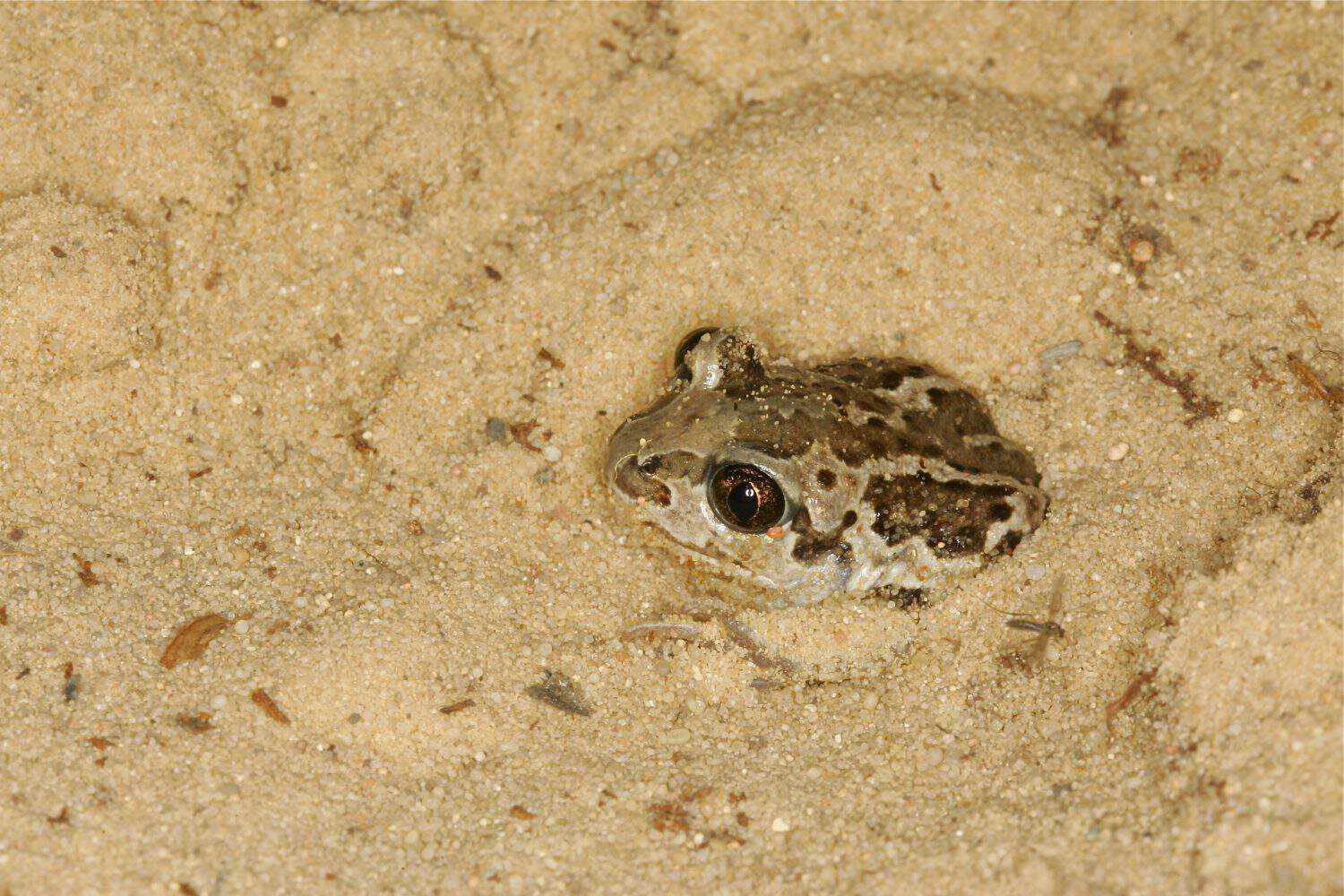
A researcher discovered a previously unknown amphibian that lived during the Ice Age in what is now Los Angeles. This extinct spadefoot toad species, named Spea labreae, is the first new amphibian species discovered from the La Brea Tar Pits. It is so rare that only one other extinct amphibian species from the Ice Age has been discovered in all of North America.
What makes this discovery even more remarkable, however, is that the actual fossil was discovered in the 1950s. It was only recently, while reviewing the site’s fossil collections, that a scientist realized he was looking at a previously undescribed species. Here is a closer look at the dark spadefoot toad. Let’s discuss how careful observation uncovered something entirely new within an old collection.
Continue reading
History of the Pits
People have inhabited the La Brea Tar Pits and their surrounding area for tens of thousands of years. The Chumash and Tongva peoples used the natural asphalt that seeped to the surface to waterproof and build plank boats. In 1769, a group of Spanish explorers made the first record of the site. Once Europeans permanently settled the area, they mistook the various bones that would surface from the ground for those of animals from nearby ranches.
It took until the early 1900s for people like Union Oil geologist W.W. Orcutt to recognize the pits as a significant repository of fossil records. Over the following decades, the area became a site of increased scientific study. The 1940s and 50s saw the excavation of large mammal bones. Dating of some of these bones placed them in the Last Glacial Period, approximately 10,000 to 115,000 years ago. Many of these fossils were placed in museum collections, tagged, and received little further study. This is where Dr. Alberto Cruz comes in.
Old Pits, New Discoveries
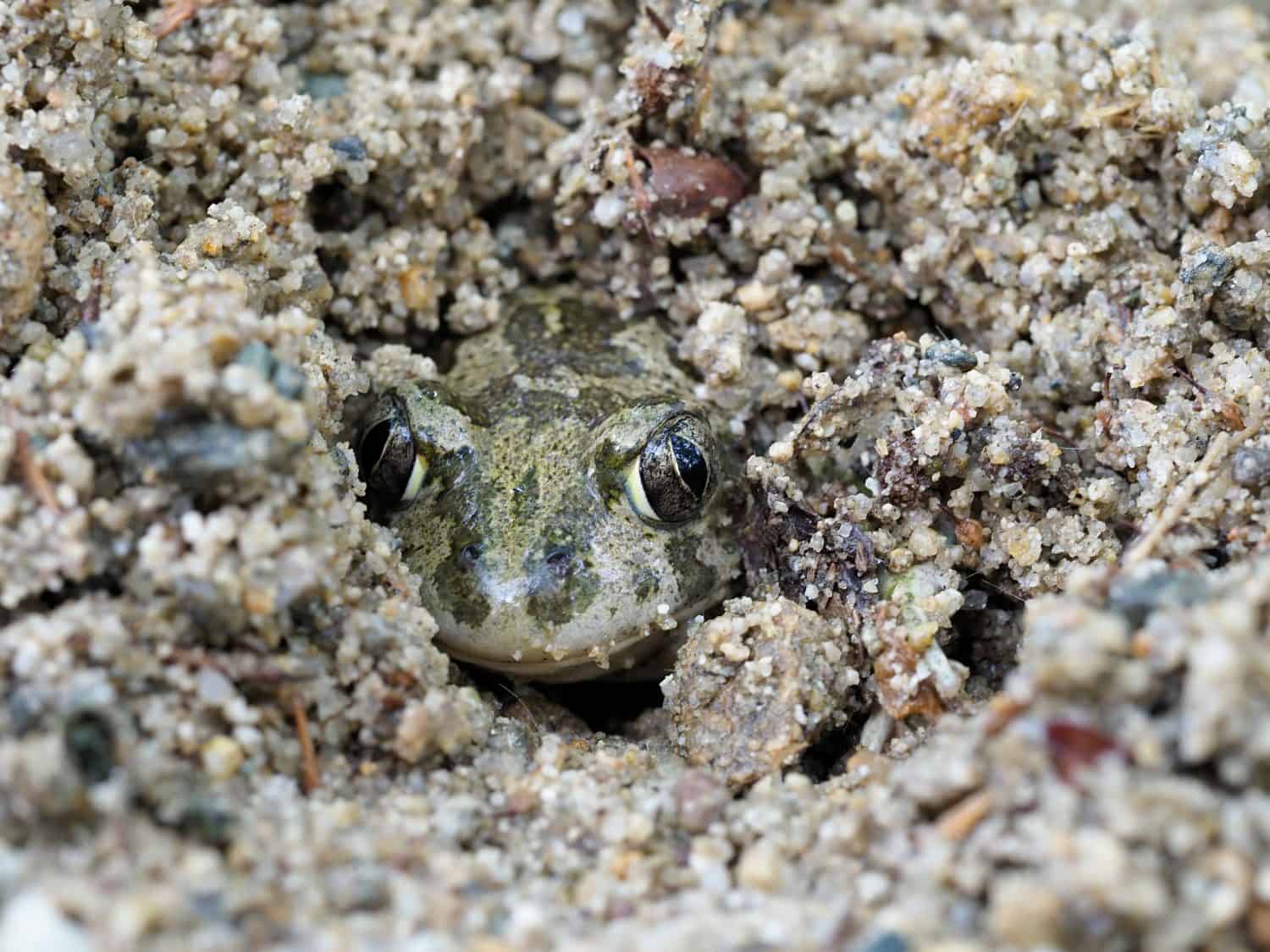
A closer look at spadefoot toad fossils in California museum collections yielded a surprising discovery.
©Erni/Shutterstock.com
Dr. Alberto Cruz began studying the relatively overlooked reptile and amphibian collections from the La Brea Tar Pits during his postdoctoral fellowship. While reviewing records of known spadefoot toads, he noticed unexpected features in several specimens. Initially, Cruz assumed the bones belonged to a spadefoot toad that was either sick or injured. Further comparisons, however, suggested an entirely new species.
To ensure he was not mistaken, Cruz documented shape and size differences. He made comparisons to 80 other specimens housed in both the Herpetology Collections at the Natural History Museum of Los Angeles County and the Museum of Vertebrate Zoology at the University of California, Berkeley. This confirmed what he suspected: the La Brea fossils represented a distinct species of spadefoot toad.
Dr. Cruz told Science Daily, “I reviewed and reviewed a lot of specimens until I was convinced. I thought, ‘Oh my gosh, this is a new species.’ This material is originally from the 1950s, but when you study it again, you can find gold in these specimens. It’s very cool.”
Another Find
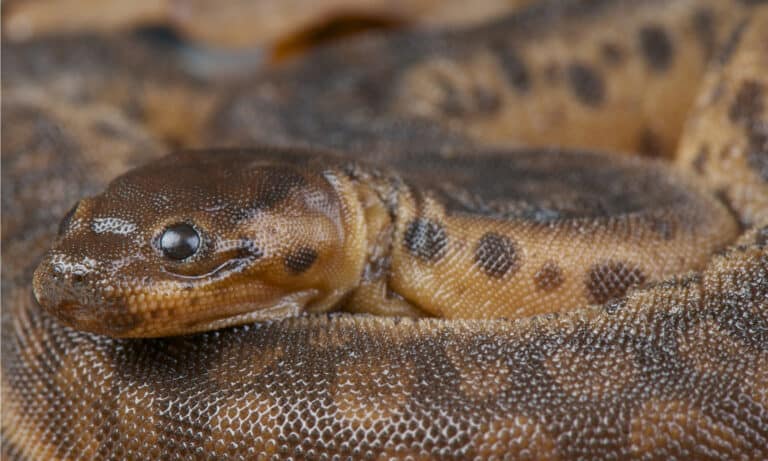
In the comparison process, Dr. Cruz also identified the first known example of the Mexican burrowing toad in the southwestern United States. Today, these toads live more than 1,500 miles away in southern Mexico.
Mexican burrowing toads no longer live anywhere near Los Angeles. Their closest living populations are now nearly 2,500 km away in southern Mexico. This indicates that the species once occupied a dramatically different geographic range.
Amphibians are not only sensitive to environmental changes; they also tend to remain close to their birthplace. This makes them useful climate indicators. The discovery of a new toad species, along with the confirmation of another, helps scientists better reconstruct the environmental changes the La Brea Tar Pits have undergone over the last 15,000 years. It could also help explain how amphibians respond to contemporary climate change. As Cruz explained to Science Daily, “If you change the environment, you change the vegetation, the climate is warmer or colder, it affects these animals directly.”
Hidden Gems
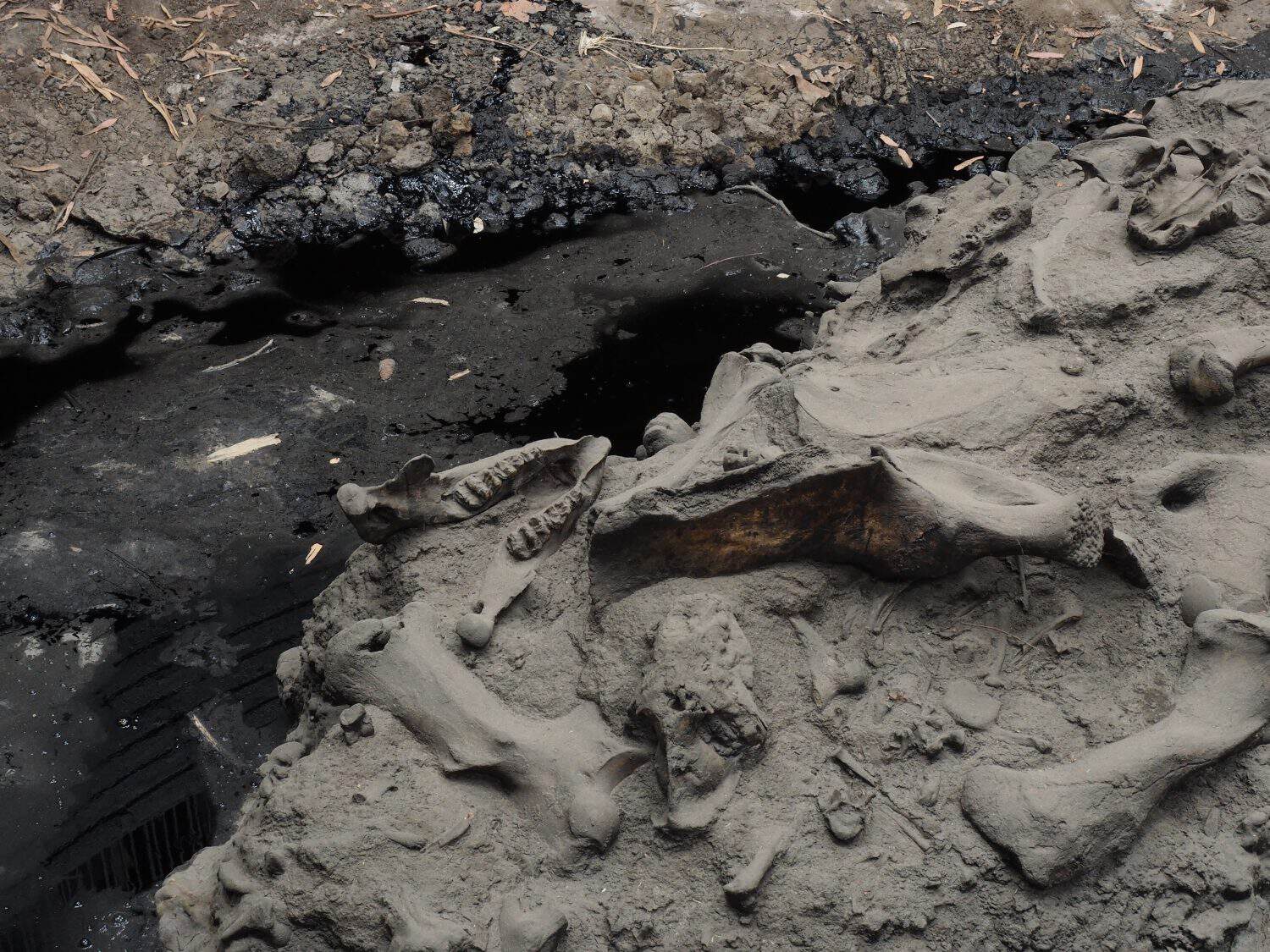
Scientists routinely discover new fossils in the La Brea Tar Pits, suggesting further species discovery.
©Pornprapa Korprasert/Shutterstock.com
What makes this discovery so special is that amphibians do not take well to fossilization. Their bones are often too delicate and brittle to survive ossification in stone. The unique conditions of the La Brea Tar Pits have helped preserve ancient amphibians that have otherwise disappeared from the fossil record.
This suggests that the discovery of the dark spadefoot toad, Spea labreae, may not be unique. Considering how many fossils scientists collected, cataloged, and tucked away in museum collections, there are likely more species waiting to be discovered by a keen-eyed scientist. Dr. Emily Lindsey, Associate Curator and Excavation Site Director at the Samuel Oschin Global Center for Ice Age Research at La Brea Tar Pits, affirms this notion.
She told Science Daily, “It’s a great example of how we’re still finding new things at La Brea Tar Pits, even after a century of ongoing excavation and research. There’s definitely more to come.”