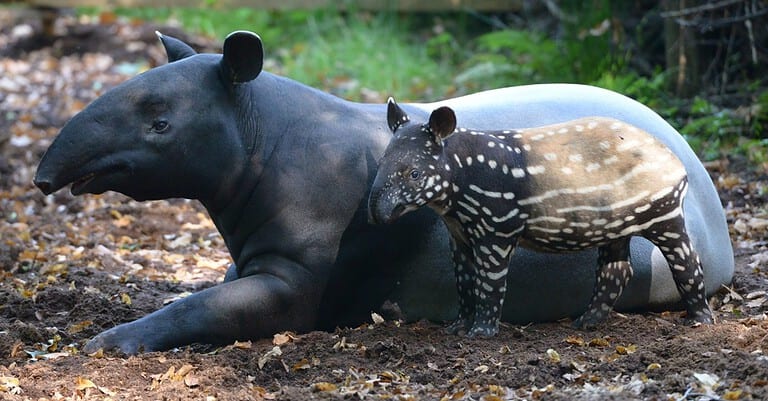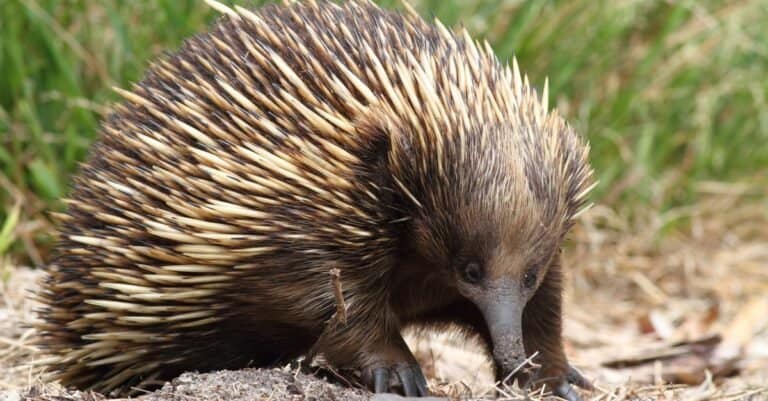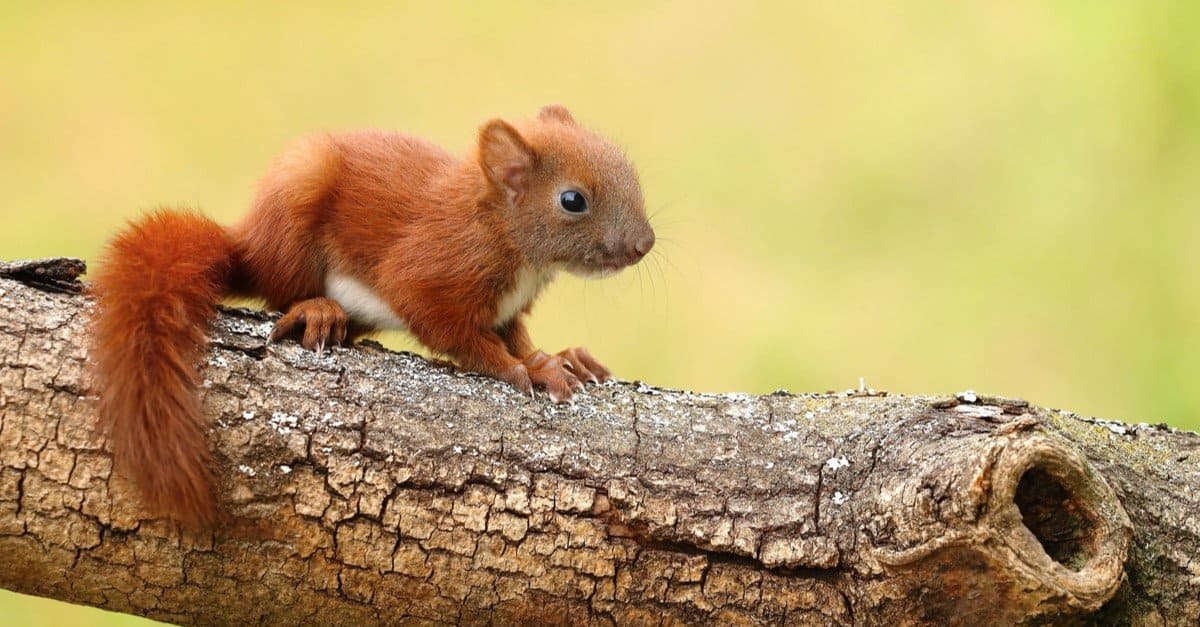

There’s something universal about the charm of baby animals. From tiny joeys tucked in pouches to chubby seal pups on the ice, their small size, playful antics, and innocence capture our hearts. Here are 37 of the sweetest baby animals to fulfill all your adorability needs for weeks!
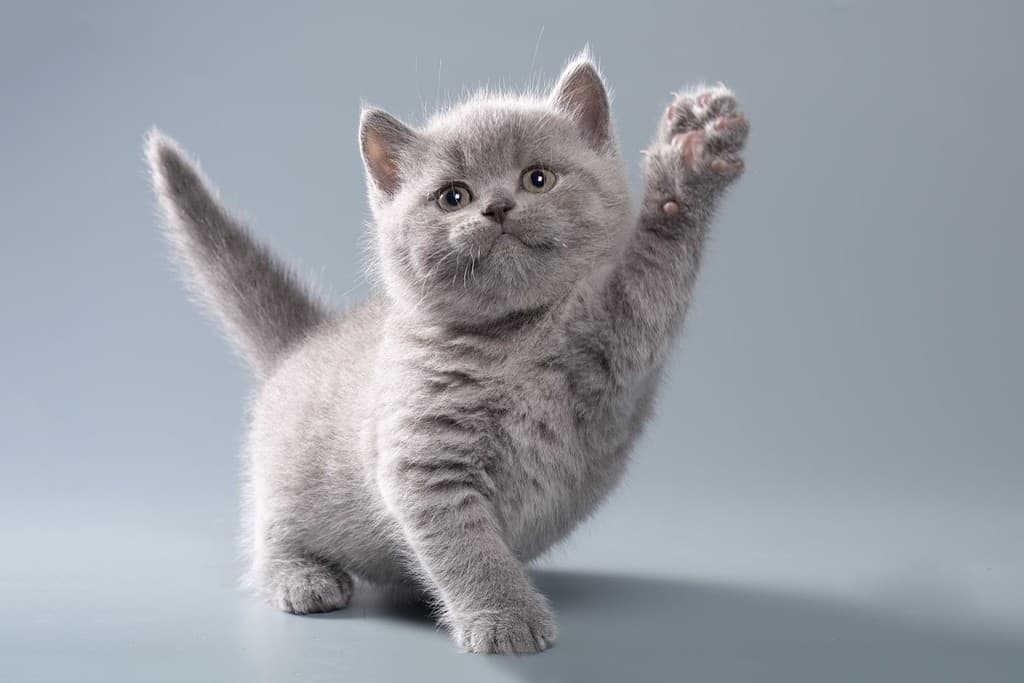
1. Kitten
©OksanaSusoeva/Shutterstock.com
A kitten is just a handful at three or four ounces, which is lighter than a deck of cards. Litters of three to five mewl for milk every few hours. They nurse for about eight weeks, eyes closed at first, then blinking and taking in the big world.
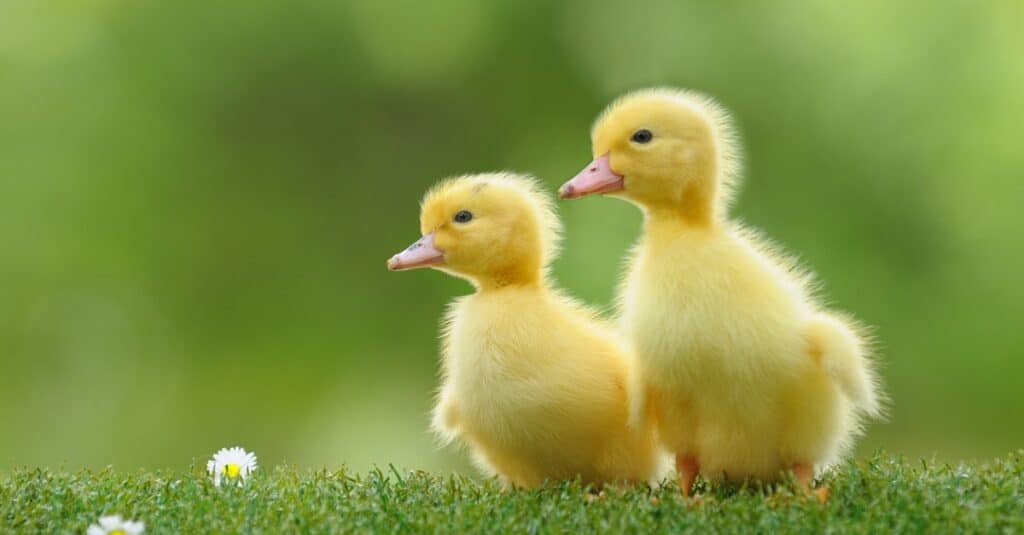
2. Ducklings
©iStock.com/therry
Ducklings tip the scale at barely an ounce or two. A dozen siblings may hatch at once. They march after Mom in a tidy line of yellow fuzz, cheeping happily. Once in the water, they’re in their element, floating around like little fluffy boats.
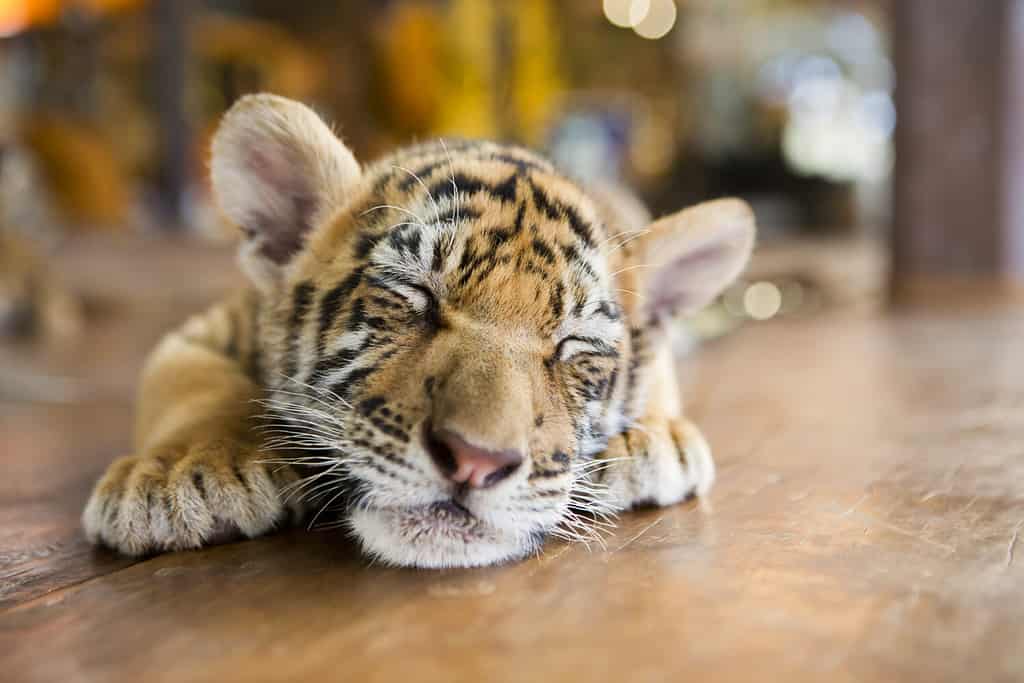
3. Tiger Cub
©Iryna Kalamurza/Shutterstock.com
Tiger cubs are chunky little bundles, weighing two to three pounds at birth. A litter of two to four tumbles together, nursing for six months. Their squeaks and stripes make them irresistible miniatures of their parents. Cuddled under mom’s huge paws, they’re fierce-in-training but impossibly adorable for now.
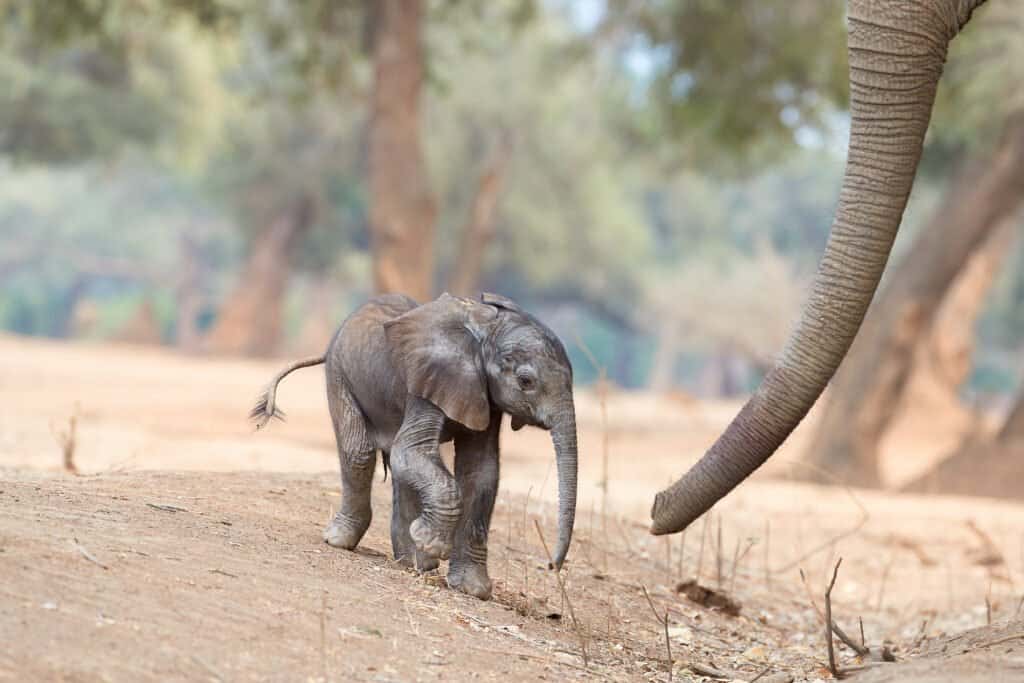
4. Elephant Calf
©Martin Mecnarowski/Shutterstock.com
Elephant calves are giants among babies, weighing 200 to 250 pounds at birth—as much as an adult man. Born singly after nearly two years of pregnancy, they nurse for several years. Their floppy ears, wobbly steps, and trunk they can’t quite control make them endearingly clumsy—like toddlers in XXL pajamas.
5. Puppy

©Natalia Fedosova/Shutterstock.com
Depending on the breed, dogs have puppies that weigh anywhere from a few ounces to a pound when born. Litters can be anywhere from 1-12 or larger, and pups nurse for six to eight weeks. Their squeaky cries, pink paws, and milk-drunken naps are why “puppy piles” melt hearts everywhere.
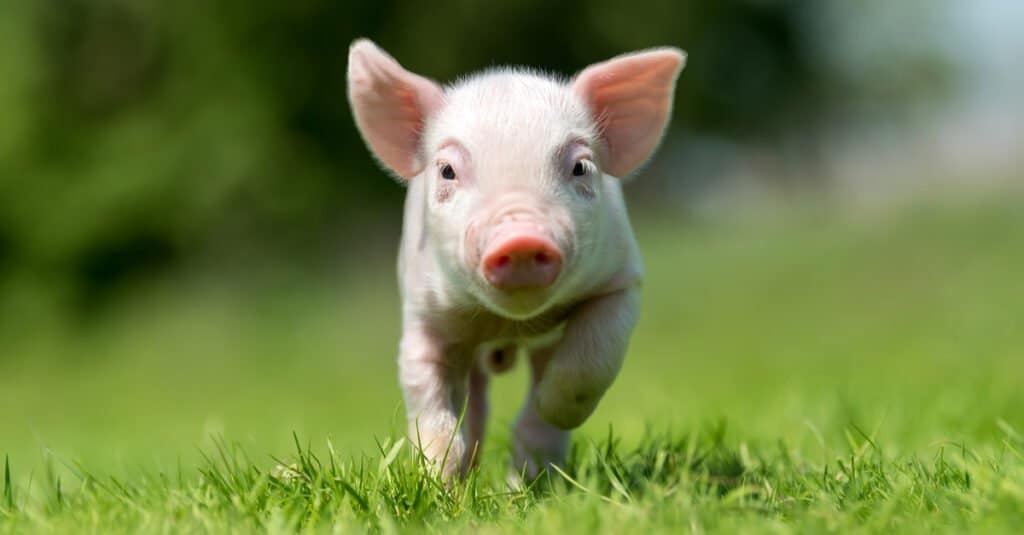
6. Piglet
©Volodymyr Burdiak/Shutterstock.com
Piglets are just two to three pounds at birth, but they hit the ground running. Litters often number a dozen. They squeal and nuzzle with vigor, nursing for about a month. Squeaky clean newborns have a lot to learn from their mom, including how to get good and dirty in a mud hole.
7. Fawn
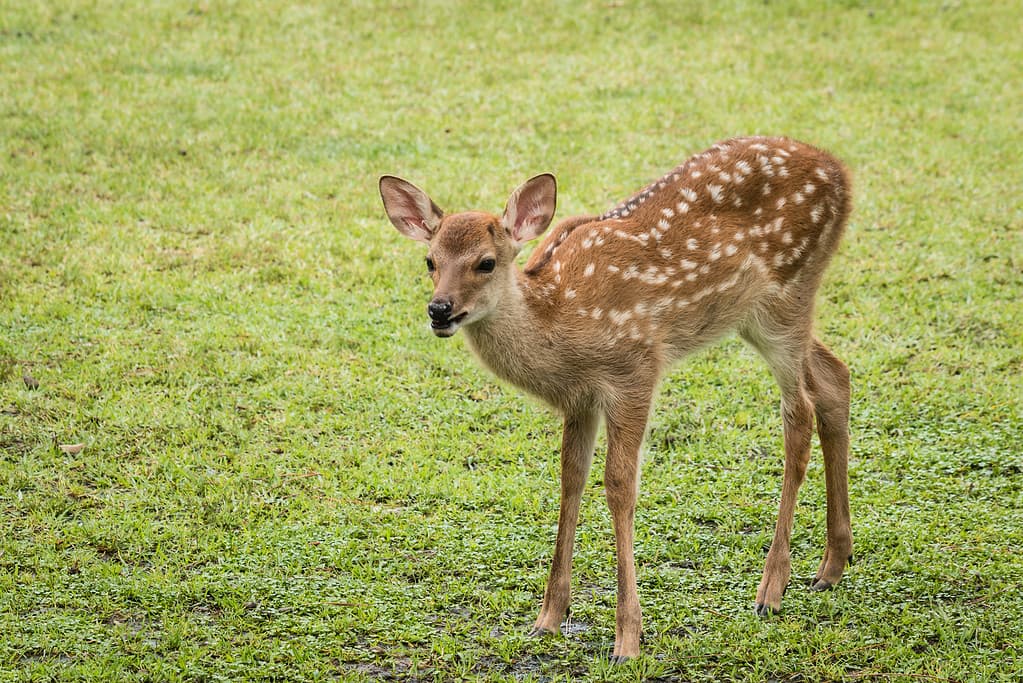
©PatrikStedrak/iStock via Getty Images
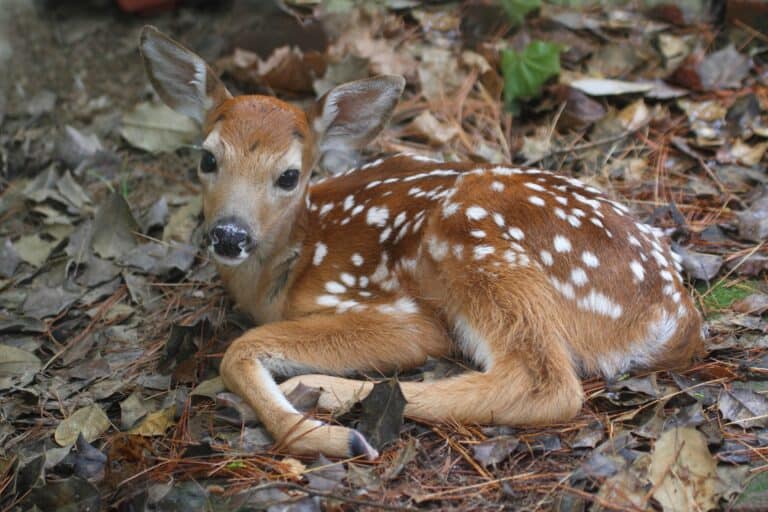
At five to eight pounds, fawns look delicate, decorated with white spots that serve as camouflage. They’re usually born solo, sometimes as twins. They nurse for four months, waiting hidden silently in the grass while their mom grazes.
8. Foal
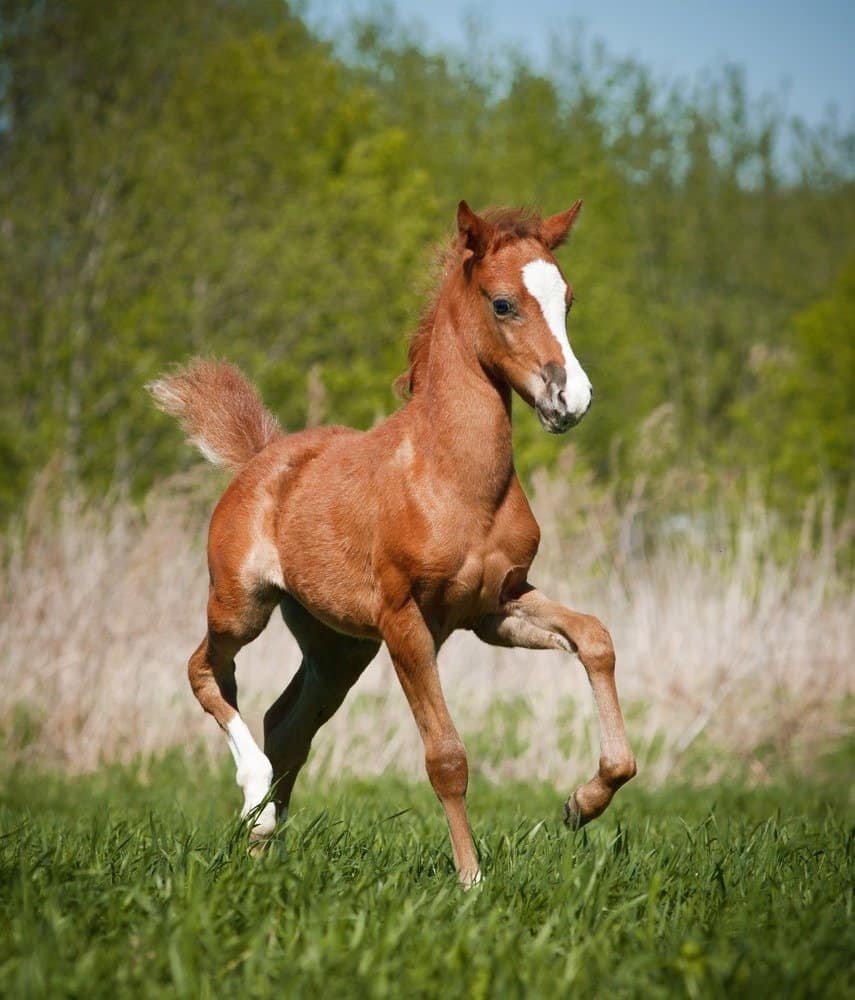
©mariait/Shutterstock.com
Foals arrive at around 100 pounds, already strong-legged and standing within an hour. They’re born singly and nurse for 4-6 months. They look like lanky teenagers, with knobby knees and oversized ears—gangly, awkward, and beautiful all at once.
9. Calf
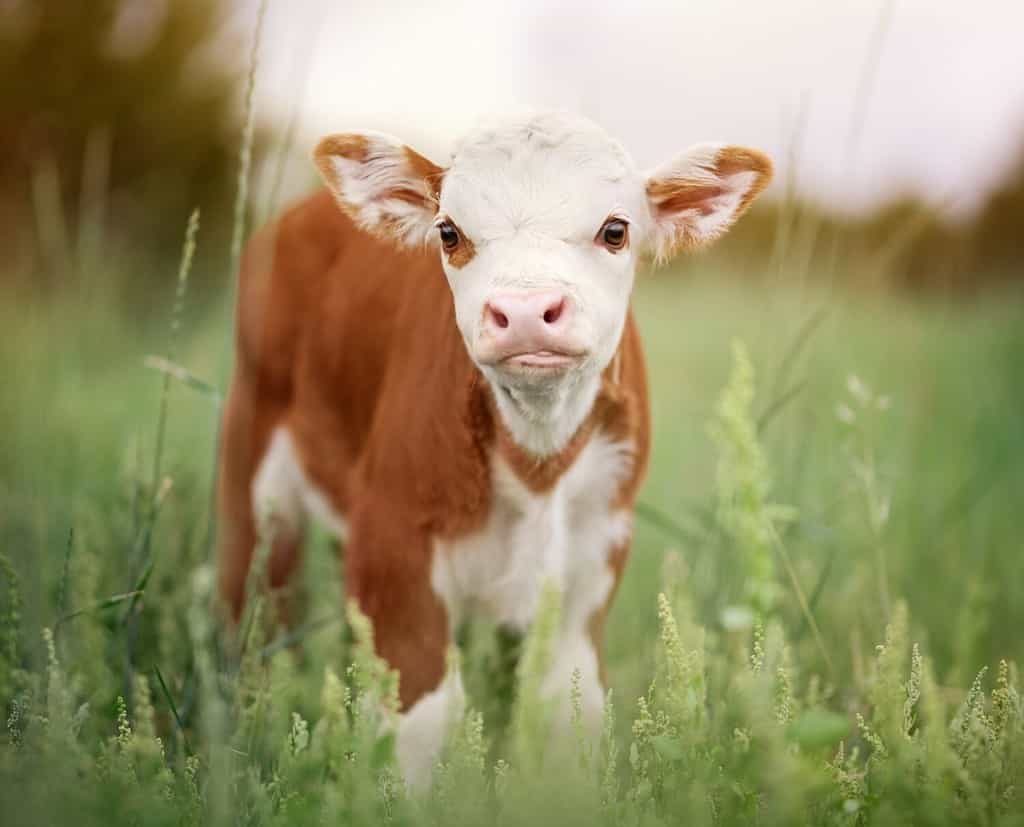
©KatieDamonPhoto/Shutterstock.com
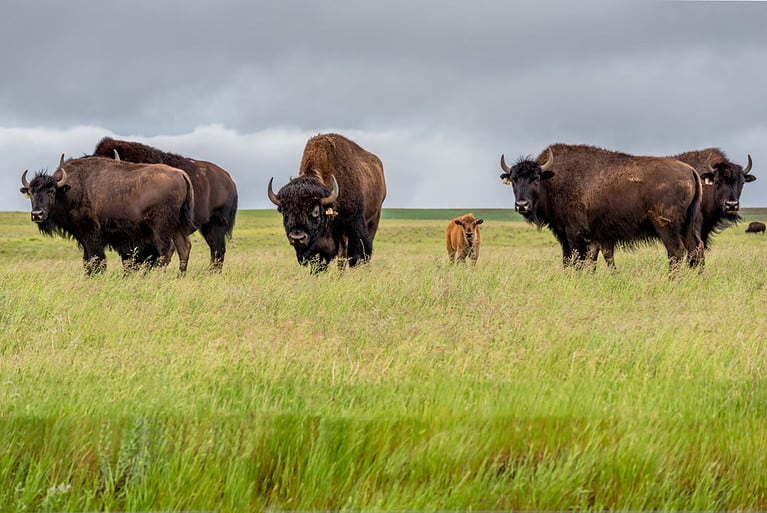
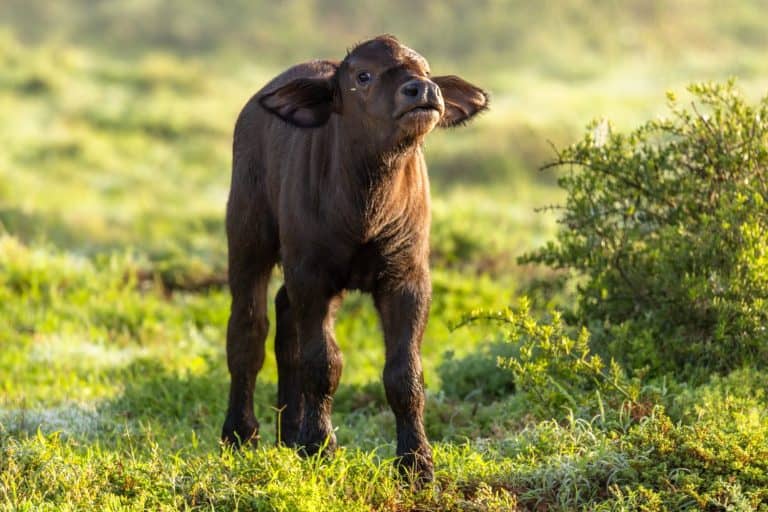
Calves weigh 60 to 100 pounds, born one at a time. Nursing lasts months, though many farmers supplement with bottle feeding. Watching a calf wobble on new legs, then flop down into straw with wide-eyed innocence, is one of the most beautiful pictures of new life you’ll ever see.
10. Porcupette
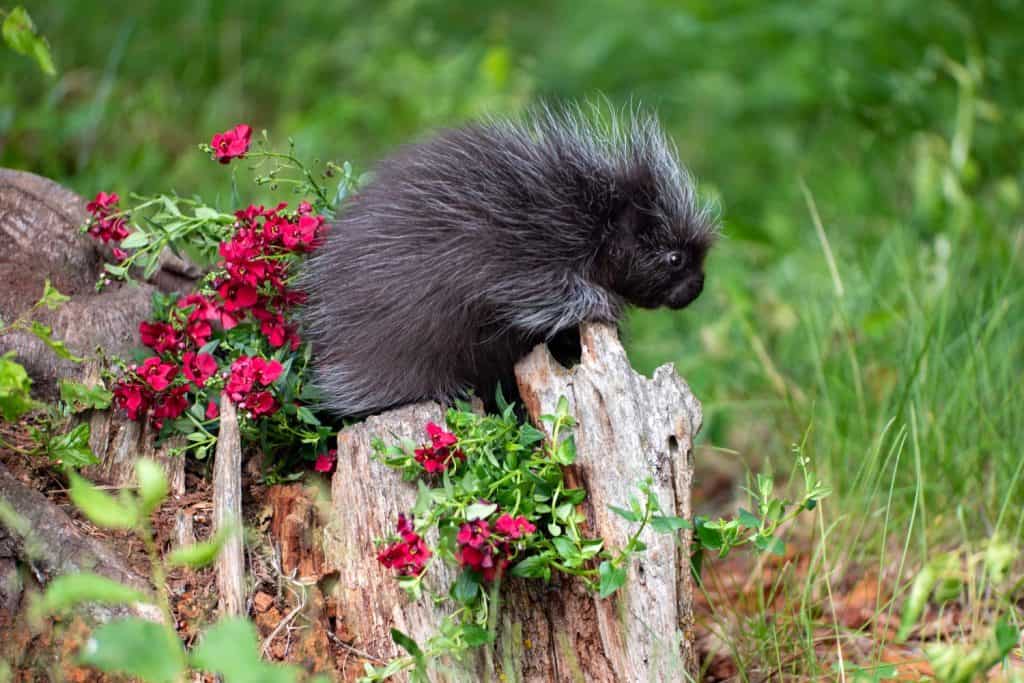
©puttle712/Shutterstock.com
Whoever brilliantly decided that baby porcupines should be called porcupettes should be allowed to rename all baby animals! Porcupettes are just a pound or less at birth, chubby little things whose quills are still soft. Usually born singly, they nurse for four to six weeks. Their gentle squeaks and shy waddles make them look like huggable stuffed toys.
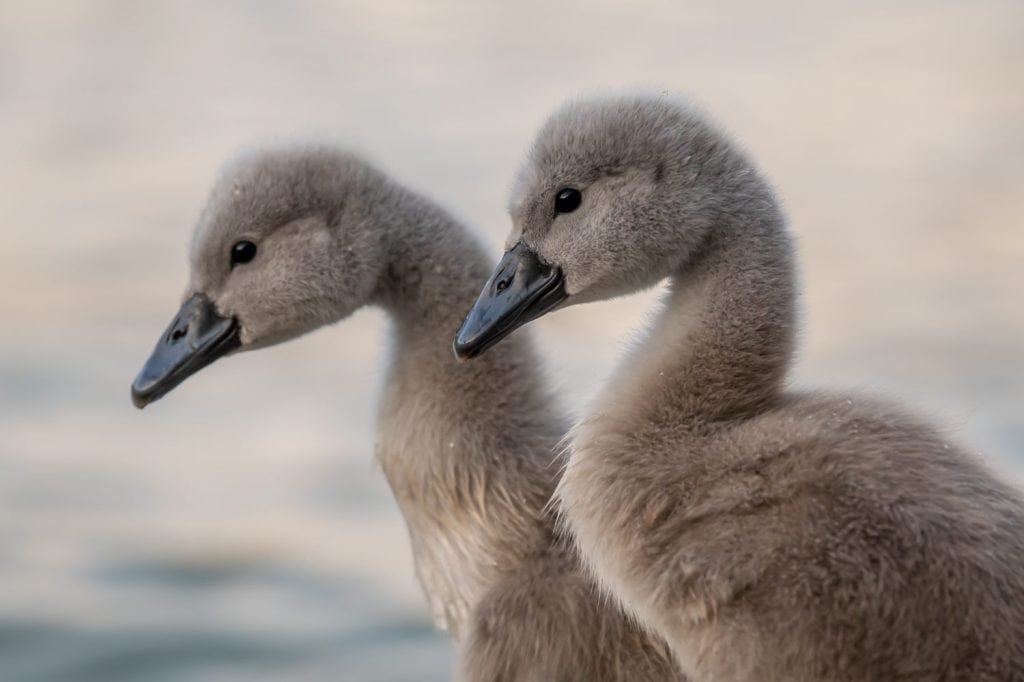
11. Cygnet
©Heying HUA/Shutterstock.com
Cygnets weigh only eight ounces, yet their fluff makes them look twice as big. A brood of five to seven huddles together, riding on mom’s back across the water. They don’t nurse but graze gently. A swan’s stern grace softens instantly when she ferries these cottony babies.
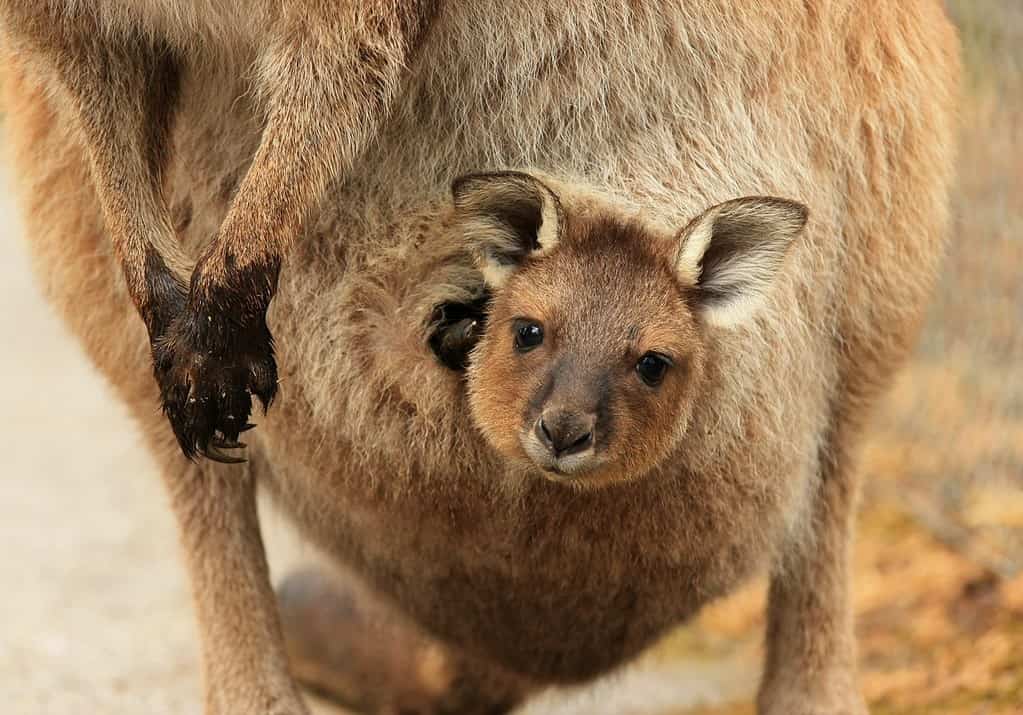
12. Kangaroo Joey
©K.A.Willis/Shutterstock.com
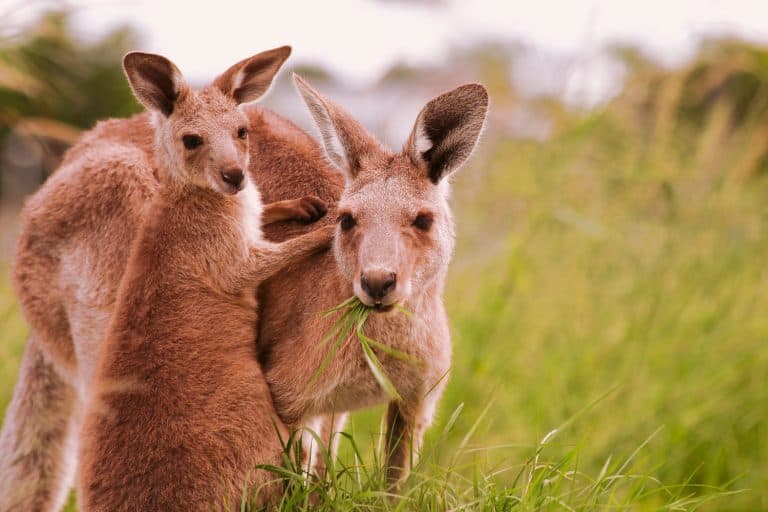
At birth, a joey is barely the size of a jellybean, blind and hairless. Always born solo, it crawls into the pouch to nurse and grow. For months, its tiny head peeks out, ears twitching. Few sights rival the cuteness of a curious joey clinging to mom’s fur.
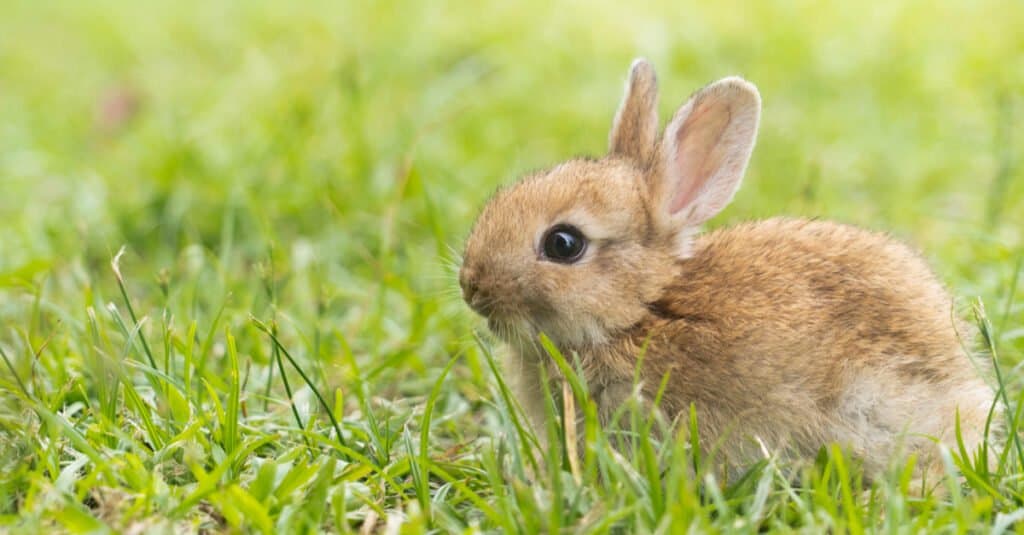
13. Bunny
©MemoryMan/Shutterstock.com
Bunny kits are only an ounce or two at birth, pink, hairless, and fragile. Litters may reach six or more. If you happen to live in Canada, you might call that group a “fluffle.” Mom just needs to nurse them once or twice a day—her milk is that rich. Within weeks, the nest is hopping with wide-eyed, twitchy-nosed bundles of delight.
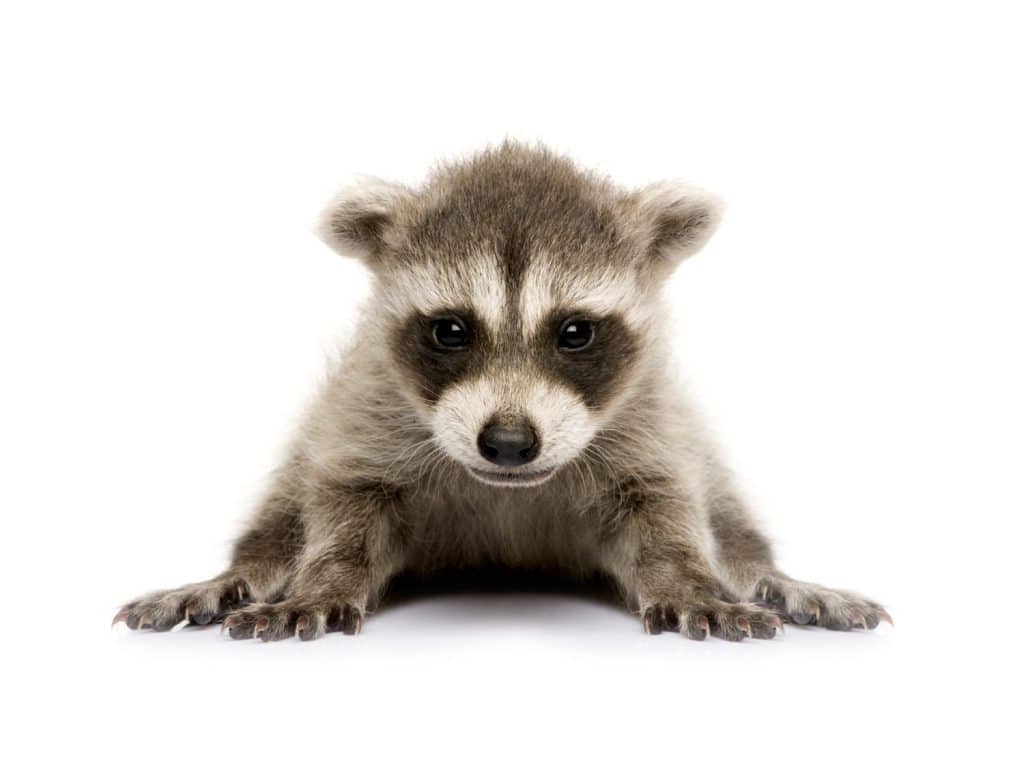
14. Raccoon Kit
©Eric Isselee/Shutterstock.com
Raccoon kits weigh three to five ounces and are born with closed eyes. A litter of three to five nurses for several months. They squeak and wriggle in their den until they’re ready to toddle. With their masked faces and dexterous paws, kits already look like tiny bandits, ready to steal your heart.
15. Nicobar Pigeon Squab
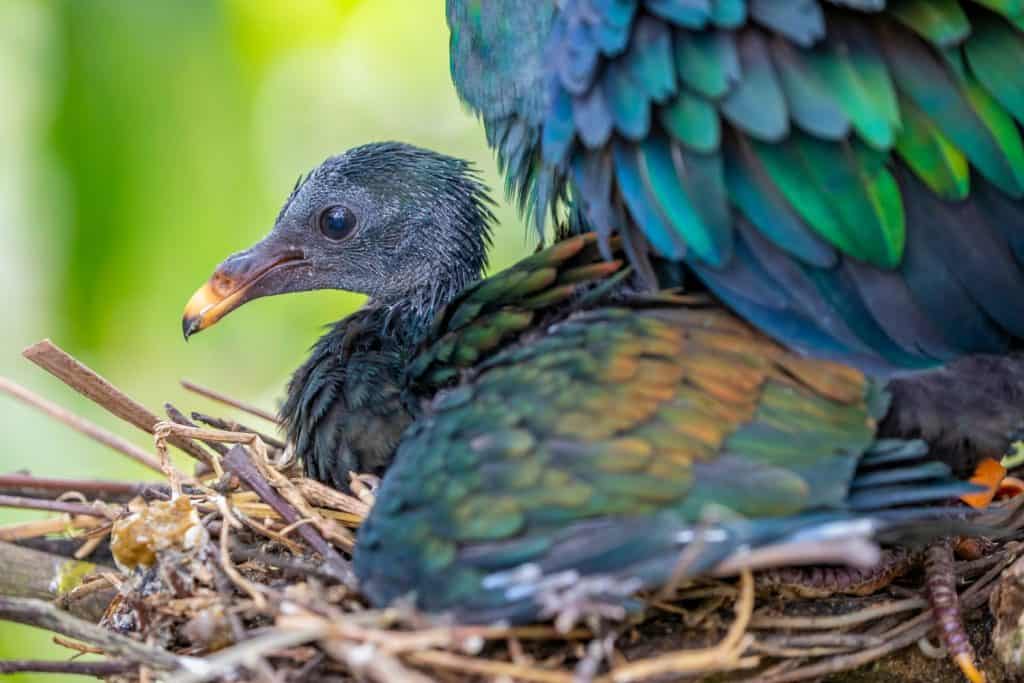
©Danny Ye/Shutterstock.com
Nicobar pigeon squabs hatch helpless, naked, and featherless, weighing less than an ounce. There are usually two per nest, fed by both parents and growing steadily for weeks. Awkward at first, they eventually feather out into shimmering beauties, like their parents.
16. Grey Seal Pup

©emka74/Shutterstock.com
Grey seal pups weigh 25 to 35 pounds, wrapped in snow-white coats. Always born singly, they nurse for two to three weeks on milk so rich they balloon in size. Meanwhile, mothers fast. With round eyes and wobbly flippers, these pups look like living plush toys on ice.
17. Eaglet
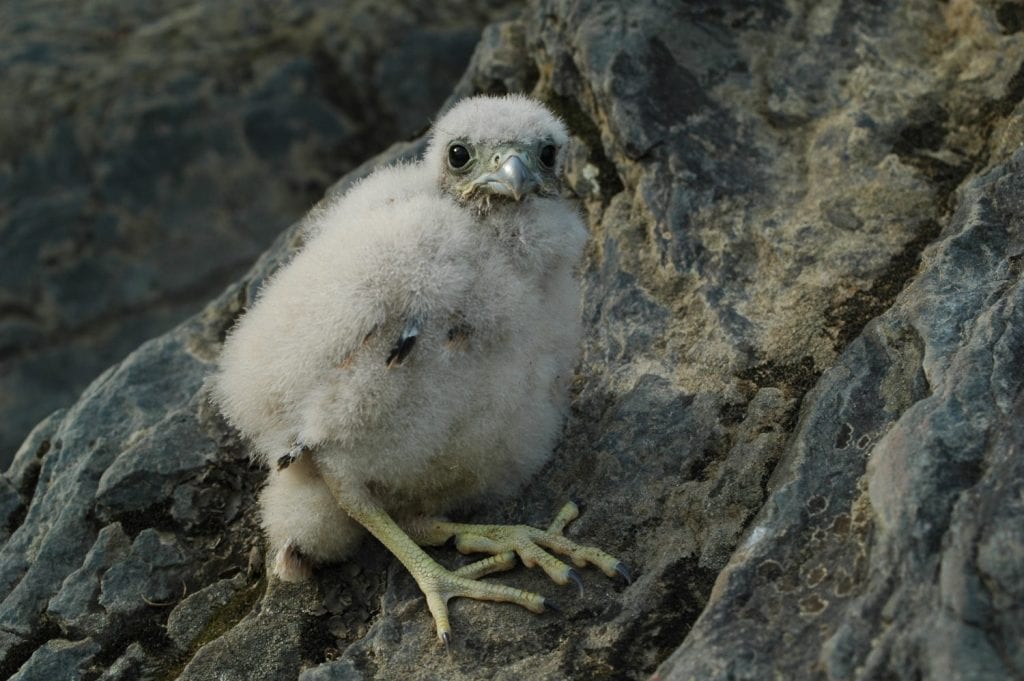
©Tanya_Goncharova/Shutterstock.com
Eaglets hatch at three ounces, all fluff and oversized beaks. One to three share a nest, jostling for food. They don’t nurse but receive regurgitated fish and prey. Watching their scruffy heads peek above the nest edge, it’s hard to believe this awkwardness will mature into powerful soaring nobility.
18. Snapping Turtle Hatchling
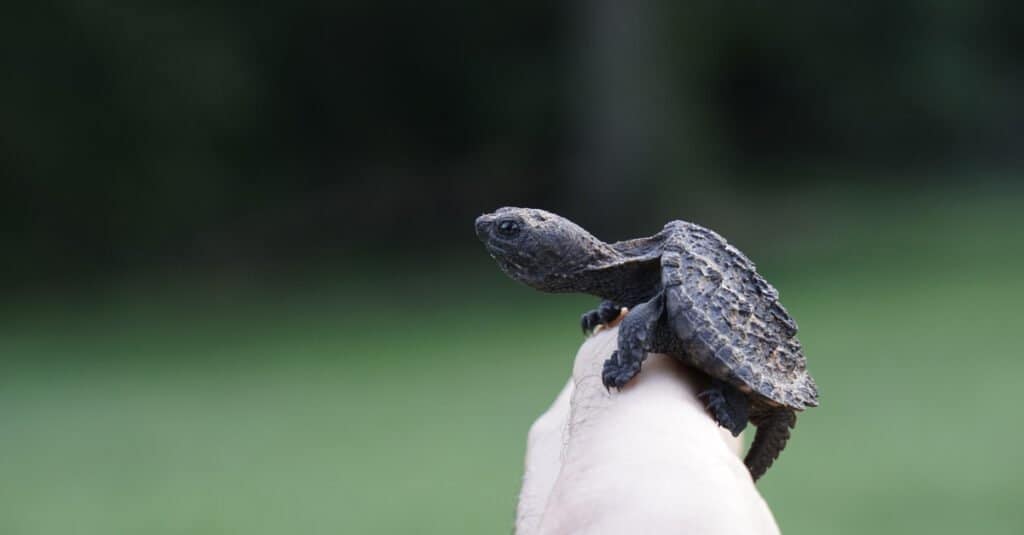
©Hoth Cook/Shutterstock.com
An inch long, hatchlings emerge from sandy nests in dozens. They receive no care, but with persistence and determination, they crawl to the water to start feeding. Baby snapping turtles have adorable tiny shells, tiny claws, tiny tails, but their tiny biting mouth is all business from the very start.
19. Koala Joey
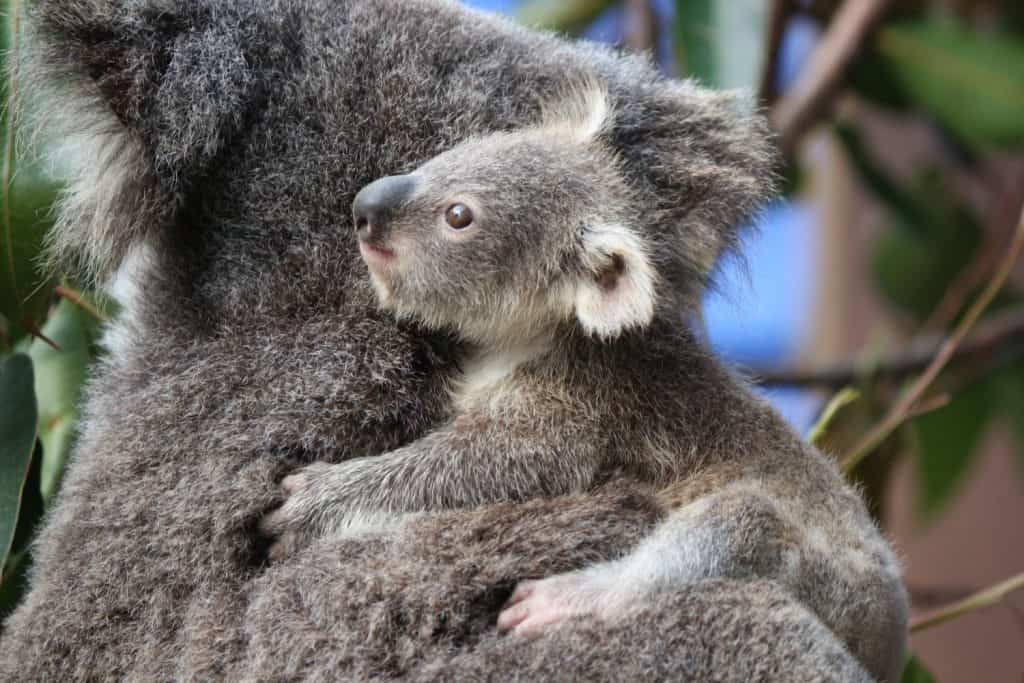
©Chaos2Light Images/Shutterstock.com
The term “joey” is used for all marsupial babies, including kangaroos, koalas, and opossums. Koala joeys are bean-sized at birth, slipping into the pouch unseen. They nurse for months before peeking out. Later, they cling to mom’s back, eyes bright. Their sleepy expressions and fuzzy ears have universal charm—few animals look cuddlier than a joey hugging its mother’s neck.
20. Discus Fish Fry
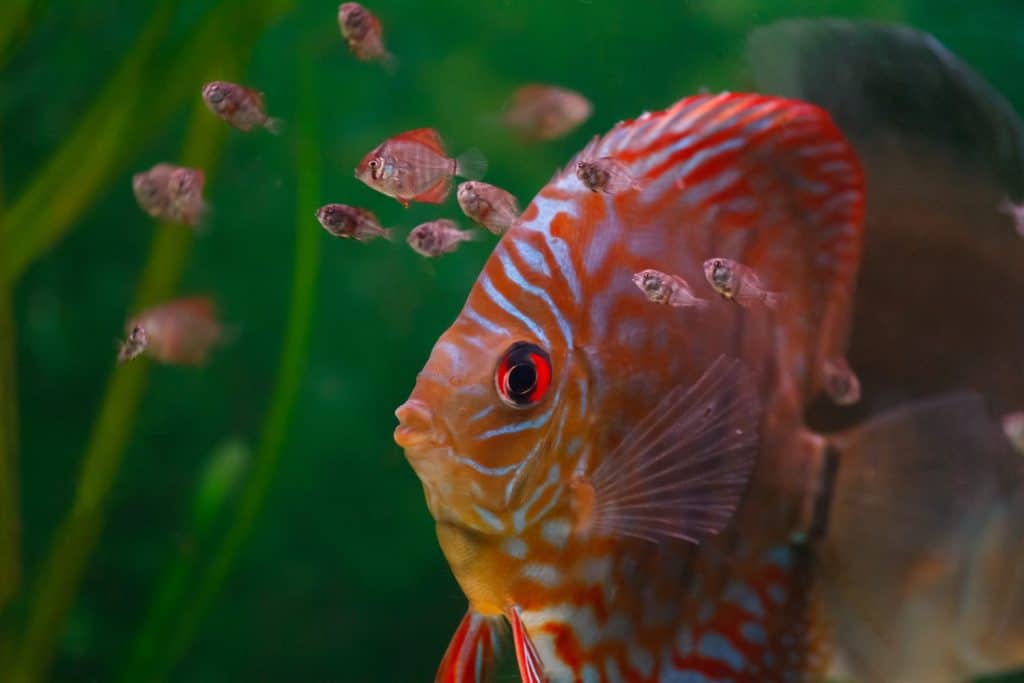
©Studio 37/Shutterstock.com
Discus fry are nearly invisible at hatching, one of dozens or more. Instead of nursing, they feed on special mucus secreted by both parents. Watching fry cluster and graze on mom or dad’s skin is oddly endearing.
21. Chick

©Budimir Jevtic/Shutterstock.com
Baby chickens weigh just over an ounce, fluffy little balls of down on stick legs. A brood may hold a dozen. They don’t nurse but peck the ground under mom’s guidance. Their constant peeping and tendency to fall asleep standing up make them endlessly endearing.
22. Bear Cub
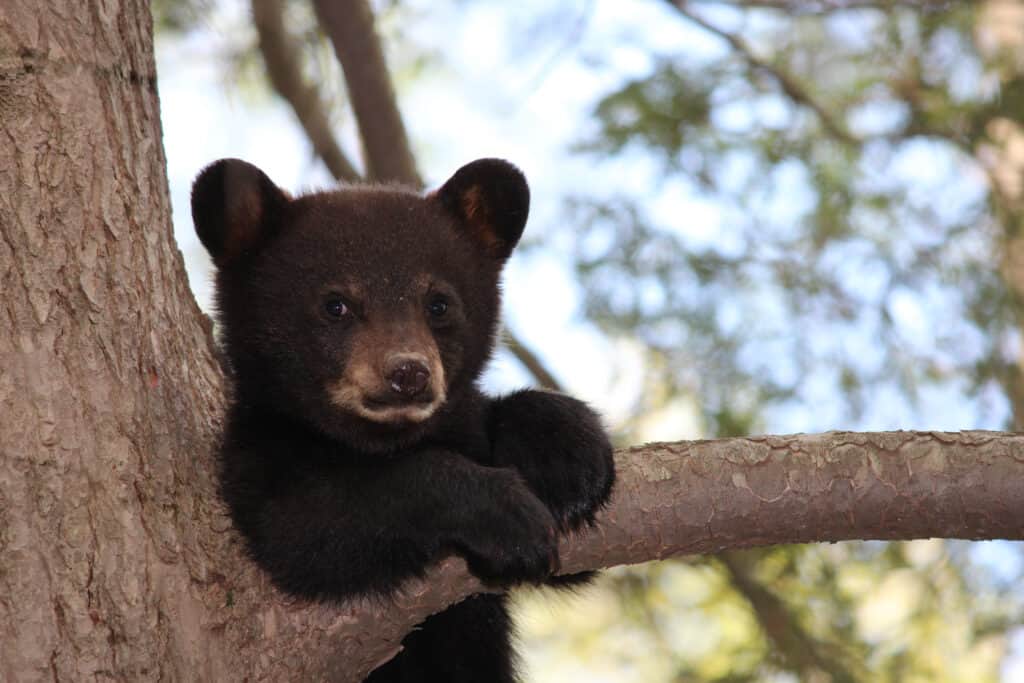
©Susan Kehoe/Shutterstock.com
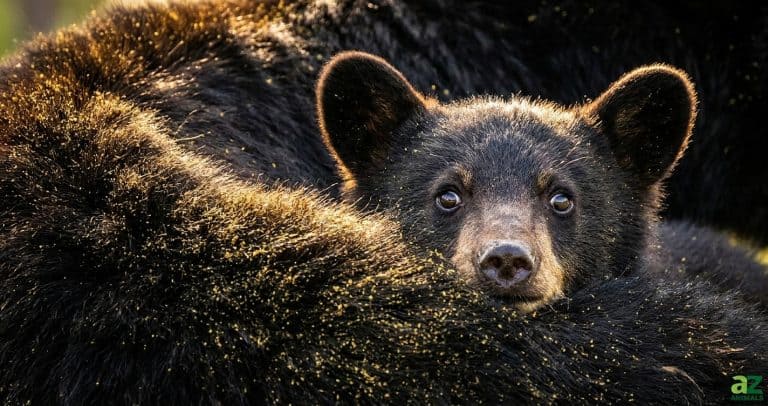
Black bear cubs weigh under a pound at birth, unbelievably small compared to their hulking mothers. Litters usually include two. They nurse for up to eight months. Blind and squeaky at first, they grow into playful, rollicking cubs that tumble like toddlers in the forest.
23. Lamb
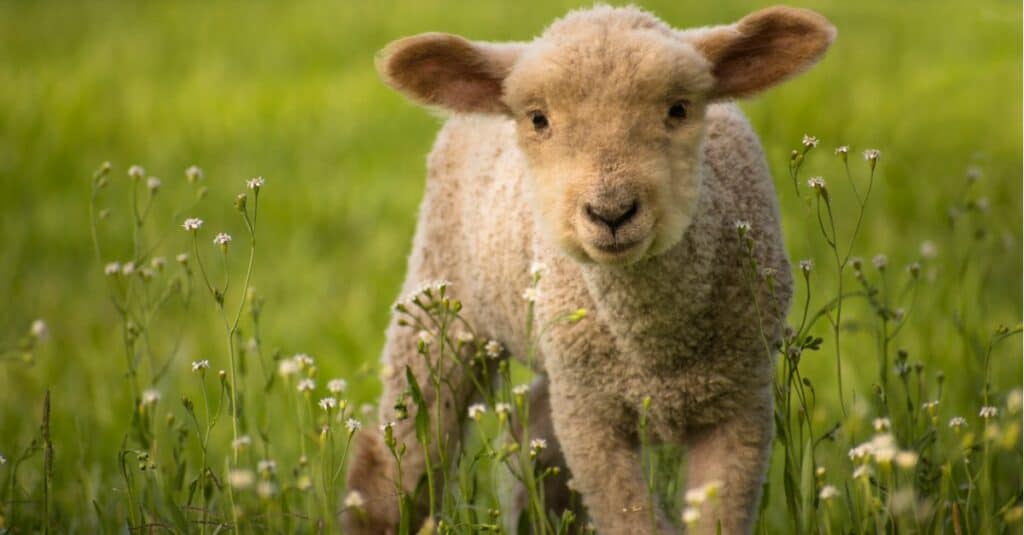
©iStock.com/Sebastian Jakimczuk
Lambs weigh eight to twelve pounds, often born solo or as twins. They nurse for two to three months. With wobbly legs and soft bleats, lambs exude innocence. Their springtime frolics, tails wagging frantically as they nurse, are scenes of peace and joy.
24. Kid
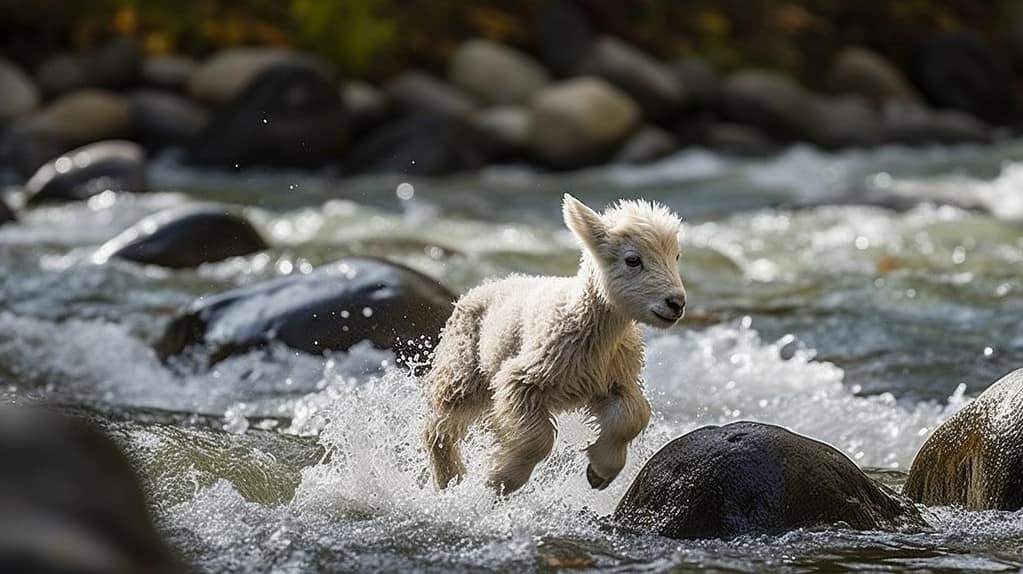
Goat kids weigh five to ten pounds, usually born as twins. They nurse for two to three months. Within hours, kids can bounce and leap, filling barns with energy. Their playful hops and bleating “maa” sounds make them some of the most entertaining farm babies.
25. Giraffe Calf
©Mees Kuiper/Shutterstock.com
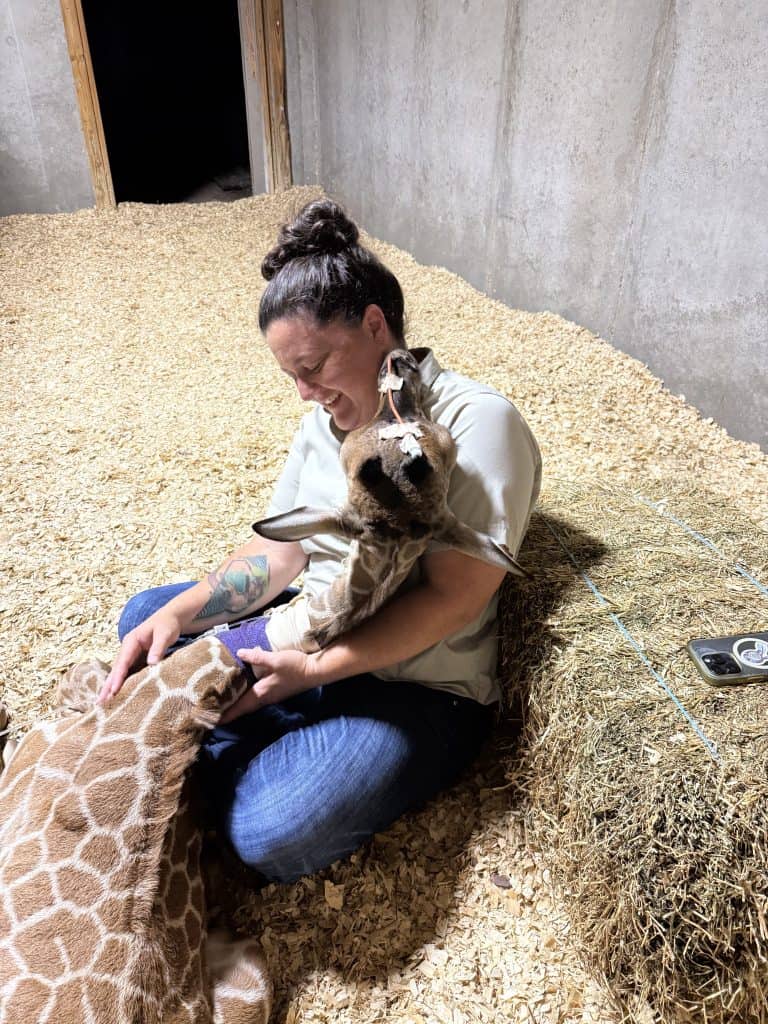
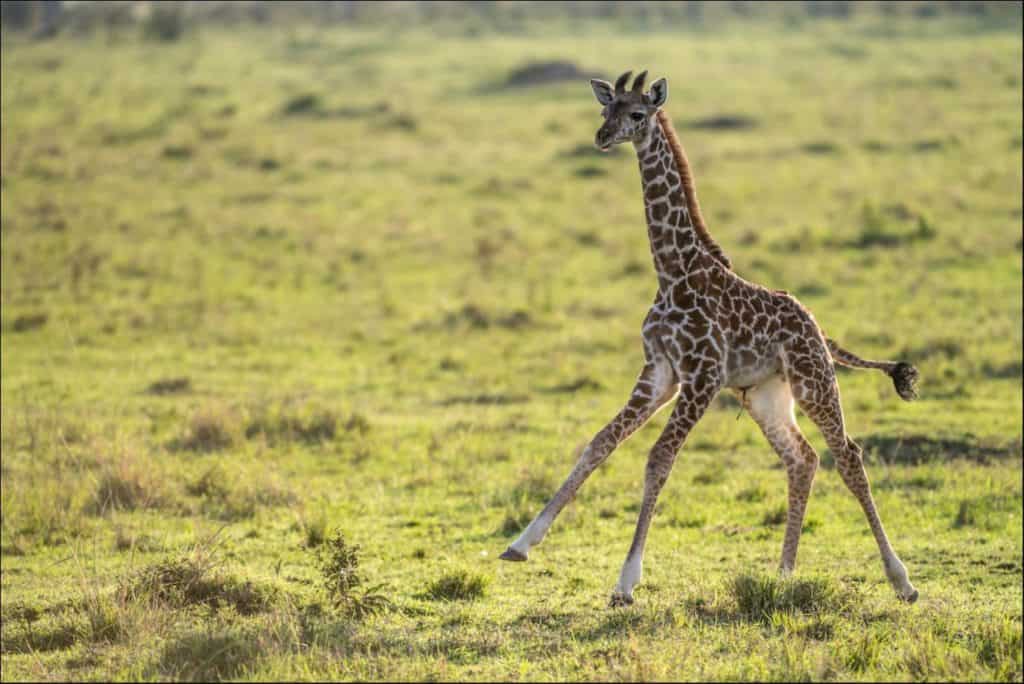
At 100 to 150 pounds and six feet tall, giraffe calves are giants at birth. They usually arrive singly. Nursing lasts nine to twelve months. Despite their size, calves look fragile, wobbling on spindly legs. Their long lashes and uncertain steps make them charming, awkward giants.
26. Wild Boar Shoat
©Benoit Boulanger/Shutterstock.com
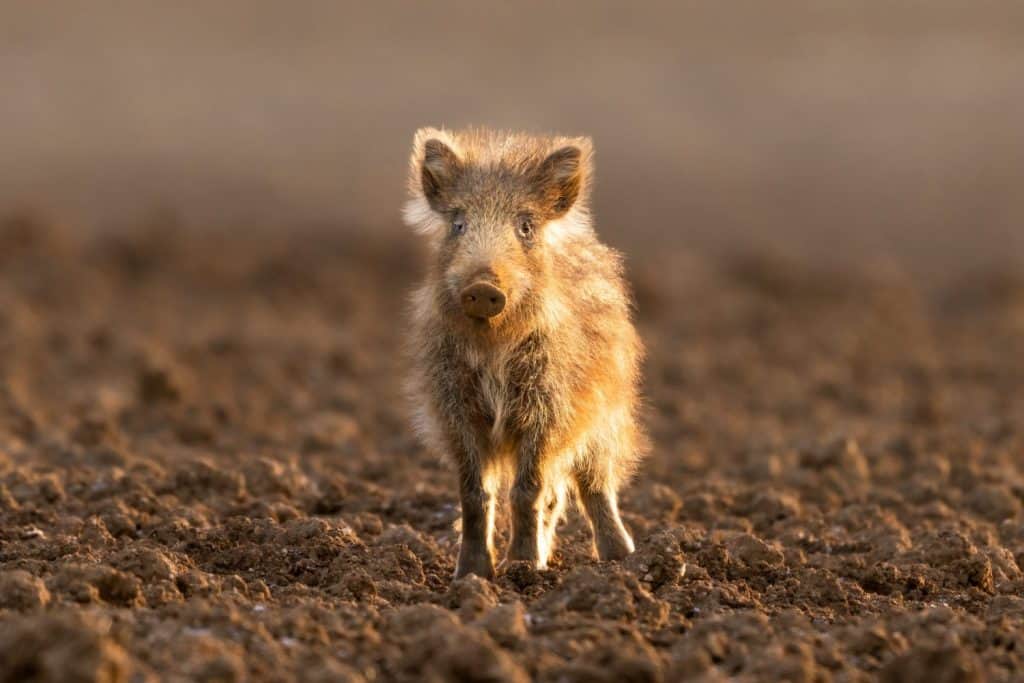
Shoats weigh about two pounds, born in litters of four to six. They nurse for two to three months. Their striped coats make them look like tiny, squealing watermelons with legs. Shoats stick close to mom, their high-pitched grunts echoing through the underbrush.
27. Hedgehog Hoglet
©Best dog photo/Shutterstock.com
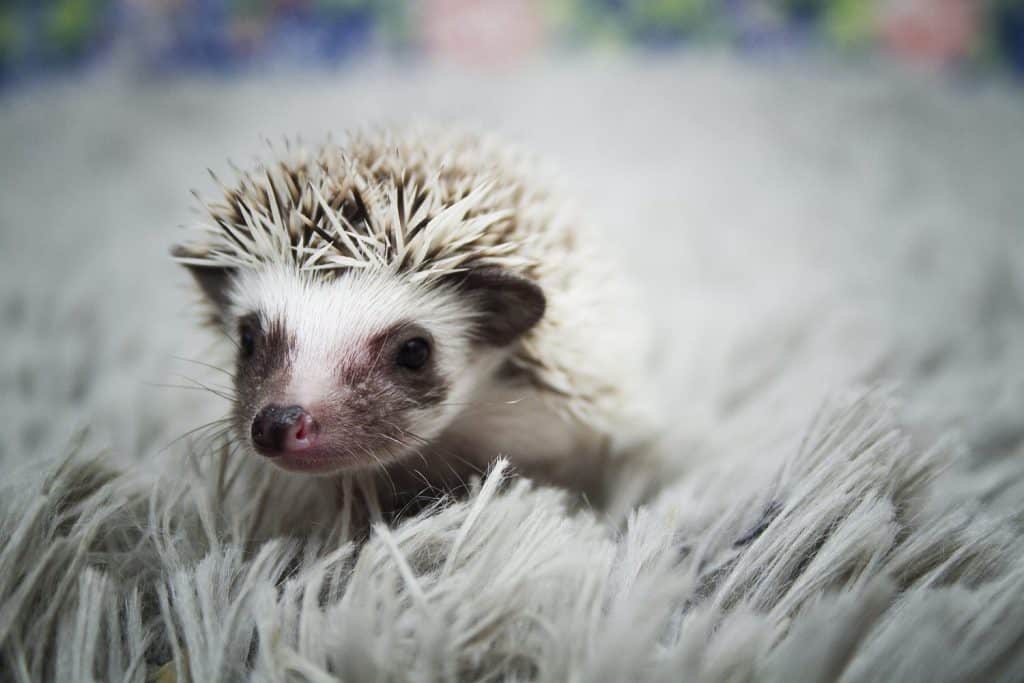
Hoglets, or baby hedgehogs, weigh just a few grams, pink with soft quills. Litters range from four to seven. They nurse for four to six weeks. As their quills harden, they act just like miniature hedgehogs—still bumbling, still adorable, often huddling in piles like prickly marbles.
28. Chimpanzee Infant
©Patrick Rolands/Shutterstock.com
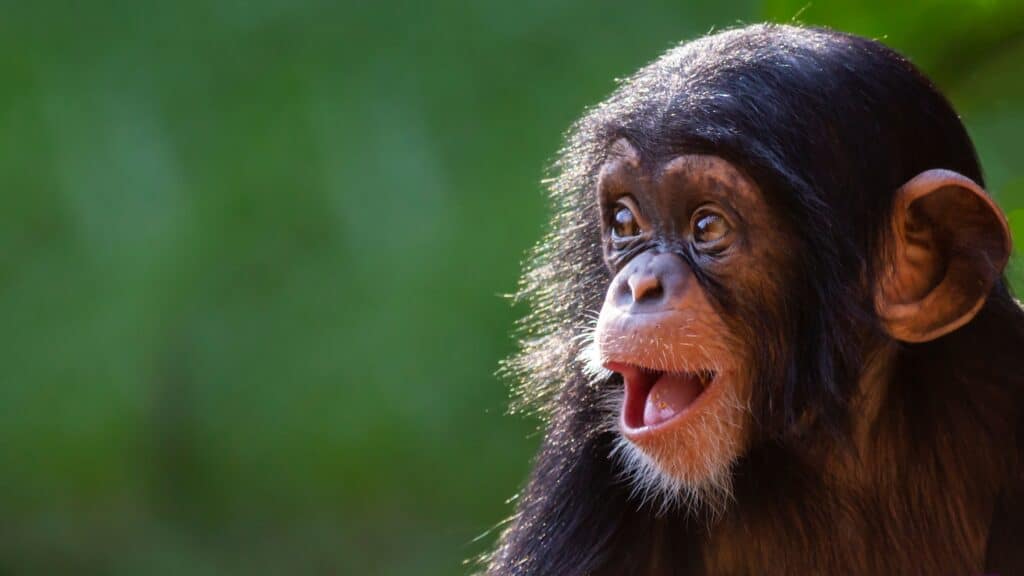
Weighing four pounds, chimp infants are born singly. They nurse for four to five years, clinging to mom constantly. With expressive faces and playful curiosity, they resemble human babies in startling ways. Their tiny hands grasp fur tightly, and their bright-eyed laughter is contagious.
29. Humpback Whale Calf
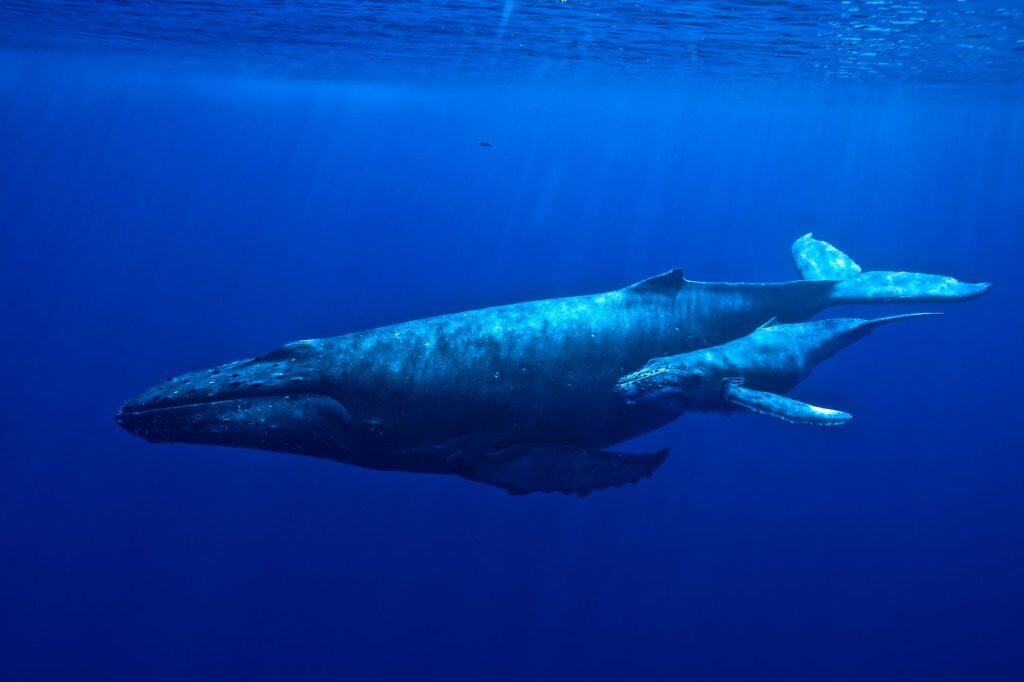
©lego 19861111/Shutterstock.com
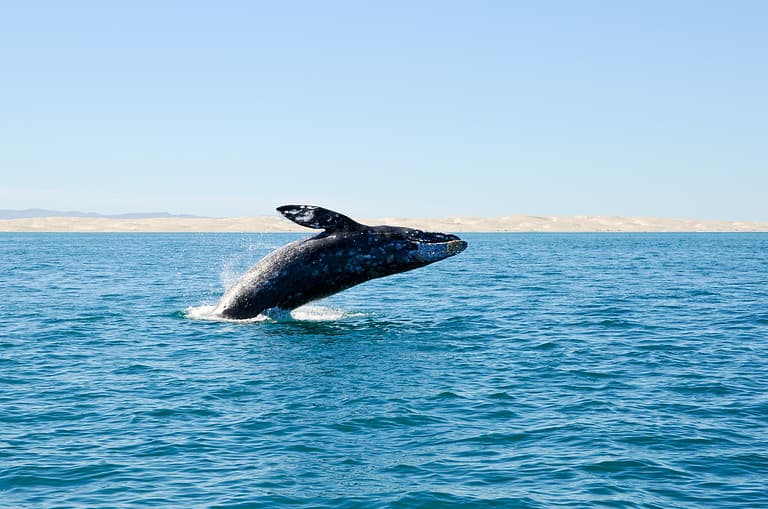
Humpback whale calves are enormous—up to two tons and 15 feet long! They’re born solo and nurse for nearly a year, drinking milk so rich they gain dozens of pounds daily. Watching a calf breach beside its mother, awkward but eager, is awe-inspiring.
30. Alligator Hatchling
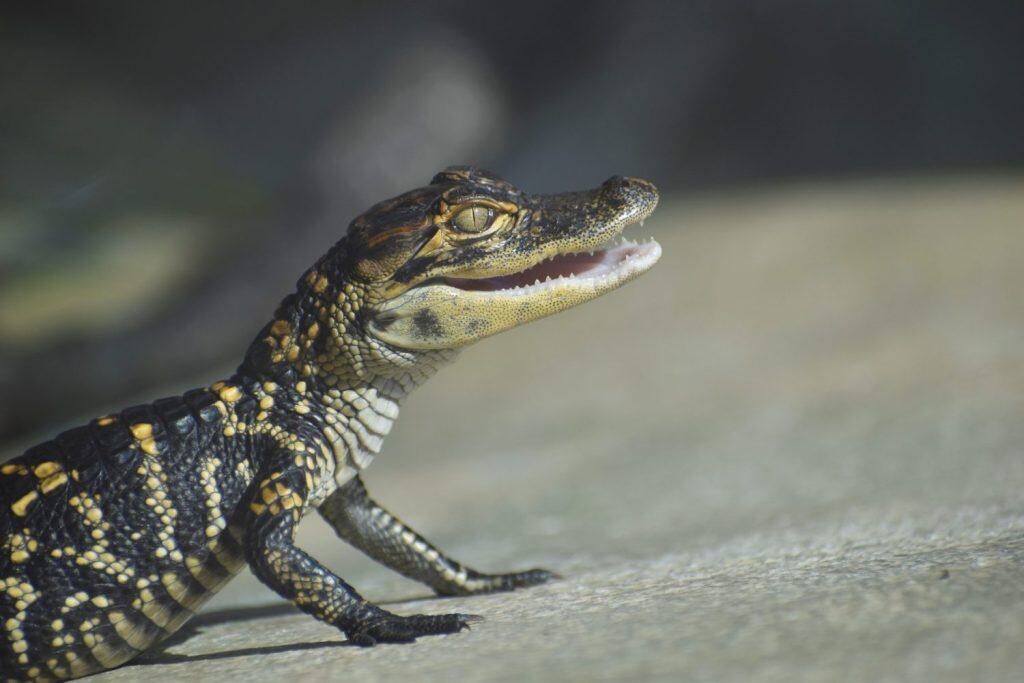
©JarieMame/Shutterstock.com
Hatchlings are six to eight inches long, hatching in dozens. Unlike many reptiles, mothers guard them fiercely, even gently carrying them in their tooth-filled mouths to the water. With striped bodies and big eyes, baby alligators chirp softly like little birds to call mom’s attention.
31. Octopus Larva
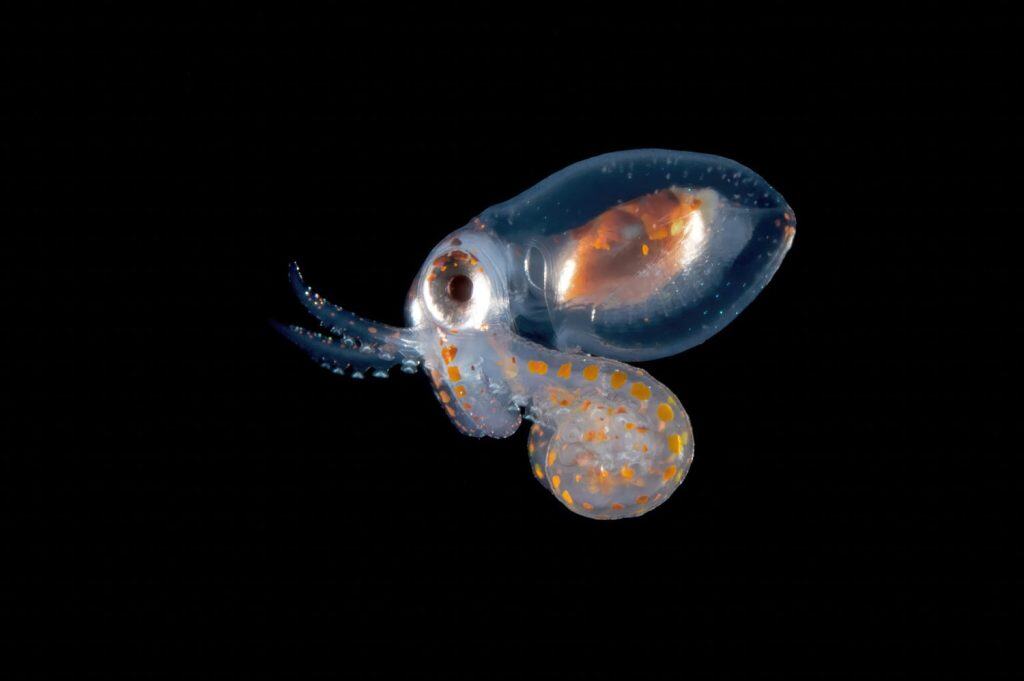
©Andre-Johnson/Shutterstock.com
Octopus larvae are microscopic, drifting with plankton in the thousands. They get no parental care, surviving on tiny prey. Their glassy, miniature tentacles and alien appearance hold a strange cuteness, like otherworldly babies. Their odds of survival are slim, but those that make it grow into one of the smartest species on Earth.
32. Starling Chicks
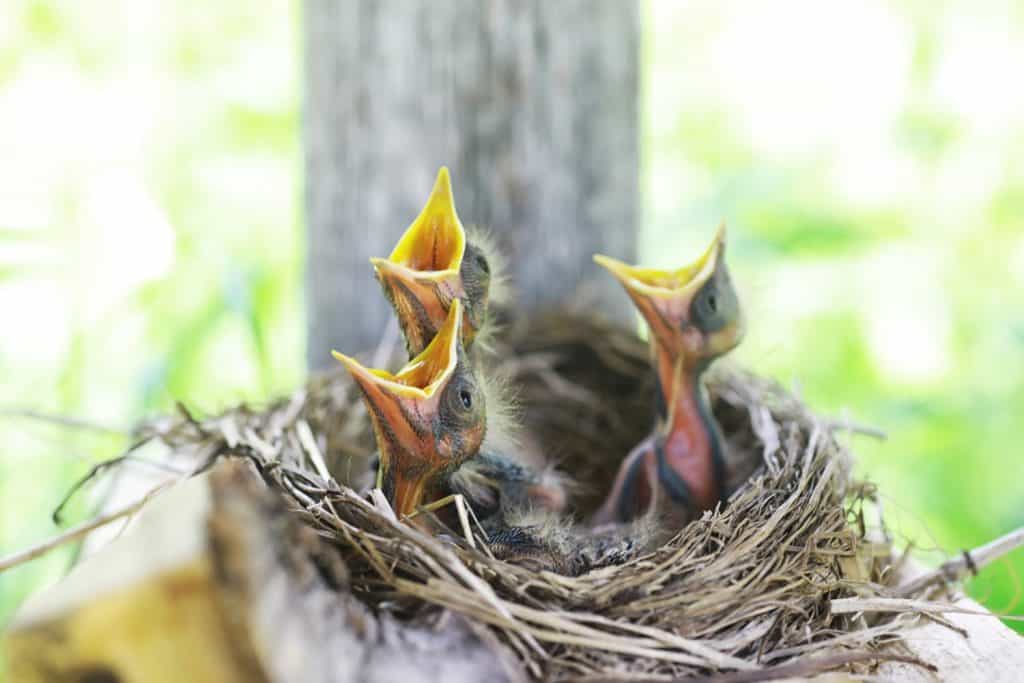
©alexkich/Shutterstock.com
Weighing about as much as a marshmallow, starling chicks hatch naked and blind. Four to six cram into a nest, mouths gaping wide. Parents feed them constantly until they feather out. The endless chorus of squeaks and wide-open begging mouths makes them needy and lovable at the same time.
33. Owlets
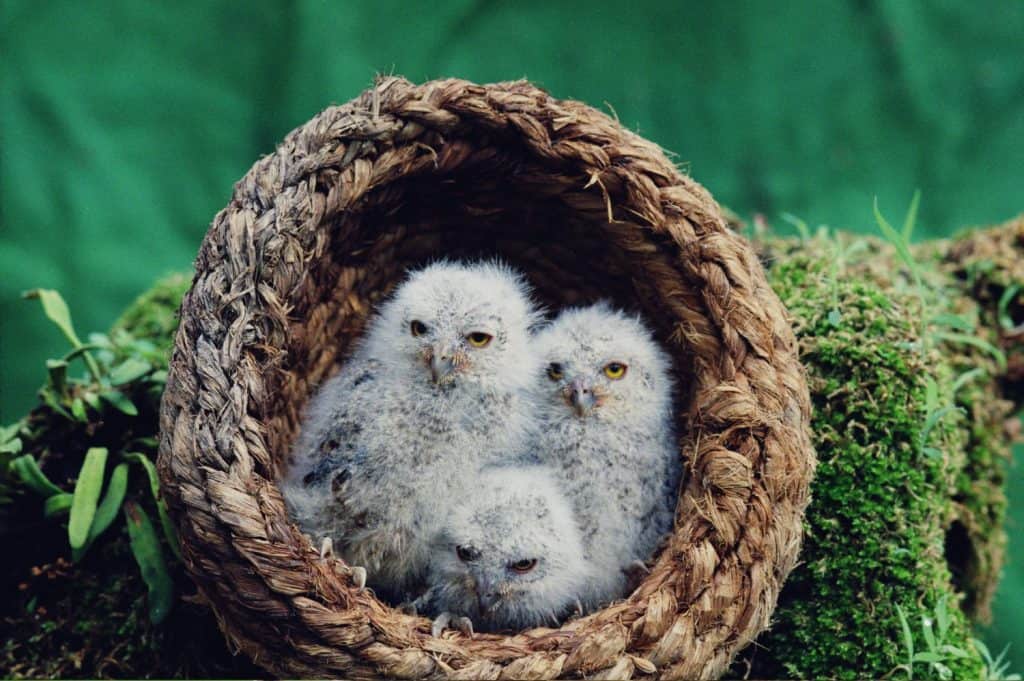
©wizdata/Shutterstock.com
Owlets hatch as helpless balls of fluff with wide eyes that seem far too big for their bodies. Two to five share a nest, clamoring for regurgitated prey. Their round heads and clumsy movements are charmingly cartoonish.
34. Opossum Joey
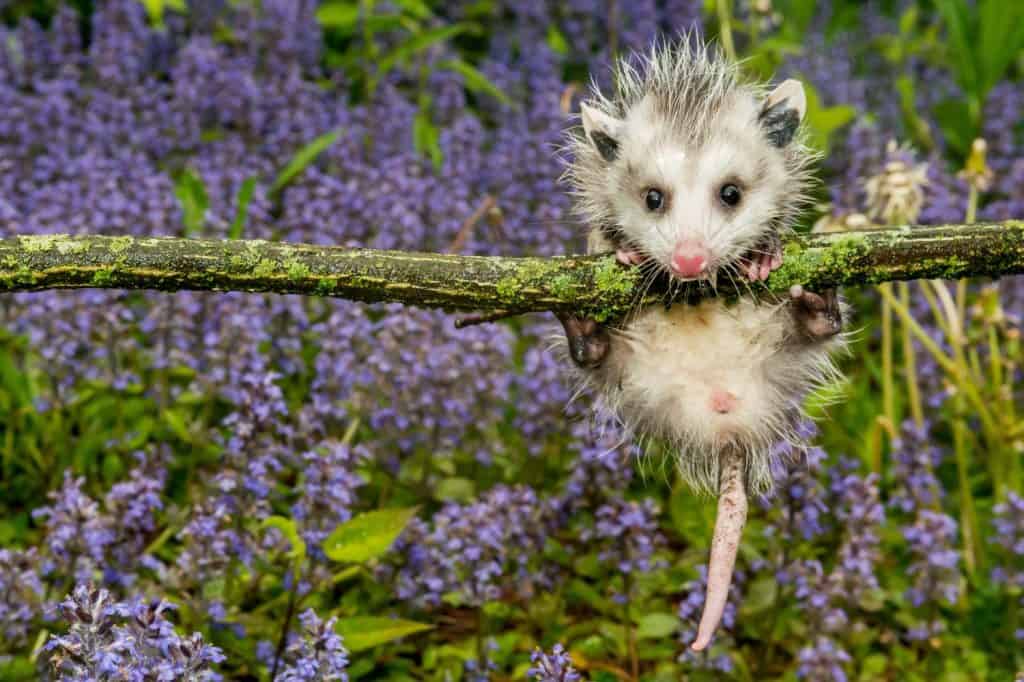
©Jay Ondreicka/Shutterstock.com
At half an inch long, opossum joeys are born in litters of a dozen or more. Only a few survive to latch in the pouch, nursing for two months. Later, they cling to mom’s back like fuzzy ornaments, eyes blinking curiously. Few sights are cuter than a mother opossum walking around like an “opossum schoolbus.”
35. Tadpole
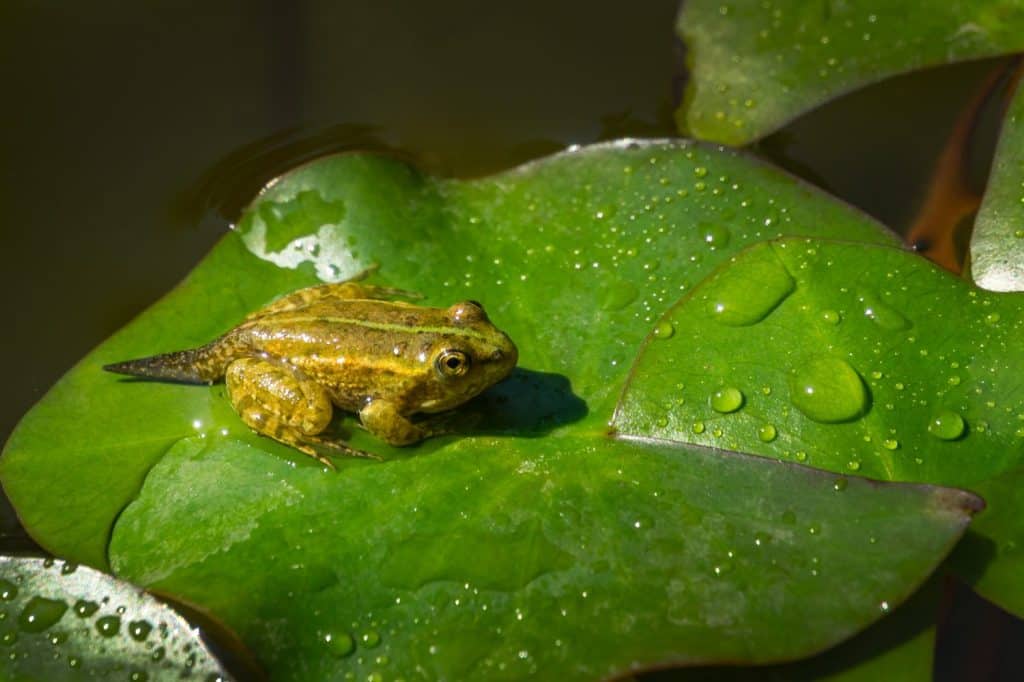
©Marinodenisenko/Shutterstock.com
Tadpoles hatch tiny, with swishing tails and bulging eyes. Hundreds emerge at once, grazing on algae. They don’t nurse but undergo one of the most magical transformations in the animal kingdom. From wiggly water babies to leaping frogs, they just get cuter the bigger they get.
36. Panda Cub
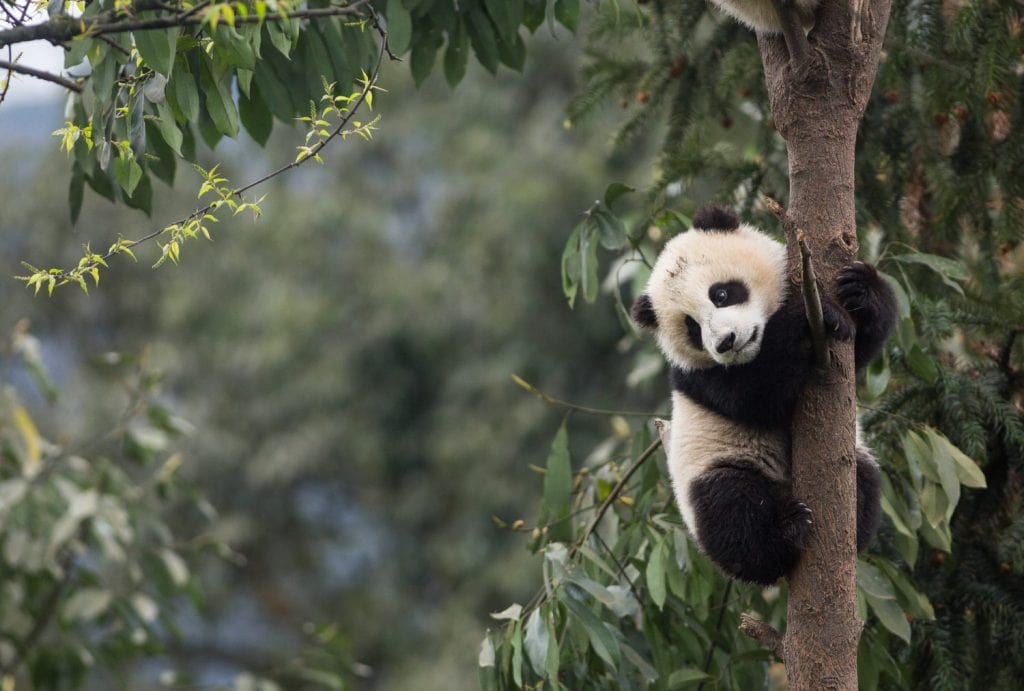
©Wonderly Imaging/Shutterstock.com
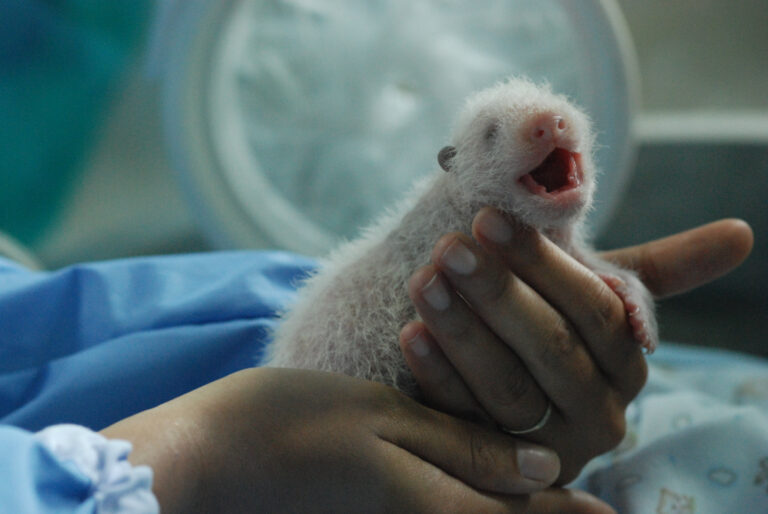
At three to five ounces, panda cubs are shockingly small compared to their mothers. Born alone, they nurse for months, squealing like tiny birds. Helpless and pink, they grow into roly-poly bundles of fluff. Few creatures rival panda cubs for pure, unbridled cuteness.
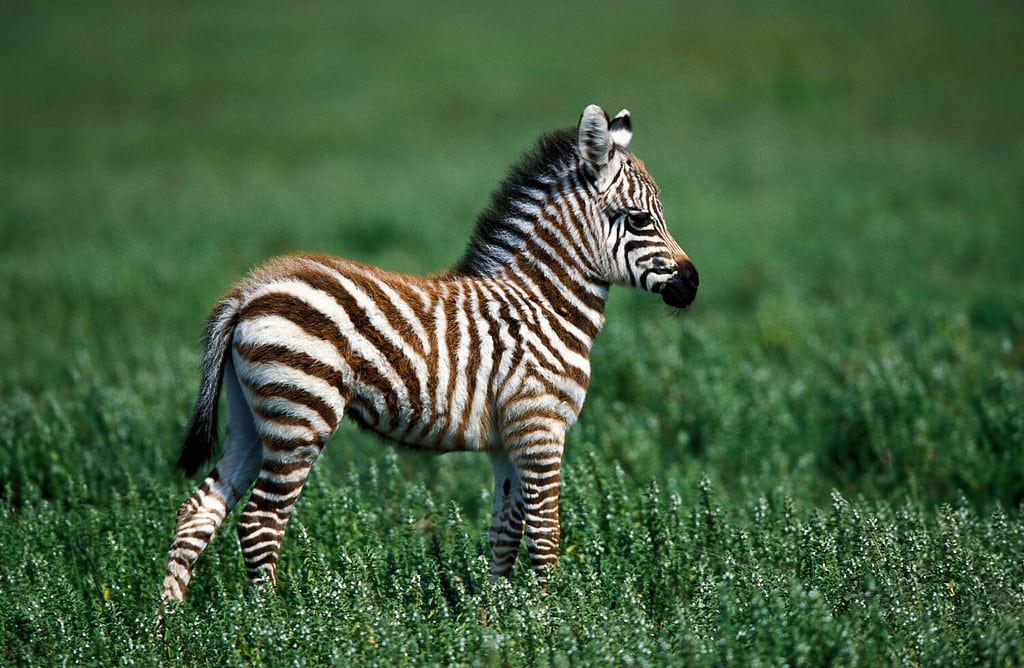
37. Zebra Foal
©slowmotiongli/Shutterstock.com
Zebra foals weigh 65 to 75 pounds at birth, stripy and sturdy. Single births are the rule. Nursing lasts eight months, but foals can run within an hour, a lifesaving skill on the savanna. Their fuzzy stripes make them look like they’re wearing pajamas as they stick close to mom.
Boundless Cuteness!
Whether they depend on their mother for months or stand tall within minutes of birth, baby animals remind us of life’s most tender beginnings. Their wobbly steps, soft coats, and curious eyes spark joy not only for their mothers but for us, too. Cuteness truly knows no boundaries.