
Quick Take
- Pet trusts provide peace of mind for pet owners, ensuring beloved pets are cared for when the owner can no longer.
- All 50 states have pet trust laws on the books, but not all are the same.
- A pet trust allows the owner to set aside an amount of money to provide care throughout the pet’s lifetime.
- Pet trusts are used by everyday Americans as a way to ensure the continued care for their pet.
For most pet owners, their loyal furry or feathered companions are valuable members of the family. Cats, dogs, and other popular pets provide companionship and affection. Sometimes, they’re even a substitute for human children. That’s a huge evolution from the days when people viewed animals as merely property, acquired to do a job. Dogs served to watch and protect the family and home. Cats were there to keep vermin populations under control. In exchange, pet owners in those days provided the bare minimums of shelter and food to their animals.
The Evolution of Animals as Property
That’s hardly the case today. From doggie daycare to animal spas to luxury pet hotels, pets in today’s modern households are treated like family members. This presents a dilemma. What happens to beloved family pets when a devoted owner passes away and leaves the animal behind?

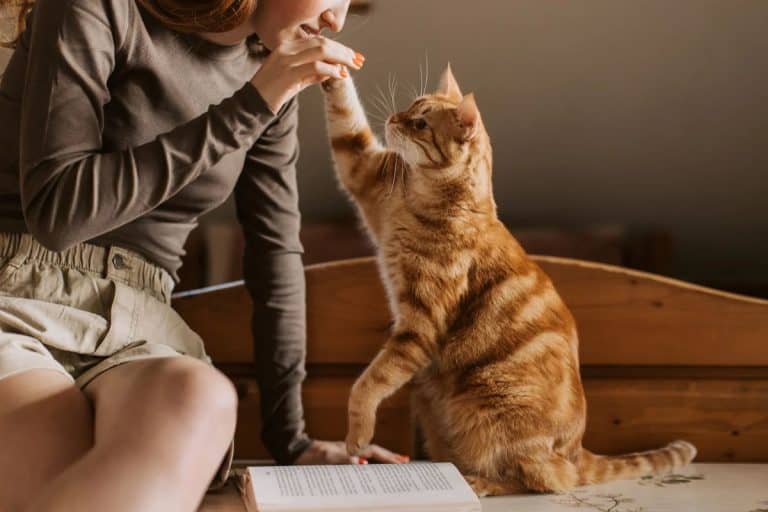
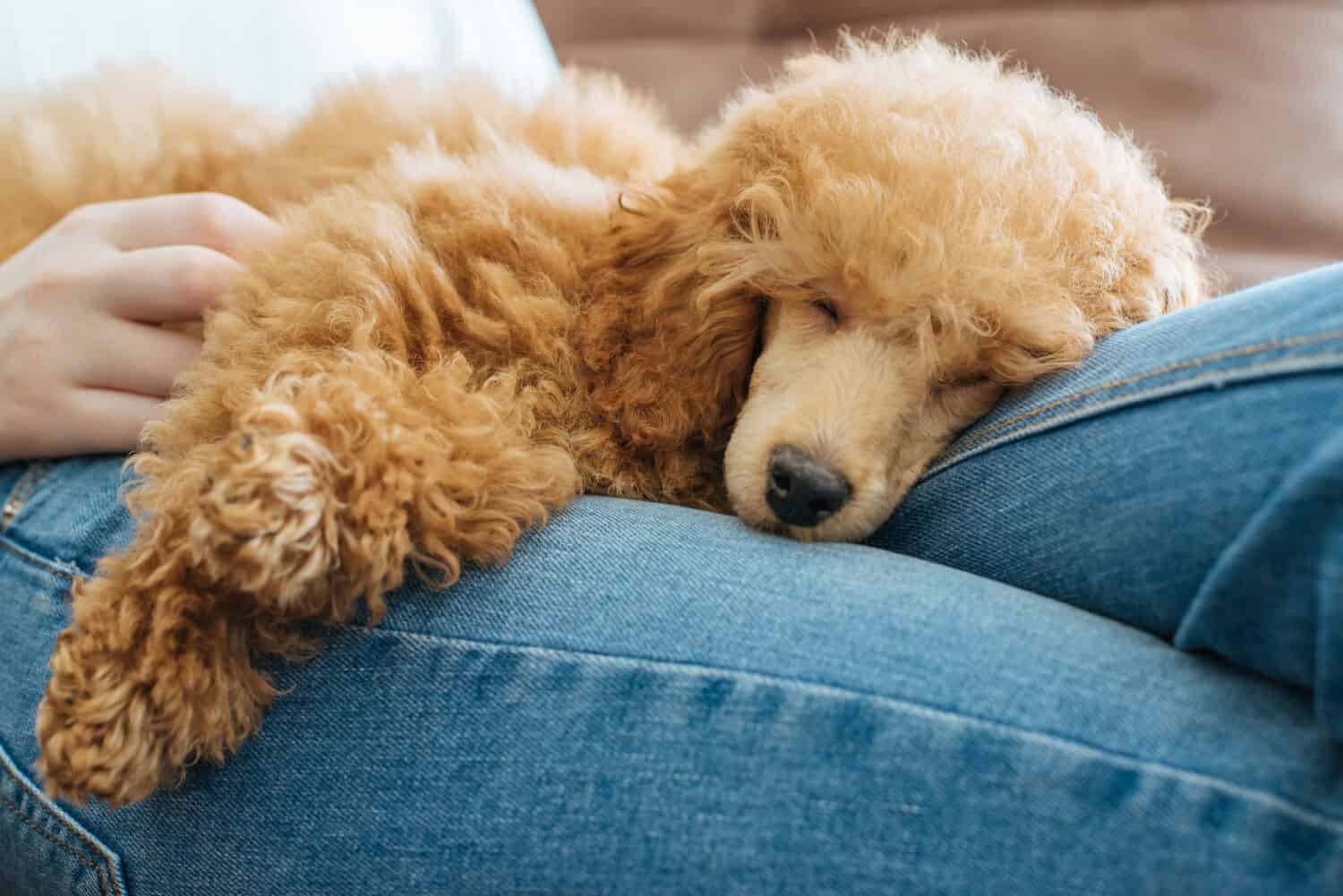
Today, pets are considered part of the family.
©VAKS-Stock Agency/Shutterstock.com
For most pet owners, the solution was hoping an extended family member would take the pet in. Some resourceful owners may have even designated their wishes in a will. But neither solution guaranteed their beloved pet would be cared for at the level it received when its owner was alive. Enter the modern legal solution—the pet trust.
What Are Pet Trusts?
To understand pet trusts, you have to know what a legal trust is. A trust is a legal arrangement where a trustee holds and manages assets for the benefit of a third party. Often, trusts are created to ensure that dependents are taken care of after a parent passes away. The trust specifies who will manage and distribute the assets (the trustee), when and how those assets can be used (the rules), and who will receive the assets (the beneficiary). In cases where a beneficiary cannot care for themselves, the trust will also designate a caregiver.
Pet trusts generally function in the same way. They are put in place by pet parents who want to ensure their beloved pet is appropriately cared for when they can no longer do it themselves. The pet parent sets the terms, provides the funds, and specifies how their pet should be taken care of.

Pet trusts ensure your beloved pet is cared for when you are no longer able to do it yourself.
©Ivan Gran/Shutterstock.com
But there is a caveat. Since the law still considers pets to be property, the pet cannot be designated as the direct trust beneficiary. To get around that issue, pet trusts designate the pet as the beneficiary of the trust’s “care” rather than the trust’s assets. They also designate a trust “protector” who advocates for the pet’s best interest. The protector’s main purpose is to be the pet’s “voice” and to make sure the caregiver and the trustee follow all the trust rules.
Also, since pets are legally considered property, they cannot leave wills of their own. When the pet owner sets up the pet trust, they will also specify what happens to any money left in the trust after the pet dies. Usually, the pet owner names a residual beneficiary like a shelter or pet rescue organization.
Who Uses Pet Trusts?
In the past, you likely only ever heard about pet trusts when they made the news. Like with the example of Leona Helmsley, a billionaire real estate mogul. Upon her death, it was revealed that she left a $12 million trust for her Maltese, Trouble. Her human heirs objected, sued, and the court struck down the amount as excessive. Trouble still received $2 million for its lifetime care, but the rest went to Helmsley’s heirs and assorted charities.
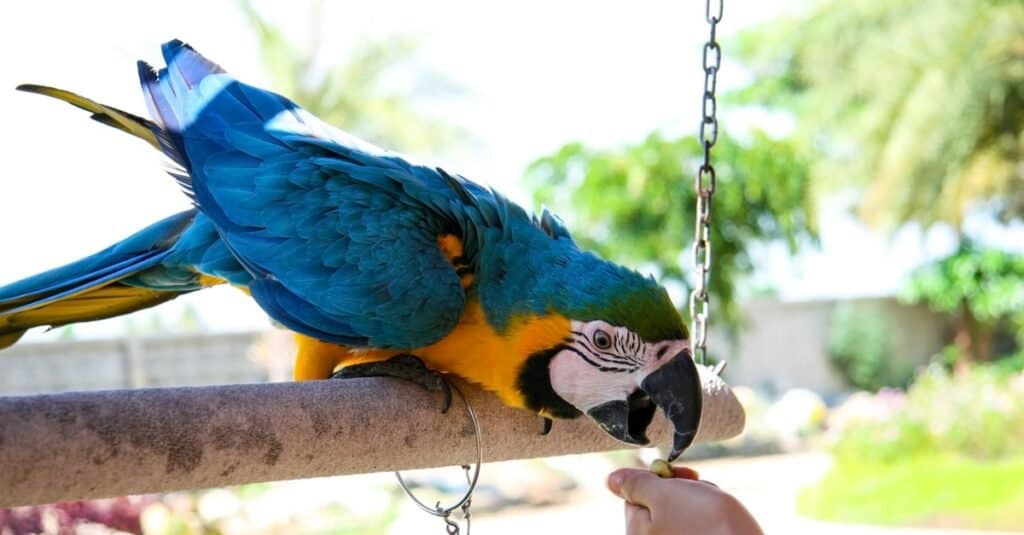
Parrots are a popular pet. They can live up to 80 years, meaning owners have to consider their long-term care.
©TumCruise/Shutterstock.com
Pet trusts aren’t only for billionaires anymore. Today, a wide range of people rely on pet trusts to protect their cherished animals. They have different reasons, but share a common goal: ensuring their beloved pet is cared for when they can no longer. The pet trust eliminates the uncertainty.
Owners of animals with a very long lifespan, like parrots or tortoises, use them. So do owners of special needs pets and high-performance or working animals. There are also individual pet owners who have no one else to count on as a default caregiver.
How Much Do Pet Trusts Cost?
There are two separate cost calculations to consider if you want to set up a pet trust. One is the legal cost side of the equation. The other side is the actual money you’ll set aside for your pet’s care. Legal costs range from hundreds to several thousand dollars for a lawyer to prepare your pet trust. Complex cases can cost more. You can also take a DIY approach and use forms found on the internet. However, these may not be valid in every jurisdiction and might not meet your state’s specific requirements.
As for how much money you should put into the trust itself, that is usually calculated using a simple formula of Annual Cost x Years of Life Expectancy for your pet. Each pet and lifestyle is different, though, so there’s no one-size-fits-all number for annual costs. Costs also vary as pets age, and you’ll need to include the amount you plan to pay the caregiver for their services. You also need to factor in an emergency buffer to cover unexpected expenses like surgery or boarding when your caregiver is unavailable.
Why Are Pet Trusts So Popular?
Several factors have influenced the rising popularity of pet trusts. Animals live longer today than at any time in history, thanks to advances in veterinary care, better preventive care, and the owner’s desire to optimize their pet’s longevity. This means pet owners, especially older ones, have to face the reality that their pets will often require care long after the owners are unable to provide it themselves.
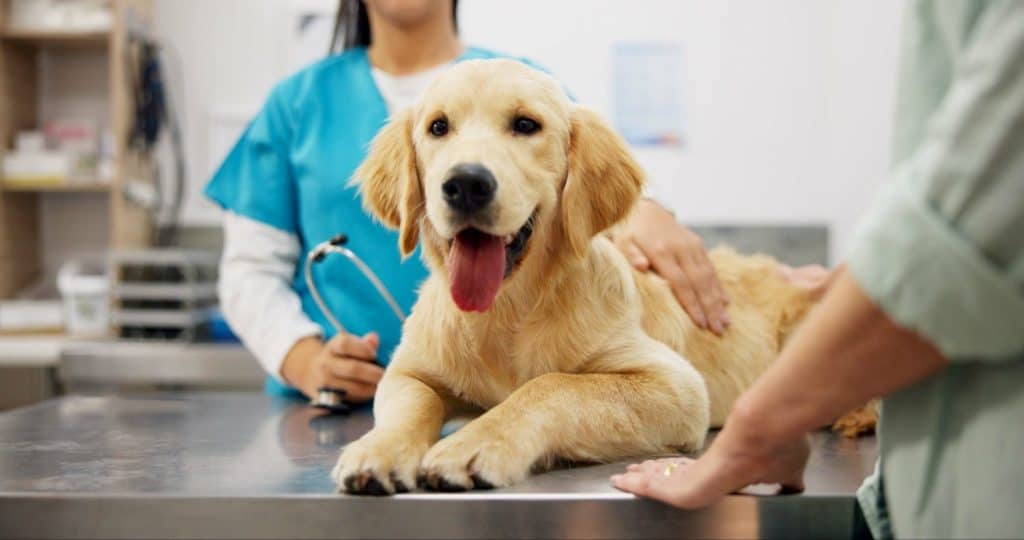
Advances in veterinary care and preventive treatments mean pets are living longer than ever before.
©PeopleImages/Shutterstock.com
The cost of veterinary care has also skyrocketed. This puts an extra burden on friends or family who, in the past, may have taken in the pet as a favor. They may decline the pet altogether or reduce veterinary care if they bring the pet into their home. Finally, many pet owners today view their animals as treasured family members. These modern pet owners are applying the same logic to their pets as has traditionally been applied to human children. Caring for a pet after an owner’s death or incapacitation is important for the owner’s peace of mind now and in the future.
The Legal Side of Pet Trusts
The good news is that currently, all 50 states and the District of Columbia have pet trust laws in place. That is a huge shift from just a few decades ago, when pets were only considered property. The less positive news is that how a pet trust is treated by the court depends on the state where you live. Each state has its own specific statute with different rules and details. Some states fully adopted section 408 of the Uniform Trust Code (UTC), while other states drafted their own pet trust laws.
Today, all 50 states have pet trust laws in place.
©Sebastian Duda/Shutterstock.com
Generally, all states allow you to legally set aside money for your pet’s care when you can no longer provide that care yourself. You can designate the funds, pick a trustee, and name your pet’s caregiver. The courts can step in if there is a dispute with any aspect of the trust. So far, so good.
The differences among states are in the details. Some states put caps on the amount you can put into the trust, and other states limit who can enforce the trust. General trust oversight, the handling of any leftover money, and whether you can include future pets are all factors that vary by state.
The bottom line is that you need to understand the legal rules of your own state when you set up a pet trust for your furry, feathered, or scaly family members. These rules and requirements vary. It may be helpful to consult with a lawyer who specializes in pet trusts in your state to make sure your wishes are carried out exactly as you planned.