
Quick Take
- The Thereus genena group of butterflies has nine new discoveries, after more research was performed by the Natural History Museum.
- With such subtle differences in the butterflies, researchers relied on genetic information and makeup to tell them apart.
- Uniform blue and brown coloration masks the existence of multiple hidden lineages for this species, making deeper investigation necessary.
- Experts must revisit habitat locations for species that have not been observed alive for many years, as it is unclear if any of these nine new species are still alive in the wild.
In December of 2025, a Natural History Museum discovery write-up reported that researchers finally untangled a long-running identification problem involving neotropical hairstreak butterflies. A clearer set of lineages emerged, including nine species described as new to science in the Thereus genena species group, which led to greater understanding and more accurate classification of these rare butterflies.
How did researchers untangle these nine new species, and are they even technically new? What are their distinct differences, and what habitats do they reside in? Most importantly, are any of these new species already at risk of extinction? Let’s take a closer look at neotropical hairstreak butterflies now.
Why These Butterflies Were So Hard to Tell Apart
It’s never easy identifying new species, especially when you’re working at such a small scale. One of the primary reasons these butterflies weren’t discovered as distinct species is rooted in appearance. For example, males in this group are often bright blue and look extremely similar, while females can be completely uniform and indistinguishable shades of brown. This meant the research team had to lean on other clues to determine their differences.
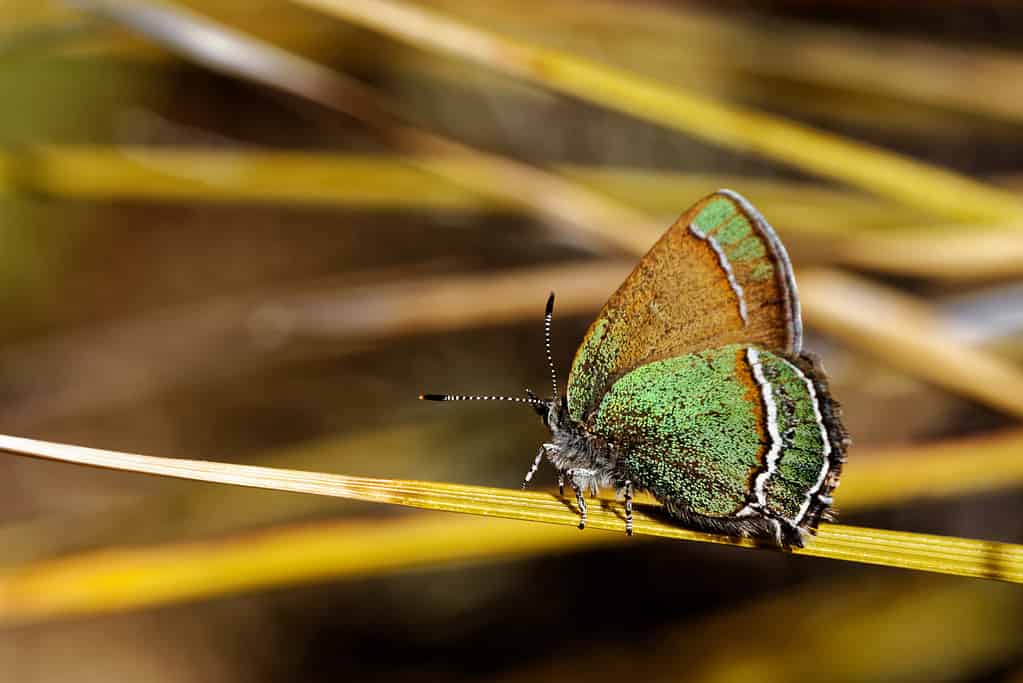
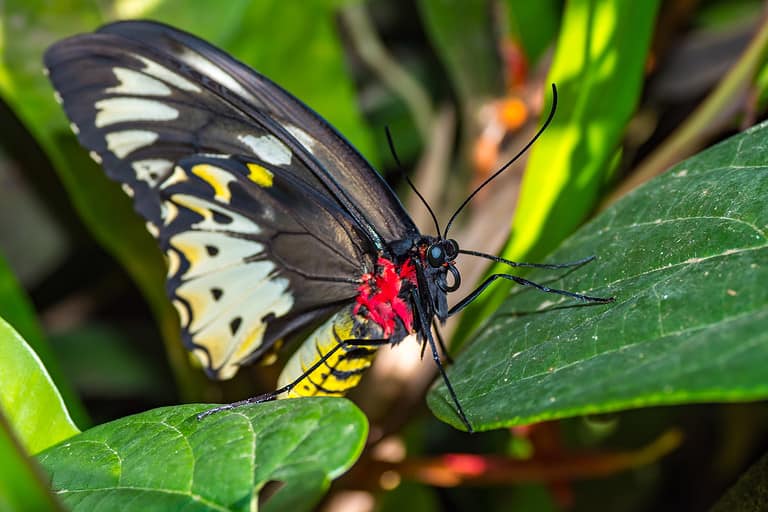
There are many types of hairstreak butterflies, and these nine newly identified species prove it.
©D. Longenbaugh/Shutterstock.com
One set of clues came from male secondary sexual structures, especially androconia, which are specialized wing scales that release pheromones. These dark patches on the wings tend to be species-specific, which is why they became vital for researchers attempting to classify these butterflies.
Another set of clues came from genital morphology, which is actually a classic way to distinguish butterflies, as these structures can be uniquely shaped in ways that prevent cross-species mating. Finally, the team used DNA barcoding to help distinguish lineages that look nearly identical on the surface, leading to nine new and distinct species.
The Nine Newly Described Butterfly Species and Where They Were Found
With this research groundwork in place, here are the nine newly described species, what they’re called, where they were found, how they look, and how at risk they might be when it comes to extinction.
Thereus geminus (Peru)
Thereus geminus can be found in Peru, with a straight, ventral hindwing postmedian line being the only thing separating it from other closely related species.

This hairstreak butterfly hides somewhere in Peru.
©qualtaghvisuals/Shutterstock.com
If you’re trying to picture what geminus looks like, it appears as a fairly standard blue hairstreak, but with a specific underside line that stays consistent when you compare a series of specimens, according to the Natural History Museum. The androconial scent patches and other structural traits discovered on this butterfly specimen ensured it was a distinct species.
Thereus cacao (French Guiana)
A Zootaxa abstract lists this butterfly with a type locality in French Guiana, describing it as close to Thereus endera, but with males showing a blue-violet dorsal coloration compared to the greyer, duller blue in endera, plus a shift in a line on the forewing. Males of this species were collected while feeding on Cordia schomburgkii, a flowering plant, during sunny hours, giving future observations a good starting point should they need to find this butterfly in the wild ever again.
Thereus antecum (French Guiana)
Thereus antecum is also in French Guiana, and is a larger species reminiscent of Thereus endera, but with differences in the shape of the postmedian line on the underside. It feeds on similar flowers to those of Thereus cacao, but is different in its overall size.
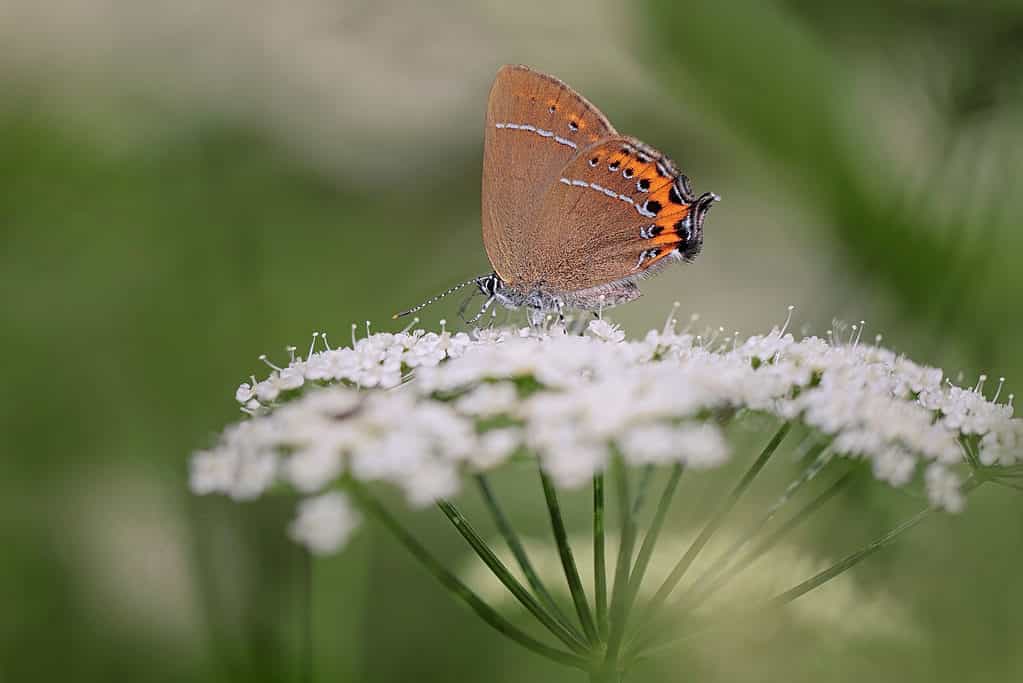
The neotropical hairstreak butterflies are difficult to tell apart.
©Marek Mierzejewski/Shutterstock.com
Thereus chontachaca (Peru)
Located in Peru and described as similar to Thereus ortalus and Thereus praxis, this smaller butterfly comes complete with a bigger black scent patch on the male’s dorsal forewing.
Thereus ramirezi (Peru)
Thereus ramirezi is defined by a specific character in the male genitalia, a trait that is unique within the Genena group and something that took researchers a great deal to find out. In an area where many males present as blue and many females present as brown, this is one of the species that demanded museum-level tools to define.
Thereus borbaensis (Brazil)
Found in Brazil and larger than chontachaca and ramirezi, Thereus borbaensis is connected to the Borba species in the Amazon. The records for this butterfly appear few and far between, noted as uncommon and only found in a limited, difficult-to-study area.
Thereus confusus (Brazil)
One of the new species named to reflect the puzzle the team faced in identifying it, Thereus confusus fits that theme. Previously confused with Thereus ortalus, this butterfly species was only distinguished by a flattened oval scent patch on the male dorsal forewing.
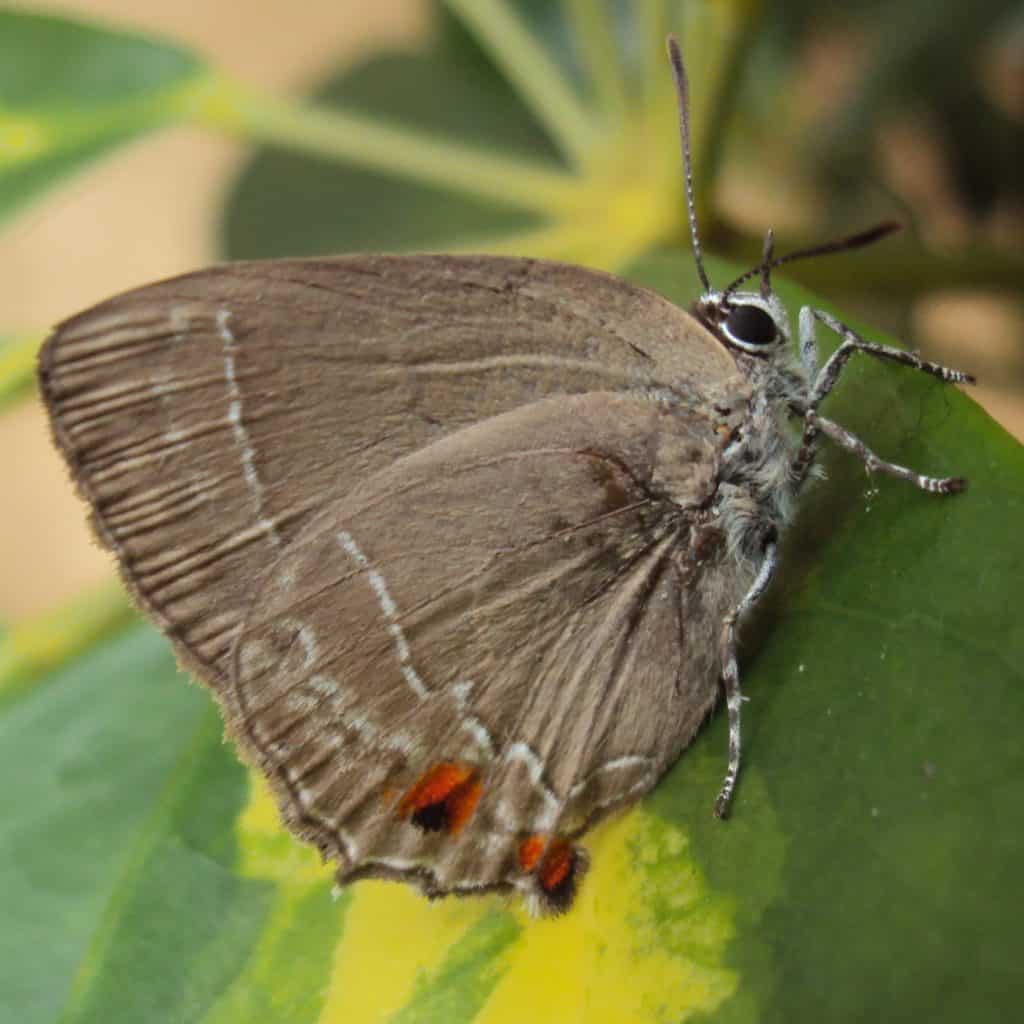
This is Thereus ortalus, the butterfly that Thereus confusus was confused for.
©"Thereus ortalus" by vinicius_s_domingues is licensed under BY 4.0. – Original / License
It was even harder to figure this butterfly out, as multiple closely related species occupy overlapping or nearby regions and were recorded as such, leading to a flattening of observations over the decades.
Thereus praxioides (French Guiana)
Resembling Thereus praxis but differing only in the thinness of the black margins and the shape of the male scent patch, Thereus praxioides was identified as a new species. It’s a French Guiana species that looks like a known butterfly almost entirely, up until you pay attention to the details taxonomists trust most in this group: scent patches.
Thereus aguacatal (Colombia)
Thereus aguacatal resides in Colombia and resembles Thereus ortalus, but with a single androconial patch on the male dorsal forewing. That singular feature is what sets it apart, but it may not be obvious to the untrained eye.
How Many Species Are There Now, and Are Any of These Butterflies Endangered?
Ultimately, five former Thereus butterflies were revealed to actually be 16 different species. With nine new species described, these taxonomic revisions help conservationists better understand where these rare creatures live and how many might still exist in the world.
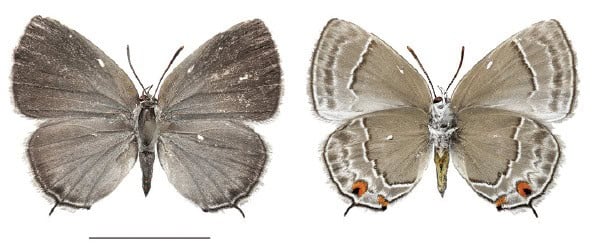
The Thereus species is full of butterflies that look strikingly similar.
©"Thereus lomalarga female" by Robbins RK, Heredia AD, Busby RC is licensed under BY 3.0. – Original / License
However, formal extinction-risk assessments will likely lag behind their new taxonomy results, and the Natural History Museum itself raises uncertainty about whether some of these lineages are even still alive where they were collected in the first place.
For example, some of these butterflies haven’t been seen alive in over a century, with unknowns surrounding the potential of habitat loss and old collecting localities. While these nine new species may not be extinct, their rarity, under-surveying, habitat change, and other factors make experts question their survival.
A realistic next step for these butterfly species will likely involve revisiting type localities, recording current habitat conditions, documenting host plants and nectar sources wherever possible, and confirming whether these small populations still exist. Hopefully, thriving populations will be uncovered in the regions we now know they reside in, but conservationists and experts remain hesitant.
Nine New Butterfly Species: An Uncertain Number
As a familiar-looking insect group finally gets a cleaner identity, conservation efforts can start with this recognition. If a single species is actually several different butterflies with distinct ranges and histories, then protecting them requires knowing which one lives where, and whether it’s still there to begin with.
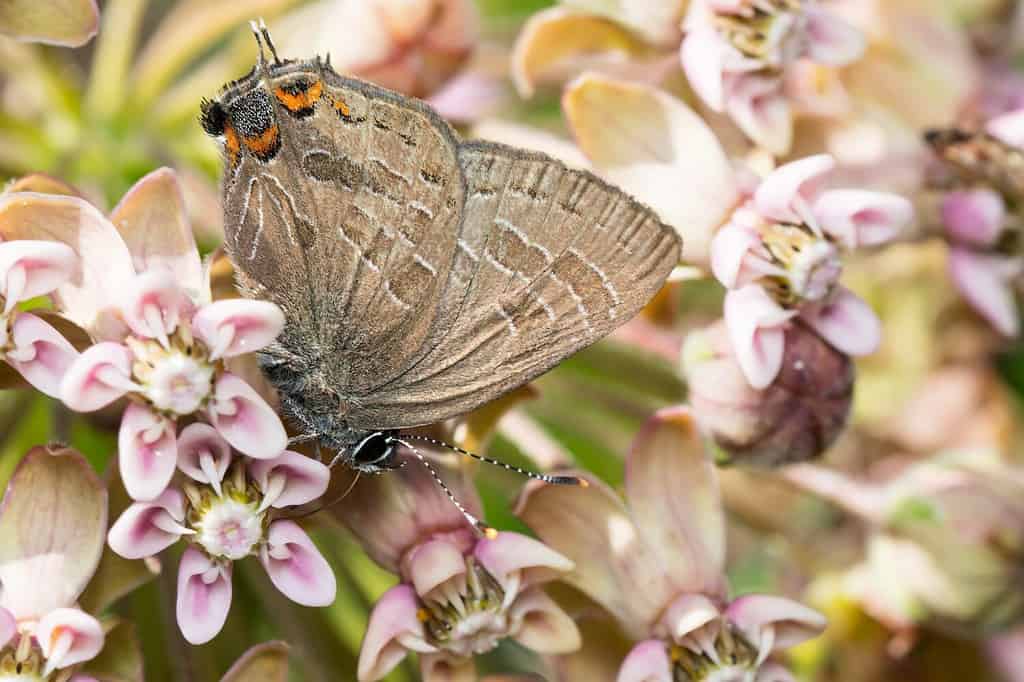
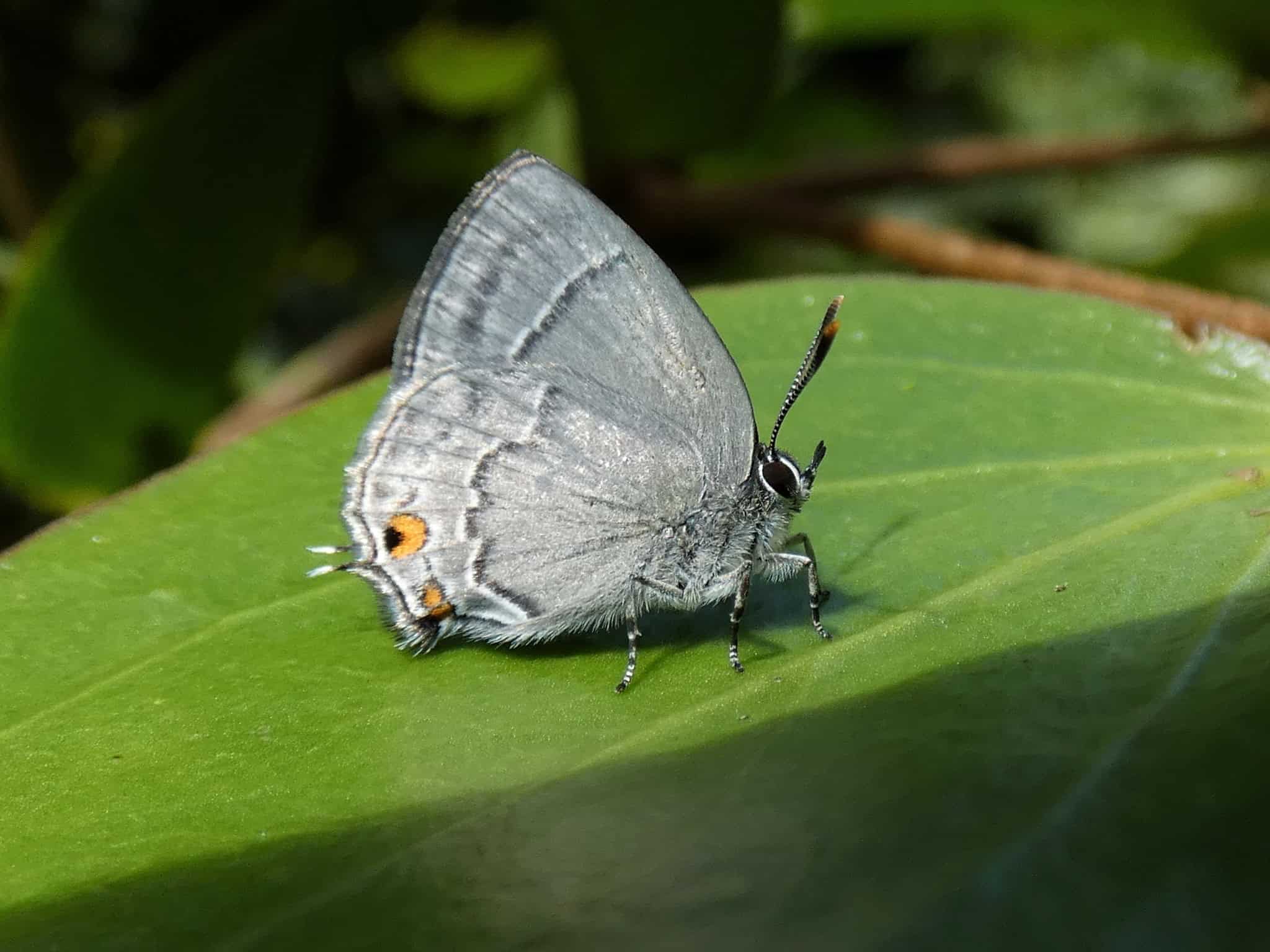
With so many subtle variations, finding these butterflies accurately and alive in the world is the next step.
©Paul Reeves Photography/Shutterstock.com
The unfortunate possibility raised by the museum is that some of these lineages may already be gone, or perhaps even stranded in fragments of forest that no longer match past data. Conservationists must now attach researched identities back to living populations, while there’s still time to do it. Here’s hoping these nine butterflies still exist out there in the world, and in large enough populations to enjoy for years to come.