
Quick Take
- Rabies is nearly always fatal once clinical signs appear, eclipsing any debate about pet vaccination.
- Even a modest drop in vaccine coverage inflates outbreaks across communities, shelters, training facilities, and boarding environments.
- While some pet owners have concerns about vaccine schedules and side effects, mainstream veterinary and public health organizations overwhelmingly support core pet vaccines as essential for animal and community health.
- Read on to discover how risk-based planning shapes practical vaccination choices and why the overlap between human and pet skepticism matters.
Vaccine skepticism and distrust is extending beyond humans and into animal care. In the past few years, veterinarians and veterinary organizations report that some of the same distrust and misinformation that fuels the anti-vaccine movement in people is also showing up in conversations about dogs and cats, especially around once-routine shots and boosters.
While some pet owners are looking for fewer boosters or better spacing of them so as to not overwhelm their pet, others are completely refusing this common practice. Vaccination distrust is growing broadly. But what does each side tend to argue about, what does mainstream veterinary guidance recommend, what remains rooted in science, and what is being misinterpreted?
More importantly, what happens to pets when they are or aren’t vaccinated? We’ve turned to experts for their guidance and advice, reaching out to those representing both sides of the argument.
We spoke to veterinarian assistant and receptionist, Jenny Goodale of AnimalKind Holistic Veterinary Clinic in Southern Oregon, as well as vet technician and dog trainer, Teagan Coleman of NLR Explore Dog Training for their advice. This is the divide that exists between those who believe in pet vaccines and those who find alternate routes.
Why Some Anti-Vax Thinking Extends to Pets
Anyone who believes that vaccines are overused or harmful may apply that same thinking to veterinary medicine and the care of their pets. The AVMA’s vaccine hesitancy overview identifies a myriad of safety doubts and perceived lack of necessity as common beliefs among hesitant owners, beliefs that are also found in human anti-vax mentalities.
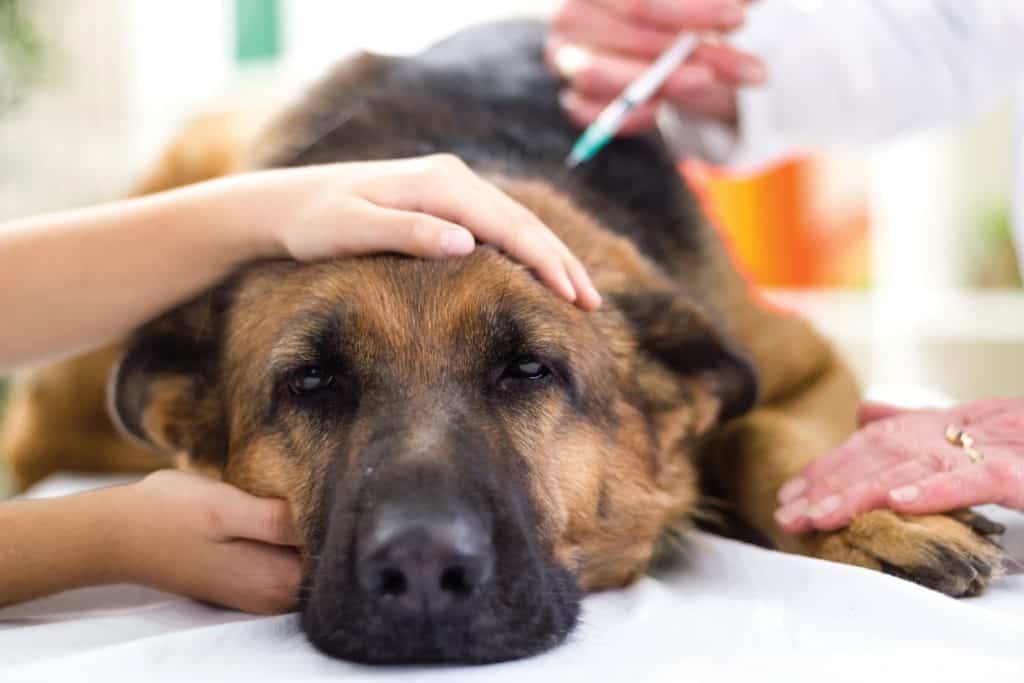
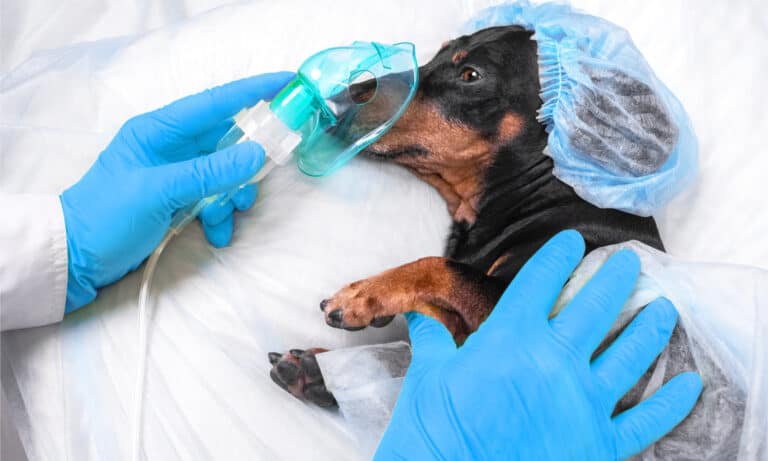
Side effects in animals are one reason why many pet owners are concerned about vaccinating their pets.
©VP Photo Studio/Shutterstock.com
Additionally, many vaccine-preventable diseases aren’t seen every single day by the average pet owner. However, side effects are; mild post-vaccine lethargy or soreness is often memorable, especially in animals. When people weigh these risks, they may fixate on them and discount disease risk until an outbreak happens.
Here are some additional insights about this mentality, and some expert advice from both sides of the debate.
Natural Health is Carrying Over to Pet Care
Holistic and minimal intervention mindsets shape pet care the same way they shape human wellness choices, particularly in communities that value alternative medicine. For those who aren’t keen on vaccines, the goal is often to support the immune system and avoid unnecessary inputs into an animal, especially if a pet seems healthy or is of a young age.

Herbal remedies and alternative medicines are growing in popularity when it comes to pet care.
©Lunov Mykola/Shutterstock.com
Office assistant Jenny Goodale states, “While the clinic I work for isn’t strictly anti-vax, we believe not all vaccines are necessary, and they can even be risky. Stressing the immune system with too many shots too close together can be harmful, especially as dogs age.”
Risk Feels Far Away When the Disease is Invisible
Veterinary professionals often argue that vaccine success creates its own skepticism; prevention of diseases can make the harm caused by these diseases harder to notice. Teagan Coleman reports, “When someone hasn’t seen parvo or distemper up close, the risk doesn’t feel real. But clinics experience those diseases when vaccine coverage drops, and the outcomes can be brutal.”
What the Vaccine-Skeptical Side Says About Pet Vaccines
There are valid reasons behind avoiding pet vaccines. The anti-vax community often cites the following reasons why they opt against vaccinating their pets.

Many anti-vax advocates believe the schedules of pet vaccines don’t fit every animal at an individual level.
©Kharaim Pavlo/Shutterstock.com
One-Size-Fits-All Schedules Don’t Make Sense
Standardized vaccine schedules often ignore ample differences between pets, including age, size, health history, lifestyle, and prior reactions to medications. Vaccine-skeptical owners may want spacing between vaccines, or they may omit some completely.
Goodale reports from her experience, “We have clients ask for tailored vaccine plans as well as what vaccines are absolutely necessary. Rabies is one we have to do to keep pets legal in our county, and the only other one we consistently administer is distemper and parvo. But I’ve had dogs react badly to rabies vaccines, which is why we may not re-administer it to older dogs or ones that have had a bad reaction in the past.”
“I’ve Seen a Reaction, and I Don’t Want to Repeat It”
A pet that feels unwell after a shot or a more serious reaction that frightens an owner is another common reason why pet parents opt to avoid vaccines. Veterinary medicine does not pretend adverse events never occur, but these reactions aren’t always discussed before shots are administered.
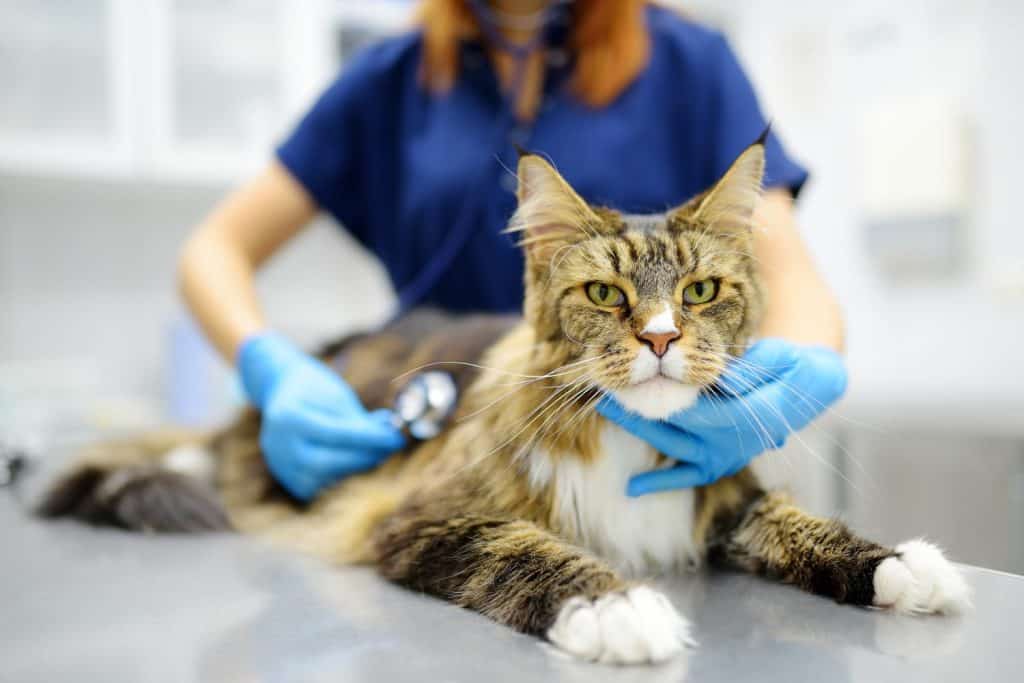
Some animals experience adverse side effects, even from mandatory or required vaccinations.
©Maria Sbytova/Shutterstock.com
There are ways to report vaccine side effects, and the FDA notes that animal vaccine issues are handled through USDA channels, which reinforces that monitoring exists. However, pet owners are often surprised when Fido experiences reactions to vaccines, especially ones that are absolutely required by their state.
Goodale reports from her own experience, “I’ve had a dog drop on the table after giving them a rabies vaccine. Even mandatory vaccines can be unsafe for some dogs, which can make owners hesitate to get their boosters.”
Alternative Medicine Can Prevent Disease
Just like humans, pets can be given alternative medicines and cures for their ailments. Safe herbs exist to combat certain health issues, and anti-vax pet owners are increasing their usage of all-natural remedies for their pets’ well-being.
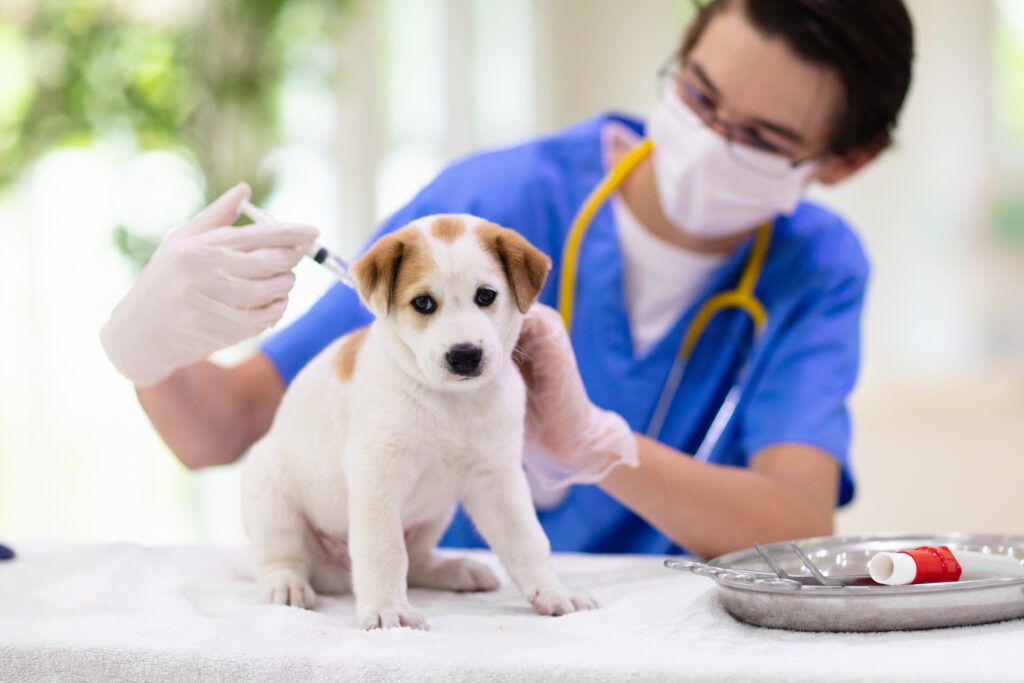
All-natural remedies can help with some day-to-day pet care needs, but they won’t prevent most diseases like vaccines can.
©FamVeld/Shutterstock.com
Goodale reports this as common practice in AnimalKind’s clinic, stating, “We are a holistic clinic, so we use herbs and mushroom blends to help with a lot of ailments. While it isn’t going to prevent some of the most extreme diseases out there, it can definitely help with day-to-day care.”
What the Pro-Vaccination Side Says About Pet Vaccines
Standard veterinary guidance acknowledges the risks of vaccines, but individual veterinarians differ in their approaches. Those who are for pet vaccines have this to say about their validity, even when adverse side effects are present.
Core Vaccines Exist Because the Diseases are Serious
Major veterinary guidelines separate vaccines into two groups: core (recommended for most pets) and non-core (based on risk). The 2022 AAHA Canine Vaccination Guidelines describe core vaccines as those recommended for all dogs unless there’s a specific medical reason not to vaccinate, listing distemper, adenovirus, parvovirus, and rabies as core examples. For cats, the 2020 AAHA/AAFP Feline Vaccination Guidelines their core vaccines include FHV-1, FCV, FPV, rabies, and FeLV in kittens.
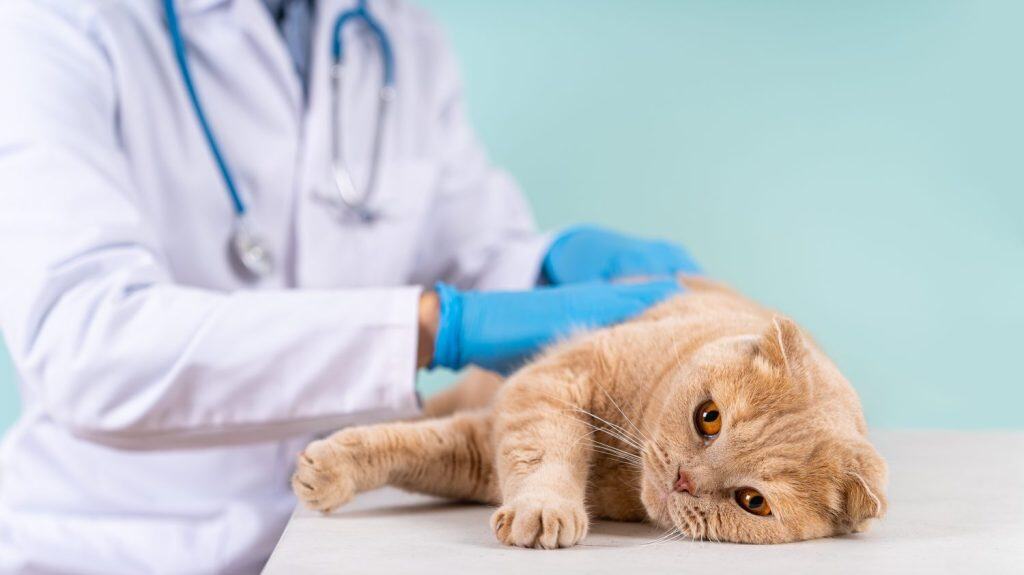
Vets separate vaccines by necessity, into groups known as core and non-core.
©Dina Photo Stories/Shutterstock.com
Coleman states, “Pro-vaccine doesn’t mean ‘give all of the shots possible.’ But there are some you can’t skip, especially for puppies. Vets have these core and non-core options for a reason.”
Rabies Is a Public Health Concern
Rabies remains one of the most vital vaccines available for pets, and is legally required for dogs in nearly all US states, with many states and localities also requiring it for cats. The CDC reports that, once signs of rabies appear, the disease is nearly always fatal to the animal and has the potential to spread to humans; it states that dog vaccination programs are one of the most effective prevention tools available globally.
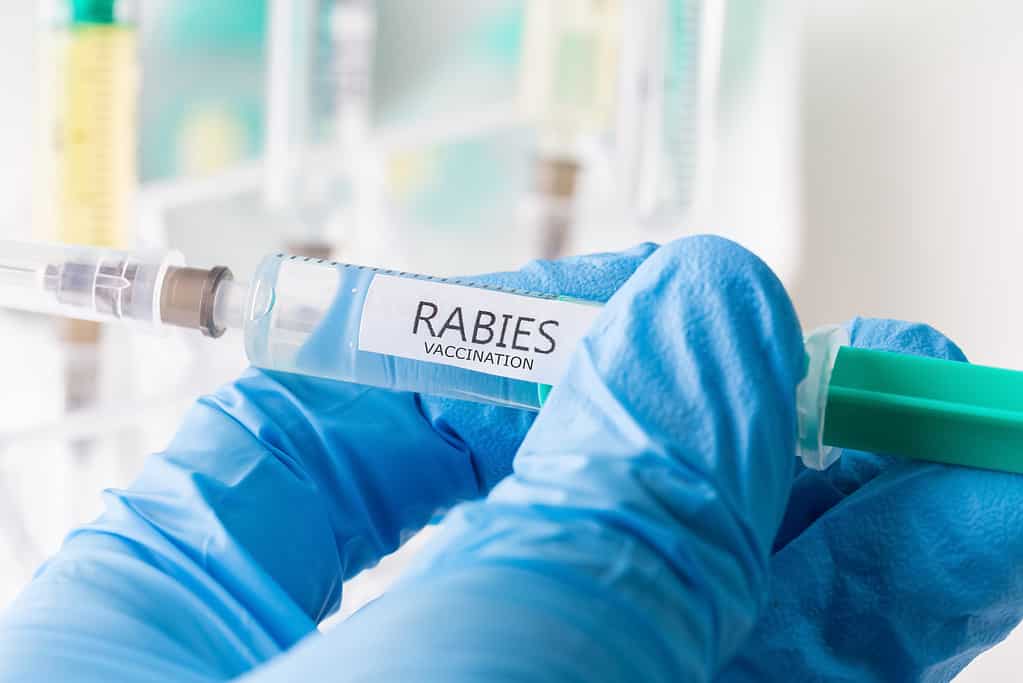
In most counties, rabies vaccinations are required.
©Teka77/iStock via Getty Images
Coleman says, “Rabies and leptospirosis are two diseases we have vaccines for, and I consider them necessary. These are two diseases that animals can pass along to people and trust me when I say you don’t want to experience either of them.”
Hesitancy Brings Real-World Consequences
Veterinary professionals argue that even a small drop in vaccine coverage can raise the odds of outbreaks across towns, communities, shelters, training facilities, and boarding environments. Research has looked into the politicization of canine vaccine hesitancy, believing it to be at the root of many larger-scale outbreaks.
People don’t realize how easily diseases can spread among animals. Any dog that meets another dog at a park or boarding facility has the potential to spread disease, so sometimes vaccinating is the best way to keep everyone safe.
Teagan Coleman, vet technician and dog trainer
When Both Sides of the Vaccine Debate Overlap
There are many instances when both sides of the vaccination debate can meet in the middle. Care is at the crux of all pet ownership, which is why many owners find themselves seeking ways they can best protect their pets in the long run. These are the ways many owners, both for and against, overlap in their opinions.
Both Sides Want Individualized Plans
“We make individual care plans for dogs all the time,” Goodale states, “because that’s what we do. We’re a holistic care facility, which is unique. But I think it’s what most pet owners are looking for.”
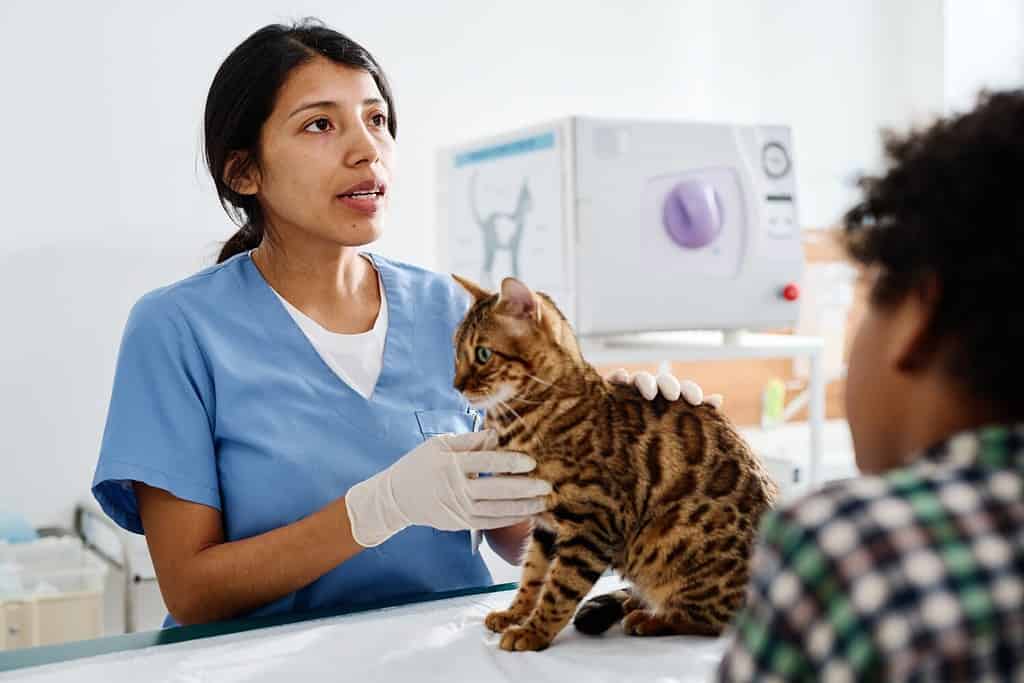
A tailor-made health plan is often what both sides of the vaccination debate want for their pets.
©Pressmaster/Shutterstock.com
Mainstream vet guidelines advocate tailoring to a pet’s potential risk, which is part of why many clinics will discuss lifestyle, geography, exposure, age, and medical history rather than treating every pet identically. Even core vaccines should be considered alongside non-core vaccines after weighing lifestyle and local disease prevalence.
Both Sides Want Safety
Hesitant owners are mostly concerned about adverse side effects in their individual pets; pro-vaccine advocates are mostly concerned about disease severity and contagiousness within their community. At the core of both arguments, safety is the concern; can a middle ground be found?
No matter the animal or the vaccine involved, a compromise can exist through spacing vaccines when appropriate, documenting any prior pet reactions, monitoring them closely, and reporting suspected adverse reactions to vets and clinics.
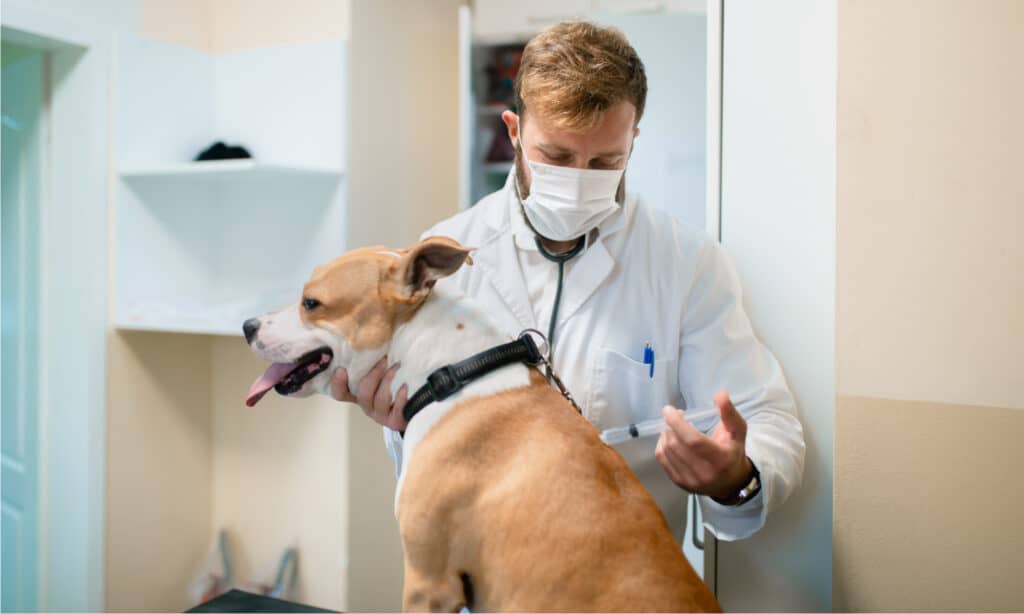
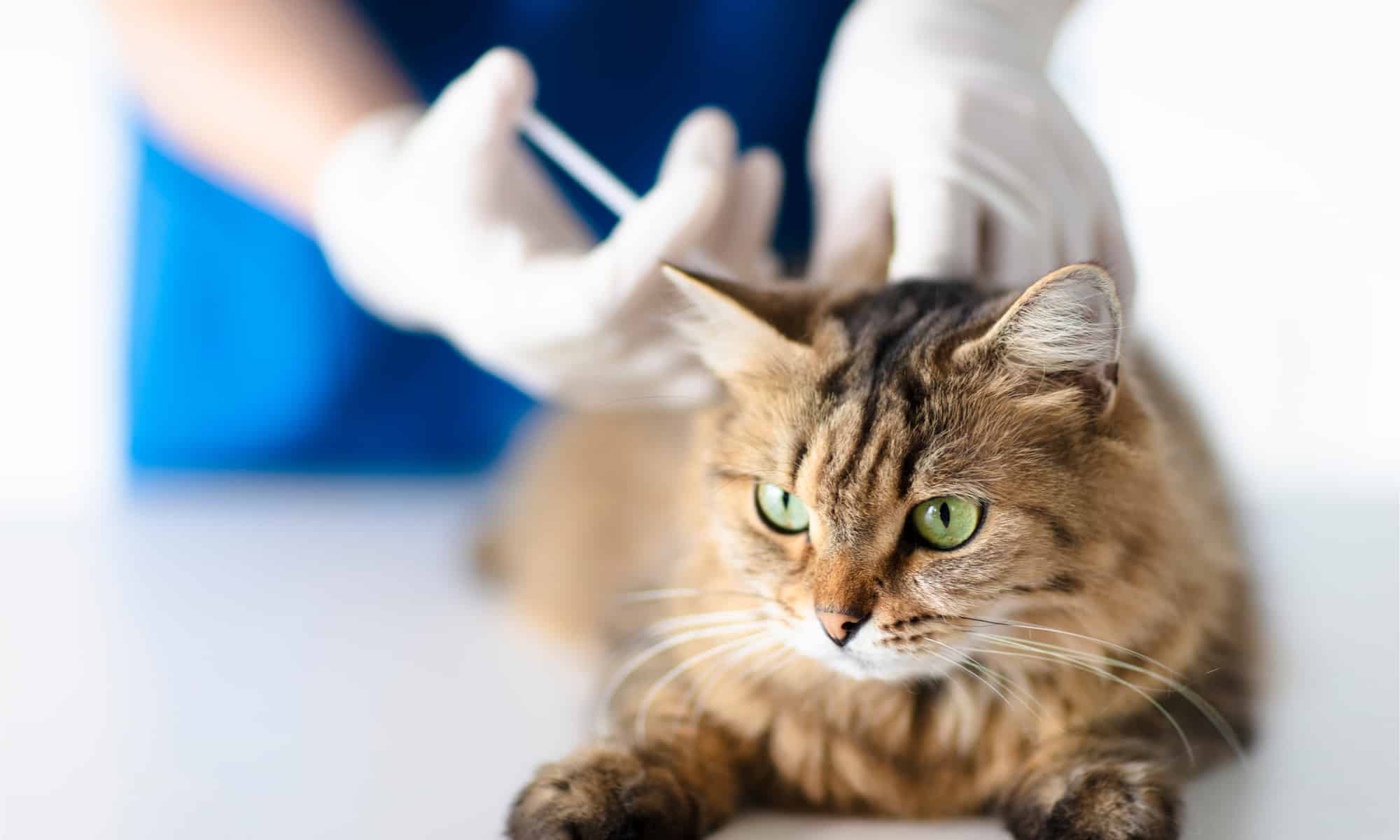
Diseases can easily spread among animals, which is why vaccines can be necessary.
©StrDr stock/Shutterstock.com
“I never want an animal to suffer, especially if it’s from a non-mandatory vaccine. But people don’t realize how easily diseases can spread among animals. Any dog that meets another dog at a park or boarding facility has the potential to spread disease, so sometimes vaccinating is the best way to keep everyone safe,” Coleman reports.
What You Should Remember About Pet Vaccines
Pet vaccine skepticism is rising in some groups, just like human vaccine skepticism. While the debate often mixes reasonable questions with unreasonable claims, there are valid questions and statements on both sides. What’s the best way for all of us to proceed? Often, what you can do for your individual animal is the right course of action.

The health of your pet is what matters most, which is why some vaccines may be necessary.
©FamVeld/Shutterstock.com
Bring specific questions you may have about vaccines to a veterinarian. They are the ideal candidate to guide you and your pet, as they have the animal’s best interest at heart, just like you. While you can forge your own path when it comes to health and wellness, your animal relies on you to prioritize their health and advocate for them. We must make choices in their best interest, even if the care they need to thrive involves a vaccine.