
Quick Take
- Animal testing has long supported medical advances but raises ongoing ethical concerns.
- Public concern often focuses on cosmetics, though most testing now involves medicine and safety.
- New technologies are reducing reliance on animals.
- Laws, companies, and consumers are gradually pushing science toward more humane alternatives
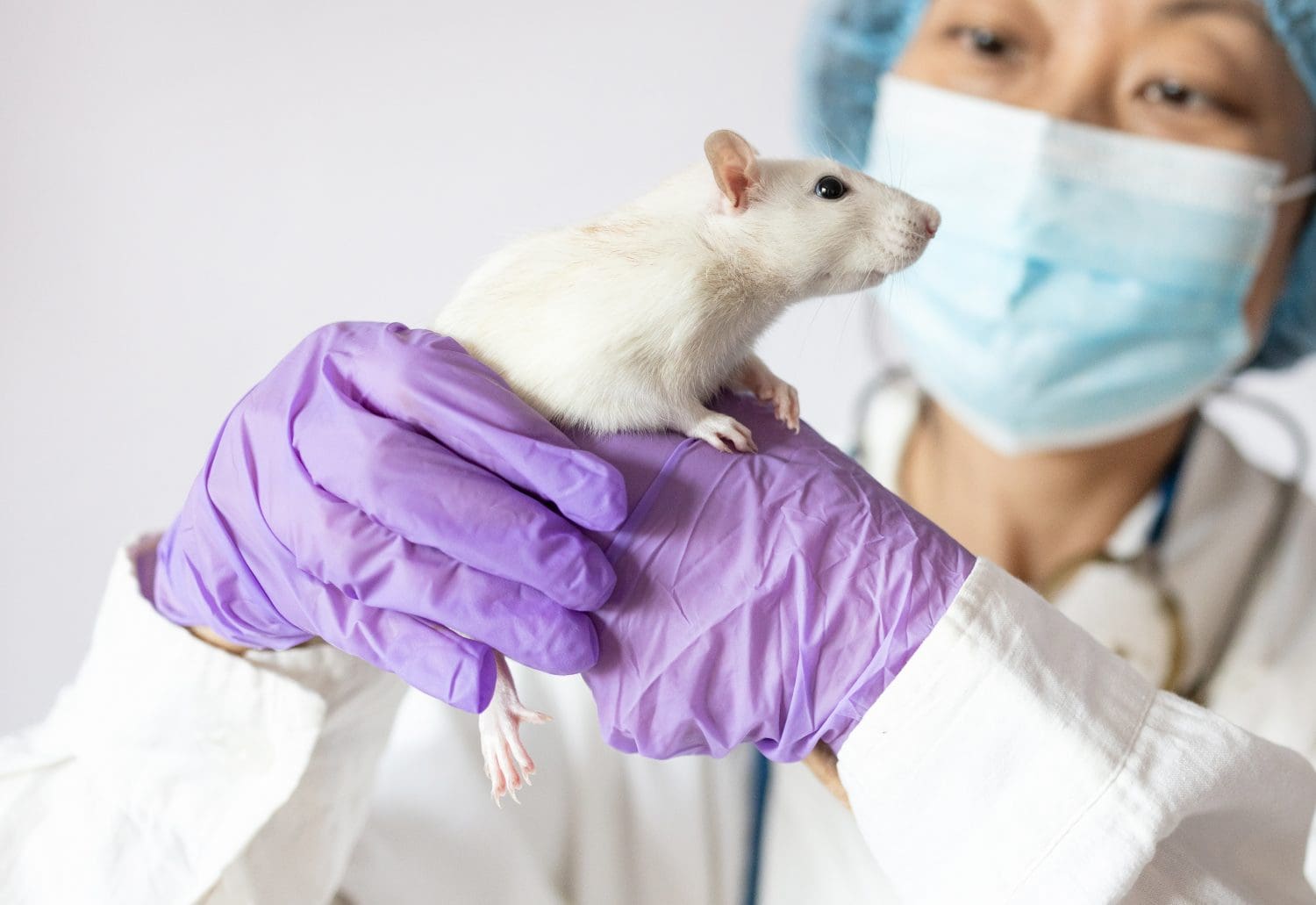
Every year, millions of animals are used in laboratories, and for many people, the image is immediate and uncomfortable: animals in cages, subjected to painful tests for products that may not seem essential. That perception has deep roots. In the past, animals were commonly used to test cosmetics and household chemicals, sometimes in ways that caused pain and distress. Those practices helped shape public concern and distrust that still linger today.
Today, the picture is more complicated. Much of the remaining animal testing is tied to medical research and drug safety rather than cosmetics, and many countries have restricted or banned animal testing for beauty products. At the same time, millions of animals are still used each year in laboratories, raising ongoing questions about necessity, ethics, and whether newer technologies can replace these practices. As World Laboratory Animal Liberation Week approaches, the debate is shifting from whether animal testing has value to whether it is still the best path forward for research.
World Laboratory Animal Liberation Week
World Laboratory Animal Liberation Week occurs annually around April 24, drawing attention to animals used in research. In 2026, it takes place from April 20 to April 26. The event highlights both the scale of animal use and the progress of alternative methods.
Advocacy groups use this time to educate the public and promote changes in policy and research practices. Events often include educational outreach, campaigns, and discussions about scientific innovation. The goal is to encourage a broader conversation about how research can evolve.
It also aligns with World Day for Animals in Laboratories on April 24, which focuses on ethical considerations. Together, these observances create an opportunity for reflection and dialogue among scientists, policymakers, and the public.
Why Animals Ended Up in Our Laboratories
Animal testing predates modern medicine, beginning with early efforts to understand anatomy and disease through direct observation. By the twentieth century, governments began requiring animal testing before human trials to reduce the risk of unsafe drugs reaching patients. In the United States, the 1938 Federal Food, Drug, and Cosmetic Act formalized this approach, making animal studies a standard step in drug development.
This framework emerged after several public health crises involving unsafe medications. Regulators needed a way to reduce risk, and animal testing offered a practical, if imperfect, solution at the time. It created a structured pathway from laboratory discovery to clinical use, helping establish public confidence in modern medicine.
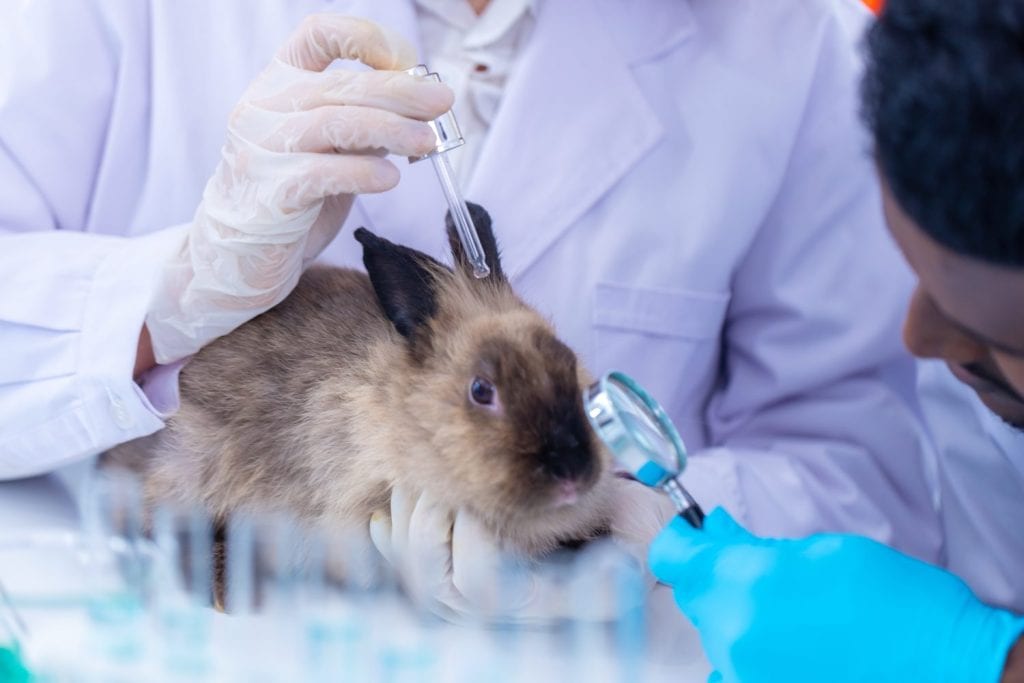
Rabbits were once used extensively in cosmetics testing.
©kckate16/Shutterstock.com
Over time, scientists recognized that animal responses do not always mirror human biology. Some medications that appeared safe in animals later caused harm in humans, while others that failed animal tests proved effective in people. These inconsistencies have fueled ongoing debate about the reliability and necessity of animal testing, especially as newer scientific tools emerge.
What Kinds of Animals Are Used in Testing?
Most animals used in research are small mammals, especially mice and rats. Together, they make up the overwhelming majority of laboratory animals because they are inexpensive to house, reproduce quickly, and can be genetically modified to model human diseases. Scientists often use specially bred strains that develop conditions such as cancer, diabetes, or neurological disorders, allowing researchers to study how those diseases progress and how treatments might work.
Other animals are used less frequently but still play a role in certain types of research. Rabbits are often used in studies involving skin or eye irritation, as well as immune system responses. Fish, particularly zebrafish, are used in developmental biology because their transparent embryos make it easier to observe growth in real time. Birds and amphibians may also be used in specialized research, depending on the scientific question.
Larger animals are used more rarely and typically for specific purposes. Dogs and nonhuman primates, such as monkeys, may be involved in studies that require closer similarities to human physiology, especially in areas like neuroscience or long-term drug safety. Because of ethical concerns and stricter regulations, their use is more limited and subject to higher levels of oversight. While the species vary, most laboratory animals share one thing in common: they are selected because they can help answer questions that scientists cannot yet fully study using non-animal methods.
Life Inside a Research Facility
Laboratory environments are designed for consistency and control rather than comfort. Most research animals are small mammals such as mice and rats, housed in compact enclosures with regulated lighting, temperature, and feeding schedules. These conditions allow researchers to standardize experiments but limit natural behaviors.
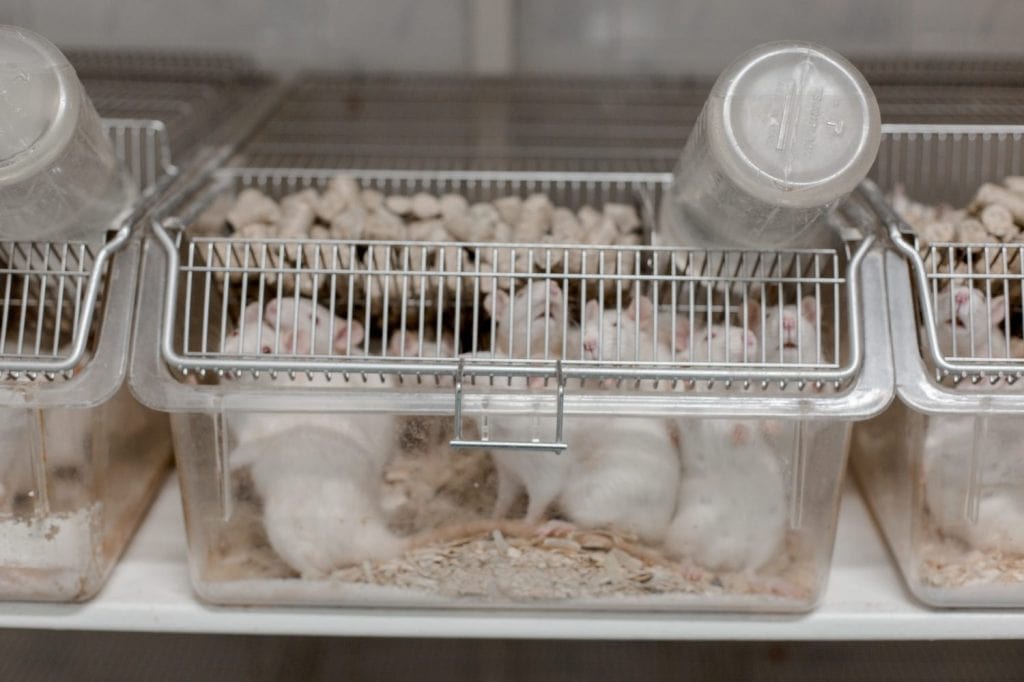
Conditions for laboratory research animals are tightly controlled and not natural to the species.
©Azar Kazimov/Shutterstock.com
In many facilities, animals live in environments where variables such as light cycles and diet are carefully controlled to produce consistent data. While this precision is valuable for research, it creates an artificial setting that differs significantly from natural habitats. Even routine handling, though necessary, can introduce stress.
Procedures vary widely depending on the study. Animals may receive injections, undergo surgeries, or be bred to develop specific conditions. Regulations require efforts to reduce pain and distress, yet some experiments involve discomfort that cannot be fully eliminated. Even under compliant conditions, animals rarely experience the range of behaviors they would in natural environments.
The Medical Benefits Supporters Point To
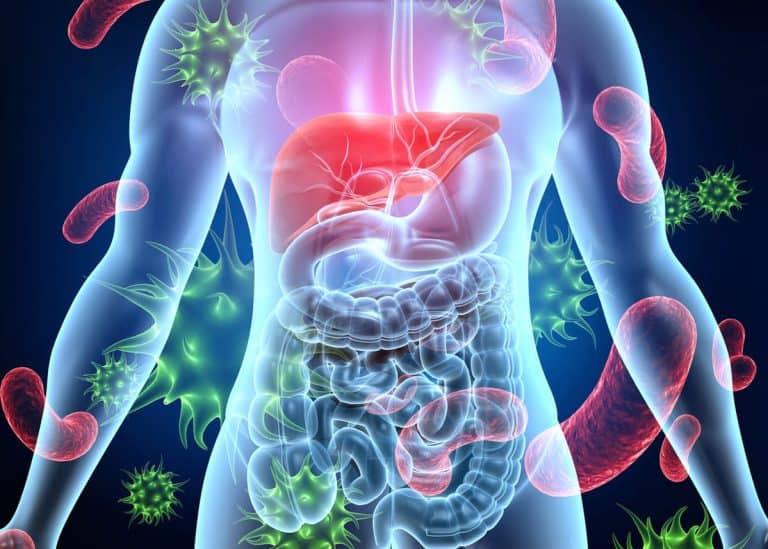
Supporters argue that animal testing has contributed to many major medical advances. Vaccines, insulin therapies, antibiotics, and cancer treatments all passed through animal studies during development. Historically, regulators relied on animal data to identify harmful side effects before human trials.
Animal studies have also played a role in understanding how diseases progress within a living organism. Conditions such as diabetes, heart disease, and neurological disorders have been studied in animal models to observe long-term effects and interactions between systems. This type of research can be difficult to replicate using isolated cells alone.

Animal testing has helped researchers develop medications for heart disease and many other medical conditions.
©brizmaker/Shutterstock.com
Animal models also allow researchers to study entire biological systems rather than isolated cells. This can provide insight into how a treatment affects multiple organs at once. In areas such as surgical techniques or complex organ interactions, animal testing still plays a role because alternatives do not yet fully replicate these systems.
The Ethical Questions We Cannot Ignore
The use of animals in research raises ethical concerns because animals can experience pain and stress. Critics argue that keeping animals in controlled environments for experimentation is difficult to justify, especially when alternatives are available. They also question why some animals are treated as companions while others are used in laboratories.
This ethical tension often centers on how society assigns value to different forms of life. While human health is a priority, many people believe that causing suffering to animals should be minimized as much as possible. As awareness grows, these questions are becoming more central to public discussions about science.
Ethical frameworks attempt to address these concerns through the “3Rs”: replace animals where possible, reduce the number used, and refine methods to minimize suffering. While widely adopted, these guidelines do not eliminate ethical tension. As alternative technologies improve, the expectation that animals should only be used when absolutely necessary continues to grow.
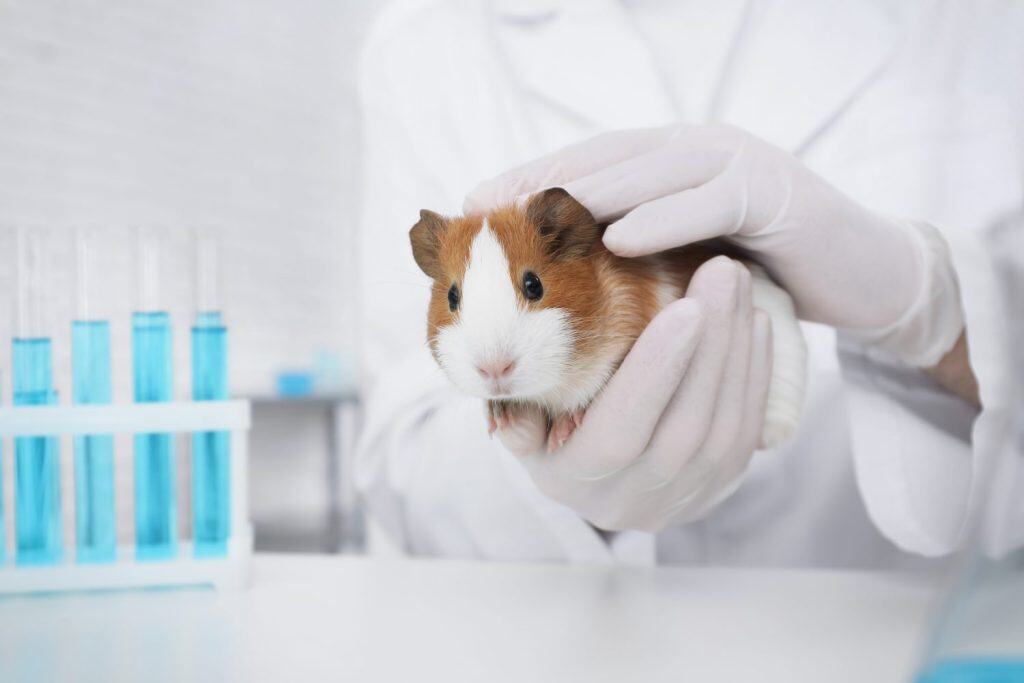
Animal testing raises questions about the relative value society places on the lives of different kinds of animals.
©New Africa/Shutterstock.com
How Animal Rights Advocates View the Issue
For many animal rights advocates, the debate over animal testing is not primarily scientific—it is moral. They argue that animals are sentient beings capable of pain, fear, and distress, and that using them in experiments without consent is inherently wrong, regardless of potential human benefit. From this perspective, the question is not whether animal testing is useful, but whether it is justified at all.
Advocates often point to past practices, especially in cosmetics and chemical testing, to explain why public concern about animal suffering remains strong. They argue that these practices were not exaggerated—they were real, and they shaped how people understand laboratory testing today. Even though many of these uses have been reduced or banned in some regions, they maintain that the underlying issue has not changed. Animals are still confined, handled, and sometimes subjected to procedures that cause pain or distress, raising the same moral concerns as before.
Some activists go further, arguing that continued reliance on animal models may hinder scientific progress because these systems do not fully replicate human biology. They contend that newer technologies can provide more accurate, human-relevant results without involving animals. From this perspective, moving toward non-animal methods is not only more humane but also more scientifically sound. As these alternatives improve, they argue that the burden of proof is shifting and that researchers should now demonstrate why animal testing remains necessary rather than treating it as the default.
How Laws and Regulations Are Changing
Recent legal changes reflect shifting attitudes toward animal testing. In the United States, the FDA Modernization Act 2.0 removed the federal mandate that all new drugs must be tested on animals before human trials, allowing the FDA to accept alternative methods when appropriate, though animal testing may still be required in some cases. This allows companies to use alternative methods when they can demonstrate safety effectively.
This change does not eliminate animal testing entirely but creates flexibility in how safety data is gathered. Regulators can now evaluate evidence from a wider range of sources, including advanced laboratory models and computational systems. This shift reflects growing confidence in newer methods.
Regulatory agencies are also exploring ways to reduce animal testing in specific areas. The Environmental Protection Agency has outlined goals to decrease reliance on mammalian testing for chemical safety. These policy changes suggest a gradual transition toward methods that rely more directly on human biology.
New Technologies That Could Replace Animals
Advances in science are creating new ways to study disease without using live animals. Organoids, which are small clusters of human cells, can mimic the function of organs such as the liver or brain. These models allow researchers to observe how human tissue responds to drugs in a controlled environment.

Some cutting-edge technologies are becoming more accurate and reliable than animal testing.
©Dip Design 3181/Shutterstock.com
Organs-on-chips take this concept further by simulating blood flow and tissue interaction on a small device. These systems can recreate aspects of human physiology, including how cells respond to mechanical forces and chemical exposure. This level of detail provides insights that traditional models may miss.
In addition, computer-based models can predict how substances behave in the body using large datasets and advanced algorithms. These systems can analyze patterns across thousands of compounds, helping identify potential risks earlier in development. While still evolving, these tools are becoming increasingly reliable.
Companies Moving Toward Cruelty-Free Science
Many companies, particularly in cosmetics and personal care, are reducing or eliminating animal testing. Some countries have banned animal-tested cosmetics, encouraging companies to adopt validated alternatives. Consumer demand for cruelty-free products has also influenced business decisions.
Public awareness campaigns and certification programs have made it easier for consumers to identify companies that avoid animal testing. This transparency has increased pressure on brands to change their practices. As a result, cruelty-free labeling has become an important factor in purchasing decisions.
In the pharmaceutical and chemical industries, companies are investing in human cell–based testing and predictive modeling. Some laboratories now specialize in entirely animal-free research methods. These approaches can improve efficiency while providing data that may be more directly relevant to human health.

Consumers can help drive ethical treatment of animals by purchasing products that have not been produced with animal testing.
©Nomad_Soul/Shutterstock.com
How You Can Support Humane Alternatives
Individuals can support the shift toward humane science in several ways. Choosing products from companies that avoid animal testing helps reinforce demand for alternative methods. Supporting organizations that fund non-animal research also contribute to progress in this area.
Awareness plays a key role in driving change. When people understand how products are developed and tested, they are better equipped to make informed decisions. Education can influence both consumer behavior and policy priorities.
Staying informed about policy developments and engaging in public discussions can influence broader change. Even small actions, when combined across many people, can shape how science evolves over time.
A Turning Point for Medical Research
Animal testing remains part of modern medicine, but its role is changing. Advances in technology and updated regulations are creating new pathways that rely less on animal models. As science continues to evolve, the balance between human safety and animal welfare is being reconsidered.
The future of research will likely involve a combination of methods, with animal testing used more selectively. Continued investment in alternative technologies will determine how quickly this transition occurs. Over time, scientific progress and ethical considerations are moving closer together, shaping a new model for medical discovery.