
Quick Take
- A rabid bobcat attack in New Mexico highlights how quickly wildlife encounters can turn dangerous.
- Up-to-date rabies vaccinations can mean the difference between a manageable quarantine and euthanasia for exposed pets.
- Rabies is nearly 100% fatal once symptoms appear, making prevention and rapid response critical.
- Recognizing abnormal wildlife behavior and seeking immediate care after exposure can save both animal and human lives.
In Sierra County, New Mexico — where the first animal rabies case of 2026 was recently reported — a quiet morning turned violent when a rabid bobcat launched an unprovoked attack on two family dogs. While the bobcat primarily focused on the dogs, two people were also exposed during the frantic encounter. The bobcat was euthanized, and state laboratory testing later confirmed the worst-case scenario: the bobcat was positive for the rabies virus.
This incident is a great example of how prevention drastically changes outcomes. Because both dogs were up-to-date on their vaccinations, the consequences were far less severe than they would have been otherwise. Rabies is nearly 100% fatal in humans once symptoms appear. This Sierra County case serves as a stark, timely reminder that a valid vaccine is often the only thing preventing a pet from being euthanized after a wildlife encounter.
Why Rabies Vaccination Is Non-Negotiable
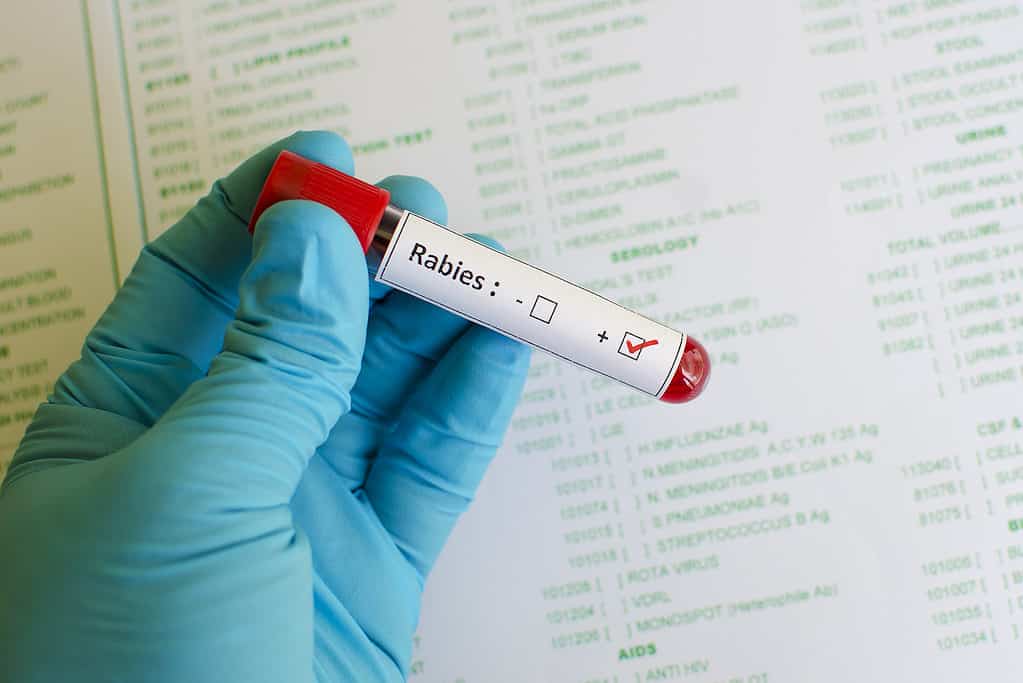
The rabies virus can spread through the spinal tissue, brain, or saliva of an infected animal.
©jarun011/iStock via Getty Images
Because domestic dogs are the primary drivers of rabies transmission to humans (responsible for over 95% of human exposures globally), vaccinating your pet is the most direct way to prevent human fatalities. The difference between a vaccinated and an unvaccinated dog following a rabies exposure is not just a matter of health — it is a matter of legal and clinical life or death. Once clinical signs appear, the disease is 100% fatal. Death usually occurs within seven to 10 days of the first symptoms. Because of the extreme risk to human life, any dog showing these symptoms is typically euthanized humanely to prevent further transmission.
Since the two dogs in New Mexico were current on their rabies vaccinations before the attack, they are now undergoing a standard 45-day home observation period. Unfortunately, unvaccinated pets face a much harsher reality. Euthanasia is typically recommended; if this is declined, the alternative is strict isolation for four to six months in a professional facility, which is both stressful and expensive.
Recent research has introduced the concept of immunological memory. Pets with documented prior vaccination — even if overdue — may still qualify for the less severe protocol if they receive a booster shot promptly. However, the main takeaway is simple: staying current on vaccinations dramatically improves a pet’s chances.
On a broader scale, vaccination provides more than just individual protection. Public health models show that maintaining roughly 70% vaccination coverage in dogs is enough to reduce transmission risk at the community level. This is critical, given that dogs account for the vast majority of human rabies exposures worldwide.
What Happens After Exposure?
Even if an animal appears healthy, it may not be safe because rabies symptoms do not appear immediately. After exposure, the virus typically incubates for three to twelve weeks, although it can take much longer. During that time, the virus travels through the body and attacks the central nervous system, remaining undetectable but still active.
To complicate matters further, an infected animal can shed the virus in its saliva for up to 10 days before showing any visible symptoms. That’s why observation periods are required, even for vaccinated animals involved in biting incidents.

Symptoms of the rabies virus typically appear within two weeks, although some cases can take months.
©EzumeImages/iStock via Getty Images
As the disease progresses, it moves through three phases:
- The prodromal phase, marked by subtle behavioral changes and fever
- The excitatory phase, where aggression and hypersensitivity emerge
- The paralytic phase, leading to loss of motor control, respiratory failure, and death
Unfortunately, there is no reliable test for rabies in a living animal. Researchers can only make a definitive diagnosis after death through examination of brain tissue. Once clinical signs appear, the disease is 100 percent fatal, with death usually occurring within seven to 10 days.
Identifying Rabies in Wild Animals
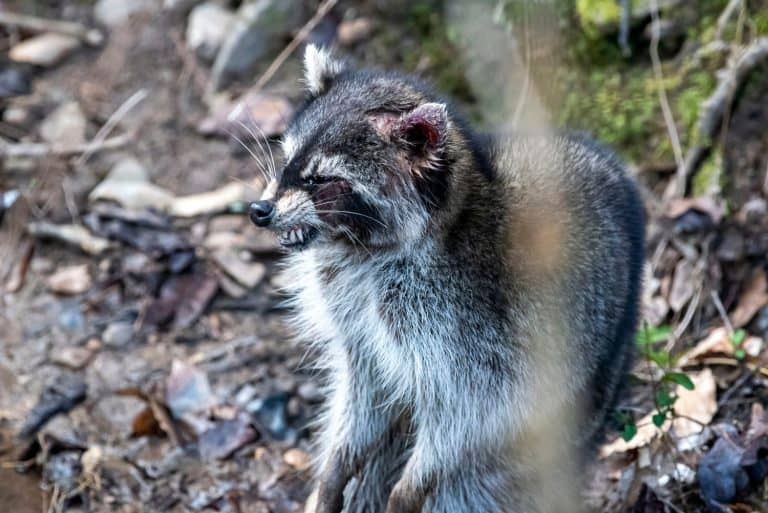
The New Mexico incident underscores how dramatically rabies alters behavior. Animals that are typically elusive — like bobcats — can become bold, erratic, and dangerously unpredictable when suffering from rabies.
According to health officials and clinical data, there are several “red flag” behaviors that you should never ignore:
- Loss of fear: Rabid animals may lose their natural fear and act unusually “tame,” sometimes approaching people or pets without hesitation.
- Daytime activity: Nocturnal animals like skunks or bats may appear active during unusual hours, such as in broad daylight.
- Inability to fly: Bats found on the ground or those unable to take flight are high-risk indicators.

September 28 is World Rabies Day.
©Christopher J Barger/Shutterstock.com
In later stages, neurological symptoms become more obvious: a dropped jaw, excessive salivation or foaming, disorientation, staggering, seizures, or paralysis. Animals may display unprovoked aggression, attack inanimate objects, or react intensely to light or sound. Some may “fly-snap” at imaginary objects. If you encounter an animal displaying these signs, do not approach or attempt to help it. Avoid contact, secure your pets and any food sources, and report the animal to local authorities immediately.
Human Risk and the PEP Window
As urban developments encroach on natural habitats, wild animals are forced to adapt to human-dominated landscapes, leading to more frequent encounters with domestic animals and pets. At the same time, climate variability and fluctuating resources alter wildlife movement and population density, creating new opportunities for the virus to spread. This means that rabies is no longer restricted to rural areas; suburban and urban pets and their owners are also at risk.
Rabies is a zoonotic disease, meaning it can pass from animals to humans — and once symptoms begin, it is almost universally fatal. While the majority of human rabies cases occur outside the United States, domestic risks remain very real. New Mexico provides a sobering example: there were 13 animal rabies cases last year, 12 in 2024, and 16 in 2023, proving that the threat persists even in areas where human infections are rare.
Early signs in humans can be deceptively mild, such as fever, respiratory discomfort, or a tingling sensation at the exposure site. As the infection reaches the brain, these symptoms progress to severe neurological issues like confusion, anxiety, hydrophobia, and aerophobia. In some cases, victims may also experience paralysis and muscle weakness.
When dealing with a potential rabies exposure, the first few hours are critical. The post-exposure prophylaxis (PEP) protocol can be effective when given before symptom onset. This involves immediate wound cleaning, administration of rabies immune globulin, and a four-dose vaccine series. These shots are highly effective if started promptly, but they provide no benefit once symptoms begin. Therefore, timing is critical.

Approximately 59,000 to 70,000 humans around the world die from rabies each year.
©kckate16/iStock via Getty Images
Final Prevention Strategies
While wildlife encounters are unpredictable, the outcomes can often be controlled. The New Mexico case shows how quickly situations can escalate, but also how much control pet owners still have. Keeping vaccinations current doesn’t just reduce risk; it transforms a potential tragedy into a situation that can be managed and survived.
It is important to prevent your dog from wandering, especially at night when nocturnal wildlife such as foxes, bats, and skunks are most active. If your pet is bitten by a wild animal or a dog with an unknown vaccination history, contact a veterinarian and local health authorities immediately.