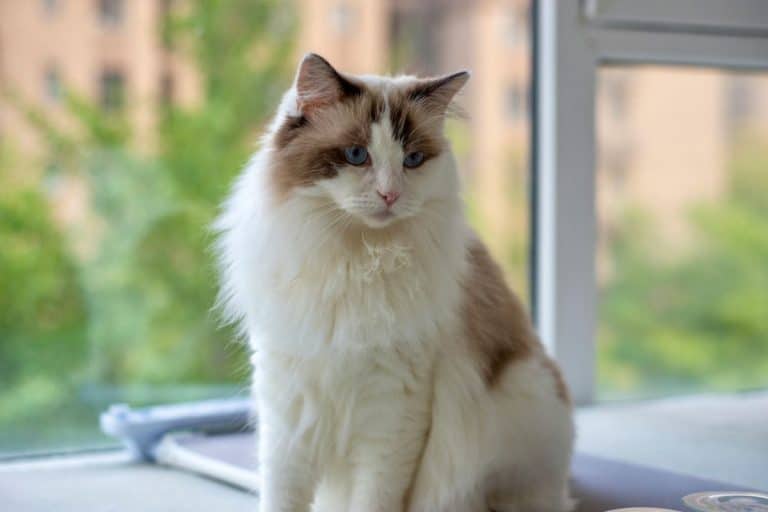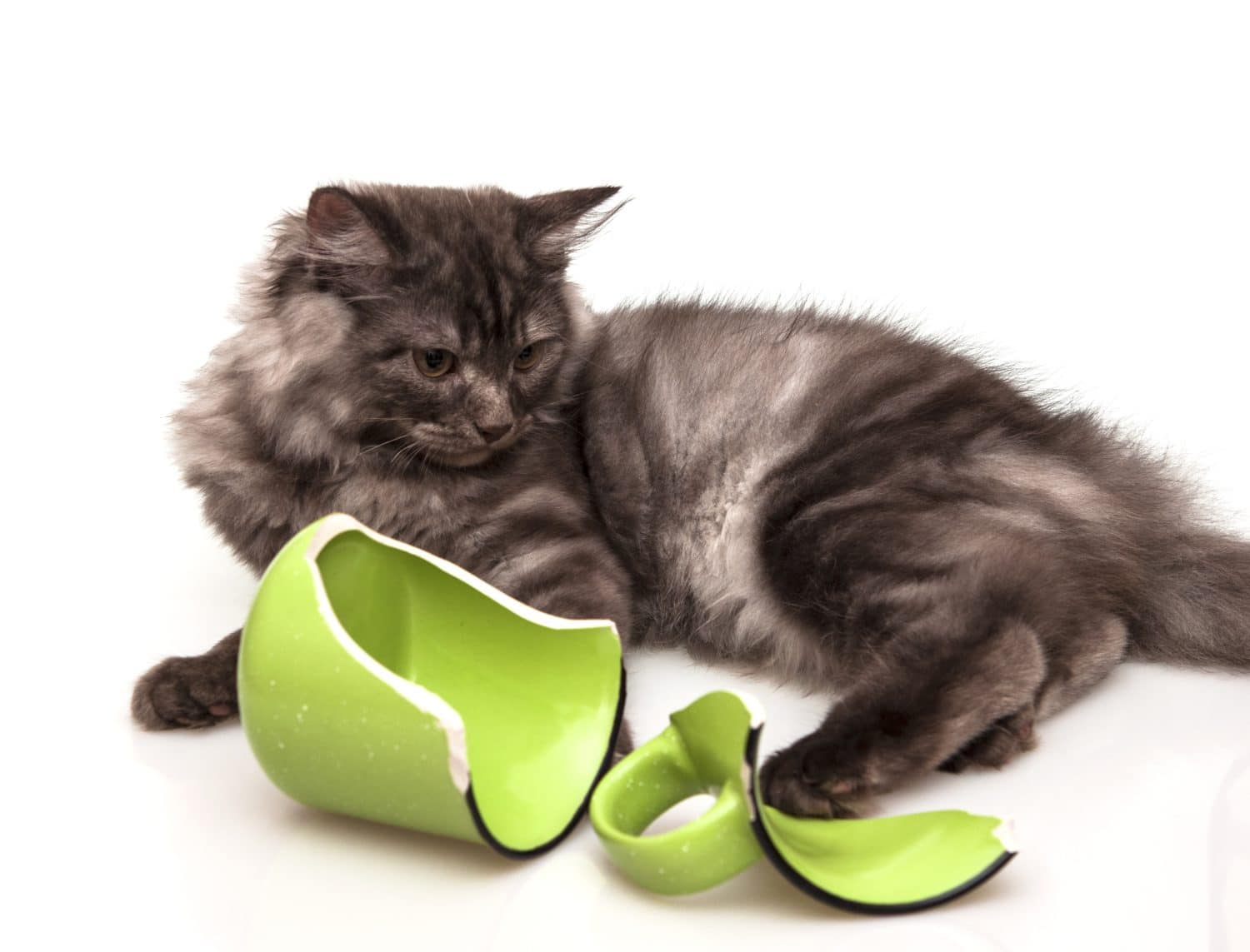

Whether it is your morning coffee or a favorite figurine, many cat owners have watched items hit the floor. The scene brings laughter, annoyance, and a nagging question about why these creatures seem drawn to tiny disaster. To a cat, that object on the edge of a shelf is not just clutter. It is something that moves, makes noise, and reacts. Those qualities speak directly to ancient instincts. Modern felines still carry the minds and reflexes of small hunters. Understanding why they bat at objects helps explain zoomies, nighttime chaos, and surprise “attacks” on pens and glasses. When we see the behavior as normal feline problem-solving and hunting practice, it becomes easier to guide it instead of simply feeling frustrated.
Curious Cats

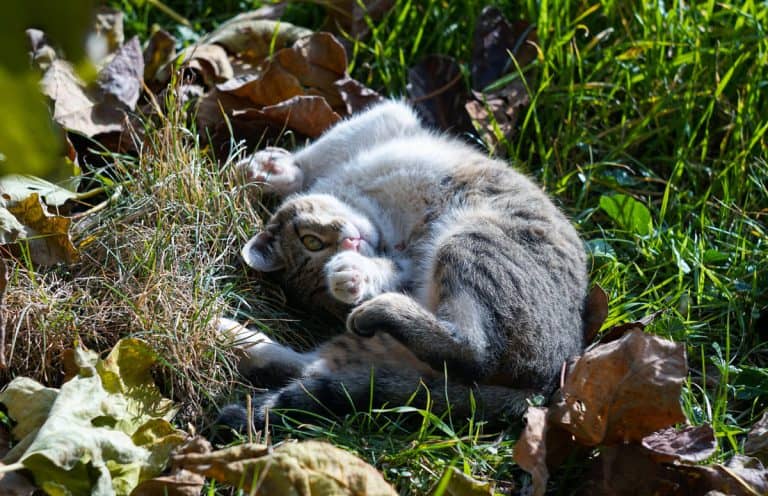
Cats are curious and will touch things with their paws to investigate their environment.
©xamnesiacx84/Shutterstock.com
Cats explore their world with paws and whiskers. A light tap against a pen or glass gives information about weight, texture, and sound. That information matters because, in the wild, a quick test could separate safe prey from something dangerous. Sensitive paw pads act almost like extra eyes. Many cats gently tap suspicious objects several times, then escalate to stronger swats if the object still interests them. Some breeds, such as Siamese and Bengal cats, seem especially driven to investigate every surface. When indoor life feels predictable, any new item on a table works like an invitation to experiment. Knocking something down often becomes the final step in a chain of testing, curiosity, and play, not a deliberate act of malice.
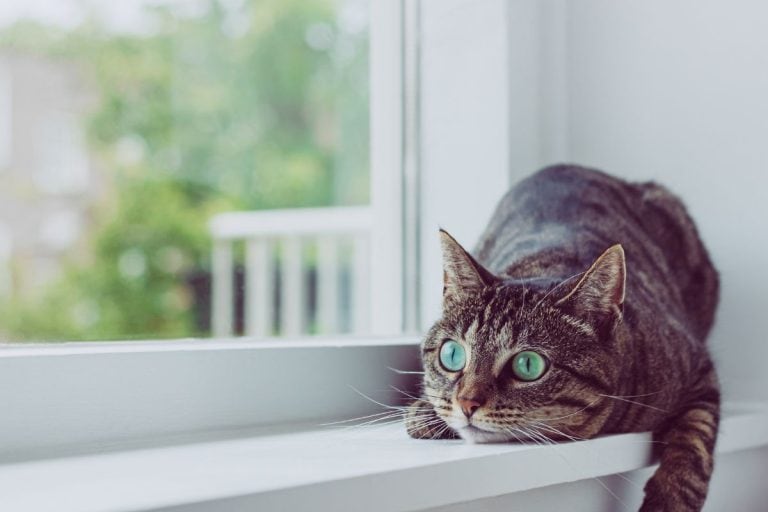
Hunting Instincts
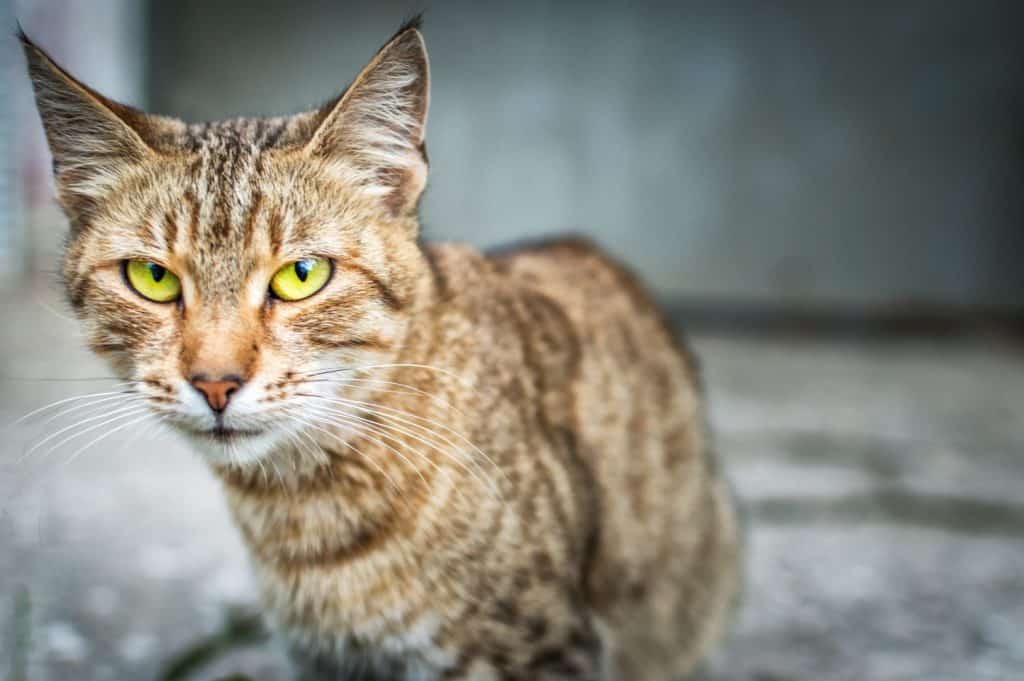
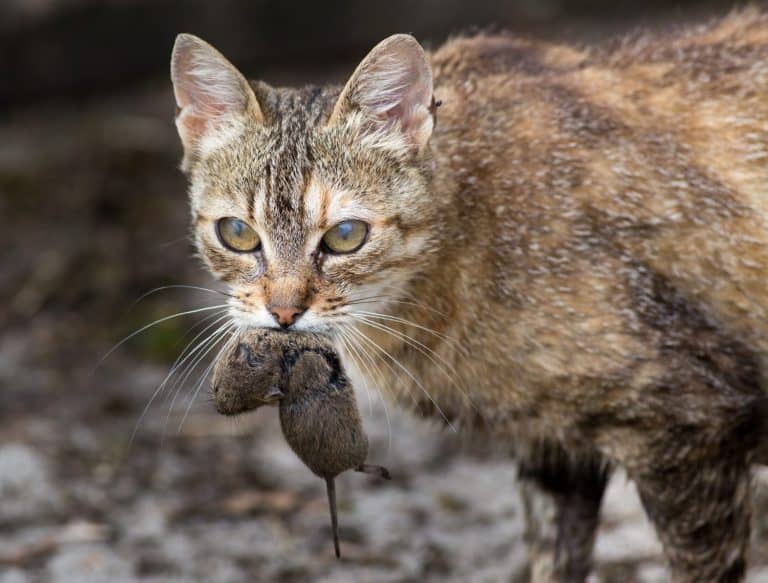
Cats are hunters by nature.
©Anastasiya Tsiasemnikava/Shutterstock.com
Domestic cats, Felis catus, descend from small desert hunters that stalked rodents, birds, and insects. Those ancestors relied on fast reactions and careful paw work to pin or disable prey. Today, a wobbling glass or dangling pen can trigger the same sequence. The brain treats that motion a bit like a mouse moving through grass. Batting, chasing, and finally toppling an object mimic the steps of stalking, capturing, and “killing.” House mice and small songbirds remain common prey for outdoor cats, which supports this link between play and hunting behavior. Indoor cats may never eat what they “catch,” yet practicing the routine satisfies their instinctual drives and keeps their bodies and minds sharp.
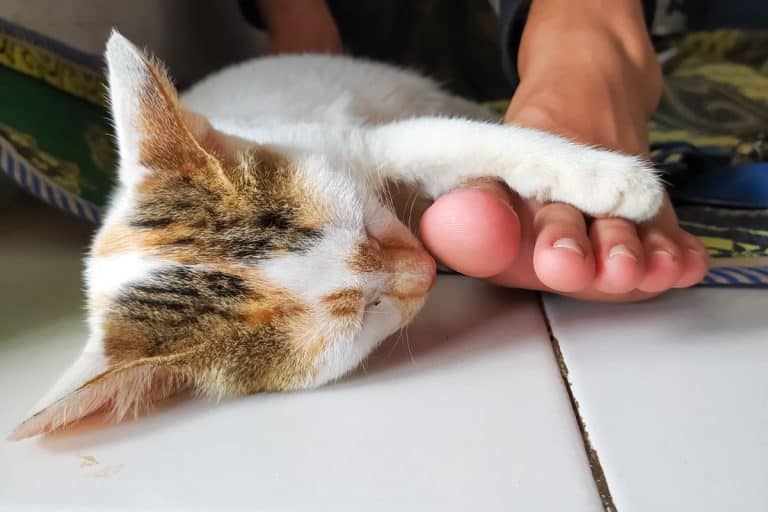
Has Your Cat Trained You?

Giving a cat attention can train it to do things you actually don’t like.
©VAKS-Stock Agency/Shutterstock.com
Not every crash from the kitchen means your cat is thinking about prey. Many cats discover that toppling objects summons humans like magic. A single swipe sends a spoon or remote to the floor, and suddenly a person appears, talking and moving. That reliable reaction rewards the behavior with attention, even when the human sounds annoyed. Long days without play or challenge can push a feline to search for ways to feel busy. Paws drift toward anything that slides easily or makes an interesting sound. Over time, this turns into a simple cause-and-effect habit. Knock, crash, human appears. From the cat’s perspective, that is solid training.
Enrichment for Indoor Cats
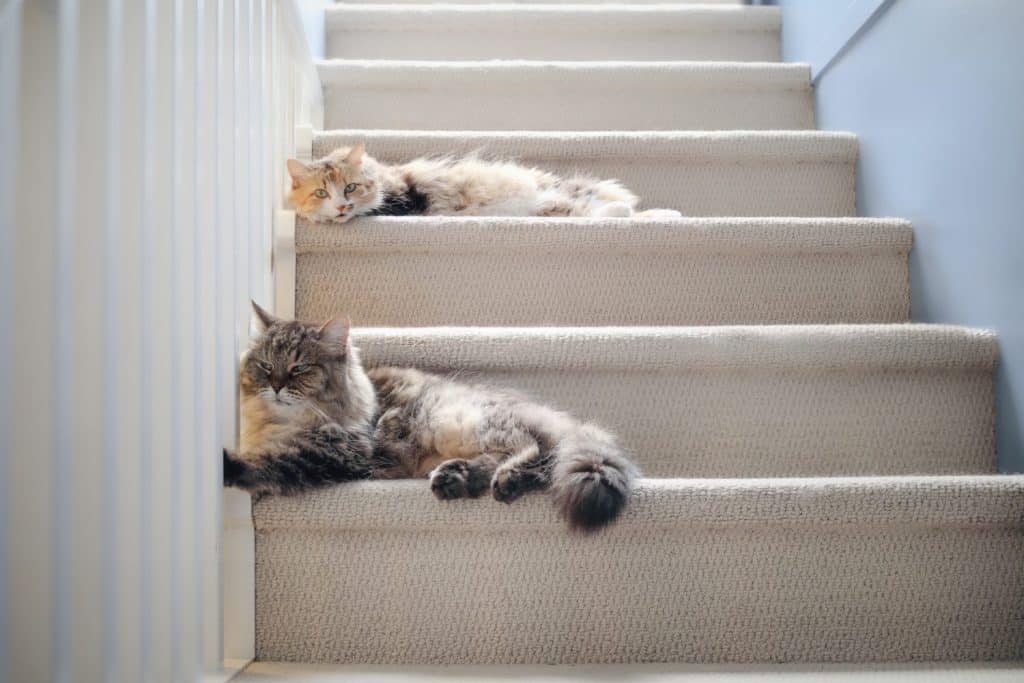
Cats need safe resting spots. They also enjoy vertical spaces where they can look down on the action as if they were in a tree.
©sophiecat/Shutterstock.com
A rich environment helps channel this energy into healthier outlets. Veterinary and behavior guidelines for indoor cats highlight five pillars of a good environment: safe resting spots, separate key resources such as food and litter, opportunities for play and hunting practice, predictable human interaction, and protection of the animal’s sensitive sense of smell. When these needs are met, problem behaviors usually decline. Vertical spaces, paper bags, puzzle feeders, and rotating toys challenge a cat’s mind. Short daily play sessions with a wand toy or small ball let your pet use its body the way hunters would. As curiosity and energy find better targets, random object-smacking often becomes less frequent.
Midnight Zoomies and Energy Bursts
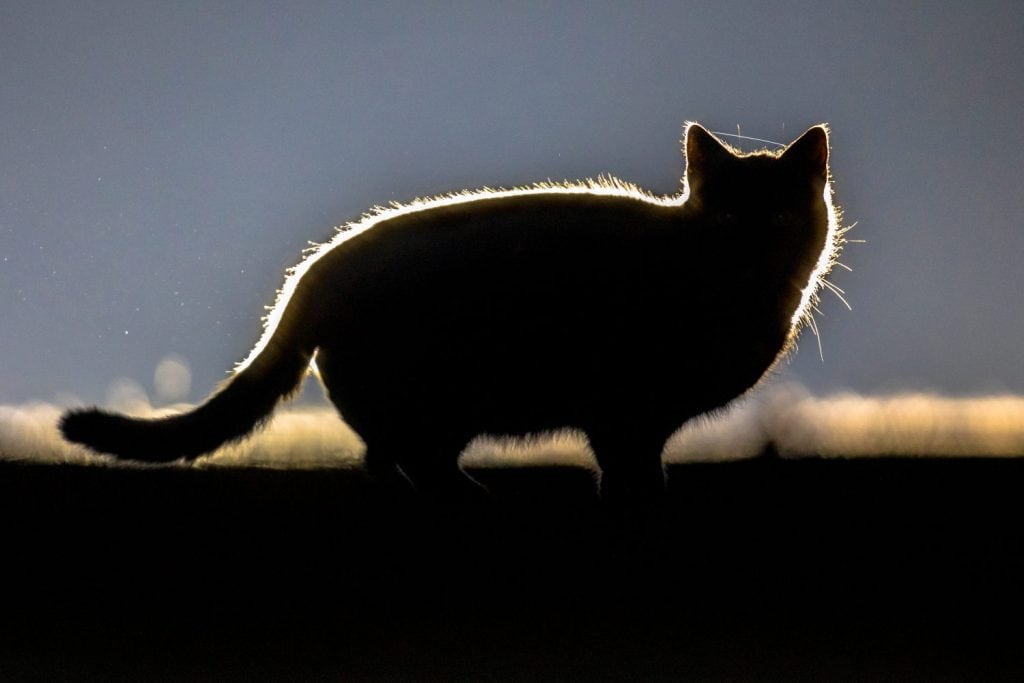
Cats are energetic around dawn and dusk.
©Rudmer Zwerver/Shutterstock.com
The “3 a.m. zoomies” look wild, yet they follow predictable patterns. Domestic cats count as crepuscular animals, most active around dawn and dusk. Those times match the schedules of many prey species in nature. Short, intense sprints through the hallway act like practice hunts. Veterinarians recognize these bursts as Frenetic Random Activity Periods, or FRAPs, a normal pattern in cats and dogs. When a cat spends much of the day napping without real play, that stored energy needs a release. The result appears just as the household goes quiet. Late playtime with a wand toy, followed by a meal, often reduces the worst of the nighttime chaos.
Expert Guidance on Feline Behavior

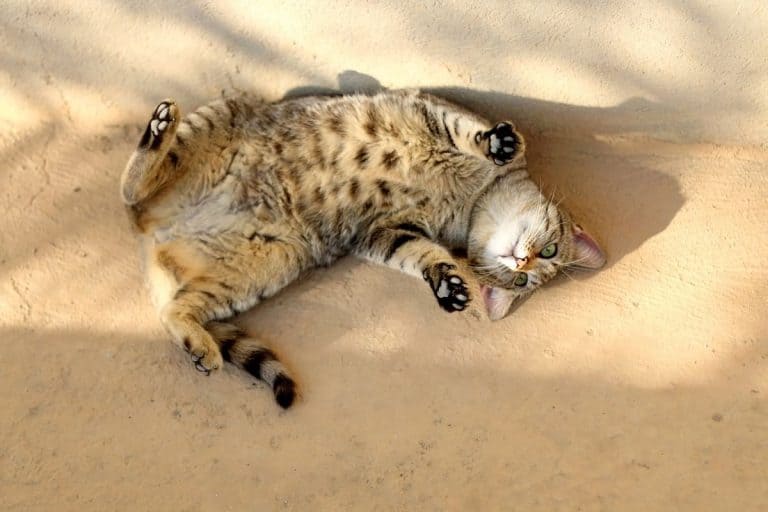
Work with your cat’s natural instincts.
©Svetlana Rey/Shutterstock.com
Cat behavior specialists encourage owners to work with natural instincts rather than fight against them. Modern guidelines focus on enriching the environment, predicting problem situations, and rewarding desired actions. Instead of shouting when a cat targets a water glass, a human can gently move breakable objects away from tempting ledges and provide acceptable items to stalk and bat. Behavior consultants often stress that punishment can damage trust without fixing the root cause. A frightened or confused cat still needs to hunt, climb, and explore. Clear routines, interactive play, and safe resting places give cats ways to express those drives without wrecking the house.
Decorate with Cats in Mind
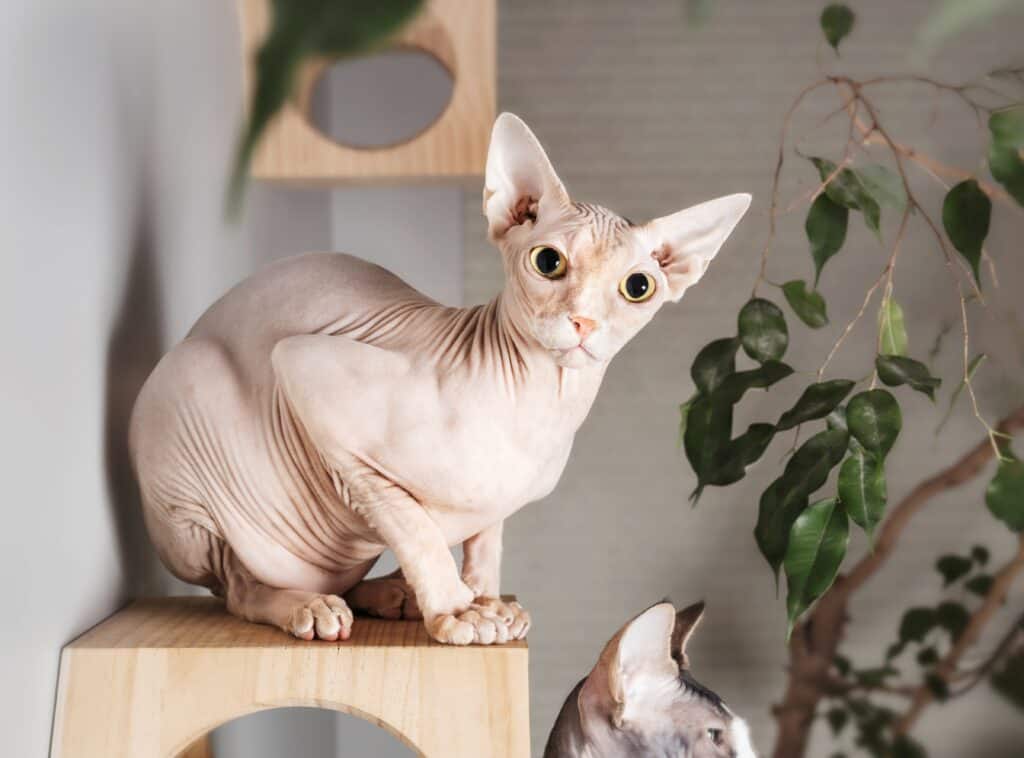
Sphynx cat crouching on top of a modern cat climbing system.
©sophiecat/Shutterstock.com
A cat-friendly home respects feline needs while protecting belongings. Remove fragile, heavy, or dangerous items from favorite launching pads such as desk edges or window sills. Provide vertical shelves, cat trees, and window perches to offer climbing routes and observation posts away from fragile items. Scratching posts near couches and doors invite claw use where it helps rather than harms.
Many owners find success by treating the home a bit like a playground designed for a small athlete. When interesting toys, climbing spots, and resting places are easy to reach, ledges filled with decorations lose some of their appeal. Baby locks on cabinets and sticky mats on narrow shelves can provide extra protection in problem areas.
Redirect Behavior
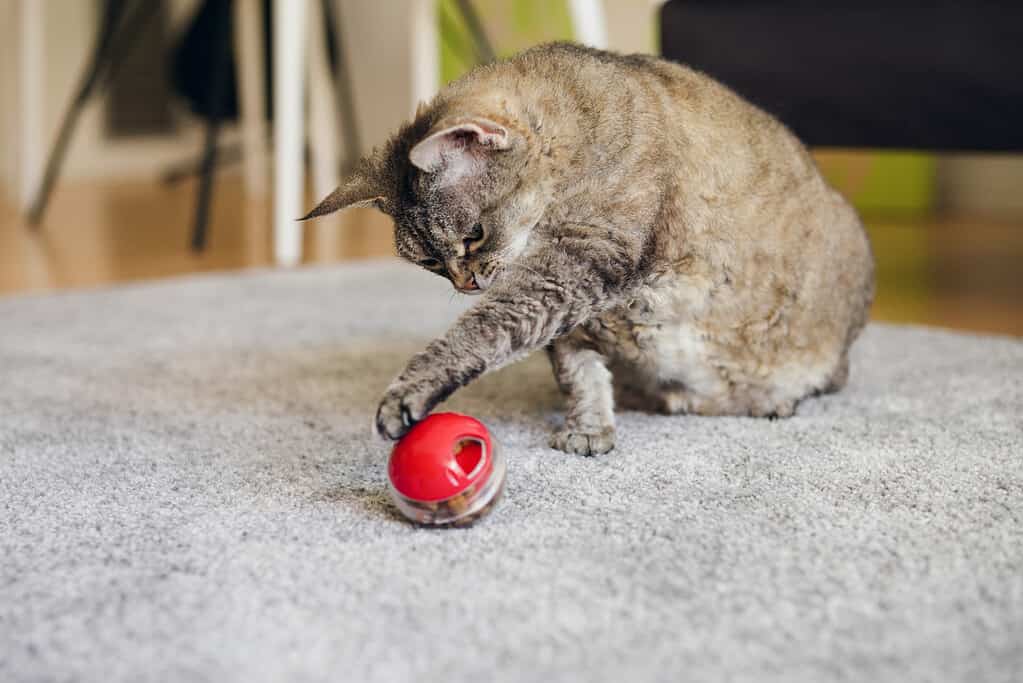
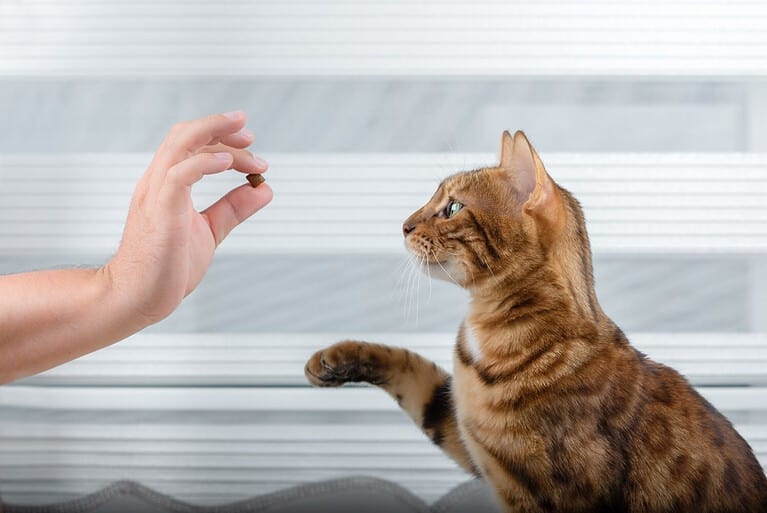
Toys like this treat dispenser slowly feed the kitty and satisfy the urge to hunt.
©insonnia/iStock via Getty Images
Cats need to get out their energy and let their wild instincts take over sometimes. And this is actually part of the fun of owning a cat. It just has to be directed in non-destructive ways. You can do this by providing regular play sessions, predictable feeding times, and clean litter boxes to reduce stress. Give your cat some safe and interesting alternatives. A weighted toy, soft ball, or puzzle feeder can satisfy the same urge to swat and chase, but with less mess. When you see your cat choose an approved target, praise or offer a small treat. Over time, that positive reinforcement teaches a new pattern: paws on toys earn rewards, paws on glasses do not. If knocking and other problems continue, consult a veterinarian or qualified behavior professional to rule out pain, anxiety, or other health concerns.
Cats and Prey Species

Free-ranging domestic cats kill local birds.
©Ermolaev Alexander/Shutterstock.com
Another good reason to keep your cat occupied is to protect not only your possessions, but also the wildlife that cats hunt outdoors, especially songbirds. The playful swipe that sends a coffee mug to the floor reflects real hunting power outdoors. Research in the United States estimates that free-ranging domestic cats kill roughly 1.4 to 3.7 billion birds and 6.9 to 20.7 billion mammals each year. Studies of cat diets in rural and suburban settings show that small mammals such as rodents, along with shrews and birds, make up most recorded prey. Because of this impact, many wildlife organizations urge owners to keep cats indoors or provide protected outdoor spaces, such as enclosed patios and “catios.” Inside, hunting games with toys and food puzzles let cats express their predator side without harming local ecosystems.
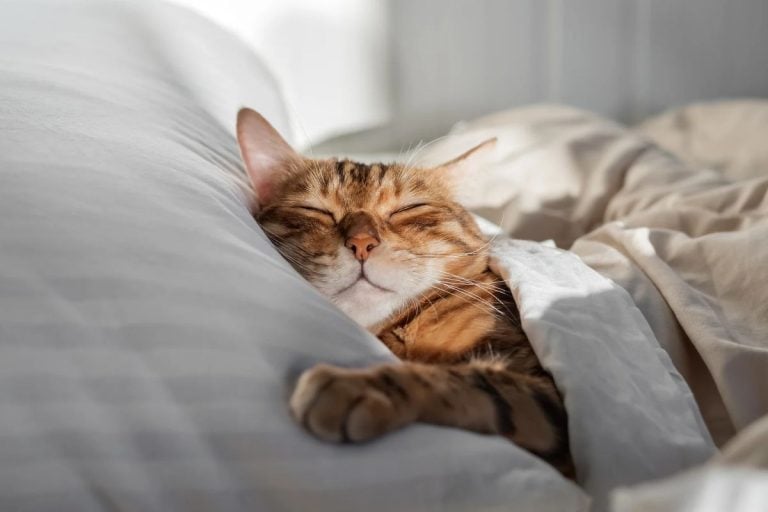
Embracing Your Inner Cat
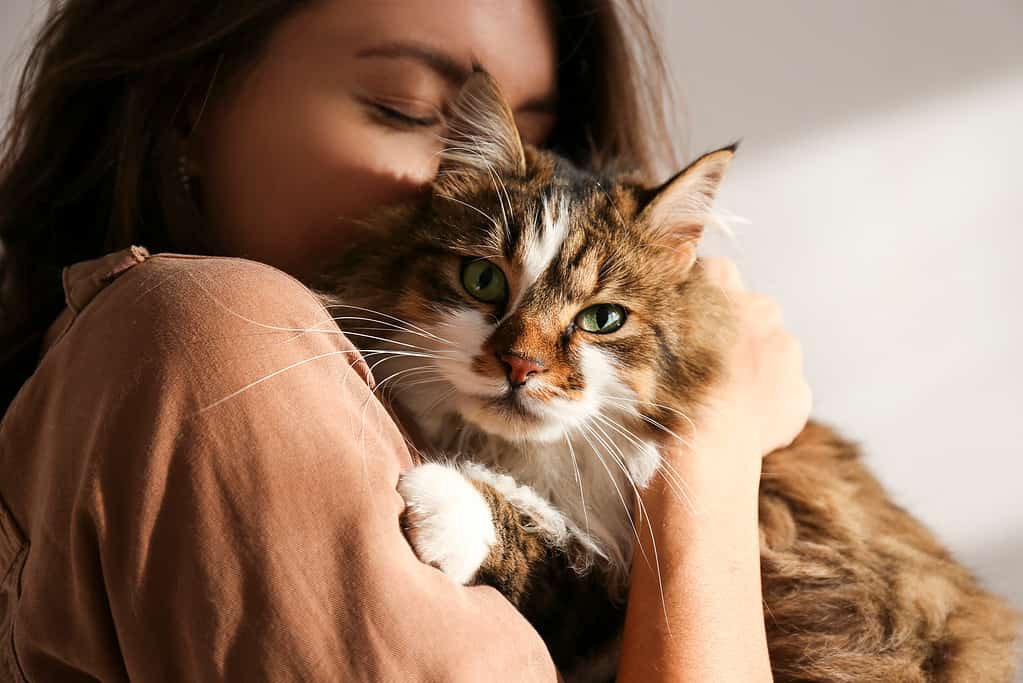
Maybe cat behavior is not something you want to change, but accept.
©evrymmnt/Shutterstock.com
People who own cats appreciate not just their appearance, but also their behavior. Cats are well-known for their independence and sometimes even a seemingly passive-aggressive, rebellious vibe. So when a cat knocks something onto the floor while maintaining unbroken eye contact with you, perhaps the best response is simply to say, “Well played, sir.”
And maybe you would enjoy embracing your own inner cat as well. Try treating your days a little more like a game and a little less like a performance review. Stay in motion. Stretch, snack, fiddle with something to see how it feels, and lie on the couch for a catnap. And maybe when you wake up, gently bat at the book on the end table until it thwunks satisfyingly on the floor. And then leave it there a while. A little playful chaos now and then can remind us that our home is a living habitat, not a museum.
Living with Feline Instincts
Knocking objects off tables, sprinting through the hallway at night, and pouncing on moving shadows all belong to the same instinctive toolkit. Those behaviors connect indoor life to the hunting past of the species. Instead of seeing a cat as stubborn or spiteful, it helps to imagine how a small wild hunter would use the same skills in grass, rocks, or trees. Our homes become that landscape. When we respond with structure, play, and patience, the relationship changes. The swat that once felt like a personal insult starts to look like a form of communication—a sign that the cat needs more challenge or attention. And maybe even a reminder that we need to bring a little bit more creative chaos to our lives, ourselves.