
Quick Take
- Scientists caught a wild lynx doing something to its prey that no carnivore has ever been documented doing before, and the reason behind it turned out to be nothing like what they first assumed. See why it's unprecedented →
- The same unusual behavior was repeated with striking precision across years and multiple individuals. Explore the repeated events →
- Every single instance of this behavior shared one specific pattern in timing and gender, and that pattern unlocks a theory about what these lynxes are actually doing. Discover the cub connection →
- This behavior has only ever appeared in one small population of lynxes, and that narrow geography may be the strongest evidence yet that wild cats have something we rarely attribute to them. Explore the cultural theory →
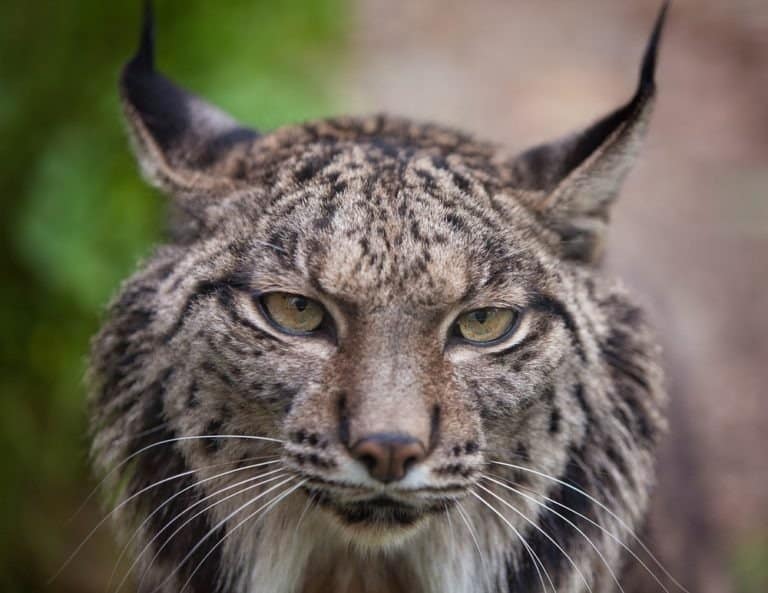
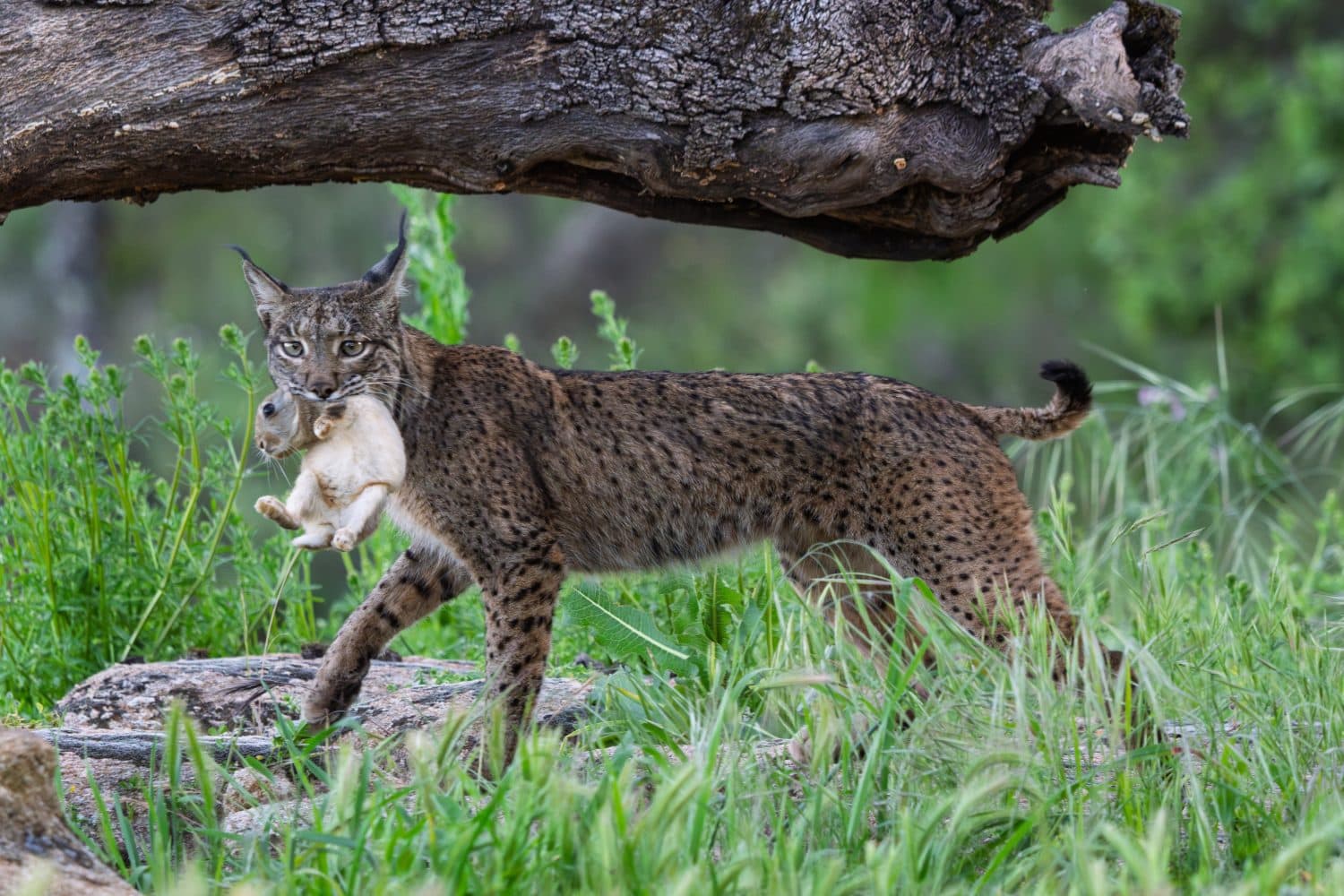
Stepping quietly out of the scrublands of central Spain, an Iberian lynx (Lynx pardinus) carries a freshly killed rabbit tightly in her jaws. However, instead of tearing into her meal, this rare wild cat walks straight to a livestock watering trough and plunges the rabbit carcass beneath the surface. She holds it there for over a minute before lifting the dripping rabbit back out and disappearing into the brush.
For the scientists watching this camera footage, the moment was absolutely astonishing. The cat’s behavior, recently documented in a groundbreaking study published in the journal Ecology, marks the first known example of a wild carnivore deliberately using water to modify its food. Researchers call this behavior “prey-soaking,” and the discovery is reshaping what scientists thought they knew about feline intelligence, behavior, and even culture. Far from being rigid, instinct-driven hunters, these endangered lynxes may be capable of learning, innovating, and passing survival strategies from one generation to the next — all while adapting to the mounting pressures of a hotter, drier world.
Rewriting the Rules of Wild Cat Behavior
A groundbreaking study published in the journal Ecology documents this fascinating new habit, which researchers call the “soaking” strategy. Captured by hidden camera traps in Spain’s Montes de Toledo region between 2020 and 2025, this is the first known example of a wild cat intentionally using water to modify its prey in the wild.
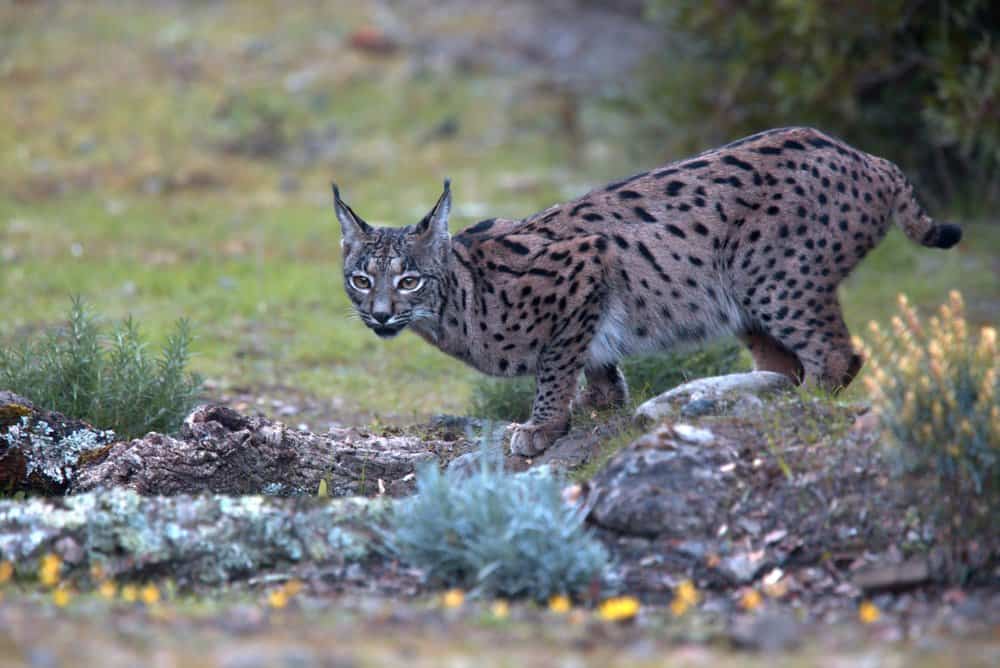
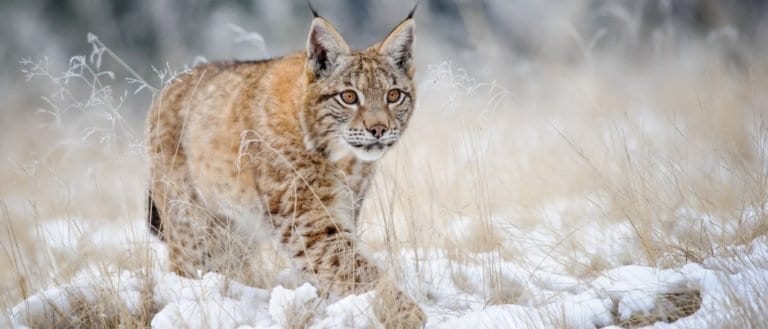
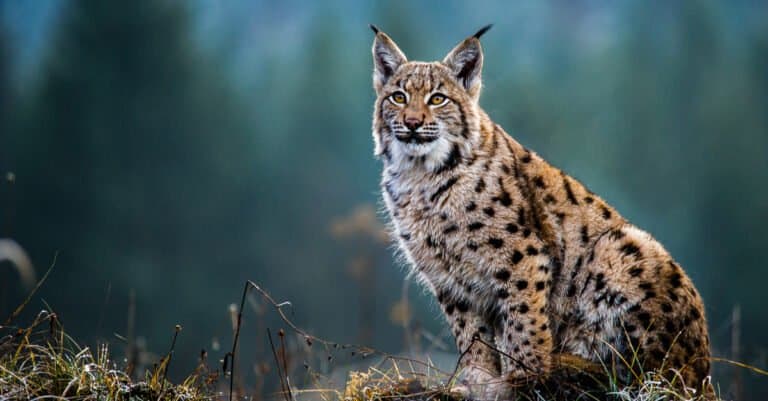
The Iberian lynx has long hind legs and a short tail.
©tony mills/Shutterstock.com
The discovery completely challenges what we thought we knew about cat behavior, intelligence, and even animal culture. Traditionally, scientists believed that land-dwelling predators only manipulate their food to tear it apart, carry it away, or hide it for later. While some animals — like raccoons, monkeys, wild boars, and certain birds — are known to wash their food, these behaviors are usually seen in captive animals or those with varied diets (omnivores). No one expected a wild cat, especially a solitary hunter like the Iberian lynx, to use the environment in such a deliberate, calculated way. Yet, these lynxes did exactly that, proving that wild cats are much more resourceful than we ever imagined.
A Calculated Routine
This unique behavior wasn’t just a one-time fluke. Researchers recorded eight separate soaking events across five different watering troughs on the “El Castañar” estate in central Spain. In every instance, the behavior was performed by a female lynx.
The first incident occurred on August 9, 2020, when a female lynx named Naia was filmed carrying a rabbit to a trough and submerging it underwater. Exactly three years later, cameras caught Naia doing the exact same thing. Around the same time, a neighboring female named Luna was also recorded performing the same soaking ritual.
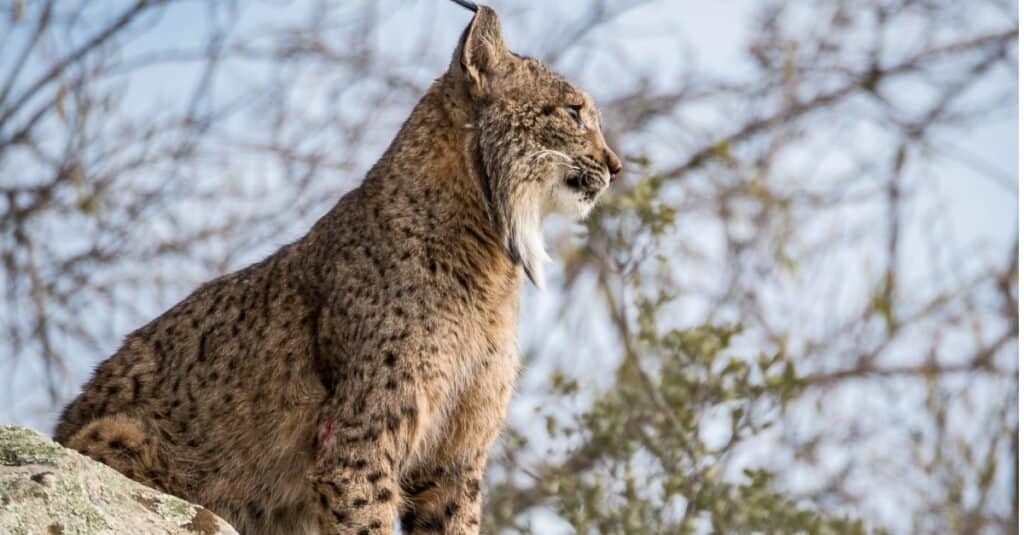
The Iberian lynx is found only in Portugal and Spain.
©iStock.com/RamonCarretero
The video footage revealed a strikingly precise and methodical routine. A female lynx would arrive carrying a rabbit and submerge the carcass, keeping a firm grip with her jaws. After holding it underwater for an extended period, she would carry the drenched prey away to eat elsewhere. Most soaking sessions lasted at least a minute, and one even went on for more than four minutes.
For the researchers, the extreme consistency of the behavior was the real breakthrough. This wasn’t random play or an accidental drop — the lynxes were clearly carrying out a deliberate, goal-oriented strategy.
Why Would a Lynx Soak Its Dinner?
To understand this food-soaking behavior, scientists analyzed the timing and the specific lynxes involved. Quickly, a clear pattern emerged. All eight soaking events took place during the Mediterranean’s scorching hot summer months, between June and August. Every single lynx that performed the soaking was female, and most were old enough to reproduce. This timing and gender split strongly suggests that the behavior is directly linked to maternal care.
But what does soaking a rabbit carcass actually do? Researchers ran a few experiments and discovered that soaking prey in water before eating it provides two major benefits:
- The water rapidly cooled the meat down in the extreme summer heat.
- The rabbit fur acted like a sponge, retaining moisture long after it was removed from the water. When kept in den-like shade, the soaked carcasses retained roughly four percent of their body weight in water for over 40 minutes.
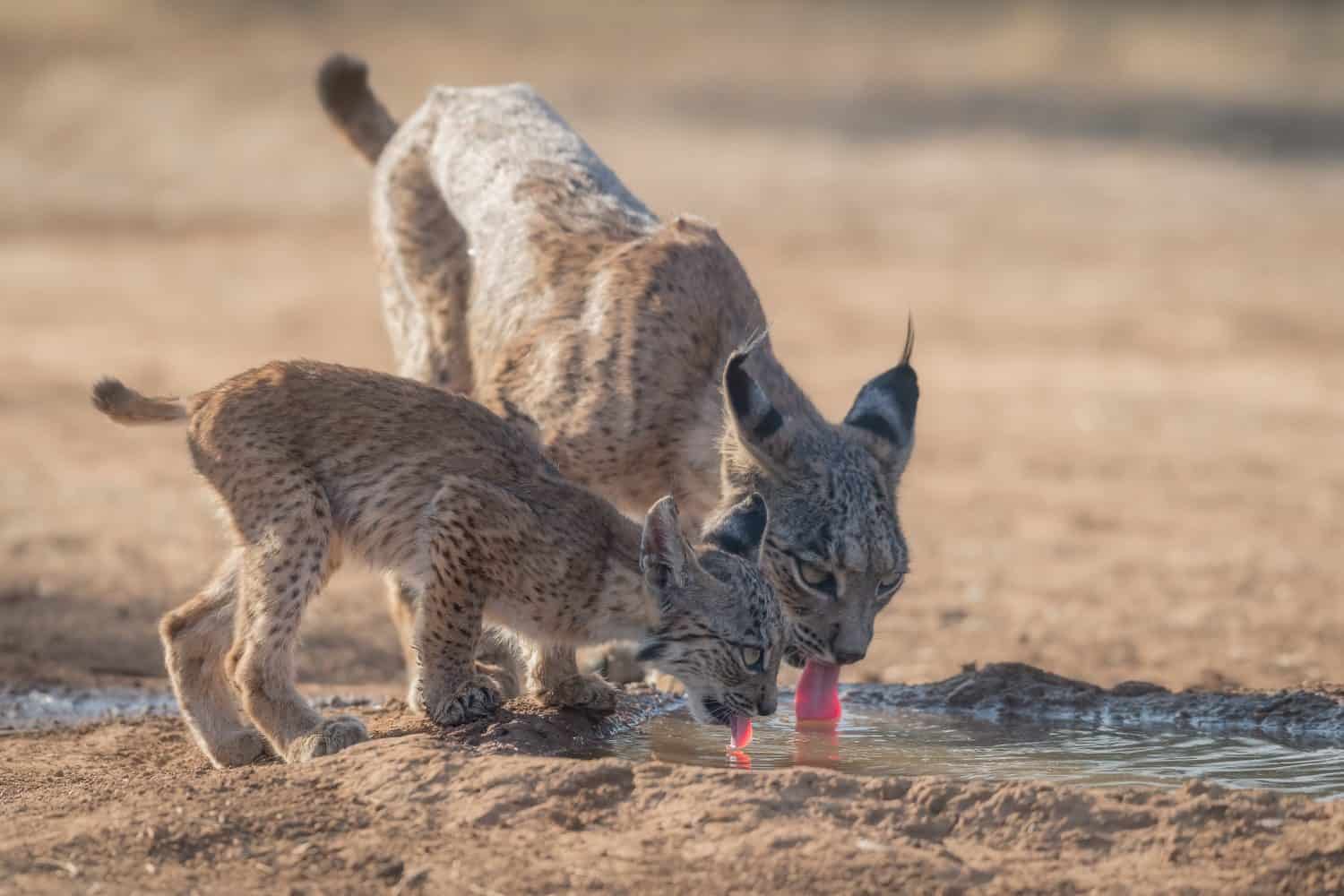
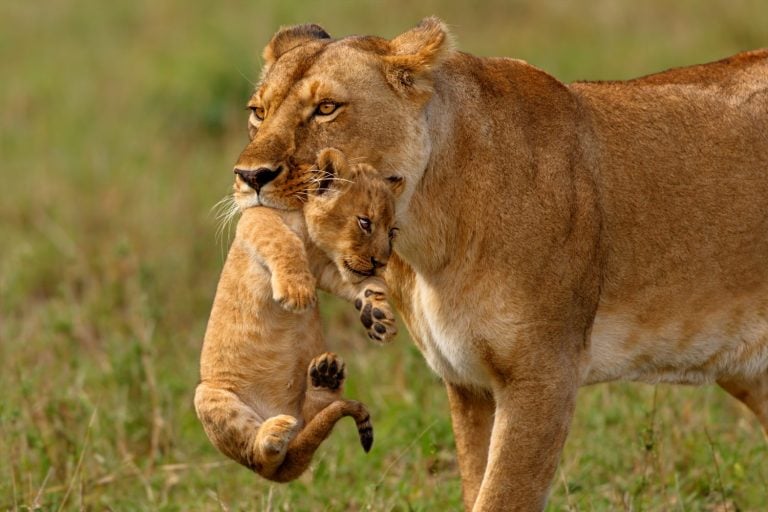
Female lynxes give birth to two to three kittens at a time.
©CORDEANT PHOTOGRAPHY/Shutterstock.com
This led scientists to propose the “supplementary hydration” hypothesis. In Spain’s drought-prone environments, mother lynxes might use rabbits as portable water carriers. By doing this, they bring home both a fresh meal and a much-needed drink to their thirsty cubs in the den.
Researchers also proposed an additional possibility: soaking may soften the meat and fur. This would make the prey much easier for young, weaning cubs to chew and digest as they transition from their mother’s milk to solid food.
Either way, this clever tactic seems highly adaptive. It gives these endangered mothers an edge in surviving the brutal heat of Spain’s summer.
A Possible Example of Animal Culture
This unique soaking behavior has only been seen in one specific population of lynxes in the Montes de Toledo range. Despite heavy monitoring, scientists have never observed it in other wild populations or in captive breeding programs. If prey-soaking were an instinctual behavior present in all Iberian lynxes, it would likely be observed across their entire range. This close family connection strongly suggests that the behavior is learned socially rather than being purely genetic.
Researchers believe the trick probably started with one highly creative female who accidentally discovered the benefits of soaking her prey. Other nearby females and her own daughters likely watched her do it, realized its value, and copied the technique. Over time, this allowed the practice to spread locally through the generations. In other words, these lynxes have developed their own localized cultural tradition — a concept that is incredibly rare for wild cats.
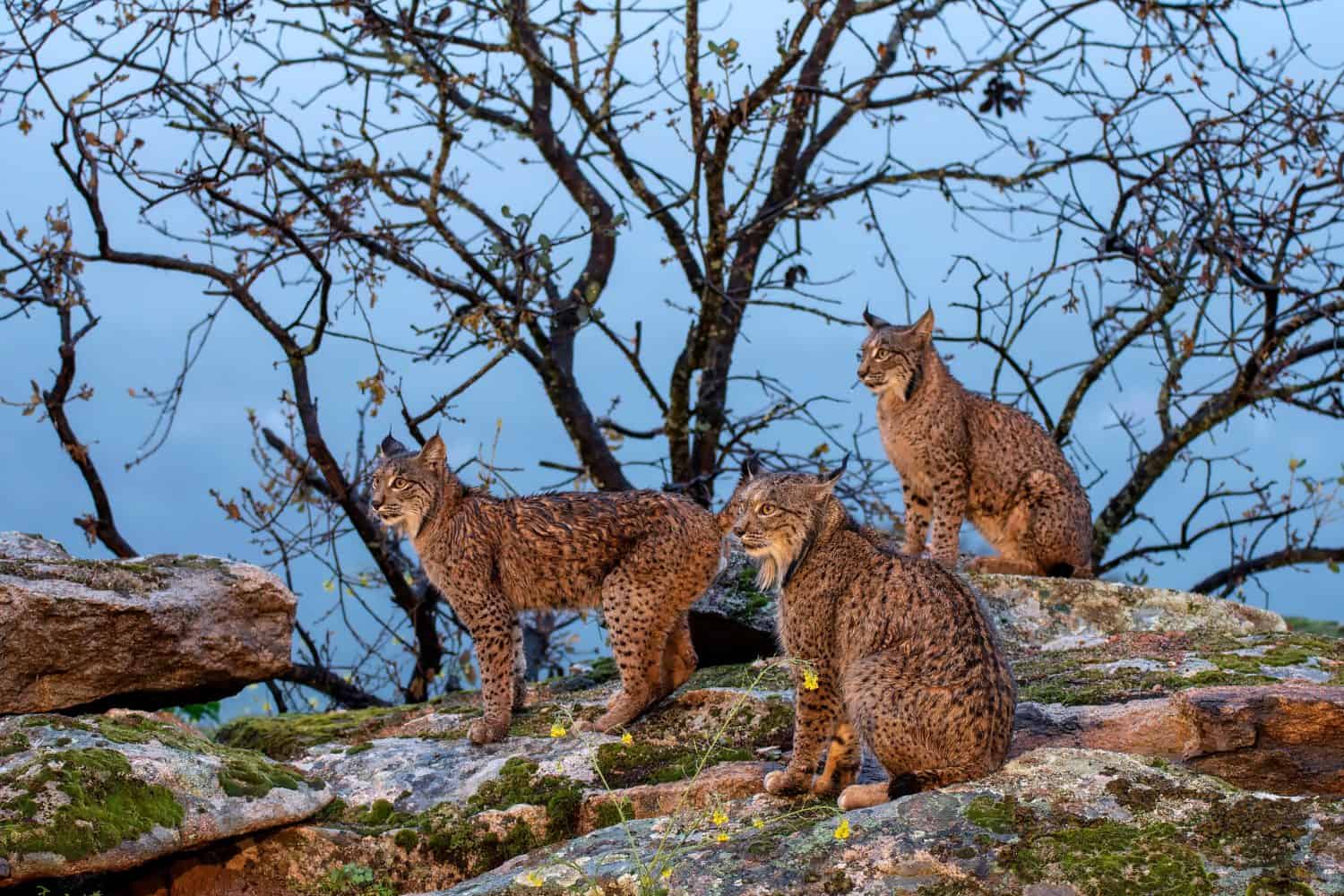
Iberian lynx kittens often stay near their mother until they are around 20 months old.
©StockPhotoAstur/Shutterstock.com
Rethinking the Mind of a Cat
These findings challenge many of the historical stereotypes of cats as purely instinct-driven animals with very little social complexity. Instead, the study reveals that one of the world’s rarest wild cats possesses impressive problem-solving abilities and the mental flexibility to adapt, learn from family members, and pass knowledge along.
Real-Time Adaptation to Climate Stress
Prey-soaking behavior may also show a species adapting in real time to climate change. In recent decades, the Montes de Toledo region has grown increasingly hot and dry. This harsher climate puts immense pressure on Iberian lynxes during the summer breeding season. Cubs born late in the year are especially vulnerable, as they grow up during the most scorching months when water is scarce and the risk of deadly dehydration peaks.
Making matters worse, these cats are incredibly picky eaters — rabbits make up about 80 percent of their diet, but rabbit populations across Spain have plummeted due to disease and habitat loss.
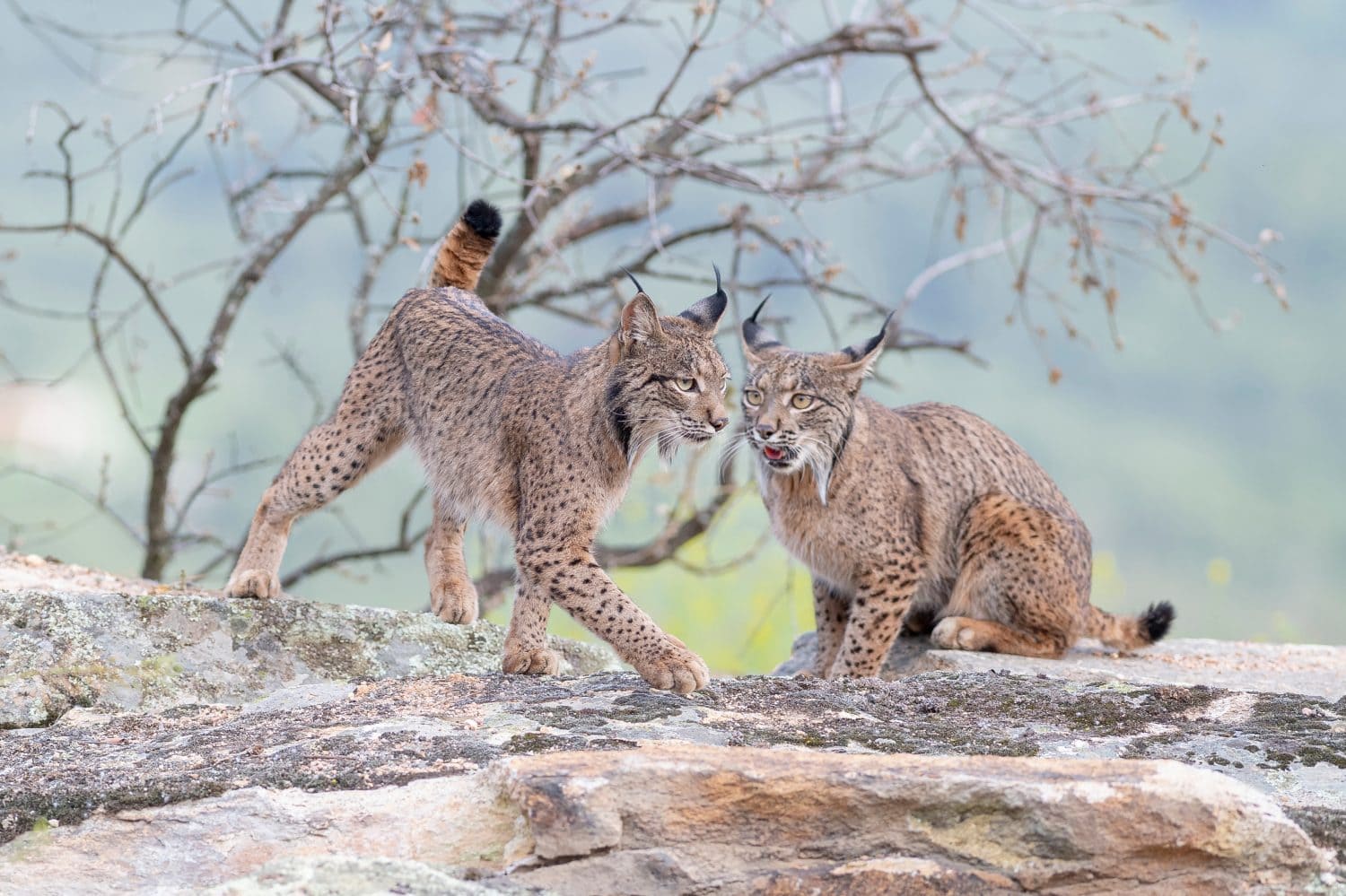
One of the greatest threats to the Iberian lynx is the dramatic decrease in rabbit populations.
©Jesus Cobaleda/Shutterstock.com
This dangerous combination of rising temperatures and dwindling food may be exactly what is driving these cats to innovate. Rather than just relying on basic instinct, these lynxes appear to be actively adjusting their survival strategies to match their shifting world. This ability to adapt — known as behavioral plasticity — is a powerful and hopeful sign for a species that was once pushed to the very brink of extinction.
What This Means for Conservation
The Iberian lynx was once considered the world’s most endangered wild cat, crashing to fewer than 100 individuals in 2002. Thanks to decades of intense conservation work, breeding programs, and habitat protection, their numbers rebounded spectacularly to just over 2,000 by 2024.
However, this study highlights an important lesson: saving a species is about more than just boosting population numbers. We might also need to consider the local traditions and learned survival skills that are unique to the species.
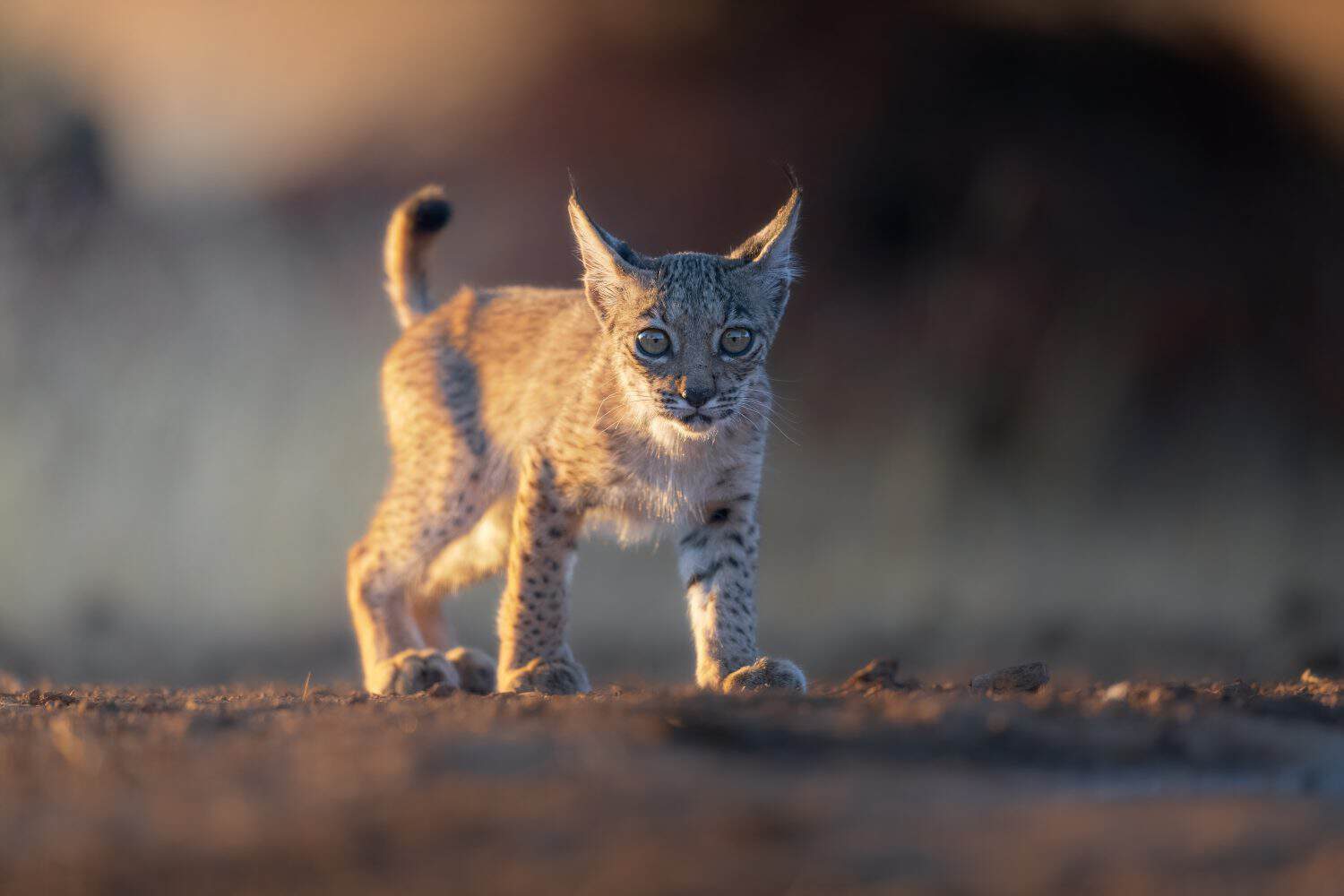
The Iberian lynx population is slowly rebounding, although the species is still Vulnerable.
©CORDEANT PHOTOGRAPHY/Shutterstock.com
If access to water troughs enables these lynx mothers to use their “soaking strategy,” then protecting these specific resources should be part of future conservation plans. Researchers argue that wildlife managers shouldn’t just look at the size of a habitat. They also need to protect the subtle environmental features — like these watering spots — that allow clever, innovative behaviors to happen in the first place.
Ultimately, the soaking lynxes of Spain reveal something extraordinary. These cats are not simply surviving through instinct alone. They are experimenting, adapting, and possibly teaching one another new strategies for life in a warming world.