
Quick Take
- Most mammals drop infant behaviors the moment they stop being useful, but cats never got that memo and scientists genuinely can't explain why. See the persistent behavior →
- Your cat delivering a dead mouse to your doorstep may be a silent verdict on your competence, and researchers aren't sure how to argue with that conclusion. Explore the hunting verdict →
- That eerie chattering your cat aims at birds through the window might not be frustration at all. One theory makes it sound almost strategic. Discover the hunting theory →
- Slow blinking back at your cat may do more than you think. Studies suggest this silent exchange can influence how your cat treats you. See the study findings →
Cats have lived as companions to humans for thousands of years. Despite being both well-studied and one of the most popular pets, they still manage to confuse us. One moment they seem affectionate and loving, and the next they are oddly aloof like they want nothing to do with us. They can laze about for hours yet suddenly sprint through the house at full speed for no obvious reason. Scientists understand some feline behavior quite well, but many cat habits are still mysterious. Researchers continue studying the ways cats interact with humans and their environment. These are some cat behaviors scientists still struggle to fully explain.
Midnight Zoomies
©Puwaphat Petchpuwadee/Shutterstock.com
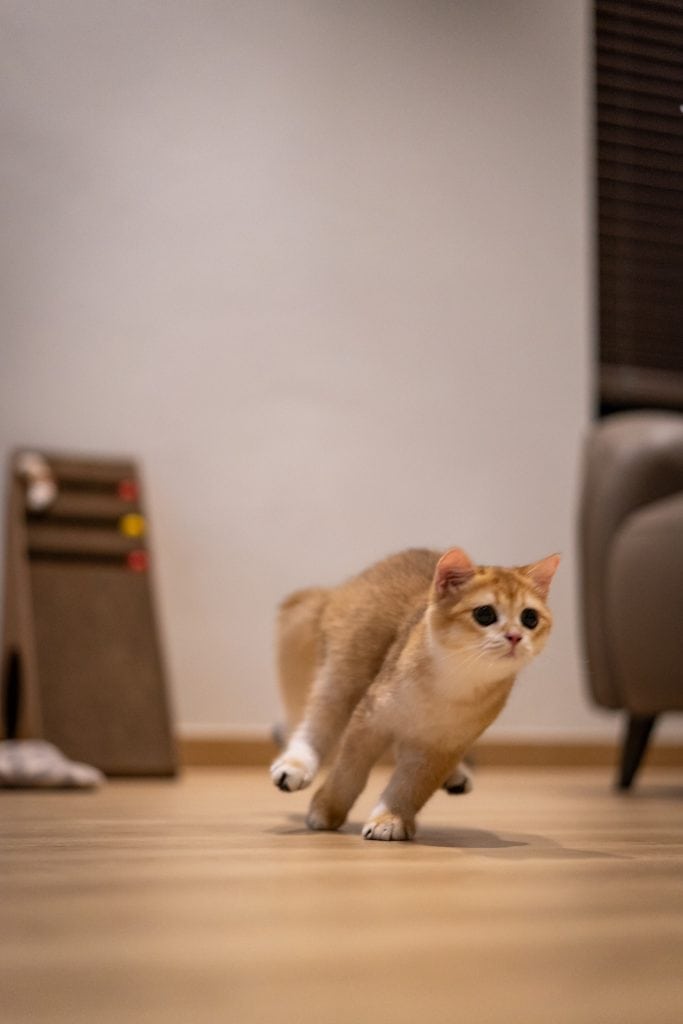
Almost every cat owner has experienced the dreaded nighttime bursts of energy known as “zoomies.” Cats dart down hallways, fly across furniture, and ricochet off walls. They tend to time these aggressive parkour episodes with their human’s deepest slumber. Scientists believe the behavior may be associated with hunting instincts and pent-up energy. However, researchers fail to understand why cats seem almost possessed during these explosions of energy. The mystery feels especially frustrating when pondered at 3 a.m.
Kneading Blankets and People

©Not Listed/Shutterstock.com
Many cats rhythmically push their paws into blankets, pillows, and anything that is remotely soft, usually while purring and slow-blinking. This behavior likely originates from kittenhood, when nursing kittens knead their mothers to stimulate milk flow. Yet adult cats continue doing it years after weaning, usually for their entire lives. Most mammals eventually stop behaviors that no longer serve a purpose, but not so when it comes to “making biscuits”, as it is affectionately called. Some cats even drool or seem to be in a deep trance while kneading. Scientists still debate whether the behavior is primarily self-soothing or instinctive. But one thing is for sure: cats are the cutest little dough kneaders in the animal kingdom.
Bringing Dead Animals Home
©alvarobueno/Shutterstock.com
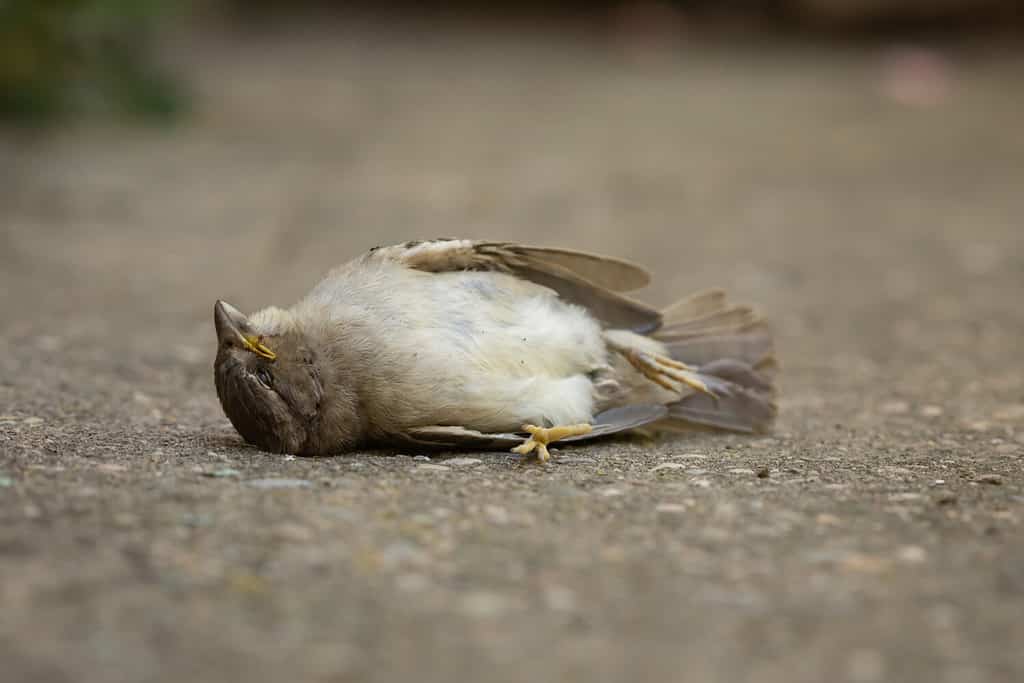
Outdoor cats proudly deliver dead mice, birds, or insects to their owners, with an air of accomplishment and an assumption that major thanks are in order. Researchers believe this behavior is highly linked to hunting. Some scientists suggest kitties view humans as incompetent hunters in great need of help. They compassionately take time out of their day to bring food to their lazy mess-of-a-human who doesn’t seem to be able to fend for herself. However, scientists are still uncertain whether cats truly view people this way. Regardless of the reason behind the unsettling behavior, “it’s the thought that counts” has never reigned more true.
Chattering at Birds
©Elena Shishkina/Shutterstock.com
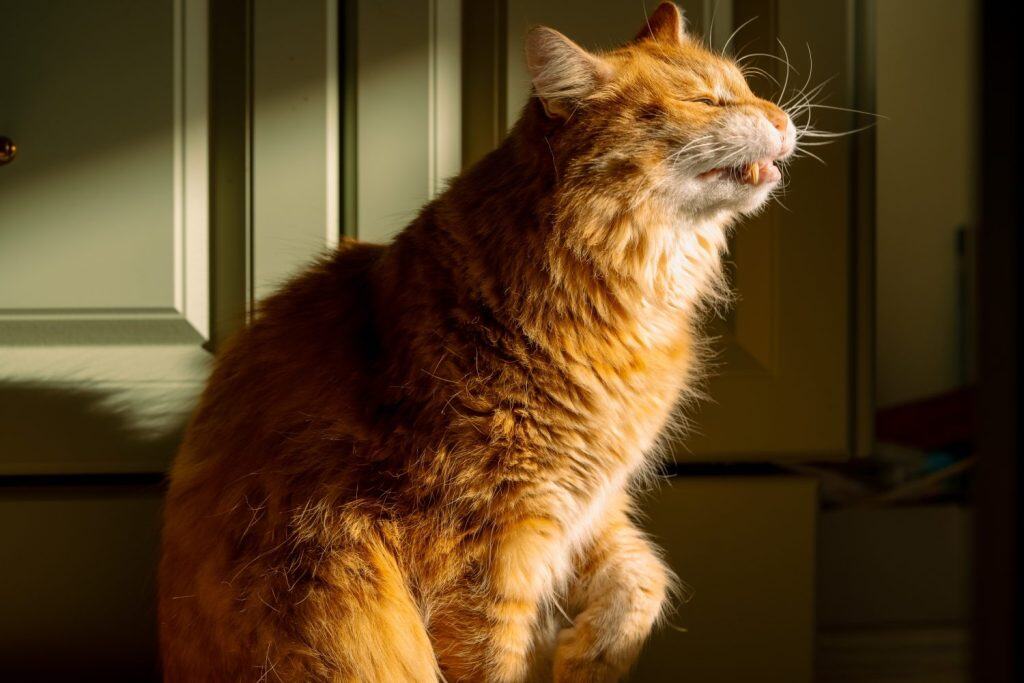
Indoor cats often make strange clicking or chattering noises, while glaring intently at birds. Some researchers believe this sound expresses frustration at the fact that the would-be prey cannot be reached. Others think the noises may be employed when hunting to intentionally confuse prey animals. Scientists still lack a definitive explanation for why cats make these bizarre shaky vocalizations. As with most things “cat”, the behavior is adorable but slightly unhinged at the same time.
Randomly Staring into Space
©Noi Pattanan/Shutterstock.com
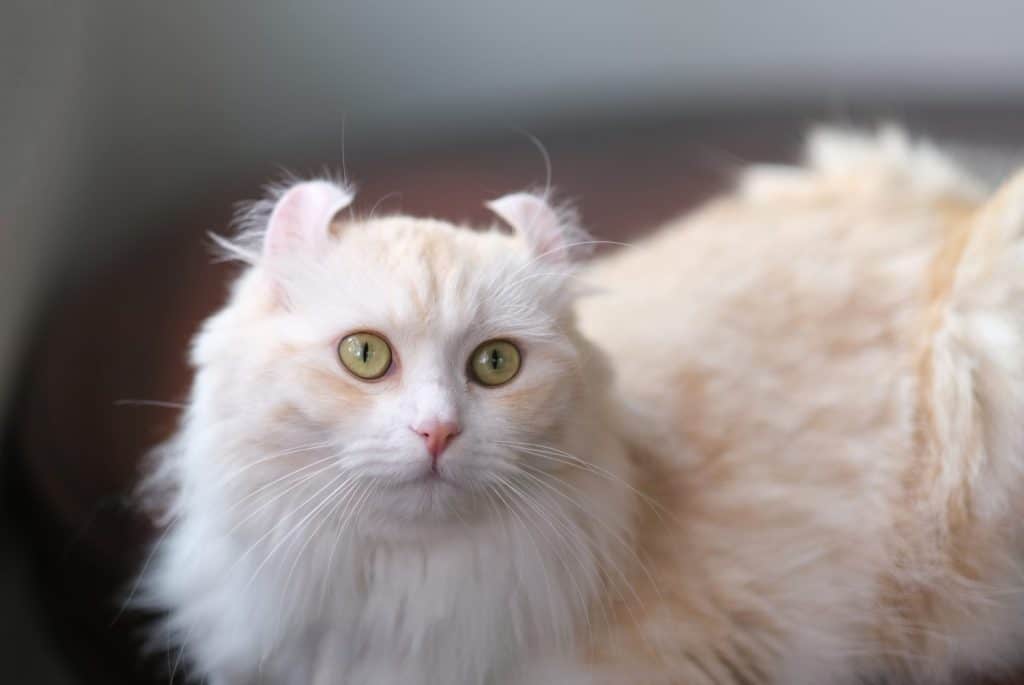
Many cat owners have experienced disturbing moments when their cat suddenly freezes and stares intensely at nothing. Sometimes the cat seems completely transfixed by a blank wall or empty corner of the room, leading cat owners everywhere to come to the only rational conclusion: their home is definitely haunted. Enhanced feline senses, like excellent hearing and heightened vision, may allow cats to notice tiny movements or subtle sounds that humans miss. Even so, the behavior is creepy, and sometimes it’s difficult to imagine your kitty isn’t communing with a ghost.
Sleeping in Tiny Boxes
©New Africa/Shutterstock.com
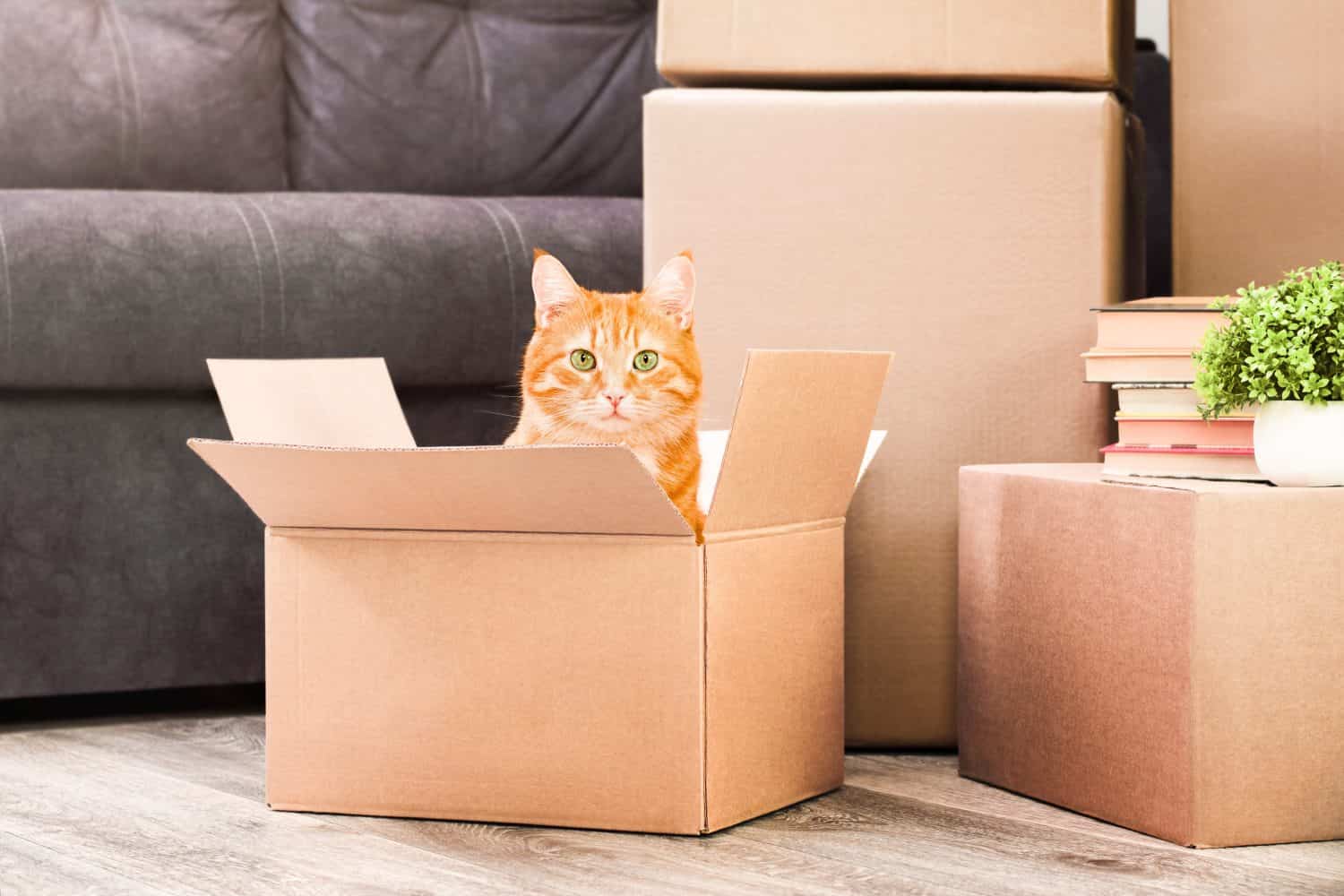
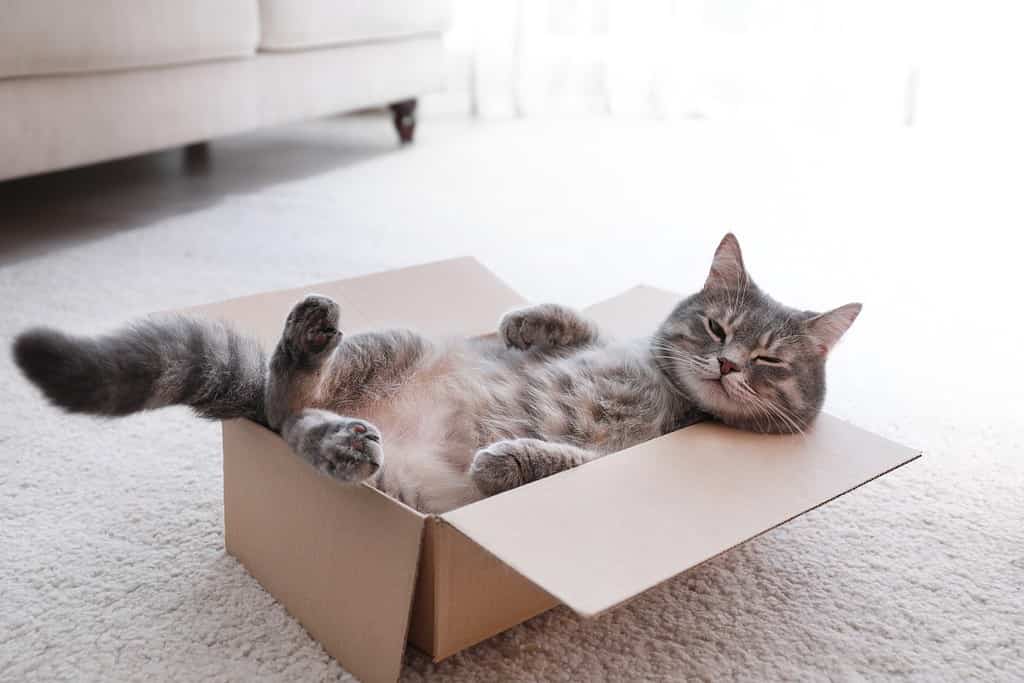
Cats are famous for ignoring anything their human has placed effort or cash into. Fancy feather toy? Nah, I’ll play with napkin trash. Luxury food? I’d rather starve. Expensive cozy bed? I’d prefer a super tiny cardboard box. That last one is especially universal, as we’ve all witnessed a kitty attempt to squeeze into an ultra-small container. But there might be a very good evolutionary reason; scientists believe enclosed spaces may help cats feel secure and protected from threats. Additionally, these too-small boxes may help conserve body heat and lower stress. So in essence, cats turn to these cheap boxes to keep themselves safe from the many hazards of their cold, stressful living space. Still, it is fascinating how cats in all corners of the world seem obsessed with boxes and other cramped spaces.
Slow Blinking at Humans
©TF2005/Shutterstock.com
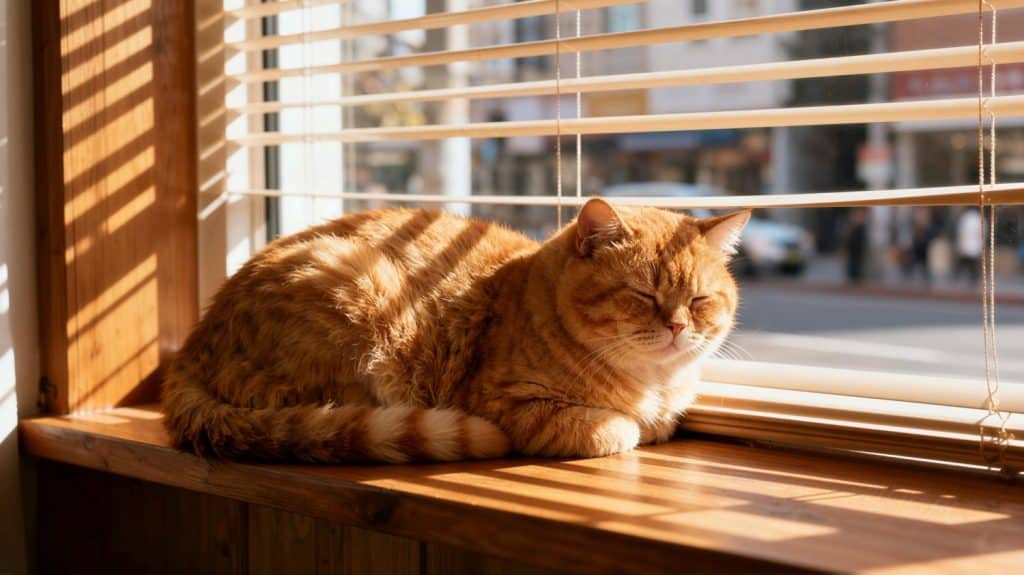
Experts interpret cats’ slow blinking as a sign of trust, comfort, or affection. Some researchers even refer to it as a feline version of a smile. Remarkably, studies suggest humans who slow blink back may positively influence cat behavior (which might result in fewer “love” bites later). Yet scientists still do not completely understand why this form of expression evolved in domestic cats. It’s one of the strangest and sweetest forms of cat communication.