
Quick Take
- The gross gesture most owners recoil from is actually one of the clearest signs of something cats rarely show. See the sign of affection →
- Your cat's hunting has nothing to do with hunger, and understanding that distinction explains everything about why it ends up at your feet. Explore the hunting instinct →
- One theory behind why cats carry prey indoors compares them to a behavior most people only associate with human families. Meet the family theory →
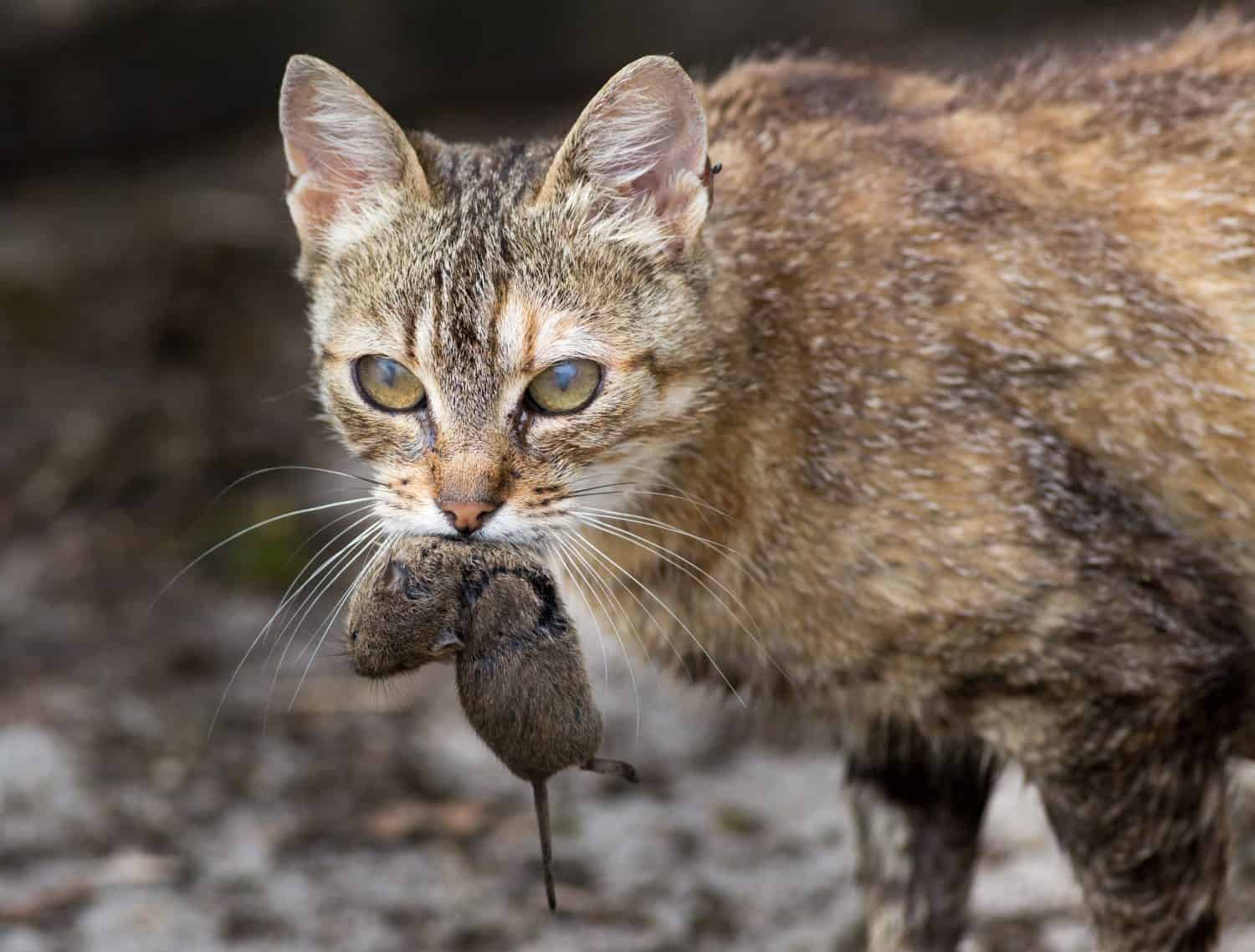
If you have an indoor/outdoor cat, you likely know the struggle of walking into your kitchen first thing in the morning to find a dead mouse, bird, or squirrel sitting on the floor. No, this isn’t a scene from a horror movie. It’s a gift from your cat. Even if you’re an experienced pet owner, you still likely wonder why your cat always brings you dead animals. We’ll provide some answers.
Your Cat is Following Ancient Instincts
Even though domestic cats live much more comfortable lifestyles than they did hundreds of years ago, they have not lost the instincts that helped keep their wild ancestors alive. Cats are natural hunters that typically hunt on their own. They rely on patience, stealth, and lightning-fast reflexes to catch small prey. These instincts remain strong and are ingrained in the brain. That’s why a well-fed cat will still stalk insects, pounce on toy mice, and sometimes bring you dead animals.
Your cat is unlikely to be hunting because it’s hungry. Instead, it’s the act of hunting itself that is the reward. Stalking, chasing, pouncing, and catching prey all activate natural behaviors that cats are wired to perform. In other words, your cat enjoys the challenge, not just the meal.
Why Bring the Animal Home?

The part that may be most confusing is why your cat brings you dead animals like it just won the lottery. Whether your cat wants to eat the mouse or not, why carry it all the way into the house and drop it at your feet? While researchers have yet to pinpoint exactly what your cat is thinking, they have several theories.
You Are Family
One of the most common explanations is that your cat considers you part of its family. Mother cats naturally bring prey back to their kittens. Your cat may simply be acting out that same instinct with you. Though the act of presenting you with a dead animal may at first seem repulsive, it’s really an endearing act. Your cat has not seen you hunt as it does, so it believes it is caring for you as you care for it.
Your Home is Safe
Another reason cats bring prey indoors is that home represents safety. Wild cats often carry food back to a secure location instead of eating it where predators could interrupt them. Your house is your cat’s territory—a place where it feels protected. Bringing prey home may be the feline equivalent of carrying groceries into the kitchen instead of leaving them in the parking lot.
Pride
If you’ve ever closely watched your cat as it brings you dead animals, you’ve likely noticed a certain confidence in the kitty. While we can’t prove that cats experience pride exactly the way humans do, they do appear excited after a successful hunt. Catching fast-moving prey isn’t easy. It requires patience, quick reflexes, and excellent timing. Successfully catching a mouse or bird is a significant accomplishment from a cat’s perspective.
No, your cat isn’t showing off to make you jealous. It’s simply excited about completing one of its strongest natural behaviors.
How to Reduce the Behavior
Even though you love your cat, you may not be thrilled when your furry friend brings you dead animals. Luckily, there are actions you can take to reduce the behavior. You need to give your cat a healthier way to satisfy their instinct. Interactive play sessions using feather wands or toy mice allow cats to stalk, chase, pounce, and “capture” prey without harming wildlife. Puzzle feeders also encourage cats to work for their food, providing valuable mental stimulation.
If your cat spends time outdoors, you could look into an outdoor “catio” where your pet can take in the fresh air while reducing the opportunities to hunt. Really, it’s safer to keep your cat from going outside anyway, since the threat of traffic, disease, and fights with other animals could cause your pet harm.
Remember, Your Cat Loves You
The next time your cat brings in a wild “treat” for you to enjoy, smile and take care of the mess. Your cat won’t be offended if you throw away the discarded prey. Just remember that this behavior is a true sign of love and try to return the favor with a treat.