
Quick Take
- Your cat's belly roll is not an invitation. It is actually a heat management move that most owners completely misread. See the belly-roll explained →
- Cats can barely sweat, so the way they actually cool down is hiding in plain sight, and most owners miss the warning when it stops working. See how cats stay cool →
- There's a scientific reason your cat avoids your lap all summer, and affection has nothing to do with it. Check the attachment research →
- Letting your cat sleep through summer sounds harmless, but one indoor temperature threshold changes everything. Find the critical temperature →
As summer temperatures climb, many cat owners notice an abrupt change: their companion abandons cozy perches and familiar beds, seeking out the chill of tiled floors or shaded corners. What looks like fickle feline behavior is actually a precise response to the heat, and science has some clear answers as to why it happens.
Continue reading
How Cats Handle Rising Temperatures
Unlike humans, cats have limited ways to cool themselves down. Their sweat glands are concentrated mostly in the paw pads, with a few on the lips and chin, meaning perspiration isn’t their best option. Instead, cats rely on environmental choices to regulate their body temperature, which hovers around 101-102°F (38-39°C).
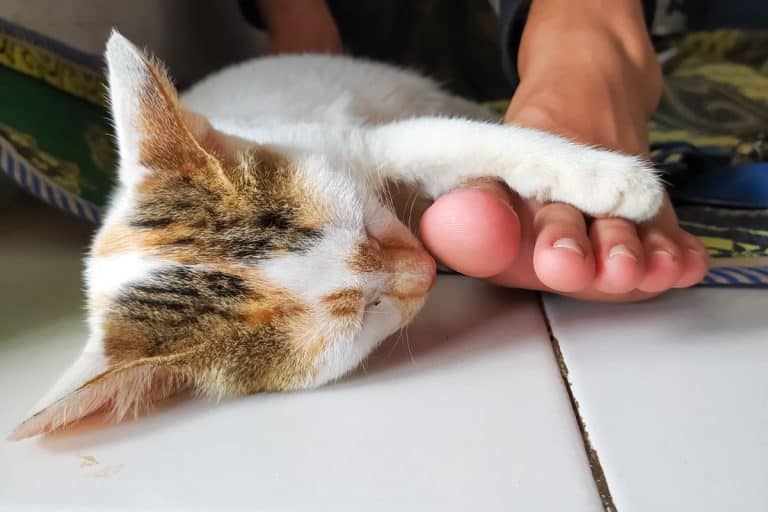
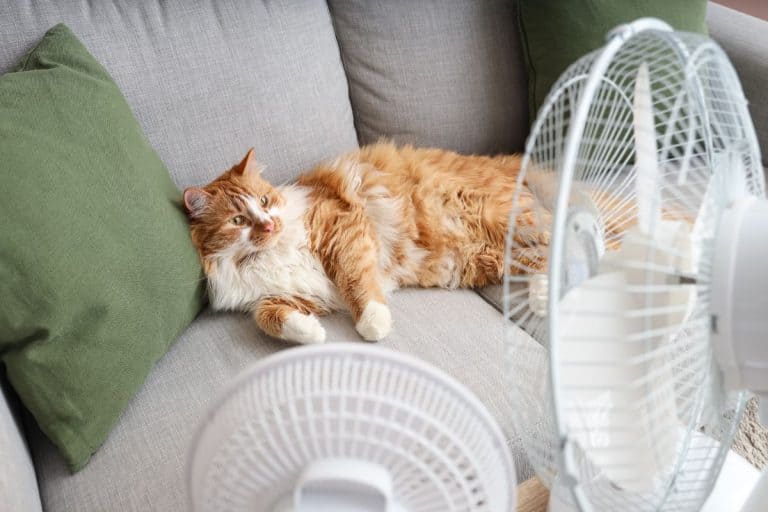
When the thermometer rises above 86°F (30°C), that classic stretch across the cool floor isn’t a whim. It’s a survival strategy: lying on cooler surfaces lets heat escape from their bodies more effectively. The change may last not just for a day or two, but for the whole summer.
The Importance of Staying Cool
Cats don’t just pick cold spots: they also cut down on activity as temperatures soar. Some will sleep up to 18 or even 20 hours a day. This isn’t laziness, every move generates heat, and resting more means keeping cooler for longer. But there are limits to what this can achieve, especially during heat waves.
Animal care professionals say cats need constant access to a cool spot whenever temperatures are high. Options include ventilated rooms or cooling mats designed for pets. This becomes urgent if the house gets above 86°F (30°C).
Warning Signs and Vulnerable Cats
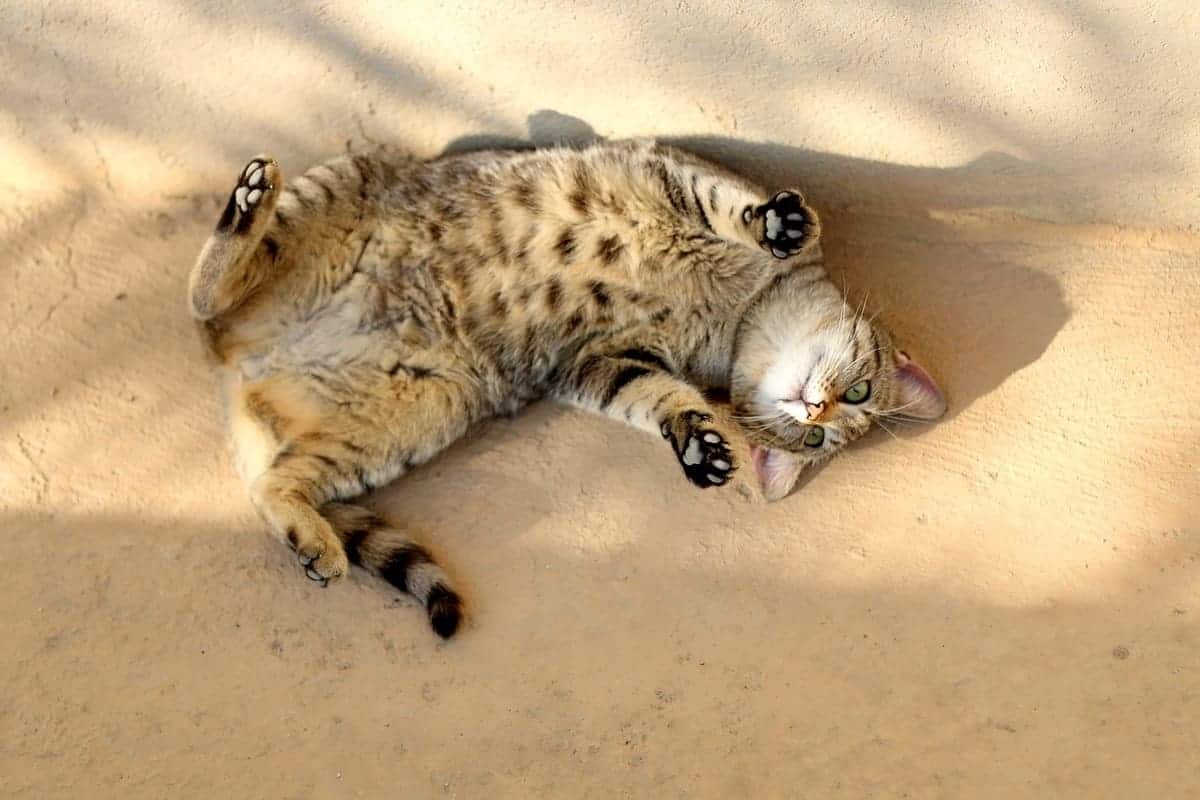
Most cats manage summer with little trouble, but distress signals should never be ignored. Panting with an open mouth, tongue visible, is a clear sign of heat stress, a measure cats use only as a last resort. Sometimes they’ll roll onto their backs, exposing their bellies, where the fur is thinner and blood vessels are closer to the skin. This helps dissipate heat, too.
Some cats are at a greater risk: kittens, seniors, overweight cats, those with chronic illnesses, or cats on medication. Their ability to adapt is reduced, and high temperatures can quickly become dangerous.
What Science Says About Attachment
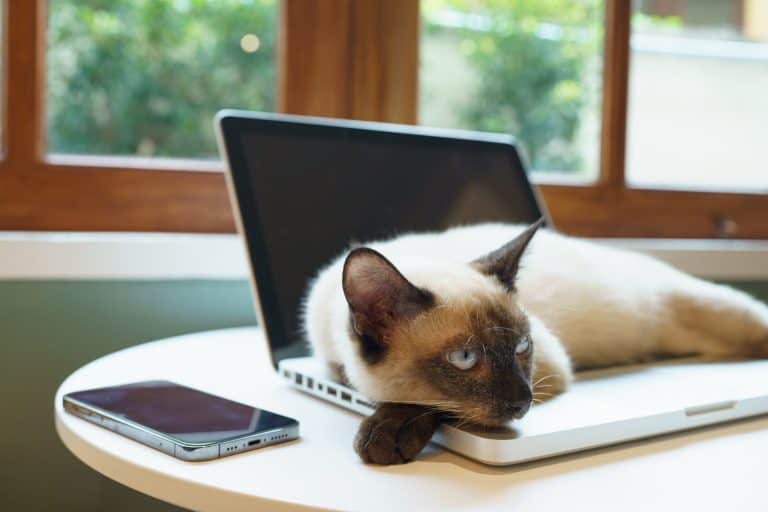
If your cat suddenly favors distance over snuggling, it’s natural to wonder if they’re giving you the cold shoulder. But research points elsewhere. A study led by Kristyn Vitale at Oregon State University used techniques similar to those in studies on humans and dogs. The findings: just over 60% of cats show a secure attachment to their owners, a percentage strikingly close to what’s observed in dogs (61%) and human infants (65%).
This means that your pet’s temporary retreat isn’t a reflection of their affection. It’s a practical decision dictated by the weather.
When the Weather Turns
For most cats, this seasonal pattern has a predictable endpoint. Owners describe a familiar routine: when cooler days return in late September, cats reclaim their favorite beds and laps, without exception, year after year. So, while your lap might be a less popular spot through July and August, don’t take it personally. For cats, comfort and survival are tightly linked, and in the battle with summer heat, nature always has the final say.