
There is nothing quite as resplendent, or as intimidating, as a massive lion with a full, luxurious mane. Manes mostly grow on males, although females may also have them. Some are thick and lush, while others are barely there. They come in different colors, lengths, and thicknesses. But what’s the reason behind the mane, and why do they vary so much? Let’s take a look at the science behind the lion’s mane.
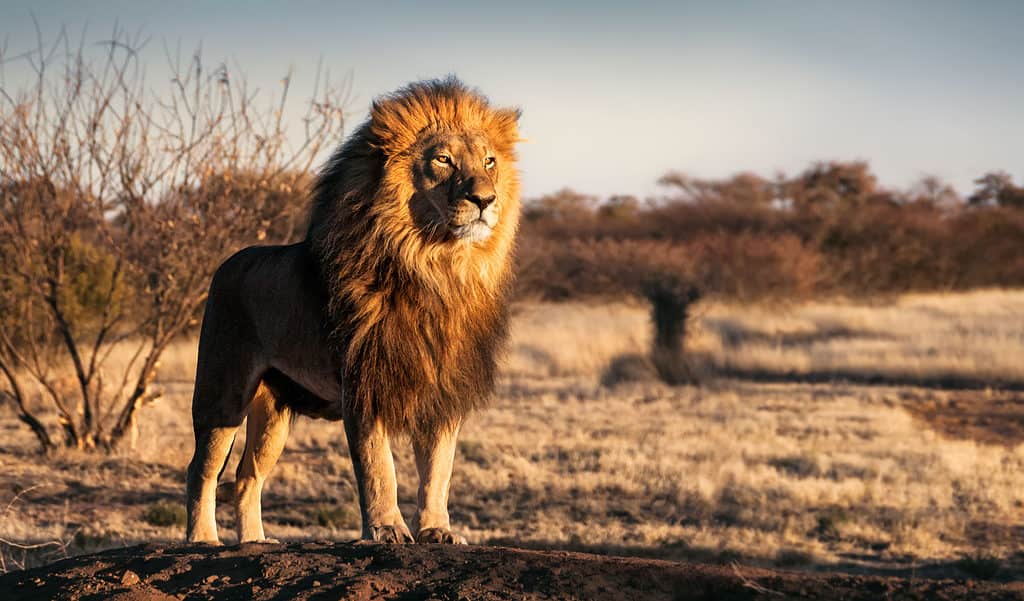
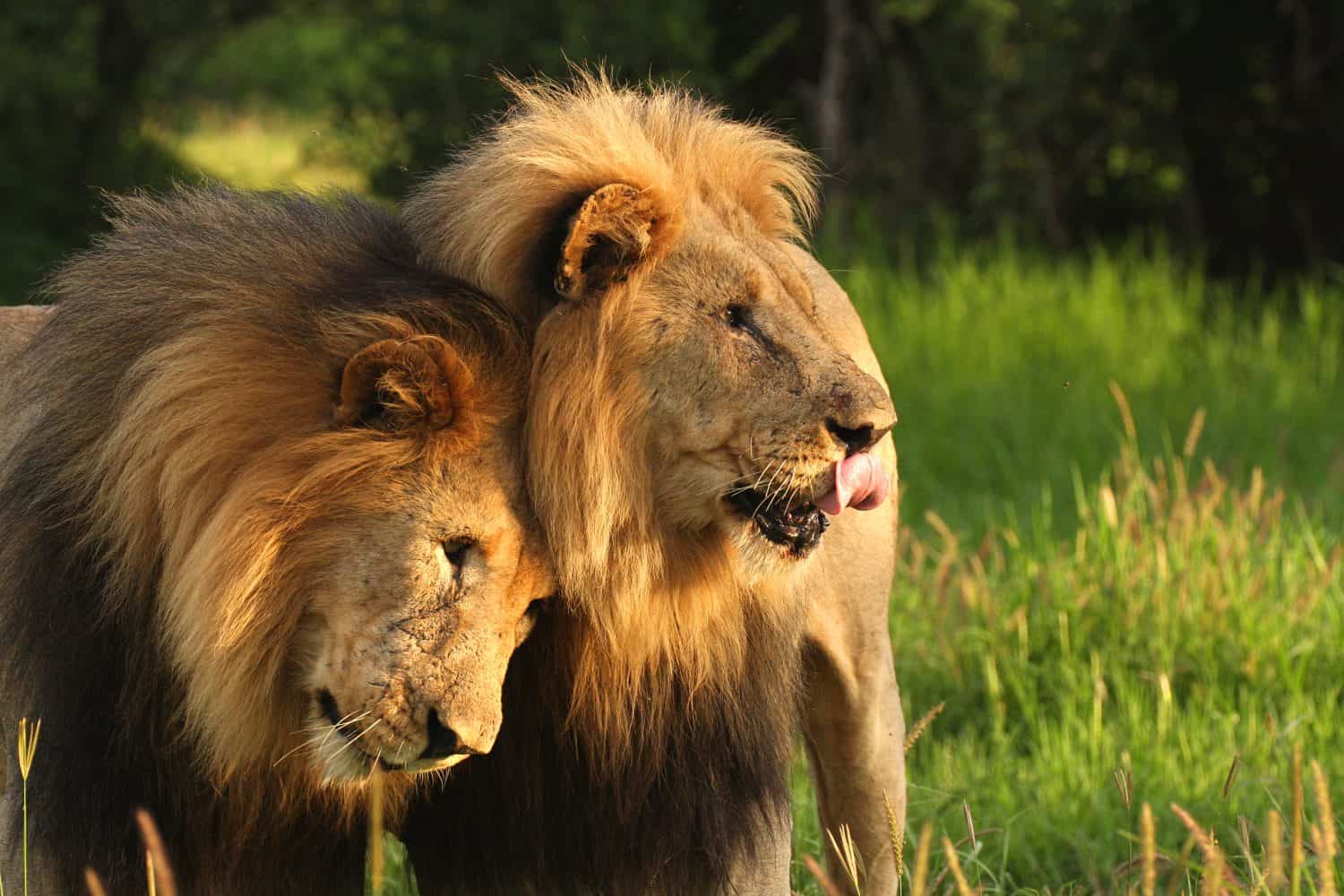
Male lions with luxurious, dark manes signal to females they are strong and healthy.
©2021 Photography/Shutterstock.com
A Lion’s Mane is Meant to Impress
Before we knew the scientific reason why lions grow manes, Charles Darwin suggested (without evidence) that lion manes existed as protection against rival attacks. This wrong belief continued until the 1970s when biologist George Schaller proposed the idea that lion manes were meant to impress and attract female mates.
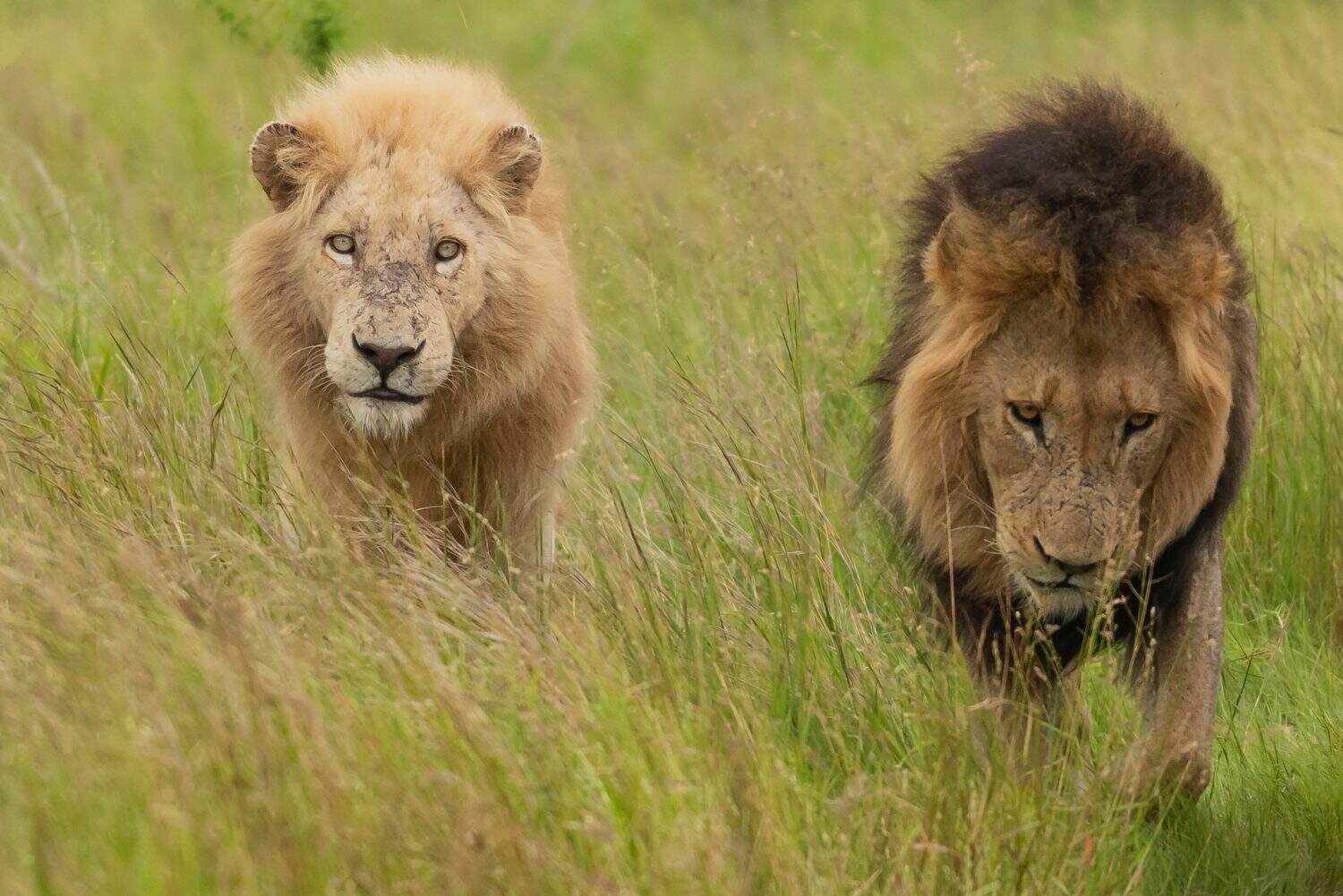
Several factors affect the color of a lion’s mane, including genes, testosterone levels, and weather.
©Piotr Poznan/Shutterstock.com
Today, we know that lion manes not only impress lionesses but intimidate rival males as well. A thick and flowing mane accentuates a male lion’s large head, neck, and shoulders. Research has shown that the longer the mane, the more intimidated the rival males were. Beyond length, the research showed that darker manes were seen as more attractive to females and more intimidating to males. This makes sense because a darker mane is a result of higher testosterone and good nutrition.
How a Lion’s Mane Grows
A male lion’s mane grows with him as he ages. Cubs are born without manes. Around three to four months, male cubs start to grow a short, fuzzy mane that is light in color. When lions reach adolescence at around two to three years, their manes begin to grow thicker, longer, and darker. By the time males reach adulthood at around four years, their manes are looking impressive. They’ll be the longest and fullest at five to six years, symbolizing maturity and the ability to defend and lead a pride.
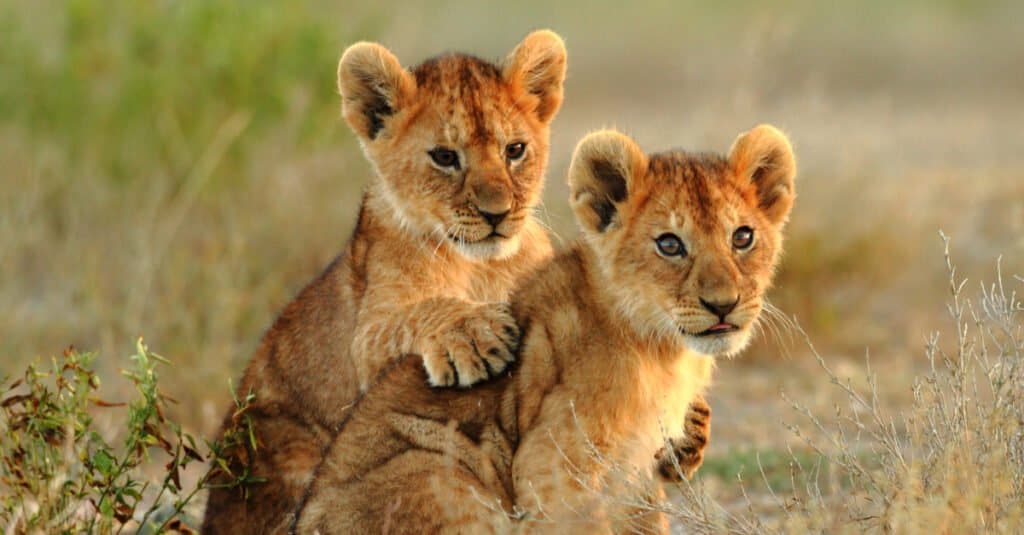
Lion cubs are born without manes. Males begin to grow short, fuzzy manes when they are a few months old.
©Theodore Mattas/Shutterstock.com
The lion’s mane is a result of testosterone, which is why as the male grows into an adult, his mane grows as well. A surge in testosterone causes a surge in fur growth. Testosterone is also responsible for darkening the color, making the mane more prominent and impressive.
Sometimes Females Grow Manes
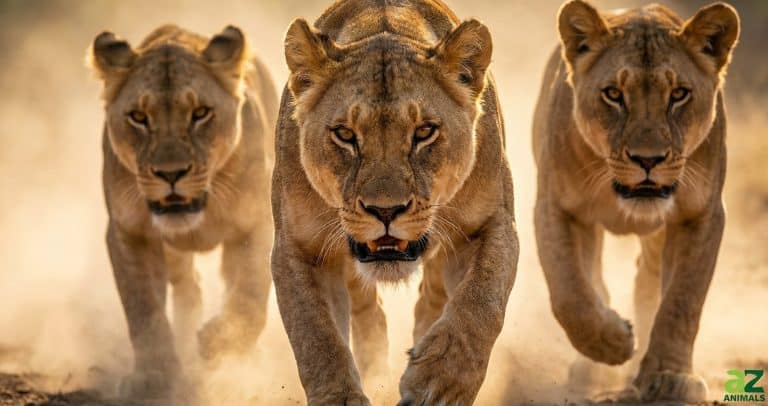
Rarely, female lionesses will grow manes as well. Researchers discovered five lionesses in Botswana had grown manes. They also showed masculine-type behaviors, such as roaring more often. In another instance, a zoo lion from Oklahoma grew a mane in 2018. This was discovered to be the result of high levels of androstenedione, a hormone that can lead to masculine traits.
How Heat Affects Mane Growth and Color
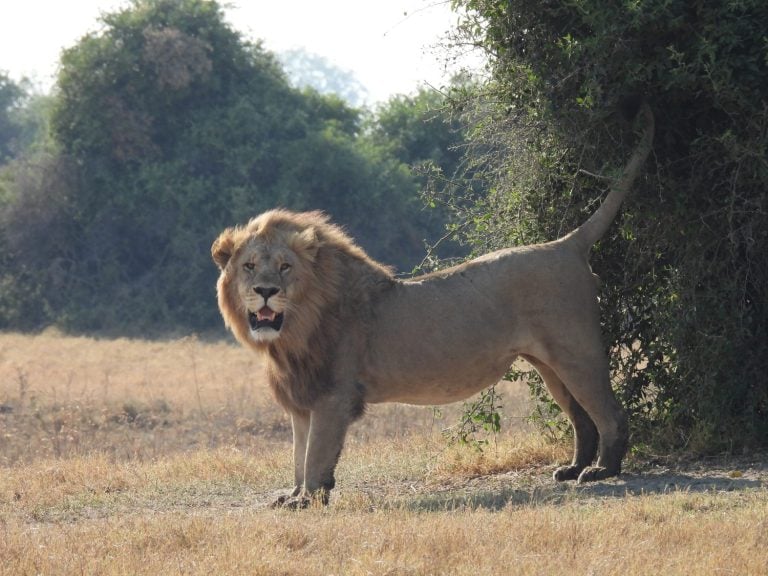
Although the color of a lion’s mane is affected by genes and testosterone, it can also be affected by the weather. Lions in hotter areas also have lighter manes, compared to lions that live in colder places. As you can imagine, a dark and thick scarf of fur around your head and neck wouldn’t be ideal for maintaining temperature on a hot and dry day.
Lions with thick manes have a harder time regulating their body heat when the weather heats up. Experts think this is why lions that live in hot environments, like the Serengeti, have thinner and shorter manes. On the other hand, lions living in very cold regions, such as higher elevation areas in northern Tanzania, have the thickest manes.
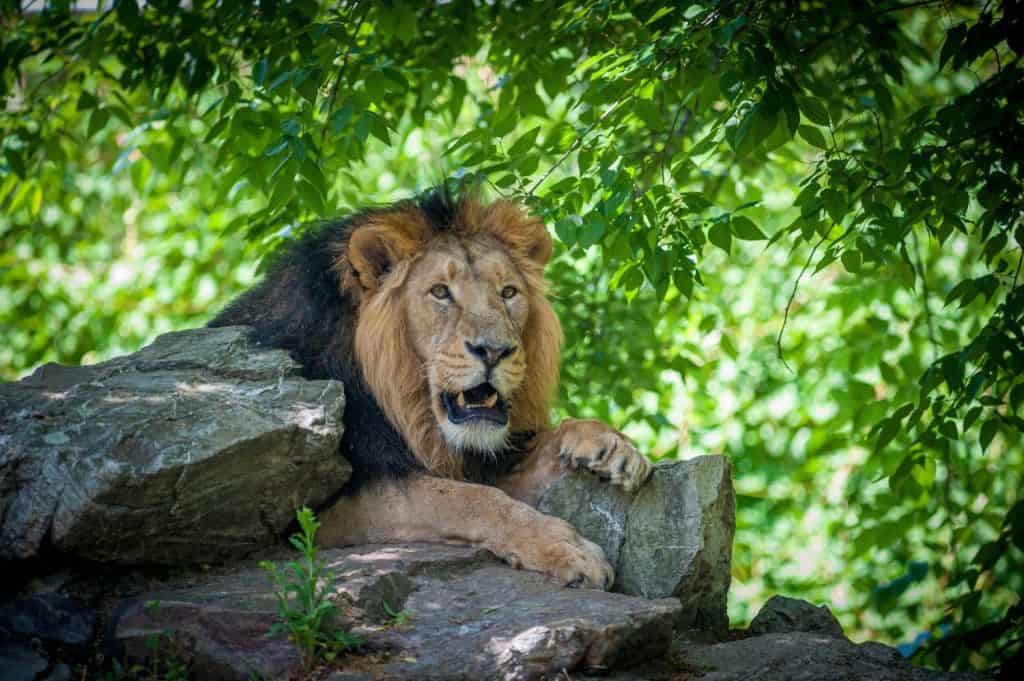
Lions living in zoos in colder climates have darker and thicker manes than captive lions living in warmer regions.
©Frank Wagner/Shutterstock.com
Research has shown this effect holds true for lions in zoos. African lions living in zoos in colder climates have darker, thicker manes than lions living in zoos in warmer areas.
How Climate Change May Affect Lion Manes
Because lion manes change based on the weather, researchers have looked into the issue of the effect of warming temperatures on lions and their manes. According to an article in the American Scientist, researchers said, “Broadly speaking, we predict that the continued rise in average temperatures in East Africa will lead to fewer lions with long, dark manes.”
A thick and dark mane signifies strength and good health to potential mates. If lions lose their manes due to heat, females will have to find another way of selecting strong and robust males to defend their prides and to mate with. When male lions take over a pride with former offspring that aren’t their own, they kill the existing cubs. Female lions need to select a male to lead their pride who can successfully chase away any would-be usurpers. Scientists question what such a major change in a keystone species may have not only for the species, but for their entire ecosystem.