
Quick Take
- Dumeril’s boa neonates must reach 1.5 feet long before their first live birth cycle completes.
- The 8-month internal development phase creates specific constraints not found in oviparous snake species.
- Green anacondas and vipers utilize a method that completely bypasses the traditional egg-laying stage.
- Observation of @thereptilezoo footage reveals why the final ovoviviparous stage is essential for neonatal independence.
Most snakes lay eggs as part of the reproductive cycle. Because of this, it is interesting when a snake gives live birth. One species that does is the Dumeril’s boa. These boas are ovoviviparous, which means the eggs develop and hatch inside their bodies. This Instagram post by @thereptilezoo shows one of these live births happening, and it’s a sight to see. Read on to learn more.
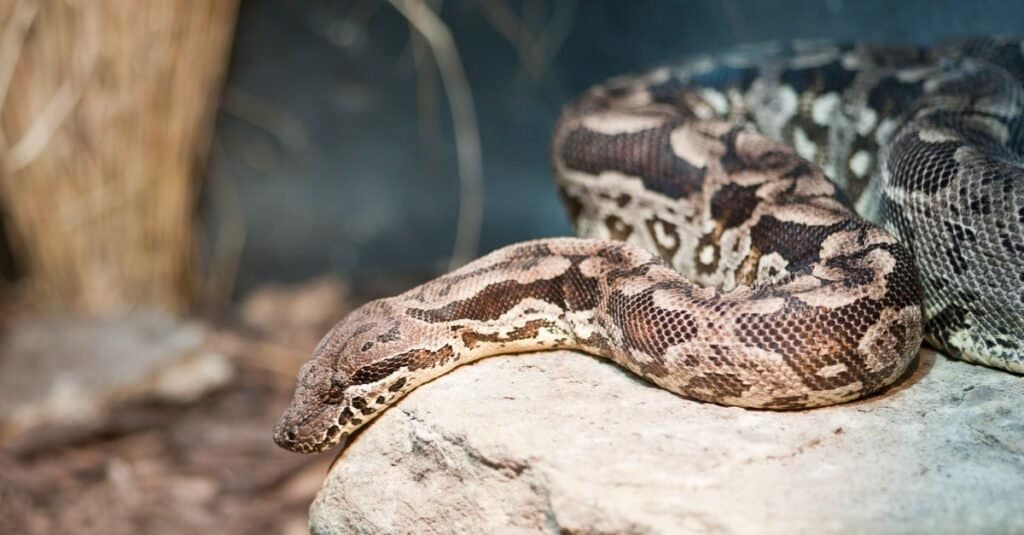
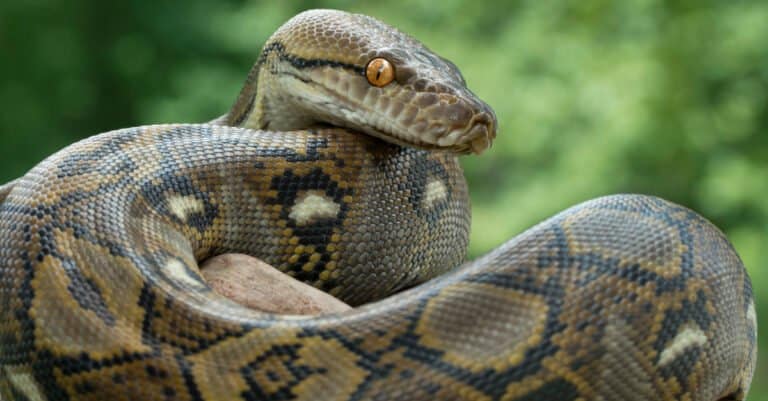
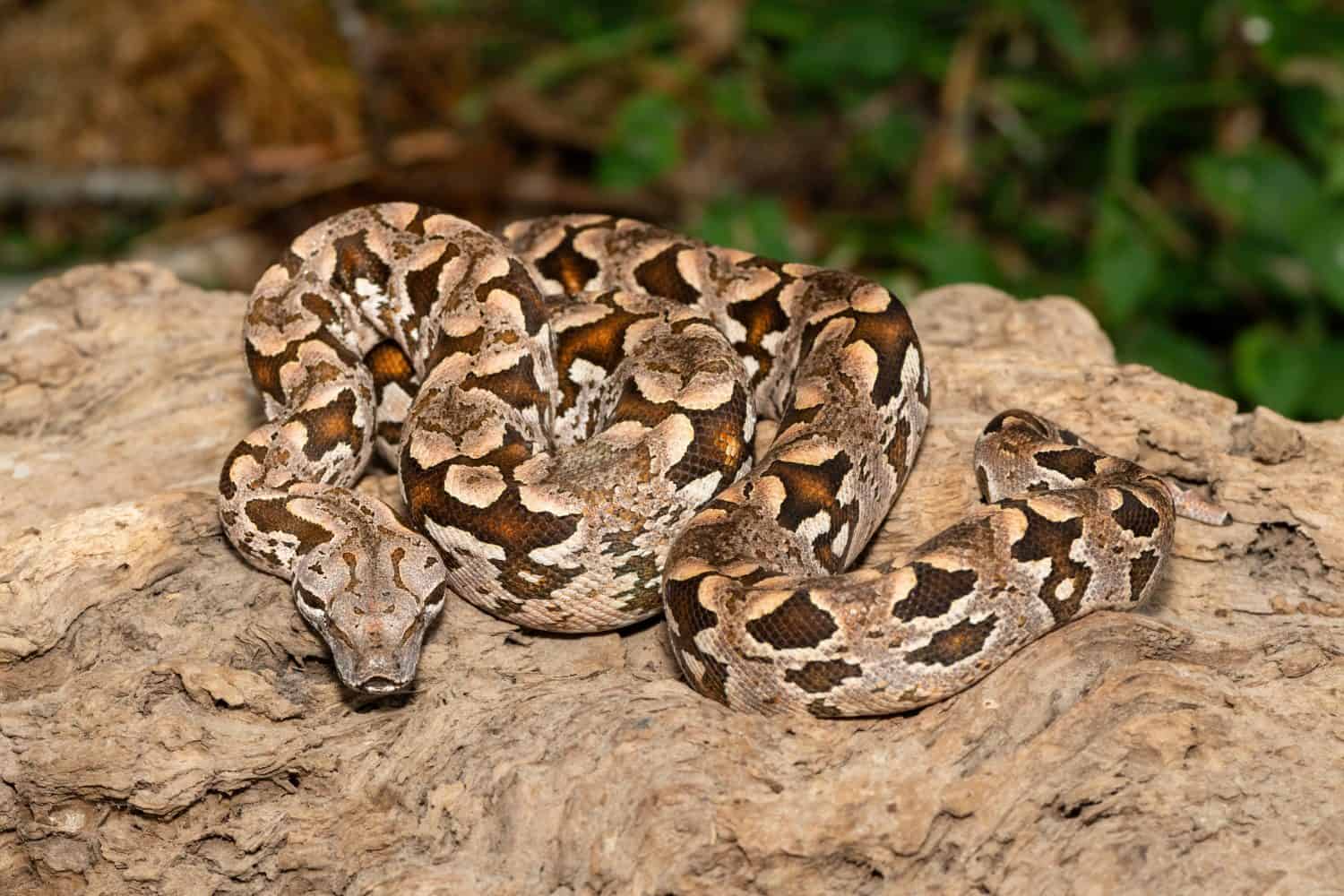
Dumeril’s boas are some of the only snakes that give live birth.
©Matt_Gibson/Shutterstock.com
Dumeril’s Boa Live Birth
Dumeril’s boas are a unique species of snake because they do not lay eggs externally. This is because they are ovoviviparous. Ovoviviparous animals develop their eggs inside the body and hatch internally as well. After the embryos hatch inside her body, the female gives birth to live young—a process that is rare among snakes. The post above shows the final stage of live birth. The female typically mates in the spring. After mating, the eggs develop internally for about six to eight months before hatching, and the female gives birth. A typical litter has about six to 13 babies. The babies, known as neonates, are about a foot to a foot and a half long. Right after birth, they are fully independent. The mother typically does not provide care, and the neonates often hunt for themselves from day one. This makes them very resilient snakes.
The ovoviviparous reproductive process of Dumeril’s boa differs from the oviparous process of most snakes. Oviparous refers to animals that lay eggs, and this includes pythons, cobras, mambas, and more. While rare, some snakes are even viviparous. Viviparous animals, like humans, develop their offspring inside the body before giving birth. While Dumeril’s boa is an example of an ovoviviparous snake, it is not the only one. Others include boa constrictors, green anacondas, and some vipers. All of these snakes benefit from retaining the eggs inside their body. Keeping the eggs inside their bodies allows these snakes to protect their embryos from environmental risks and predators. It also enables better temperature regulation, which is important for the development of snake embryos.