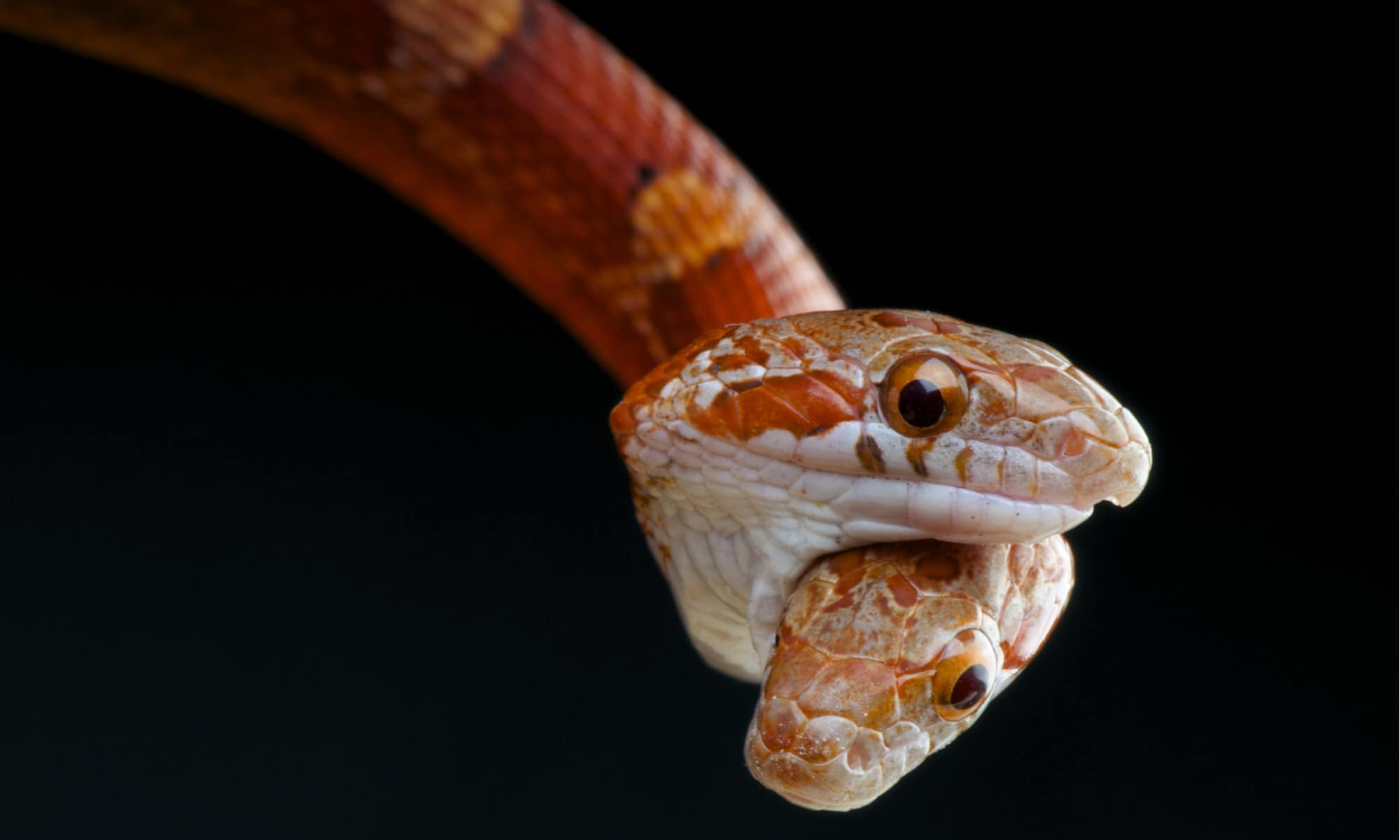

Quick Take
- Bicephaly is a form of polycephaly where incomplete embryonic splitting yields two heads on one snake.
- Incidence is estimated at 1 in 100,000.
- Survival in the wild remains rare due to dual brains causing coordination issues, predation risk, and feeding trouble.
- Read on to discover how researchers study the behavior of two-headed snakes and the care challenges captivity reveals.
Have you ever seen a two-headed snake? While a two-headed snake sounds like it came straight out of a fictional story, they are very real. Due to a condition called bicephaly, twin snakes that did not completely separate at birth may have two heads. This Instagram post by @thereptilezoo shows a two-headed boa, and it is extremely interesting to see up close. Read here to learn more about bicephaly and how it occurs in snakes.
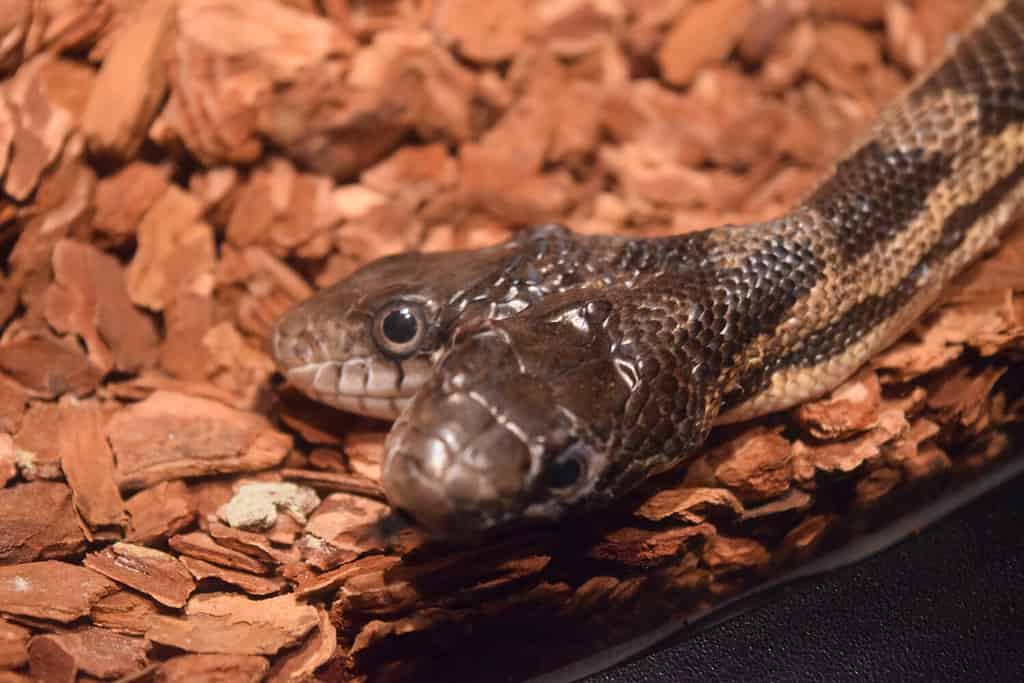
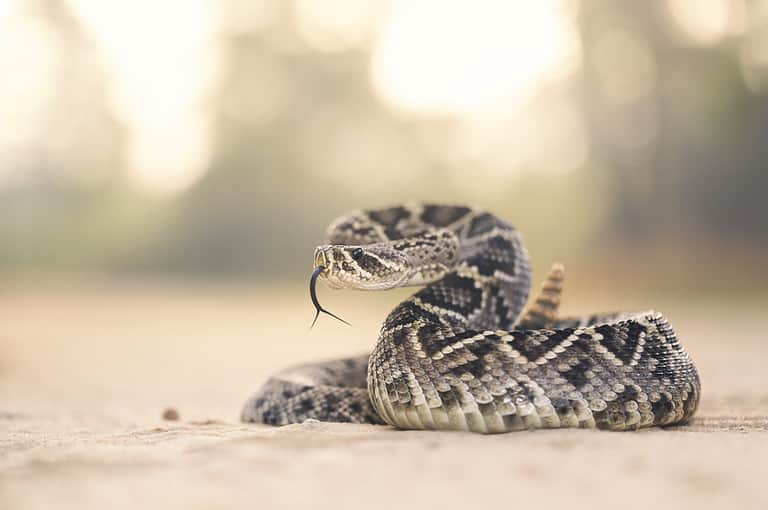
A two-headed snake is a rare sight.
©Amare Marketing Group/Shutterstock.com
Two-Headed Snakes
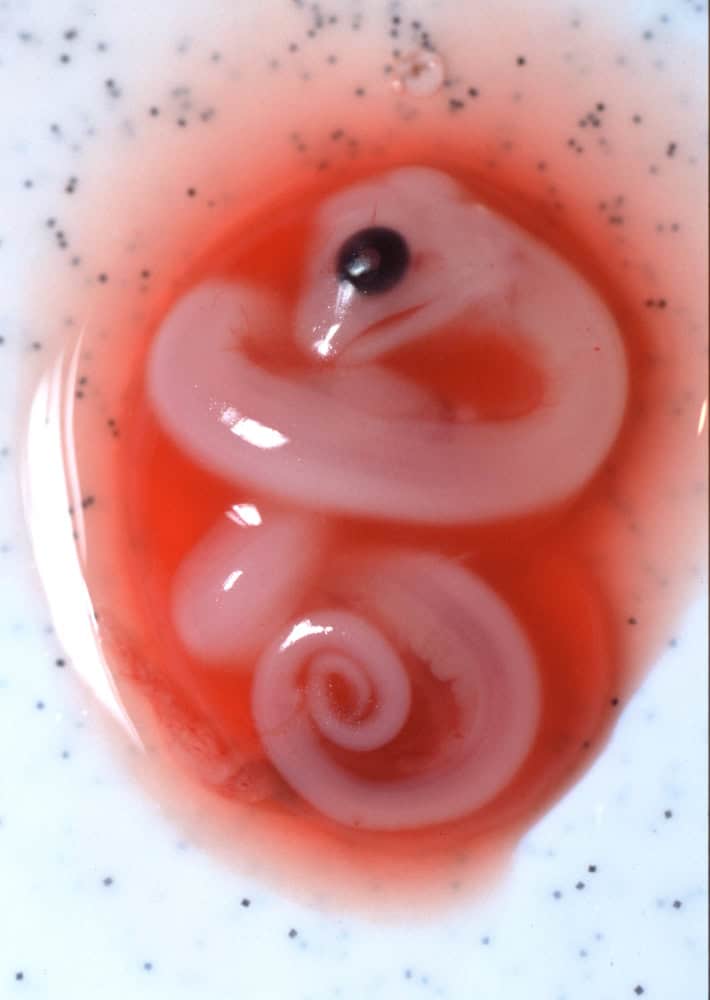
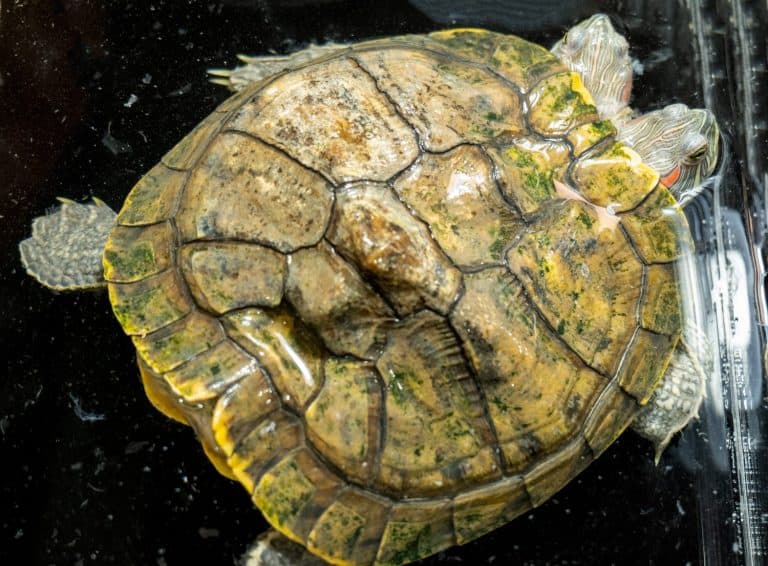
Two-headed snakes are rare, but not impossible to see. A snake with two heads is often due to bicephaly, the condition of having two heads. This is a form of a more general condition known as polycephaly, which refers to having more than one head. Bicephaly is not unique to snakes; it can occur in many other animals, with an estimated incidence of one in 100,000. Bicephaly occurs in embryonic development when the embryo begins to split into twins. However, instead of fully separating, the process stops, resulting in a single body with two heads. In most cases, each head has its own brain, eyes, tongue, and teeth, meaning that it is two individuals that control the single body. While the way the body is split is not universal, there are often complications that occur due to two separate brains competing for control over a single body.
Dual-headed snakes face many difficulties due to this condition. One such difficulty is struggling with body coordination. Given the two separate brains, deciding a direction to go or an action to take is difficult. It can cause jerky and uncoordinated movement, opening them up to predation, and making it difficult to hunt prey. Feeding is another problem. Since both heads are trying to feed the same body, they may compete with each other over caught prey. This can cause choking if they consume hastily, or starvation if they fight too much. Overall, these snakes rarely survive in the wild due to health complications. Depending on how their bodies are structured, such as having duplicated organs, this can create anatomical issues.