
Quick Take
- New clinical protocols now allow pets to bypass 3-week wait times for essential medical evaluations.
- The 90-minute travel radius to rural clinics creates a systemic barrier for urgent pet care.
- The remote prescription of sedatives has become a counterintuitive requirement for successful in-person visits.
- Establishing a specific lighting setup is a necessary stage to prevent compromising the diagnostic process.
Telehealth has revolutionized medical care for many of us, and now, it can change our pets’ lives, too. It was only a matter of time before veterinarians entered the digital space. Now that they have, pet owners are finding that pet care can be easy, affordable, efficient, and time-saving. Gone are the restrictions of in-person vet visits, making things easier for both you and your furbaby.
It’s also a game-changer for people with anxious pets. Imagine getting professional advice, prescriptions, and exams, all without having to take your pet out of the house. It exists, and we spoke with a telehealth veterinarian to learn all about it.
What Is Veterinary Telehealth?
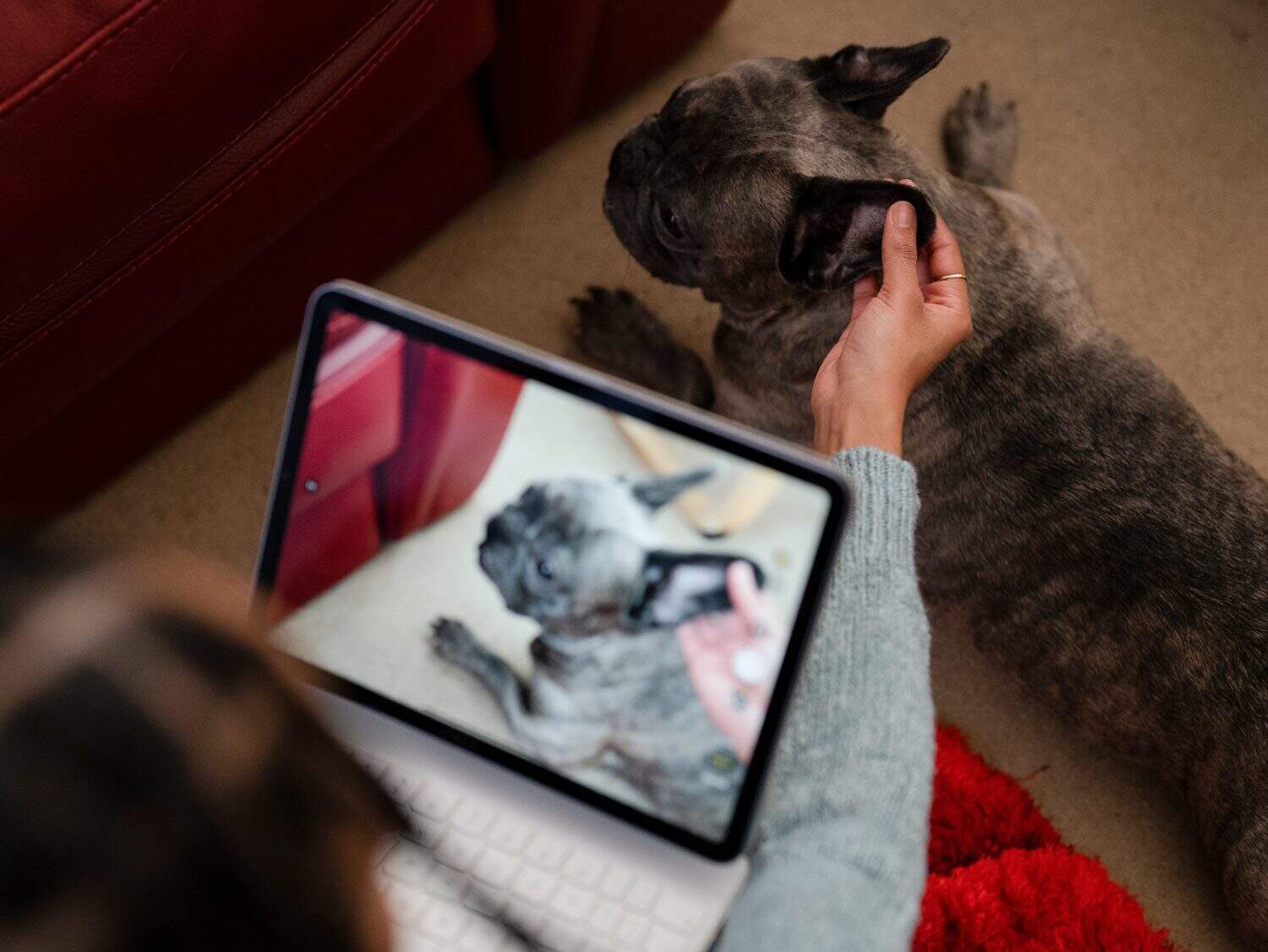
Veterinary telehealth refers to a medical appointment conducted between a pet owner and their veterinarian via video chat. Veterinarians can perform exams based on what they can see, review symptoms, answer questions, and conduct routine follow-ups. This is highly beneficial for pet owners dealing with minor or common pet issues, or for those living far from the nearest animal hospital or clinic.
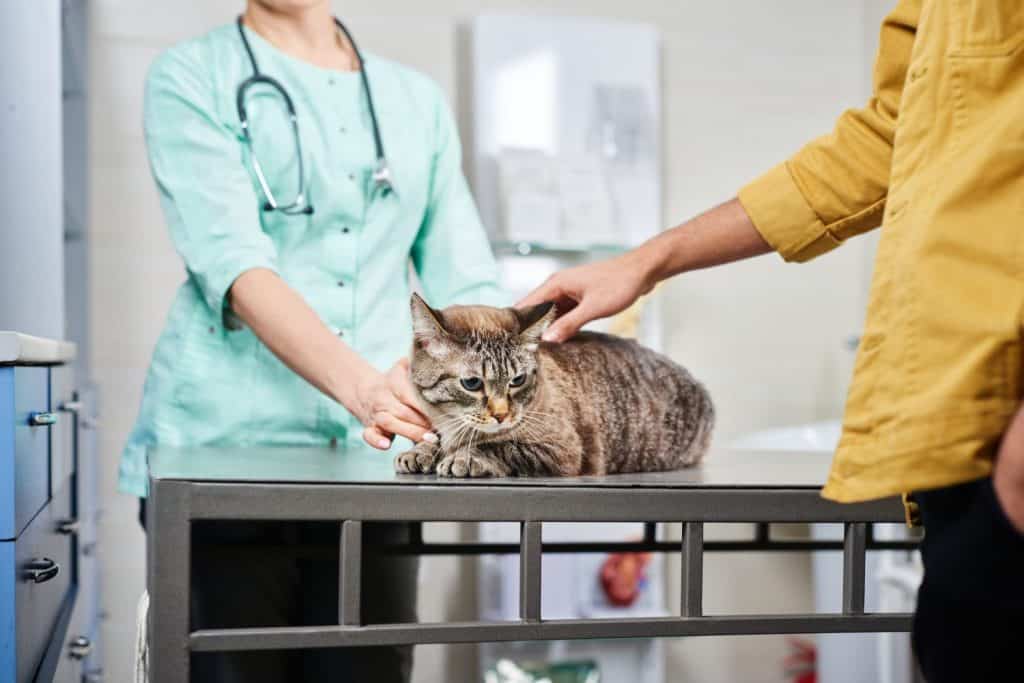
Virtual pet care is an excellent option for pets who have vet anxiety.
©Sata Production/Shutterstock.com
Telehealth is often more affordable than an in-person vet visit. Therefore, many of the fees charged in the office do not apply to telehealth. However, pet owners will need to check with their veterinarians and pet insurance providers to determine their benefits. Each plan is different, and not all of them include virtual appointments. To find out more, we spoke with Dr. Nancy Thomas, DVM, with TelaVets and ID My Horse.
How Can Vet Telehealth Benefit Your Pet?
Animal clinics can be few and far between, especially for those in rural or remote regions. Dr. Thomas says she started providing virtual services when she realized that many issues addressed at in-person clinics could be dealt with remotely.
“Living not only in a literal desert but also in a veterinary desert, I hadn’t fully appreciated how difficult it was for some people to access affordable veterinary care. I’ve worked with clients who were told they’d need to wait three weeks for an appointment to address a medical issue their pet was experiencing,” Dr. Thomas says. “Others had no services available within 90 minutes of their home, aside from an extremely expensive local veterinary emergency room.”
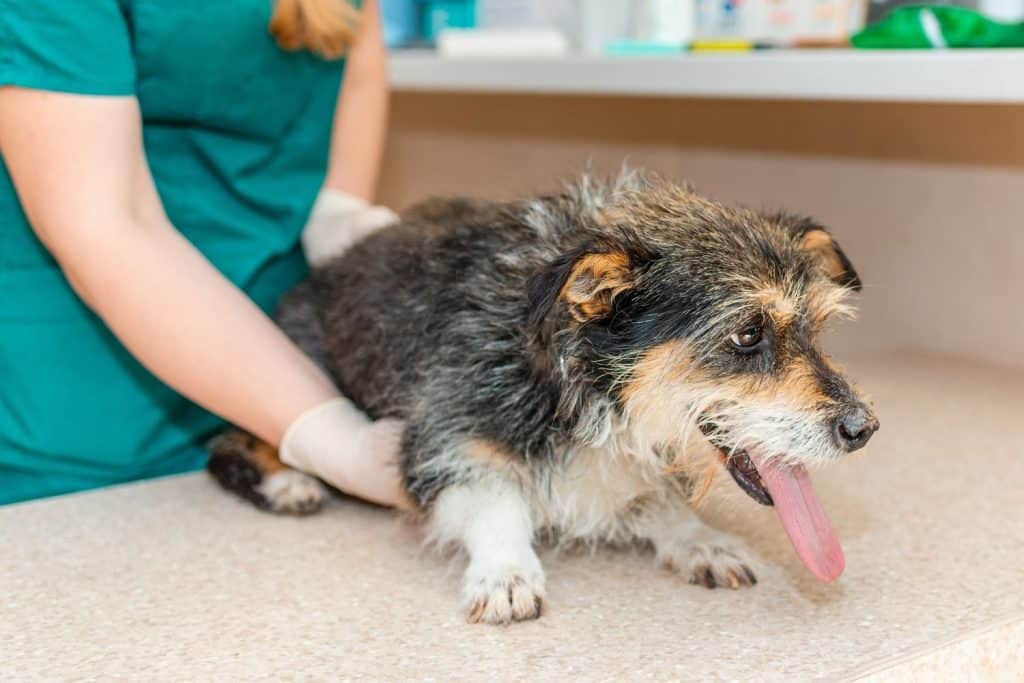
Virtual exams look different, but are still efficient.
©ARVD73/Shutterstock.com
Dr. Thomas also explains how traveling to a brick-and-mortar location can be challenging for some pets and their owners. “While this should never serve as an excuse to avoid in-person care altogether, many medical needs can be appropriately addressed in the comfort of the pet’s home,” she says. “Chronic or previously diagnosed conditions can often be monitored remotely, and necessary medications refilled without requiring a clinic visit. Telehealth services can also prescribe sedatives or tranquilizers in advance, helping to ease the stress of an in-person appointment when one is needed.”
Who Should Use Vet Telehealth?
Using new services can be overwhelming, especially if you don’t know where to start. Virtual vet appointments offer convenience and time-saving, but that’s not all, Thomas tells us. “Many of my clients have recently moved to new areas and have not yet established care at a brick-and-mortar facility. Others simply have no options within a reasonable driving distance. For pets on prescription diets, telehealth makes it easy to manage those needs remotely. Age-related issues, such as urinary incontinence in older female dogs, can also be discussed and addressed through virtual care,” she says.
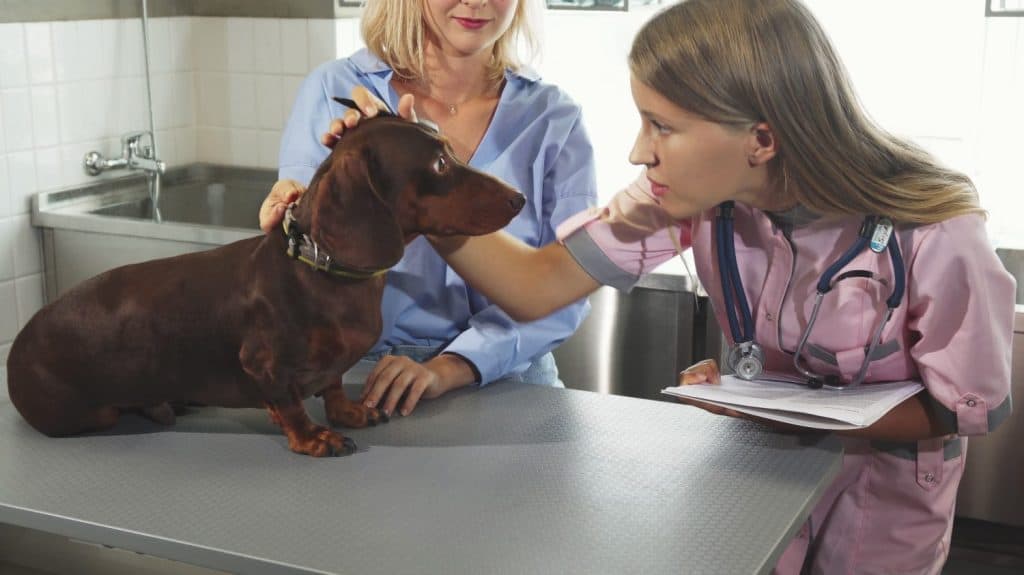
Sometimes, in-person follow-ups may be needed depending on the diagnosis.
©Nata Kotliar/Shutterstock.com
Thomas also notes that the recent increase in pet care costs makes virtual care a more accessible option for many pet owners, who may otherwise not seek any care at all due to the high cost.
“One of my first clients was a young woman with a 4-month-old Doodle she had owned for just a month,” she shares. “The pup had likely never received vaccinations, or if it had, not on the appropriate schedule. The dog was clearly very ill, and the owner could not afford an ER visit or even a standard clinic appointment. I prescribed what I could to ease the pup’s discomfort, knowing the prognosis was poor.”
The ability to provide guidance, comfort, and accessible support can make a meaningful difference for both pets and the people who love them.
Dr. Nancy Thomas, DVM
There Are Pros and Cons to Vet Telehealth
A virtual appointment has its limitations.
“I only prescribe when I am confident that I have asked the right questions and gathered enough information to make a reasonable diagnosis,” Dr. Thomas says. “If that is not possible, I inform the client that the pet needs to be seen in person.”
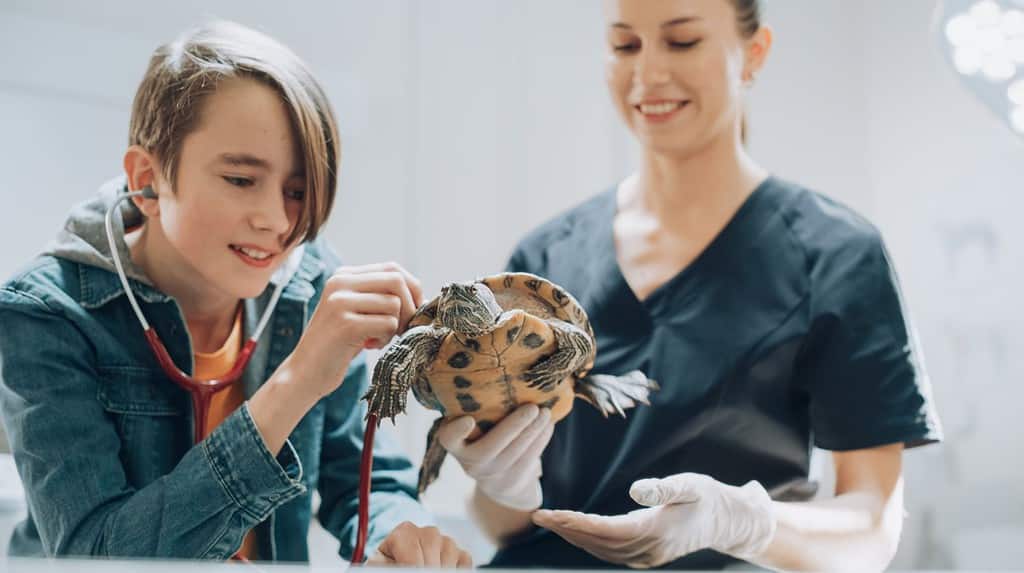
Telehealth could be the only option for those who live far from their nearest vet clinic.
©Gorodenkoff/Shutterstock.com
According to Dr. Thomas, eye issues like corneal ulcers, conjunctivitis, or scratches are hard to diagnose and treat virtually.
“There is always the possibility of a foreign body or other chronic irritant that I cannot identify remotely. When I am not confident I can adequately assess the situation, I treat conservatively and recommend an in-person visit,” she says.
Thomas also shares that assessing lameness can also be difficult without hands-on palpation. She says that some issues present in a more typical way. This is helpful, but often requires radiographs and an in-person exam. Once a diagnosis is established, however, telehealth visits become invaluable for monitoring progress and refilling medications.
Regulatory Restrictions in Telehealth
Some states require that veterinary care be established in person before transitioning to telehealth.
“[But] in practice, telehealth often resembles emergency medicine more than the long-term relationship building of a clinic. Many of my clients are ‘one and done,'” Thomas says. This makes the process more complicated and financially challenging, especially for pet owners who live far from veterinary clinics.
“Even so, telehealth allows me to continue one of my greatest pleasures in veterinary medicine—client education,” Thomas says.
Interested in Telehealth for Your Pet? Here’s What to Expect
Despite some clear disadvantages, telehealth offers many benefits. TelaVets offers appointments at $65 each, which is often cheaper than an in-person examination without insurance. They also offer comprehensive virtual exams and prescription refills. Thomas shares what you and your pet can expect for your first appointment, which starts with a proper setup.
“It is important for both the veterinarian and the client to have at least a basic understanding of the technical aspects of a virtual appointment. Poor lighting or a jerky video connection can make remote assessments more difficult. I always want to see my patient, regardless of the issue at hand, so it is important to have the pet with you when you start the call. Minimizing outside interruptions is ideal. Because our appointment time is limited, I usually get down to business quickly,” Thomas says.
During the Telehealth Visit
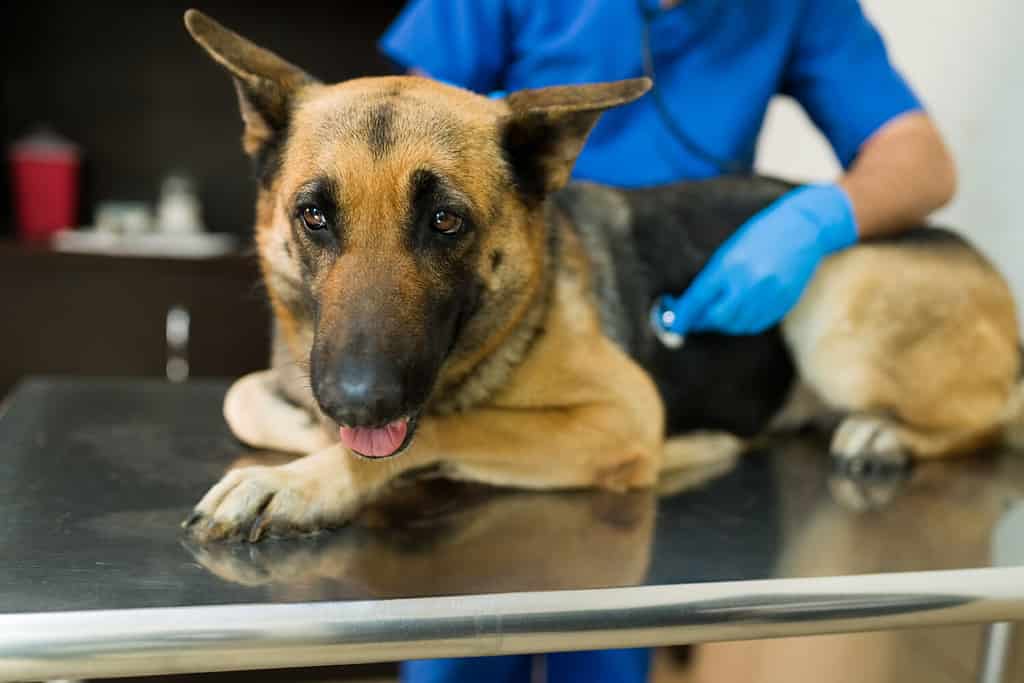
Virtual appointments are helpful for prescription refills and routine exams.
©Beach Creatives/Shutterstock.com
“Before the visit, I already had some basic information about why it was scheduled. Even so, I typically begin with a broad opening question such as, ‘What is going on with Nala today?’ This allows me to gather as much information as possible during the initial conversation before evaluating the pet to the best of my ability,” she adds. “From there, we discuss the diagnosis and explore treatment options together.”
Following the exam, Thomas notes everything down and keeps records on file for each patient via a virtual platform. She emails prescriptions to pet owners, who can then fill them online, at a local pharmacy, or pet store. Telehealth visits are often easy and efficient, and you can trust your pet is in good hands with a trained professional—even from far away.