
Quick Take
- Crafting a 1-meal daily schedule for your dog may be linked to significantly lower cognitive dysfunction and disease risks.
- Relying on high-starch diets triggers insulin fluctuations that trap pets in a constant metabolic stress cycle.
- A visually lean silhouette does not always indicate health in a pet.
- Intermittent fasting may offer health benefits for some dogs, but it should only be considered under veterinary supervision, especially for breeds at risk for bloat or dogs with existing health conditions.
Just how healthy do you think your pet is? While a trim silhouette may have you feeling confident, these traits may be hiding a body that’s running hot inside, especially if a cat or dog lives on a high-starch diet and rarely has true downtime between meals. Recent studies suggest that adjusting your pet’s feeding schedule may influence certain health outcomes, though effects on behavior and overall health require further research. But are these claims legitimate, and what should you know about intermittent fasting for your pet?
Today, we’re going to challenge the idea that appearance is the best health metric for pets. We’re taking an in-depth look at recent pet feeding trends surrounding metabolic bio-hacking and what it can look like for real households, including time-restricted feeding and low-glycemic, functional treats that support calmer energy and a healthier metabolism.
We’ve scoured sources from vets and nutrition researchers, including the WSAVA nutritional assessment guidelines and many others, to back up these claims. We’re also interviewing animal nutrition-focused dog trainer Teagan Coleman of NLR Explore Dog Training, using her insight to coach owners through food routines, cravings, the right types of treats, and anxious behavior around meals. So, is intermittent fasting right for your pet? Let’s look at the science and supporting evidence for answers.
The Skinny-Fat Problem May Also Apply to Pets
While a dog can look like they’re a proper, healthy weight, they may still be carrying too much body fat in the places you don’t notice or consider first. Vets can help you better determine your pet’s healthy weight, as they use tools like body and muscle condition scoring. Fat distribution and muscle loss can greatly affect your pet’s ideal weight, even when the scale number seems normal. In fact, body condition scoring is a core part of nutritional assessment, with disease risk intertwined with higher scores, even when owners feel their pet looks fine.

Some dogs may look a healthy weight, but they are actually less healthy than owners realize.
©iStock.com/PongMoji
If you didn’t already know, skinny-fat is a trending slang term, one that’s being applied to pets more frequently: a dog that doesn’t look overweight at a glance can still have poor body composition and metabolic stress just beneath the surface. That stress often shows up as low stamina, constant hunger, restless sleep, recurring skin issues, and a dog who seems wired even after a decent amount of exercise or stimulation.
Coleman notes in her own experience, “I see a lot of dogs who look just fine and seem to be a healthy weight until you put your hands on them. Then you realize there’s not much muscle there, and the dog is living in a constant snack cycle that keeps their brain activated but no true weight loss or muscle building happening in their day-to-day routine.”
How High-Starch Diets Can Keep a Pet’s Body Inflamed
Let’s dive into what’s going on inside your pets when they eat certain diets. Dogs can digest starch, and many complete diets include carbohydrates appropriately; while some are healthier than others, starch isn’t necessarily bad. However, the issue is the pattern many modern pets fall into: consuming high-starch meals and being given frequent treats, with little spacing between calories, can keep insulin and hunger signals at such fluctuating levels that their bodies may not know how to process.

High-starch diets are not ideal for dogs, though some amount of starch is safe.
©Vadzim Mashkou/Shutterstock.com
Research looking at diet composition and metabolic response in dogs shows that macronutrient profiles can meaningfully change physiological markers and certain future effects. A controlled diet study ultimately compared high-starch and high-fat diets in dogs and reported measurable differences in both metabolic and inflammation-related outcomes. What you feed your dog matters, and perhaps more than we’ve understood previously.
It’s important to note that this doesn’t mean every dog should go low-carb, and it doesn’t mean kibble is inherently harmful or unhealthy. However, it definitely means you can’t judge a pet’s metabolic health simply by looking at it.
I see a lot of dogs who look just fine and seem to be a healthy weight until you put your hands on them. Then you realize there’s not much muscle there, and the dog is living in a constant snack cycle.
Teagan Coleman, certified dog trainer
In pet life, intermittent fasting usually involves time-restricted feeding, which is a consistent eating window complete with a longer break between meals. Many owners translate that into one meal a day, while others manage to do two meals inside an even narrower daily window. The spacing of meals is what helps pets process their food more efficiently and healthily.
Research published in 2022 discovered that dogs fed once daily were associated with lower odds of several health conditions and had lower average cognitive dysfunction scores. It’s important to note that this research is observational and cannot prove causation, and the authors themselves note that stronger causal evidence requires further study. However, it is a fascinating find that may be supported by other related studies.

Withholding food isn’t about making a dog more obedient, but it can have some potential health benefits.
©Gladskikh Tatiana/Shutterstock.com
“I’m not trying to make dogs tough or more obedient by withholding food; it’s not about that,” Coleman says. “I’m actually trying to stop them from having a constant amount of calories, which can keep some dogs anxious and focused on food all day long.”
When One Meal a Day Isn’t Recommended
Metabolic bio-hacking needs human supervision, as the wrong pet on the wrong feeding routine can get sick fast. It’s important to understand the implications of feeding an animal only once per day, as some species cannot handle it.
Cats are the clearest example of a pet you can’t feed once a day. They are not small dogs, and fasting can be extremely risky for them, particularly if a cat is either overweight or prone to not eating. Prolonged appetite loss can contribute to hepatic lipidosis, also known as fatty liver disease, a disease most often caused by fasting. If your household includes cats, any changes to their feeding schedule should be made only under veterinary supervision, as most veterinarians recommend regular, consistent feeding for cats.
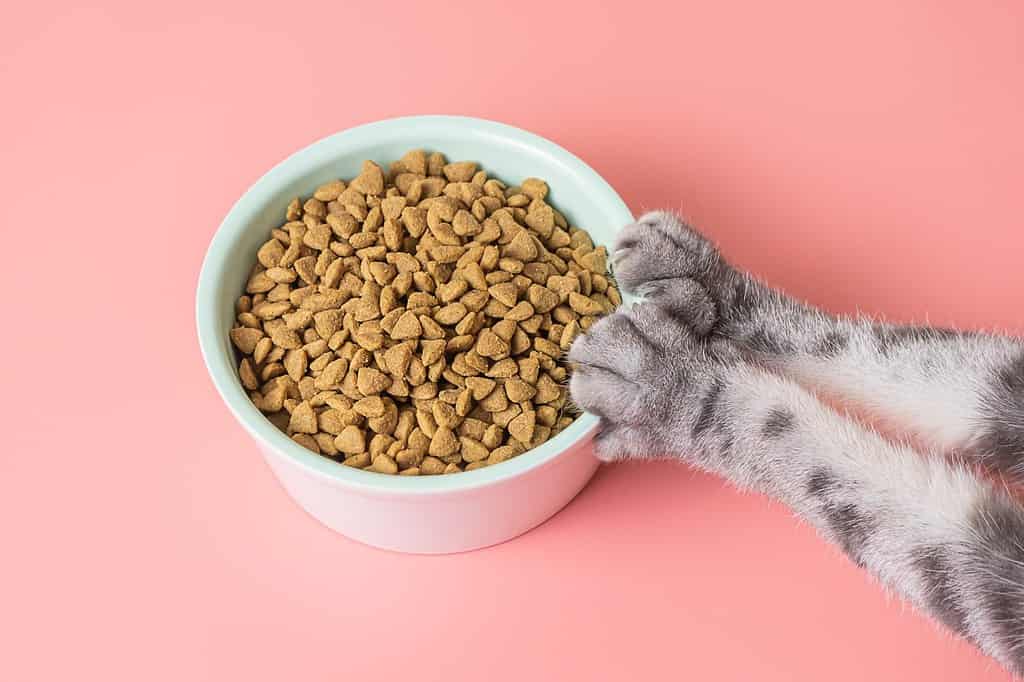
Cats should not be placed on an intermittent fasting diet.
©kholywood/Shutterstock.com
Even for dogs, once-daily feeding is not meant for all breeds. For example, large and giant breed dogs that are at risk for bloat deserve special caution, as meal size and feeding patterns can exacerbate bloating symptoms. In fact, a case-control study on PubMed reports that for large and giant breeds, bloat risk was highest for dogs fed a larger volume once daily, with vets recommending multiple smaller meals rather than one large meal in at-risk dogs.
Additionally, dogs who are pregnant, young and growing puppies, dogs with diabetes or endocrine disease, dogs on medications that require food, and dogs with a history of pancreatitis should not be fasted without direct veterinary instruction. It just isn’t worth the potential harm it can cause dogs in certain situations.
Coleman notes, “If I’m working with a dog that is a deep-chested breed or has any sort of medical history, I want the vet in on our discussion before we change any meal amounts or timing. There are safer ways to create metabolic breaks than forcing one huge meal.”
Practical and Safe Metabolic Bio-Hacking For Your Dog
Owners tend to get confused when it comes to intermittent fasting because they assume the only two options are constant feeding or harsh restriction. However, there are multiple tools you can utilize to accomplish various degrees of bio-hacking in your pet, to the point that you can tailor a plan for your individual dog.

Any changes in your dog’s diet should be handled slowly.
©Masarik/Shutterstock.com
You should begin adjusting meal timing gradually. A dog who currently eats breakfast at 7 and dinner at 6 is already doing a type of daily fasting schedule overnight. Shifting toward a slightly tighter window can be enough for many dogs, and it’s often a better fit than going straight to one meal a day. While it may be worth trying one meal a day eventually, remember that any dietary changes for dogs should be made gradually.
Diet composition is another important factor to consider before making any major adjustments. This is where your veterinarian can help you decide on the diet you choose moving forward, and this includes the whole diet. Treats are where many owners mess up, so it can help to track the treats you’re feeding your dog. Speaking of treats, is there such a thing as a healthy treat for dogs? Yes, there is, and here’s some guidance on them.
Functional Treats for Dogs: Supporting Metabolic Health
If treats are part of your dog’s training or general enrichment, it’s important to find options that don’t spike your dog’s metabolism and hunger cues. Here are some options you may want to consider moving forward, even if you don’t opt into intermittent fasting for your pup.
Frozen bone broth is a popular treat to consider, especially in summertime, but it needs to be the right kind. Many commercial broths are too high in sodium, with even low sodium options being potentially too salty for some pets, especially those with medical conditions. If you use broth, small portions and dog-safe ingredients are a must, as it should never include onion or garlic. It’s typically recommended that you make your own so you can determine the precise amount of salt and other ingredients in it.
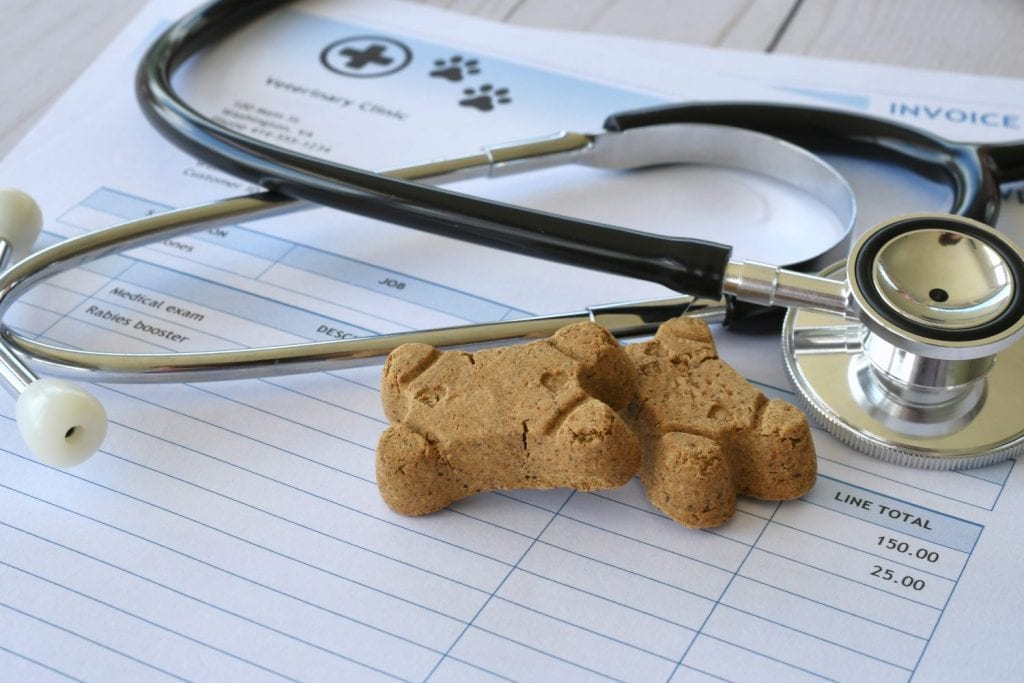
Some dog treats are healthier than others.
©MargJohnsonVA/Shutterstock.com
Air-dried organ meats can also be high-value and low-carb, but they’re powerful and shouldn’t be considered as unlimited offerings. Liver, in particular, is nutrient-dense, which is exactly why it should be fed in moderation. Feeding intentional, measured amounts is vital, no matter how much your dog begs.
“Functional treats are the ones that don’t make the dog hungrier five minutes later. I see this in both my dogs and the dogs of my clients, especially dogs that are initially fed cheap biscuits, and then they get the good stuff,” Coleman says. “I’d rather use tiny amounts of something dense and satisfying than a bunch of unhealthy snacks that end up acting like junk food.”
How to Tell If Intermittent Fasting Is Helping
The biggest question you can ask in this process may also be one of the hardest to answer: Does intermittent fasting work, and is it actually helping your dog? Given that it’s designed to treat an internal issue, it can be difficult to tell. However, your pup’s behavior should be a fairly clear indicator.
Some owners report steadier energy and less food-seeking behavior in their dogs after switching to intermittent fasting, but scientific evidence for these outcomes is limited, and results may vary. You may also notice better stool consistency and less begging for treats, although those changes depend heavily on the underlying diet quality and the dog’s health baseline, as well as personality.

Your dog’s behavior may change for the better on an intermittent fasting diet.
©kathrineva20/Shutterstock.com
If you want a more objective check, use a consistent body condition scoring method and track muscle condition over time, not solely your dog’s weight. The AAHA body condition score chart is a helpful visual tool for owners, but you may want to go over it with your vet first to ensure you understand it.
Ultimately, Coleman’s perspective remains nuanced; there is no one-size-fits-all option for diets, both for people and pets, she says. “The goal is a dog who’s calmer in their body,” she says. “Meal timing and better treats can support that, but it has to match the dog in front of you. If this fasting method makes your dog miserable, let them eat on their old routine. It just isn’t worth trying if your dog can’t handle it, and make sure you give them an extra treat for me.”