
Quick Take
- Pet owners are the true first responders for their animals.
- Pet owners need to develop emergency skills to care for their animals during times of need.
- By understanding the signs of distress in your animals, you can better identify and anticipate emergencies.
There are many ways pet owners can help their pets at home before rushing them to an emergency vet. In fact, several health issues or emergencies require immediate intervention, which can often be provided by a pet owner.
It is a growing expectation for pet owners to develop emergency skills such as CPR, first aid, and choking response before they can even reach a veterinarian. Here’s what you should know as a pet owner — and how to prepare for the worst.
How Can Pet Owners Help Their Pets at Home?
Pet owners should be in tune with their animals, understanding signs of distress or special immediate needs. Additionally, it’s crucial to know how to care for your pet in an emergency situation.
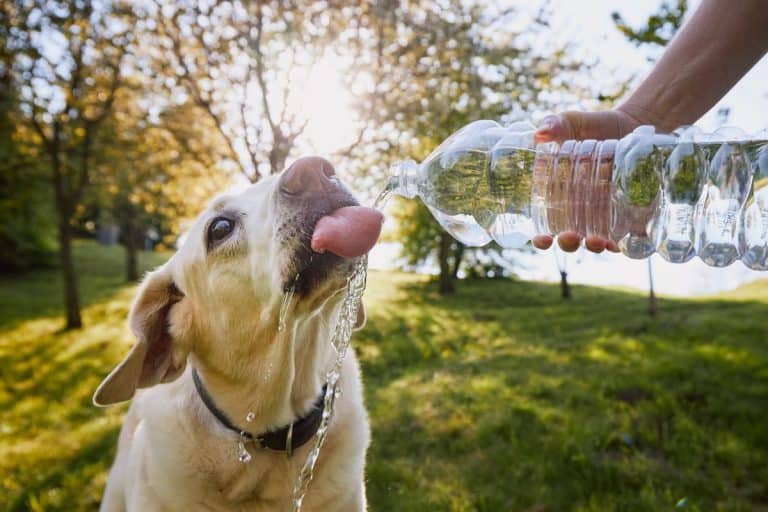
“There are a lot of things that owners can do at home that make a huge difference in those critical early minutes,” says Iryna Smyrnova, Veterinarian (DVM) at Meowoff. “For instance, if an animal, such as a dog or a cat, has a bleeding wound, an owner can press a clean cloth or gauze pad firmly onto the wound to stop the bleeding while traveling to the clinic. If an animal is too hot, moving it to a cool area and offering it small amounts of water can help stabilize it while the owner seeks professional help.”
These seemingly small acts can actually be life-saving measures for your pet. However, owners should also know the more complex emergency skills like CPR and first aid.
“I encourage owners to know the basic pet CPR, as it might save an animal’s life in rare situations,” Smyrnova explains. “This includes whether the animal is breathing, whether it has a heartbeat, and how to do chest compressions for animals of different sizes.”
Understanding Signs of Distress in Pets
Before you can help your pet recover from an emergency situation, you must first understand what warrants immediate action.
“I often tell my clients that one of the best things they can do is to take the time to understand how to recognize the signs of distress, basic first aid techniques such as how to apply pressure to wounds that are bleeding, and the basics of pet CPR or how to safely intervene with a choking pet,” says Smyrnova.

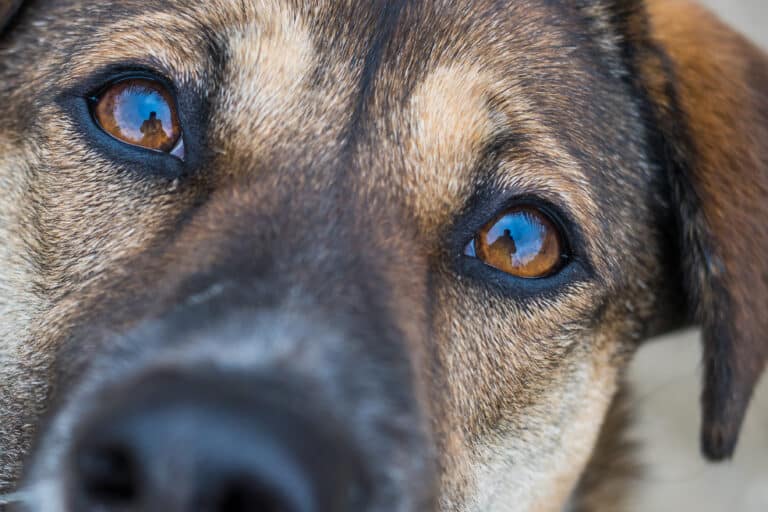
It helps to be in tune with your animal and their needs.
©Zontica/Shutterstock.com
Some examples of distress include breathing changes, weakness, persistent vomiting, and behavioral changes.
“Labored or rapid breathing is, in my opinion, one of the biggest warning signs that I encourage people to look out for, especially if the pet is breathing with an open mouth, stretching its neck forward, or if its gums are pale or blue in color,” Smyrnova explains. “Sudden weakness, collapse, repeated vomiting, or difficulty standing are some other signs that warrant urgent attention for the pet.”
There are a lot of things that owners can do at home that make a huge difference in those critical early minutes.
Iryna Smyrnova, Veterinarian (DVM) at Meowoff
“Behavioral changes are just as significant as changes in the physical condition of the pet,” Smyrnova adds. “If a pet, which is generally friendly, suddenly starts hiding, gets restless, cries out, or appears confused, it might be in pain or experiencing some sort of medical emergency. Excessive drooling, pawing at the mouth, or wild coughing might be an indication that the pet is choking or experiencing some form of irritation in the airway.”
Emergency Planning As Responsible Pet Ownership
Emergency planning is an important part of pet ownership. Despite this, many owners are not properly equipped for emergency situations.
“I think that one of the reasons emergency preparedness has become part of the responsibility of pet ownership is that our pets are more integrated into our families and our lives than ever before,” Smyrnova says. “We take our pets with us on vacation, we take our pets hiking, we take our pets to the park, and we take our pets with us on many aspects of our lives. As a result, the likelihood of accidents or unexpected health events is higher.”
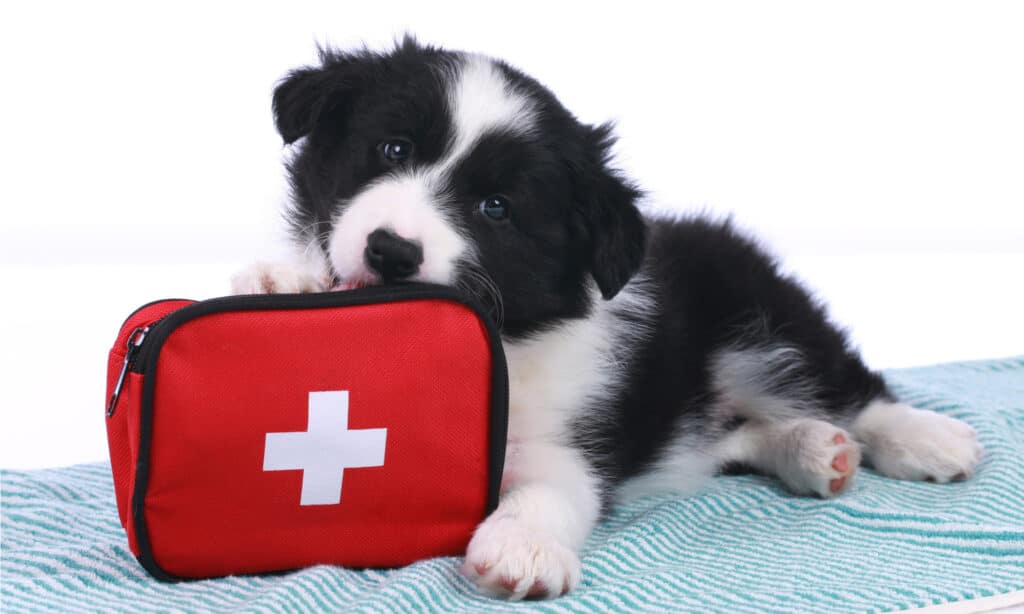
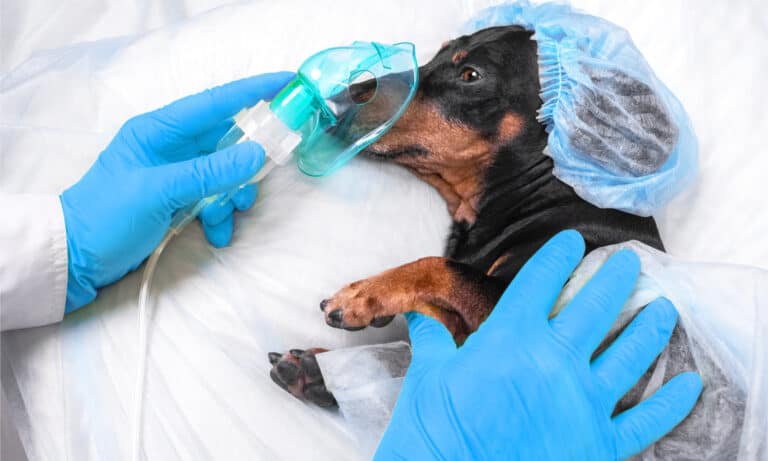
Developing emergency skills will ensure your pet has a better chance at survival should they find themselves in grave danger.
©absolutimages/Shutterstock.com
Our pets are part of our families. Just as you would prepare to help a loved one in need, you should do so for your pets. This might mean learning the basics of pet CPR, identifying choking hazards, and anticipating high-stress situations. Doing so could ultimately save your animal’s life.
“Veterinary medicine is advanced enough that early intervention is making a huge difference,” Smyrnova says.