
The Brookfield Zoo Chicago recently reached a major milestone by welcoming two Amur leopard cubs. As one of the world’s rarest big cats, this birth is a lifeline for the species’ survival. We sat down with Mark Wanner, the Associate Vice President of Conservation at Brookfield Zoo, to discuss the long road to these cubs’ arrival.
World’s Rarest Cat
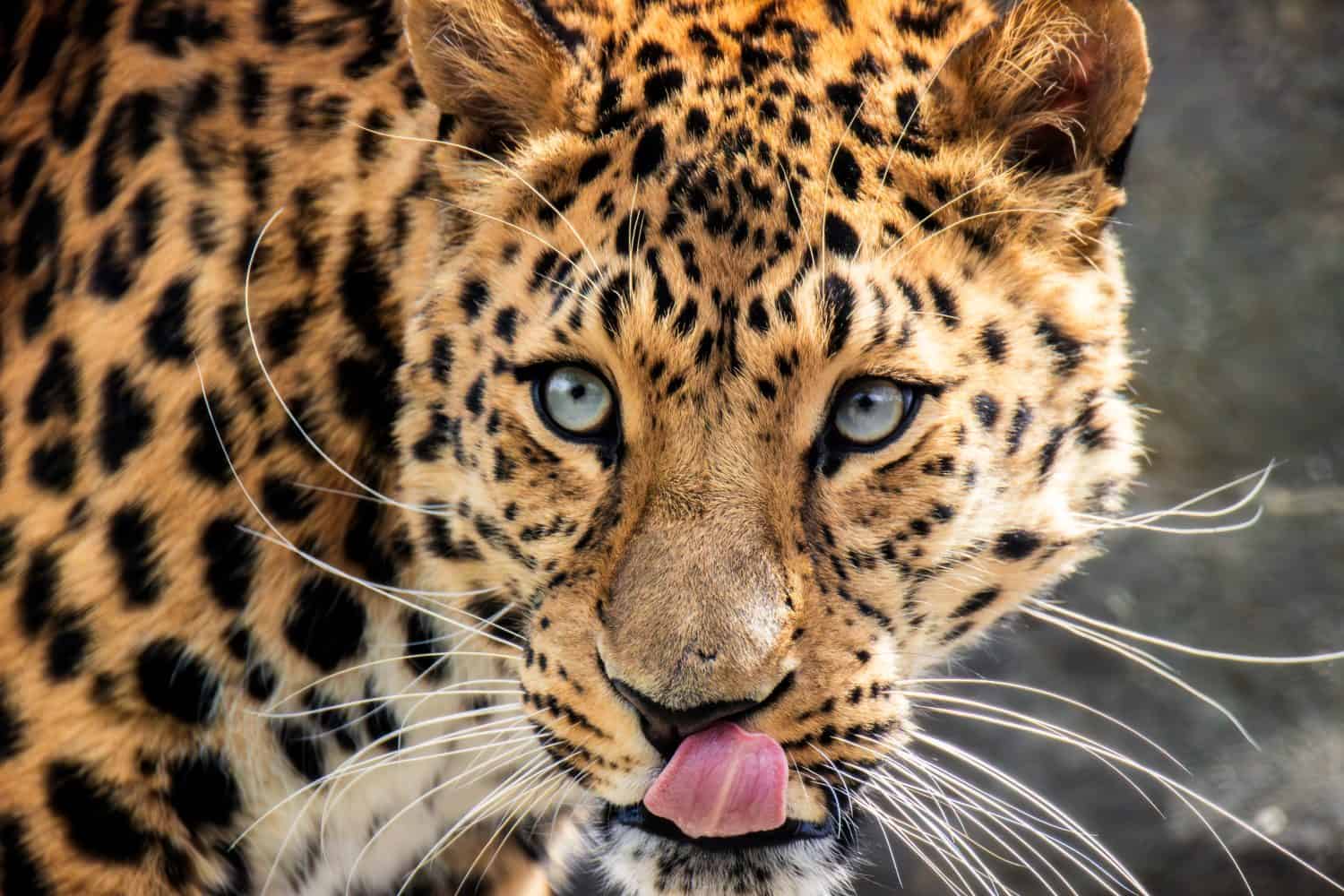
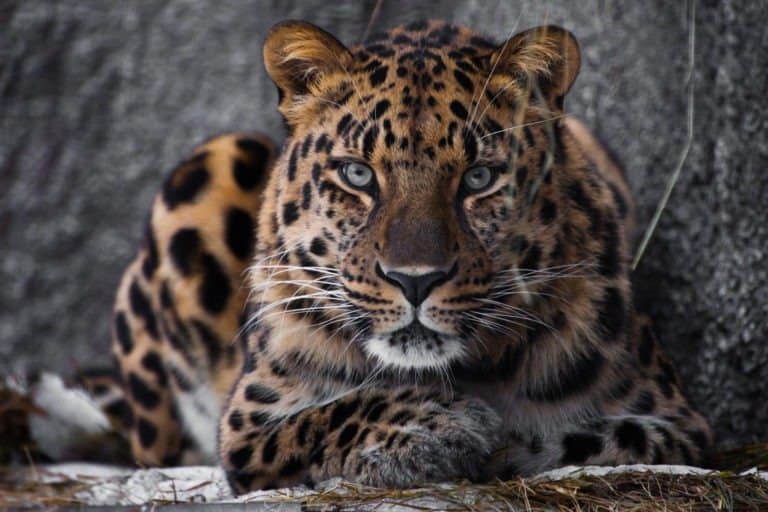
Amur leopards have fewer than 130 individuals left in the wild.
©Earl Wilkerson/Shutterstock.com
According to Mark Wanner, this precious birth was years in the making. “We have been doing introductions with this pair for about three years,” he explains. With each carefully monitored meetup, the pair moved a step closer to becoming a successful breeding pair. These efforts are an integral part of the Species Survival Plan (SSP), a program designed to ensure the long-term survival of endangered species. Selecting breeding pairs that ensure genetic diversity helps keep the population healthy and resilient.
Some of the biggest threats to these creatures are habitat loss, climate change, illegal wildlife trade and poaching. Since they are a species listed as critically endangered, cubs born at zoos could potentially contribute to reintroduction and, eventually, wild populations. Though these wins are motivating, it’s important that we continue to act to help mitigate some of the damage we have done to the planet. “If we do not do something now…..who knows what the future is going to look like”, Wanner states. Organizations like Brookfield Zoo demonstrate that simply visiting the zoo can help support conservation efforts for the planet and its most important species.

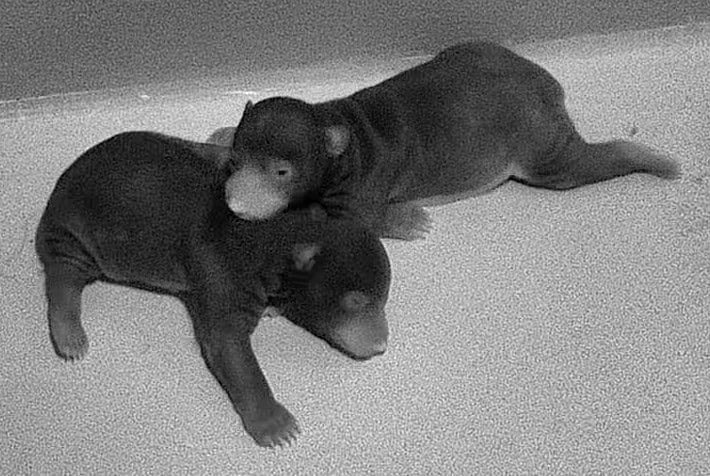
This screenshot from a video of the new cubs is enough to melt your heart!
©Brookfield Zoo Chicago
We linked the full interview below, where we discussed how SSP works and why moments like these help to motivate other conservation efforts.