
Quick Take
- The first thing hoofstock keepers do each morning has nothing to do with animals, and that single task is the reason everything else goes right. See the morning routine →
- Burnout in zoo keeping looks almost identical to burnout in one other profession, and the reason why might surprise you. Explore keeper burnout →
- Getting a large animal to hold still for a blood draw sounds impossible, but that changes once you understand the trick Brookfield's team uses to make it routine. See how blood draws become routine →
Long before the gates open each day, the Brookfield Zoo hoofstock team is already deep into a race against the clock. Keepers haul feed totes, scrub habitats, and carefully check each animal. For Nancy Kauffman, who directs the team, this early rush is where the day’s foundation is laid.
“Everything we do in those first few hours sets the tone for the animals and for us,” Kauffman says. “By the time visitors arrive, the animals should be fed, comfortable, and settled. That doesn’t happen by accident.”
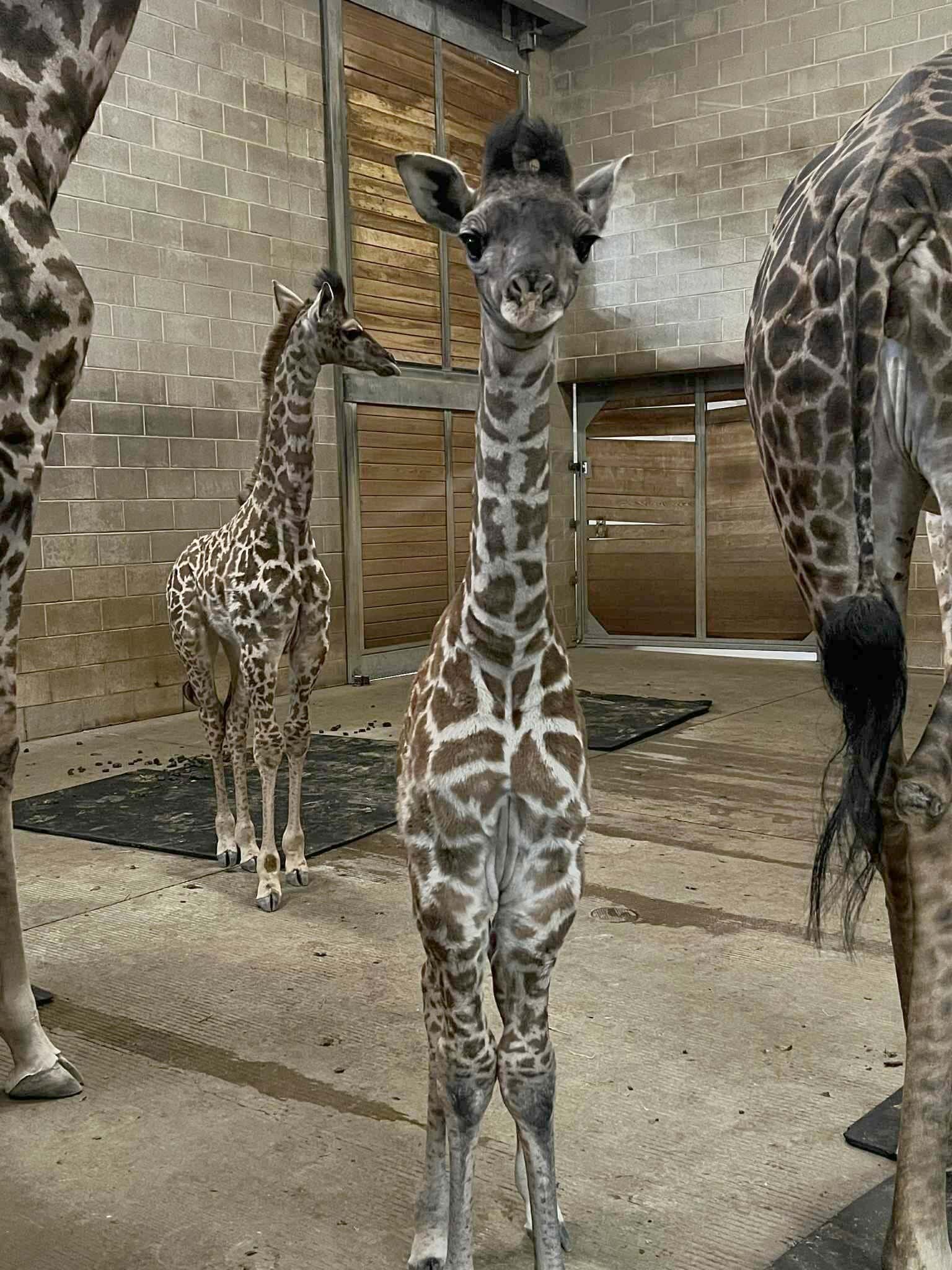
A day in the life of zookeepers who care for giraffes, rhinos, zebras, okapi, bison, or other hoofstock is never boring.
©Nancy Kauffman, Director of Hoofed Mammals Care and Conservation at Brookfield Zoo Chicago – Original / License
A Morning Built on Precision
The routine starts with reviewing records, rather than with physical labor. Keepers begin by reviewing the previous day’s notes in ZIMS, a database shared among accredited zoos for tracking animal data and coordinating transfers.
“ZIMS is our memory,” Kauffman explains. “We check medications, note anything unusual from yesterday, and plan the day around each animal’s needs before we ever step into a habitat.”
From there, keepers move into morning rounds. They confirm that each animal is where it should be, alert, and healthy. Only then do feeding and cleaning begin, with a tight window of about three hours in which to complete these tasks.
“You’re feeding, cleaning, checking water, and watching behavior all at once,” she says. “There’s no wasted motion. Ten o’clock comes fast.”
Different species add additional layers of complexity. Some animals eat grass hay, others alfalfa or grain, and aquatic hoofstock species need salt added to their diets. Each habitat has its own rhythm, from scrubbing a giraffe’s watering hole to sorting fresh feed for the addax, a type of antelope.
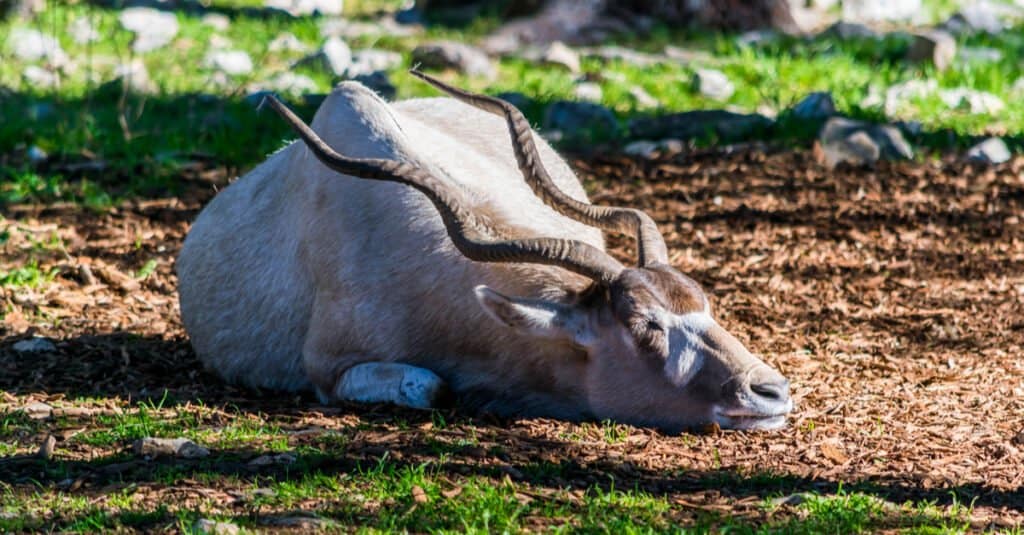
Each species brings its own care requirements, from specialized diets to habitat-specific routines, whether that means preparing feed or supplements for the addax.
©Begir/Shutterstock.com
The Physical Reality
The work is physically demanding in ways that many visitors never see. Keepers move 100-pound feed totes and haul hay bales weighing between 50 and 75 pounds. Operating tractors, heavy lifting, and covering long distances across the zoo grounds are simply part of the job.
“People picture keepers cuddling baby animals,” Kauffman says. “The reality is a lot more manual labor. You’re strong by the end of your first year, whether you planned to be or not.”
The zoo’s sprawling layout makes the job even more challenging. Because hoofstock animals are housed in large, separate areas, keepers must travel significant distances to cover their shifts or respond to animal needs. Weather also shapes each day. Heat waves force adjustments to shift schedules, and animals from different climates react differently.
“Our desert species love a hot afternoon,” she notes. “Others want the cool indoor dens. We give animals choice and control wherever we can, so they can move to where they’re most comfortable.”
Safety and the Weight of the Work
Working with powerful animals demands constant focus. Knowing animal behavior is essential for safety, as a mistake could injure a keeper or an animal.
“Reading behavior keeps everyone safe,” Kauffman says. “You have to anticipate how an animal might respond before you ask anything of it. That awareness never turns off while you’re on habitat.”
That constant vigilance takes a toll—something she doesn’t downplay. The mental load—checking locks, confirming medications, and managing risk for herself, her team, and the animals—can wear on people over time.
“The burnout in this field is real, and it looks a lot like what you see in healthcare,” she says. “You’re managing serious risk all day, and then you go home still thinking about the animal that seemed a little off. The emotional commitment doesn’t clock out when your shift does.”
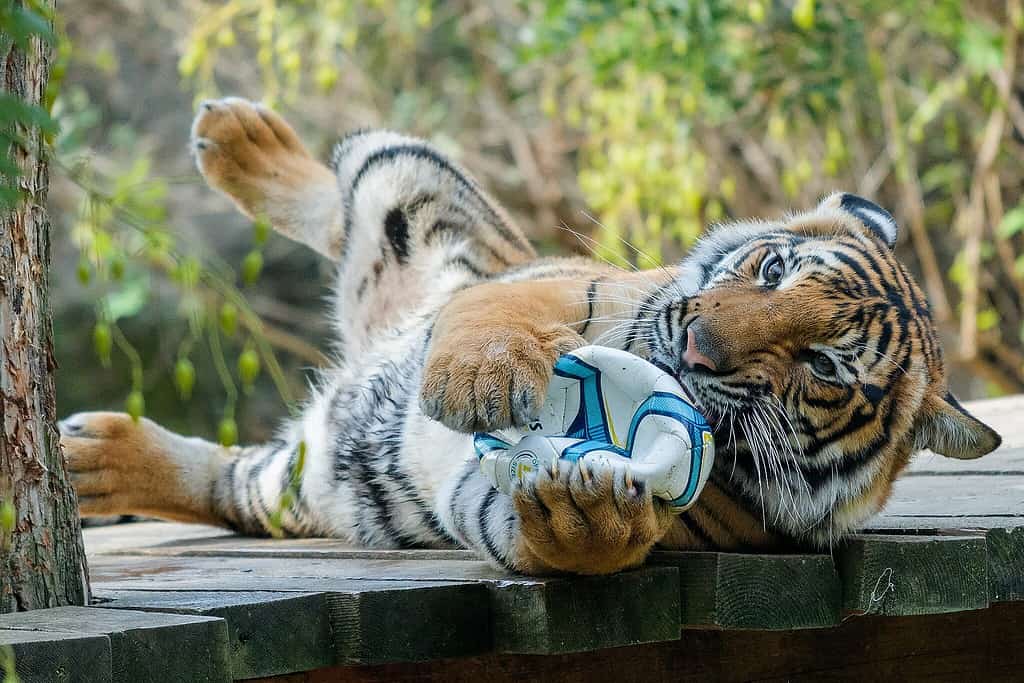
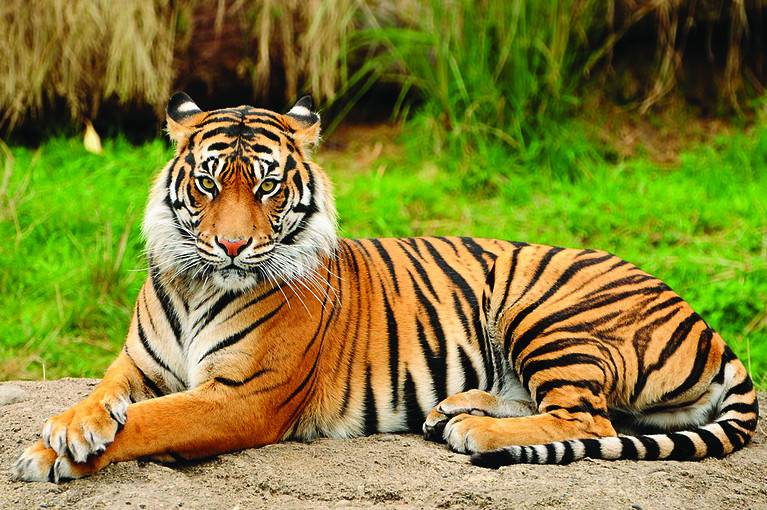
Enrichment activities keep big cats busy.
Training, Enrichment, and Smarter Care
One of the most rewarding parts of the job, Kauffman says, is watching animals participate willingly in their own care. Brookfield employs dedicated behavior and enrichment specialists who focus on husbandry training and research on natural behaviors.
Training teaches animals to voluntarily cooperate with procedures such as blood draws, hoof trims, and medication administration.
“When an animal offers a foot for a hoof trim or holds still for a blood draw, that’s a huge win,” she says. “It reduces stress for them and risk for us. It changes everything about how care gets delivered.”
Enrichment adds another dimension, especially cognitive challenges for intelligent species—at Brookfield, this includes great apes and big cats in addition to hoofstock. Puzzles and problem-solving tasks keep sharp minds engaged, and the payoff runs both ways.
“Sometimes an animal solves a puzzle so fast it humbles you,” Kauffman says. “Those moments are rewarding for the keepers, too. It reminds you how smart these animals really are.”
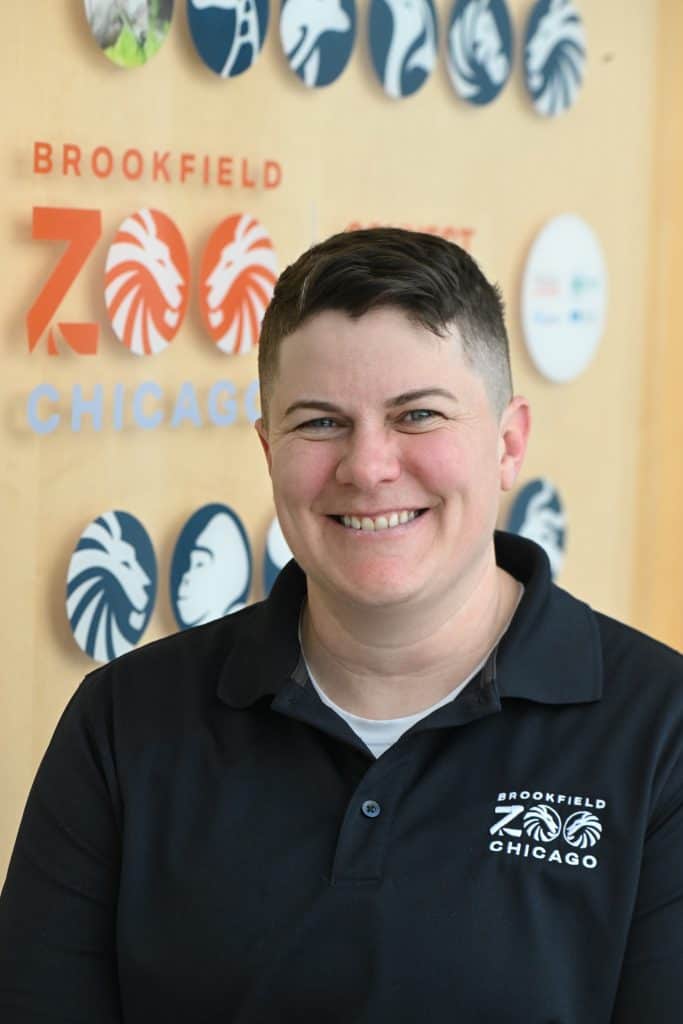
Nancy Kauffman, Director of Hoofed Mammals Care and Conservation
A Team Effort
No keeper works alone for long. The hoofstock team includes 13 keepers plus Kauffman, along with floaters. Keepers often start their shifts solo and rely on strong communication until another team member arrives.
The veterinary support behind them is deep. Brookfield employs six clinical veterinarians, several residents, and ten veterinary technicians, all supported by a partnership with the University of Illinois and a large pathology team.
“Our vet techs are incredibly responsive,” she says. “A quick text can set an emergency response in motion. That collaboration between keepers, vets, and researchers is what makes comprehensive care possible.”
A Career Built on Curiosity
Kauffman’s path to becoming director spans more than a decade and several major institutions. She worked with elephants and predators at Busch Gardens Tampa and managed African elephants in North Carolina before coming to the Brookfield Zoo.
“Every animal and every facility taught me something,” she says. “That range of experience shapes how I lead now. I can talk husbandry with my keepers because I’ve done the work myself.”
She’s grown to appreciate the Midwest, including its quirks—from humid summers to what locals call ‘corn sweat.’ What keeps her in the field is the unpredictability.
“No two days are the same,” she says. “The physical and mental challenges are real, but I get to work closely with fascinating animals. That never gets old.”
The Rewards That Keep Her Going
Despite all the demands, the milestones make the grind worthwhile. A training breakthrough. A newborn’s first wobbly steps. Nursing an at-risk animal back toward stability.
“When an animal that struggled finally turns a corner, or when a baby takes those first steps, that’s the payoff,” Kauffman says. “Those moments remind you why you do this.”
Her advice for anyone drawn to this work is straightforward: expect long hours, hard labor, and emotional weight—but also expect meaning.
“This job asks a lot of you,” she says. “It also gives back in ways nothing else can. You’re improving lives every single day, and you can feel it.”