
Quick Take
- A bite that fades in days can hide something that surfaces years later.
- This fly's bite feels worse than a mosquito's for a very specific reason.
- A Texas rodent is quietly helping this threat spread.
Some insects are like nightmares incarnate. From biting to stinging to the infections in between, there are several insects you just don’t want to tango with. If you thought mosquitoes were bad, then Phlebotomine sand flies are truly Satan’s henchmen.
Not only do these blood-sucking flies leave itchy red welts, but they can also transmit parasitic diseases. And if you thought a mosquito net was enough to keep these tiny, winged bugs out, think again. They’re small enough to slip through, but big enough that their bites cause severe, long-term damage.
What Are Sand Flies?
Sand flies are small, blood-sucking insects that are found in many warm tropical, subtropical, and semi-arid areas. They breed on land in moist, sheltered spots such as rodent burrows, soil cracks, and tree roots, depending on the climate. This makes them prevalent on almost every continent and a nuisance in many parts of the world.
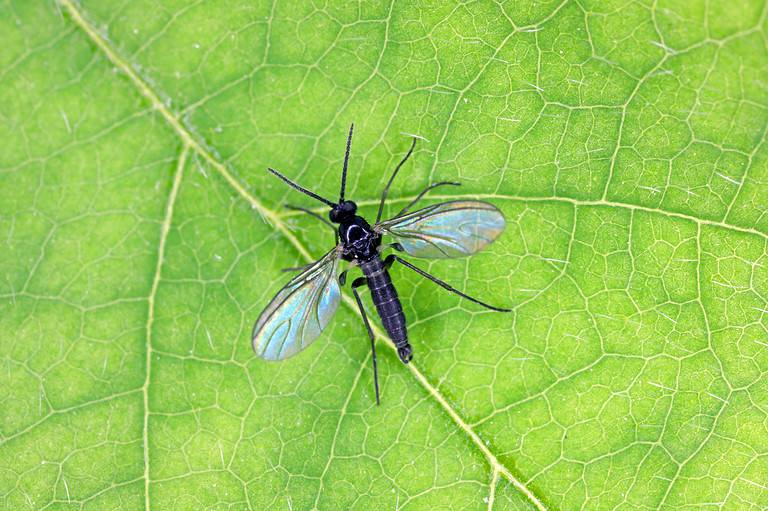
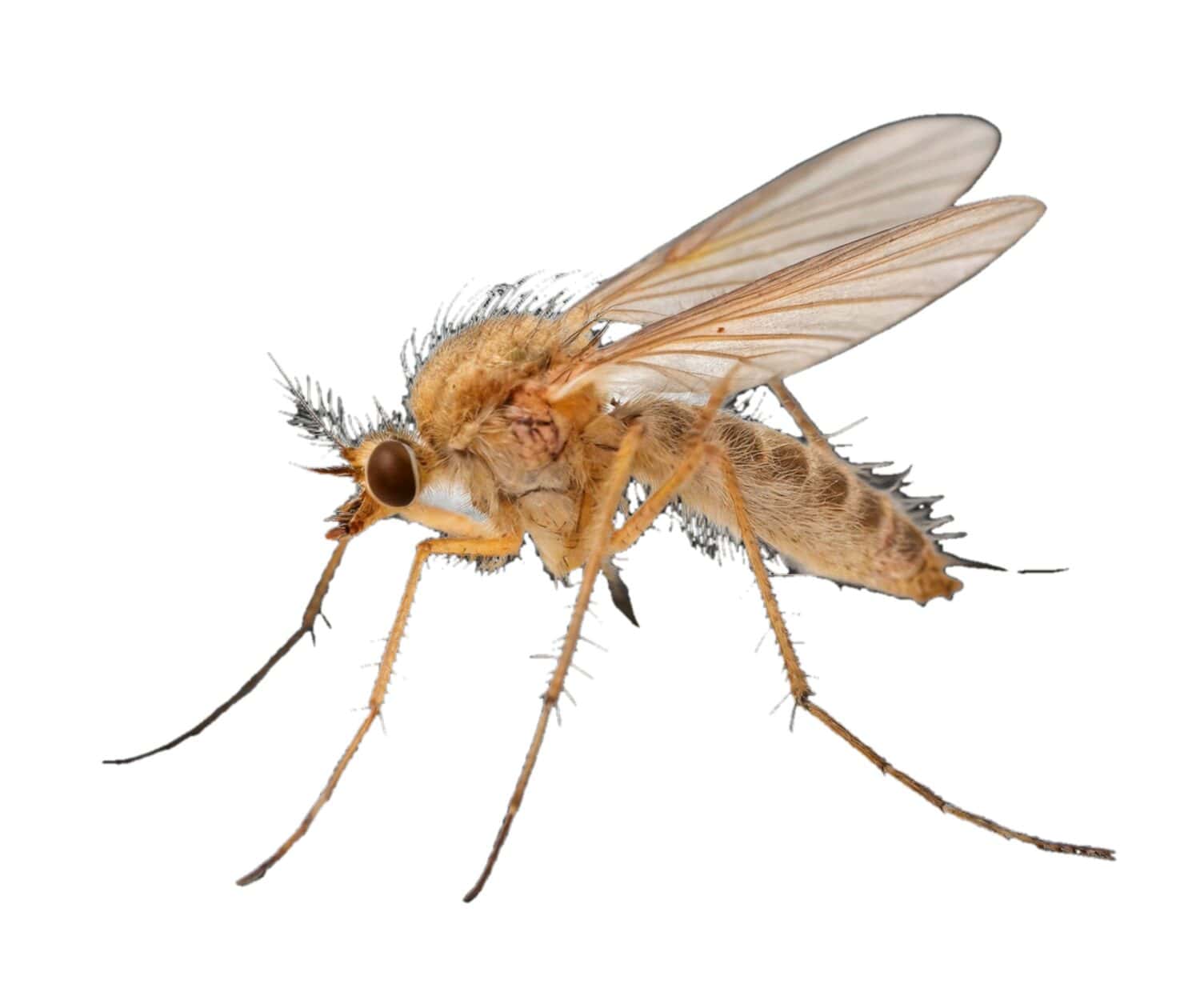
Only females need blood to survive because it supports egg development. To do this, females feed on mammals after dusk and hide during the day. At only 3.5 millimeters at most, they’re some of the smallest flies in the world. It’s nearly impossible to see them coming unless you catch their short, stop-and-go flight patterns.
Sand flies are difficult to see, but you’ll feel their bites.
©alishbazulfiqar/Shutterstock.com
They look like a cross between a fly and a mosquito, with furry bodies and long legs. Their V-shaped wings don’t carry them far, so they land every few feet before taking off again. If a female is lucky enough to land on a human or an animal, she cuts into the skin with a blade-like mouthpiece.
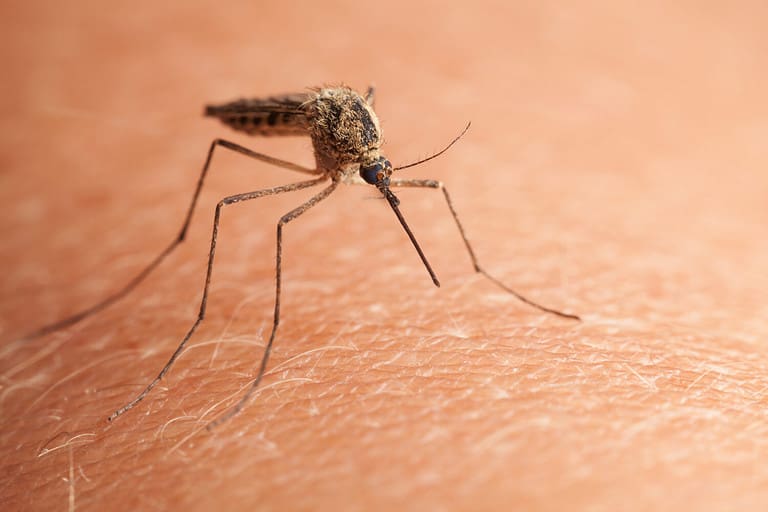
This is far messier than a mosquito‘s sharp, needle-like proboscis or a spider’s fangs. As females suck up blood oozing from the newly created wound, they aren’t just swapping saliva—they might also be swapping parasites.
Sand Flies Can Carry a Host of Parasitic Diseases
The first symptom of a sand fly bite is pain. The back-and-forth cutting motion they use to open the skin makes the wound more painful than a typical bite. They do this to encourage blood pooling, which is how females feed. While they do this, they also inject saliva with anticoagulant properties. This makes the wound bleed incessantly and also transmits bacteria and parasitic disease.

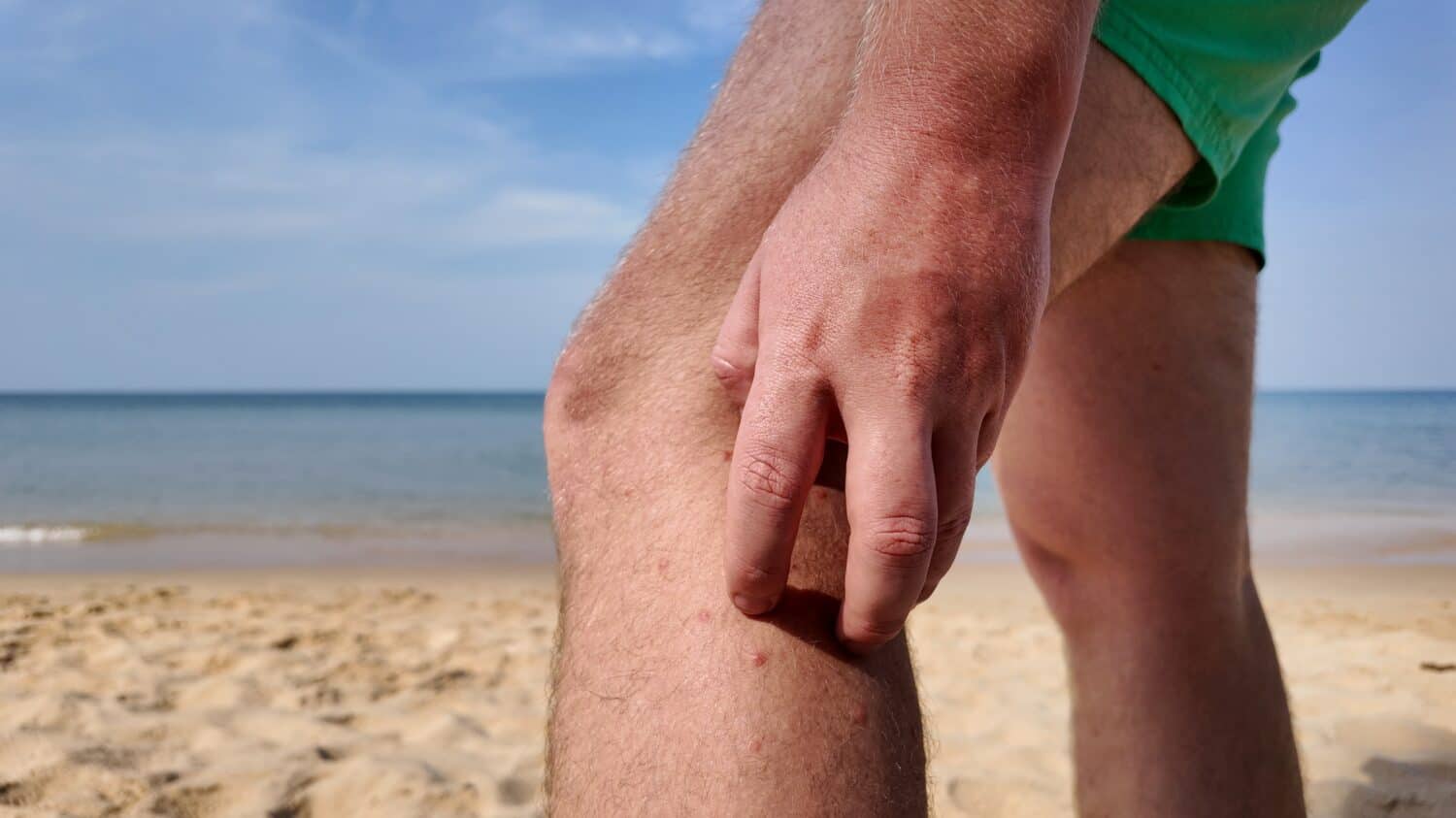
Most people don’t realize they’ve been bitten until they find bleeding welts.
©Iurii Stepanov/Shutterstock.com
By the time the sand fly is done feeding, the wound is likely nothing more than a bleeding welt. Histamines in the fly’s saliva make it itchy and irritated, but that’s not a sign of anything beyond a bug bite. If a person has the parasitic disease Leishmaniasis, they may not know it for weeks or even years.
The bite itself typically clears up within a week. What’s left in the bite, however, takes time to cause symptoms.
The Types of Leishmaniasis and Their Symptoms
If that wasn’t concerning enough, Leishmaniasis has three primary types. Sand flies can carry any of them, and each has different symptoms.
| Leishmaniasis Type | Symptoms |
| Cutaneous Leishmaniasis | Skin ulcers, painful sores, and permanent scarring in most cases |
| Mucosal Leishmaniasis | Persistent stuffiness, frequent nasal discharge, nasal swelling, frequent nosebleeds or crusty discharge, throat pain, chronic dry cough, difficulty swallowing, small bumps in nasal cavities, nasal cartilage erosion over time |
| Visceral Leishmaniasis, or Kala-Azar (Black Fever) | Swelling of the spleen and liver, distended stomach, severe weight loss, extreme fatigue, anemia, patchy dark skin spots, gastrointestinal bleeding |
Of the three types of Leishmaniasis, Cutaneous Leishmaniasis is the mildest. Thankfully, it’s also the most common form. However, its symptoms can be extremely unpleasant, and all forms of Leishmaniasis require prompt medical attention.
Mucosal and Visceral Leishmaniasis can both be fatal without proper treatment. Visceral Leishmaniasis requires more immediate attention due to the extreme nature of its symptoms, including internal bleeding. Unfortunately, symptoms can remain dormant for years, and a person may forget they were bitten by a sand fly.
6.3
confirmed Leishmaniasis cases a year in Texas, on average since 2007
Leishmaniasis Reservoirs Found In Texas
Since 1945, more than 80 cases of locally acquired Leishmaniasis have been documented in Oklahoma, Arizona, and Texas. The latter is a known animal reservoir, with sand flies using wood rats, specifically, to feed and reproduce. This means Leishmaniasis can lie dormant for years and spreads quickly as rodent populations grow.
Texas has been monitoring Leishmaniasis cases since 2007, with an average of 6.3 confirmed cases annually. However, that number sometimes reaches 13, and experts believe it may even be underreported. Because Leishmaniasis carriers can remain asymptomatic for years, there’s no concrete data on transmission or how many people are infected each year.
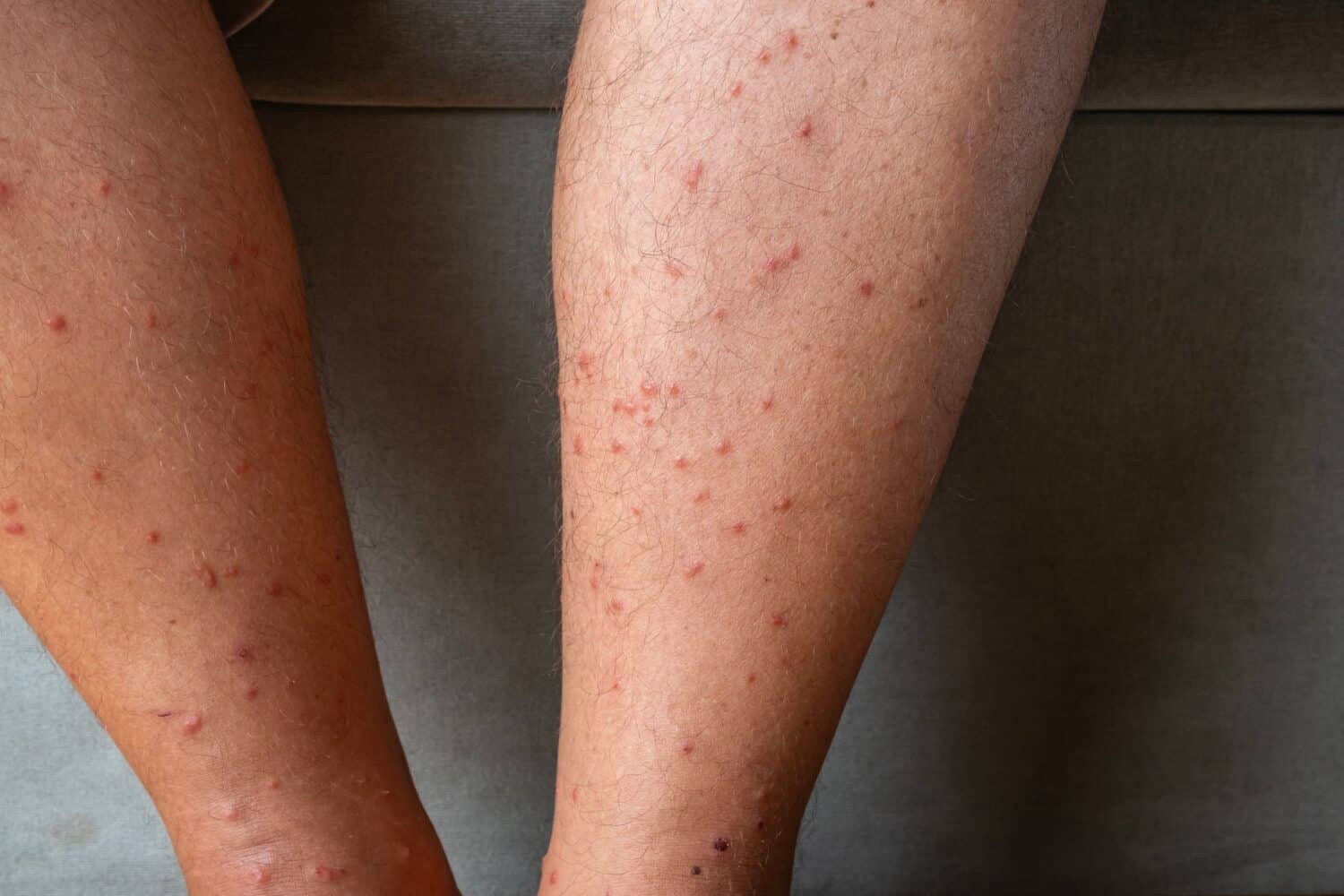
Leishmaniasis is rare, but local transmissions have been recorded in three states.
©Sergey Dudikov/Shutterstock.com
As of 2026, no vaccines or medications prevent Leishmaniasis, though doctors can treat it once diagnosed. The number one treatment is prevention, which includes:
- Wearing long sleeves and pants in areas where sand flies are common
- Using an EPA-registered insect repellent that contains DEET
- Treating clothes and camping supplies with permethrin
- Limiting outdoor activity in sand fly areas between dusk and dawn
The NIH also recommends protecting your home and pets against sand flies. Covering holes around windows and AC units and using fine mesh or insecticide-treated bed nets are good practices. For pets, use animal-safe topical insecticides or deltamethrin-impregnated collars.