
In L. Frank Baum’s The Wizard of Oz, Dorothy was concerned about lions and tigers and bears, which are frightening, but the true killers of the animal kingdom are far less obvious. The most dangerous creatures on the planet are not the common suspects. In fact, many of the world’s deadliest animals weigh less than one pound. While it is important to respect lions and tigers and bears, perhaps Dorothy should have been more concerned about tapeworms, mosquitoes, and snails. From parasites and viruses to trampling and mauling, read on to discover the 10 animals responsible for the most human fatalities each year.
10. (tie) Elephant/Hippopotamus: 500 Lives
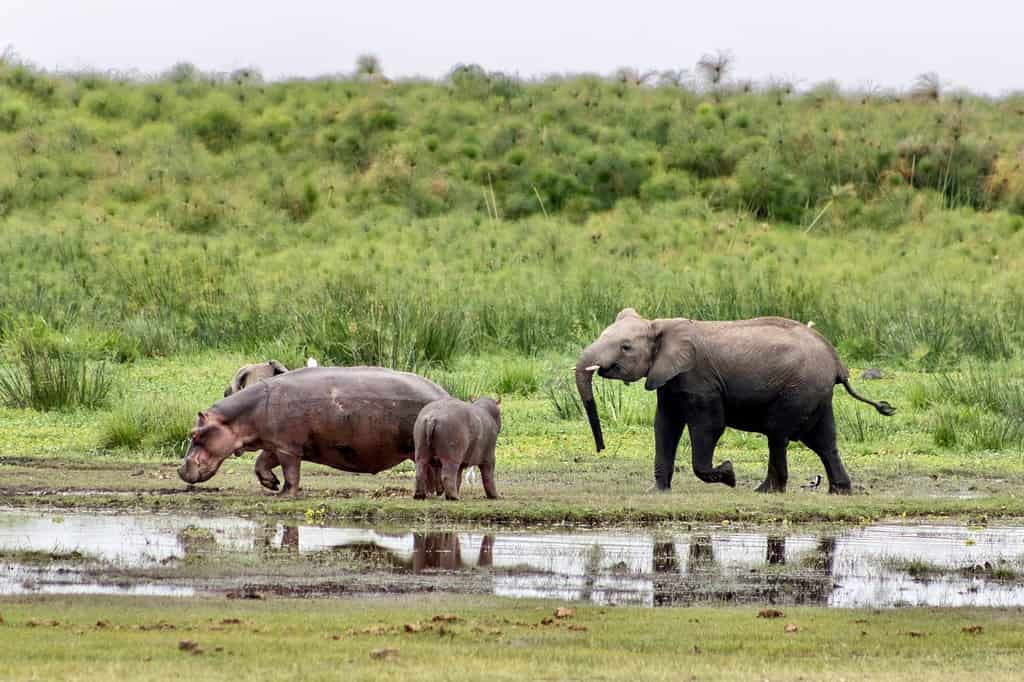
Elephants and hippopotamuses are responsible for 500 human deaths each year, respectively.
©Kaitlind Fasburg/Shutterstock.com
The only living member of the order Proboscidea, elephants are the largest land animal. They are also one of the most dangerous. Elephants are tied with hippopotamuses (Hippopotamus amphibius) when it comes to lethality. Hippos are the third-largest land mammals, smaller only than elephants and rhinoceroses. The semiaquatic hippo is known for its aggressive behavior. Hippos have been documented ramming and capsizing small boats. In 2014, a hippo killed 13 people by capsizing a boat in Niger.
Elephants, on the other hand, are known for their retaliatory violence. During the 1970s and 1980s, elephant populations were culled across Africa. Adolescent elephants responded by attacking villages in what are believed to be acts of revenge. However, elephants are also responsible for instigating violence. For example, male Asian elephants (Elephas maximus) have attacked villages at night. These night attacks were responsible for over 2,800 fatalities in India between 2019 and 2023.
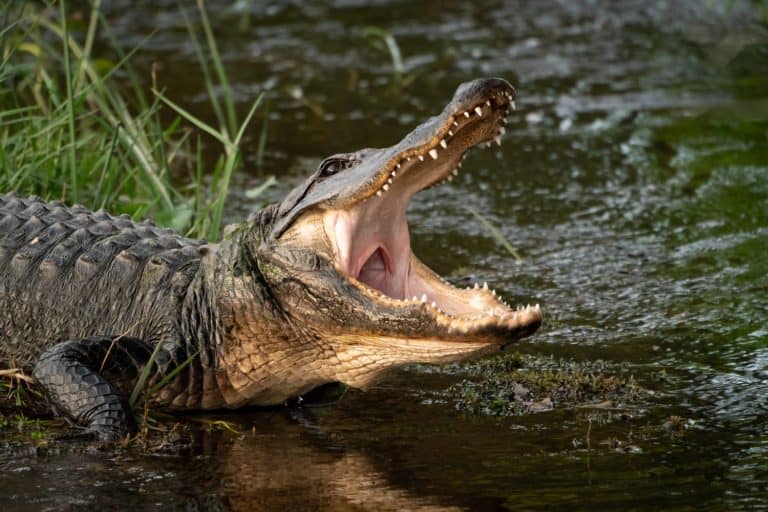
9. Crocodile: One Thousand Lives
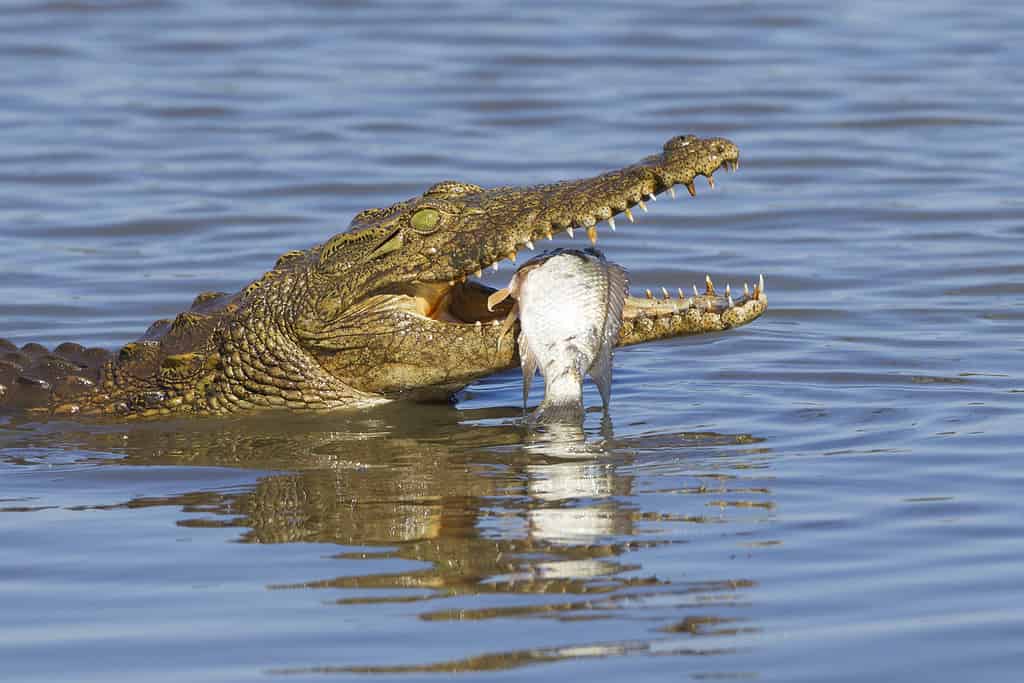
Not typically aggressive toward humans, when they are startled or provoked, crocodiles may attack.
©StuPorts/iStock / Getty Images Plus via Getty Images
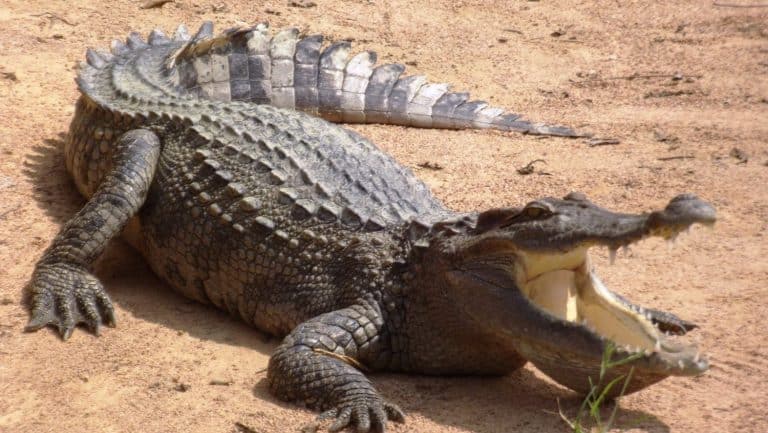
One of the more obvious suspects on this list, the tropical semiaquatic crocodile (Crocodylidae), claims approximately 1,000 human lives annually. Two species have garnered a reputation for preying on humans: the Nile crocodile (Crocodylus niloticus) and the saltwater crocodile (Crocodylus porosus). It is estimated that half of their attacks are fatal. Hundreds of these annual fatalities are attributed to the Nile crocodile in sub-Saharan Africa.
8. Tapeworm 700-2,000 Lives
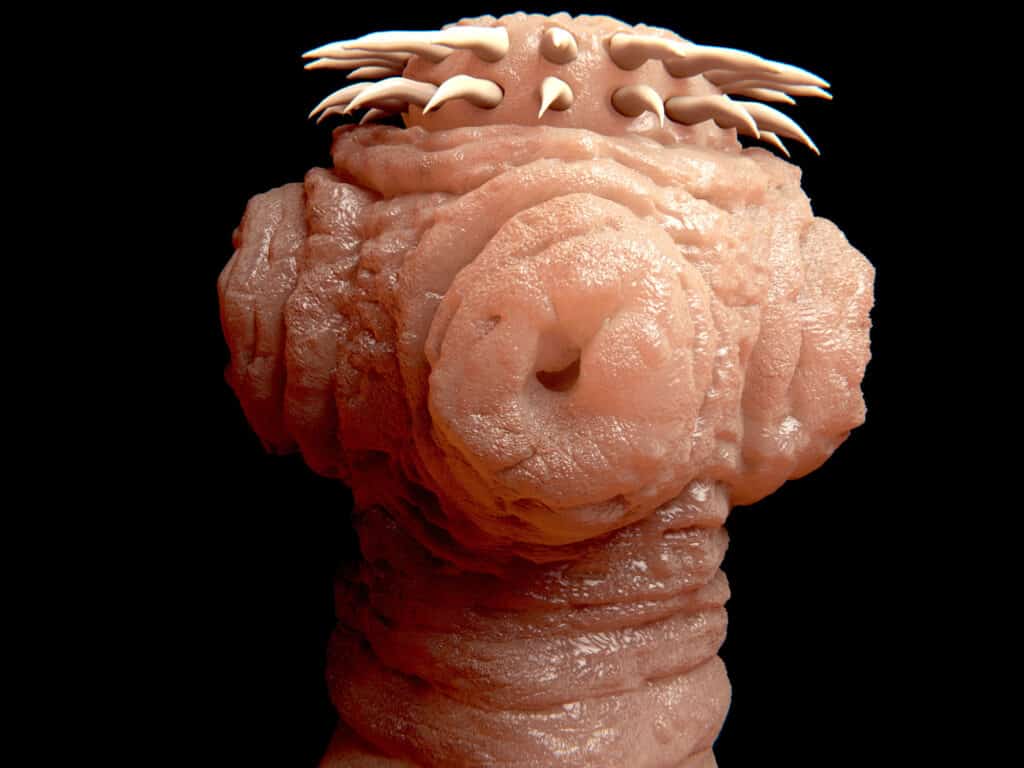
Tapeworms attach their heads to the intestine’s inner wall and absorb the nutrients from the food the host ingests.
©iStock.com/
Tapeworms are dangerous, potentially deadly parasites that can cause severe health complications. These creepy crawlers, of which there are 5,000 documented species, can invade vital organs, disrupting normal body functions. Some species, like the pork tapeworm (Taenia solium), can lead to neurocysticercosis (NCC), in which larvae form cysts in the brain, causing seizures, neurological damage, and even death. The pork tapeworm can grow up to 6 feet long and live for up to 20 years.
7. Roundworm (Ascaris): 2,500 lives
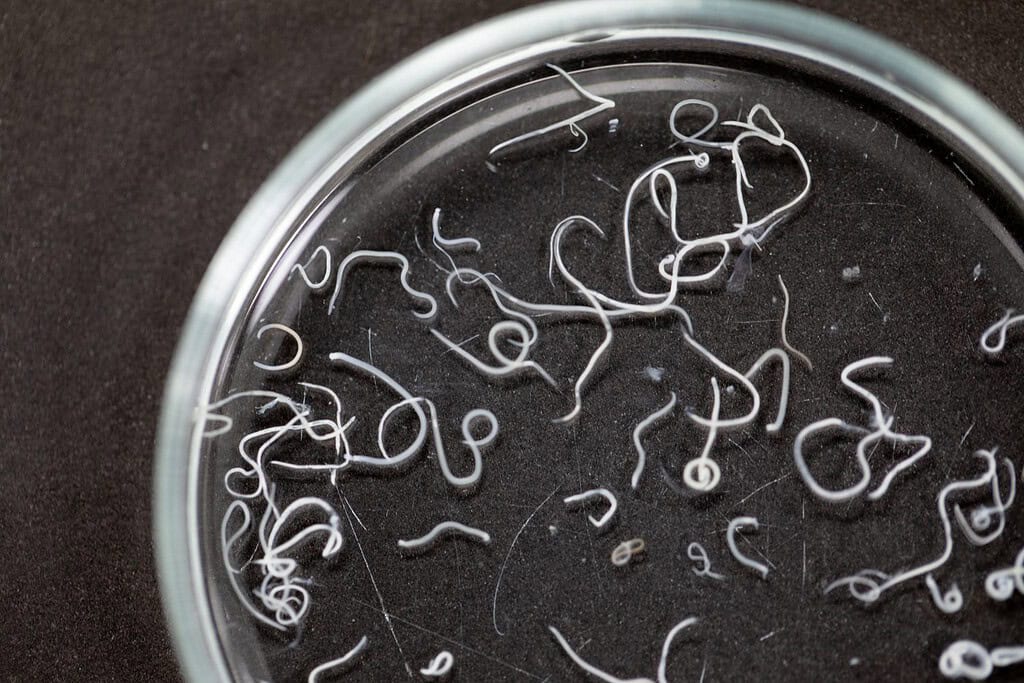
Ascariasis is a disease caused by the parasitic roundworm Ascaris lumbricoides
©Rattiya Thongdumhyu/Shutterstock.com
Ascaris is a genus of parasitic roundworms, commonly known as ascarids, that infect the intestines of humans and other animals. The most well-known species is Ascaris lumbricoides, which infects humans, while Ascaris suum primarily infects pigs, though cross-infections are possible. While Ascaris suum primarily infects pigs, it can be transmitted to humans through contact with contaminated soil or produce.
These worms can grow quite large, with females reaching lengths of 8 to 14 inches and males measuring 6 to 12 inches long. They can have a diameter of up to 0.25 inches. Ascariasis, the disease caused by Ascaris, is the most prevalent soil-transmitted infection worldwide, affecting an estimated 700–900 million people globally at any given time. It is considered a neglected tropical disease and can lead to significant health issues, particularly in children, including malnutrition, growth retardation, cognitive impairment, and, in severe cases, intestinal obstruction and death.
6. Scorpion: 3,250 Lives
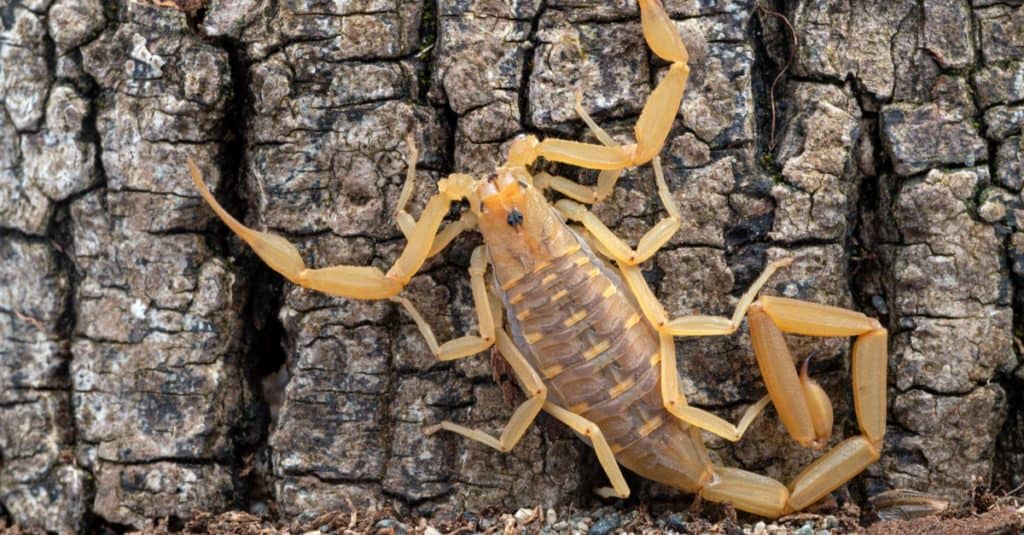
The Arizona bark scorpion is the only scorpion in the United States that possesses venom that can be potentially life-threatening.
©Ernie Cooper/Shutterstock.com
Of the 2,000 cataloged species of scorpions worldwide, about 25 possess venom potent enough to seriously harm a healthy adult human. While all scorpions have venom, the vast majority are only harmful to small prey, such as insects. The deadliest scorpion species is the Indian red scorpion (Hottentotta tamulus). The Indian red scorpion is primarily found in India, Eastern Pakistan, Nepal, and Sri Lanka. Native to North Africa and the Middle East, the deathstalker scorpion (Leiurus quinquestriatus) is also quite venomous.
In North America, the Arizona bark scorpion (Centruroides sculpturatus) is the most venomous and is considered dangerous. While not typically fatal, its venom can cause severe pain, numbness, and muscle spasms. The Arizona bark scorpion is common in the Southwestern U.S., particularly in Arizona.
5. Tsetse Fly: 10,000 Lives
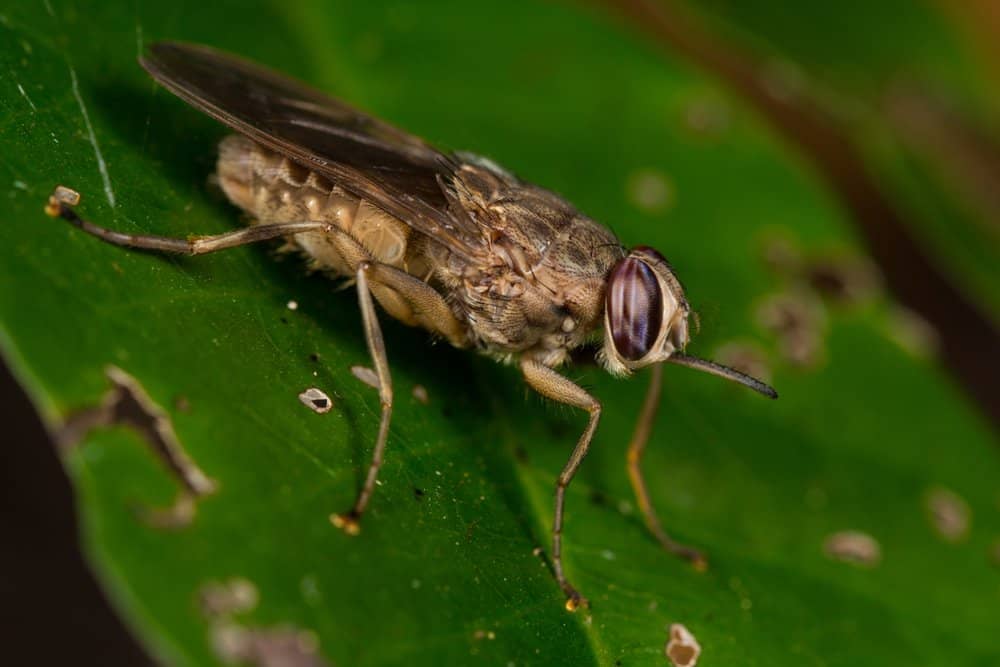
This insect transmits a parasite called Trypanosoma brucei that causes African sleeping sickness (Human African trypanosomiasis), which can be fatal if left untreated.
©Jaco Visser/Shutterstock.com
The tsetse fly, found exclusively in Africa, transmits Trypanosoma brucei, the parasite that causes African sleeping sickness. When an infected fly bites a human, the parasite is injected into the victim’s bloodstream. These microscopic parasites multiply, eventually crossing into the central nervous system. This leads to severe neurological symptoms such as confusion, disrupted sleep patterns, seizures, and, if left untreated, coma and death.
Historically, the tsetse fly has been responsible for approximately 10,000 human deaths per year. Thanks to successful control efforts, as of 2025, the World Health Organization reports that annual deaths from African sleeping sickness have decreased to fewer than 1,000.
4. Assassin Bug: 10-12,000 Lives
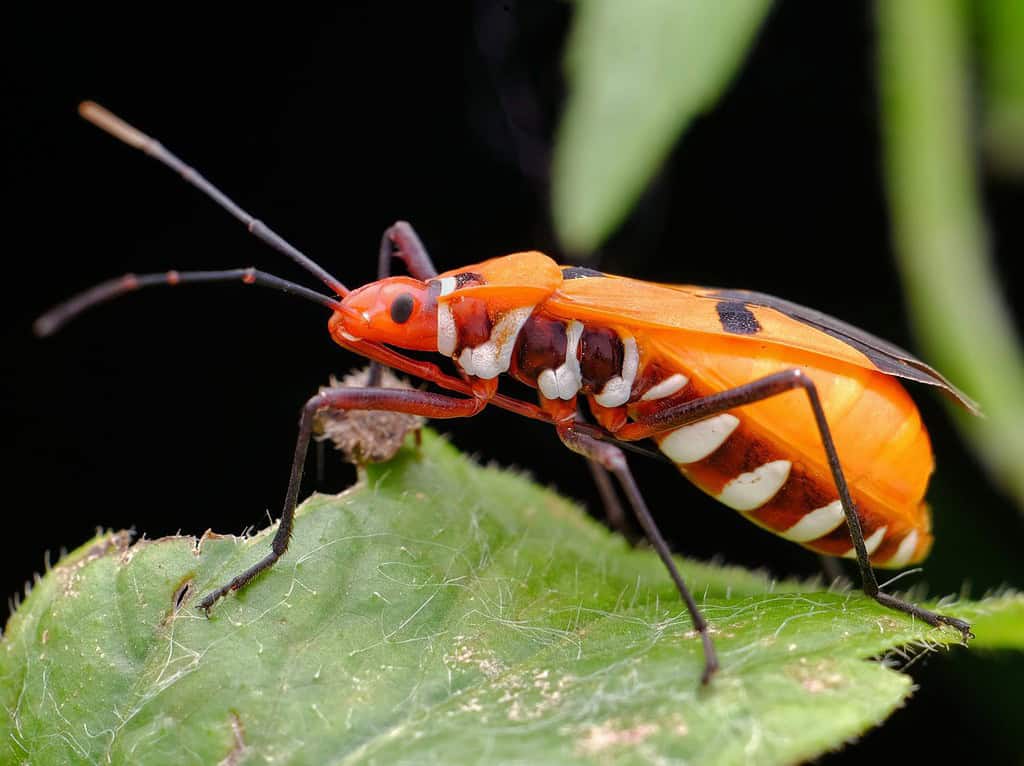
Out of the roughly 7,000 species of assassin bugs, only a small percentage are considered dangerous to humans.
©Nasrul_hakiiiim/Shutterstock.com
Also called kissing bugs or vampire bugs, the assassin bug (Triatominae) is responsible for transmitting the parasite Trypanosoma cruzi, which causes Chagas disease. Unlike other deadly insects, assassin bugs spread the parasite through their feces, often while biting a person near the mouth or eyes during sleep. Once in the body, the parasite can cause long-term damage to the heart and digestive system. Often undetected for years, chronic Chagas disease can lead to heart failure, stroke, or death, making the assassin bug a silent but deadly killer. While most cases occur in Central and South America, these bugs are also found in parts of the Southern United States, where several native species are already established.
3. Freshwater Snail: 10-20,000 Lives
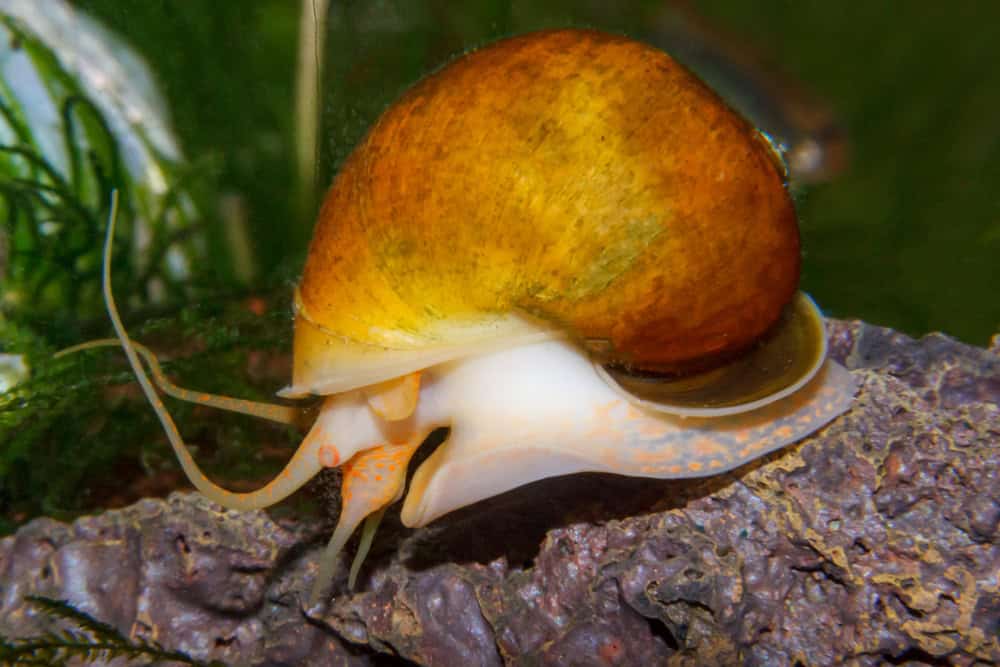
Apple snails, native to Africa and South America, are known for their large size and ability to live both in water and on land.
©justin wearne/Shutterstock.com
Of the more than 4,000 known species of freshwater snails worldwide, fewer than 100 (2–3%) are considered dangerous to humans. Despite their small percentage, these snails play a significant role in the transmission of diseases that affect an estimated 140–240 million people globally, mainly in tropical and subtropical regions with poor water and sanitation. The harmful species belong to the families Planorbidae and Lymnaeidae, which serve as hosts for parasitic flatworms, such as Schistosoma, which causes schistosomiasis, and Fasciola hepatica, which transmits fascioliasis.
Schistosomiasis, also known as snail fever, can lead to death due to chronic organ damage. While the disease is rarely fatal in its acute phase, long-term, untreated infections can cause serious, even fatal, conditions such as liver failure, kidney failure, and bladder cancer. Although fascioliasis is potentially serious and life-threatening when left untreated, human deaths from the disease are uncommon.
2. Dog: 59,000 Lives

While responsible for thousands of deaths annually, most deaths from dogs are attributed to rabies.
©iStock.com/alexandrshevchenko
Dogs are responsible for tens of thousands of human deaths each year, primarily from the transmission of rabies, a serious viral disease. Infected dogs spread rabies through their saliva, typically via bites. Without prompt treatment, the virus attacks the central nervous system, leading to death in nearly all cases.
The vast majority of fatalities from rabies occur in Asia and Africa, where access to vaccines and post-exposure treatment is limited. Despite being preventable through vaccination, rabies transmitted by dogs remains a major global health threat, responsible for 59,000 deaths annually. Excluding rabies, very few human deaths are directly attributed to dogs each year. Dogs are responsible for several hundred deaths globally each year, including more than 80 annually in the U.S.
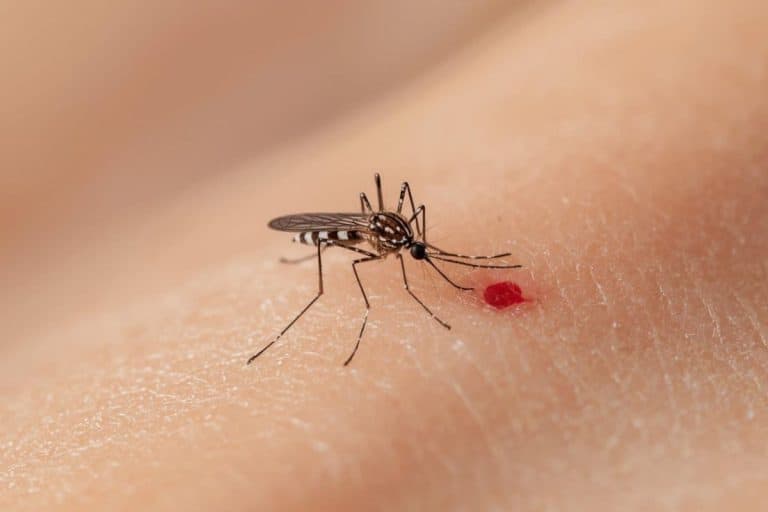
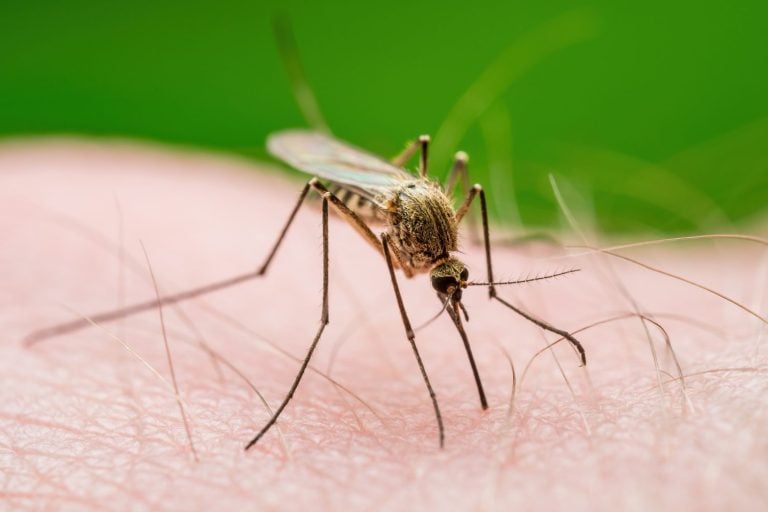
1. Mosquito: 600,000 Lives
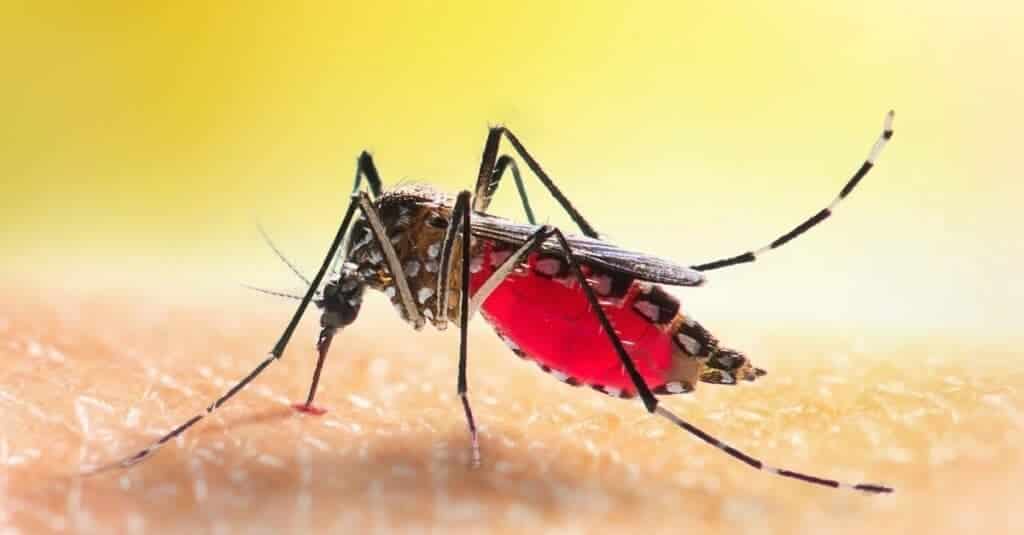
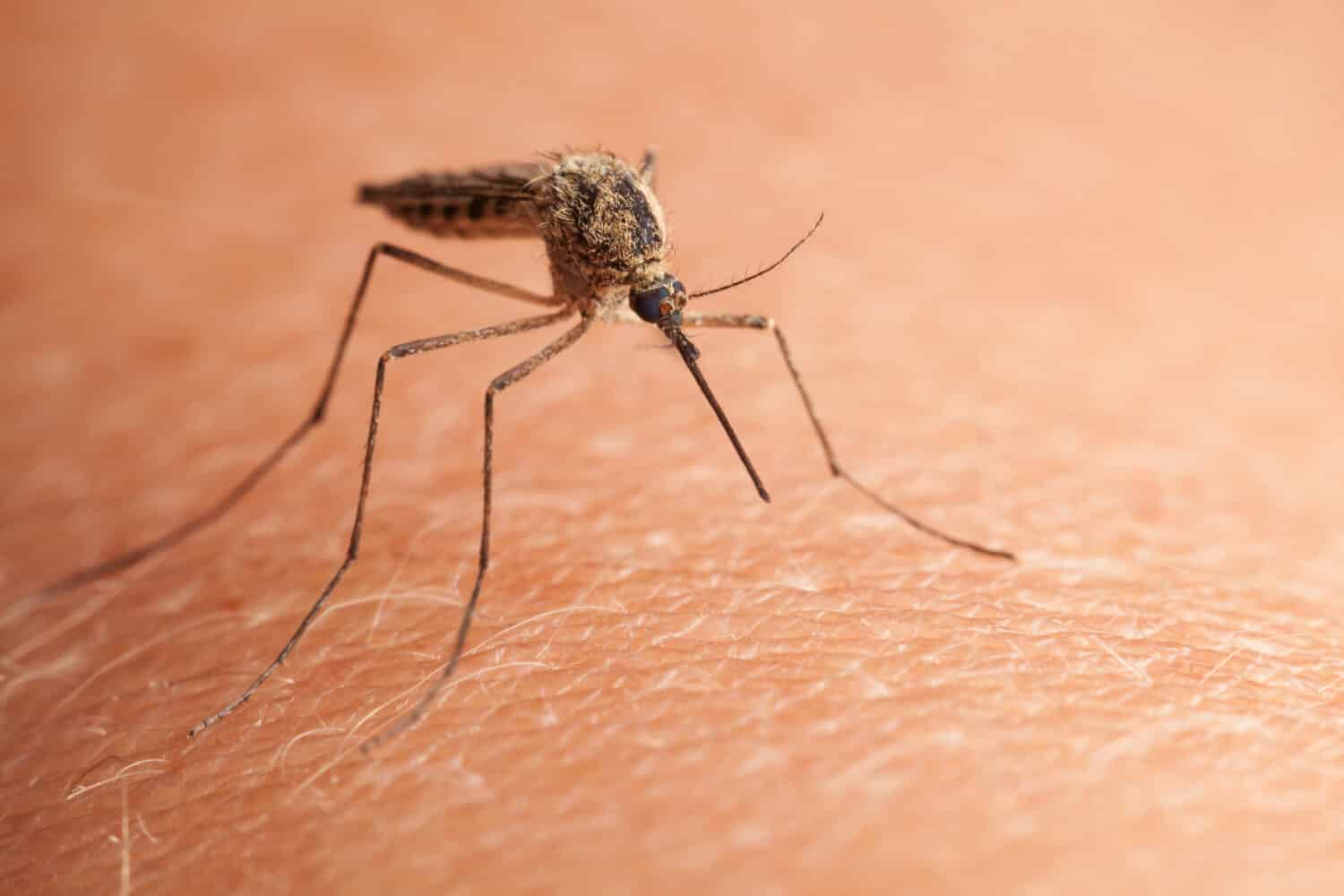
Mosquitoes are considered the deadliest animal on Earth because they are vectors for diseases like malaria, dengue fever, and West Nile virus, which can be fatal.
©iStock.com/panom
Despite their small size, mosquitoes have an outsized impact on global health, causing suffering and death on a massive scale. This makes them by far the most dangerous animals to humans. Mosquitoes are the deadliest animals on Earth, responsible for approximately 600,000 to 700,000 human deaths each year. They are vectors for several life-threatening diseases, including malaria, dengue fever, Zika, yellow fever, and chikungunya. Malaria, which causes nearly 600,000 human deaths annually, accounts for the majority of mosquito-borne deaths, primarily in sub-Saharan Africa.