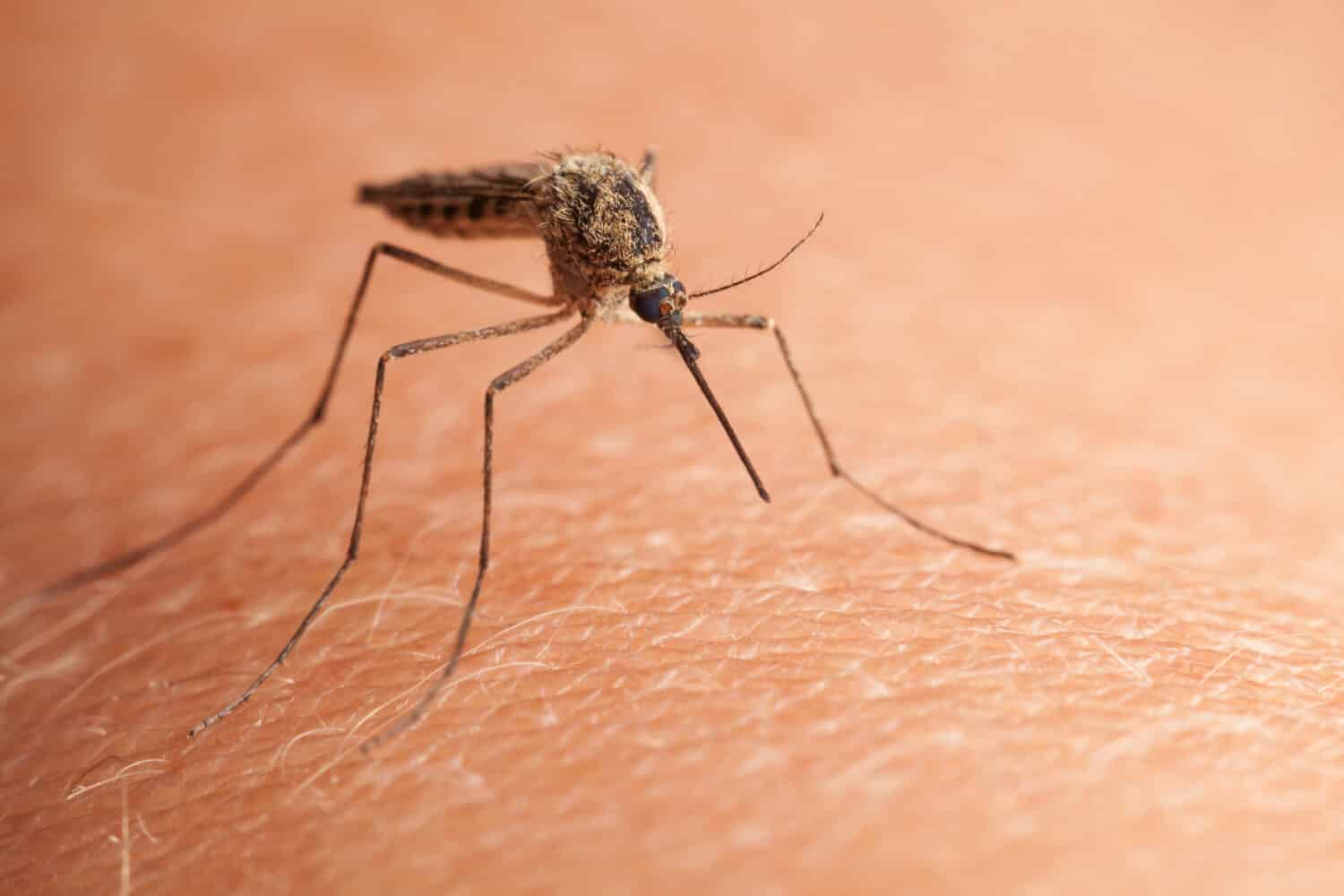

Insects are a common culprit for the spread of disease. Unfortunately, these tiny pests live among us all, and avoiding them altogether can be impossible at times. From the housefly on your kitchen table to the mosquito in your backyard, these insects can pass on deadly viruses and bacteria.
Keep reading to learn how insects spread disease — and what you can do to lessen your risk.
Common Insects That Spread Disease
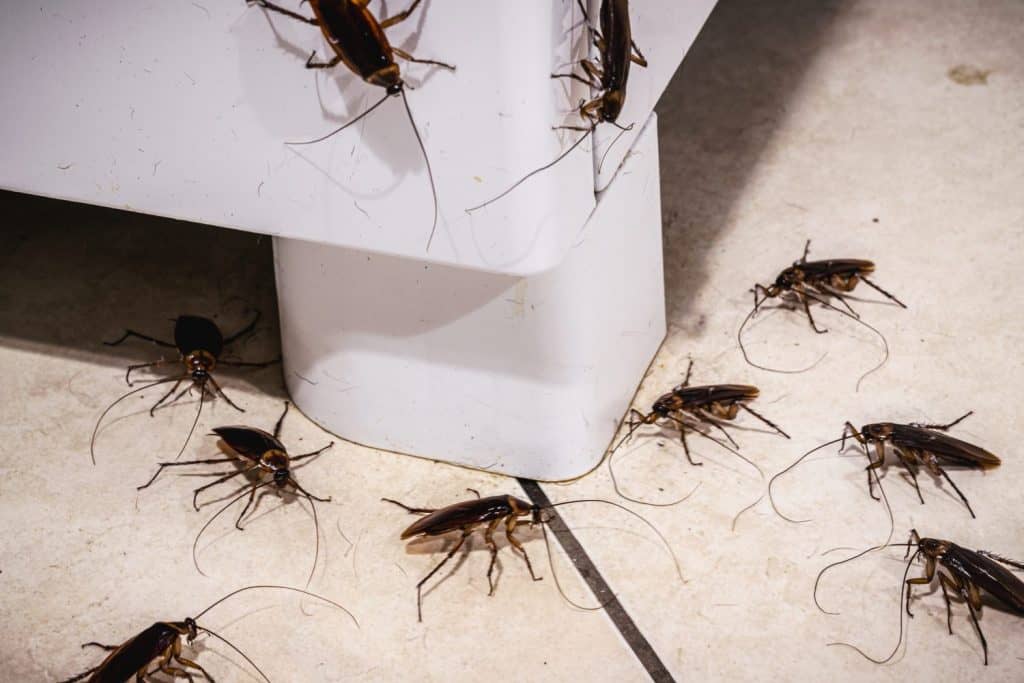
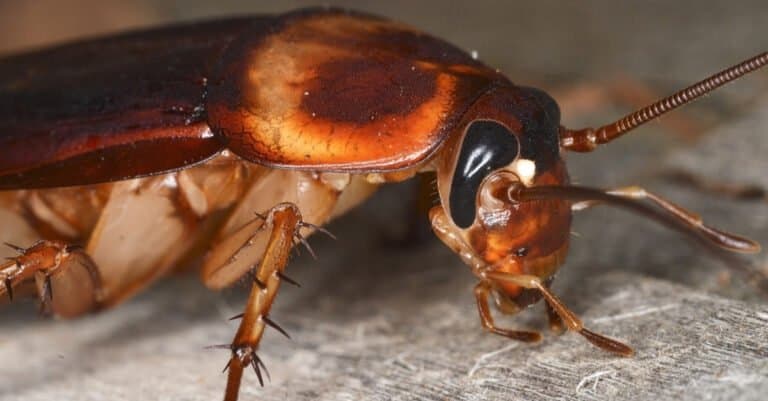
Cockroaches carry a variety of dangerous pathogens.
©RHJPhtotos/Shutterstock.com
Understanding which insects carry disease is crucial, as awareness can save lives. Here are the most common disease-spreading insects — and how you can prevent them near your home.
Mosquitoes
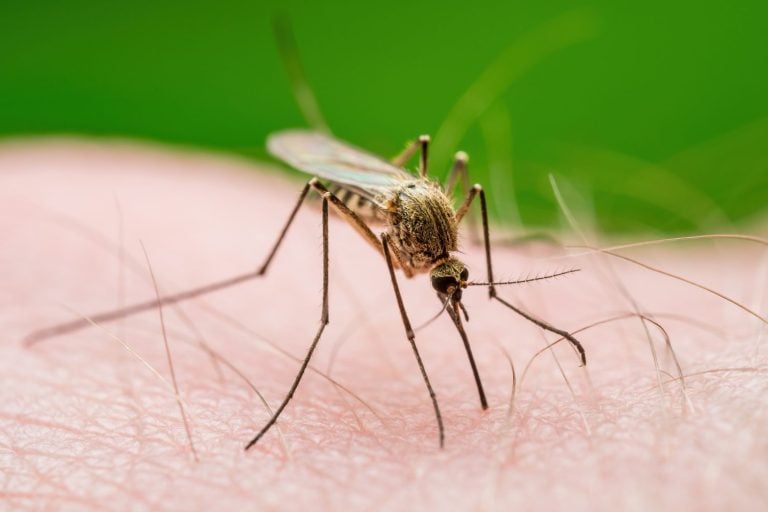
Mosquitoes are infamous for their disease transmission. Unfortunately, if the mosquito is carrying pathogens, a simple bite can infect an individual with a variety of diseases.
“Mosquitoes are one of the deadliest insects because of the number of diseases they can spread,” says David Price, Associate Certified Entomologist and Vice President of Strategic Growth at Mosquito Joe, a Neighborly company. “Some diseases include the West Nile virus, malaria, and dengue fever.”
Perhaps the most concerning fact about mosquitoes is that they’re seemingly everywhere during the warmer months. It’s common for people to walk away with 10+ bites in just one evening in a mosquito-riddled area. However, after being bitten, those itchy bumps are the least of your concerns. Many believe it’s rare to be infected with a serious disease from mosquitoes, or that it only happens in certain regions of the world. However, that mindset is dangerous.
According to Scot Hodges, A.C.E. certified entomologist with Arrow Exterminators, “2024 saw increased West Nile Virus reports in states like Georgia, Mississippi, Texas, etc. Additionally, dengue is on the rise globally, and Southern states like Florida and Texas have reported local transmission of this mosquito-borne disease.”
To prevent mosquitoes from gathering near your home, Hodges recommends eliminating all sources of standing water. This includes wading pools, birdbaths, and even flowerpots. He also advises removing unnecessary vegetation. Additionally, make sure you patch up or repair any broken window screens, as these insects can slip through the smallest of holes. And, of course, don’t forget to wear repellent when leaving the house.
Cockroaches
Another unfortunately common household pest is the cockroach. While many people fear their large size and resilience, the most concerning trait of cockroaches is their ability to carry numerous diseases.
“Cockroaches carry allergens and pathogens such as Salmonella, Staphylococcus, and E. coli,” says Price. “They are also linked to asthma and allergic reactions.”
Often, where there’s one cockroach, there are many more lurking in the shadows or hiding in your walls, coming out to raid your pantry at night. These creepy critters are attracted to food and will often crawl all over your countertops, in your sinks, and even on your food. They carry a range of pathogens on their bodies and in their droppings (which they leave behind).
To prevent these pests, you’ll want to keep a clean home. However, that’s not always enough, especially if you live in an apartment building or near bodies of water in damp, humid environments. If you notice a cockroach (even just a baby one!) in your home, immediately call an exterminator. Attempting to get rid of them yourself is a difficult and time-consuming process.
Mosquitoes are one of the deadliest insects because of the number of diseases they can spread.
David Price, Associate Certified Entomologist and Vice President of Strategic Growth at Mosquito Joe
Houseflies
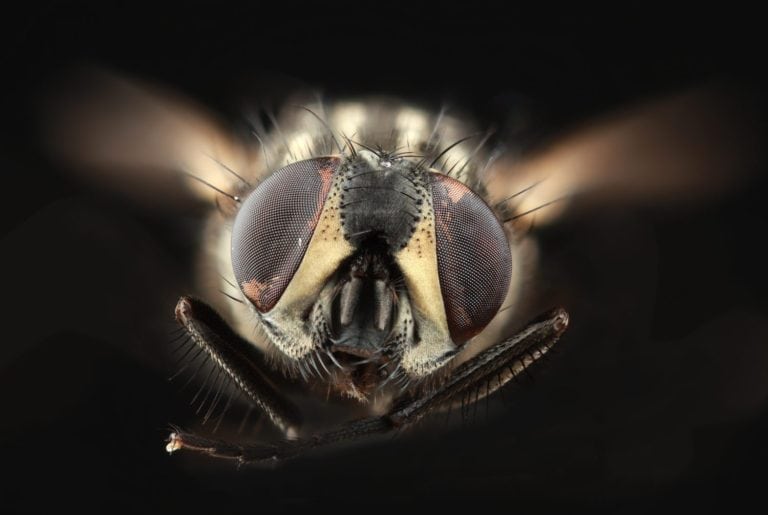
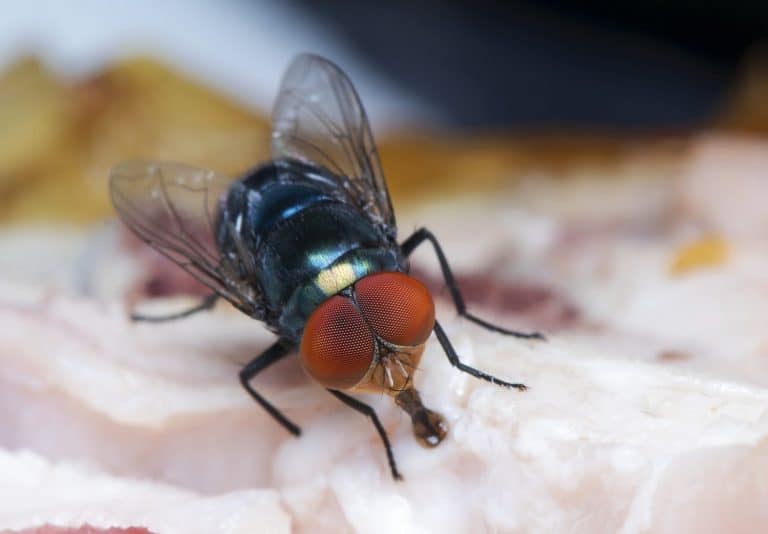
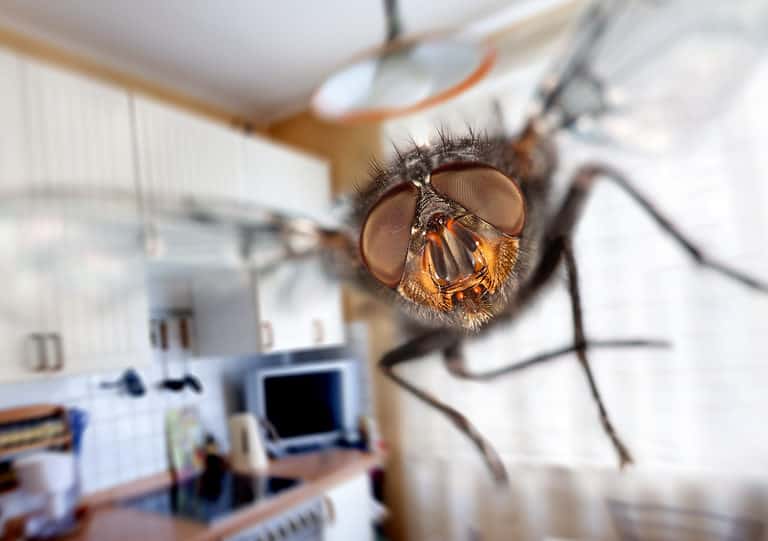
Houseflies are found almost everywhere, including restaurants and cafes. For example, as I write this article at my local coffee shop, there is one buzzing around my head. Not to mention, as most insects do, they lack personal space and boundaries, landing on your food or sipping your drink. Unfortunately, despite being common, they’re also filthy creatures that carry various diseases.
“One [insect] some people might not think about is houseflies,” says Price. “Houseflies are known to carry around 60 disease-causing organisms, like E. coli and Salmonella.”
The best way to prevent houseflies in your home is by eliminating food and breeding sources. Clean your dishes after meals, wipe up spills, and take out the trash often. If you notice multiple flies within your home, be sure to contact an expert, as this might mean an animal has died in your vents and is attracting the pests.
Kissing Bug
Conenose bugs, also called kissing bugs, are becoming more common in the U.S. right now. These insects carry a parasite called Trypanosoma cruzi, which lives in the guts of over half of kissing bugs in the U.S., the New York Post recently reported. This parasite is known to cause Chagas disease, a deadly infection. Kissing bugs are considered endemic in Mexico and certain regions of Central and South America. They feed on our blood, typically biting their victims on the face (near the eyes or mouth).
After being infected with Chagas disease, many people remain symptom-free for months or even years, which can delay proper treatment and increase the risk of long-term complications. Some develop fevers, aches, and vomiting, among other flu-like symptoms, within a month. However, eventually, the disease can cause serious health issues, like gastrointestinal problems, heart failure, and sudden death.
Ticks
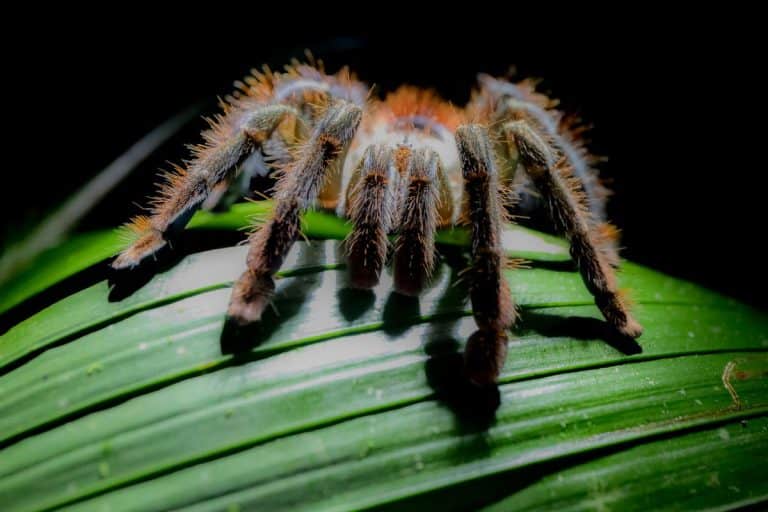
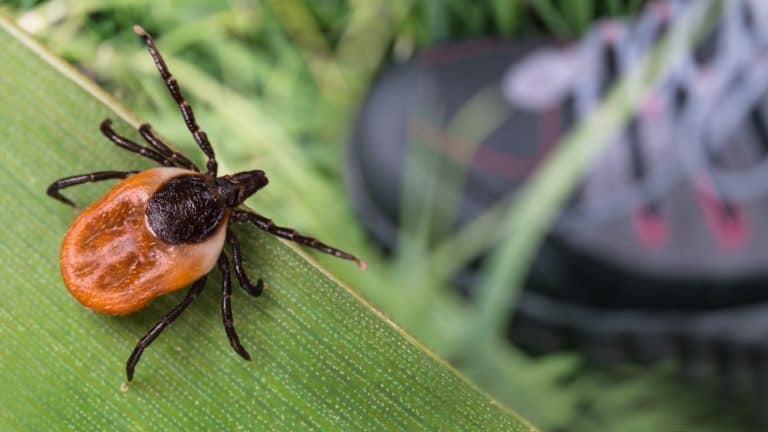
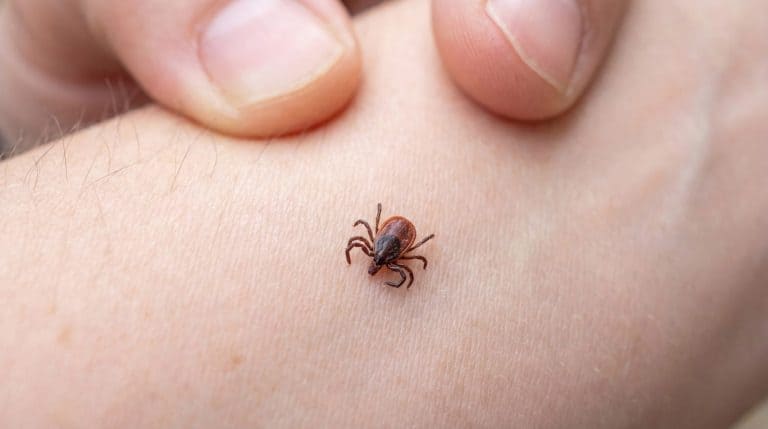
Technically, ticks aren’t insects. However, similar to mosquitoes, they can spread some life-threatening diseases through their bite. I’d be remiss not to add them to this list.
“Although not an insect, ticks, an arachnid, are also known for carrying diseases such as Lyme disease, Rocky Mountain spotted fever, and babesiosis,” Price explains.
According to Hodges, these pests often find their way inside people’s homes, especially during the summer. If you have any pets or are struggling with a rodent problem, you might notice ticks crawling around your house. During active tick seasons, make sure to regularly check yourself and your pets for embedded ticks.
Thankfully, there are some ways you can help prevent ticks from entering your space or infecting you and your loved ones in the first place.
“Keep grass cut short, seal cracks where ticks can hide, apply repellent with DEET, and check pets regularly after time outdoors,” Hodges recommends.
How Do Insects Spread Diseases?
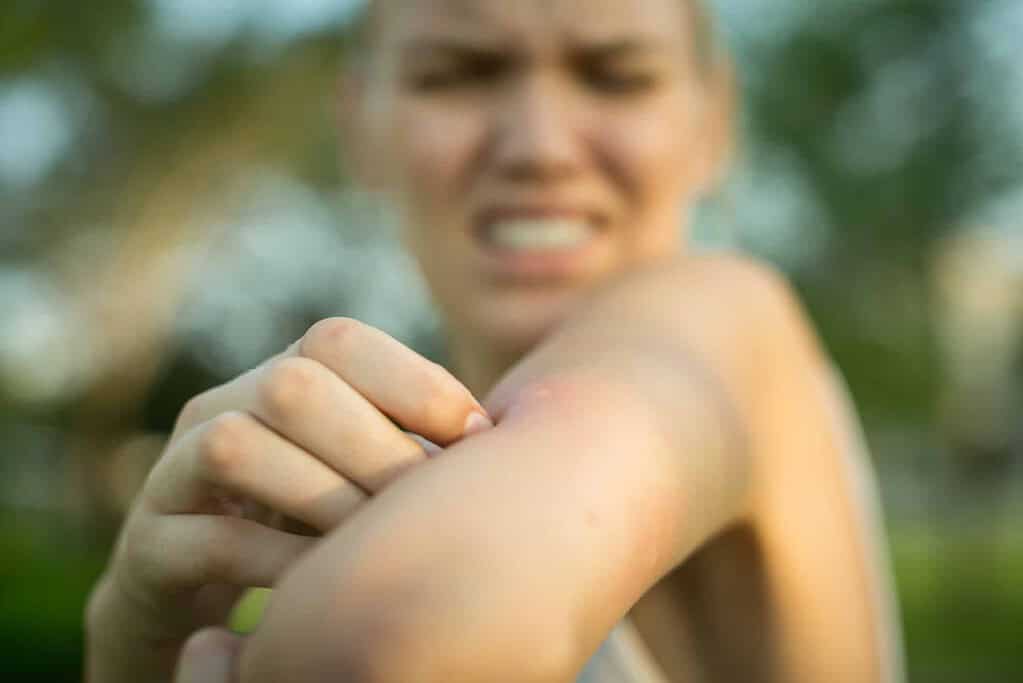
Mosquitoes are one of the most common disease-spreading insects.
©iStock.com/globalmoments
You may be wondering exactly how insects spread diseases. Here are the three most common methods of transmission.
Bites
Many of the pests listed above transmit pathogens by biting their victims. For example, we know that mosquitoes spread diseases this way.
“[Their bite] pierces the skin, and if it’s carrying pathogens in its saliva from a previous blood meal, that can be injected into the next bloodstream,” explains Price.
Another prime example is ticks. Again, though they are not insects, they spread diseases in a similar way: by biting their victims’ skin and feeding on their blood.
“While feeding, they can pass pathogens in their saliva directly into the bloodstream,” Price says.
Regurgitation
It is unsettling to realize that many bugs regurgitate their meals, which can infect their victims. However, this behavior is quite common.
“Sometimes, mosquitoes regurgitate small amounts of ingested blood into a new host, which transfers pathogens,” Price explains. “Like mosquitoes, ticks can also regurgitate gut contents back into the wound, increasing the risk of infection. They generally regurgitate when being disturbed.”
Flies are also notorious for doing this, which is concerning, considering the insect regurgitates every time it lands on a potential food source. Have you ever wondered how many times a fly has landed on your burger or pile of fries at a restaurant, and you continued to eat anyway?
“Flies often regurgitate digestive enzymes or defecate while feeding,” Price adds. “This contaminates surfaces and food and can lead individuals to have food poisoning and diarrhea. Their legs and mouths can also pick up bacteria and transfer them when landing.”
Defecation
Defecation is just as, if not more, disturbing than regurgitation, and is another way many insects spread diseases. Unfortunately, flies do both of these things.
“Cockroaches spread diseases by defecation, contaminating surfaces and food with droppings that carry bacteria,” Price says. “They also carry pathogens stuck to their legs and cast skins or shells.”
Although it may be unsettling, understanding the risks, signs, and symptoms of insect-borne infections can help you protect yourself.