
Dogs with healthy bodies do a great job of fighting off infections; but sometimes their immune systems are overwhelmed, and your pup gets sick. While we never want to think about our fur babies being hurt or ill, it’s important to know the signs so that they get timely vet care and make speedier recoveries. Types of bacterial infections in dogs include salmonella, leptospirosis, staph infection, ear infection, actinomycosis, streptococcus, Bordetella, E. coli, and clostridia.
In this article, we’ll discuss all of the infections listed above, their symptoms, how they’re treated, and more.
This post was updated on September 30, 2025 to clarify lepto vaccine timeline, ear infection etiology, causes of kennel cough, Salmonella treatment, and preventatives of periodontal disease.
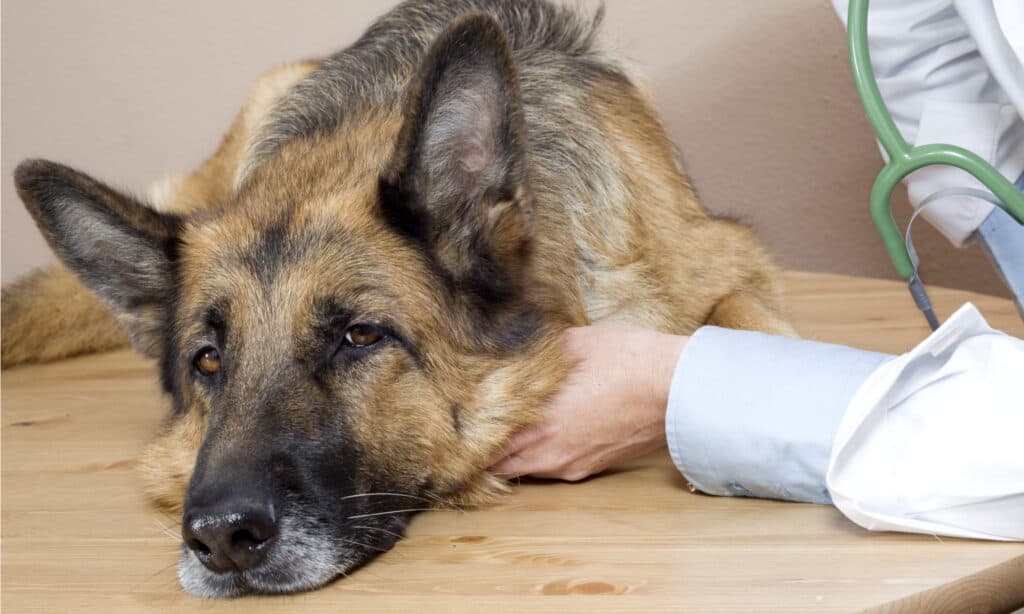
While we never want to see our fur babies ill, it’s important to know the signs so that they get timely vet care–and make speedier recoveries.
©Roger costa morera/Shutterstock.com
1. Salmonella
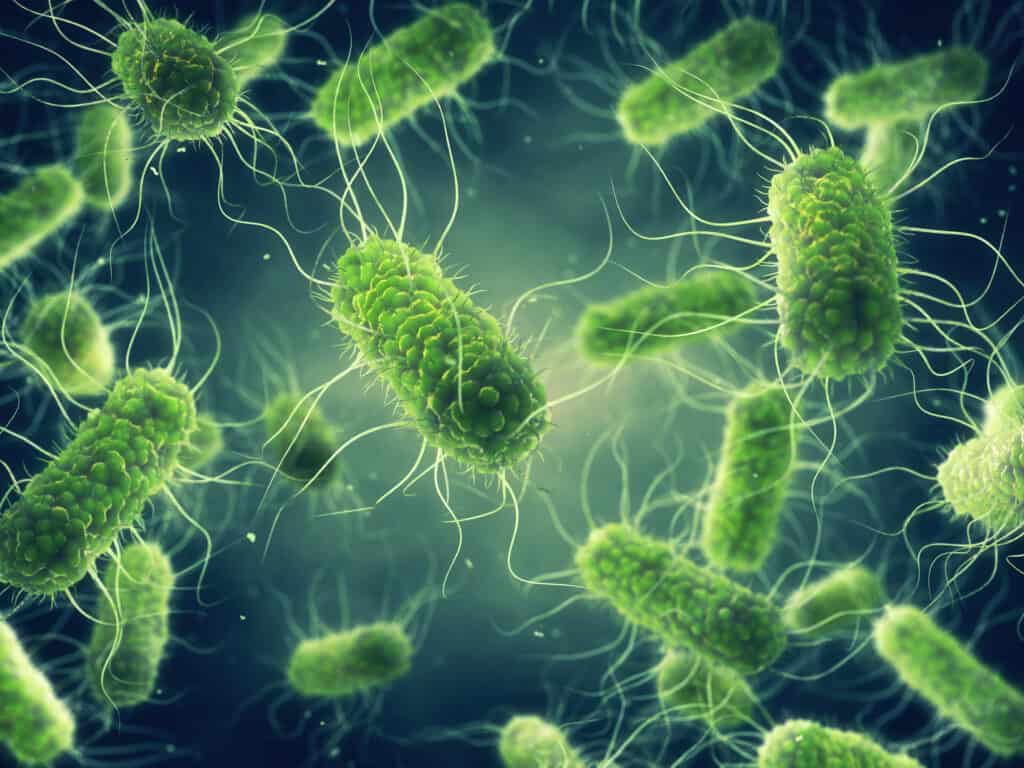
Veterinarians typically diagnose salmonella infections based on their symptoms and by taking cultures.
©nobeastsofierce/Shutterstock.com
Dogs can get salmonella infections from contact with infected animal feces, contaminated food or water, and raw or undercooked meat.
Symptoms of Salmonella infection include:
- Diarrhea with blood or mucus
- Lethargy
- Fever
- Vomiting
- Dehydration
Some dogs don’t get sick at all from salmonella, while others have severe symptoms. Those who aren’t ill can still be carriers for the illness, passing it to other animals or people through their feces.
Veterinarians typically diagnose salmonella infections based on fecal culture and/or PCR. Salmonella can be difficult to cure. Antibiotics are not routinely used for uncomplicated cases, as they can prolong shedding. Instead, treatment is usually supportive, reserving antibiotics for systemic/severe disease or high-risk patients. Dogs who do show major symptoms, like severe dehydration or sepsis, are often hospitalized.
2. Leptospirosis
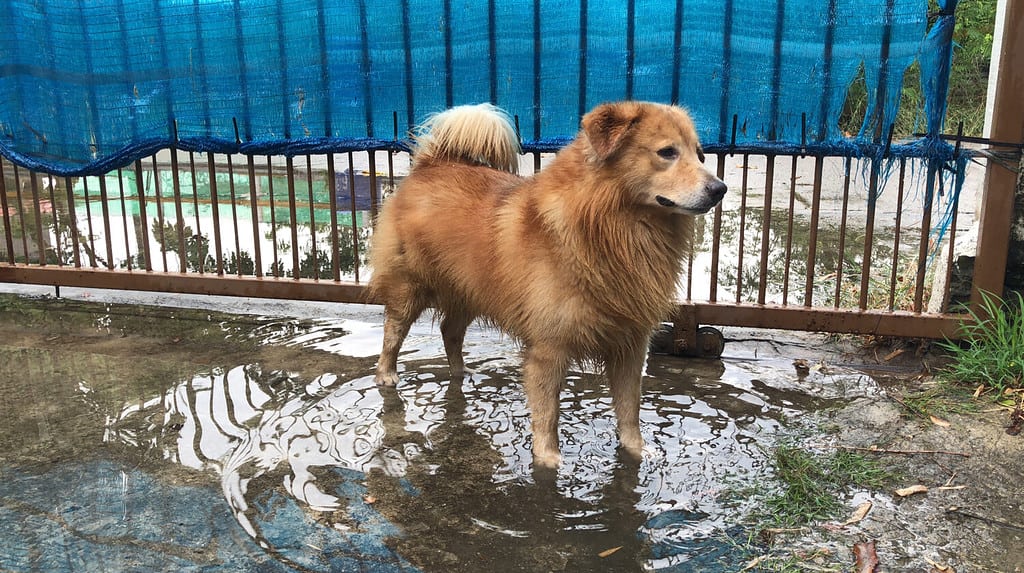
Dogs are infected through the fluids of other infected animals and may catch leptospirosis through contaminated water or dirt.
©praditkhorn somboonsa/Shutterstock.com
Leptospirosis is caused by the Leptospira (spirochete) bacteria. Dogs are infected through the fluids of other infected animals and may catch leptospirosis through contaminated water or dirt, being bitten by an infected animal, or, rarely, through mating with an infected dog.
Humans can also be infected; you may be at risk if you swam in the same body of water as your dog who’s just been diagnosed, for instance. You can also catch lepto from an infected dog’s urine or contaminated surfaces. If your pup has been diagnosed, use gloves and disinfection to clean sensitive areas and avoiding urine contact.
Symptoms of leptospirosis in dogs include:
- Fever
- Lethargy
- Decreased appetite
- Increased thirst/urination
- Vomiting
- Jaundice
Puppies are most at risk of growing severely ill due to this bacterium.
Leptospirosis is typically treated with antibiotics. There is also a leptospirosis vaccine for dogs which reduces their odds of contracting it.
If your dog goes outside at all, even just in the backyard, most veterinarians recommend they get a leptospirosis vaccine. This involves a two-dose series 2–4 weeks apart starting at roughly 12 weeks (as early as 8–9 weeks per vet), then an annual booster.
3. Staph Infection
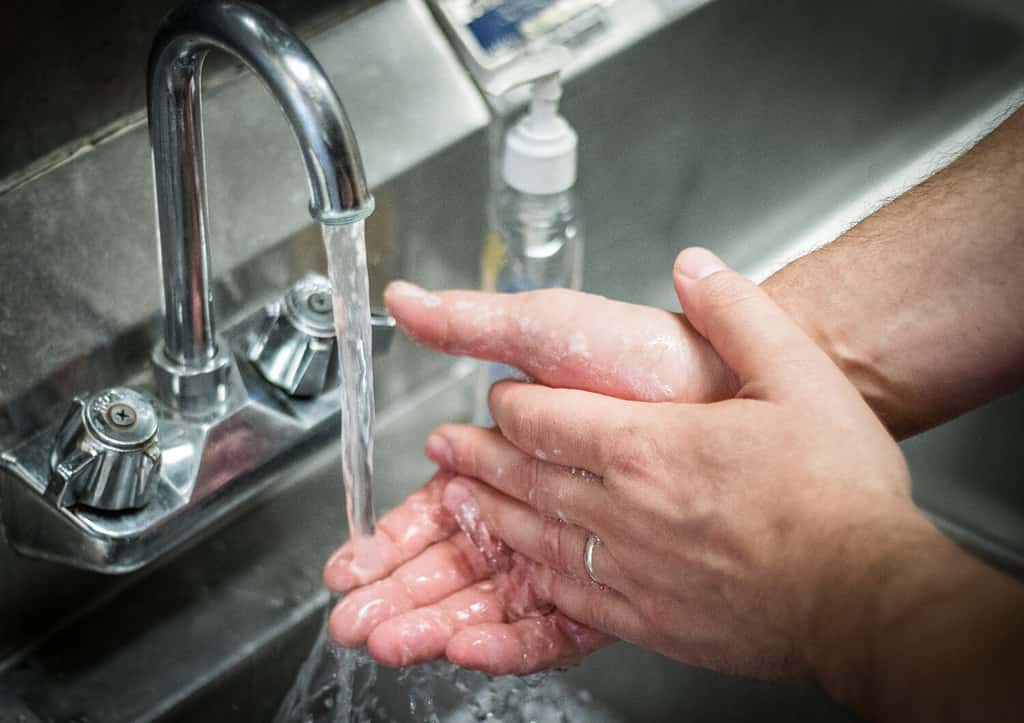
It’s a good idea to wash your hands after petting your dog if they do have an infection, just in case!
©Benjamin Clapp/Shutterstock.com
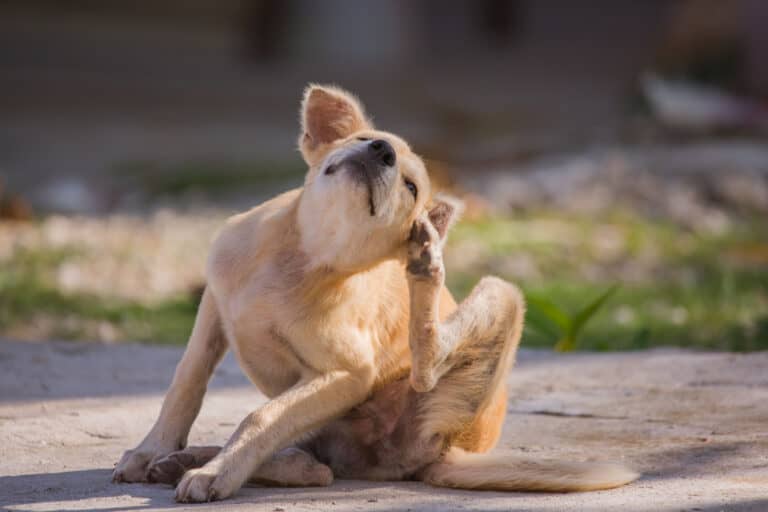
Staph infection is caused by the staphylococcus bacteria. It affects the skin and respiratory system. Staph (often S. pseudintermedius) results from skin barrier disease (allergies, parasites, endocrine disease). Itching is a symptom.
This is another infection that can be spread to humans, but it’s very rare, especially when practicing good hygiene. It’s a good idea to wash your hands after petting your dog if they do have an infection, just in case!
Symptoms of staph infection in dogs include:
- Itchiness
- Scratching
- Hot spots (moist, painful patches)
- Redness
- Pimples/pustules
- Eye, skin, ear infections
Treatment can include antibiotic shampoos to treat skin symptoms and oral antibiotics for the respiratory system. If your dog has an underlying condition that caused the staph infection, such as fleas or allergies, your vet will also want to treat these so that the infection doesn’t return.
4. Ear Infection
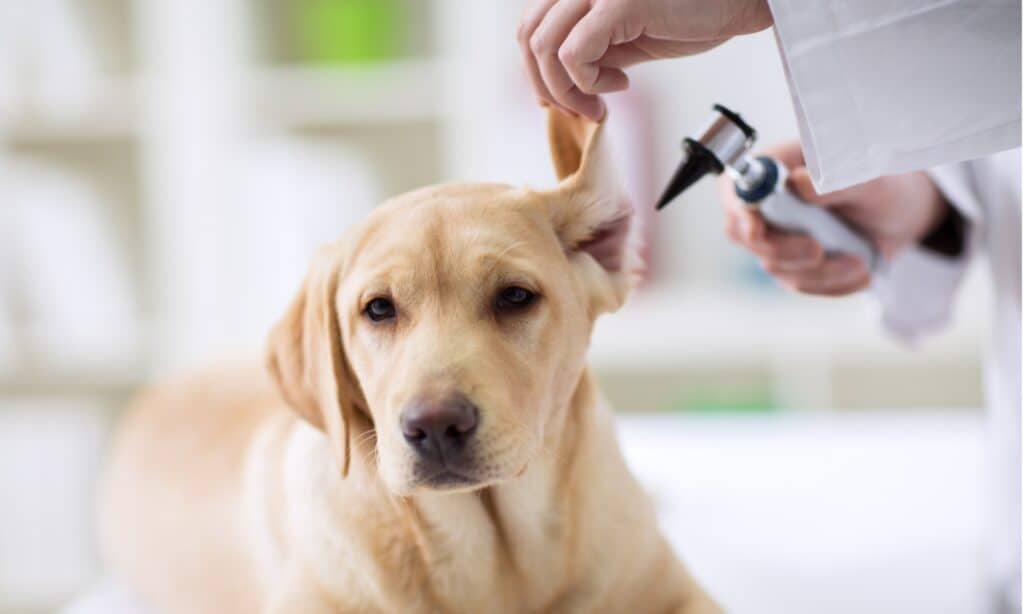
Dogs get ear infections for a variety of reasons.
©iStock.com/didesign021
Ear infections can be either bacterial or yeast, but most often they are bacterial. Dogs get ear infections for a variety of reasons, including allergies, trapped fluid, and ear wounds. Some breeds are more prone to ear infections, such as those with long, droopy ears.
Symptoms of ear infections in dogs include:
- Redness
- Inflammation
- Itchiness
- Head shaking
- Ear scratching
- Abnormal ear discharge
- Crusts or scabs in the ears
- Foul odor from the ears (typically described as yeasty or cheese-like)
Cultures will often guide how a vet treats a pup suffering from ear infection. First-line treatment is often topical therapy; oral antibiotics are not routine unless there’s otitis media/interna or severe tissue involvement.
Most ear infections are simple to treat by cleaning the ears and using either antibiotic ointment or oral medications. Sometimes, more aggressive treatment is needed to fight severe infections. In very rare cases, the dog’s ear canal may need to be removed surgically; however, this is reserved for end-stage disease.
If you think your dog has an ear infection, get to the vet as soon as you can to avoid worsening within the ear or progression to the middle ear.
5. Actinomycosis
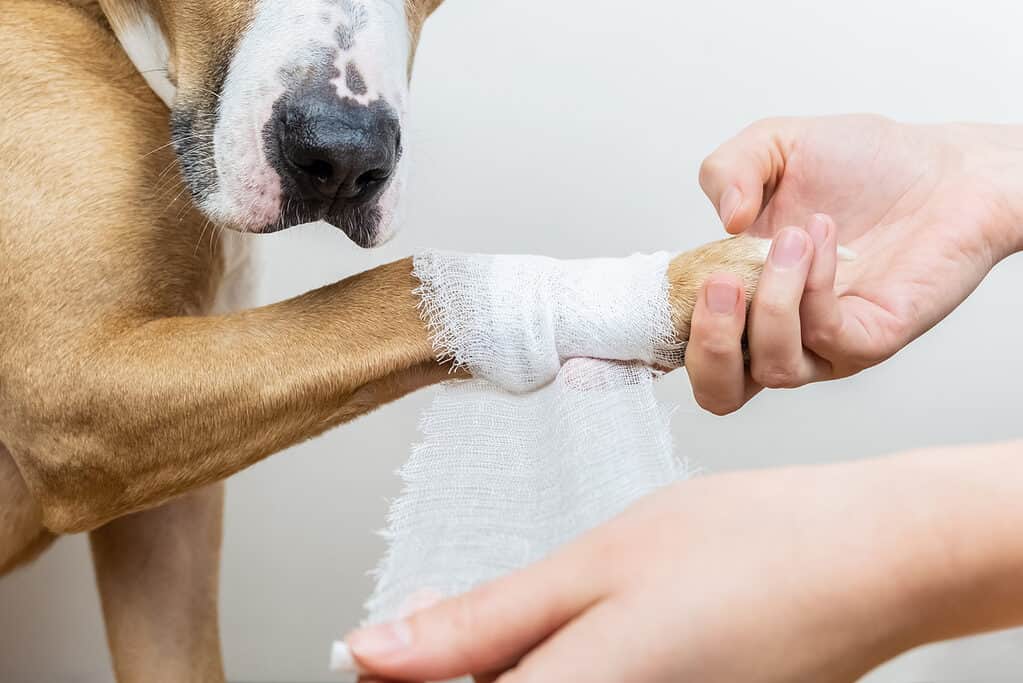
Always keep your dog’s wounds clean.
©iStock.com/photoboyko
Actinomycosis is caused by Actinomyces and Nocardia bacteria. Dogs are most commonly infected via penetrating foreign bodies (e.g., grass awns/foxtails), bite wounds, or oral flora.
Symptoms of actinomycosis infection in dogs include:
- Abscesses beneath the skin
- Firm or fluctuant swellings/abscesses
- Draining tracts with thick pus
- “Sulfur granules” (tiny yellow grains) in discharge
- Fever
- Lethargy
Dogs are treated using antibiotics (Actinomyces vs Nocardia make a different in antibiotic choices and prognoses). Treatment is most successful when the infection is localized (meaning it’s only affecting the skin near the wound). Management often needs surgical debridement/drainage.
Always keep your dog’s wounds clean. Soap and water are effective. Proper veterinary bandaging is sometimes needed to avoid improper home bandaging.
See a vet if the wound is severe or if your dog has a puncture wound, such as a bite from another animal. Also see a vet at the first sign of infection, as waiting can cause it to worsen or spread.
6. Streptococcus
Your veterinarian will likely prescribe antibiotics after diagnosing your dog with Streptococcus.
©gorillaimages/Shutterstock.com
Streptococcus, or strep, is what causes strep throat. Luckily, the bacteria that cause strep in humans and dogs are different, so it’s extremely rare for your dog to pass it to you or vice versa.
Symptoms of strep throat in dogs include:
- Enlarged lymph nodes
- Painful swollen skin
- Wound discharge
- Fever
- Lethargy
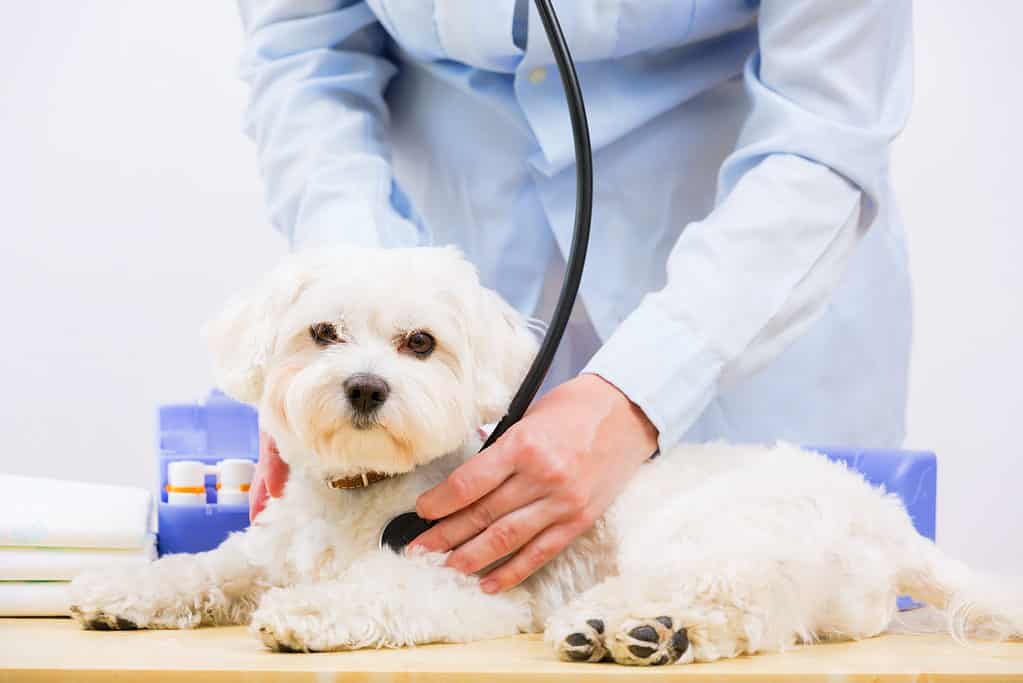
Your veterinarian will likely prescribe antibiotics after diagnosing your dog with Streptococcus. They may also recommend that your dog rests as they recover.
While strep isn’t passed from dogs to people, it can be passed to other pets, so please isolate your dog from other pets if they’re infected. You should also monitor your other pets for signs of illness and bring them to the vet if needed.
Ask your veterinarian if your dog needs a professional cleaning as well. These are typically recommended around once a year.
7. Clostridia

If your dog has clostridia, your veterinarian might recommend dietary changes, probiotics, and antibiotics.
©Kuznetsov Alexey/Shutterstock.com
Clostridium perfringens is associated with some cases of acute (short-lasting) and chronic (recurring every 4-6 weeks) diarrhea.
Symptoms of clostridia in dogs include:
- Blood or mucus in diarrhea
- Vomiting
- Flatulence
- Stomach pain or discomfort
They may have small bouts of diarrhea that occur frequently or have large, watery stools.
If your dog has clostridia, your veterinarian might recommend dietary changes and probiotics; antibiotics are not always needed. Hospitalization is uncommon except for severe dehydration.
8. Bordetella
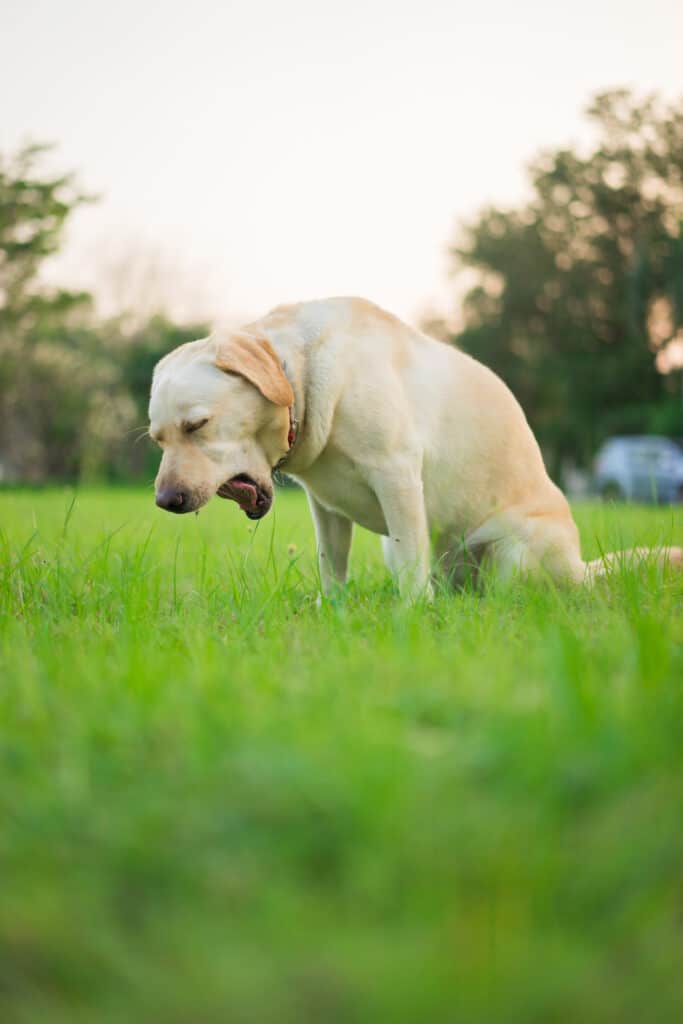
Bordetella is highly contagious and frequently spreads in crowded environments like shelters and dog boarding facilities.
©Dhanoo Surasarang/Shutterstock.com
Bordetella (in conjunction with viruses like parainfluenza, adenovirus-2, etc.) causes kennel cough, also known as an upper respiratory infection (URI). It’s highly contagious and frequently spreads in crowded environments like shelters and dog boarding facilities.
Symptoms of Bordetella infection in dogs include:
- Dry/hacking coughing
- Retching/gagging
- Sneezing
- Runny nose
- Eye discharge
- Congestion
- Fever
- Decreased appetite
Bordetella is typically treated using supportive care (rest, antitussives when appropriate). Antibiotics are generally only used for complicated or severe disease.
The Bordetella vaccine reduces severity and shedding should your dog contract the disease, but it won’t prevent the infection altogether. While it isn’t a core vaccine, it’s recommended for dogs that frequently spend time around others, especially in crowded places like dog parks or boarding facilities. Boosters every 6–12 months are recommended depending on risk.
Another way to avoid Bordetella infection is to avoid crowded environments and allow your dog to play dates with other vaccinated dogs instead of bringing them to daycare or dog parks. Socializing only with known dogs also reduces the risk of dog fights and your dog catching other contagious illnesses.
Poor ventilation, cold temperatures, dusty environments, stress, and smoke exposure also increase your dog’s chance of catching kennel cough. So when it comes to the places you visit with your dog, choosing a clean facility that isn’t overcrowded is the best way to go. If dogs are socializing, choose a facility that requires the Bordetella vaccine for all dogs.
9. E. Coli
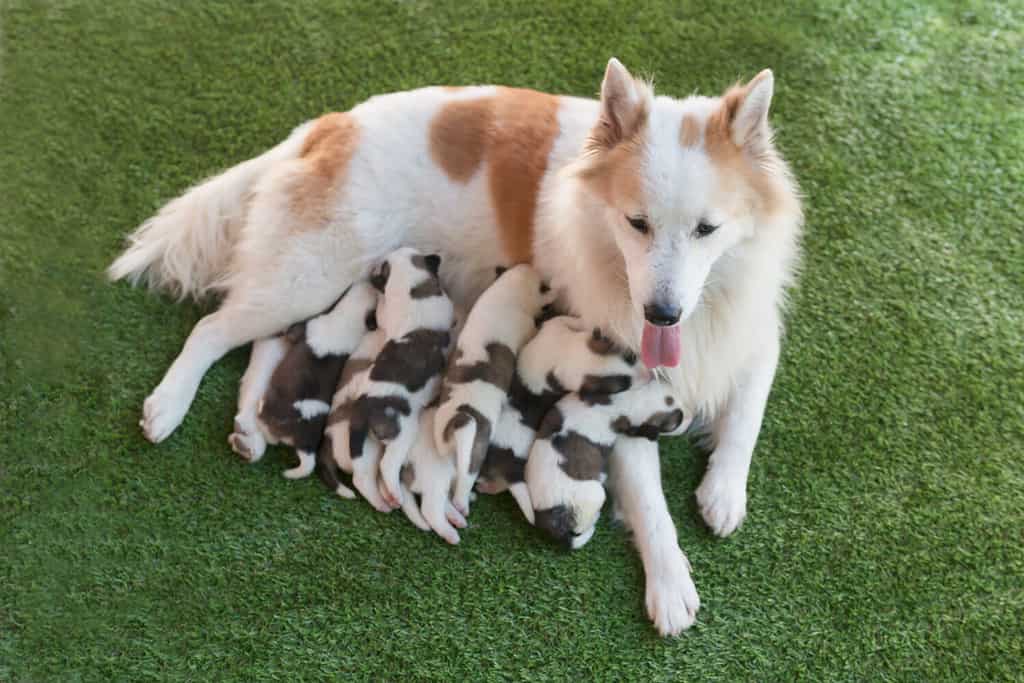
Puppies may develop an E. Coli infection if their mother is infected, or if they fail to drink their mother’s first milk which protects them against infections.
©frank60/Shutterstock.com
E. Coli typically lives in every dog’s intestines and doesn’t cause symptoms or illness. However, if the bacteria becomes too widespread, it can cause serious problems for your dog. This happens most commonly in puppies or dogs with compromised immune systems.
Puppies may develop an E. Coli infection if their mother is infected, or if they fail to drink their mother’s first milk, which protects them against infections. They’re most likely to get sick in unclean or crowded environments, or if the mother has poor health or nutrition.
Symptoms of E. Coli infection in dogs include:
- UTI: frequent urination, straining, blood in urine, accidents, genital licking
- GI (esp. puppies): diarrhea, vomiting, abdominal pain, dehydration
- Uterine infection/pyometra (intact females): fever, lethargy, vaginal discharge
- Sepsis (severe cases): weakness, pale gums, low body temp
Often, dogs with E. Coli must be hospitalized as it’s an emergent condition. Mortality can be high in puppies, but survival varies with prompt intensive care.
Preventing Bacterial Infections In Dogs
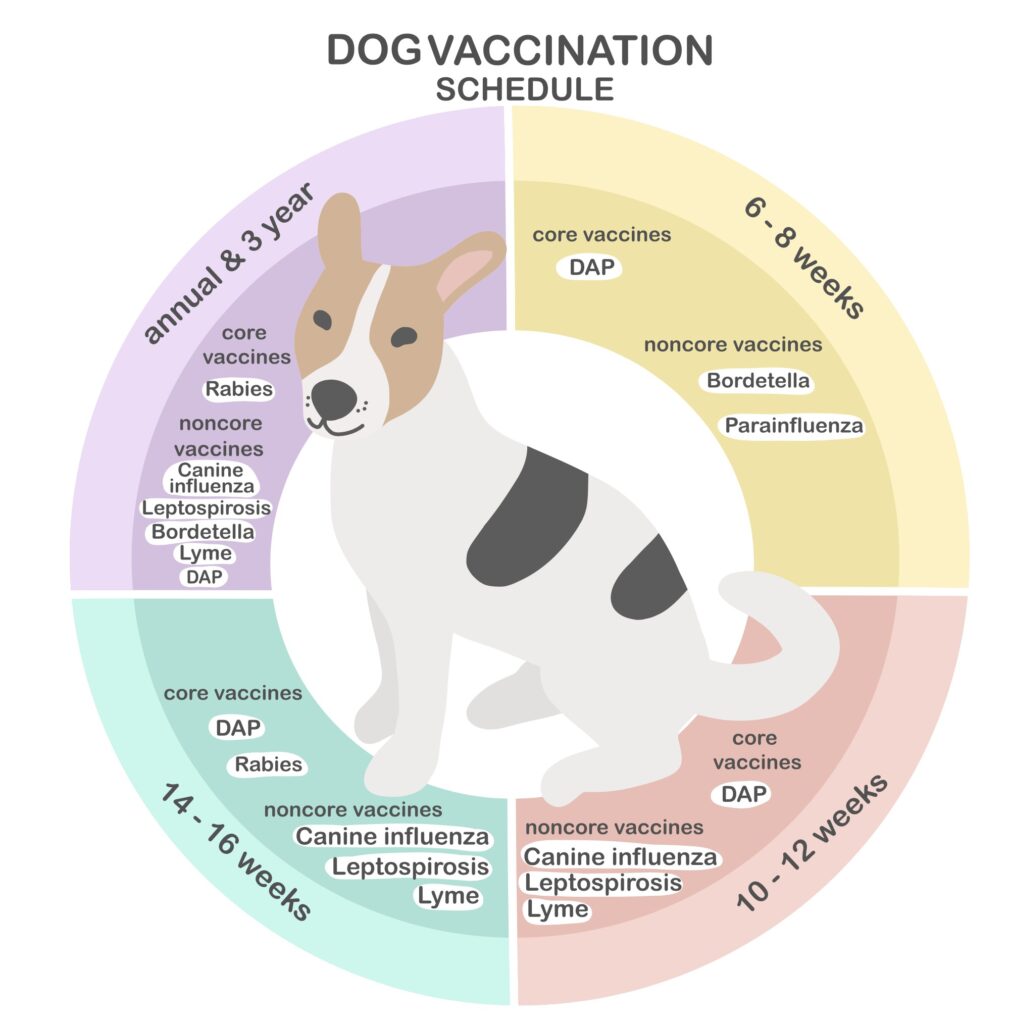
Some of the infections above have vaccines that drastically decrease your dog’s chances of infection.
©AmySachar/Shutterstock.com
Preventing bacterial infections in your dog takes several steps, but luckily most of them are pretty easy!
Prevent Injuries
First, keeping your dog from getting out of the house or yard prevents injuries that can become infected. It’s also a good idea to keep your dog away from unknown dogs, as this increases their risk of getting into a fight.
Even if your dog wouldn’t hurt a fly, it can be injured by another dog. Bite wounds become infected very easily because they tend to be deep with small openings. The skin heals quickly, trapping bacteria inside the wound.
Keep Wounds Clean And Dry
If your dog is injured, be sure to keep the wound clean and dry. Use soap and water to clean the cut, repeating as necessary if it becomes dirty from going outside.
Bandaging the wound doesn’t often work well, because many dogs will rip the bandage off. It’s also easy to wrap bandages too tight, which can cut off your dog’s circulation.
If your dog has a severe wound and you’re worried about infection, see a vet rather than trying to wrap it yourself.
See A Vet Sooner Than Later
Often, veterinarians will prescribe antibiotics as a preventative measure if your dog has a wound. This can stop infections from developing altogether.
It’s also important to get your dog to the vet quickly if you notice symptoms of an illness or infection, or even if they just aren’t acting like themselves.
When left untreated, infections will often spread. The more widespread they become, the harder they are to treat and the worse your dog’s prognosis may be.
Quick veterinary treatment can also help prevent an illness, like allergies, from becoming an infection, like an ear or staph infection.
Vaccinate Your Dog
Some of the infections above have vaccines that drastically decrease your dog’s chances of infection. Many vaccines will also limit the severity of the symptoms if your dog is infected.
Keeping them up to date on these vaccines is important, especially if your veterinarian considers them at risk of catching that particular infection.
Avoid Raw Food
Raw food is trendy right now, but it’s not recommended by the U.S. Food and Drug Administration (FDA) or the American Veterinary Medical Association (AVMA). This is because it can create health hazards for your dog and your family.
Keep Their Environment Clean
Your home and any facilities you visit with your dog should be clean to prevent infections. This is especially important when it comes to veterinary offices, boarding facilities, grooming facilities…anywhere your dog goes where other dogs have been!
I hope this article has helped you learn about common bacterial infections in dogs, symptoms to watch for, and how to prevent them. Remember that keeping your dog in a safe, clean environment goes a long way, as does prompt veterinary care.
Bonus: One of the Most Common Infections in Dogs
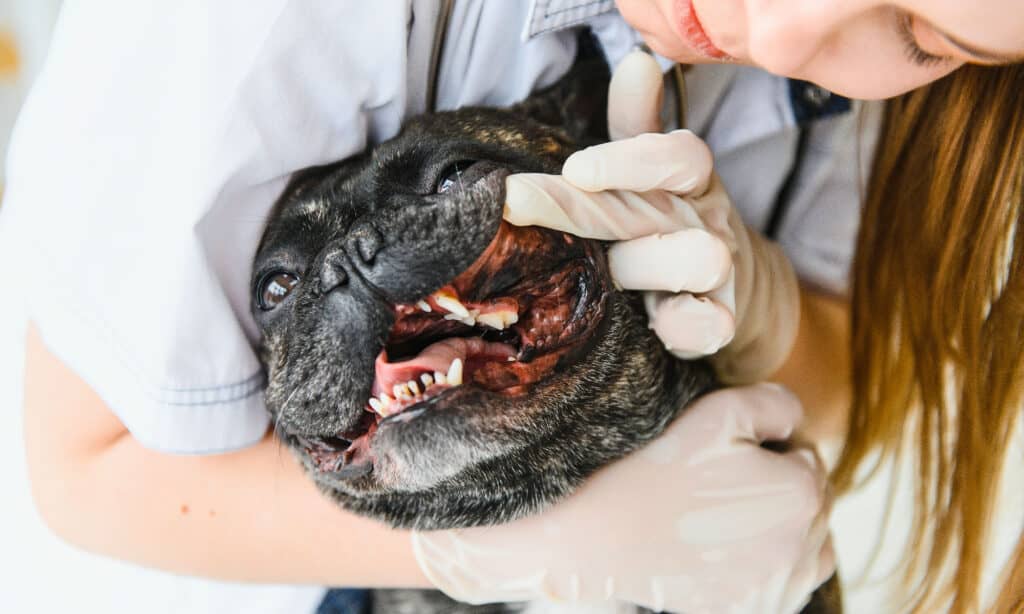
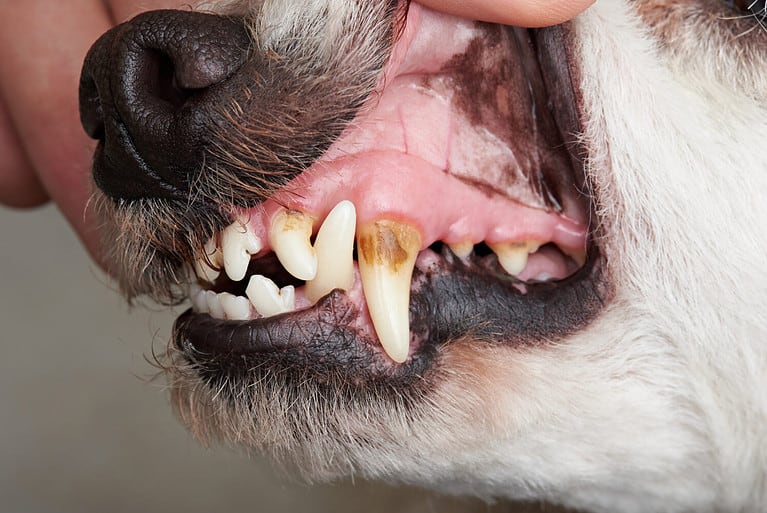
Periodontal disease is one of the most common diseases in dogs.
©Hryshchyshen Serhii/Shutterstock.com
If you have a small dog, you may have already endured a bout with a gum or tooth infection. Smaller breeds such as pugs, Yorkies, chihuahuas, and daschunds are predisposed to periodontal disease due to a maligned bite, genetics, the shape of a dog’s mouth, or poor dental hygiene. It is caused by the accumulation of dental plaque and tartar on the teeth with symptoms beginning after your pup reaches age three.
Here are some signs to look out for:
- Bad breath
- Inability to chew kibble or treats
- Excessive drooling
- Red or bleeding gums
- Favoring one side of the mouth
- Pawing at the mouth
If you notice any of these behaviors in your dog – a trip to the vet is necessary. Professional dental cleaning under anesthesia and extractions when indicated are the common practices. Antibiotics and pain meds can relieve symptoms. Older dogs of all breeds are susceptible to periodontal disease, but these problems seem to begin early for smaller dogs. The best treatment possible is to make teeth brushing a part of your new puppy’s routine as soon as she is adopted. If your dog requires grooming – teeth brushing is often offered as part of the package (but this doesn’t replace daily home brushing or professional veterinary dentistry). Once periodontal disease progresses it becomes an endless cycle of pain medications, antibiotics, and tooth extractions. Brushing your dog’s teeth is one of the best ways you can express your love for your sweet pet.
Summary Of The 9 Types Of Bacterial Infections In Dogs
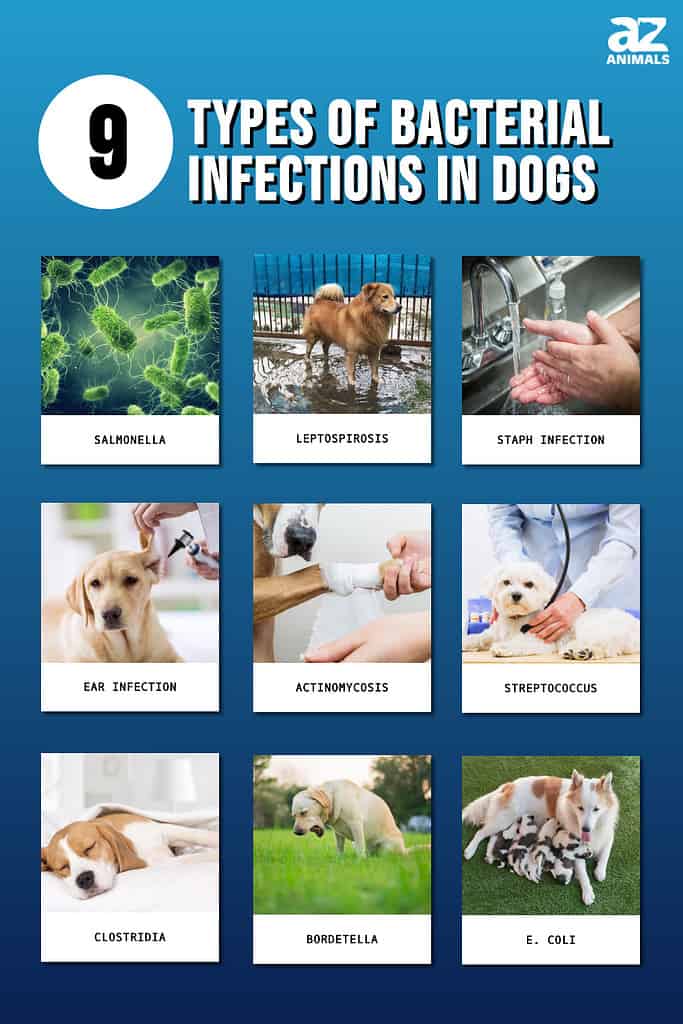
| Rank | Viral Infection |
|---|---|
| 1 | Salmonella |
| 2 | Leptospirosis |
| 3 | Staph Infection |
| 4 | Ear Infection |
| 5 | Actinomycosis |
| 6 | Streptococcus |
| 7 | Clostridia |
| 8 | Bordetella |
| 9 | E. Coli |