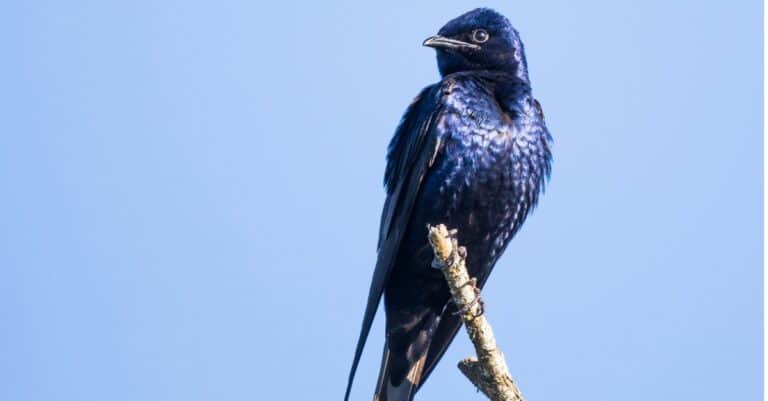
Purple martins are gorgeous backyard birds, known for their iridescent feathers and mid-sky acrobatics. As North America’s largest swallows, they are integral to the ecosystem, consuming thousands of insects each day. Sadly, their populations have dwindled, mainly on the east coast of the U.S. In this region of America, the rely on human-made structures for nesting.
Increased competition from invasive bird species like house sparrows and European starlings have negatively affected purple martins throughout the U.S. These nonnative species have pushed purple martins out of their natural nesting areas. Luckily, anyone can help this struggling species by providing safe, nesting structures. You can even build your own nest box with a few basic tools.
This slideshow covers several of the best ways to attract purple martins to your property. These practical methods include installing bird houses and avoiding the use of harmful pesticides. Learn how to make your backyard the ideal environment for these lovely swallows. As a bonus, they will help keep your yard mosquito free!
Meet the Purple Martin
©iStock.com/Jeff Huth
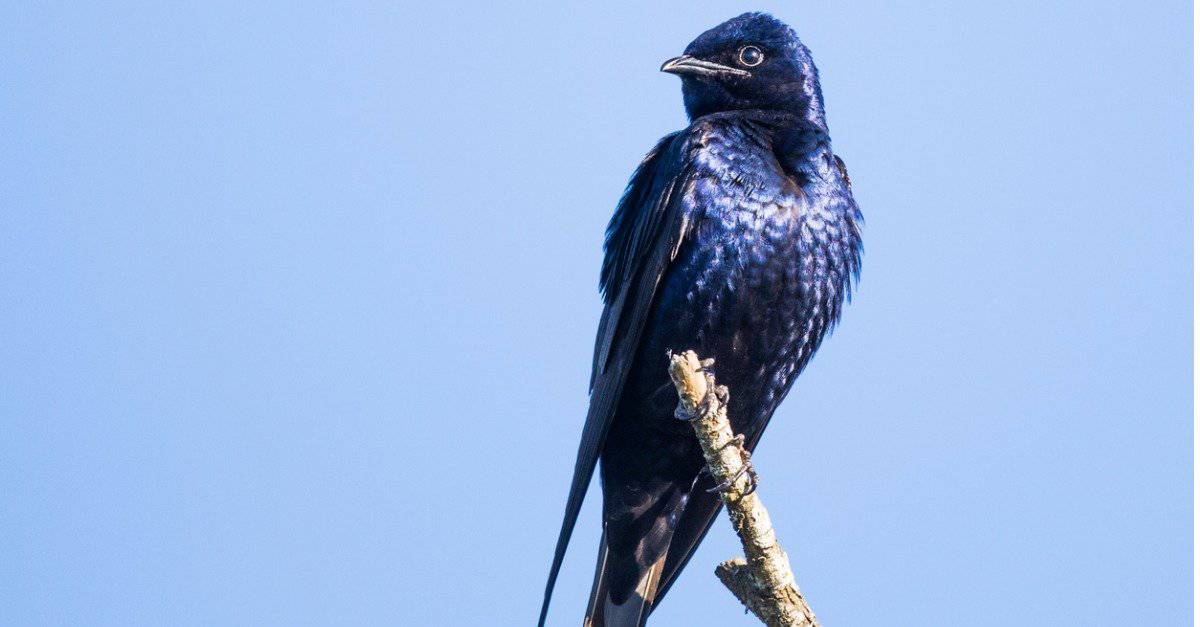
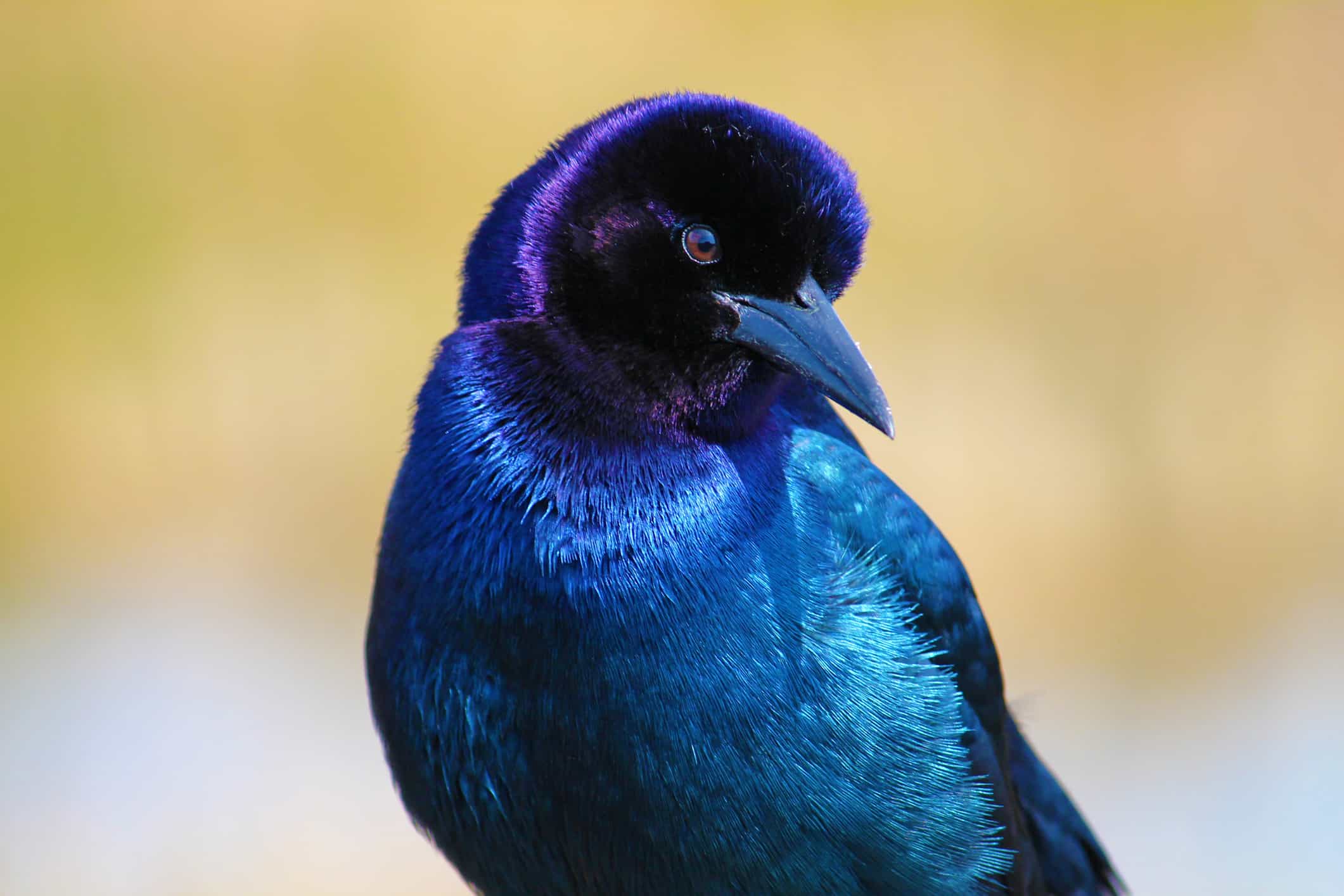
- Purple martins are the largest swallow species in North America.
- They are known for their shimmering blue-black plumage and insect-hunting skills.
- These birds migrate from South America to the U.S. each spring to breed.
Why Attract Purple Martins?
©iStock.com/KennShapiro
- Purple martins consume thousands of insects daily, making them excellent natural pest control.
- They have cheerful songs and striking appearance.
- Unfortunately, their populations are declining due to habitat competition.
History of Martin Housing
©Jarvis Shirky/Shutterstock.com
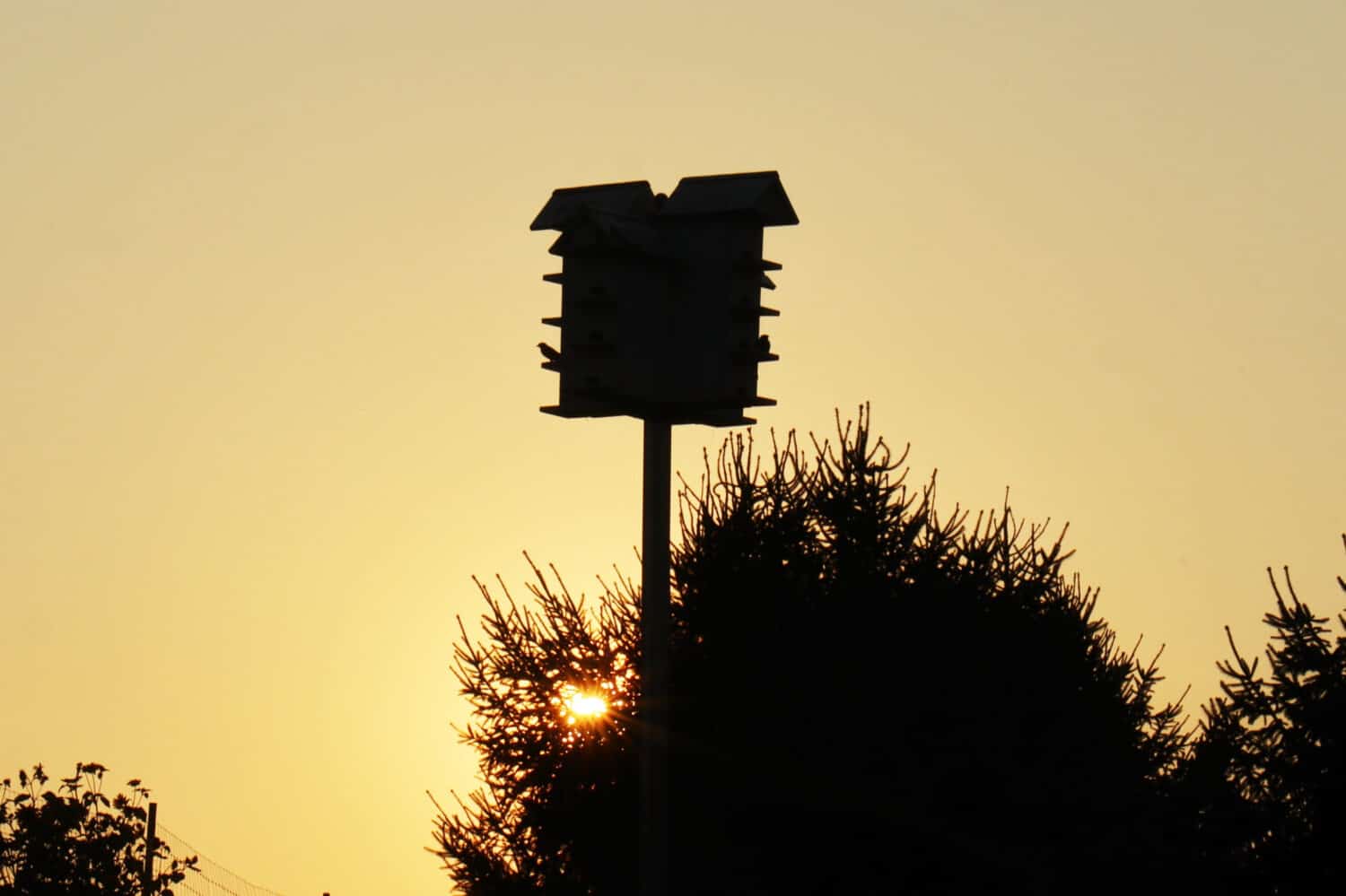
- Native Americans once hung hollow gourds to attract nesting purple martins.
- This traditional method inspired modern purple martin housing.
- Martins prefer manmade nest boxes today, especially in Eastern regions.
Choose the Right Nest Box
©Terry Kelly/Shutterstock.com
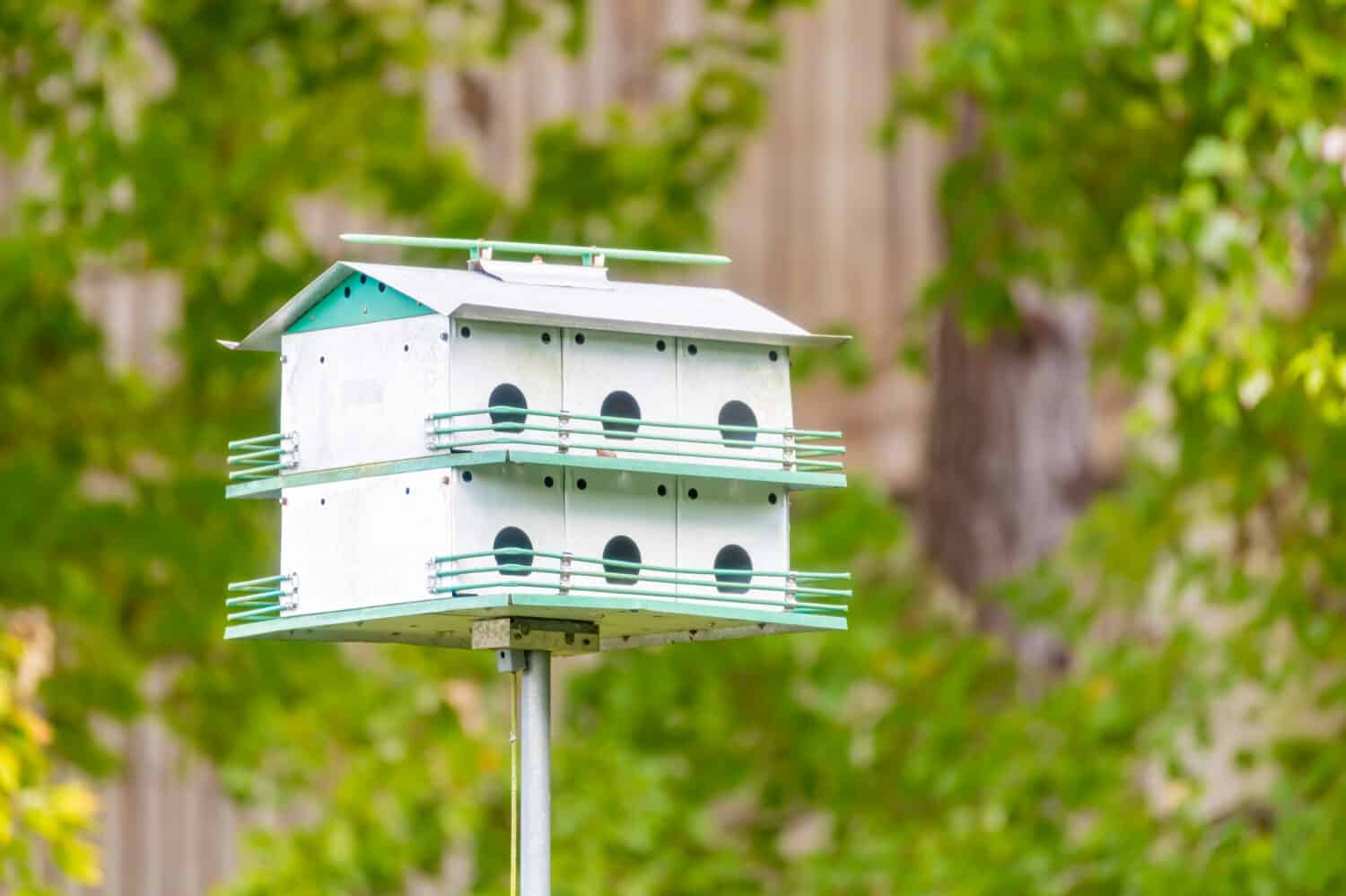
- Use aluminum or plastic multi-compartment boxes or gourd clusters.
- White-colored boxes stay cooler and are more visible to martins.
- Install houses with 6–12 compartments for best results.
Perfect Nest Box Placement
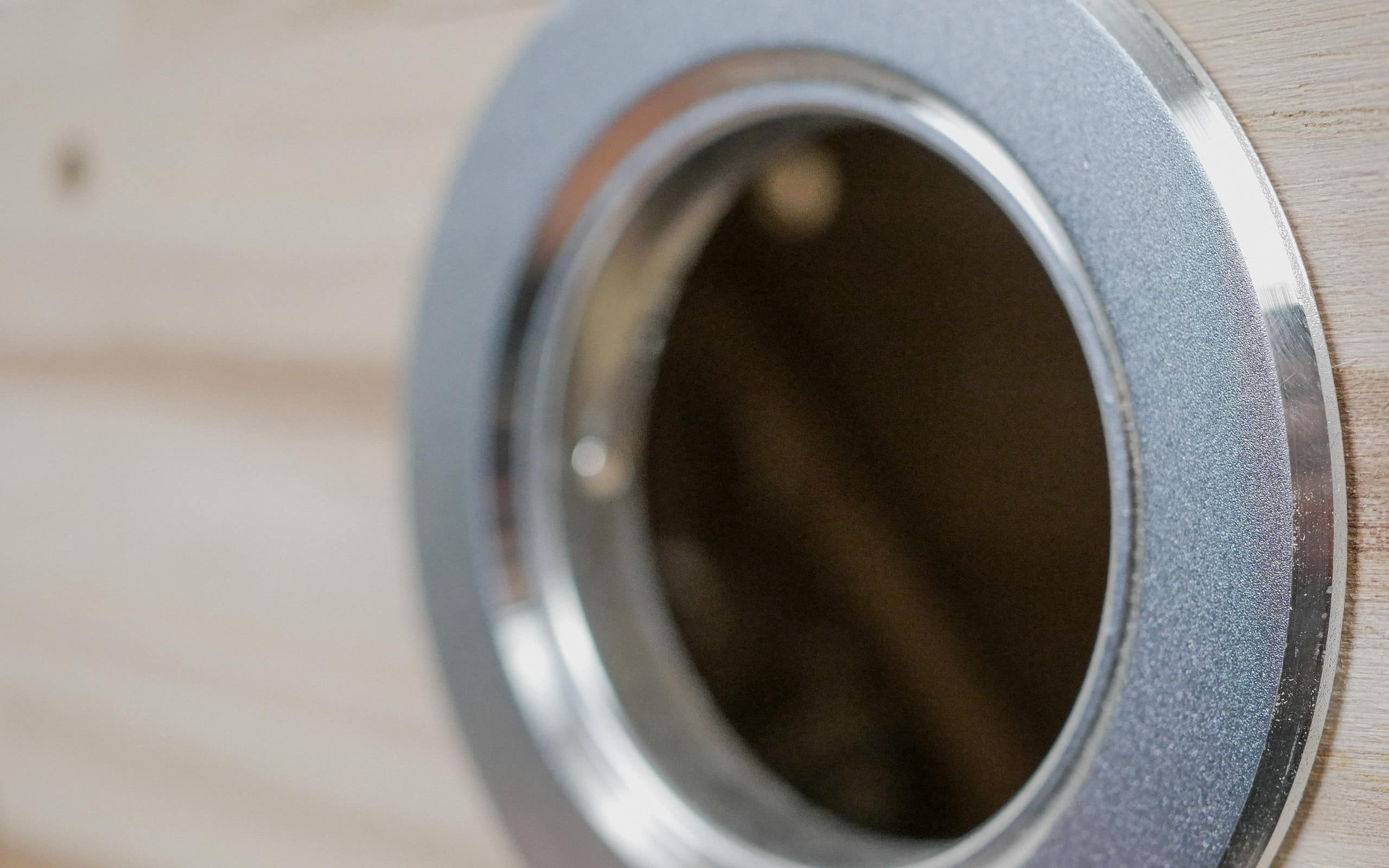
- Install boxes 12–15 feet high and at least 100 feet from trees or structures.
- Keep them near human activity to deter predators.
- Martins prefer open spaces for safe flight access.
Add Perches for Spotting

©iStock.com/passion4nature
- High, narrow perches help martins scout for food and predators.
- Consider installing perch kits on or near the nest box.
- Avoid large perches that could attract raptors.
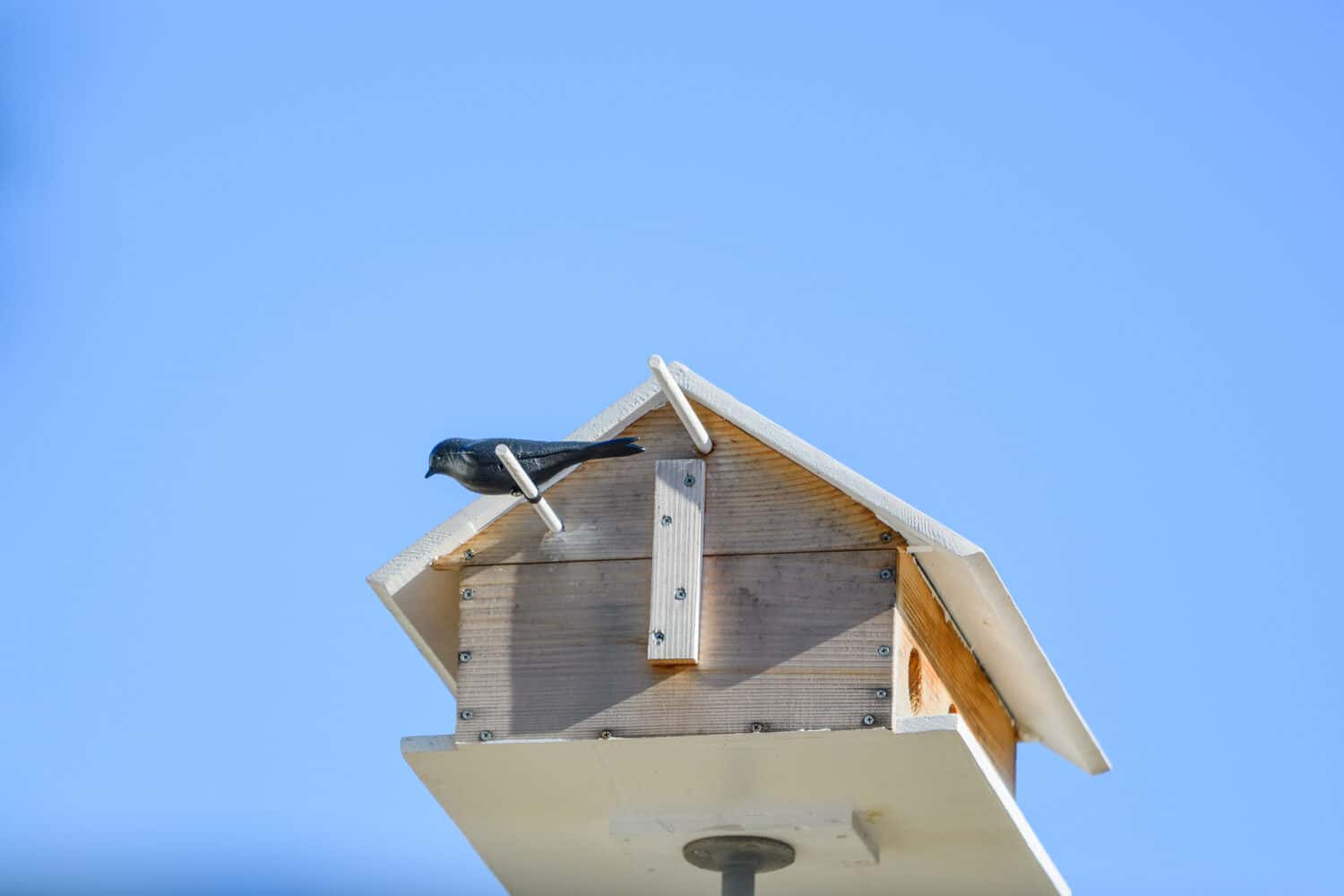
Use Decoys for Attraction
©William A. Morgan/Shutterstock.com
- Plastic decoys trick martins into thinking a colony already exists.
- This increases the chance they’ll explore your boxes.
- Decoys can also distract predators away from real birds.
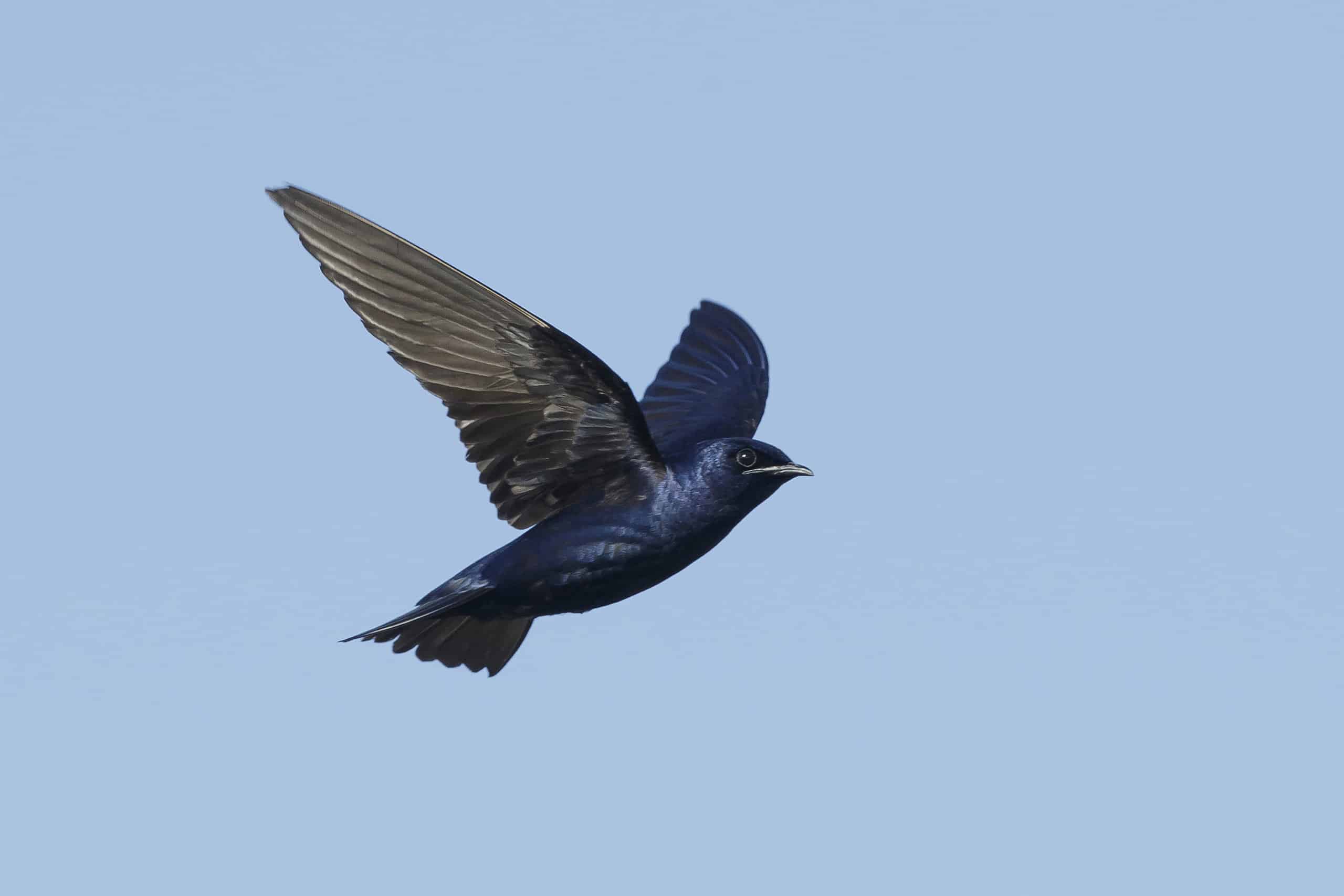
Play Their Songs
©iStock.com/AGAMI stock
- Recordings of martin calls attract birds flying overhead.
- Combined with decoys, this can simulate a thriving colony.
- It’s an effective method during early spring migration.
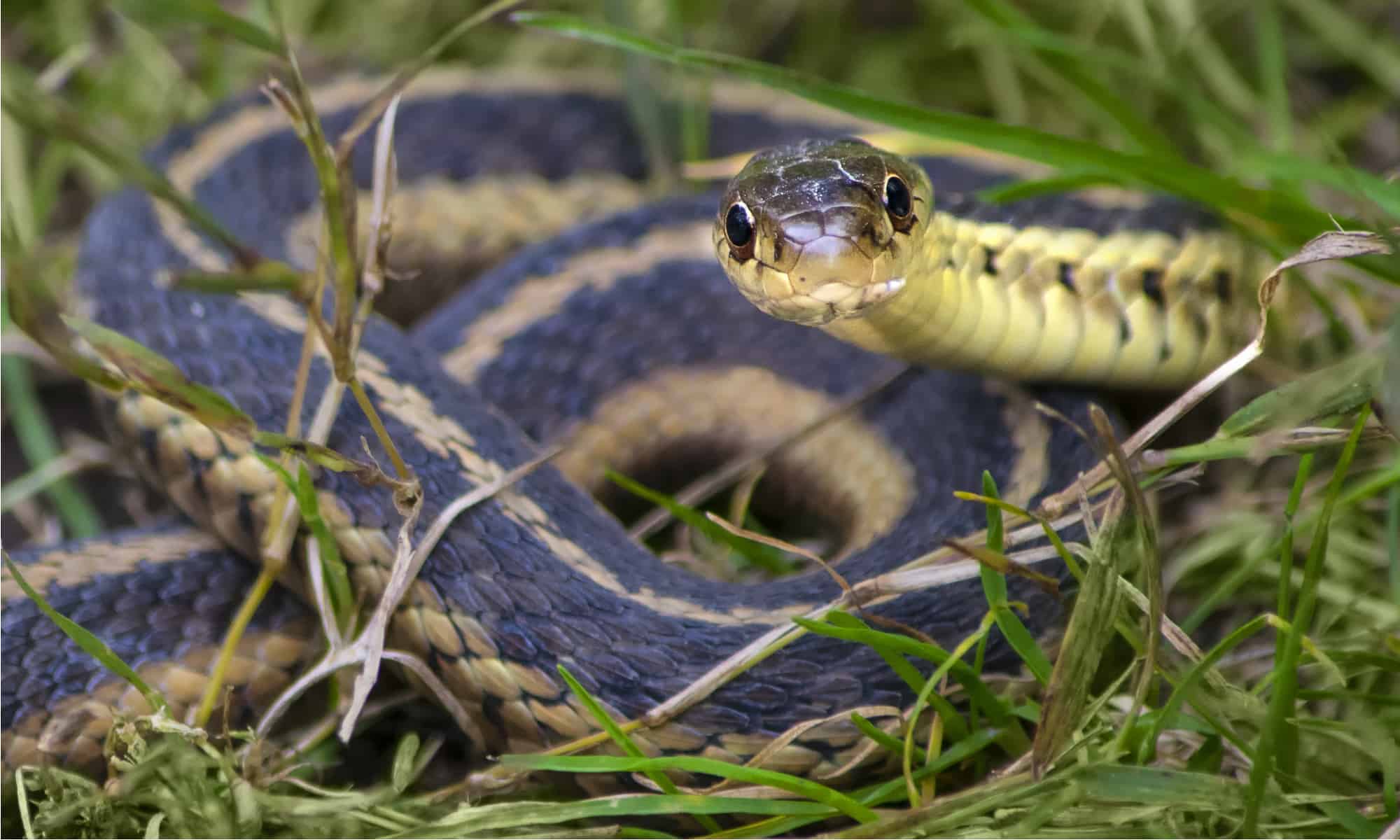
Deter Competitors and Predators
©K Quinn Ferris/Shutterstock.com
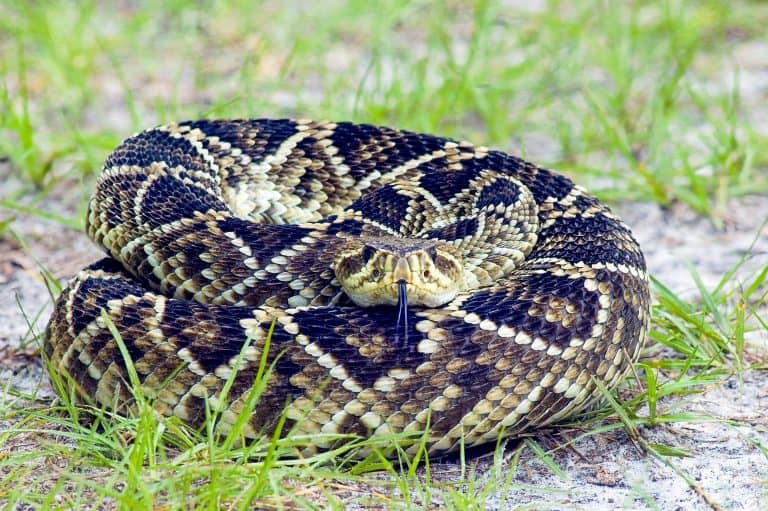
- Use pole guards to block snakes, raccoons, and squirrels.
- Cover nest holes until martins arrive to deter sparrows and starlings.
- Choose boxes with predator-resistant features.
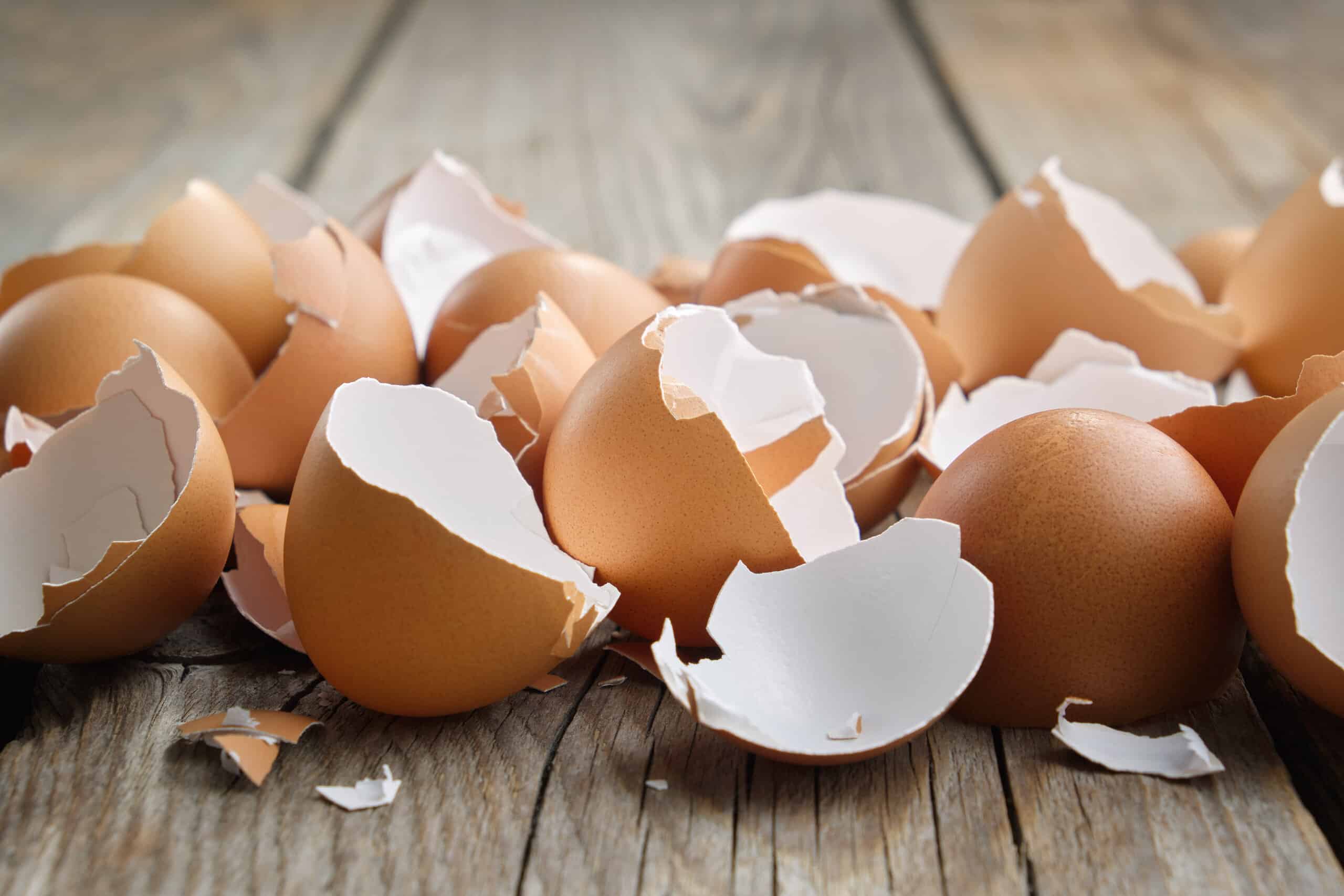
Offer Eggshells and Avoid Pesticides
©Chamille White/Shutterstock.com
- Finely crushed eggshells provide calcium for nesting females.
- Avoid pesticides, as martins rely on insect availability.
- Let martins handle your backyard pest control naturally.
Supply Nesting Materials
©iStock.com/beekeepx
- Leave twigs, grass clippings, and leaves around your yard.
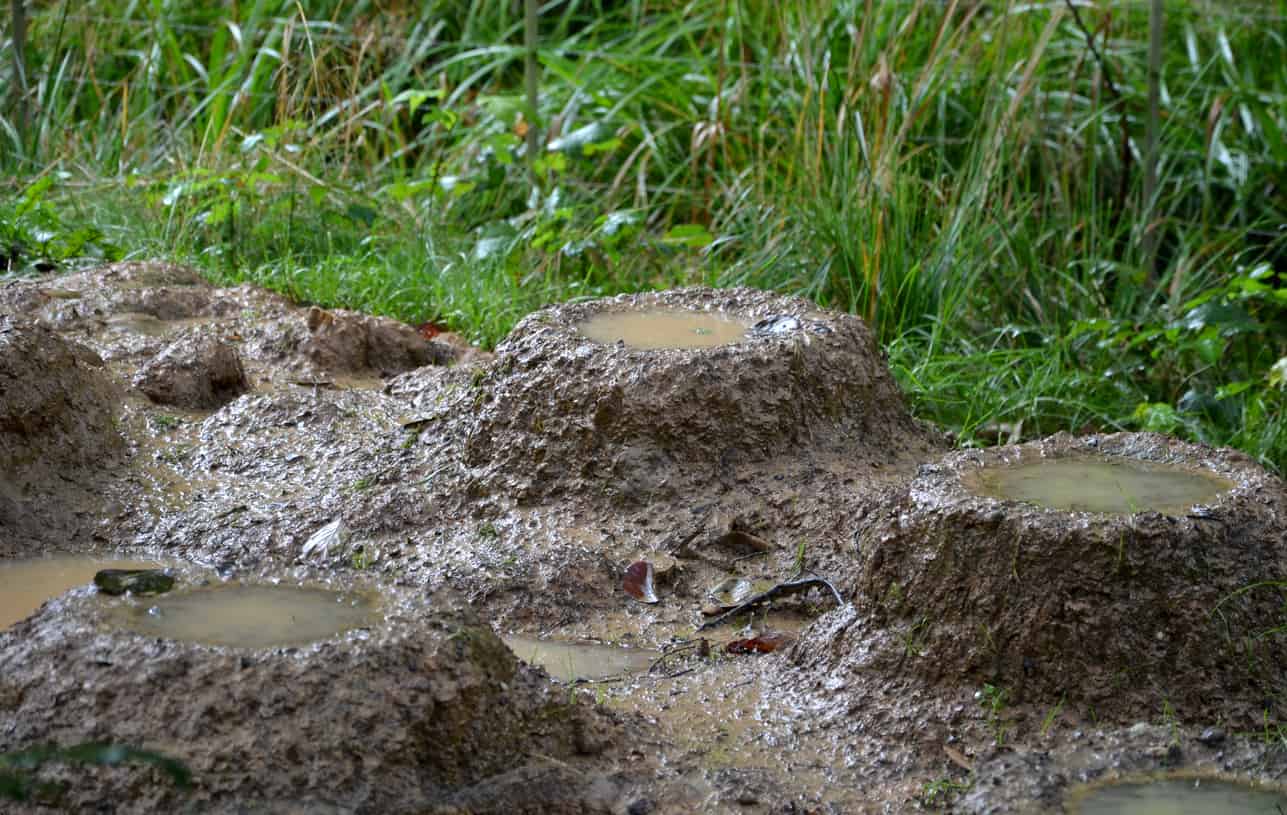
- Martins use these materials and mud to build nests.
- Easy access to nest materials encourages settlement.