
Summers across the globe have been getting hotter with temperatures reaching record highs in many areas of the world, and wildlife of all shapes and sizes need help to beat the heat. Most people tend to think of larger mammals like big cats, bears, and primates when they hear the word “wildlife,” and if you have a small yard or only an outdoor patio, you might be thinking that there’s little that you can do to help. In reality, though, wildlife covers the entire spectrum of organisms, and by modern definitions, even includes plants and fungi. In fact, insects make up the largest taxonomic group of the animal kingdom. Therefore, any space, no matter how small, can be critical to helping wildlife during scorching summer temperatures when you incorporate these tips.

Exceedingly high temperatures can make it difficult for wildlife of all shapes and sizes to persist in the summer.
©Ed Connor/Shutterstock.com
Summer temperatures mostly affect wildlife in two ways. First, the environment the species is in is simply hotter, making it more difficult for a species to survive. Just like humans, wildlife can suffer from overheating and heat exhaustion. For example, heat waves in Mexico caused howler monkeys to fall out of trees, dying from dehydration and heatstroke. Second, unless the higher temperatures are accompanied by ample amounts of rainfall, they are likely to dry out water sources that wildlife uses, putting them at risk of dehydration and even death. Therefore, to help wildlife during peak summer heat, it’s essential to focus on ways to provide cooler spaces in their environment and water sources for them to use.
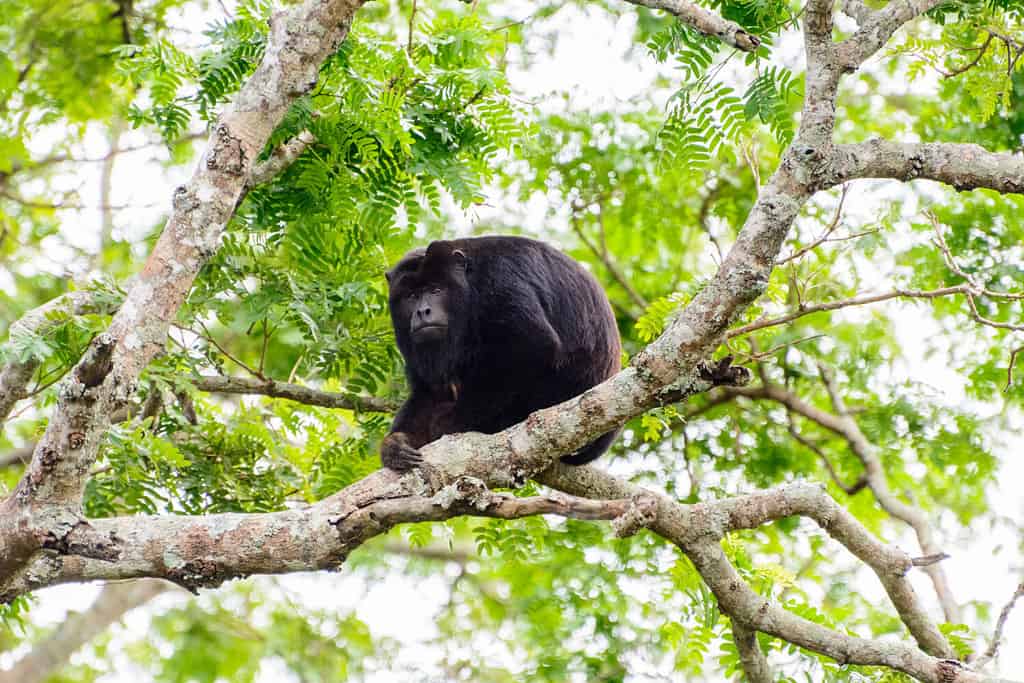
In 2024, temperatures in Mexico soared, causing howler monkeys to literally fall out of trees from dehydration and heatstroke.
©Lisa Stelzel/Shutterstock.com
Add Shelter to Create Shady Areas for Cool Spaces
According to the National Wildlife Federation, your yard or outdoor space needs to meet five key criteria for wildlife to thrive. Those include: shelter, water, places to raise young, food, and sustainable practices that don’t harm wildlife. Shelter is key for wildlife all year round, but it is in the summertime when temperatures are high, it is especially important not only for animals to have a place to live, but for them to cool down. Shelter helps wildlife in the summertime by blocking out the sun’s intense rays, which provides instant relief for them, especially for darker colored species that can absorb more heat. The shading effect of shelter also cools areas, making them several degrees cooler for wildlife to carry out their daily activities when the temperatures begin to climb.
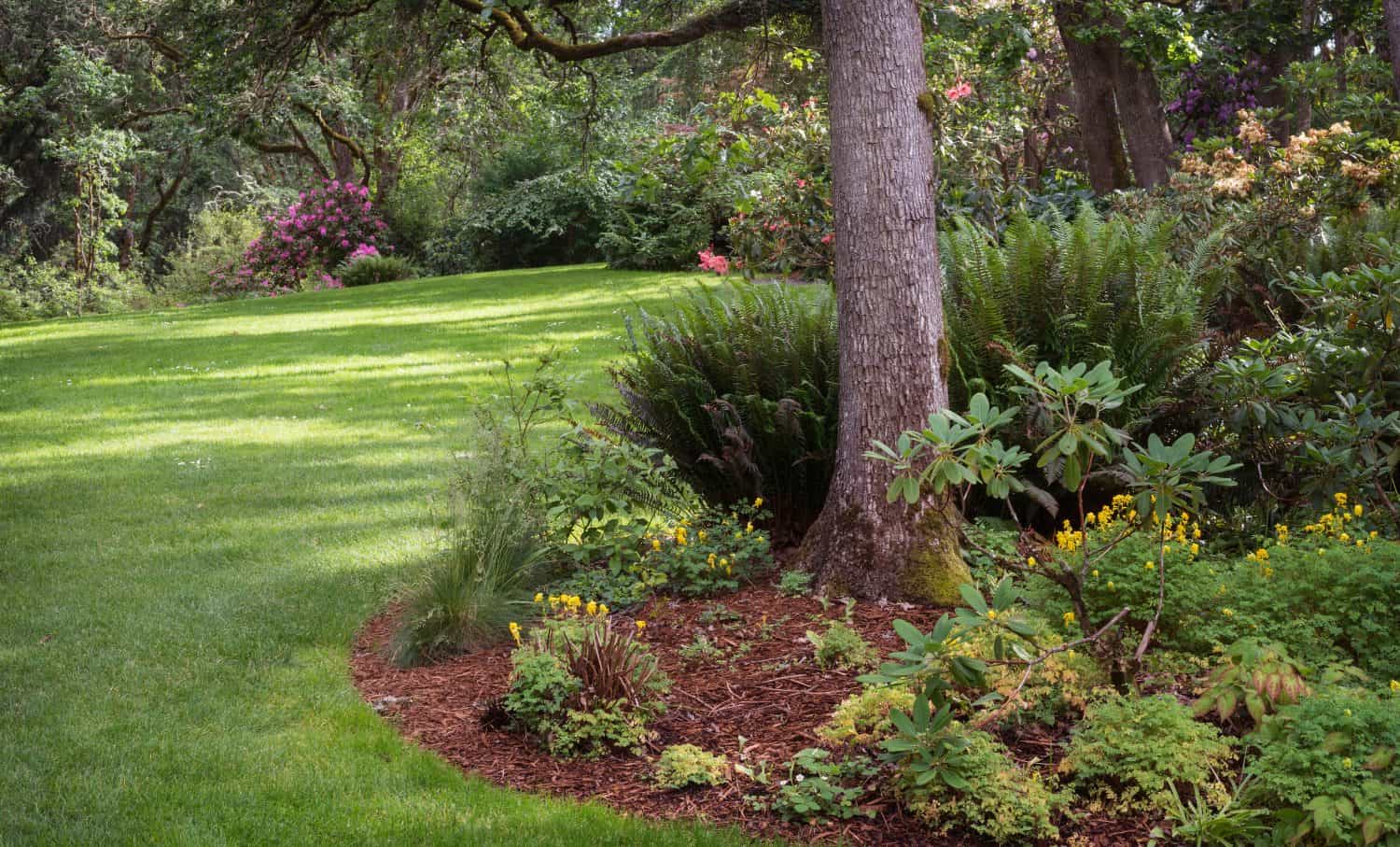
Natural shelter created by trees and other kinds of vegetation is essential in providing shady spaces and, therefore, cooler temperatures for all kinds of wildlife. Provide a variety of plant sizes to create structure and shade at multiple levels.
©Jamie Hooper/Shutterstock.com
Many animals even change their activity patterns during particularly hot days, becoming most active before the sun rises or after it sets. They may bed down during the day in shady areas or seek cooler temperatures underground in burrows.
To create shelter for wildlife that fosters cooler temperatures, think about adding features to your yard that provide shade, or maintaining your yard in a way that allows shade. For instance, rather than mowing your entire yard, let areas of it grow long so that plants can grow taller, bend over, and provide shade. Adrian Figueroa, Postdoctoral Research Associate at Florida International University, says, ”One of the most overlooked ways to help wildlife in the summer is by embracing a little bit of wildness in your yard. Leaving a corner of your garden unmowed with native grasses and flowering plants can provide vital refuge for pollinators, birds, and even small mammals seeking shelter from the heat.”
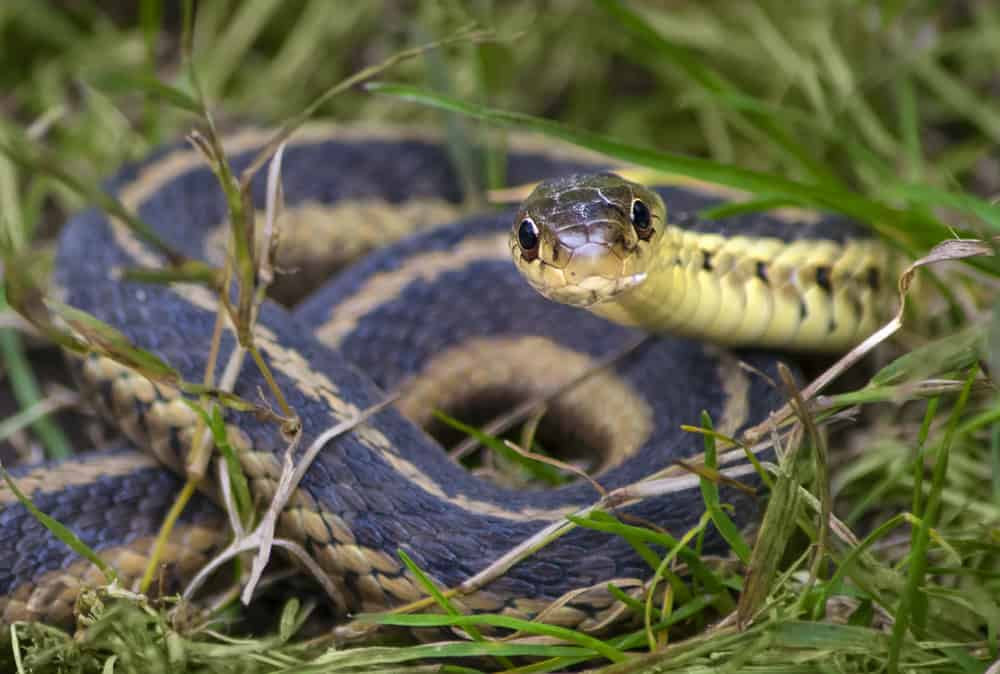
Leaving areas of your yard unmowed can provide shady spaces and microhabitat for smaller animals like this common eastern Garter snake.
©K Quinn Ferris/Shutterstock.com
Native Plants Provide Shady Shelter
To help wildlife the most, the best thing you can do is to plant and/or maintain native plants that exist in your yard, as they are the foundation for any wildlife habitat. Not only do native plants provide shelter by creating structure in your yard, but they will also be able to persist during times of high heat stress. DeAnna Beasley, Associate Professor at the University of Tennessee at Chattanooga, states, “Many native plants, especially in the southeastern United States, are often drought tolerant, low maintenance, and can provide vital shade and food resources.” Lee Walston, ecologist at Argonne National Laboratory, adds, “This lessens the need to water our gardens, and wildlife thrives in these habitat patches.” As native plants have co-evolved with native birds, butterflies, bees, and other insects, they also meet additional criteria that wildlife need, such as providing essential food sources and places to raise young.
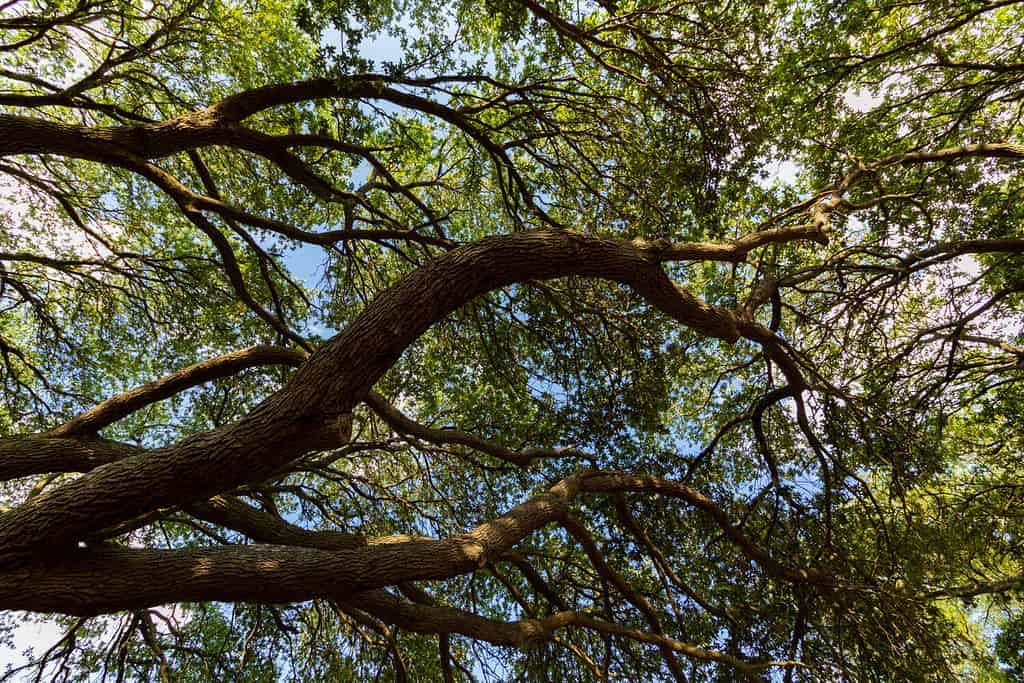
Tree branches provide extensive shading, like this Southern live oak tree.
©Nature's Charm/Shutterstock.com
Native plants, such as mature trees, provide extensive shade from their large branches. Shrubs and thickets are not as tall, but they can cover large areas and add a lot of cover and shade. Even native grasses, forbs, and wildflowers provide microhabitats where animals like insects, amphibians, small reptiles, and mammals can seek cooler temperatures. Figueroa explains, “For Florida-based species like the zebra longwing butterfly or green anole lizard, microhabitats with vertical structure, such as trellised vines or clustered shrubs, create cool, shaded retreats and hunting grounds. These features mimic the layered complexity of native habitats and help support natural behaviors.”
Smaller shady areas are especially important to amphibians like frogs, toads, newts, and salamanders, as these animals require moisture for their skin. Areas protected by shade from the sun’s rays won’t dry out as easily.
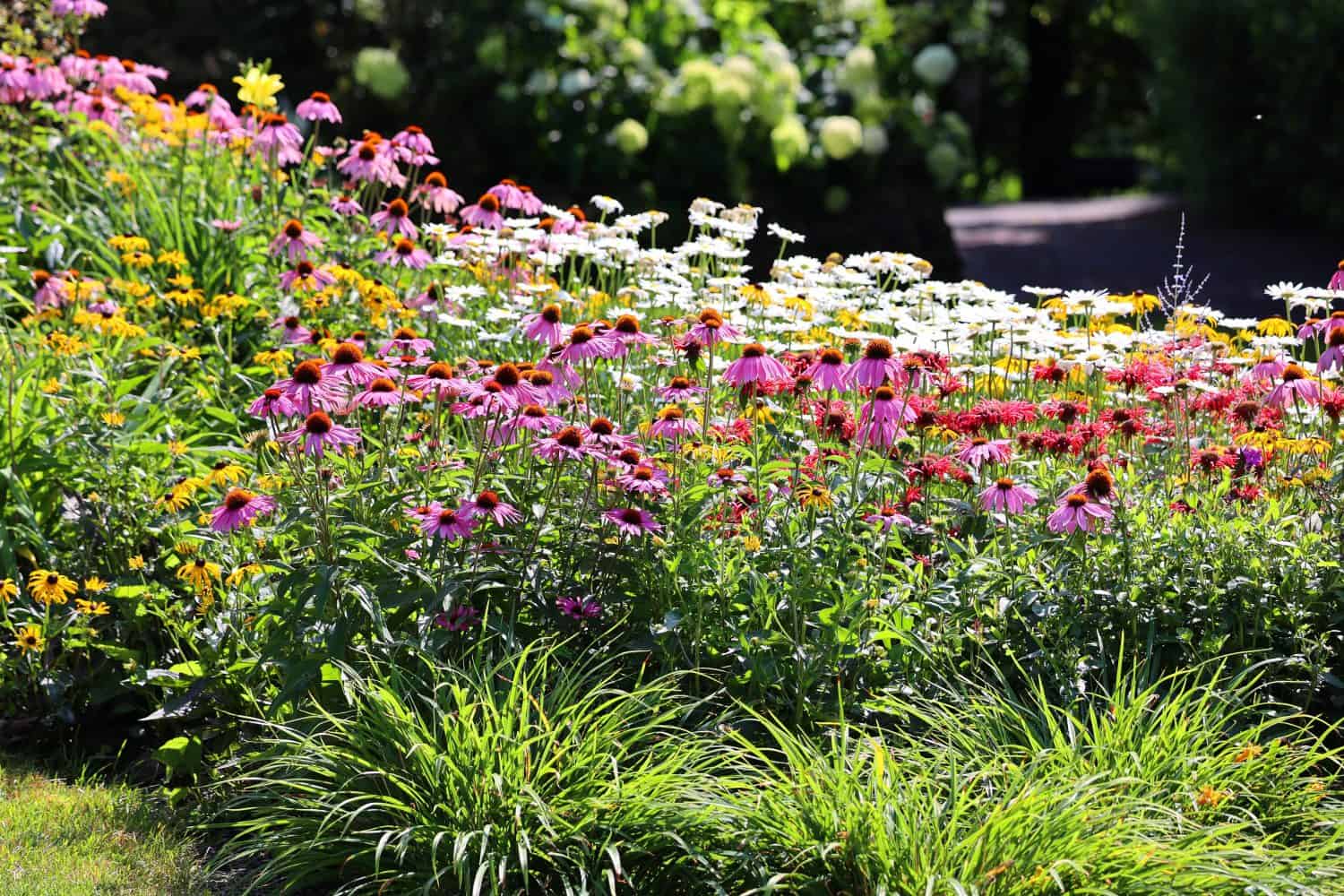
Ecologist Lee Walston recommends native wildflowers like purple coneflower and black-eyed Susan because they are drought-tolerant and can grow tall to provide shade for small wildlife species.
©meunierd/Shutterstock.com
You can even start prepping your yard to be a summer sanctuary for wildlife as early as the autumn season by not disposing of the leaves that fall from deciduous trees. The leaves can be left or raked into beds, where, when they are piled up, they can create layers of damp, shady microhabitat for amphibians, rodents, and reptiles to cover themselves with and cool off.
Many native plants, especially in the southeastern United States, are often drought tolerant, low maintenance, and can provide vital shade and food resources.
DeAnna Beasley, Associate Professor at the University of Tennessee at Chattanooga
If you don’t have a yard at all, don’t underestimate the impact a native plant container garden can have on a patio. Placing potted plants of wildflowers next to one another can create shady spaces as the plants grow, as well as food and habitat for butterflies, native bees, various insects, and even birds! Lee Walston recommends drought-tolerant native wildflowers like purple coneflower, black-eyed Susan, and milkweed species. “Those species are the easiest ‘starter plants’ for folks in the Midwest to see quick results. The black-eyed Susan plants will bloom their first year!” Walston says.
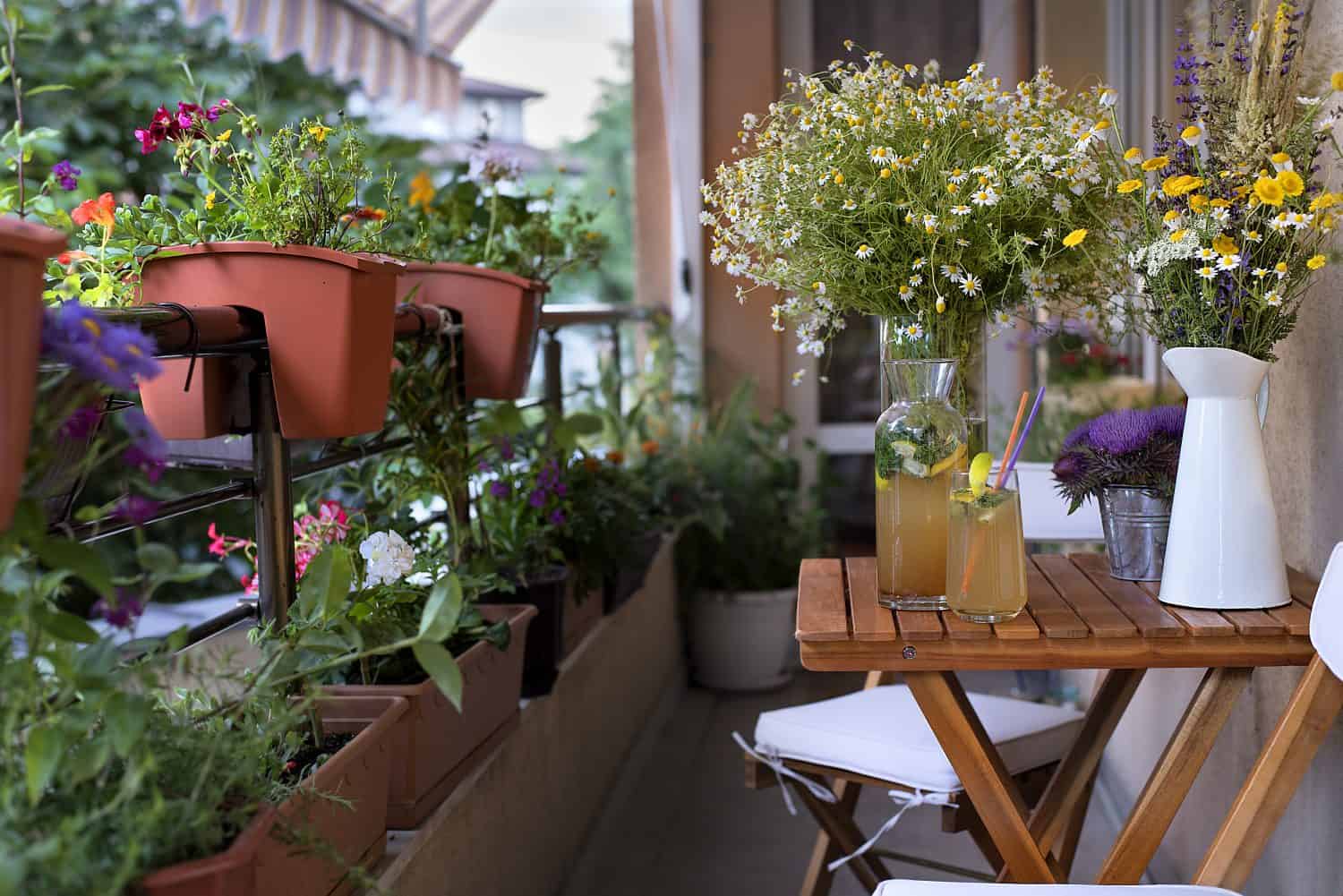
If you don’t have a yard, adding containers of plants can create shady spaces for smaller wildlife. Prioritize native plants to provide food sources and shelter.
©Isa Long/Shutterstock.com
Other Natural Features That Provide Shade and Shelter
Other ways you can provide shelter for wildlife to escape higher temperatures are by leaving dead trees, branches, and logs. For instance, woodpeckers need dead trees for their nest cavities, where they can also escape the sun’s rays as well as raise their young. If you don’t have any dead trees, you can set up a nest box for song birds to provide a similar effect. Fallen branches, bark, and left logs provide small shady spots for reptiles and amphibians to bunker under. You can also place them together in an area to create a brush pile. Small mammals like mice, voles, chipmunks, and squirrels love brush piles, as do reptiles like snakes and lizards, and amphibians.
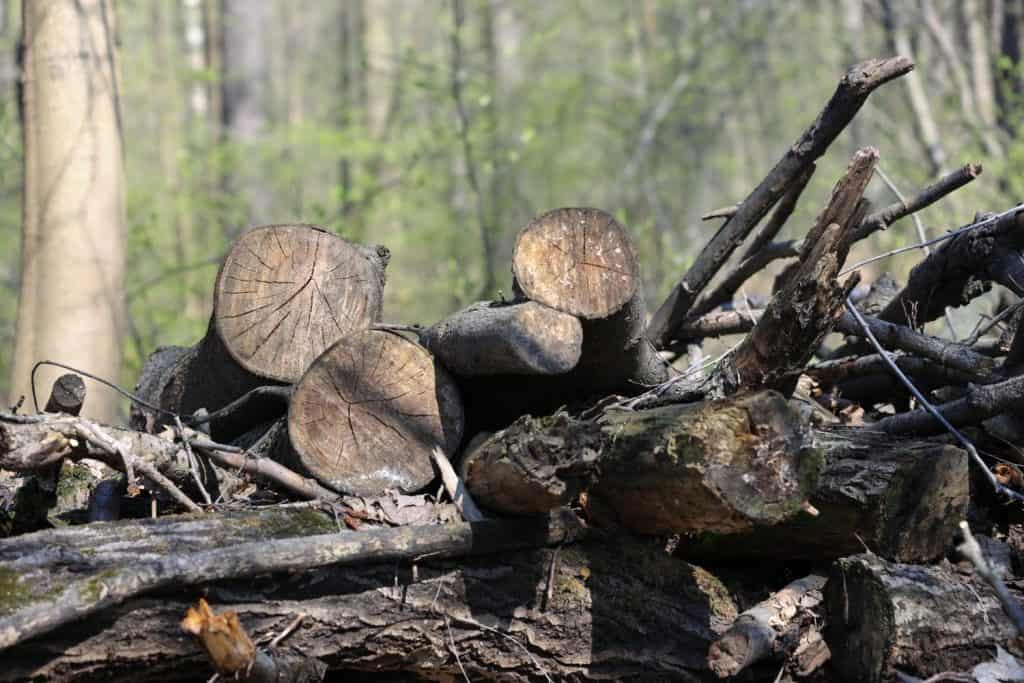
Logs, branches, and twigs can be gathered and placed into a brush pile, providing shady spots for chipmunks, snakes, and more.
©k49red/Shutterstock.com
Manmade Features That Provide Shade and Shelter
Manmade structures can also provide good sources of shade and shelter for wildlife. Rock piles or walls can provide homes and shady crevices for animals like chipmunks and even bees. Sheds can provide empty spaces between the ground and the bottom of the shed where animals like foxes, opossums, and woodchucks can hide out or burrow under. Broken pots for plants can be turned upside down into a “toad abode.” Even functional and decorative features like benches, tables, and chairs can provide shade for wildlife.
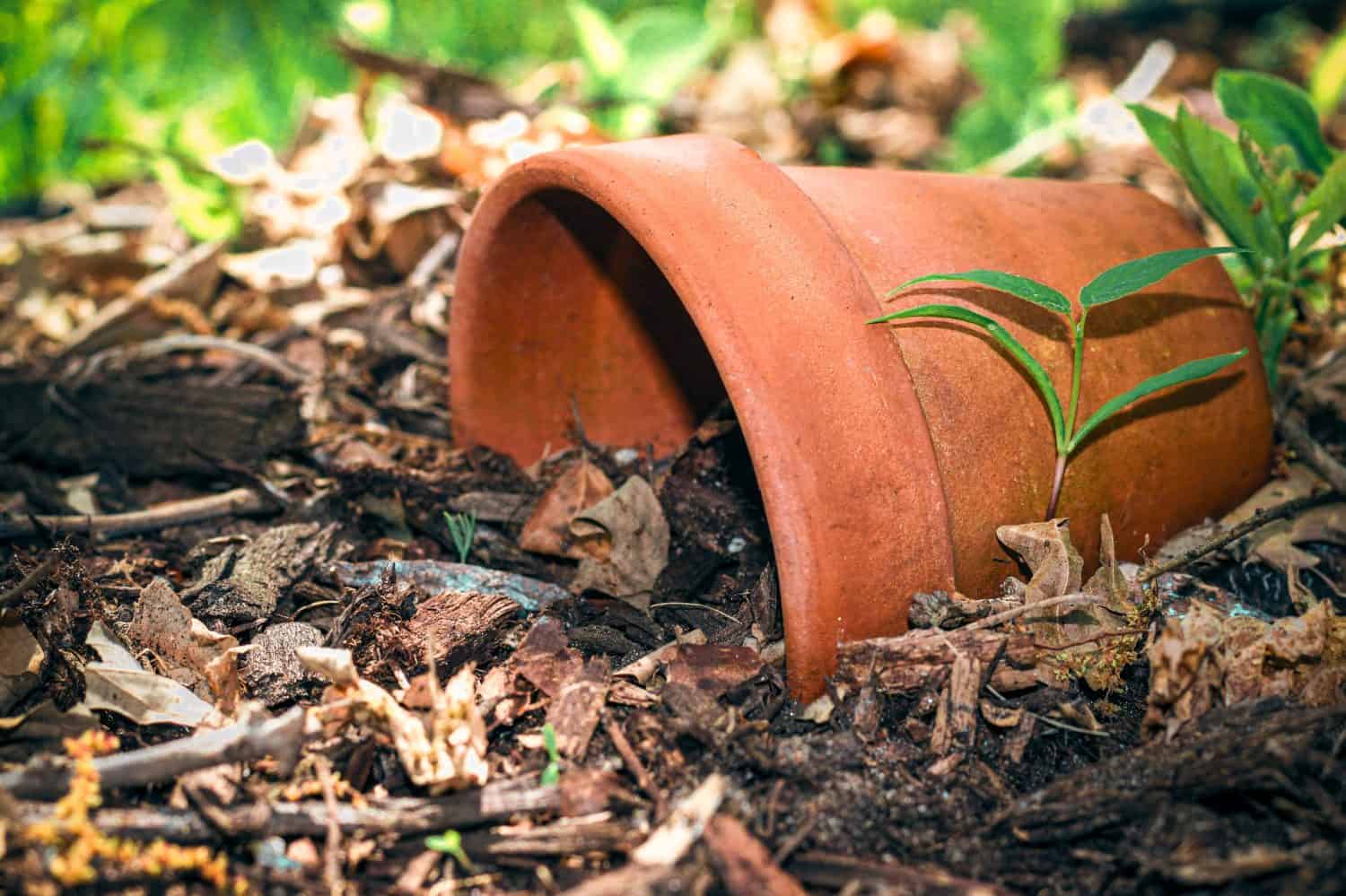
A ceramic pot turned on its side can create a “toad abode,” providing shade, moisture, and cooler temperatures.
©mailcaroline/Shutterstock.com
If you find burrows or holes in your yard, it’s important to leave them as many animals burrow underground to escape high summer temperatures. Even if the burrow looks like it has been abandoned, another animal may use it later. For example, bees can use old chipmunk burrows for shelter.
Water Sources Are Essential for a Summer Wildlife Sanctuary
Animals need water year-round for drinking, but during extreme summer heat, water sources are especially important. Hotter temperatures and less rainfall mean areas will likely undergo drought, and regularly visited water sources may dry up.
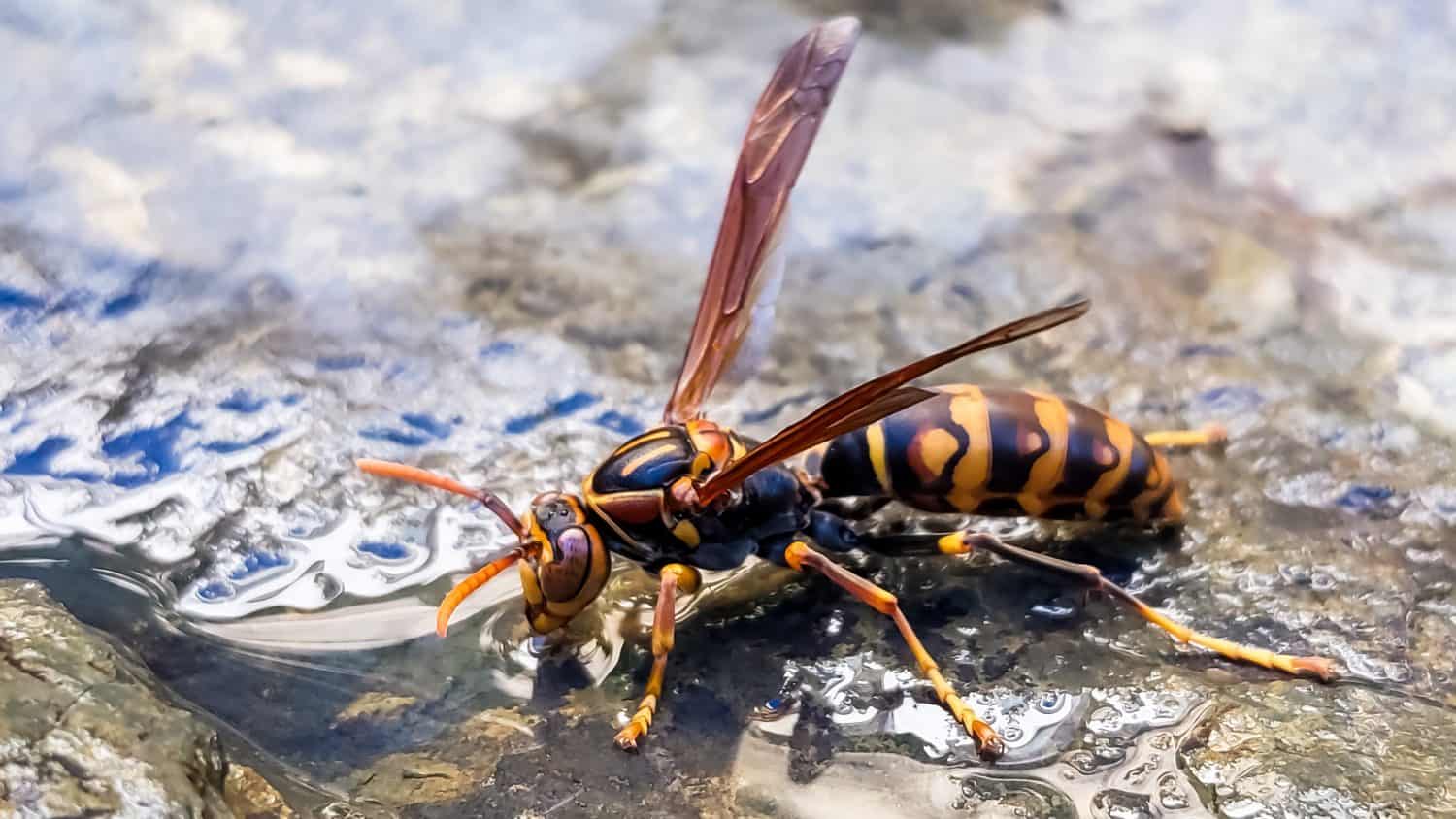
Wildlife of all shapes and sizes need water during the hot summer temperatures like this wasp, which is an important pollinator.
©My Angel L.A. Images/Shutterstock.com
Water sources also cover multiple criteria for making your yard hospitable for wildlife, as they not only provide water but can also act as shelter depending on the species. For instance, all amphibians, dragonflies, and damselflies need a water habitat in their early life stages to reproduce, and most of these species will stay around them as adults. Water also adds another benefit to wildlife. When animals can cover themselves in water or mud, they can use this as a means to cool their body down.
Bird Baths Are for Other Animals, Too
The most conventional and probably familiar way to provide water for wildlife is through a bird bath, but more than just birds will visit this water feature. Taller animals like deer and even bears will take a drink. Animals that can climb, like squirrels, chipmunks, and raccoons, should be able to find their way up to the basin. Small animals that you might not notice, like native bees and other insects, are also likely to visit. Bird baths are easy to order online or find in home and garden stores, and can be a decorative feature to make your yard more beautiful as well.
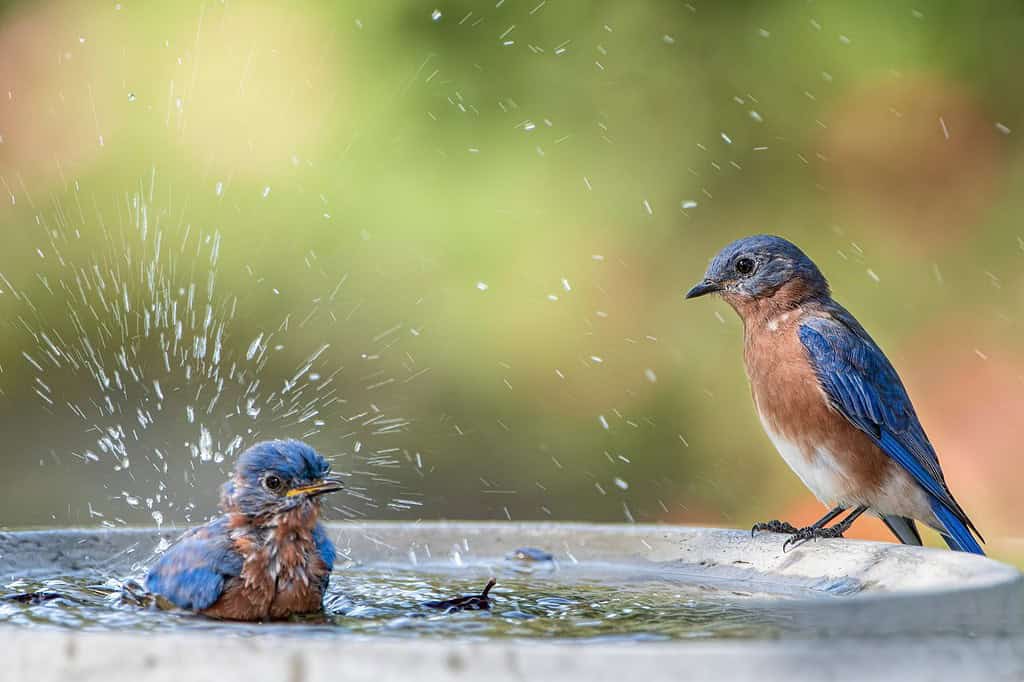
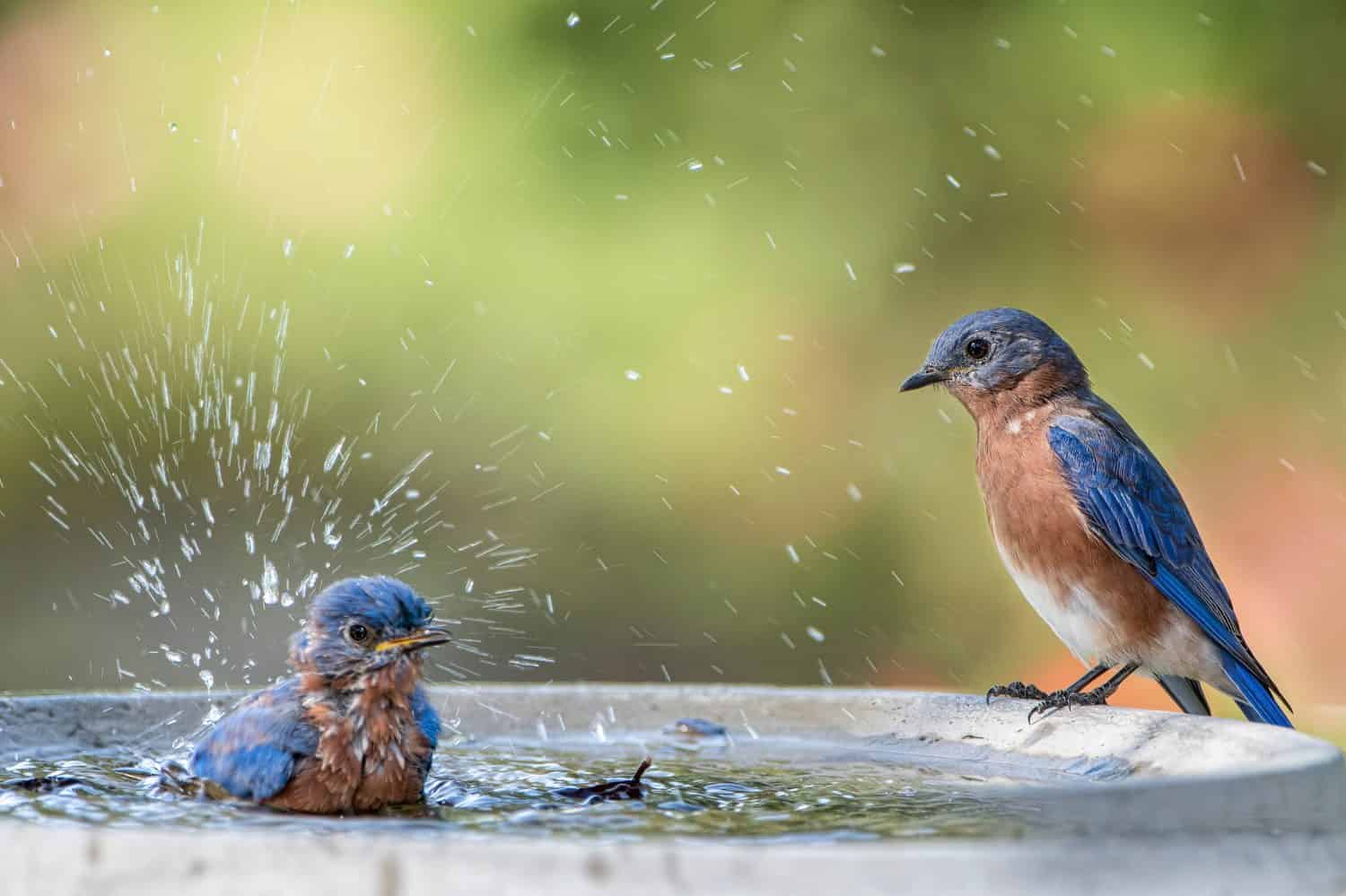
Bird baths provide a water source for drinking for wildlife and also allow them to cool themselves down.
©Bonnie Taylor Barry/Shutterstock.com
Smaller Water Sources for Wildlife
Similar to a bird bath, but smaller and on the ground, you can simply place a bowl with stones in it and fill it with water. Animals will be attracted to the water, while the stones allow insects and other small animals to sit safely while drinking without falling in. If you want to attract butterflies, you can simply add soil to the bowl. The soil mimics mud puddles by providing salt and other minerals that butterflies seek to absorb.
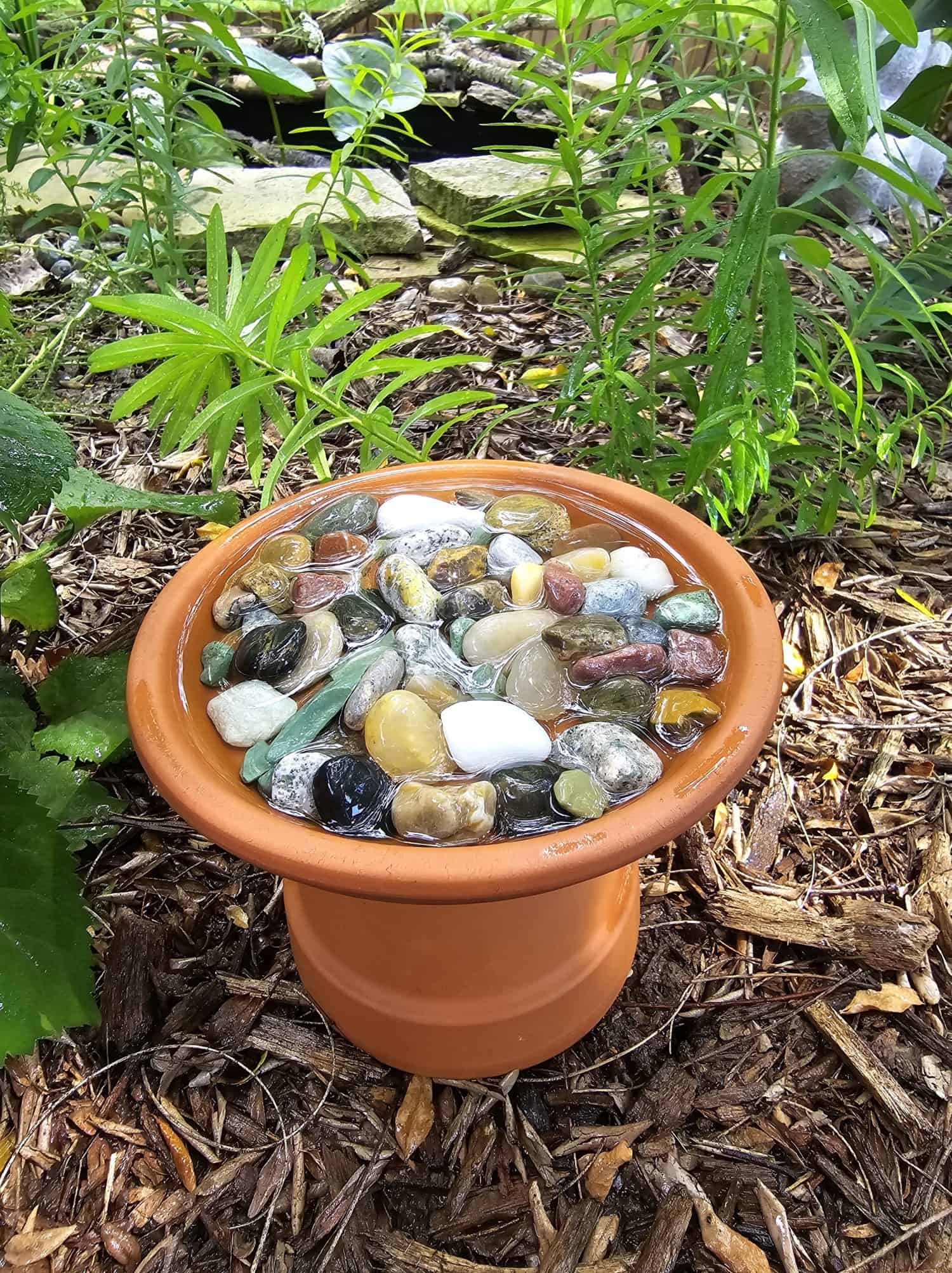
Putting out a basin full of stones and water provides a safe space for insects to land and drink water. You can also place the basin directly on the ground.
©Katie Hobgood/Shutterstock.com
In fact, adding a water feature to your yard can be as simple as creating a mud puddle or allowing natural ones to exist. Throughout the summer, when natural water sources can dry up, native bees and other insects can be found accessing water in roadside puddles and ditches. However, they run the risk of being exposed to excessive pesticides and other pollutants. Puddles may sound like an insignificant source of water, but providing a pollutant-free source of water in your yard, as small as a mud puddle or basin, can improve their chances of making proper nests and reproducing successfully.
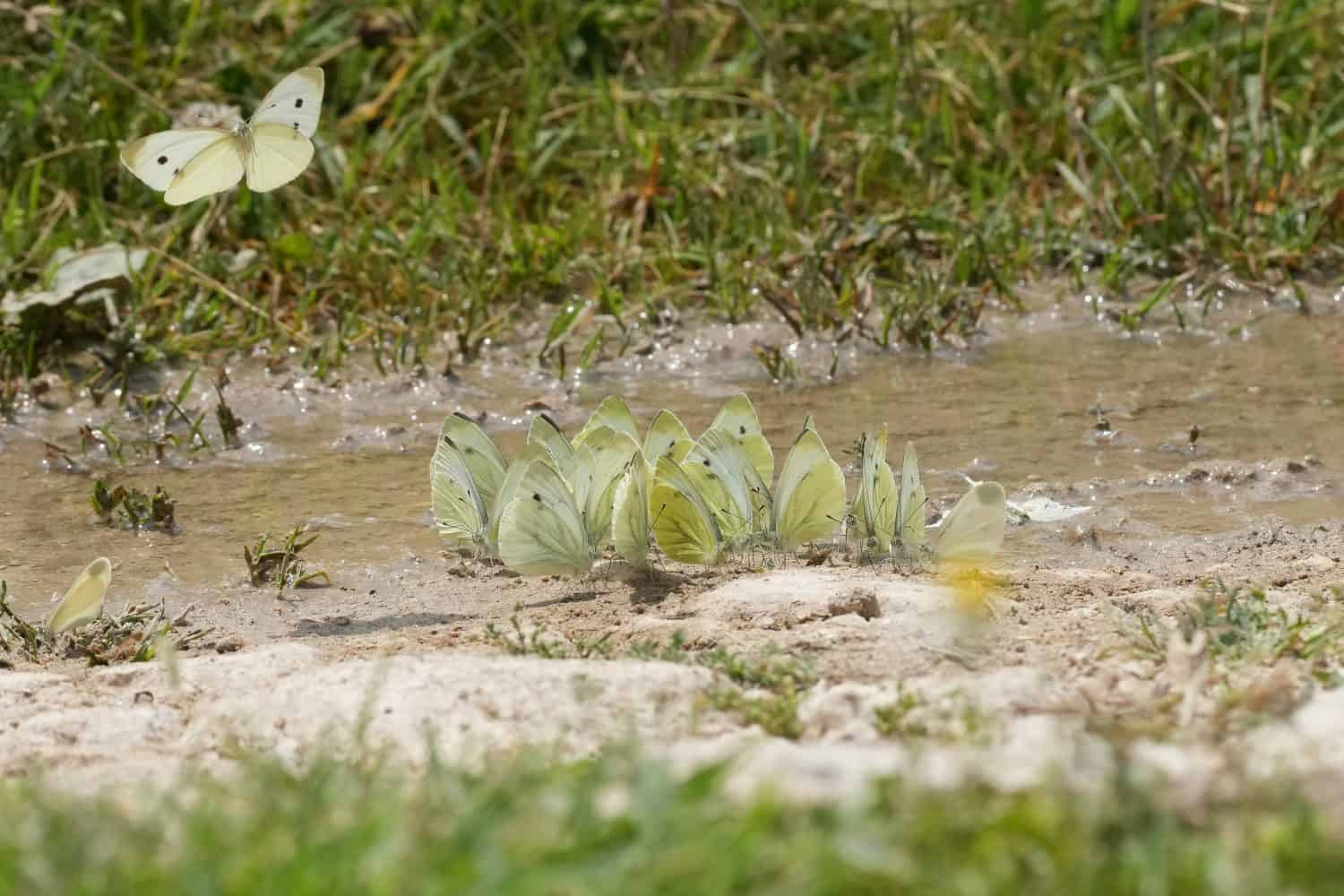
Doing something as small as adding a mud puddle can provide essential water for small species and attract butterflies like these European Green-veined White butterflies.
©HWall/Shutterstock.com
Butterflies will especially be attracted to mud puddles, but other insects, small mammals, reptiles, amphibians, and birds will benefit. You might find mason bees using the mud, which is a material they need to create their nests, and you’ll likely find birds bathing just as they would in a bird bath. Some amphibians like the crayfish frog require ephemeral or temporary water sources like large puddles that naturally dry up for breeding.
Larger Water Sources for Wildlife
Adding a pond is a great way to provide a permanent water source for wildlife during the hot summer months, as well as a habitat for those that are tied to water. Larger animals will have ample amounts to drink, while smaller ones like frogs, dragonflies, and damselflies will have a new place to move in. When creating a pond, though, it’s important to make it as natural as possible with sloping banks so that animals cannot easily fall in. If your pond has to have vertical sides, it’s important to add features to it, like large stones and native aquatic plants, so that if small animals do fall in, they can easily climb out instead of drowning.
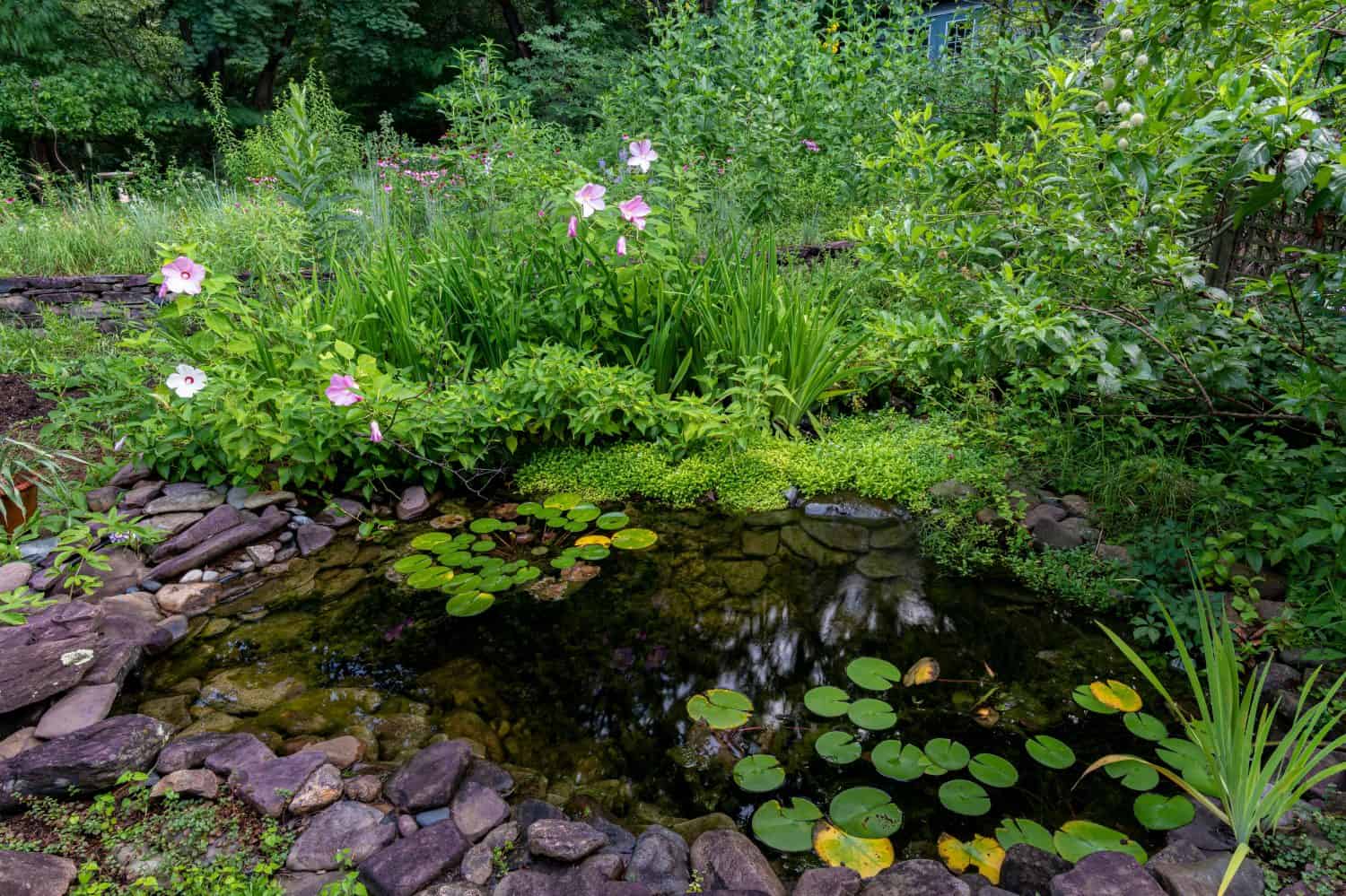
Ponds are a great way to provide an ample water source for wildlife to rehydrate and cool down.
©Gerry Bishop/Shutterstock.com
Concerns About Mosquitoes
A fear for many people that comes up with adding a water source to their yard is that they are worried about creating breeding pools for mosquitoes. Using pesticides to kill mosquitoes is not in alignment with creating a sanctuary for wildlife, as pesticides do not discriminate and will also kill native insect species. It’s also not effective, as other adult mosquitoes will simply move into the area as a new space opens up for them.
Rather, for bird baths and basins, simply dump the water every few days and refill them with fresh, clean water to prevent mosquito larvae from developing. For ponds, adding a pump will keep the water moving and prevent mosquitoes from laying eggs, as they only reproduce in still water. For open water pumps, ensure there is a protective screening attached to prevent dragonfly and damselfly nymphs from being pulled in.
No matter what size your yard is, or even if you only have some concrete space on your patio, adding some native plants to create shelter, and a small water basin with stones can be enough to help out important species get some relief from the intense summer heat.