
It’s safe to say cockroaches are no one’s favorite creature. And that revulsion is justified, as they carry disease and can trigger asthma, appear in every room of the house, and seem to have superpowers that make them resistant to every attempt to eradicate them. Your first line of defense, though, is not eradication but prevention. Chances are, some of your everyday habits are rolling out a welcome mat to roaches. But the upside is that it only takes a few easy (honestly, really easy) adjustments to make your home much less attractive to roaches.
Why Are Roaches So Hard to Kill?
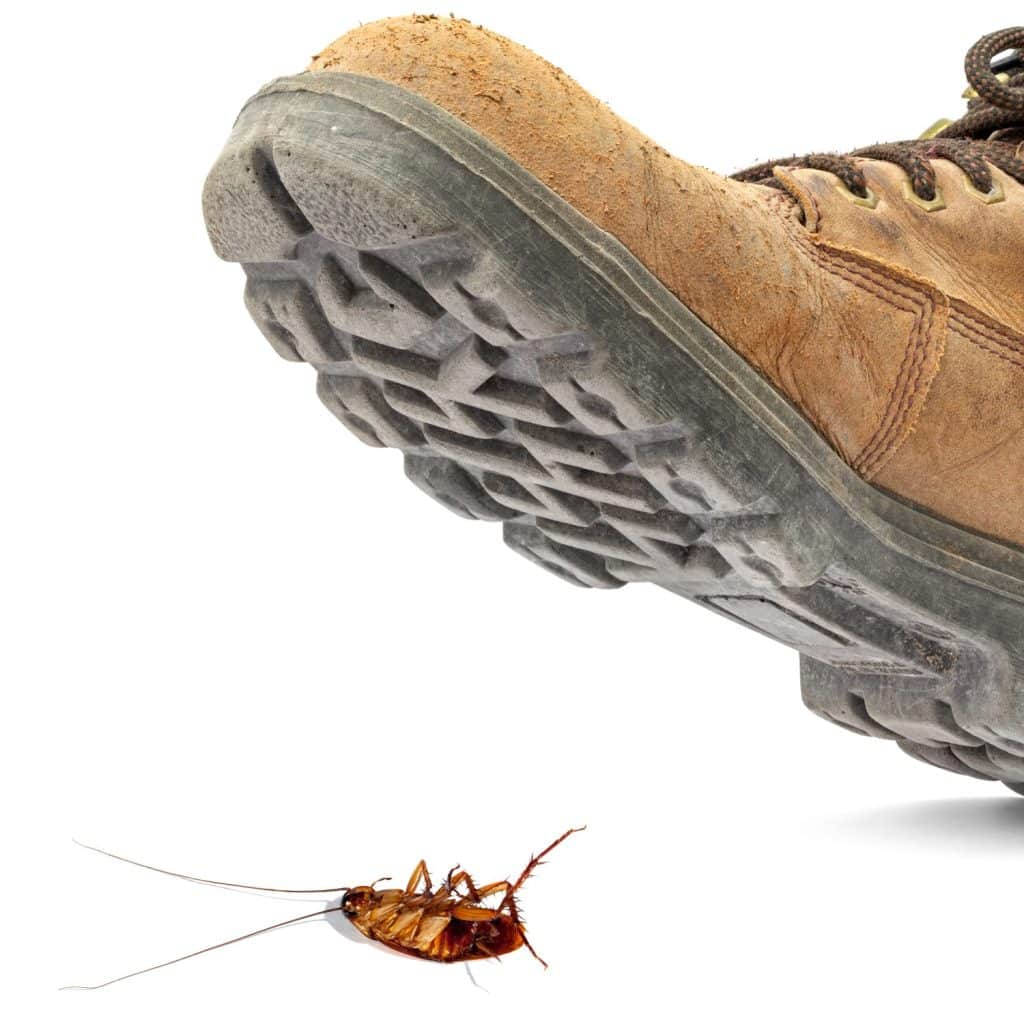
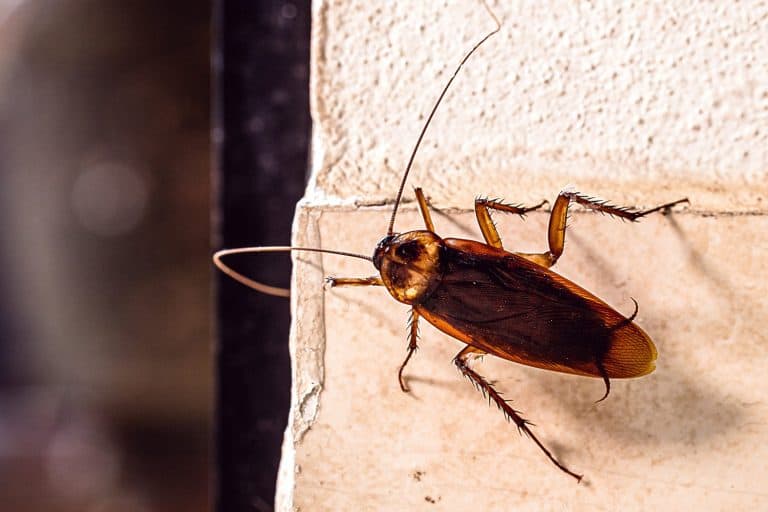
A large roach infestation will take a lot more boots than this.
©Protasov AN/Shutterstock.com
Cockroaches are notoriously hard to kill because they’re built for survival. Their tough exoskeletons, rapid reproductive cycles, and ability to squeeze into the tiniest cracks make them difficult to eliminate completely. Even worse, many cockroach populations have developed resistance to common pesticides, meaning the sprays that once worked may now do little or nothing. Over time, repeated exposure to the same chemicals has allowed the most resistant roaches to survive and pass on their genes—creating super-resilient offspring. This growing resistance is one reason professional pest control increasingly relies on integrated approaches, not just chemical treatments. And that means preventing roach infestations before they grow out of control.
Why Roaches Love Living With Us

Roaches live with people because we make life so easy for them.
©New Africa/Shutterstock.com
Cockroaches are ancient survivors. With thousands of species worldwide, they’ve adapted to thrive in nearly any environment—but American, German, and Oriental roaches are the ones that most often make themselves at home indoors. What they’re looking for is simple: warmth, moisture, darkness, and access to food. Unfortunately, our homes often check every one of those boxes. Cracks to hide in? Check. Humid bathrooms? Yep. A forgotten cookie crumb or two? Jackpot. Even if you think your home is pretty clean, some common slip-ups can be enough to attract these stubborn pests.
Habits That Attract Roaches—And How to Fix Them

Bad habits are hard to break. Let’s start on some easy things.
©Estrada Anton/Shutterstock.com
Here are some of the most common habits that attract roaches, and each of them has a simple fix.
Leaving Food Out
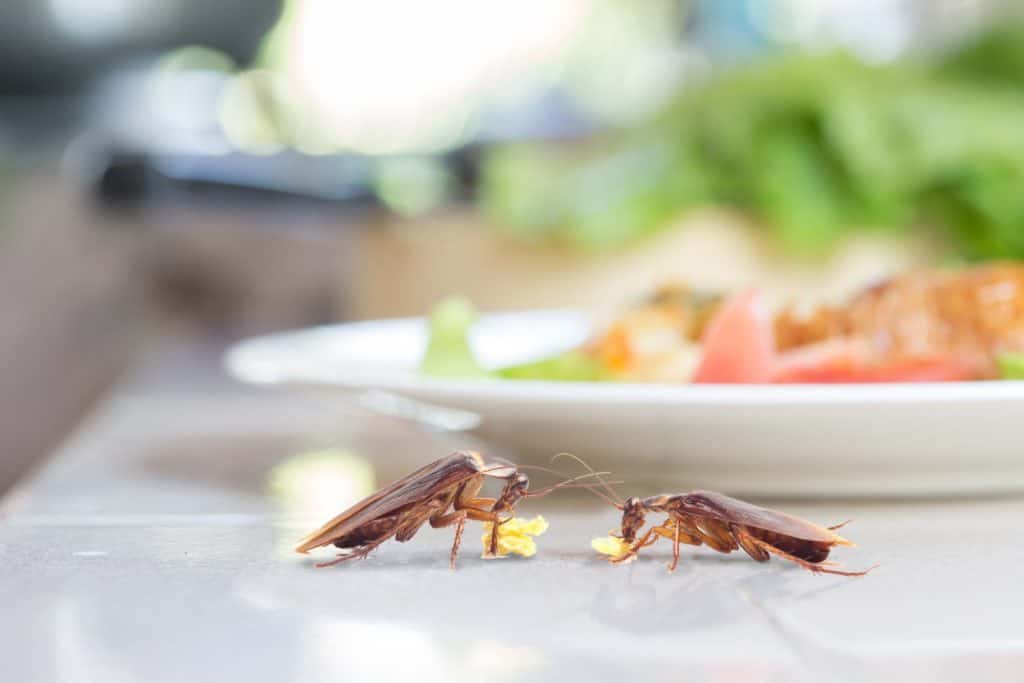
Just take a few minutes after eating to sweep leftovers into the trash or put them away in sealed containers in the fridge.
©gan chaonan/Shutterstock.com
Roaches don’t need much to survive. A forgotten sandwich crust, an open cereal box, or even crumbs from a midnight snack can feed them for days. And because they’re nocturnal, they come out when you’re asleep—just in time to feast on whatever’s been left behind.
How to fix it: Store food in tightly sealed containers, clean up after meals, and avoid leaving snacks or leftovers out overnight. If you have pets, empty their bowls before bedtime and take out the kitchen trash regularly, especially if it contains food.
Crumbs, Spills, and Sticky Surfaces
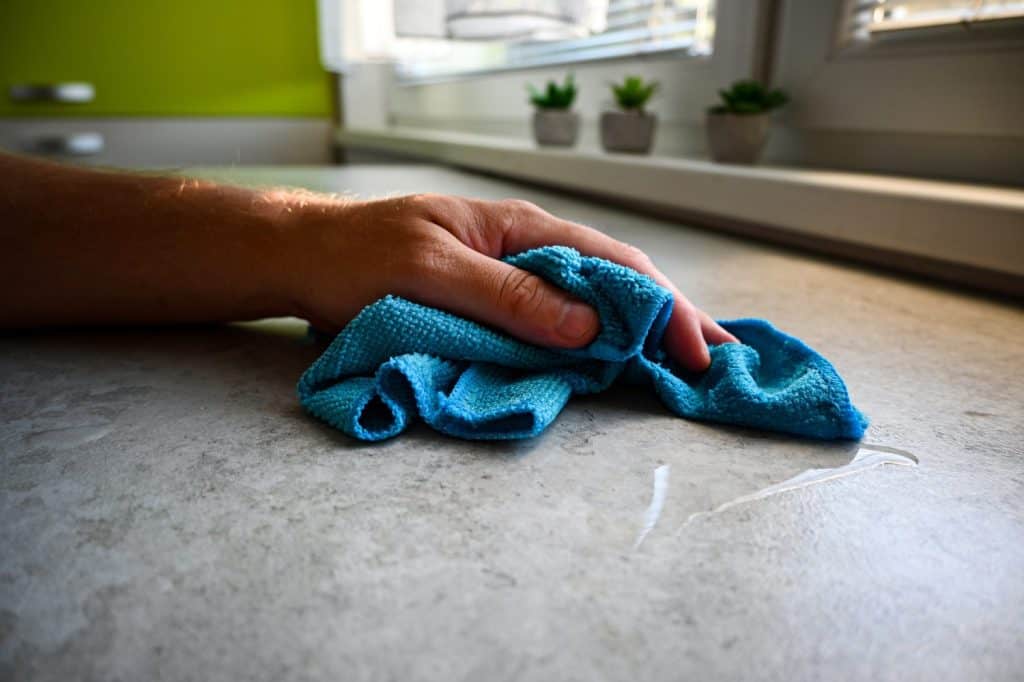
Spills and crumbs can be easy to overlook on patterned countertops. Just make a habit of wiping them off regularly whether they look like they need it or not.
©Juraj Kral/Shutterstock.com
It’s easy to overlook the messes hiding in corners and under appliances. But even tiny particles of food—like the crumbs beneath your toaster or spills that have dried on the floor—are more than enough to attract roaches. They have a keen sense of smell and are surprisingly good at finding snacks in hard-to-reach places.
How to fix it: Wipe down counters daily, sweep kitchen floors, and mop regularly. You’ll find that investing in a robo-vac/mop is well worth it for the time and mess it saves, by the way. Make a habit of moving tabletop appliances like the microwave and toaster occasionally to clean behind and underneath them. Pay attention to corners and baseboards where food debris can accumulate unnoticed.
Too Much Clutter

Clutter lowers your quality of life and raises roaches’.
©Thomas Bethge/Shutterstock.com
Roaches love tight, hidden spaces where they can nest and breed without disturbance. That makes piles of newspapers, cardboard boxes, paper bags, and forgotten storage containers ideal hiding spots—especially when they’re left in dark, undisturbed corners.
How to fix it: Keep clutter to a minimum. Recycle newspapers and cardboard promptly, and store what you need in plastic bins with secure lids. Don’t let stacks of unused boxes or shopping bags pile up in closets or garages. Get in the habit of throwing unnecessary things away immediately rather than letting them accumulate and become an overwhelming chore.
Leaky Faucets and Damp Areas
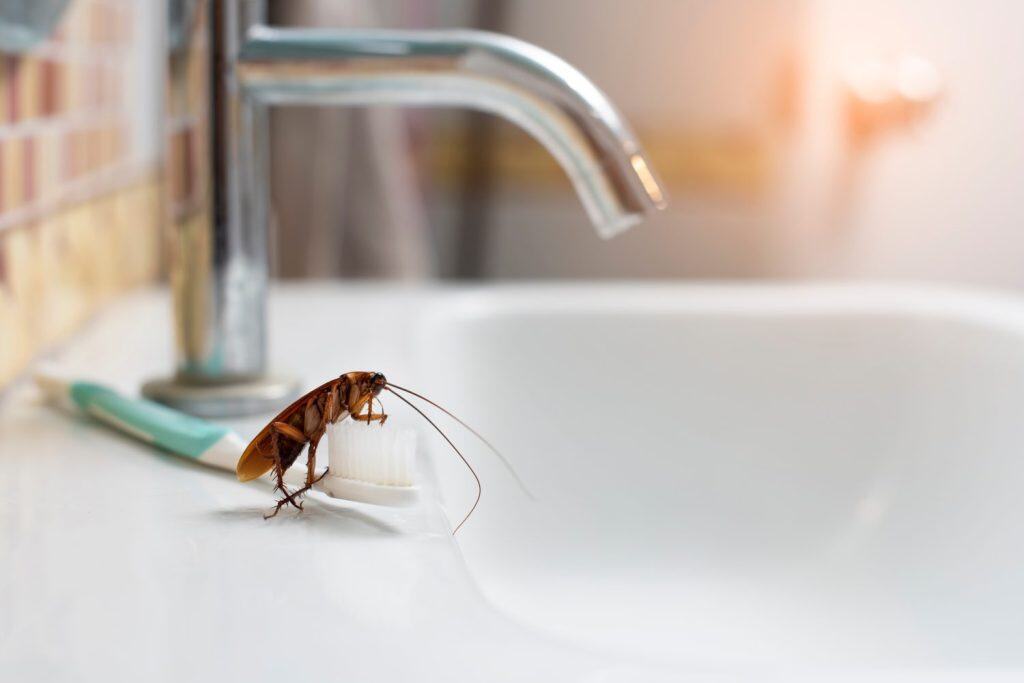
Oh. My. Word. Look what this roach is SITTING ON!
©Pasonglit Junuan/Shutterstock.com
Roaches can survive without food for weeks—but without water? Not so much. Leaks, drips, and humid spaces provide all the moisture they need to stay alive. That’s especially true during dry seasons or in places with low rainfall, where water becomes even more attractive.
How to fix it: Repair dripping faucets and leaking pipes as soon as you notice them. Don’t let water sit in sinks or pet bowls overnight. Use bathroom fans or dehumidifiers to reduce moisture, and towel-dry showers and sinks at the end of the day.
Dirty Dishes in the Sink
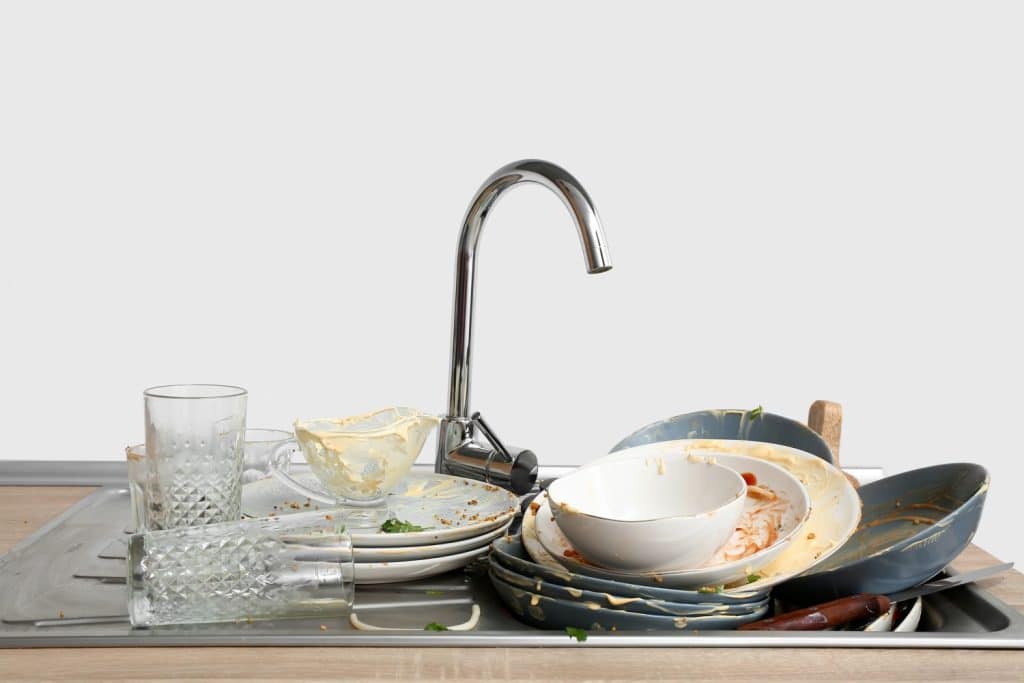
Rinse them and put them in the dishwasher as you go. Simple as that.
©Pixel-Shot/Shutterstock.com
We’ve all left dishes “to soak” overnight at some point. But that stack of dirty plates is a buffet for hungry cockroaches. Even small amounts of food residue or grease are enough to keep them coming back.
How to fix it: Wash dishes right after meals, or at least give them a good rinse if you plan to wash them later. If you have a dishwasher, make it a habit to rinse your dishes right after use and put them in it. Don’t leave used utensils, pots, or food containers in the sink overnight.
Overflowing or Open Trash Cans
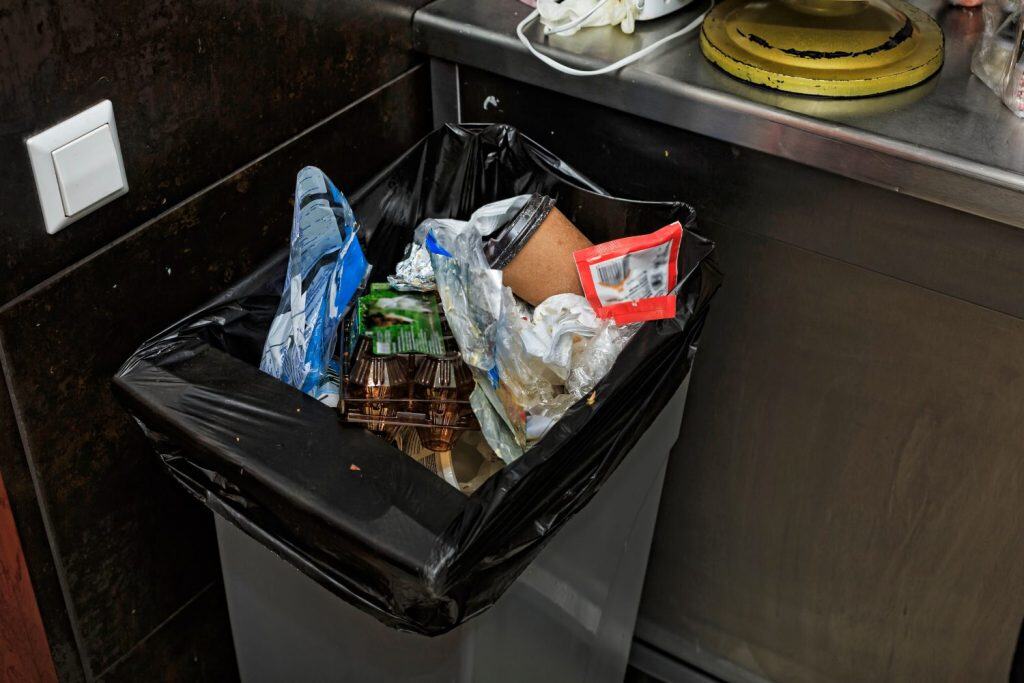
Take out the trash. Sortez la poubelle. Выбросьте мусор. 쓰레기를 버리세요. Any questions?
©G.MARTYSHEVA/Shutterstock.com
An unsealed trash can is a gold mine for roaches. Food scraps, banana peels, greasy paper towels—they’ll gladly dig through it all. And if your bin overflows, you’ve just made it even easier for them to score a meal.
How to fix it: Use kitchen trash cans with secure lids. Empty them every day or two, and more often if they contain food waste. Wash and disinfect your trash bins regularly to remove sticky residue or lingering odors that attract pests.
Openings and Cracks That Let Them In
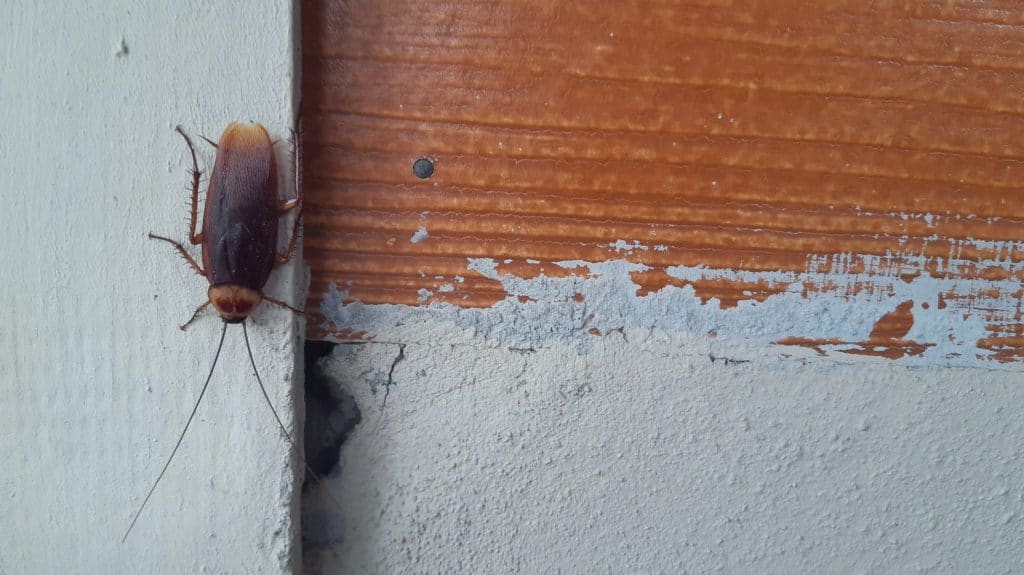
You can combat roaches from inside and outside your house by sealing cracks.
©Naragon/Shutterstock.com
Roaches will infiltrate your house like sinister little ninjas. They can flatten their bodies to squeeze through gaps the width of a credit card. That means even small cracks in your foundation, gaps under doors, or tiny openings around windows and pipes can be entry points.
How to fix it: Seal cracks and crevices with caulk, install weather stripping around doors and windows, and repair torn screens. Use door sweeps to block gaps along the bottom of exterior doors.
Letting Cardboard Linger

Did you know roaches eat cardboard? We didn’t either. So in this case, surprisingly enough, we recommend . . . plastic. (Ugh. That was hard to say.)
©goir/Shutterstock.com
Certain species of roaches are drawn not just to the dark shelter of cardboard but also to the material itself—they’ll eat it. Cardboard glue and fibers are particularly attractive, especially when boxes sit in basements, closets, or garages for long periods.
How to fix it: Recycle cardboard boxes promptly and avoid using them for long-term storage. If you need to store items, choose plastic bins with secure lids instead.
Habits Matter More Than You Think
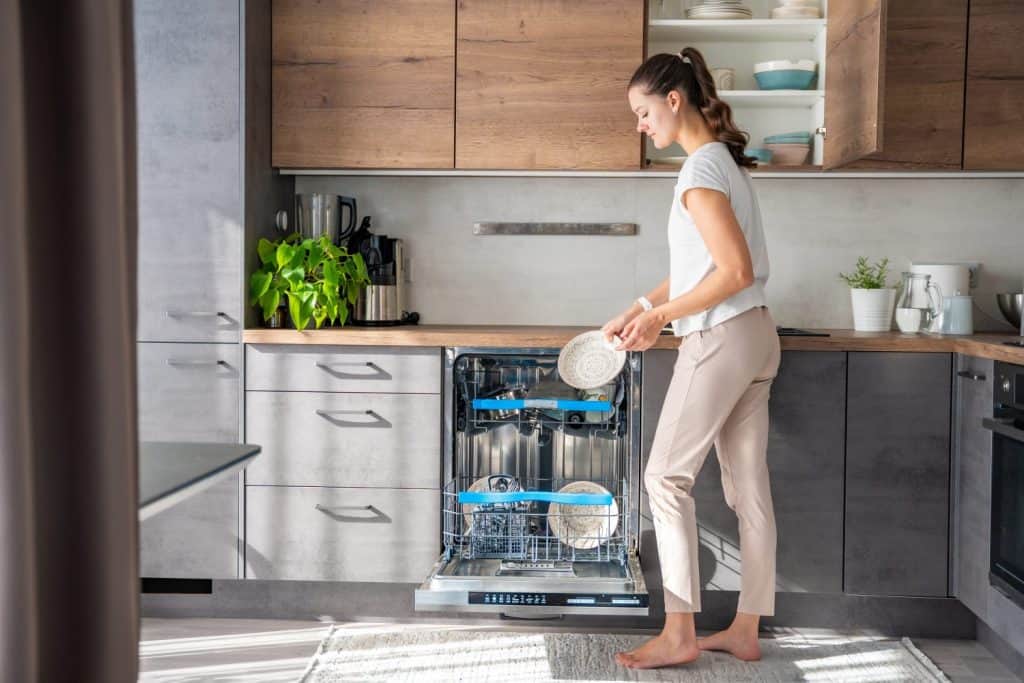
Lifestyle changes to keep roaches away can become a natural way of living you don’t even give a second thought to.
©Tatiana Diuvbanova/Shutterstock.com
You don’t need to deep-clean your house every day to keep it roach-free—but the right habits can make a huge difference. Roaches come looking for three things: food, water, and a place to hide. Cut off their access to those, and you’ve already won most of the battle. Even small steps—like drying your sink at night, sweeping up crumbs, and storing food in sealed containers—can push roaches to look elsewhere. And these habits are manageable enough to become a natural part of your lifestyle, not another chore on your to do list.
When DIY Fixes Aren’t Enough
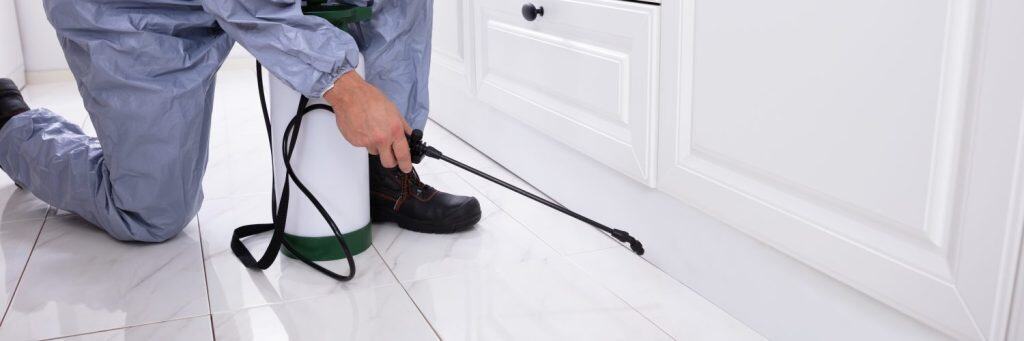
Many modern pesticides used in homes are designed to be lower in toxicity and safer for people and pets when used as directed.
©Andrey_Popov/Shutterstock.com
Sometimes, despite your best efforts, roaches don’t go away. That’s because they multiply quickly—and if they’ve already found a place to hide and breed, surface-level cleaning won’t eliminate the nest. This is where Integrated Pest Management (IPM) comes in. It’s a smart, layered approach used by professionals that includes:
- Monitoring where roaches are most active
- Using traps to reduce populations
- Applying targeted insecticides (not blanket spraying)
- Sealing up entry points
- Following up with regular inspections
But even the most high-tech pest control won’t work if you don’t tackle the basics first. That means getting rid of what they came for: the food, the moisture, and the hiding places. If you’re spotting cockroaches in your home, it’s not fate or bad fortune—it’s an ecosystem imbalance. Your home is offering something they want. But the power to change that is in your hands.