
Quick Take
- Many songbirds will only return in March if the food supply is ample.
- You can create a habitat in your own yard to attract and help songbirds.
- Early scouting phases are essential to secure territorial dominance before the peak spring hatch.
March is a great time of year for people across the United States. The snow begins to melt, temperatures rise, and many birds begin to head north to breed and enjoy the warmer months. For many people, it’s not just the sight of birds that signifies the start of a new season, but also the sounds of spring from the lovely tunes birds emit around this time of year. Whether it’s the whistle of the American robin at dawn, the bold “conk-la-ree!” of the red-winged blackbird, or the sweet songs of any of the other birds on this list, they all point to the same thing: migration is on its way.
Different birds will make their way back north at their own pace. Some will come back as the weather allows. Others will wait until their preferred food sources, especially insects, become more dependable and available. In this guide, we’ll tell you about the different birds you can expect in March and how to make your yard more hospitable for their arrival.
Why Many Birds Return in March
Depending on where you live, you may hear the familiar sounds of spring as early as the first days of March. While many birds will wait a little longer to return, there are specific reasons why some species come back as soon as they can:
Early Food Sources
One of the most significant factors is food. Birds will eat a variety of foods, from seeds and berries to worms and insects. The more foods a bird will tolerate, the more likely it is to come back early. For example, common songbirds like the American robin and song sparrow often return early because they can thrive on both insects and the berries left over from winter.
Many birds not on our list prefer flying insects, so they must wait for warmer temperatures. Some songbirds, such as the yellow warbler and purple martin, have pleasant songs, but their preferred food sources are not abundant until the weather warms up.
Competition for Territory
Many birds return in early March because it is beneficial for them to fight for territory. Male birds will often show up first and start singing loudly to claim the best areas. A good territory often includes safe places to build nests, find shelter, and find food. Typically, the earlier a bird arrives, the better its chances of successfully attracting a mate and raising chicks become.
Migratory Distance
Many songbirds would likely want to return to their northern homes sooner, but they have farther to travel. Some birds travel only a few hundred miles to reach their breeding grounds, while others journey thousands of miles from places like South or Central America. When you hear the sounds of spring sooner, it’s likely because the birds have a shorter distance to travel.
Common Songbirds That Return in March
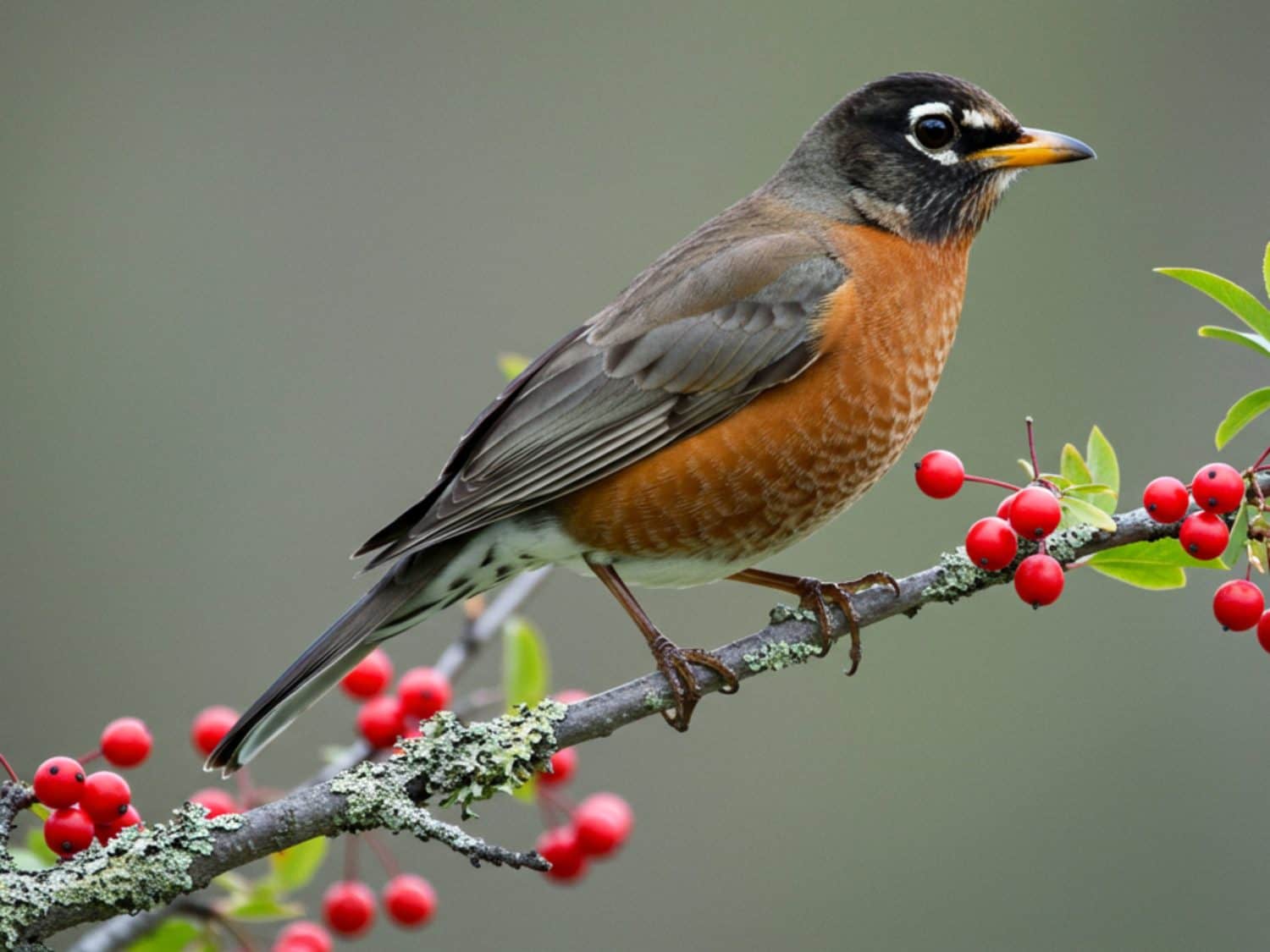
The American robin is often one of the first songbirds to return because it has a shorter distance to travel during migration.
©Element allqulity Designe/Shutterstock.com
There are a handful of birds that residents of the United States and Canada will see in early March. Their calls are often the first sounds you hear in the morning. Each species has its own distinctive voice. For bird watchers, recognizing these unique calls can make finding and identifying birds even more rewarding. Below are some of the more common songbirds and how to identify their tunes.
American Robin
The American robin is among the most popular and beloved birds in North America. It’s typically recognizable by its orange breast and upright posture. Robins often sing from treetops early in the morning. Their singing serves more than just a musical purpose; it primarily announces the bird’s arrival and helps defend its territory. American robins are so commonly associated with the sounds of spring that many people believe they have whistling phrases, like “cheerily, cheer up, cheer up.” Many robins don’t migrate very far, which is another reason why you hear them first during the season.
Red-Winged Blackbird
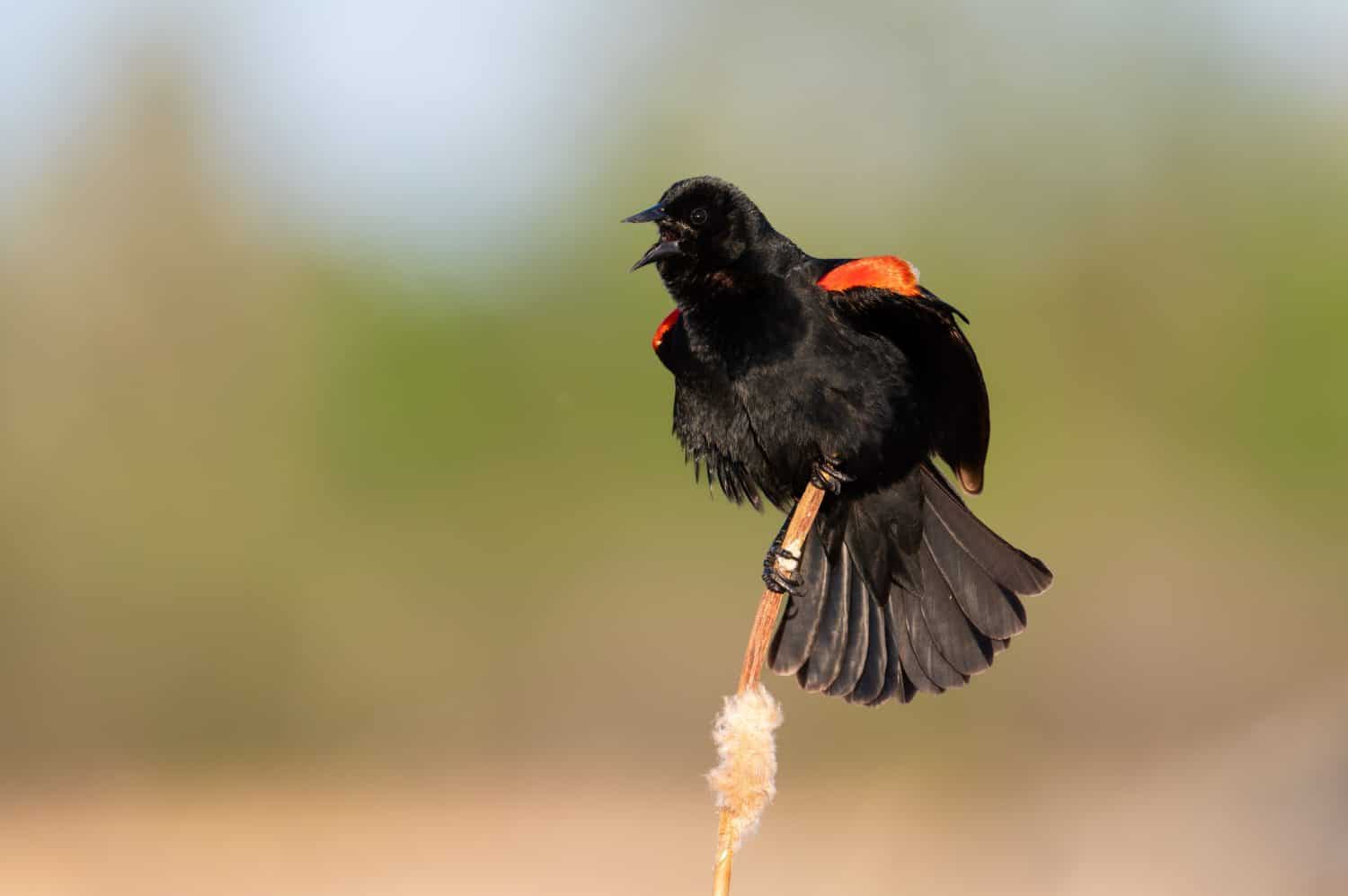
The sounds of the red-winged blackbird are often associated with early spring wetlands. The majestic birds are typically glossy black with bright red and yellow shoulder patches. You’ll often see them perched on fence posts and cattails. Their sound is often described as a bold call that sounds like “conk-la-ree!” or “oak-a-lee!” You’re more likely to see males than females. The female red-winged blackbirds have streaked brown feathers that help them to blend into marsh vegetation when nesting.
Song Sparrow
As its name suggests, the song sparrow is often the first creature people think of when they list the sounds of spring. With brown, grey, and white feathers, this species is not as easily spotted as some of the others on the list. However, the lively series of musical notes it emits is unmistakable. The sound is often composed of two or three clear whistles, followed by a rapid trill. However, each bird has its own unique sound, making their songs surprisingly complex. Song sparrows migrate relatively short distances, and their diet consists of both insects and seeds, so they have plenty of reasons to return early.
Eastern Bluebird
The bright blue feathers and orange chest that announce the Eastern bluebird make it one of the most beautiful birds in North America. Though they’re not as loud as some of the other species, their pleasant “cheer” or “chur-lee” calls are sweet and musical. You’ll often see them perched on posts or tree branches while searching the ground for insects.
Barn and Tree Swallow
Barn swallows are famous for their distinctive forked tails and graceful flight. They’ll often be found in the air as they hunt for and catch insects. Whether in the air or perched, they’ll often emit a lively stream of chirps, clicks, and short musical notes. Many describe their chatter as a rapid series of twitters and whistles, especially when many of them are flying together. They are named for their typical nesting sites, which include buildings, bridges, and barns.
Tree swallows are similar in that they mostly feast on flying insects and spend much of their time gliding in the air. They’re identified by their shimmering-blue backs and white undersides. Their calls are soft but distinctive, typically consisting of liquid-sounding twitters and high-pitched chirps. You’ll often find them around lakes and wetlands, where insects are plentiful.
Eastern Phoebe
This bird species is among the earliest returning flycatchers in March. Though their gray-brown feathers and pale bellies often make them hard to find, it’s easy to tell they’re near when you hear them. Many birdwatchers think their sound is like their name, with two-note phrases that sound like “fee-bee.” You can also identify them by their distinctive habit of constantly wagging their tails while perched.
Common Grackle
The common grackle is one of the more stunning birds you’ll see early in the season. They have glossy black feathers that shimmer with purple and green in sunlight. Though they have a distinctive sound, many people don’t believe they’re quite as musical as other birds. Their sound is often described as a range of whistles, squeaks, and harsh metallic calls that many people believe sound like rusting hinges. You’ll often see the common grackle early in the season in parking lots as it makes its way north during migration.
Brown-Headed Cowbird
Brown-headed cowbirds are often seen or heard earlier in the season because they often travel with blackbird flocks during their migration. The bird’s call often includes bubbly whistles and liquid gurgling notes. In addition to their unusual sound, brown-headed cowbirds do not build their own nests. Instead, they lay their eggs in the nests of other birds, leaving the host birds to raise their chicks.
Dark-Eyed Junco
Finally, we have the dark-eyed junco. Depending on where you live, you may hear this species throughout the year. That’s because they often remain in many regions during the winter months as part of their migration. They have gray bodies, bright outer tail feathers, and white bellies. Their calls are soft, musical trills and delicate chirps that often blend into the quiet sounds of early spring.
Understanding “First Arrival” Reports
Many bird watchers will look into first arrival bird reports to learn when they can expect to get their first glimpse of the songbirds of March. The purpose of these reports is to help scientists understand long-term migration patterns. With that said, the reports have some nuance. Just because you’ve seen one bird of a species, it does not mean that the entire population has returned.
Migration typically occurs in waves. When conditions are favorable, a few birds arrive first, followed by larger groups over the next several weeks. Still, the reports do provide valuable clues about how migration may be changing over time. Plus, it gives bird watchers something to look forward to and document.
How Homeowners Can Help Migrating Songbirds
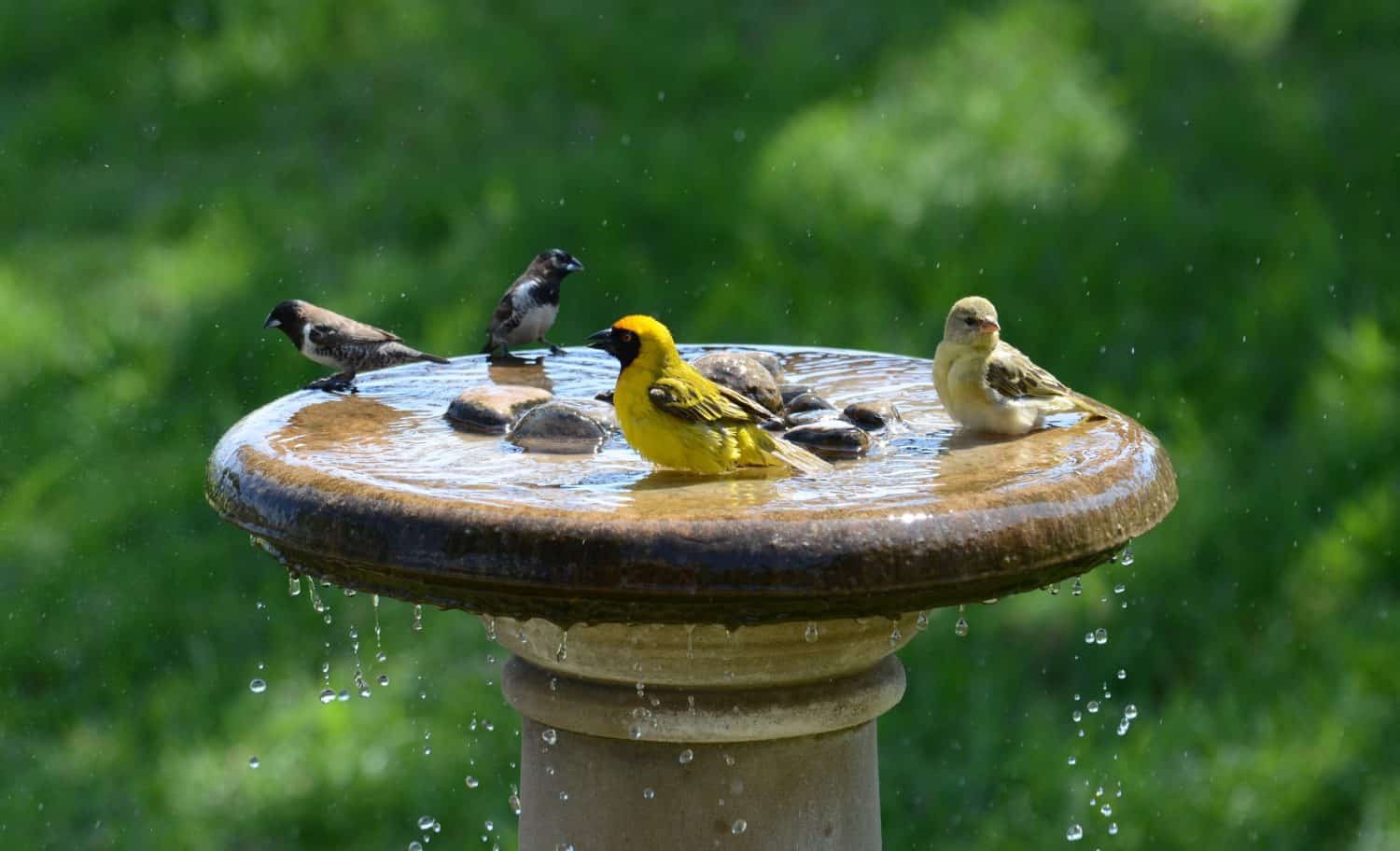
Add a birdbath to your yard that has a bubbler or other water feature to attract songbirds in early March.
©Evelyn Joubert/Shutterstock.com
If you’re looking forward to hearing the pleasant sounds of spring, then there are some strategies you can employ to encourage songbirds to come around your yard.
Add Native Plants
As we’ve discussed, many birds will migrate early if they know that the food they enjoy will be plentiful when they arrive. You can help this process along by adding plants that produce nectar, seeds, or berries that the birds will enjoy. You’ll attract both birds and the insects that birds rely on during mating season. You can create a stopover habitat for migrating birds while also beautifying your yard. Consider planting along the perimeter of your yard to create a sheltered sanctuary.
Provide Clean Water
Many birds will prioritize water over food, and they’ll head to your yard if you’re supplying it. Migrating birds enjoy water that they can drink and bathe in to maintain their feathers. Be proactive and keep the water fresh, and consider adding a small fountain or dripper to make birdbaths even more attractive. The sound of running water will often pique a bird’s curiosity, and they’ll return time and time again.
Make Windows Safer
When birds make the trip home early, they want to ensure it’s safe. While natural predators can cause issues, so can the windows on your home. The cleaner the windows, the more dangerous they can be. Reflections of sky and trees can trick birds into flying directly into glass. You can maintain clean windows, but add screens, decals, or bird-safe film to reduce the threat.
Reduce Pesticide Use
If you want to attract songbirds and help the population, then minimize your use of pesticides around your yard. By avoiding pesticides, you’ll help to maintain a healthy insect population and support the entire ecosystem that birds depend on. Instead, look for natural methods. Instead of pesticides, use organic sprays, like soap or neem oil. Other methods include hand-picking weeds, trying crop rotation, or using biological controls, like ladybugs or nematodes.
Provide Shelter
There are many ways that you can create a shelter for migrating songbirds. The easiest solution is adding birdhouses or nest boxes to your yard. Another way to provide shelter is to allow brush piles to form on your property. Even native brush grasses, like those that grow in clumps, can provide a soft shelter for songbirds. Providing shelter with multiple layers gives birds a variety of places to hide when needed.
Early Songbirds Matter
Bird watchers and those who love the natural world should get excited about the early songs of spring. Welcoming these birds offers more than just a pleasant seasonal change. The incoming birds also help to control insect populations, disperse seeds, and contribute to the health of ecosystems. Bird songs also reconnect people with the rhythms of the natural world. As spring approaches, embrace the opportunity and get ready for some lovely tunes.