
Quick Take
- One thin barrier stood between a bear and the living room. Guess which one held.
- Did she know how a door works, or did she just get lucky?
- The cub nearby changes the stakes more than you'd expect.
- Your porch may be sending bears an invitation you don't know about.
Imagine checking your doorbell camera while you’re away from home and discovering that an unexpected visitor has figured out how to open your front door. Now imagine that visitor is a full-grown bear, with a cub nearby. That’s exactly what happened to one homeowner whose security camera captured an encounter that could have ended very differently.
The footage shows a mother bear approaching a house surrounded by forest. Rather than simply sniffing around the porch and moving along, she manages to open the outer screen door. Even when it begins to swing closed, the determined animal continues investigating the entrance. Fortunately, there’s another door separating the bears from the inside of the home.
So, how does a wild animal figure out something as familiar to humans as opening a door? Bears are intelligent, curious animals with impressive problem-solving abilities, and some have learned that homes can contain interesting smells and potential food sources. Watch the clip now to see this unexpected visitor in action, and discover why wildlife experts encourage homeowners in bear country to keep their doors securely locked.
Watch This Mother Bear Open a Screen Door
What Happened When the Bear Arrived?
The footage was shared by Ring, the company behind the doorbell camera that recorded the encounter. According to the homeowner, Rick, his property borders national forest land, so seeing wildlife isn’t particularly unusual. Bears are frequent visitors to the area. Still, receiving a notification that one was standing at his front door was something else entirely.
Rick wasn’t home when the camera captured a mother bear and her cub investigating the entrance. The larger bear approaches the door and manages to pull open the outer screen door. When it begins closing again, she continues interacting with it rather than immediately retreating. It’s an impressive display of just how easily a powerful animal can manipulate something designed for everyday human use.
Fortunately, the bears never make it inside. According to Ring’s account of the incident, the only evidence left behind was a paw print on the door, and the homeowner reported no damage. That’s a pretty fortunate outcome considering the size and strength of an adult bear. The footage also raises an interesting question: Did the animal understand how the door worked, or was it simply investigating an unfamiliar object?
Can Bears Really Learn to Open Doors?
Bears are remarkably intelligent animals, capable of learning from experience and using their physical abilities to investigate their surroundings. Their strong limbs, flexible movements, and powerful claws help them manipulate objects, including containers, doors, and other obstacles. They also have an exceptional sense of smell, which allows them to detect potential food sources that people might never notice.
A bear doesn’t necessarily need to understand a door’s mechanical design to open it. Pushing, pulling, or applying pressure in the right place may be enough, particularly if a door isn’t securely latched. Repeated encounters with similar objects could also help an animal learn which actions produce results. However, the footage alone doesn’t tell us whether this mother bear had previously opened doors or simply discovered how to move this one during her investigation.
Wildlife organizations have documented bears entering homes, vehicles, and other structures through doors and windows that weren’t properly secured. These incidents are an important reminder that a screen or storm door shouldn’t be treated as a reliable barrier against a determined bear. Even if the animal is simply curious, its strength can turn an ordinary household entrance into an unexpected point of access.
Why Do Bears Approach People’s Homes?
Bears generally prefer natural habitats, but residential properties can provide some powerful temptations. Garbage, pet food, birdseed, outdoor grills, and other sources of food or interesting odors can attract them to yards and porches. According to wildlife officials, bears that repeatedly find food around human homes may begin associating residential areas with an easy meal.
That doesn’t necessarily mean the mother bear in this video was searching for food. We don’t know what attracted her to this particular doorway, and the recording doesn’t establish whether anything inside the home caught her attention. She may have been investigating an unfamiliar object or responding to a smell. Without additional evidence, there’s no way to determine her motivation with certainty.
Still, the encounter highlights why preventing bears from becoming comfortable around human structures is so important. When wild animals repeatedly discover food near homes, they may return more frequently and become less cautious around people. That can create dangerous situations for residents and the bears themselves, especially when animals begin entering buildings or approaching people in search of food.
How Protective Are Mother Bears of Their Cubs?

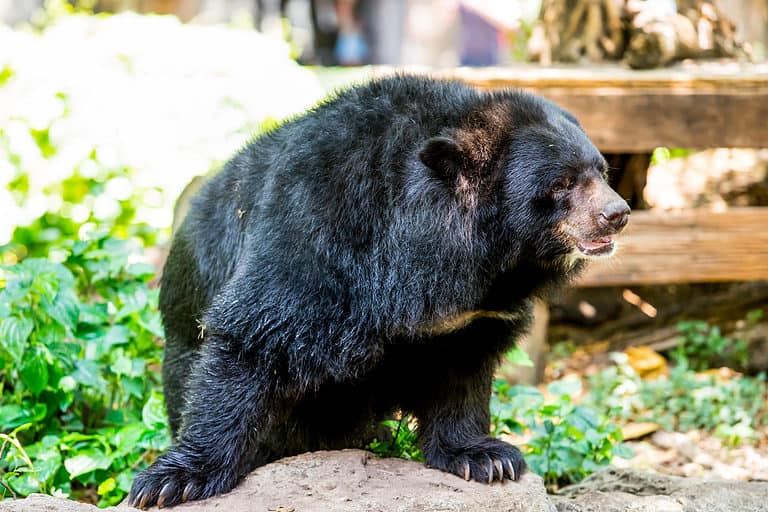
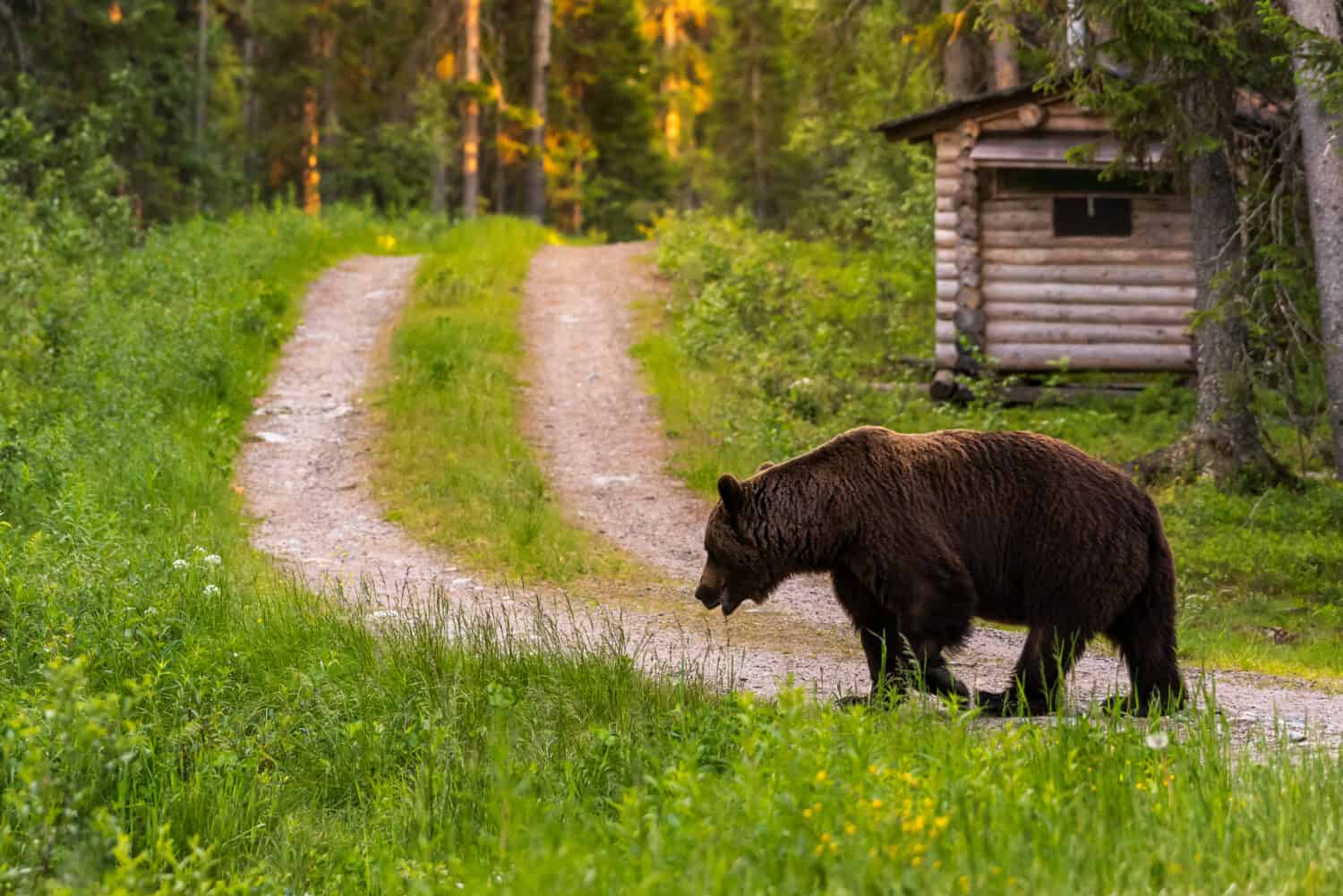
Mother bears can become defensive when they perceive a threat to their cubs. The bears pictured here are illustrative and are not the animals in the video.
©Sergey Uryadnikov/Shutterstock.com
One detail that makes this encounter particularly important is the presence of a cub. Female bears invest considerable time and energy into raising their young, teaching them where to find food and how to survive. Depending on the species, cubs may remain with their mothers for more than a year before becoming independent. During that time, a mother can become highly defensive if she believes her offspring are threatened.
That doesn’t mean every mother bear is automatically aggressive. Most bears would rather avoid unnecessary confrontations, but unexpectedly encountering a female with cubs can be especially dangerous. A person who walks between a mother and her young, approaches too closely, or blocks an escape route could trigger a defensive response.
In this case, Rick was away from home, and no one opened the inner door to investigate. That prevented a potential face-to-face encounter with the mother and cub. Regardless of whether a bear appears calm or curious, the safest choice is to observe from a secure location and give the animal plenty of room to leave.
How Can Homeowners Keep Bears Out of Their Houses?
Living near bear habitat comes with responsibilities, particularly when it comes to securing food and household entrances. Wildlife agencies recommend storing garbage in bear-resistant containers, bringing pet food indoors, removing bird feeders when bears are active, and cleaning outdoor grills thoroughly. Homeowners should also keep doors and windows properly closed and locked, especially when nobody is home.
If a bear approaches your property, don’t attempt to feed it, lure it closer, or get a better photograph by stepping outside. If an animal actually enters a building, the National Park Service advises staying out of its way and avoiding anything that would block its exit. Local wildlife authorities can provide assistance when a bear refuses to leave or repeatedly approaches homes. An immediate threat to human safety should be treated as an emergency.
As for Rick’s unexpected visitor, the encounter ended without anyone getting hurt or any reported property damage. But the video is a useful reminder that bears are stronger, smarter, and more capable of investigating human spaces than many people realize. A screen door might keep the insects out, but as this mother bear demonstrated, it won’t necessarily stop a determined wild animal from trying to come inside.