Quick Take
- That perfectly timed audio may not belong to the girl in the clip. Who is actually speaking?
- Everyone has a theory about where this bear was filmed. The evidence is shakier than the comments suggest.
- A widely repeated bear count may be badly out of date. What's the real picture?
- A species can be 'Least Concern' and still need protection. Why?
Some wildlife videos are frightening. Others become internet classics because their timing is almost too perfect. The viral “Can I pet that dawg?” bear clip belongs firmly in the second category.
The video shows a young girl standing near a porch as a black bear approaches. On the soundtrack, a child repeatedly asks, “Can I pet that dawg?” while adults keep her from moving closer. The more they say no, the longer and more determined the word “dawg” becomes.
It is funny, adorable, and an extremely bad example to follow.
The Famous Audio Was Added Later
As convincing as the interaction appears, the voice does not belong to the girl in the bear footage. The viral edit combines that video with audio from a separate clip featuring a young boy and his stuffed dog.
Brandon Ethridge, the musician who helped popularize the moment with his “Can I Pet That Dawg?” remix, later described the bear version as a clever fake using the boy’s voice.
That explains why the words fit the scene so perfectly. The bear video and the familiar audio became inseparable after social media users combined them, but they did not begin as one recording.
The clip has also been reposted by numerous meme and animal accounts, including the For Smiles TikTok page. Those accounts should be credited as reposters unless the original creator can be verified.
Where Was the Bear Video Recorded?
The location has not been reliably established. Comments have led some viewers to speculate that it was recorded in Texas, but social media comments are not enough to confirm where a video originated.
Black bears do live in Texas, although they remain rare and protected there. The Texas Parks and Wildlife Department says the state’s only known breeding populations are currently in the Trans-Pecos region and in Val Verde and Crockett counties. Individual bears may also wander into other parts of the state.
Texas is still studying its recovering population, so the frequently repeated estimate of just 30 to 40 bears should not be presented as a current statewide count. Texas Parks and Wildlife says research is underway to produce a better estimate.
How Many American Black Bears Are There?
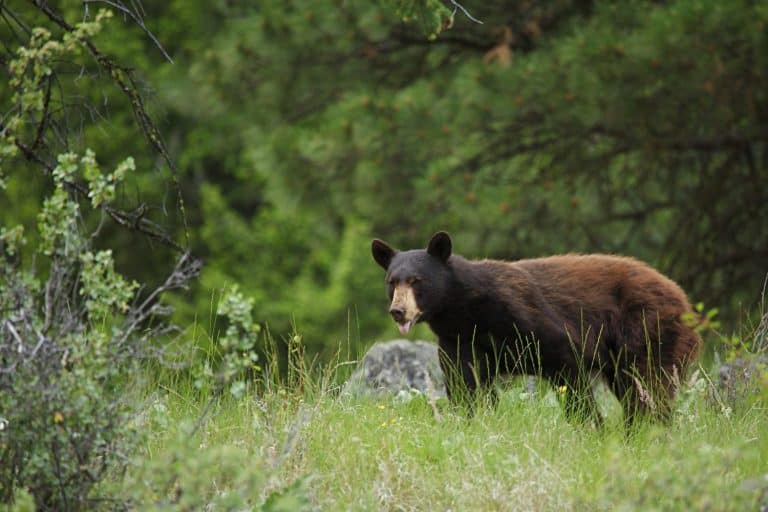
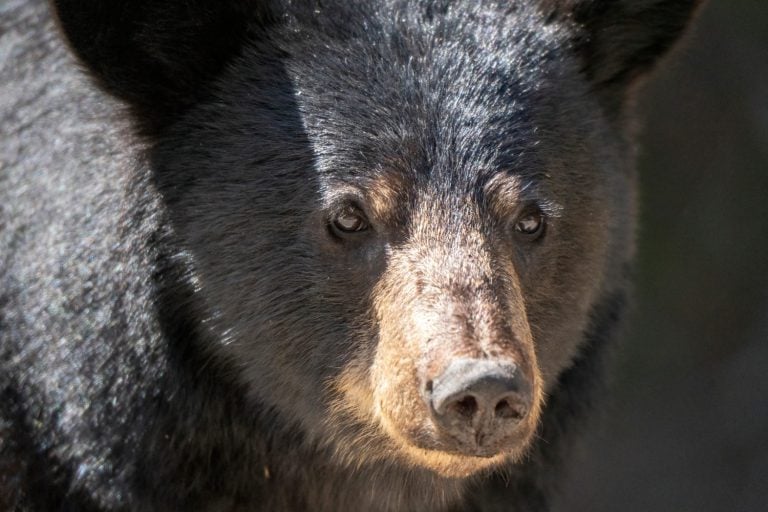
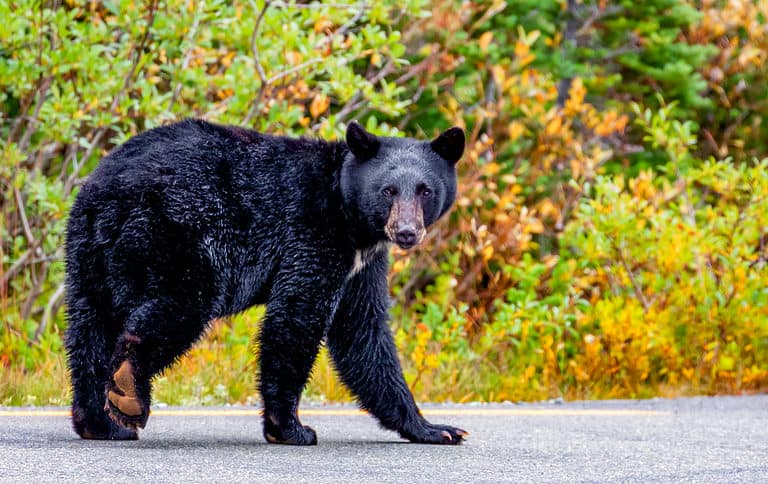
American black bears (Ursus americanus) occupy much of the United States and Canada. There is no precise continent-wide census, but regional estimates suggest North America supports approximately 850,000 to 950,000 animals, according to the International Association for Bear Research and Management.
The International Union for Conservation of Nature classifies the species as Least Concern. That designation means the species is widespread and does not currently face a high global risk of extinction.
It does not mean black bears are abundant everywhere. A species can be secure across its full range while remaining rare or protected in a particular state. Texas, for example, lists the black bear as a threatened species even though its global conservation status is Least Concern.
Can You Pet That “Dawg”?
Absolutely not.
Black bears usually avoid people, but they are powerful wild animals. Never approach, feed, corner, or attempt to touch one—even if it appears small or calm. A cub may also have a protective mother nearby.
If you encounter a black bear at close range, remain calm and back away slowly. Do not run. Pick up small children, give the bear room to leave, and seek shelter if possible. If a black bear attacks, the National Park Service advises fighting back rather than playing dead.
The edited video remains internet gold. Just remember its accidental wildlife lesson: no matter how much it resembles a large dog, you cannot pet that dawg.