
Quick Take
- The bear didn't need to outweigh the airplane to bring it down, and the physics involved are more surprising than you'd expect. See the physics explained →
- Small aircraft are engineered to handle enormous aerodynamic stress, yet there is one load they were never designed to survive. Understand the structural limits →
- Grizzlies can tip the scales well beyond what most people picture, and that number goes a long way toward explaining why this aircraft never stood a chance. See how heavy grizzlies get →
- The bear's real reason for approaching the plane may have nothing to do with aggression, a fact that reveals something striking about grizzly behavior. Explore the bear's true motive →
This grizzly appears ready for takeoff—but the airplane definitely isn’t.
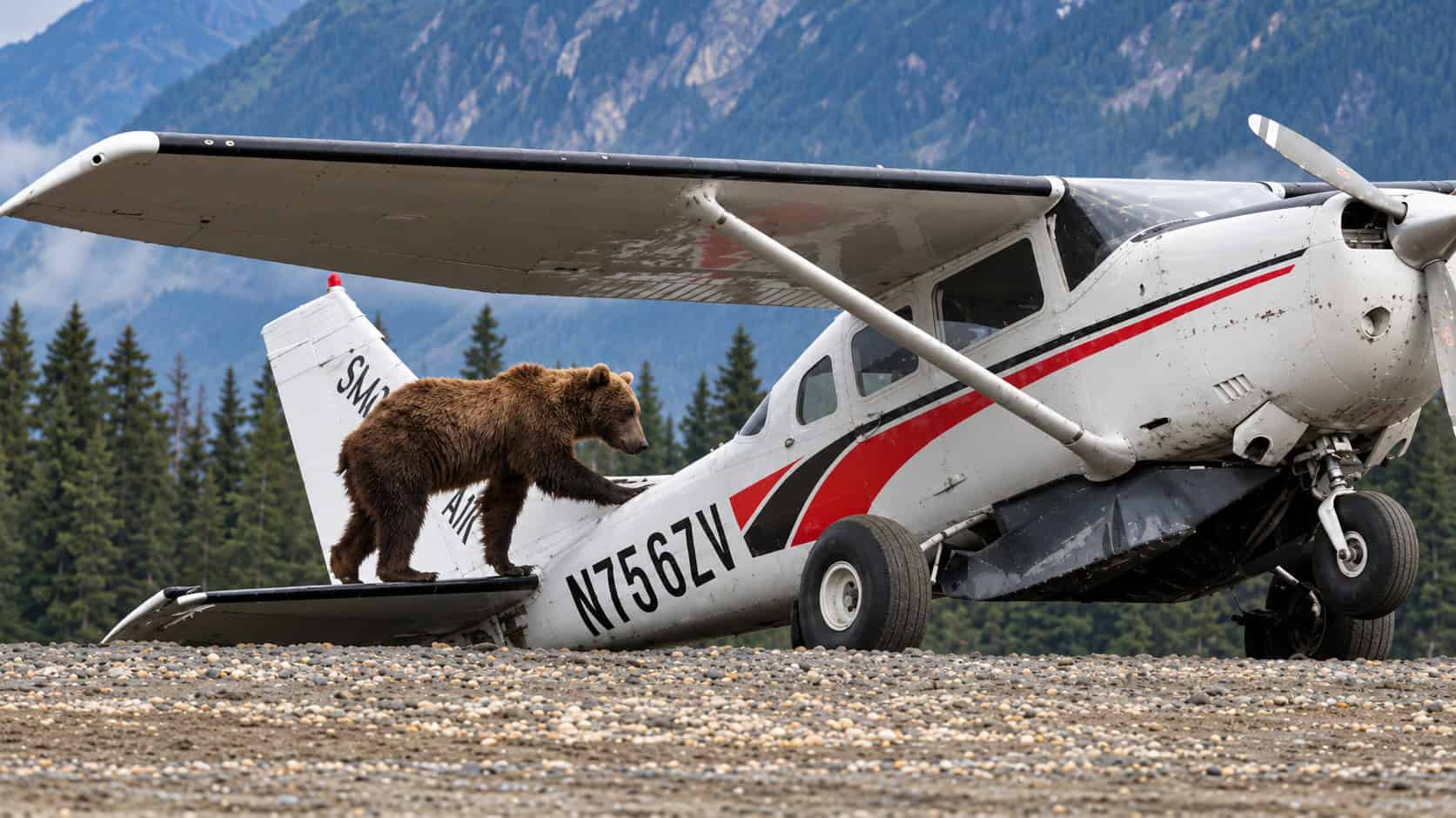
The enormous bear approaches the small aircraft and hoists itself onto one of the wings. As soon as its full weight comes down, the airplane tips dramatically onto its side.
The grizzly seems completely unconcerned about what it has done. Instead of retreating, it continues inspecting the aircraft as though it has discovered an unusually complicated food container. Watch the hilarious grizzly-versus-airplane encounter below!
How Did the Grizzly Pull Down the Airplane?
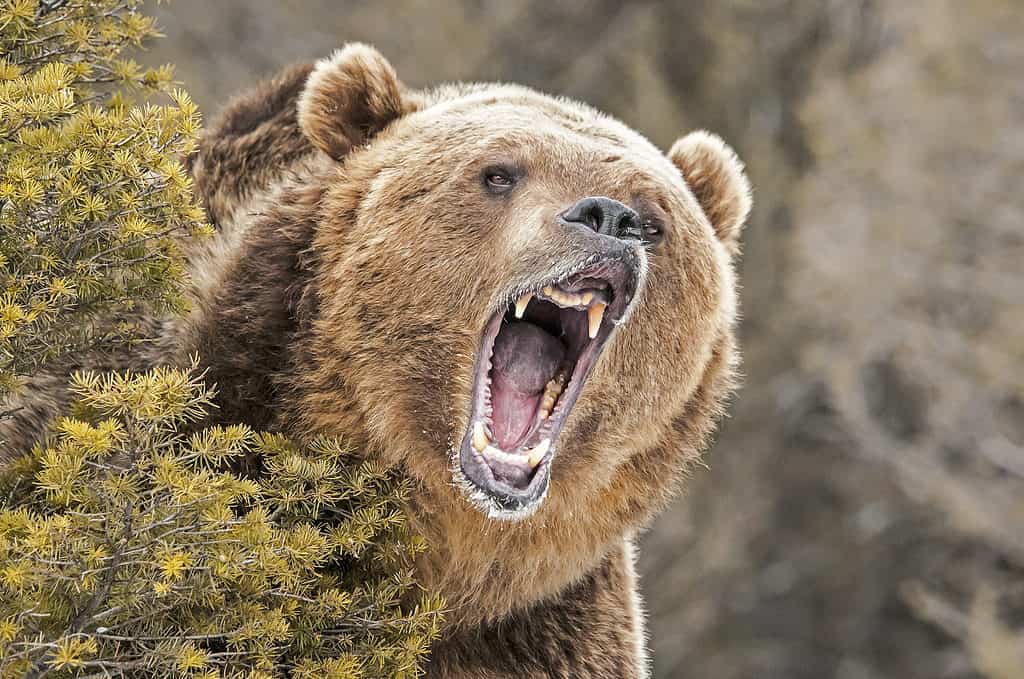
The bear did not need to outweigh the airplane to tip it onto its side.
©Scott E Read/Shutterstock.com
The exact weight of the grizzly in the video is unknown, but it was clearly heavy enough to overpower the parked aircraft. Because the bear placed its weight far out on the wing, it gained enough leverage to pull the airplane sideways. It did not need to weigh more than the entire plane.
Small airplanes are engineered to support aerodynamic forces during flight, but they are not designed to have a several-hundred-pound wild animal clambering over one wing while parked.
How Large Do Grizzly Bears Get?
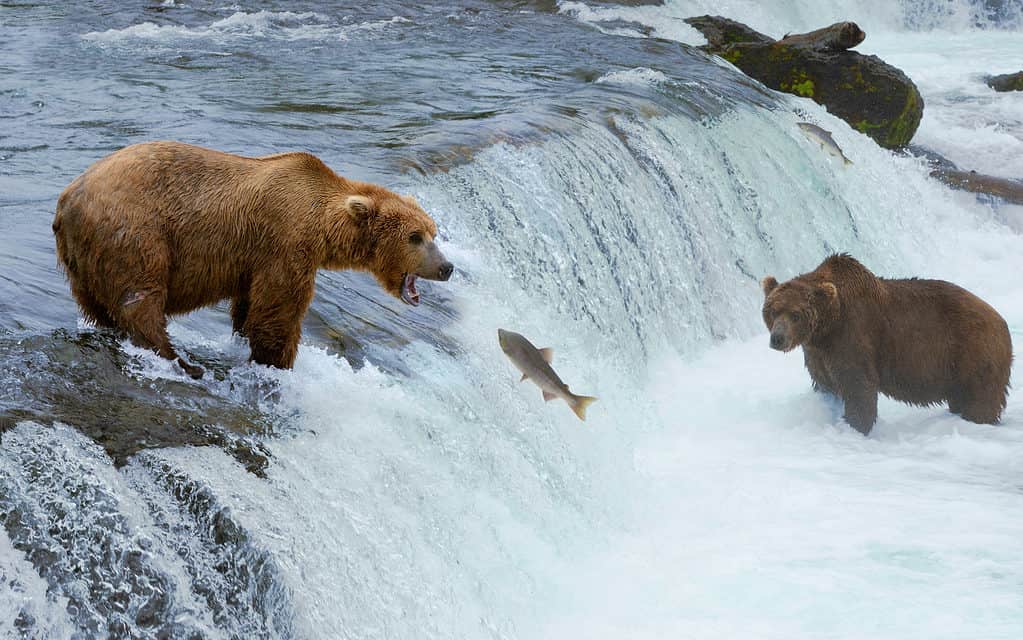
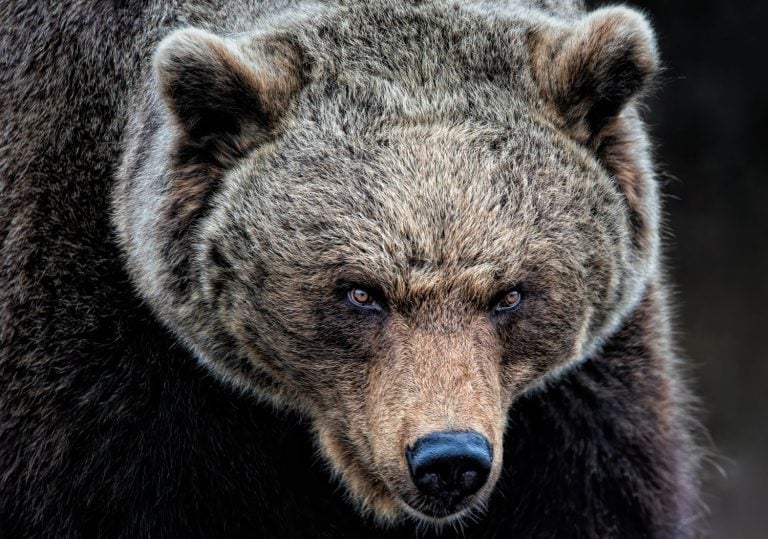
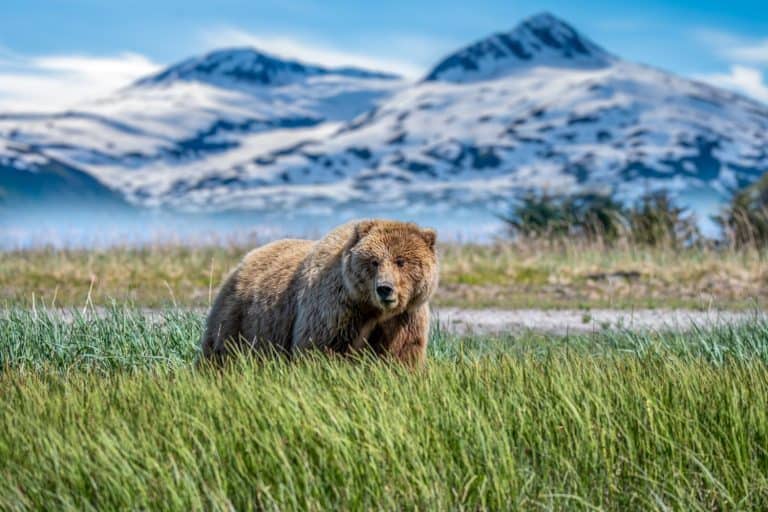
Male grizzlies are generally much heavier than females.
©Michal_K/Shutterstock.com
The grizzly bear (Ursus arctos horribilis) is a North American form of the brown bear. Its name comes from the pale tips on its guard hairs, which give its coat a frosted or “grizzled” appearance.
According to the U.S. Fish and Wildlife Service, adult males in the contiguous United States average approximately 400 to 600 pounds. Adult females typically average between 250 and 350 pounds.
Size varies substantially with sex, age, location, season, and access to food. Some particularly large grizzlies exceed 700 pounds, making even an average adult more than capable of shifting a lightweight aircraft.
Why Was the Grizzly Interested in the Airplane?
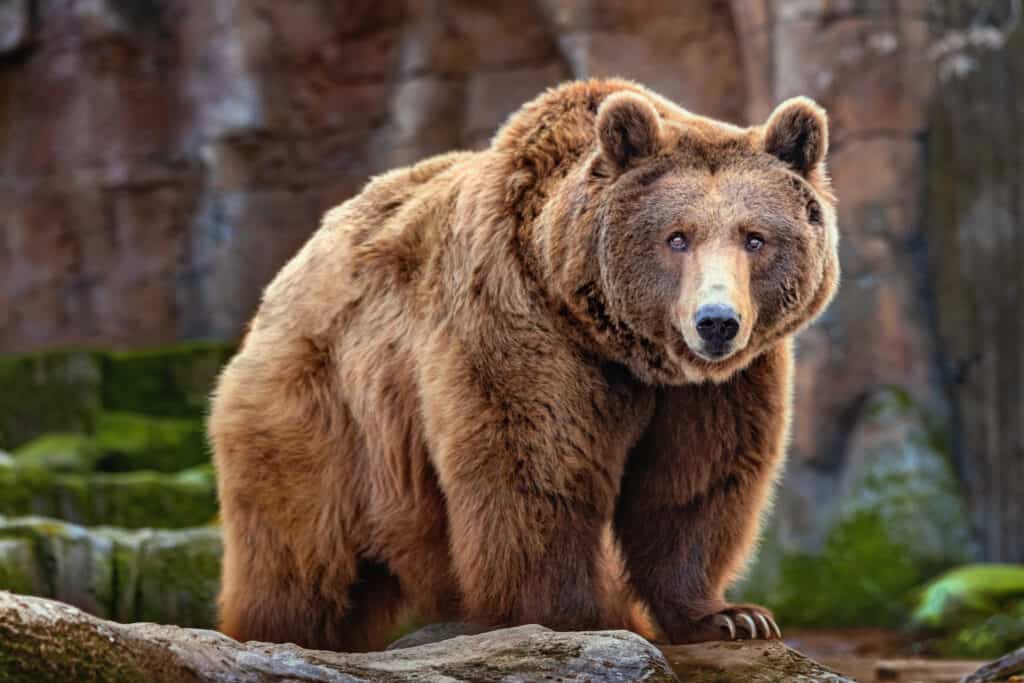
Grizzlies are curious, opportunistic omnivores with an exceptional sense of smell.
©Perpis/Shutterstock.com
There is no way to know exactly what attracted this bear to the airplane. However, grizzlies have an exceptional sense of smell and frequently investigate unfamiliar objects when they detect an interesting odor.
Grizzly bears are opportunistic omnivores, and their diets change according to the foods available in their habitat. They consume grasses, roots, berries, seeds, insects, fish, carrion, and live animals. Food or scented items left inside a vehicle or aircraft could therefore attract a curious bear.
Of course, it is also possible that this particular grizzly was simply curious. Whatever its motivation, the airplane was no match for its inspection technique.
Are Grizzly Bears Aggressive?

A calm-looking grizzly is still a powerful wild animal and should never be approached.
©Jack Nevitt/Shutterstock.com
The grizzly in this clip appears more curious than aggressive, but that does not make it friendly or safe to approach. Grizzlies are extremely powerful wild animals that may react defensively when surprised, threatened, guarding food, or protecting their cubs.
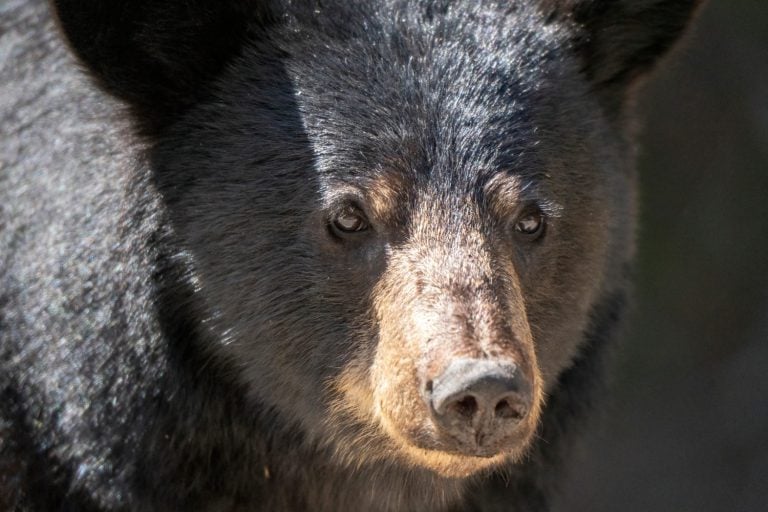
Black bears have shorter, more curved claws that make them particularly efficient tree climbers. Grizzlies can also climb trees, especially when they are young, but their longer claws and greater weight make climbing more difficult as they mature.
Thankfully, the only victim in this encounter appears to be the airplane—and it may be waiting quite a while for its next departure.