
Most of the time, clarity is a wonderful quality in a lake. People generally assume that clear blue water is clean and pleasant for swimming. However, if you look closely, you might see that it could actually be a problem. This is the case with Lake Michigan. Its beautiful pristine blue waters are heavily infested with an invasive species. Learn about the havoc zebra mussels wreak on lovely lake Michigan!
About Lake Michigan
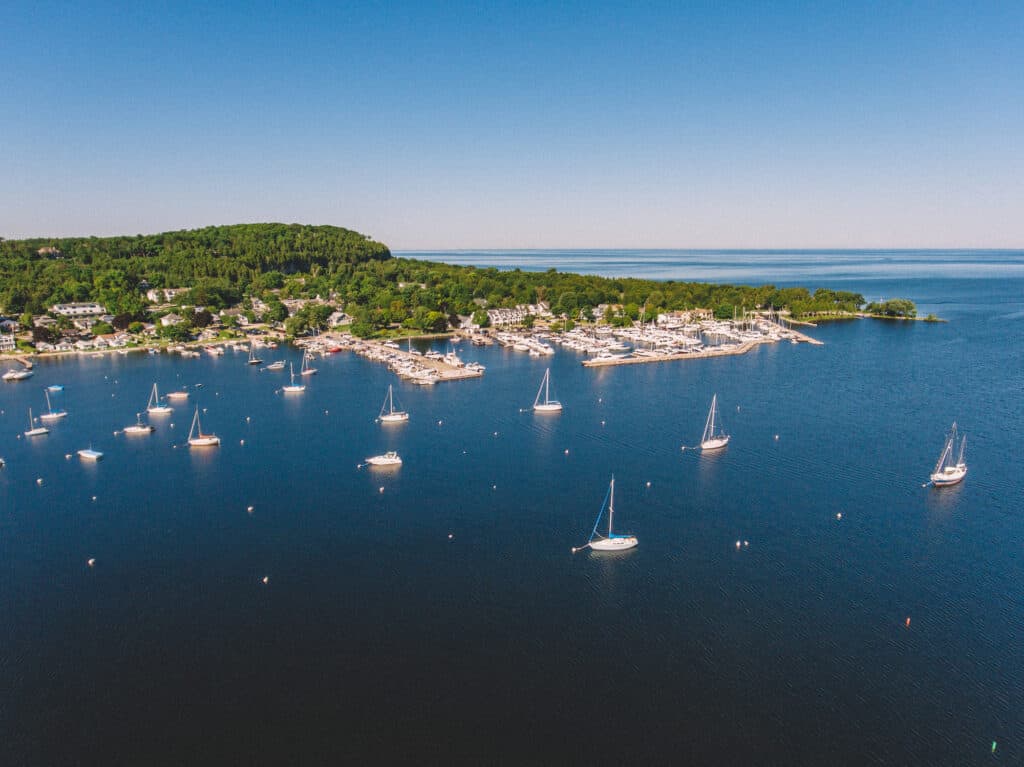
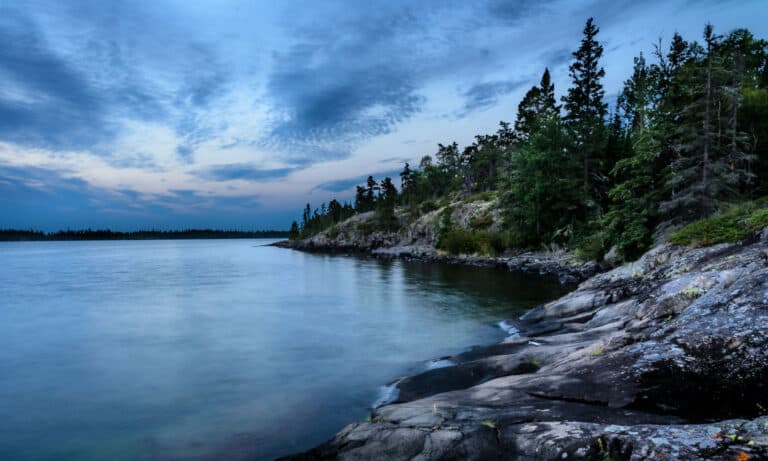
In terms of hydrology, Lake Michigan and Lake Huron are the same body of water, although they are named as two different lakes.
©iStock.com/Matt Sampson Photography
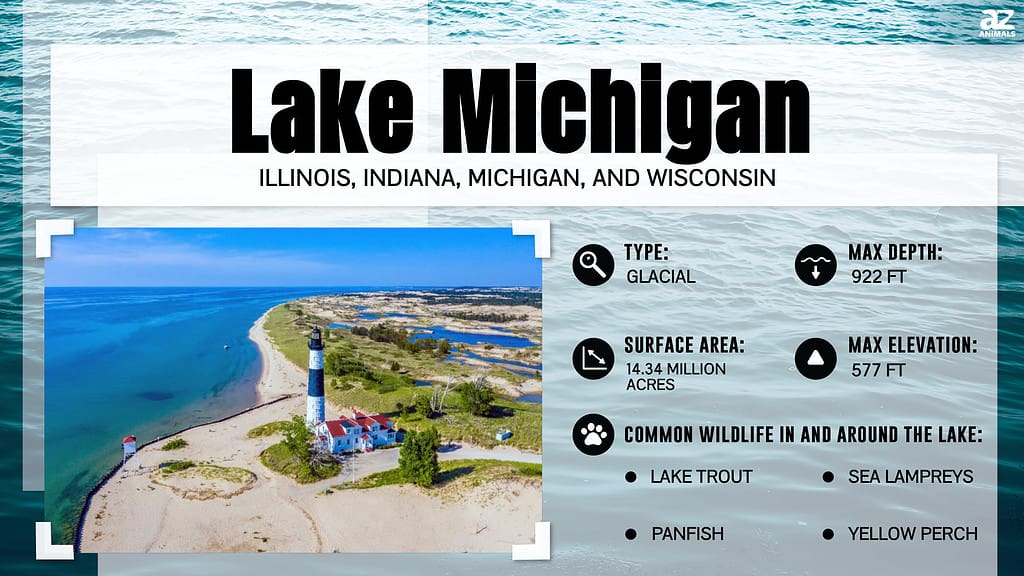
Lake Michigan is one of the five Great Lakes. In fact, it is the second largest by volume and the only one that is located entirely in the United States. It borders the states of Michigan, Indiana, Illinois, and Wisconsin.
In terms of hydrology, Lake Michigan and Lake Huron are the same body of water, although they are named as two different lakes. The Milwaukee Reef runs under Lake Michigan and divides it into northern and southern basins, each of which has a clockwise flow of water.
Via the Illinois Waterway, Lake Michigan connects to the Mississippi River and Illinois River, which eventually connect to the Gulf of Mexico.
An Invasive Species in Lake Michigan
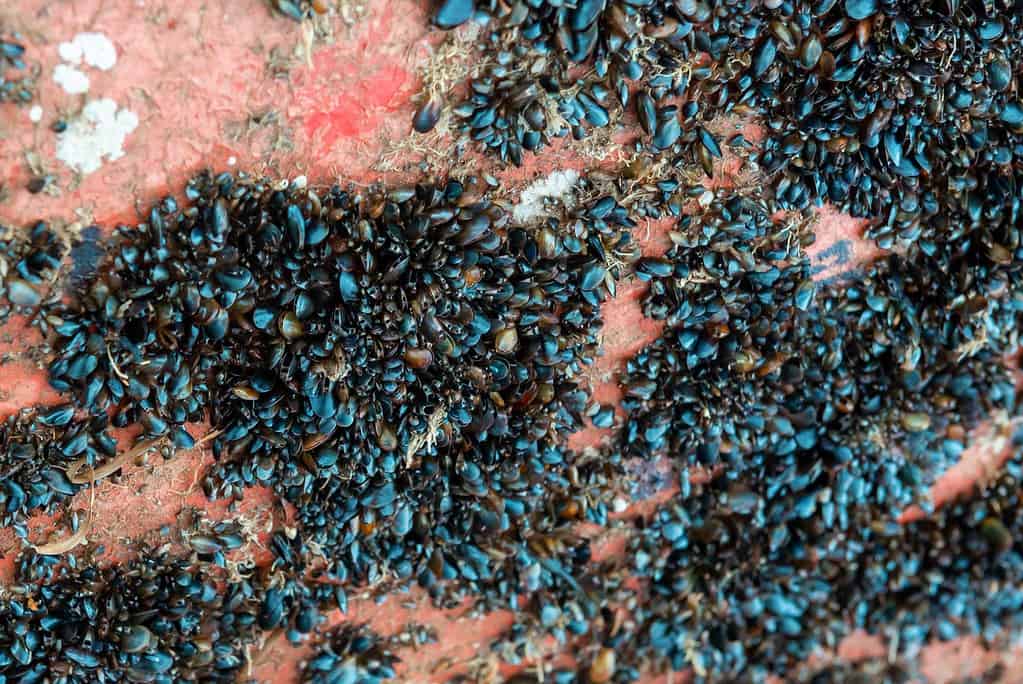
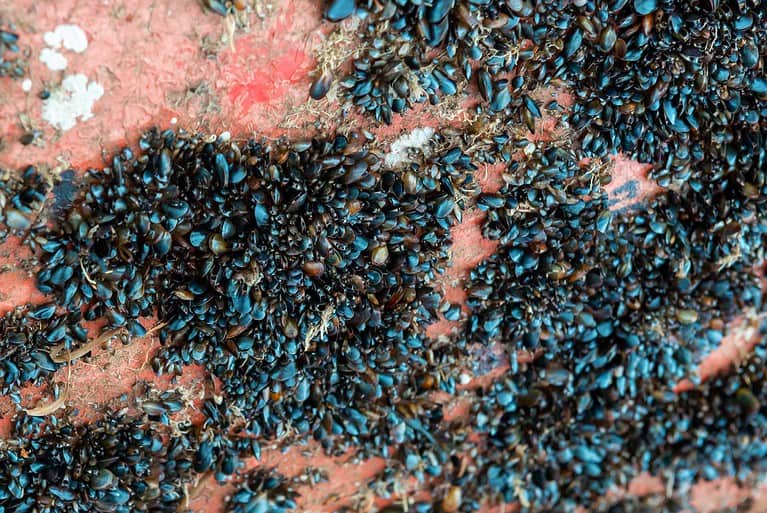
Invasive zebra mussels are mostly responsible for the increased clarity of Lake Michigan.
©Dolores M. Harvey/Shutterstock.com
About 25 years ago, Lake Michigan’s water was somewhat of a brownish-green color, very different from the pristine blue-green appearance of today. Swimmers didn’t find it too appealing, but it was popular for those who wanted to fish for trout.
However, an analysis of satellite images between 1998 and 2012 showed that Lake Michigan and Lake Huron are now clearer than Lake Superior, which had always been the clearest of the Great Lakes in the past. This is partially due to a decrease in the amount of runoff into Lake Michigan. However, invasive zebra mussels are mostly responsible for this change.
At this time, there are trillions of zebra mussels in Lake Michigan. Collectively, they are able to filter the entire volume of the lake in less than a week.
Zebra Mussels’ Effect on Phytoplankton
Even though the lake may be more appealing on the surface, ecologically, the work of the zebra mussels isn’t beneficial. These mussels have had a devastating effect on phytoplankton within the lake. Phytoplankton is a green algae that has historically been the base of the food chain in the Lake Michigan ecosystem.
The marine life in the Great Lakes, as well as the multi-billion-dollar fishing industry of the region, might be in jeopardy. Traditionally, the zooplankton would eat the phytoplankton, and small fish would eat the zooplankton.
Now, because of the zebra mussels, there isn’t enough phytoplankton to support the fish populations. Additionally, because the water is so clear, small prey fish are less able to hide from their predators.
Since zebra mussels were introduced into the Great Lakes, most of the fish species in Lake Michigan have declined sharply. This includes king salmon, which are now at levels of about 30% of what they were in the mid to late 1980s.
Pollution from the Zebra Mussels and Potential for Another Invasion
In addition to making the water clearer, the zebra mussels have polluted the lake bottom with their feces. Sunlight converts nutrients from these species into an algae known as cladophora. When this algae washes onto the shore, it has a strong stench and can kill birds.
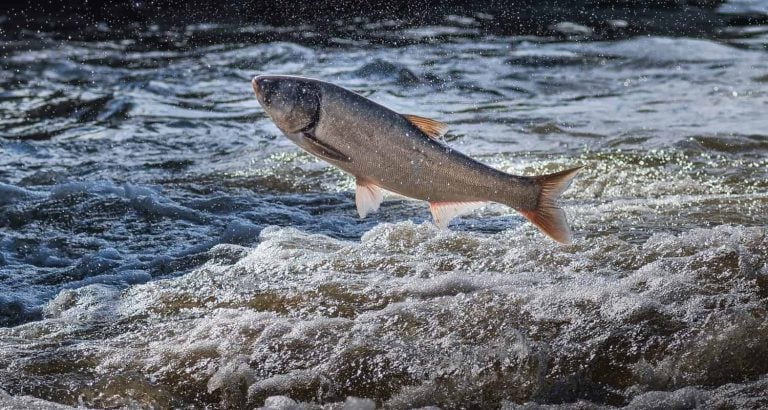
As if this isn’t enough of a problem, scientists worry that this could encourage another invasive species to invade Lake Michigan. Asian carp have become an invasive species in the Mississippi River system and have been spotted only nine miles in Lake Michigan. However, they feed on cladophora, so it could potentially attract them.
What Are Zebra Mussels?
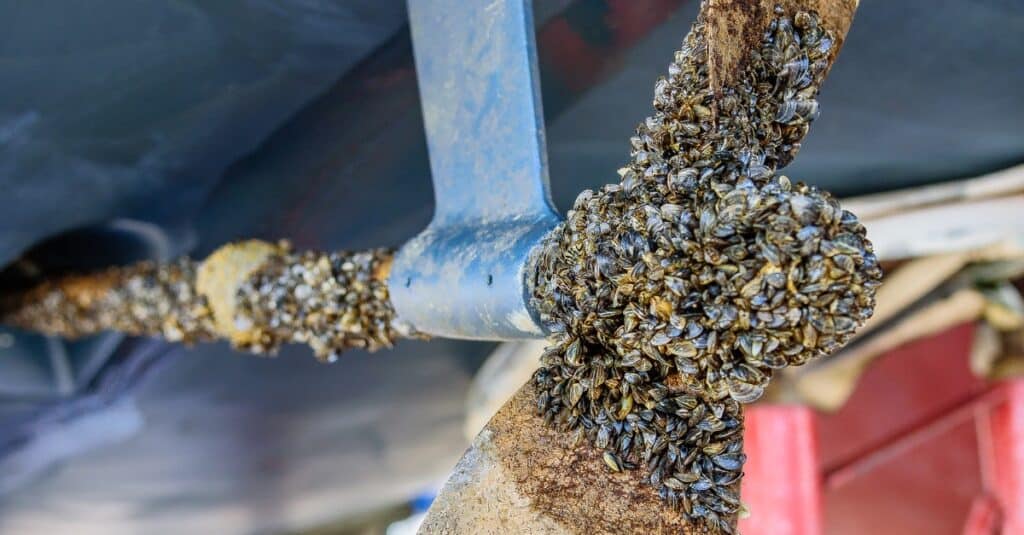
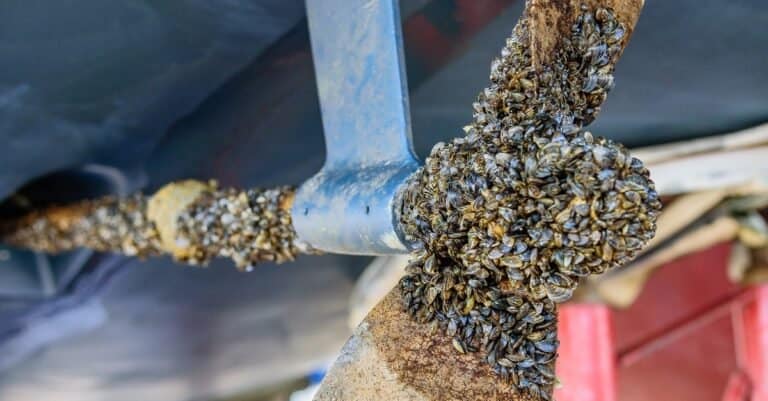
The most common modes of transportation for these mussels are water vehicles to which the zebra mussels attach.
©iStock.com/JeffCaughey
Zebra mussels, known scientifically as Dreissena polymorph, are native to Eurasia, specifically Russia and Ukraine. They were introduced into the United States in approximately 1988. They have invaded not only the Great Lakes, but also Lake Travis and the Hudson River.
These mussels acquired their name from the striped pattern that is seen on most of their shells. Typically, they are the size of a human fingernail, although they are capable of growing to be about 2 inches long.
Zebra mussels are filter-feeding organisms. Each mussel can process up to about a liter of water every day. They consume some of the particles as food. The mussels deposit feces, as well as other waste (including nonfood particles and mucus), onto the lake floor.
These mollusks typically live for about four to five years. An adult female can produce 30,000 to 40,000 eggs in each reproductive cycle, and a total of 1,000,000 eggs per year. Thus, it is very easy for these populations to grow. The larvae are free-swimming, and they drift in the water until they are able to settle on a hard surface.
Potential Strategies to Curb the Zebra Mussel Population
Once zebra mussel populations have established themselves in bodies of water, it becomes difficult to eliminate them. Preventing their spread is generally the goal of management efforts.
The most common modes of transportation for these mussels are water vehicles to which the zebra mussels attach. Some proposed strategies have included severe legal penalties to push the owners of these vehicles to clean their boats more effectively.
Proposed management strategies have included monitoring these populations, preventing their spread, and controlling established populations. These include:
- Physical measures:
- Mechanical removal of the mussels
- Substances that are toxic to the mussels
- High-pressure water jet and carbon dioxide pellet blasting of the mussels
- Exposure of the mussels to freezing or overly hot temperatures
- Reduced pressure in the water, which will suffocate mussels due to a lack of dissolved oxygen
- Electric currents, low-frequency electromagnetism, and ultraviolet light that can stunt the growth of the mussels
- Chemical measures:
- Chemicals such as hydrogen sulfide gas and sodium-meta-bisulfate that deprive the mussels of dissolved oxygen
- Chemicals that kill mollusks, particularly chlorination (although this can form carcinogenic by-products)
- Biological measures:
- Soil and water microbes that could be selectively lethal to these mussels at high densities
- Natural predators, such as freshwater drum, common carp, channel catfish, roach, sturgeon, eel, crayfish, muskrats, diving ducks, the sponge Eunapius fragilis, and others.