
Quick Take
- The 24/7 Scrubbers: From oysters to microscopic plankton, an invisible army is constantly “vacuuming” debris to keep your swimming spots clear.
- Natural Tech: A single oyster can filter up to 50 gallons of water a day. Multiply that by a reef, and you have a world-class water treatment plant.
- The Clear-Water Phase: Ever notice a lake suddenly get clearer in the spring? That’s not luck—it’s a massive “bloom” of zooplankton grazing down algae.
- A Fragile Balance: New 2025 data shows that rising nitrogen levels are overwhelming these tiny heroes. Discover what they need to survive.
When a lake looks clear, there’s a reason for that, one you may not realize, given just how microscopic the scale is in these ecosystems. In all bodies of water, tiny animals filter particles, processing these particulates and ensuring the water is left sparkling clean. While we as humans can always do our parts to help limit pollution or dirty water, a specific type of creature also has our backs.
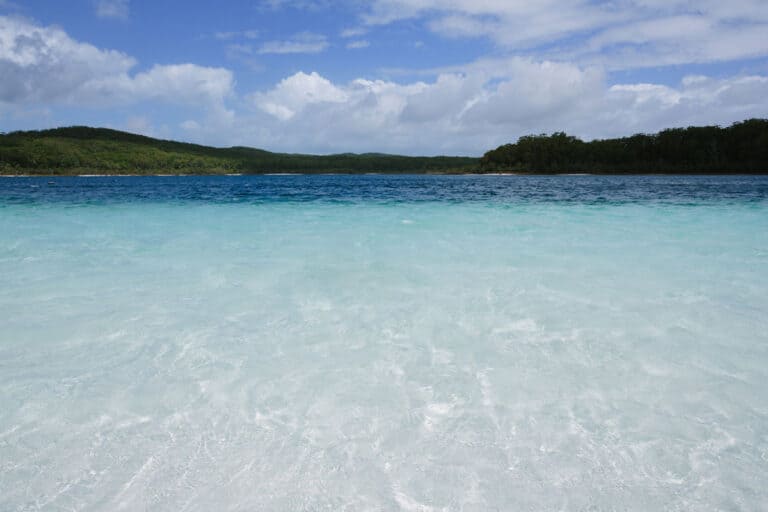
What animals live in our waters and strive to keep things clean? When we dive into our favorite summer lake, the one with crystal clear views through the depths, who do we have to thank for that?
The creatures keeping our waters clean work hard, and they need our help to do their jobs. These tiny guys don’t have much cushion when pollution spikes or when water gets warmer and lower in oxygen. What animals keep water clean, and what conditions do they need to survive? Let’s check out these microscopic helpers, as well as how we can help them in return.
Bivalves Filter Water in Rivers, Lakes, and Along Coasts
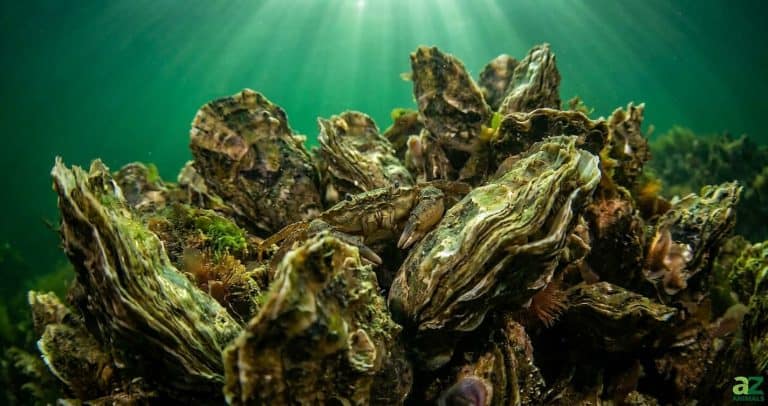
If you want the best example of the tiny animals consistently improving water quality, it’s bivalves. These include oysters, mussels, clams, and other subspecies. They feed by filtering, a process that involves pulling water in, trapping tiny particles, filtering within their shells, and sending cleaner water back out.
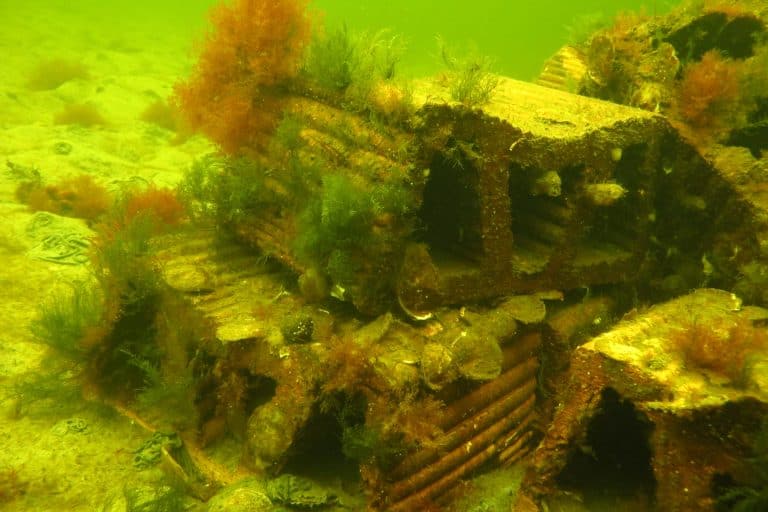
On the coast, oysters are the classic case of a cleaning bivalve. Oyster reefs have ample benefits, as oysters filter water and help improve local conditions for other species. This is just one reason why oyster reefs are treated as habitat projects and water-quality projects at the same time; they are vital to our ocean ecosystems and the health of our waters.
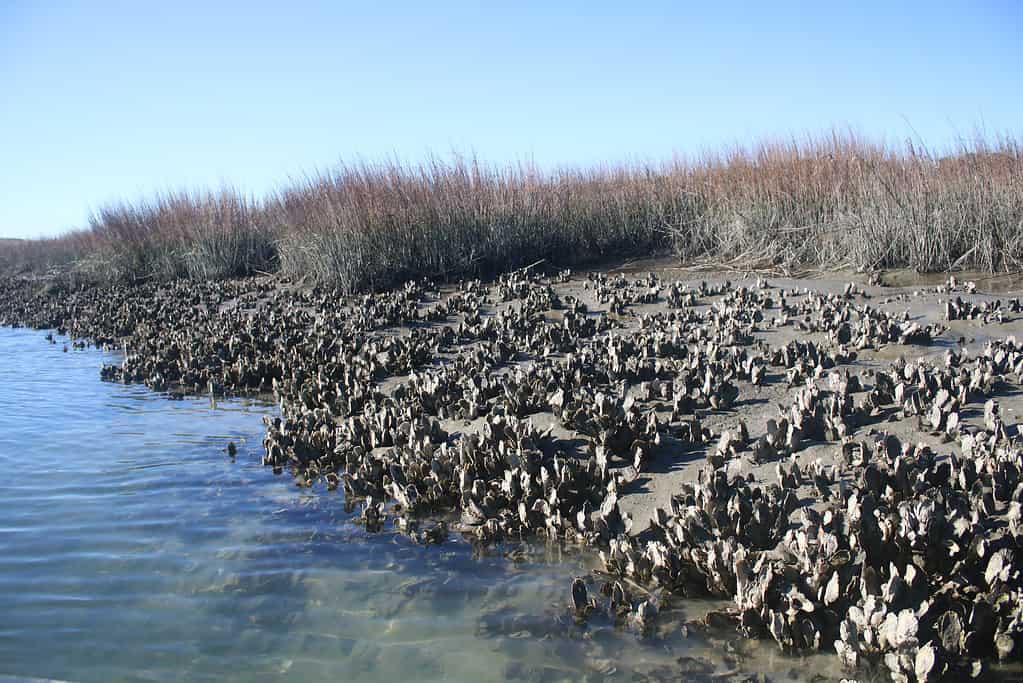
Oyster reefs are a vital component of saltwater ecosystems.
©Amanda Cooke/iStock via Getty Images
Freshwater mussels do similar work, only further inland. They are designed to filter particles and influence nutrient cycling, which is a must in rivers where cloudy water is common. Mussels process anything from algae to grit to keep rivers clean, and there often aren’t enough to get the job done.
Filter feeders are most effective at improving water quality when the overall conditions in their ecosystems are healthy enough to support their survival. If oxygen levels crash or toxic pollution hits their home, these bivalves can’t filter their way out, and they’re often among the first to suffer. This is why scientists and conservationists place such an emphasis on oyster reefs and similar ecosystems nowadays; they better understand their vital role.
Zooplankton Catch Drifting Debris
Zooplankton are tiny, drifting animals that eat microscopic algae as they swim along. In the right conditions, they can make a body of water noticeably clearer simply by grazing down the algae that gives water a classic, greenish appearance. There are many different types of zooplankton, but they all contribute to cleaner water.
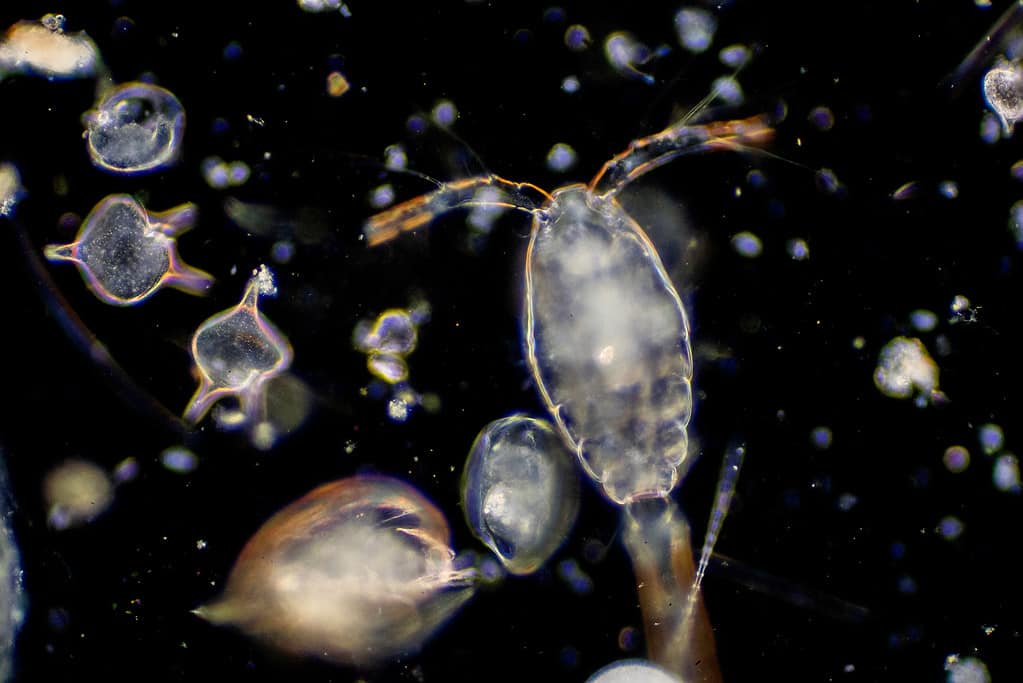
Plankton are organisms that drift in oceans and seas, filtering algae and other microscopic particles.
©tonaquatic/iStock via Getty Images
This cleaning process shows up in lakes as a seasonal clear-water phase, when zooplankton populations boom, and water clarity improves for a stretch of time. However, zooplankton aren’t magic. Some types of algae are hard to graze on because of their size, shape, or chemistry.
Additionally, if a lake is overwhelmed with nutrients, grazers can also get overwhelmed. It’s easy for zooplankton to stop filtering if there’s far too much to filter, as it can do them more harm than good.
Stream Macroinvertebrates Capture More Particles
In streams, a surprising amount of water-cleaning work happens through insect larvae and other macroinvertebrates living on rocks, sticks, along the streambed, and in other types of debris. Their ability to filter water is impressive and essential for the health of streams and other flowing water ecosystems.
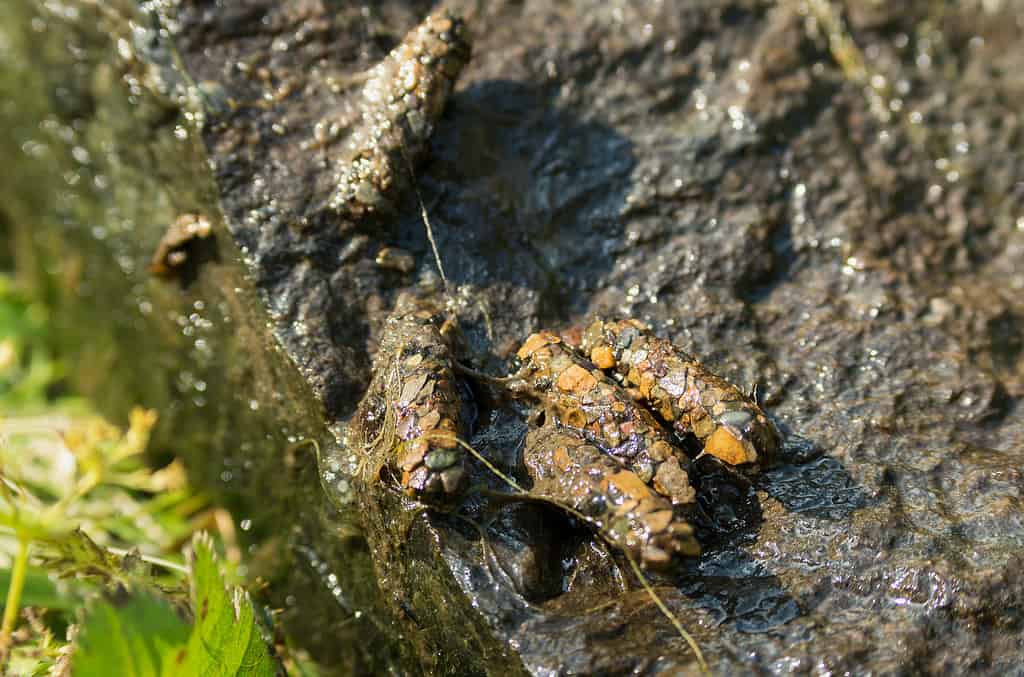
Caddisflies live along streams and capture debris to feed on, contributing to healthier waters.
©Evgeni Romanov/Shutterstock.com
Net-spinning caddisfly larvae are a great example of this process. They build silk nets that catch fine particles drifting in currents, then eat what they capture. Given that they trap food from flowing water, they’re constantly grabbing suspended bits that would otherwise keep moving downstream, further clouding these waters.
Black fly larvae can also filter-feed in running water, attaching to rocks in order to trap particles. If you’ve ever seen a stream that looks clear but appears to have a constant flow of tiny drifting bits, these are some of the animals intercepting unwanted material all day long.
Streams and other moving bodies of water don’t stay healthy simply because nothing falls into them. They stay healthy because these microscopic animals continuously break down and reroute organic material through the food web, keeping these ecosystems alive and our waters clearer.
Detritivores Recycle Nutrients
Not all water-cleaning is literal filtering, which may come as a surprise. In fact, some of it is actually decomposition management, which involves breaking down dead plants or other organic debris so it doesn’t pile up and contribute to oxygen problems.
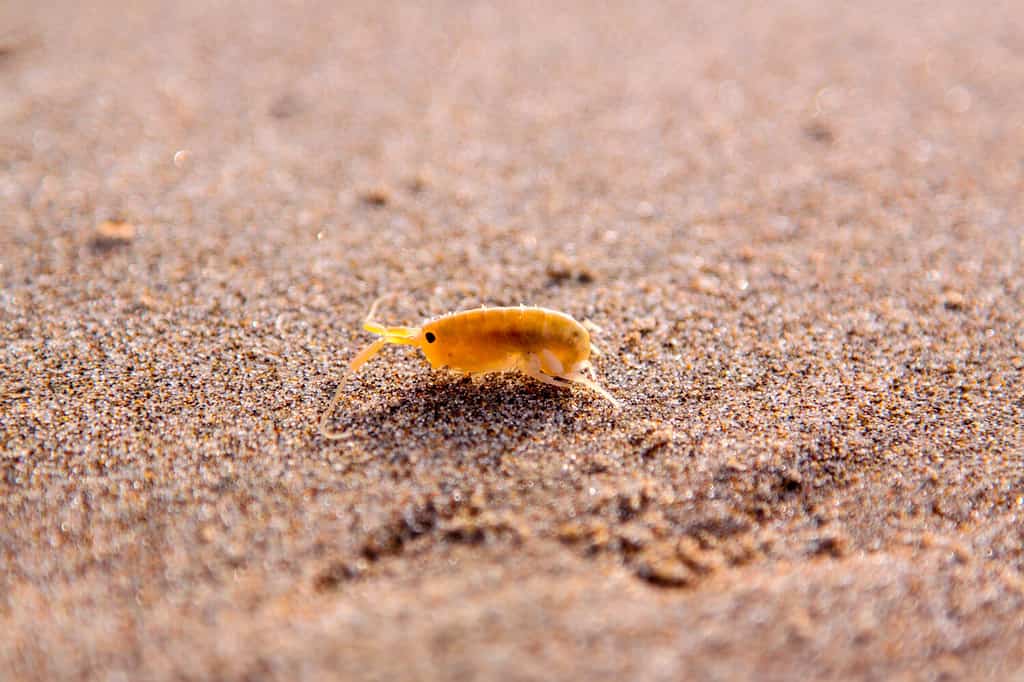
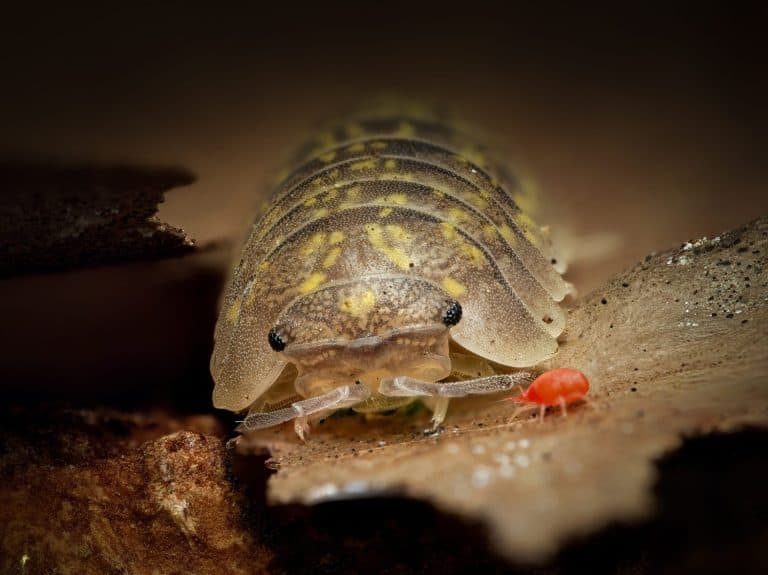
Some tiny creatures recycle nutrients rather than simply filter out debris from our waters.
©Bandersnatch/Shutterstock.com
Amphipods, which are tiny shrimp-like crustaceans, become key detritus processors in many freshwater systems. They actually shred organic matter and recycle nutrients, which helps keep the system moving rather than letting material stagnate and spread disease among these small creatures.
This matters immensely for water quality, as big piles of decomposing organic matter can create high oxygen demand. The more that this breakdown happens steadily, spread out over time, the less likely it is for swampy, unhealthy water to occur and build up.
Marine Sponges Filter and Transform Dissolved Organic Matter
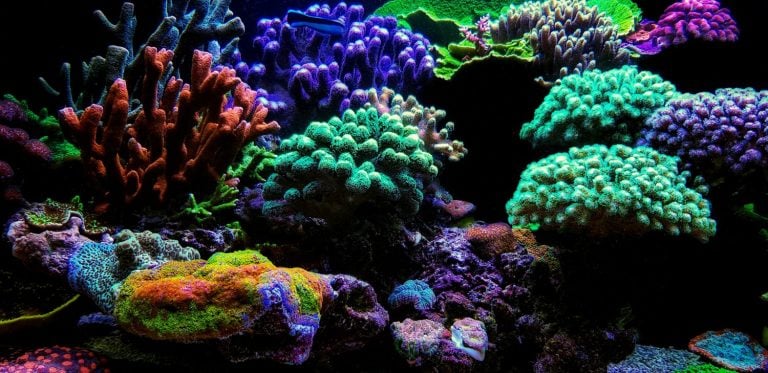
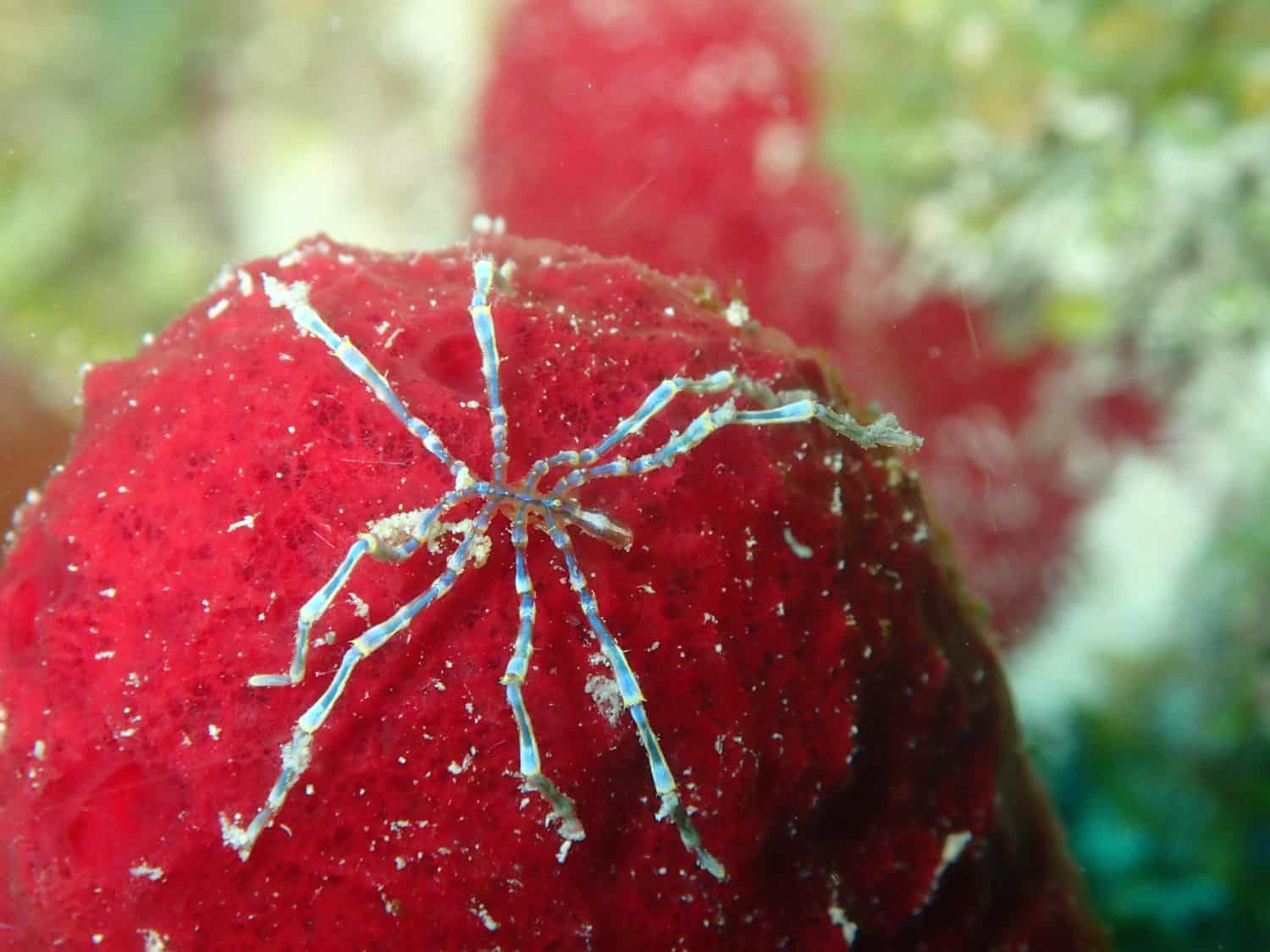
Sponges don’t look like much when we see them lolling along our coral reefs, but they’re actually serious water processors. These unique structures pump huge amounts of water through their bodies, capturing bacteria and particles, and interacting with dissolved organic matter in ways that shape coastal water chemistry around the world.
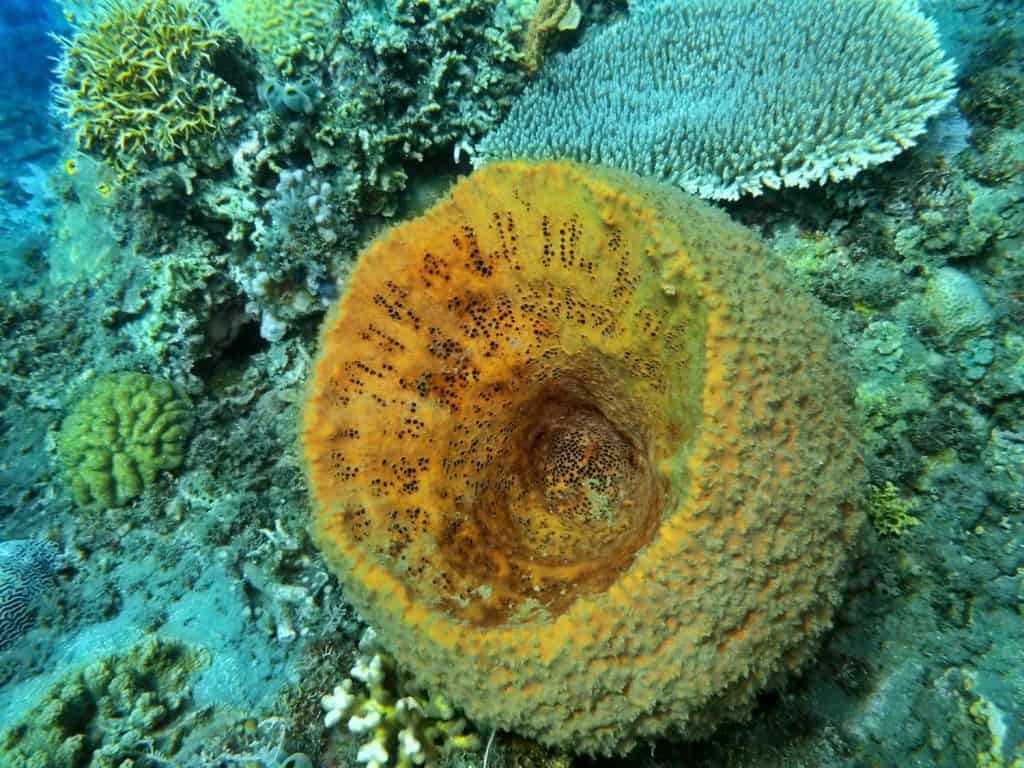
Sea sponges are extremely capable water filtration devices, moving large amounts of water through their bodies daily.
©Ogurtsov/Shutterstock.com
Sea sponges keep water clearer in a very unglamorous way. As water moves through them, they trap tiny particles and microbes for food, which helps strip out some of the stuff that makes water look cloudy. However, they don’t just remove things; they also change what’s in the water by taking up dissolved organic material and turning it into forms that get used by their own cells and the microbes living within them.
Despite their unassuming appearances, sponges are part of a quiet background system that keeps nearshore waters functioning the way they’re supposed to. However, while some marine sponges show resilience to certain climate stressors, many species remain threatened by climate change and other marine issues, making their conservation important.
How Tiny Animals Improve Overall Water Clarity and Chemistry
No matter the species or location, most of these tiny animals help our waters in the same basic ways.
All of these animals remove suspended debris from the water. Bivalves, sponges, and even certain insect larvae physically pull particles out of water circulation, which can improve overall clarity and reduce the clouded look we encounter in less healthy aquatic ecosystems.
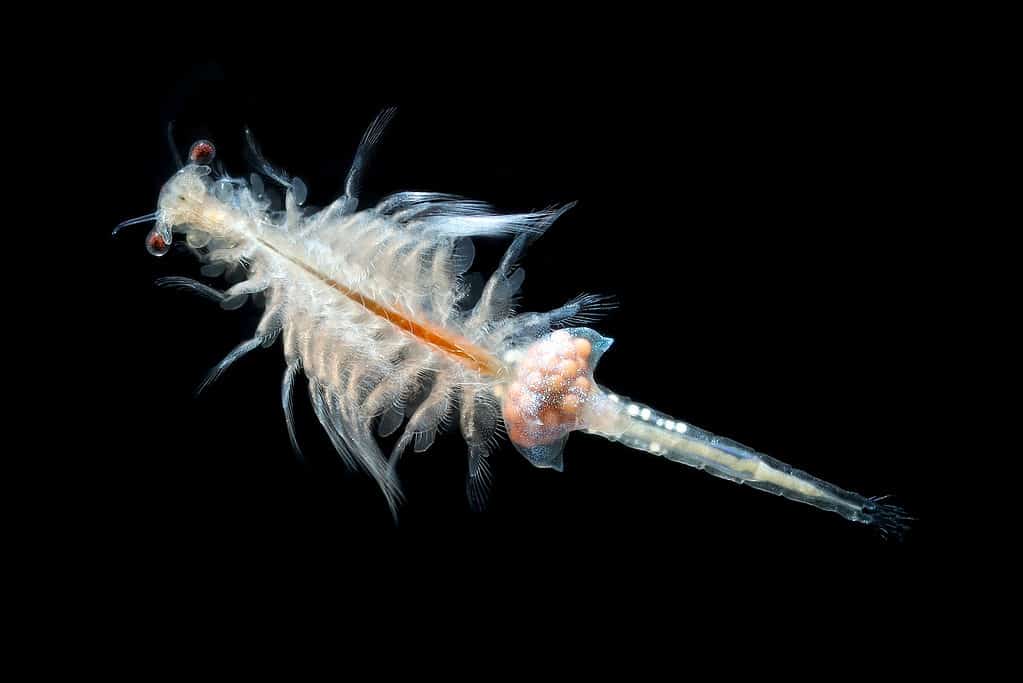
Brine shrimp are a whole genus of microscopic crustaceans that are exceptionally common zooplankton distributed all over the world, keeping waters clearer.
©Dan Olsen/Shutterstock.com
They also eat algae before it takes over. Zooplankton especially graze on algae, which can reduce bloom pressure and make water clearer during key times of year. They are vital to the overall health of certain bodies of water, particularly lakes and other still bodies.
Finally, they keep organic debris from building up, especially in locations that encounter a great deal more of it than others. Detritivores chew up dead material so the system processes it in steady, measured steps instead of letting it accumulate. These tiny creatures play a crucial role in minimizing debris and maintaining high water quality.
How Pollution and Habitat Loss Disrupt Natural Filtration
While impressive and capable of withstanding a great deal of change, these tiny animals are directly exposed to what we put into water and how we reshape waterways. We are ultimately responsible for their health, too.
Nutrient pollution continues to be one of the most significant threats to the survival of these natural filtering creatures, with recent reports showing increases in nitrogen levels in some waterways in 2025. The Environmental Protection Agency’s explanation of nutrient pollution describes how excess nitrogen and phosphorus fuel algae blooms. When blooms die off, decomposition can consume oxygen—oxygen that’s vital to the survival of these ecosystems.
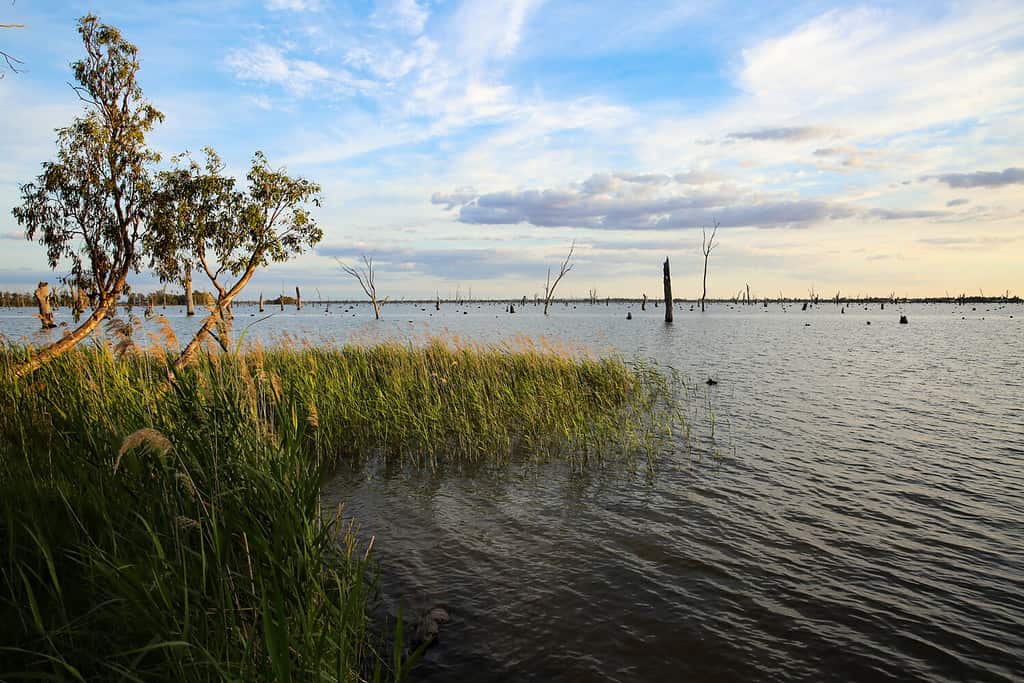
Loss of habitat can greatly affect the efficacy of filtering animal species.
©Norman Allchin/Shutterstock.com
In fact, oxygen-poor water can stress or kill aquatic life and cause species-wide die-offs, including damaging our small filtering animals. Habitat loss remains highly destructive, especially in oceans and rivers. In 2025, ongoing coastal development, river channel modifications, and urban expansion continue to threaten macroinvertebrate communities and aquatic habitats.
There are additional stressors affecting these microscopic filter species—challenges that we are only beginning to address.
Climate Change Stressors Make Water-Quality Systems Less Stable
Climate change shifts oxygen dynamics and changes water flow patterns in all of our waters. These changes occur rapidly, often too quickly for microscopic species to adapt.
For shellfish, ocean acidification is another direct stressor. When acidic conditions grow, it can affect organisms that build shells, especially during vulnerable early life stages. Some species experience huge losses in acidic seas, as they are incapable of growth or are exposed to unhealthy situations, leading to massive issues in population numbers.
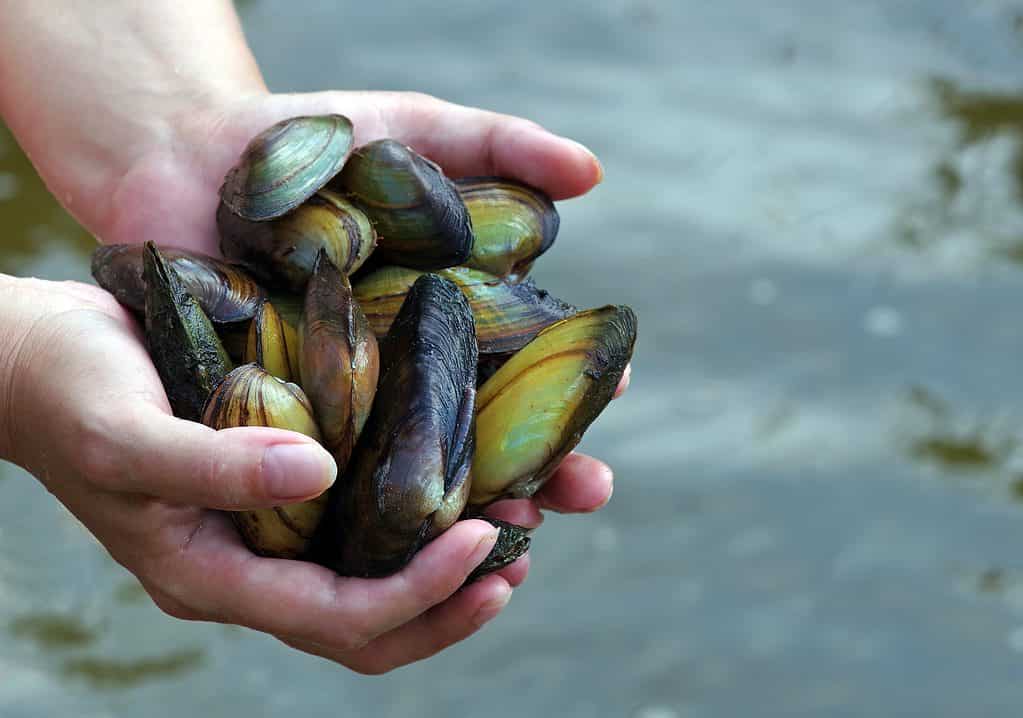
Freshwater mussel populations can’t recover fast enough in the face of climate change.
©KRIACHKO OLEKSII/Shutterstock.com
Freshwater environments face their own challenges. Drought and heat in 2025 continue to threaten mussel populations by reducing habitat and oxygen levels. When mussels die off, the system’s natural filtration capacity is diminished, and recovery efforts remain slow and difficult.
This is why people who work on water quality keep talking about resilience within ecosystems. When conditions swing so quickly, tiny animals have less time to recover, and our water quality faces the consequences.
How to Protect Our Tiny Water Cleaning Species
These small animals are doing constant background labor to keep our waters clean. How can we help them in the face of so many issues, including habitat loss and climate shifts?
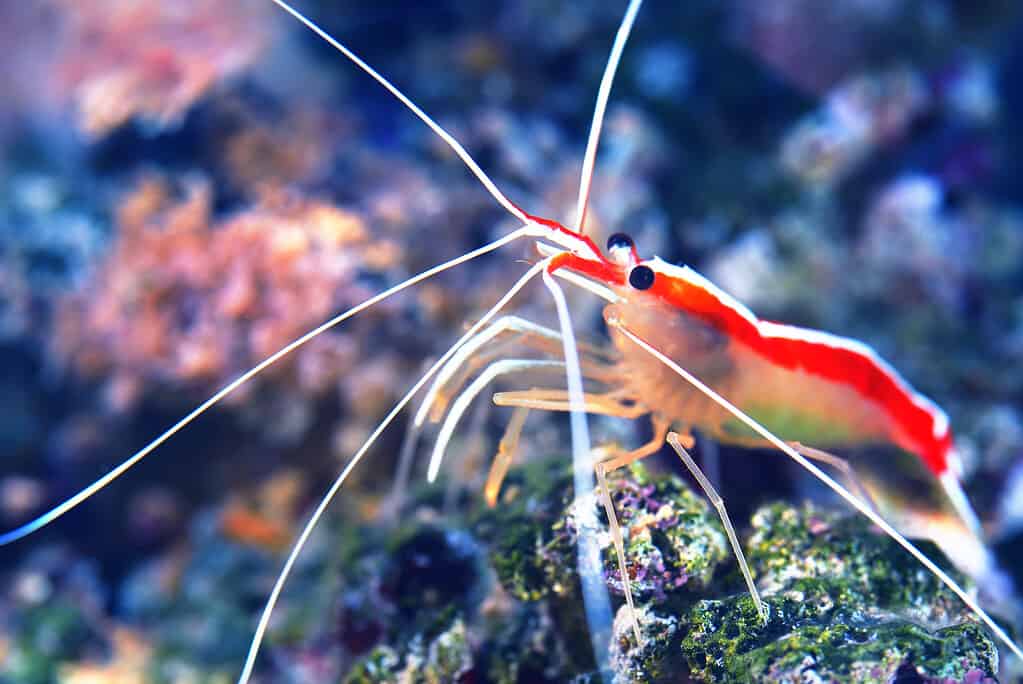
No matter how small they may be, these microscopic cleaning animals deserve our help and efforts to preserve their habitats.
©alekseystemmer/iStock via Getty Images
Conservation efforts in 2025 are increasingly focused on restoring mussel and oyster reefs and preserving these vital habitats. Ocean and river cleanup initiatives are also expanding, and ongoing research, habitat restoration, and pollution reduction remain crucial for supporting these tiny filtering animals.
Still, the next time you take a dip in your favorite, crystal clear lake, know that an entire cast of tiny creatures is doing the job to keep these environments beautiful. What can we do to help them? No matter how small they are, these creatures should be our focus as we pursue water cleanup efforts and sustainable ways to preserve our waterways.