
Quick Take
- What your Wyandotte hen looks like has nothing to do with the eggs she lays, and most backyard flock owners have this completely backwards. See how color is determined →
- Washing your eggs before storage seems like the responsible move, even though it could actually make them spoil faster. Check the cleaning tips →
- Wyandottes are prized as reliable layers, yet one natural behavior quietly chips away at their production all season long. Learn about broodiness →
- A Wyandotte's egg size isn't fixed, and the factors driving the change aren't all what you'd expect. Explore egg size factors →
Wyandotte chickens are a classic, cold-hardy American heritage breed famous for their stunning plumage and creamy brown eggs. If you’re considering a backyard flock for fresh eggs, Wyandotte chickens just might be the breed for you. Continue reading to learn about Wyandotte chickens, their laying habits, and the nutritional qualities of their eggs
Wyandotte Chicken Eggs Size, Color, and Appearance
Wyandotte hens naturally lay large eggs, but the size mainly depends on the age of the hen.
Like almost all chicken breeds, a hen’s reproductive system matures over time, causing the size of her eggs to change significantly throughout her life cycle.
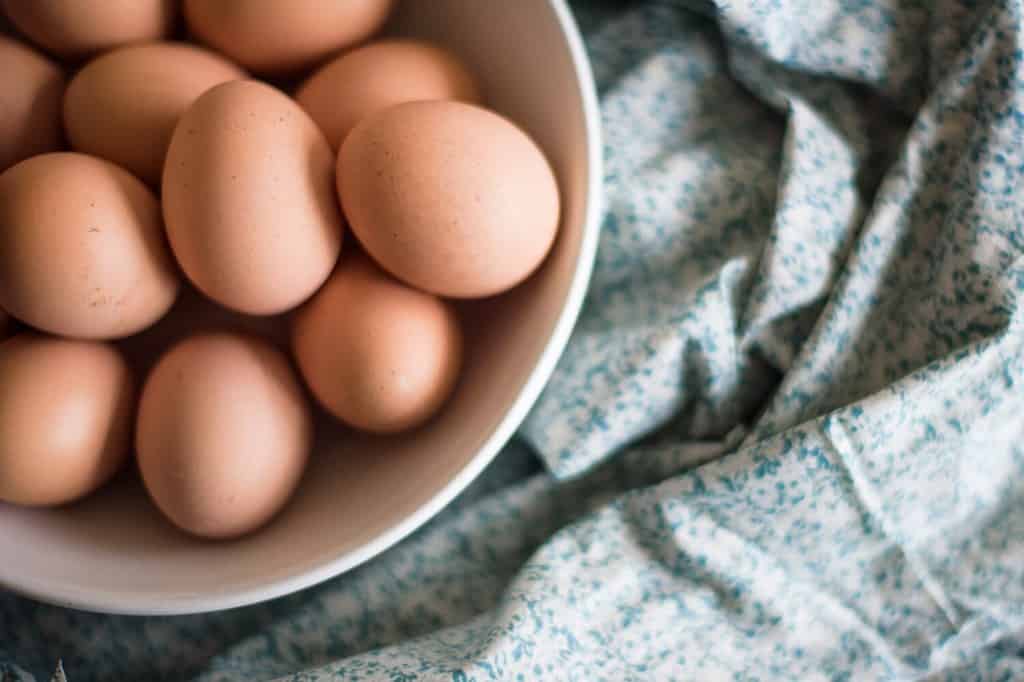
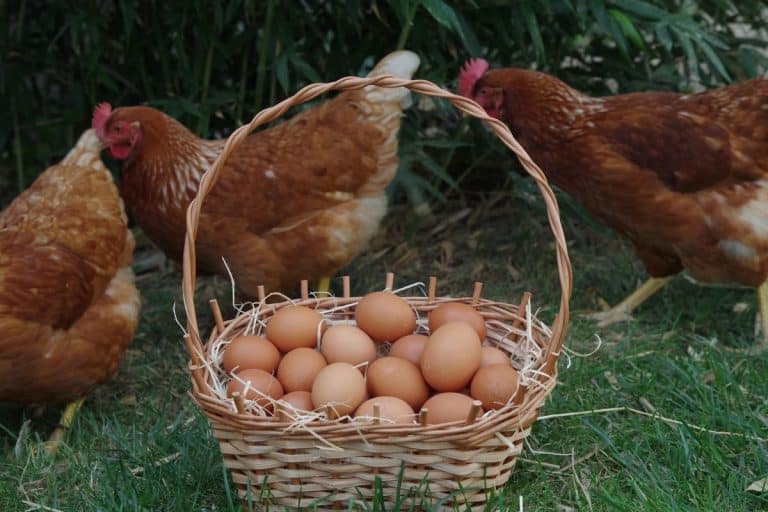
The eggs from Wyandotte hens are generally light creamy to medium, even dark brown.
©Cavan-Images/Shutterstock.com
While age is the primary factor, a Wyandotte’s egg size can also be influenced by her diet and heat stress. Wyandottes were specifically bred to survive brutal winter weather, making them biologically built for the cold.
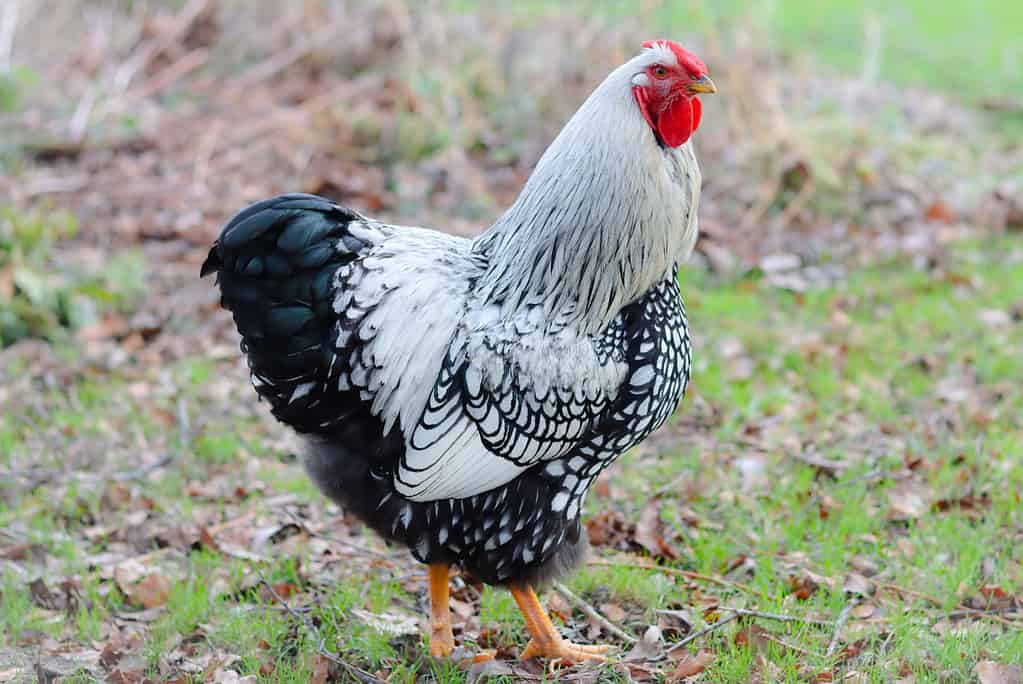
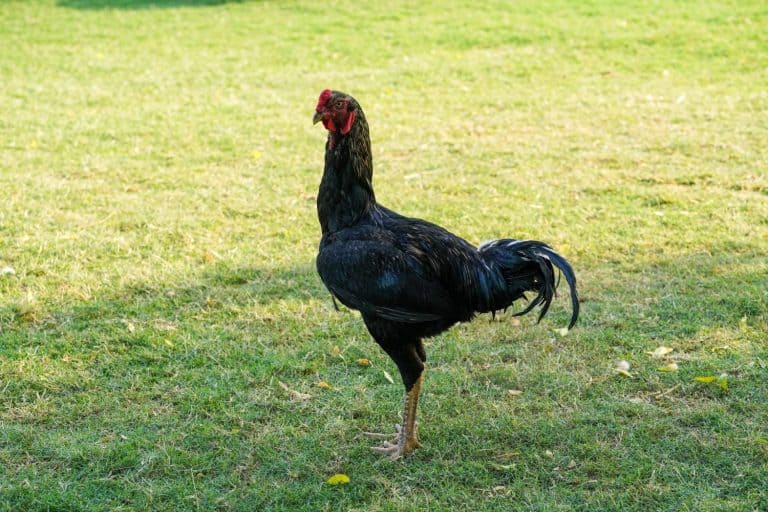
Wyandotte chickens are considered calm, docile, and independent birds. They are sturdy, reliable backyard companions, though they are not a cuddly breed. Image: Silver Laced Wyandotte rooster
©Francesca Leslie/iStock via Getty Images
Wyandottes are genetically classified as a brown-egg-laying breed, but there is a surprising amount of individual variation in the shade, intensity, and texture of the shells.
A common misconception is that different plumage varieties, such as Silver Laced or Golden Laced, lay different colored eggs. However, feather color does not affect egg color. A Silver Laced Wyandotte and a Blue Laced Red Wyandotte may lay identical shades of light brown.
Egg Laying Behaviors of Wyandotte Chickens
Wyandotte hens are steady, reliable layers that produce about 3 to 4 large cream-to-brown eggs per week. They generally begin laying between 5 and 6 months of age and are particularly valued by backyard flock owners for their hardiness and ability to continue laying consistently through the winter months.
They’re not quite as productive as other breeds because they tend to go broody and prefer hatching chicks over laying eggs for consumption. However, they can still lay up to 200 eggs per year.
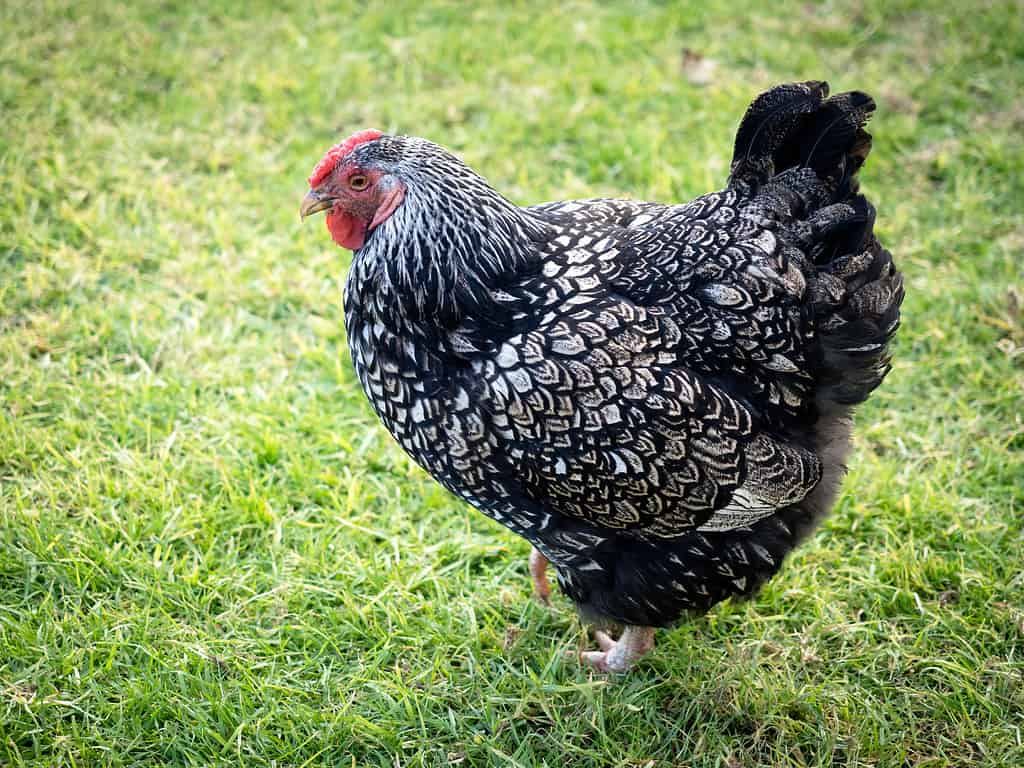
Wyandotte chickens usually lay about three to four eggs per week, or about 200 eggs per year.
©Wirestock/iStock via Getty Images
An average Wyandotte hen will produce 3 to 4 eggs per week. The better the hens’ diet, the higher their production and the more frequently they lay. For best results, be sure to feed your Wyandottes high-quality chicken food.
Tips for Collecting, Cleaning, and Storing Wyandotte Chicken Eggs
You can keep unwashed Wyandotte chicken eggs on the counter for up to 2 weeks or in the fridge for up to 3 months before they go bad.
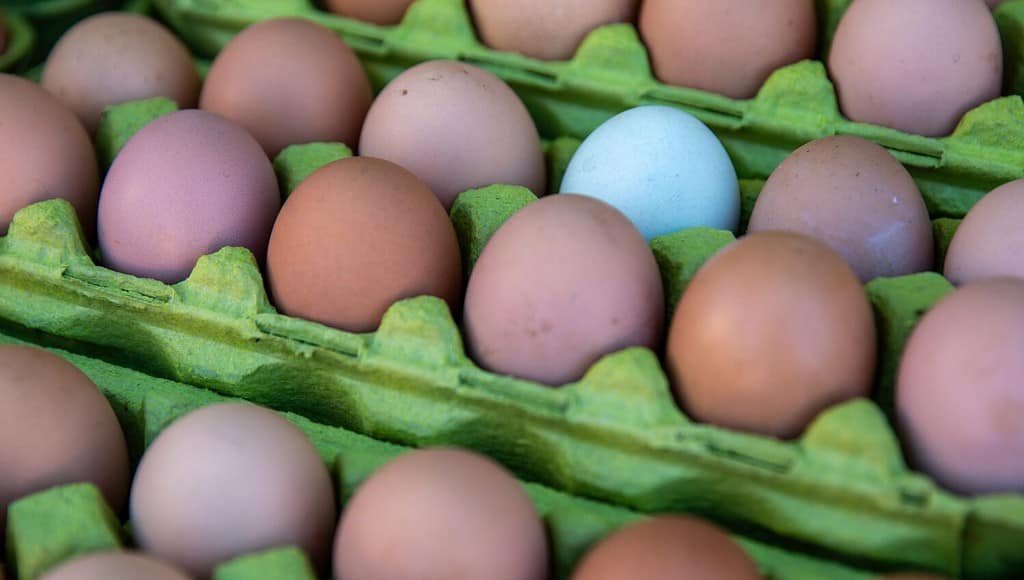
Wyandotte chicken eggs come in various shades of brown.
©Lisa Top/Shutterstock.com
- Wait until the hens leave behind their eggs to collect them. Avoid moving them out of the way, whenever possible.
- Collect eggs every morning. Listen for cackling sounds as this often indicates eggs have been laid.
- Offering food to the hens can help encourage them off their eggs.
- Use a lined basket, cloth sling, or another soft container that won’t put pressure on the eggs when collecting them.
- If you can’t shoo a broody hen away from her eggs, reach in and retrieve them; just expect some squawking and possible pecks.
- Some chickens lay later in the day, so if you have a lot of Wyandotte chickens around, check for eggs again in the evenings.
- Use a rough, dry cloth to clean off the eggshells rather than washing them. The shell naturally protects the eggs unless they are washed. You can store unwashed eggs on the counter for up to 2 weeks.
- Once refrigerated, eggs need to be kept refrigerated. Do not return them to the counter, or they’ll spoil.
- Remove manure from eggs with a dry cloth. If water is used, consume the eggs as quickly as possible.
- Keep the straw fresh in the hen houses to help keep eggs cleaner and chickens healthier.
- If the eggs must be washed, submerge them and scrub them with a vegetable brush or gentle scrubber. Use warm water (warmer than the egg) only. Cold water can encourage bacteria.
- Allow washed eggs to air dry completely before using or storing them.
- Be sure to date your eggs before storing them. Eggs are good for up to 2 weeks at room temperature and up to 3 months in the fridge after being laid.
Nutritional Value of Wyandotte Chicken Eggs
According to the USDA, the color of eggs does not impact their nutritional value. Therefore, these cream to brown eggs share the same nutritional values as other large-sized chicken eggs.
Values are per egg:
- Calories: 70
- Total fat: 5 grams
- Saturated fat: 1.5 grams
- Cholesterol: 186 milligrams
- Sodium: 70 milligrams
- Potassium: 70 milligrams
- Carbohydrates: 0 grams
- Protein: 6 grams
- Vitamin A: 6% DV
- Calcium: 2% DV
- Iron: 4% DV