
Leaving a dog behind when traveling to a new location is often a heart-wrenching decision. Knowing that the dog will be lonely, may not like being kept in a kennel, and will be out of its routine can discourage some people from traveling, especially if they do not have access to a car.
With airlines offering to allow dogs to fly both in the cabin and in the cargo hold, the family dog does not have to be left behind. However, those who choose the option to bring their beloved canine on a trip will have some hoops to jump through. When flying with a dog, there are costs, airline rules, and preplanning that need to be done to make the trip as problem-free as possible. This means planning by booking early, getting the required veterinary checkups, and training dogs so they are ready to fly when the day comes to board the plane for adventure.
How to Choose an Airline
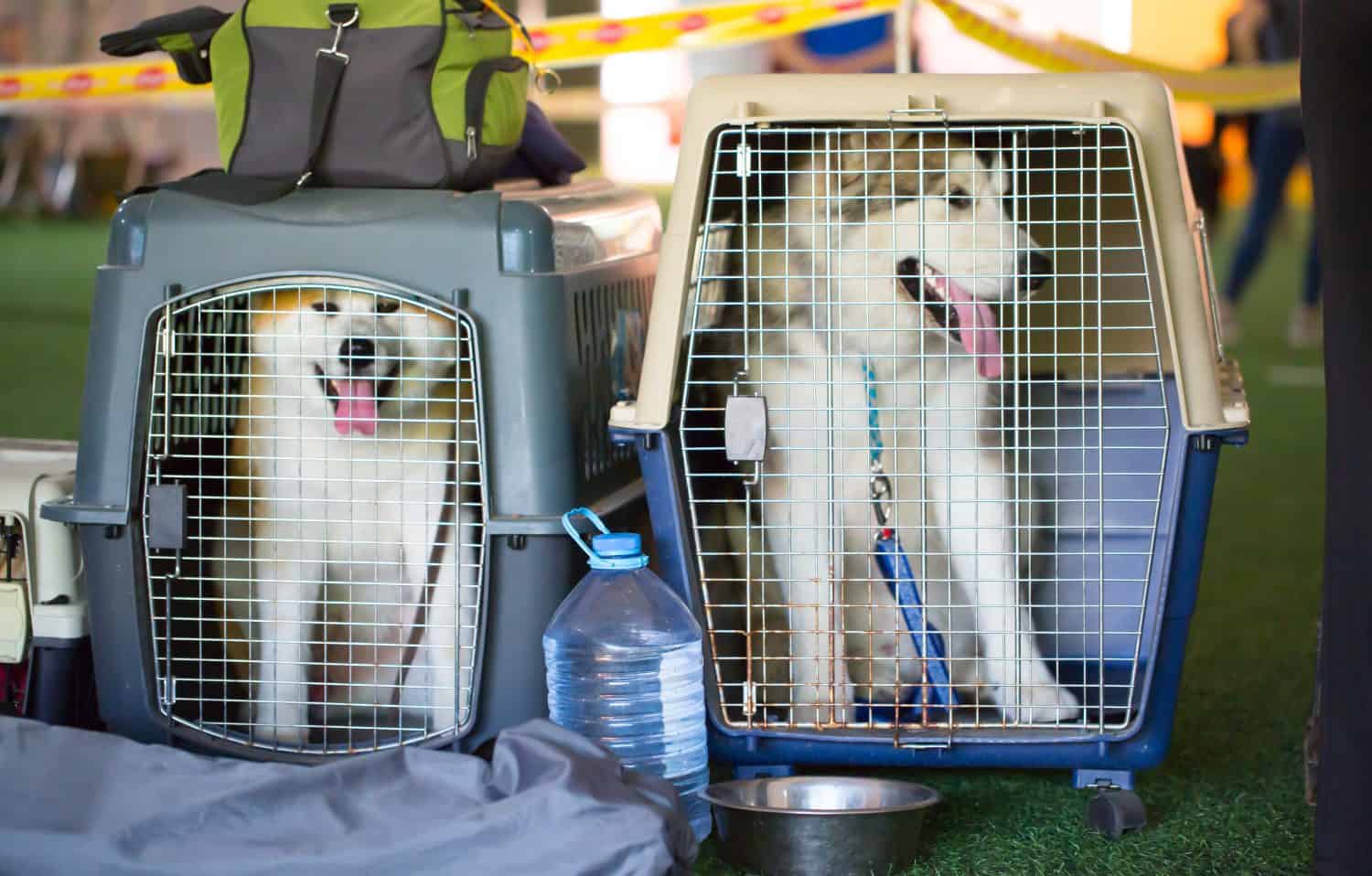
Before choosing an airline when flying with a dog, research to determine which carrier will be the best option.
©Vera Larina/Shutterstock.com
There is a level of anxiety that comes when traveling with a dog. The levels can increase dramatically when flying. Because of this, it is important to do proper research to determine not only which airlines allow dogs on board, but which ones will treat dogs kindly rather than as a piece of luggage.
Some things to look into before choosing an airline when flying with a dog include:
- Whether dogs can fly in the cabin or if their weight will require them to be in the cargo hold
- If there are restricted dates, dogs can fly in the cargo hold based on weather conditions
- If there are non-stop flights available, which reduces the time dogs are in transit
- Additional fees to fly with a dog
- How many dog carriers are allowed per flight
- The length of time dogs are allowed to be in flight
- Which vaccinations are required before the flight
In addition to looking into all of these items, it does not hurt to look at reviews of airlines from people who have flown with dogs. This may be one of the most important things to do because this will allow passengers to know if dogs are treated kindly or if there have been any issues that ultimately led to the dog being distressed, ill, or worse.
Rules of Flying With a Dog
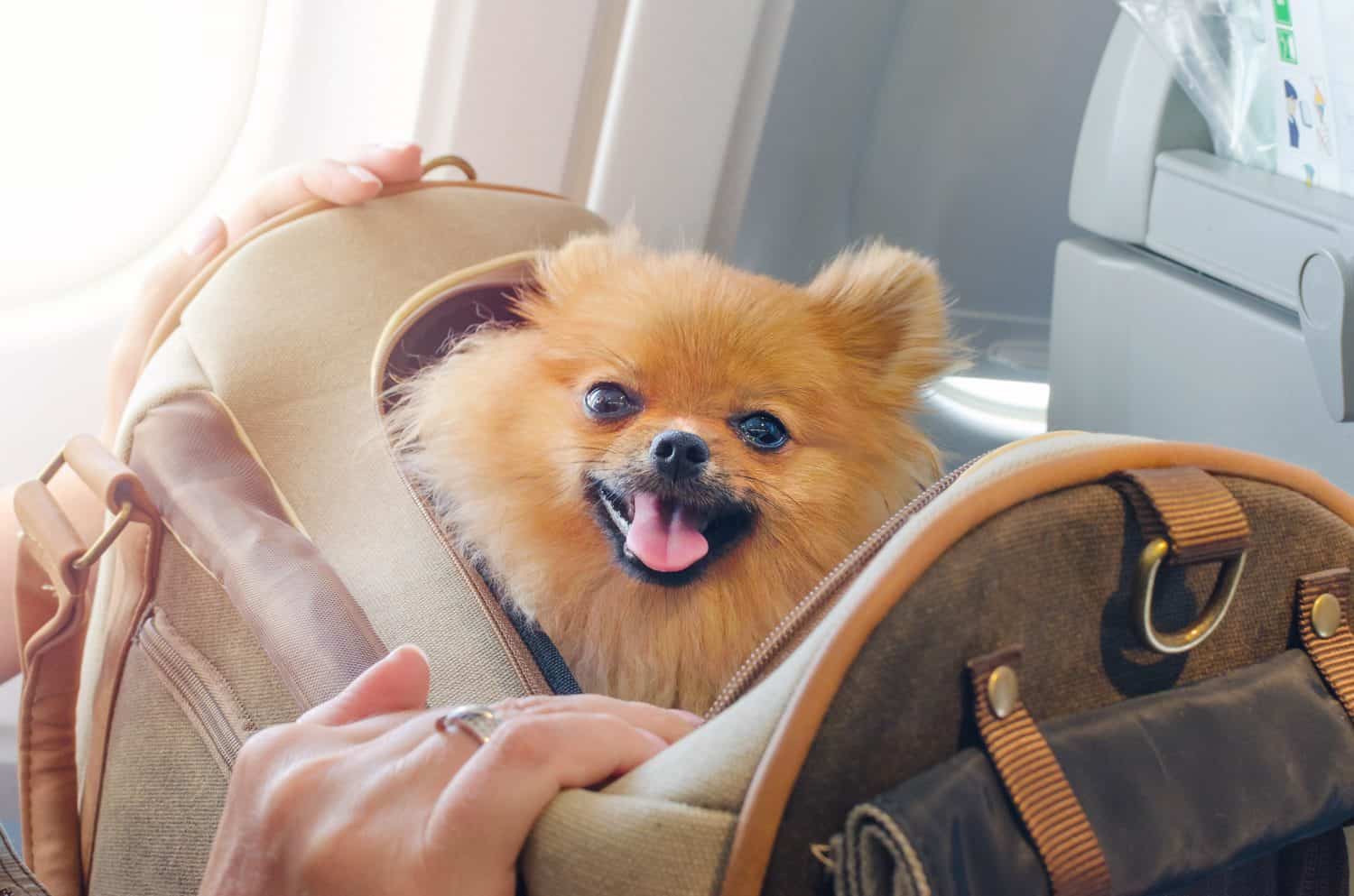
Dogs must follow strict rules when flying in the cabin of a plane.
©nadisja/Shutterstock.com
When the decision has been made to fly with a dog, some requirements have to be followed before man’s best friend will be allowed to board the plane. These conditions have to be met and there is no wiggle room when it comes to abiding by them. Therefore, the best advice is to make sure requirements are completed well before the date of the flight to keep stress at a minimum.
Some of the most frequent rules airlines have regarding dogs flying on planes include:
- Only allowing dogs of a certain weight in the cabin.
- Dogs must be at least eight weeks old to fly domestically.
- Dogs must be six months old to fly internationally and have vaccinations up to date.
- Dogs coming into the United States from another country for the first time must have completed a Dog Import Form that is CDC-approved. Dogs must also be up to date on the rabies vaccine and be microchipped.
- Each airline has specific carrier dimensions allowed on the flight. All require soft-sided carriers that are ventilated and can fit under the seat.
- Dogs are not allowed to leave their carriers during the flight.
- Dogs do not fly free, and each airline has their own costs associated with dogs being allowed to fly.
- There is a limit on how many dogs can fly per person and how many dogs are allowed on a flight.
- Airlines will not give dogs prescribed medications.
Remember, this is just a generalized list. It is best to check with each individual airline to ensure all rules can be followed before booking a dog on a flight domestically or internationally.
Emotional Support Dogs and Service Dogs Are Not the Same
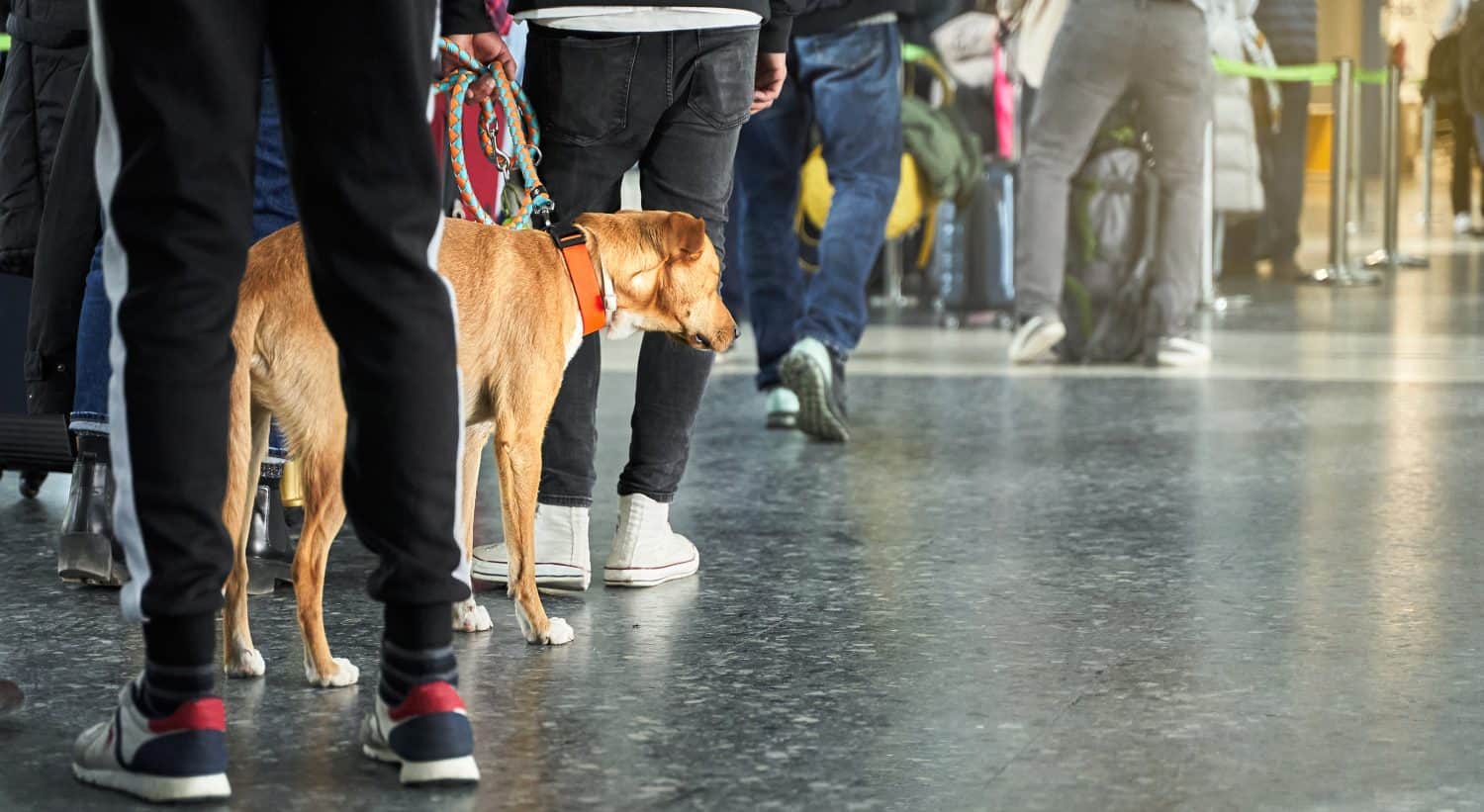
Service dogs are held to higher standards than emotional support dogs and, consequently, have more leeway when flying.
©Carlos_Pascual/Shutterstock.com
Both emotional support dogs and service dogs provide assistance to their humans. However, when it comes to flying, there is a big difference in what is and is not allowed with each dog. Beginning in 2021, the Department of Transportation implemented new rules and regulations regarding dogs on planes. Specifically, a service dog was categorized as “a dog that is individually trained to do work or perform tasks for the benefit of a person with a disability.” This applies to both physical and mental disabilities.
Emotional support dogs were not included in the categorization. Instead, these dogs were placed with any other dog that was going to be on the plane and are now required to follow the same rules and regulations as family dogs. Service dogs have completed rigorous training at an expense of tens of thousands of dollars. They are specifically trained to aid a person with their individual disability. This can include guiding a blind person or even alerting a handler that they are about to have an epileptic seizure. Those who have mental disabilities and suffer from things such as panic attacks or need reminders to take medication also have dogs that qualify as service dogs.
One of the most significant differences between a service dog and an emotional support dog being allowed on a flight is that the service dog is free. In contrast, there will be a fee for emotional support dogs. Additionally, there are weight limits on emotional support dogs being allowed in the cabin, whereas there are no weight limits on service dogs. When making a reservation, it is best to contact the airline directly to determine if there are any specific rules the airline has for service or emotional support dogs not outlined by the DOT.
Costs Associated With Flying With a Dog
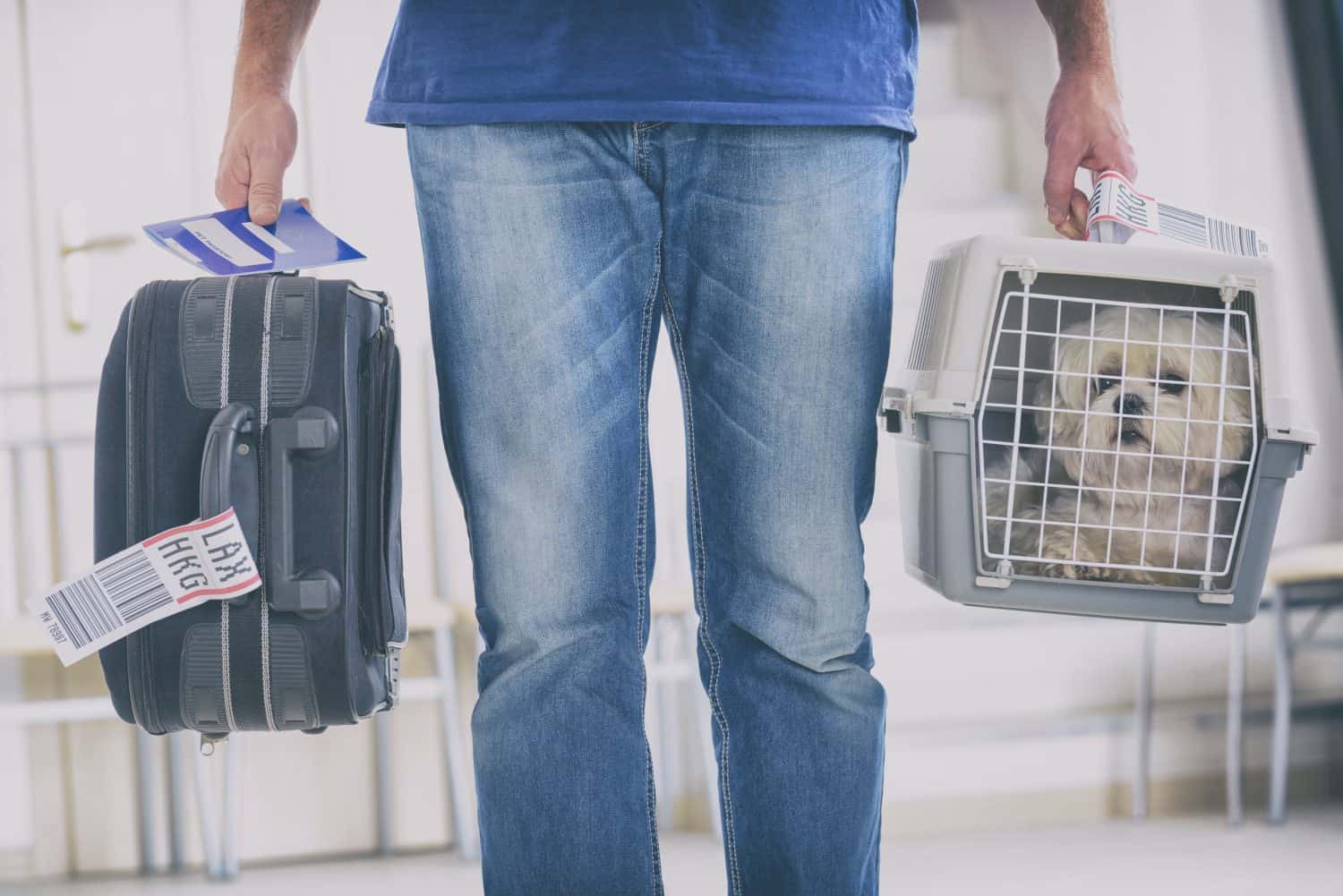
Each airline has different costs associated with dogs flying on a plane.
©Monika Wisniewska/Shutterstock.com
Just as the rules for dogs vary by airline, the rates passengers will pay to bring their dog on board—either in the cabin or in the cargo hold—also differ by airline.
| Airline | Cost to Fly With a Dog In the Main Cabin | Cost For Dog Flying In Cargo Hold | One pet carrier which can contain one dog, or one dog with a new litter, or two dogs of the same litter if all can fit in carrier safely |
| Alaska | $100 each way | $150 each way | Two dogs per passenger |
| American | $150 each way | Varies. Will be confirmed at the time of booking. | Two dogs per passenger |
| Delta | $125 each way | $200 each way | Varies. Will be confirmed at the time of booking. |
| Frontier | $99 each way | Not allowed | One dog per passenger |
| Hawaiian | $35 between islands; $125 each way between islands and mainland | Two dogs per passenger, but both must fit in one carrier | One dog per passenger |
| JetBlue | $150 each way | Not allowed | Two dogs per passenger |
| Spirit | $125 each way | Not allowed | Varies. Will be confirmed at the time of booking. |
| Southwest | $125 each way | Not allowed | Two dogs, but both must be of the same species and able to fit in one carrier |
| United | $150 each way | Varies. Will be confirmed at time of booking. | Two dogs per passenger. |
In addition to the fees to get dogs a space to fly on the plane, there may be additional fees that come with layovers. Be sure to check with each airline to clarify the total cost before booking, so that there are no surprises when flying with a canine companion.
Not All Breeds Are Allowed to Fly
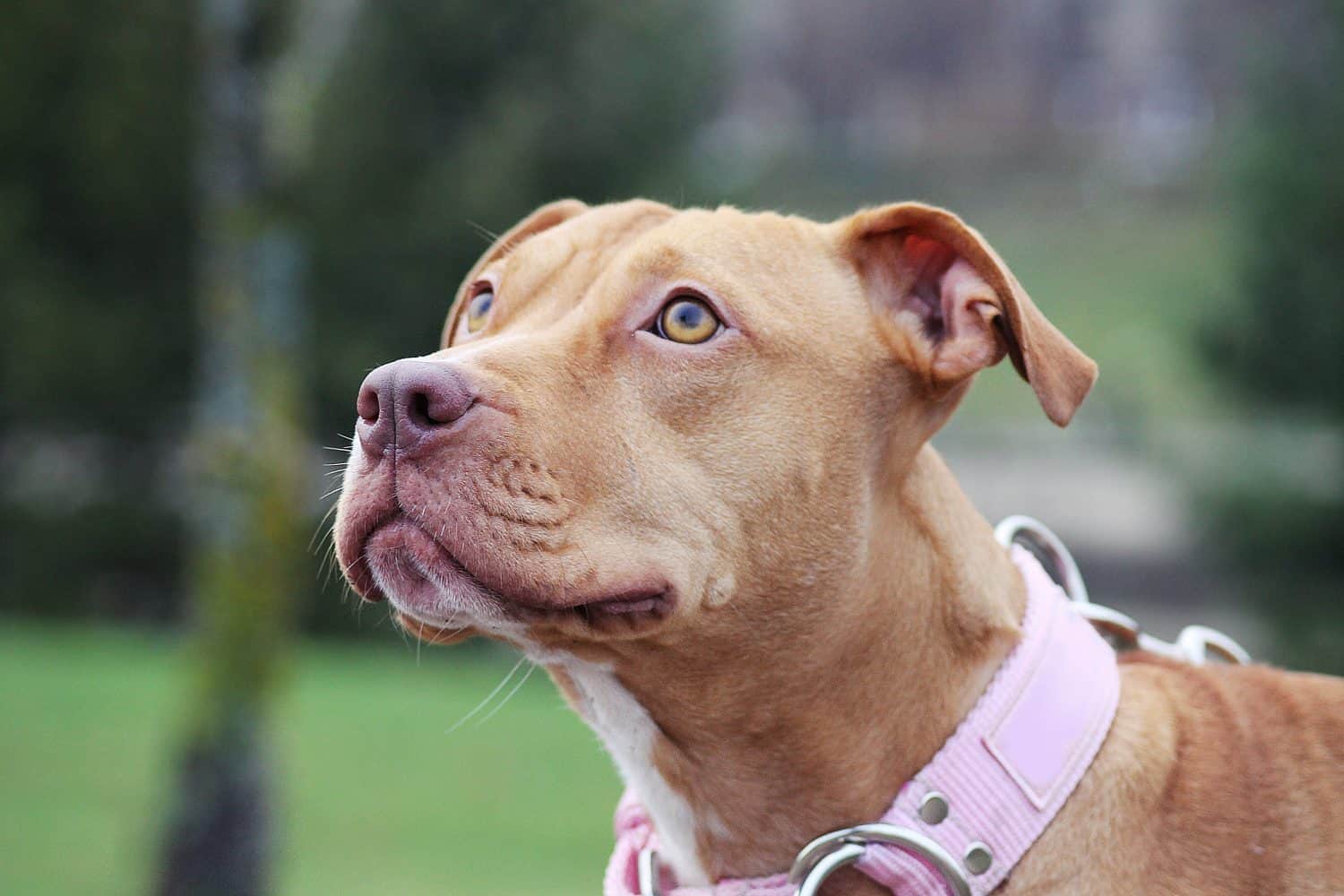
Regardless of how well-behaved or healthy a dog is, some breeds are prohibited from flying on a plane.
©Eve Photography/Shutterstock.com
No matter how sweet and cuddly a dog is, there are specific breeds that are banned from flying. The reasons are not all behavioral. In many instances, it is the safety of the dog that needs to be taken into consideration, leading to some breeds not being allowed on board a plane.
The most common breeds of dog that are not permitted to fly include:
- Affenpinscher
- American Bully
- American Pit Bull Terrier
- American Staffordshire Terrier
- Boston Terrier
- Boxer (all breeds)
- Brussels Griffon
- Bulldog (all breeds)
- Cane Corso
- Dogo Argentino
- English Toy Spaniel
- Japanese Chin
- Lhasa Apso
- Mastiff (all breeds)
- Pekingese
- Pit Bull
- Presa Canario
- Pug (all breeds)
- Shar-Pei
- Shih Tzu
- Staffordshire Bull Terrier
- Tibetan Spaniel
It should be noted that each airline has its own policy. Therefore, doing due diligence before booking a flight is best so that there are no hiccups when it comes time to fly, only to realize that a dog is not allowed on board or in the cargo hold.
Ways to Keep Dogs Calm When Flying
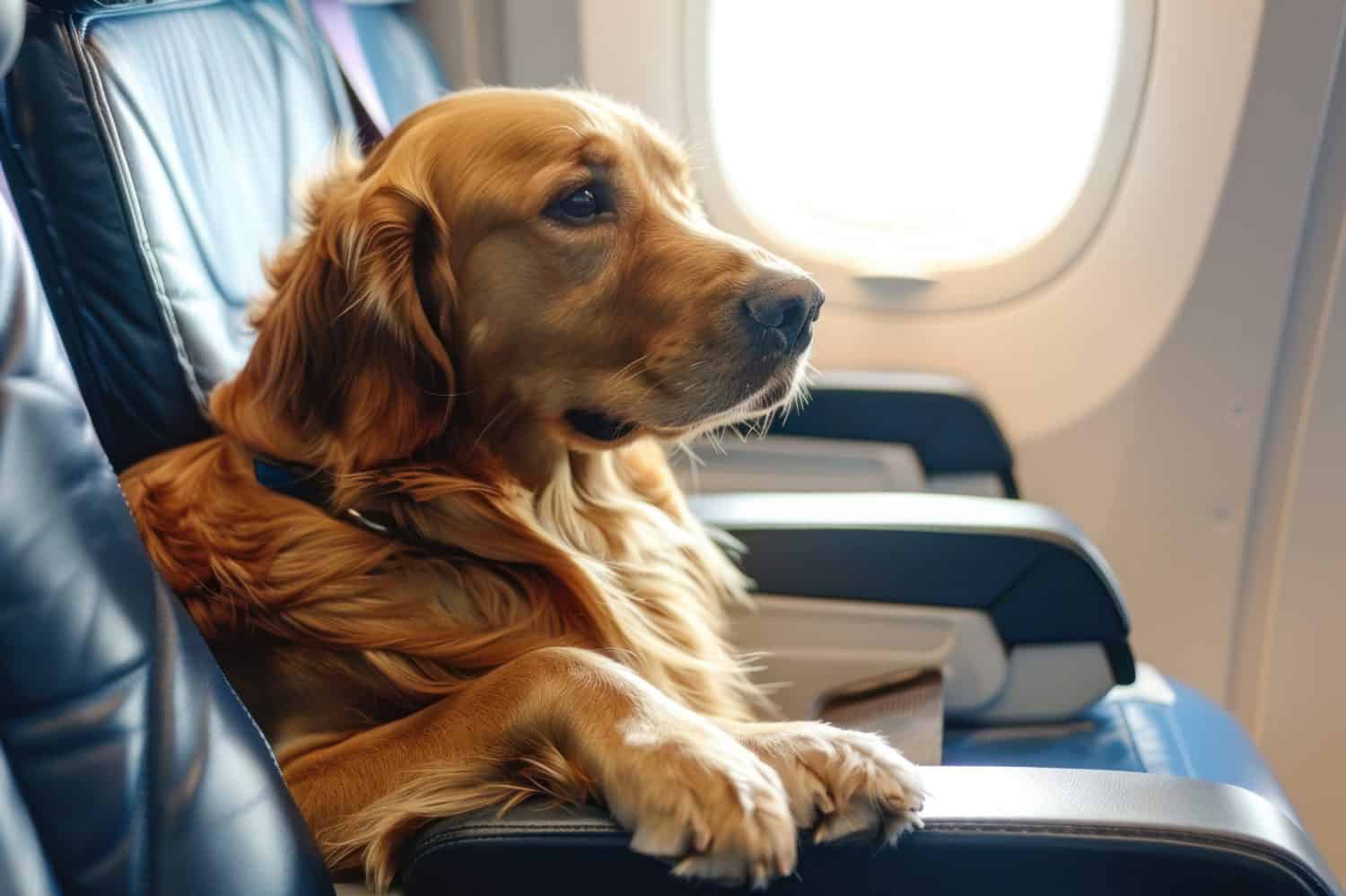
Prep work should begin long before boarding a plane to keep dogs calm when flying.
©Cecilia Bisbal/Shutterstock.com
Once all of the administrative work is done to prepare dogs to fly, the real work begins to prepare dogs to fly. It does not matter if the dogs will be in the cabin or in the cargo hold; prep work ahead of time can mean less stress for the dog and its human alike. Before even getting on a flight, dogs need to be crate or carrier trained. For smaller dogs that are allowed in the cabin, they will have to remain in their carrier for the duration of the flight. Therefore, gradually increasing the time in the carrier in the weeks or even months before a flight is recommended to reduce anxiety in the dogs once in the air.
For those dogs who are larger and are not permitted in the cabin, they will be placed in the cargo hold. In this case, not only will dogs need to be trained and gradually get used to increased time in the crate, but appropriate flights will need to be selected so that dogs do not overheat or battle freezing temperatures. Therefore, avoiding the peak of summer and choosing early morning or evening flights is the best case scenario for those flying when temperatures rise. When flying during colder months, the afternoon is a better time, since temperatures are typically warmer.
Additionally, choosing a direct flight means less time in the crate or carrier for the dog. For dogs in the cargo hold, direct flights reduce the risk of mistakes or mishandling during layovers. Dogs will not get lost or face the possibility of not having enough time to make it from one connection to the next.
Even with all appropriate preparation, some dogs will always have anxiety. Between staying in a crate or carrier, the loud noise of the plane, temperature swings, and the like, it is a lot of strange and even scary stimuli for a dog. Therefore, speaking with a veterinarian about any medications dogs can take to calm their nerves is recommended. Keep in mind, however, that many veterinarians will not prescribe sedatives for dogs in the cargo hold as there is no one to monitor them.
However, if medication is prescribed, airline personnel are not permitted to administer it. This means that dogs in the cargo hold will have to be given medication before being handed over to the airline, as once the dog becomes the responsibility of the airline, there will be no contact until the dog is safely returned at the end of the flight.
Charter a Plane For a Customized Experience
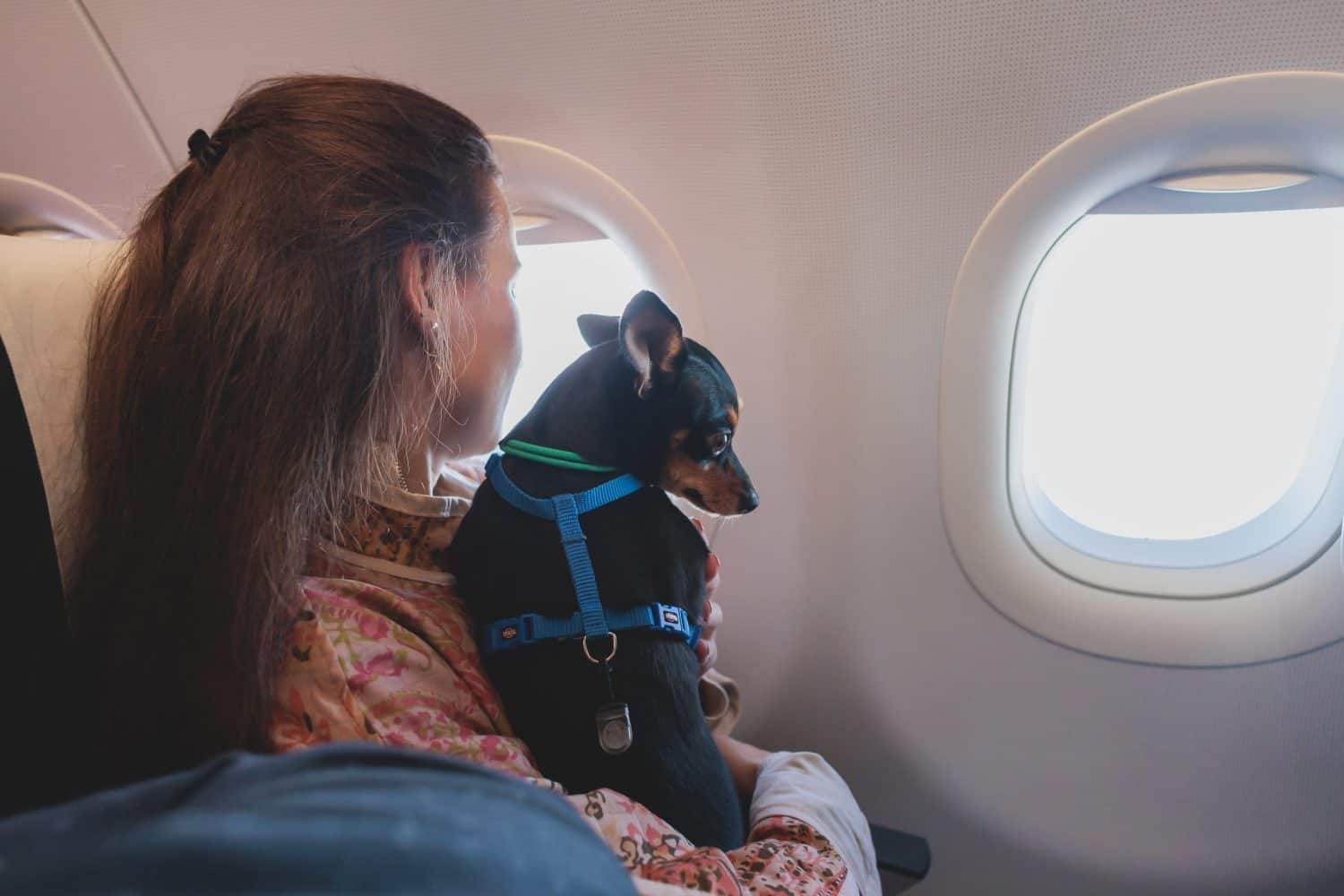
Chartering a flight may be a good option for some passengers with dogs.
©Tsuguliev/Shutterstock.com
If funds are available, many would recommend chartering a flight if traveling with a dog. While it may be more expensive, there are many benefits that come with a chartered flight, including a customized experience that cannot be matched by major airlines.
The benefits of chartering an aircraft when traveling with a dog include:
- The dog and its human get to remain together on the flight, lowering anxiety for both
- Regardless of size, the dog can fly in the cabin
- No fear of cargo trauma, given the dog will be in the cabin
- Travel can be done when most convenient rather than by a preset schedule
- Dogs do not have to wait in airports, being exposed to loud noises and the chaos of other travelers
- Bathroom breaks can be better managed, rather than having to try and locate a designated dog area at an airport
Clearly, the biggest drawback to chartering a flight is the cost. With an average cost of $1,300 to $13,000 per flight, it can be pricey. Depending on the number of passengers, chartering a flight may be comparable in cost to, or only slightly more expensive than, flying with a major airline. This is why it pays to do all research to be well-educated and well-prepared when it comes to traveling with man’s best friend.