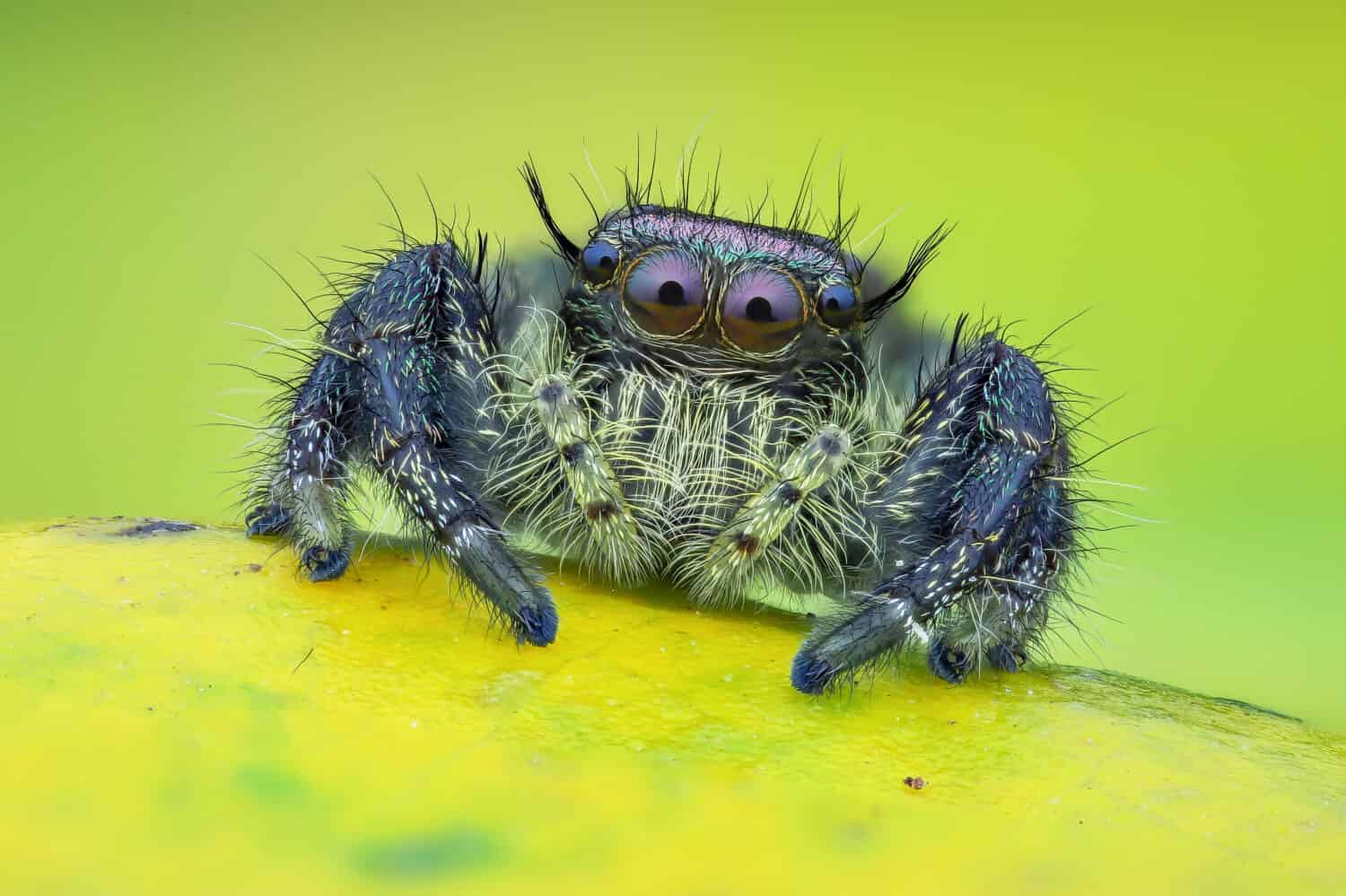

It is likely that states across the nation are seeing an increase in spider activity. It is not because there has been a spider boom, but instead, it is an annual event that leads to a population boom in the spring. This event, known as spider season, occurs across the United States each year. The timing and location of peak activity are influenced by spider populations and the climate in each state, which can cause the season to be triggered earlier or later annually.
Spider Season Has Begun Across the U.S.
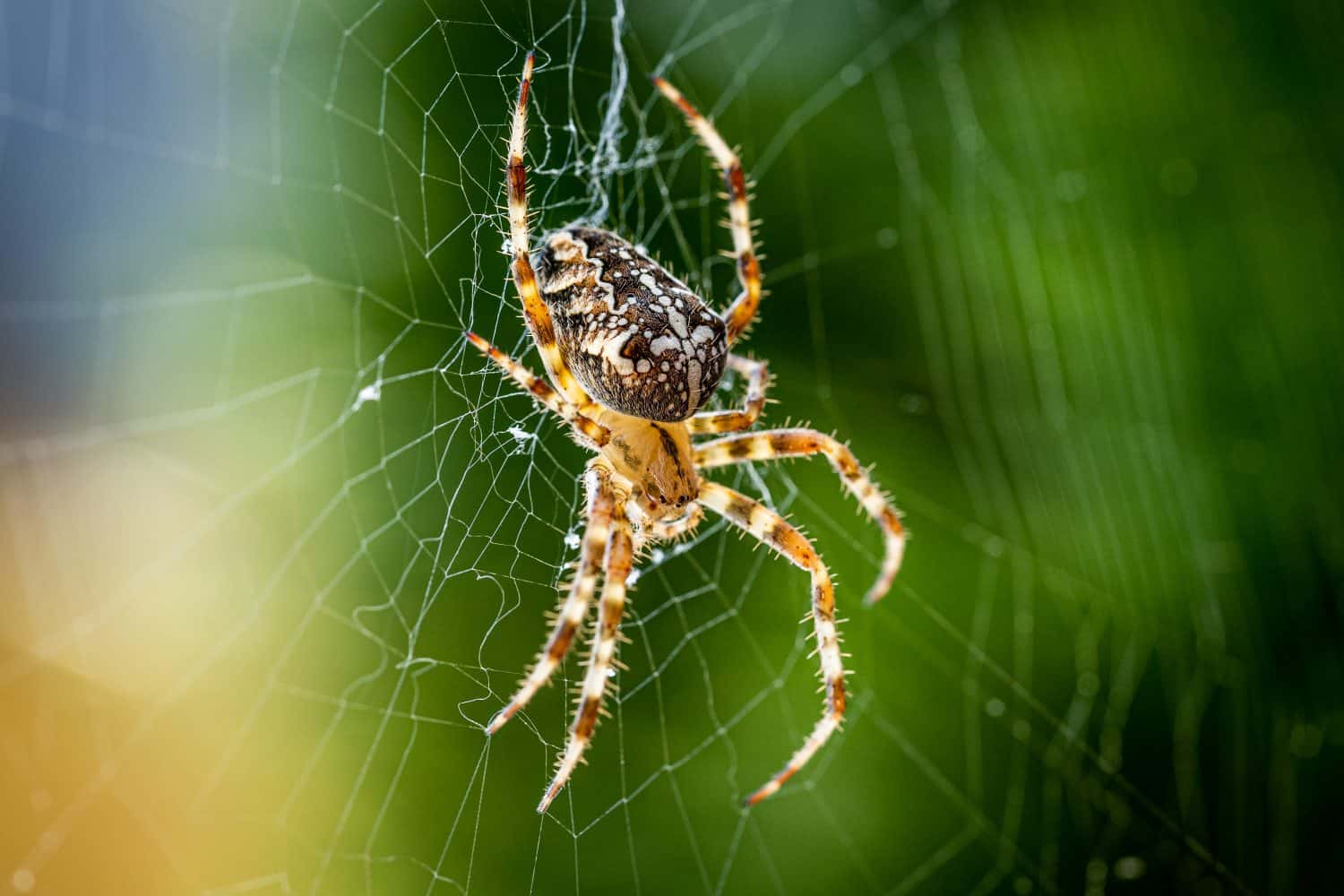
More spiders will be seen during spider season as they look for mates.
©novama/Shutterstock.com
It is not a figment of the imagination. Spider season is well underway. Spiders are busy looking for their mates before the weather gets too cool and spiders want to go dormant, or a state called diapause, where they find warm spots to tuck themselves away for the winter as their metabolism slows to conserve energy.
Spider season takes place during the late summer to fall each year. In many regions, it typically occurs from late August to early November, but the exact timing can vary depending on local climate and spider species.
Male and female spiders have different roles during spider season. Females will remain in their webs while males will abandon theirs in search of females to mate with. Therefore, it is likely that the spiders crawling around or lurking without a web are males. Female spiders will tuck their webs away in areas that are not only camouflaged but also remain protected and warm during the winter months. This will allow them to stay safe during the colder months until it is time to come out for the spring and lay their eggs.
Some states will experience the most activity during spider season, primarily because they have the largest populations of spiders. Those states include:
- California
- Texas
- Florida
The reason that these states are known for their high diversity of spider species has to do with the varied ecosystems that these states have to offer. From deserts to coastal regions, and everything in between, California, Texas, and Florida allow a variety of spiders to thrive in their states, leading to there being hundreds of different spider species that call these states home.
Spider Season May Vary Slightly Across the U.S.
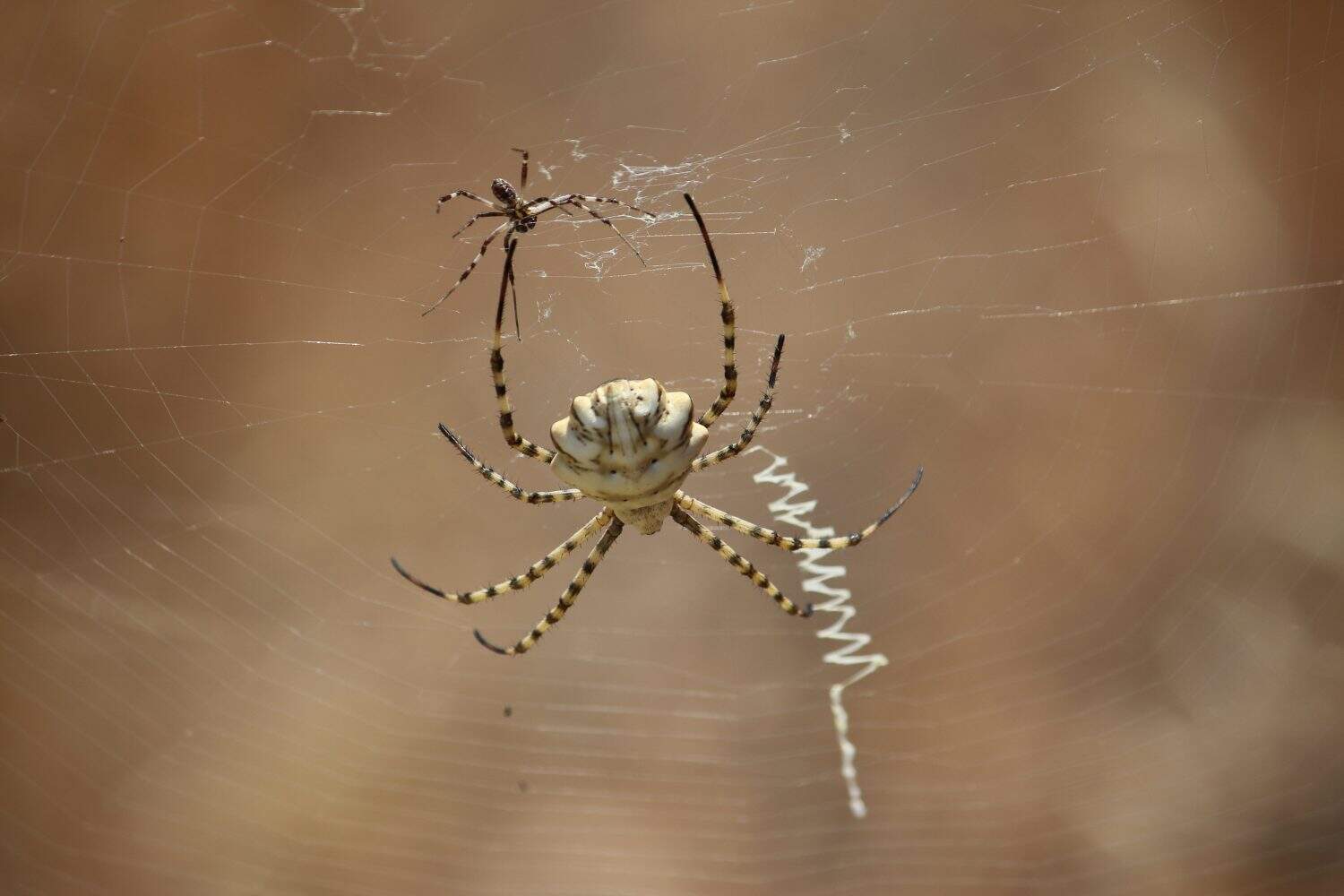
Each state may experience a different timing of the spider season.
©archislem/Shutterstock.com
While spider season is well underway, states across the nation may be experiencing a surge of spiders at different times. This has to do with the different temperatures across the United States, which makes it more or less favorable for spiders to meet their mates before going dormant for the winter.
In regions with fairly constant temperatures and no hard freezes, spider season may not be a distinct season but rather an event that seems to occur year-round, given the amount of spider activity. However, if observed, there is, in fact, a time when spiders are more active than others, which will occur in the fall before the winter chill sets in.
With that being said, there can be a delay in spider season depending on the region the spiders live in. For example, there may be a discrepancy in timing between the South and the Midwest. This is because in the South, the weather has a tendency to be a bit more predictable during the fall. Therefore, the temperatures generally begin to decrease around the same time of year, triggering spider season.
Conversely, in the Midwest, the weather can be a bit more erratic. There may or may not be rain, which can cause spiders not to be as active. If the rainfall is light, more spider activity will be seen. However, if there are torrential downpours, this can affect spider habitats and wash away webs.
Additionally, rainfall can also cause temperatures to fluctuate widely, triggering spider season a bit early or late, depending on whether the rain causes warmer, more humid temperatures or cooler conditions.
The weather patterns play a big role in when spider season kicks off in each state. Within the state, there can even be a difference, depending on the temperature swings experienced. But a good rule of thumb is to begin looking for more spider activity as fall approaches, as the increased number of spiders crawling around and webs being built are good signs that spider season is well underway.
When Are Spiders Most Active?
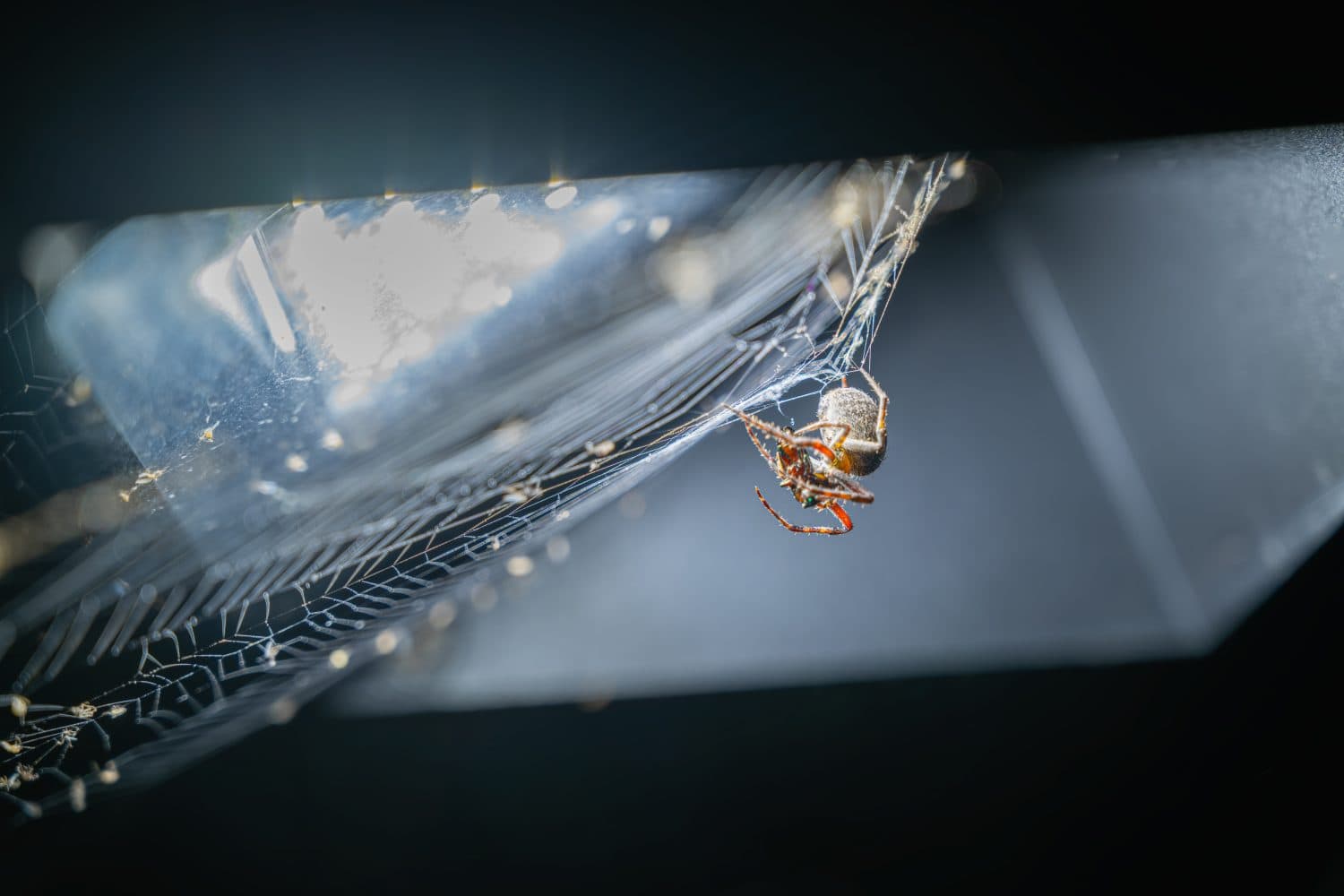
Spiders tend to be more active at night or during the early morning hours.
©twabian/Shutterstock.com
While it is not uncommon to see spiders during the daylight hours, this is not the time spiders would prefer to be active. Instead, it is when the sun sets that most spiders have the most energy.
The majority of spiders are most active at night. This is related to several reasons, including some spiders having light sensitivity due to having more than two eyes, or even to avoid the heat of the day. For most, however, coming out at night means not being seen as well by potential predators, as well as prey that spiders hunt and are active at night.
According to a 2018 study published in Arachnology, the prime time for seeing spiders is 7:35 P.M. Another time that spiders are often sighted is between 6:00 A.M. and 8:00 A.M. Therefore, those who want to do their best to stay clear of the arachnids are best served to not go outdoors during this time. However, if it cannot be avoided, being aware of which spiders are not a threat and those that can be poisonous is recommended to allow harmless spiders to live their lives and not be feared.
How to Keep Spiders Out of Your House
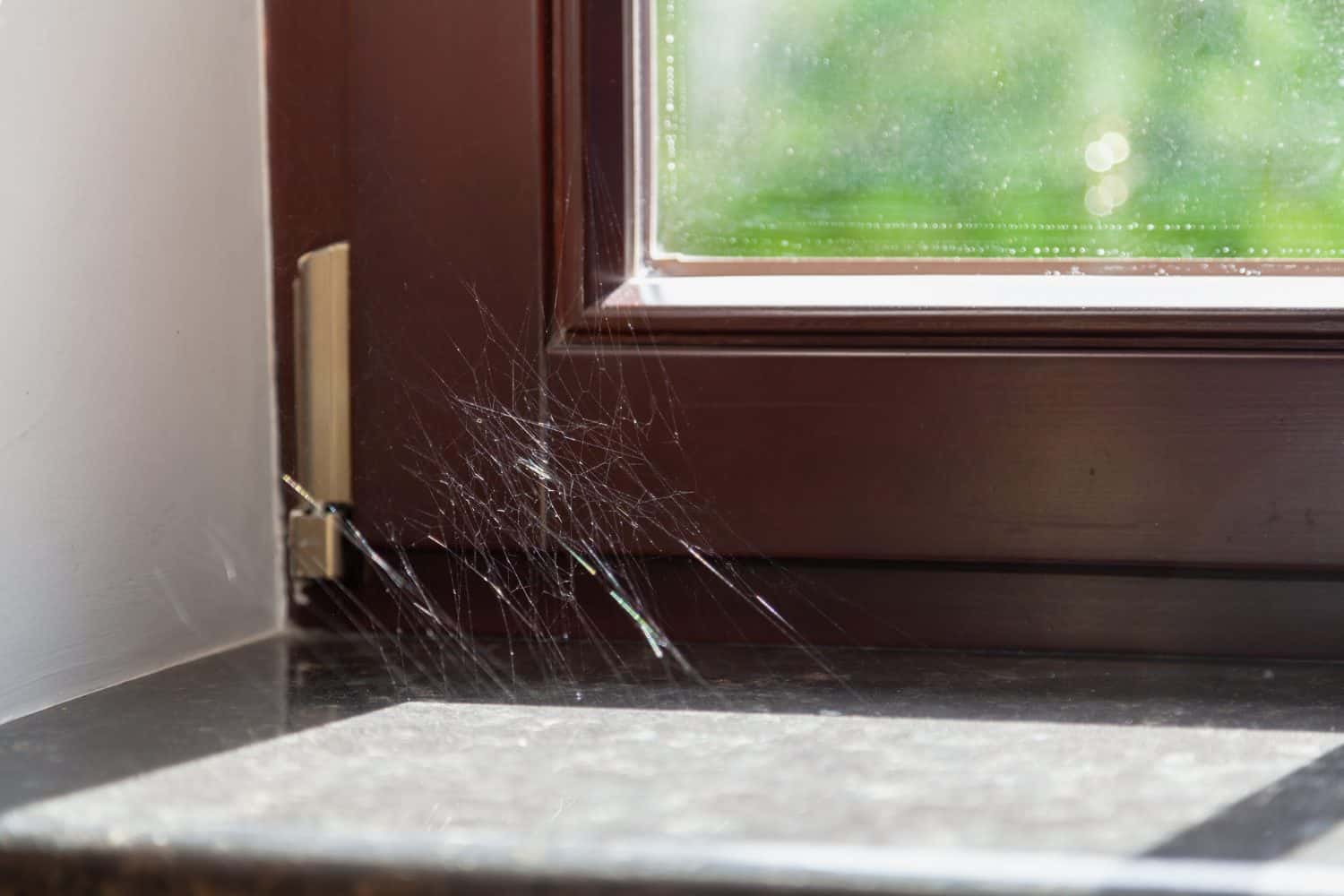
Many DIY remedies are available for keeping spiders out of the home or garden.
©glebchik/Shutterstock.com
During spider season, it can seem like an endless task to keep spiders out of the home and gardens. But there is a reason that spiders are drawn to both locations. Therefore, understanding what draws spiders to specific areas of the garden or certain locations in homes can help prevent them from becoming overwhelming, all while avoiding their extermination.
Keeping large numbers of spiders out of homes and gardens is relatively easy to do. The best ways to do this include:
- Keep doorways and other parts of the home clear of spiderwebs
- Spray areas of the home where spiders are known to frequent with a vinegar solution, avoiding walls and plants, as vinegar can damage them
- Plants that spiders avoid due to the strong smell, such as lavender, different types of mint, or citronella
- Inspect the house inside and out to see if there are cracks that need to be filled to decrease spider activity
- Do not let gardens get overgrown, which leads to hiding places perfect for spiders to live
- Clean the home regularly to keep spiders from living in them
- Move a woodpile to a location further away from the house to keep spiders from coming inside, and always inspect wood that is brought indoors
While these are some easy ways to keep spiders from becoming intrusive, there are times when no matter what DIY or natural remedy is tried, the spiders keep returning. It is at that time that the opinions of experts should be sought.
When to Call an Expert

If a true spider infestation occurs, it is time to call out experts to help.
©Studio Romantic/Shutterstock.com
If the increased number of spiders has reached a point where homeowners are no longer comfortable going outside or are consistently finding spiders in their homes, despite taking steps to keep them out, it may be time to contact a professional to determine if spiders need to be eliminated.
First, it will be determined whether an infestation has occurred or if the increase in spiders is due to mating season. If an infestation has taken place, there will be some tell-tale signs. Those signs include:
- Excessive spider webs that need to be cleaned daily
- Egg sacs are being found in abundance
- An increased number of insects in general attracts spiders
If these factors are present, a professional may recommend pesticides in and around the home to keep spider populations at bay. Depending on the type of spider, a species-specific pesticide may be required, and more than one treatment may be necessary if the first did not deter enough spiders from making themselves at home both inside and out.
In some areas of the nation, spider season can feel year-round due to the milder temperatures. But, for the majority of the United States, once the fall season approaches, the surge in spiders will be noticeable, with only a good cold snap to make the arachnids retreat, bringing an end to spider season.