
Quick Take
- Chickens thrive when in a small flock of 4–6 hens to ease learning and reduce stress.
- Chickens are social animals that need a flock to prevent stress, feather pecking, and health issues.
- Plan 15–20 minutes daily for feeding, watering, coop checks, and weekly cleaning.
Backyard chickens have become a delightful trend. They are showcased on TikTok and Instagram in cozy homesteads and suburban yards filled with soft clucking and vibrant eggs. While the charm is undeniable, raising chickens comes with significant responsibilities that many first-timers overlook, often finding themselves overwhelmed with bedding, feed bags, and chores.
As someone who has raised chickens for nearly 20 years, I’ve learned valuable lessons along the way. This guide includes hard-earned insights, along with expert advice, to help new flock owners start off strong.
What Do the Experts Say?
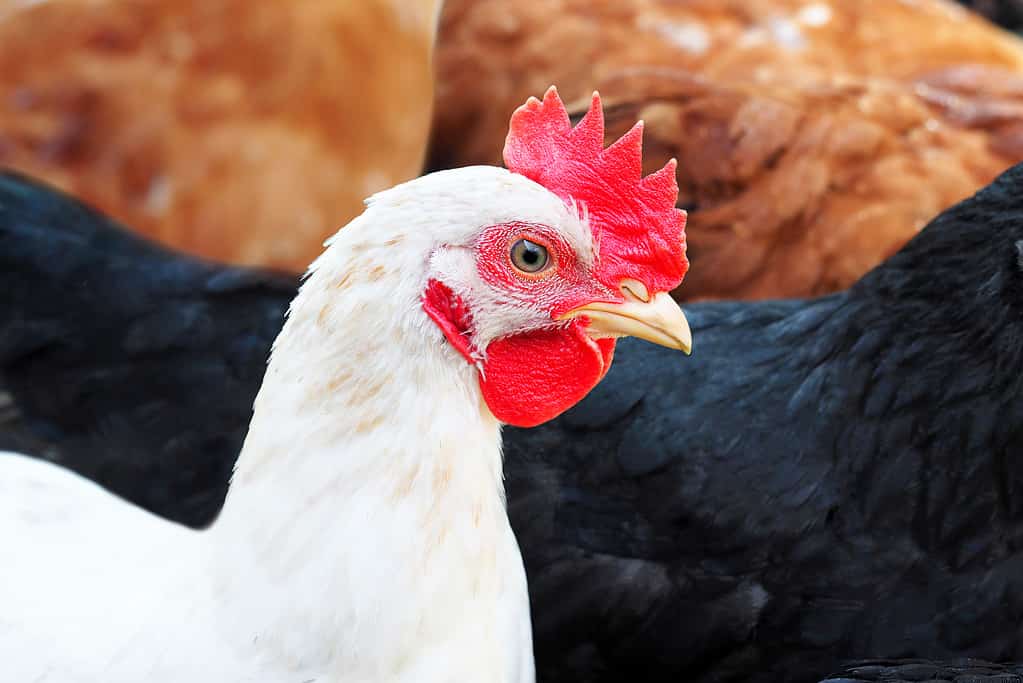
My Pet Chicken is a company that sells poultry and other supplies, such as food and coops.
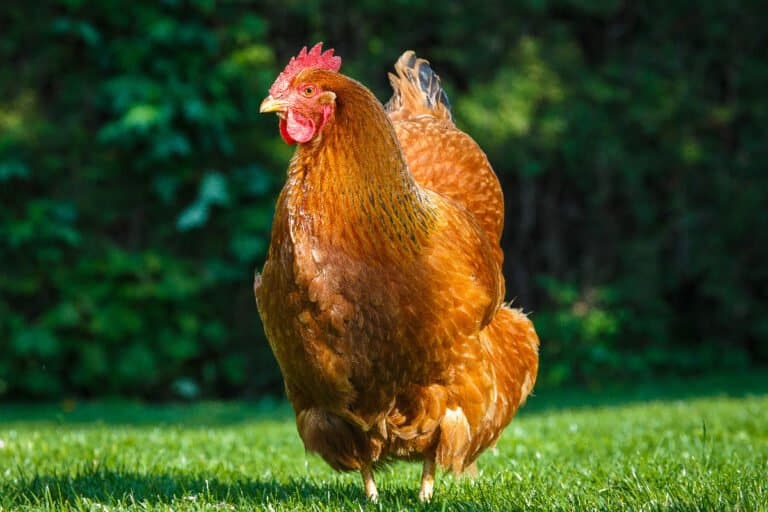
©ANGHI/iStock via Getty Images
For some expert advice, we turned to Lauren Wolsin, Flock Care Specialist at My Pet Chicken, who says, “We could talk about the joys of chicken keeping all day, so prepare for lots of helpful information!”
Chickens are inherently flock animals, exhibiting strong social behaviors that have evolved for their survival. They establish a social hierarchy known as the pecking order, which helps reduce conflict and fosters group cohesion. Chickens communicate through various vocalizations and body language, forming bonds that are essential for their emotional well-being.
“For beginners, we suggest starting with a small, manageable flock of 4–6 hens. Chickens are social animals who thrive in groups, and starting small makes learning the basics much easier,” says Wolsin.
When kept alone, chickens can experience stress and anxiety, leading to behavioral issues such as feather pecking or aggression upon reintroduction to a flock. They form attachments to one another and engage in social activities such as grooming and dust bathing, which contribute to their overall happiness. Isolation can negatively impact their health, weakening their immune system and making them susceptible to diseases. Chickens need a flock. But they don’t all need to be the same breed; in fact, it can be fun to mix it up.
My Pet Chicken sells chicks, ducklings, and goslings, and provides detailed breakdowns for each breed, including their characteristics, personality, and how prolific they are as layers. You can also use their filtered search to select the traits you’re most interested in. So if you are looking for specialty colored eggs, they have you covered.
Start With Your Local Laws
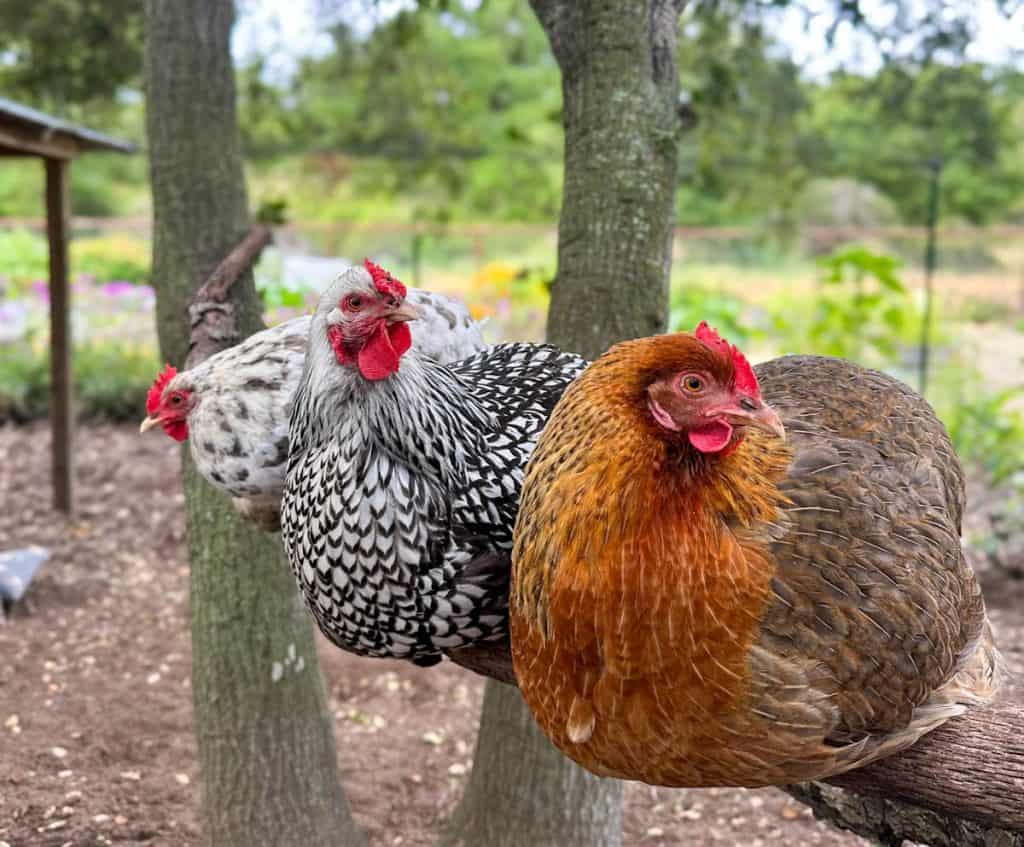
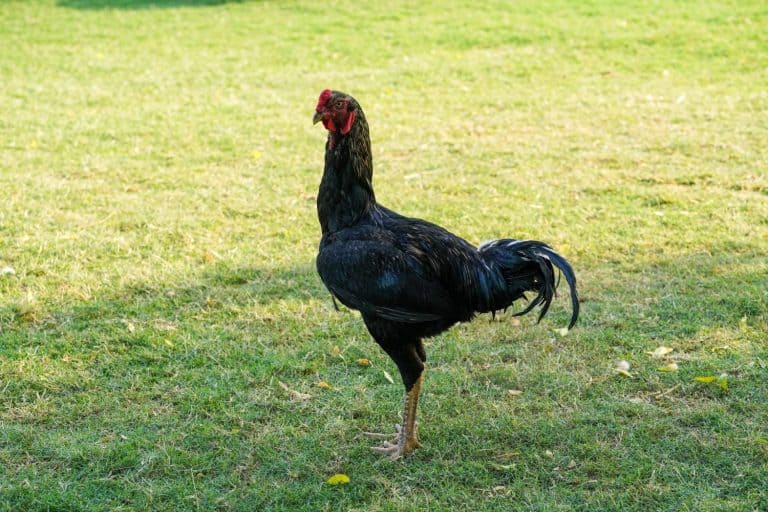
There are so many different breeds of chickens, and each has their own look and personality.
©Deanna Talerico, Homestead and Chill
First things first: before you start choosing a breed or buying chicks, it’s essential to understand the rules where you live. For example, where I live, the city next to me (which is literally at the end of my street) has a limit on how many chickens you can have. Still, I live in an unincorporated area, so I can legally keep an unlimited number of chickens and roosters.
Rules for keeping chickens may include:
- Limits on the number of chickens allowed
- Prohibitions on roosters
- Requirements on setbacks from property lines or neighbors
- Rules about coop placement, size, and sanitation
While it may seem arbitrary, these regulations exist for good reasons: noise management, safety, and general neighborhood harmony. A quick call or website check with your city’s animal services or planning department will tell you exactly what’s permitted in your area. Do your research to save yourself from heartache later.
A friendly warning: expect to fall in love! Chickens quickly become part of your daily routine, and part of your family.
Lauren Wolsin, Flock Care Specialist at My Pet Chicken
Understanding the Costs
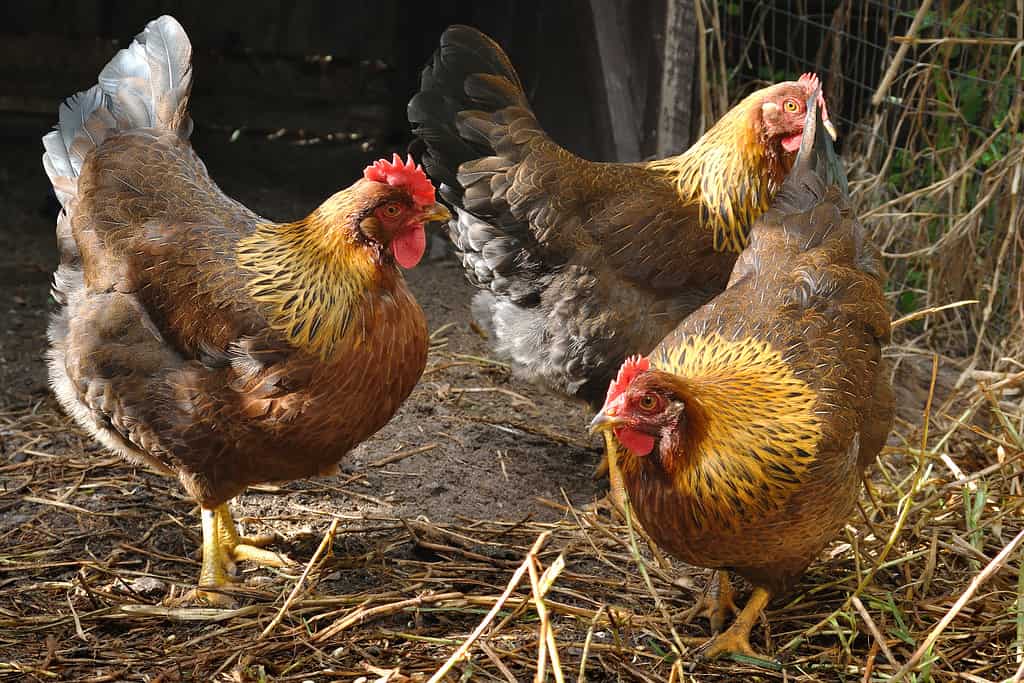
Chickens do not mean “free eggs.” The reality is that keeping hens comes with ongoing costs.
©illarionovdv/iStock via Getty Images
Many newcomers expect backyard eggs to be a money-saving measure, but the financial reality is actually very different. While the cost per egg decreases over time, raising chickens requires upfront and ongoing investments.
Typical startup costs include:
- Brooder
- Heat plates for raising chicks
- Coop and run (construction or purchase)
- Feeders and waterers
- Bedding (such as hemp, pine shavings, or straw)
- Predator-proof fencing and building materials
Wolsin, of My Pet Chicken, suggests checking out their Chick Supply Checklist. Wolsin says there are “clickable links to everything you need.” They also recommend a kit that bundles all the essentials for raising chicks successfully. Or you can source your needs using the chick checklist above. They also have a comprehensive Chicken Care Guide, which covers brooding basics and long-term flock care.
We have found that Grandpa’s Feeders work best for us in a suburban setting. These feeders keep food safe from the elements, and, most importantly, prevent other animals from eating the chicken feed. This helps keep rats and other rodents out. The feeder is a little expensive, but it is a one-time cost and worth the peace of mind.
There are also ongoing costs that come with keeping chickens. While none of these expenses are overwhelming on their own, they are continuous, and responsible chicken keeping means planning for them from the start.
Ongoing costs include:
- Feed
- Treats
- Oyster shell
- Bedding
- Occasional vet care
- Replacement hens as older birds stop laying
The reward is less about cheap eggs and more about the experience, fresh food, connection with nature, and the pleasure of caring for animals. Plus, those farm or backyard-fresh eggs are far better than anything you can buy at the grocery store.
Selecting the Right Coop

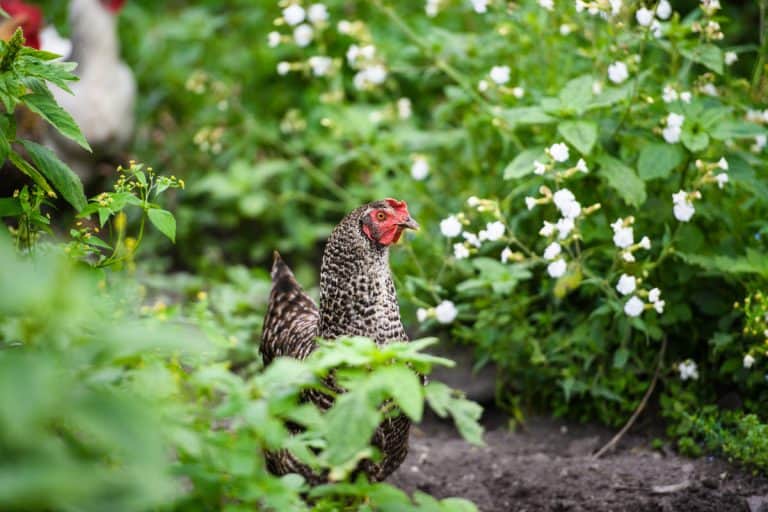
A good coop paired with a secure, predator-proof run is essential for keeping your chickens safe.
©Courtney Jenckes/Shutterstock.com
When you get chicks, the first place they will stay is a brooder. A brooder is a warm, safe, enclosed space where chicks live for the first several weeks of life until they grow enough feathers to regulate their own body temperature. “Before your chicks arrive, have a fully stocked brooder ready. This is where your chicks will stay until they are fully feathered,” says Wolsin.
Once your chicks are fully feathered, usually around 5 to 7 weeks old, you can begin transitioning them from the brooder to the outdoor coop. This move should be gradual and thoughtful to avoid stressing or chilling the young birds.
Tips for a Smooth Move Outside
- Begin with short, supervised outdoor visits- Let chicks explore new sights and sounds while you monitor them.
- Ensure daytime temperatures are above 50°F-Young birds are still vulnerable to cold, especially if their feathering isn’t complete.
- Monitor nighttime temperatures carefully- As the sun sets, temperatures can drop quickly. Make sure the coop stays warm enough and your chicks are settled and secure.
- Use safe heat sources when needed– A radiant heat panel offers gentle warmth without the risks associated with bulbs.
“Avoid infrared or heat lamps in coops, they are a major fire risk. Coops heated with infrared heat bulbs can catch on fire! We’ve heard from customers who have had this happen, and even one of our employees suffered a devastating chicken coop fire started by a heat lamp,” says Wolsin.
Safer alternatives, like radiant heat plates, drastically reduce the chance of fire and provide more natural warmth for young birds.
When the chickens finally move outside, they will go to a coop. A coop doesn’t need to be fancy, but it does need to be functional, secure, and cleanable. A well-designed coop makes flock care easier and keeps your birds safe from predators and the elements.
A good coop should provide:
- 3–4 square feet of indoor space per chicken
- 8–10 square feet in an enclosed outdoor run
- Solid ventilation without drafts
- Elevated nesting boxes and roosts
- Materials that are easy to clean and disinfect
- Sturdy locks and predator-proof hardware cloth
Predators are a major consideration, even in cities. Raccoons, hawks, foxes, coyotes, and even neighborhood dogs can threaten a flock. Hardware cloth (not chicken wire) is the best option for truly protecting chickens from determined wildlife. We have had chickens killed by minks, hawks, and a dog. Predator proofing is definitely a necessity.
Before building a coop, think about:
- How close your neighbors are
- Whether noise could be an issue
- How your yard layout supports a safe, functional run
- Sun exposure, shade, drainage, and weather protection
More space is always better; it reduces stress, keeps your flock healthier, and minimizes pecking issues. Chickens living in cramped conditions are more prone to feather picking, bullying, and disease, all of which can be prevented with a roomy coop and run. When birds have the freedom to spread out, dust bathe, and forage, they’re simply happier and more resilient.
When planning the coop, it is vital to communicate clearly with neighbors to create a positive chicken-keeping experience. A simple, friendly conversation can prevent misunderstandings down the line, whether it’s about potential noise, coop placement, or how you’ll handle odors and cleanliness. Many people are curious or unsure about backyard chickens, and inviting questions or explaining your setup shows that you’re considerate and proactive. In most cases, this openness builds trust, sets expectations early, and helps ensure that everyone feels comfortable with your flock nearby. Plus, offering free eggs doesn’t hurt.
Chicken Essentials
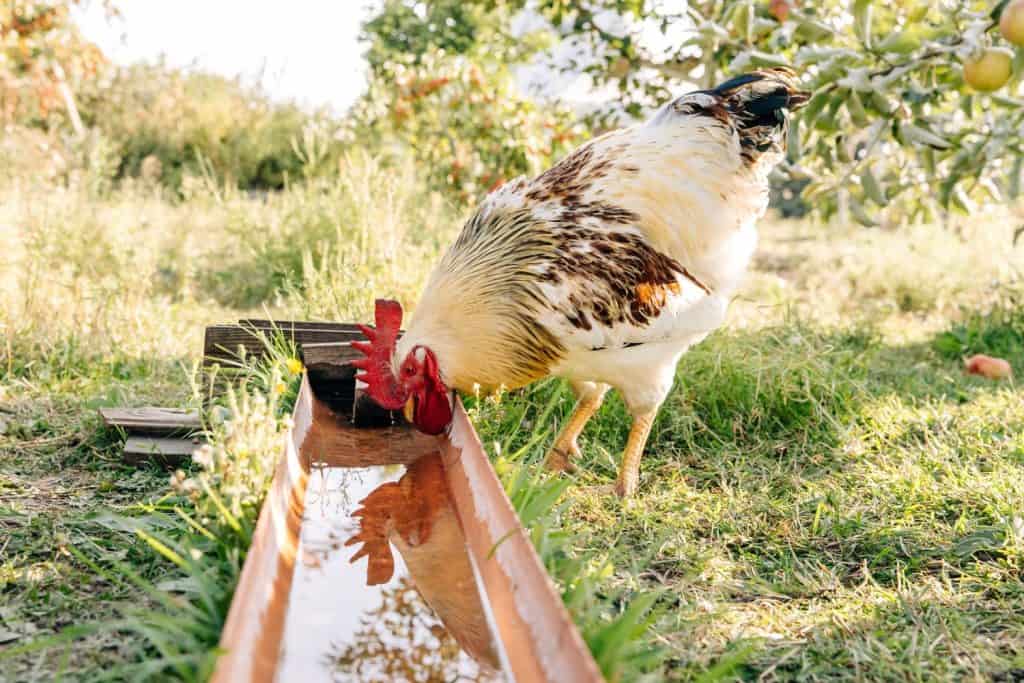
Chickens require a consistent commitment to ensure the health and happiness of the birds.
©Alta.ph/Shutterstock.com
Chickens don’t need constant attention, but they do need consistent care. While many people think of backyard chickens as a low-maintenance hobby, there’s a daily rhythm involved that keeps your flock healthy, comfortable, and productive.
Plan for 15–20 minutes each day to handle the essentials: feeding, watering, opening and closing the coop, and checking on your birds. In addition, you’ll want to set aside a bit of time each week for deeper cleaning and general maintenance.
Although chickens aren’t demanding pets, they thrive when their basic needs are met consistently. Missed days can lead to issues like dehydration, dirty waterers, predator access, or illness that could have been prevented with quick daily oversight.
Daily tasks:
- Provide fresh food and water
- Open and secure the coop morning and night
- Collect eggs
- Clean droppings and refresh bedding
- Check birds for signs of stress or illness
Raising chickens isn’t complicated, but it is a commitment. Wolsin says, “A friendly warning: expect to fall in love! Chickens quickly become part of your daily routine, and part of your family.”
With daily consistency, weekly maintenance, and careful transitions from brooder to coop, you’ll set your flock up for a healthy, stress-free life. For most backyard keepers, these small routines quickly become second nature, and the rewards of fresh eggs, lively feathered companions, and a thriving flock are well worth the effort. And watching your chickens is the best entertainment you could ask for. We call it “chicken TV”, watching the chickens just being chickens as they interact with the world. It is the best!
Is Chicken-Keeping Right for You?

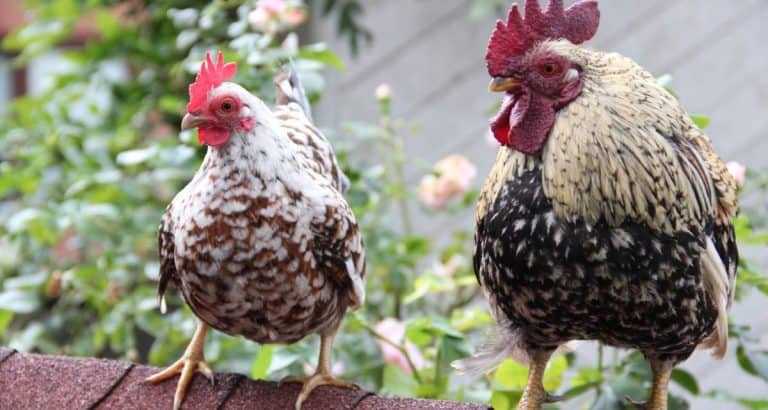
Chickens are delightful companions and make wonderful family pets
©Antonio_Diaz/iStock via Getty Images
“Chickens are fun, social, and full of personality, but they’re also a long-term commitment. Many backyard hens live 5–10 years, and egg production naturally declines as they age. Each breed has unique traits, so choosing birds that match your goals is important,” says Wolsin.
Our flock is a mix of different chicken breeds and ages. Having younger ones around as we start to lose older ones helps lessen the sting of grief. Raising chickens can be deeply rewarding. They’re entertaining, surprisingly affectionate, and they bring a sense of rhythm and mindfulness to everyday life. But they also require thoughtful planning, consistent care, financial investment, and a willingness to commit to the long haul.
If you’re ready to take on daily care, routine coop maintenance, seasonal shifts in egg production, and the responsibility of predator protection, backyard chickens can offer joy, companionship, and yes, plenty of delicious eggs.
With the proper preparation and realistic expectations, keeping chickens can become a fulfilling part of your home and lifestyle for many years to come. Are you ready to jump on the chicken train?