
Quick Take
- Rescuing a trapped elephant calf sounds straightforward, yet one critical misstep could make the situation far more dangerous for everyone involved. See how it was done →
- The moment the calf was freed, rescuers faced a completely new problem they hadn't solved yet. Watch the reunion unfold →
- A 'baby' elephant is far less baby-sized than most people picture, and that size difference changes everything about how a rescue like this works. See the surprising size stats →
- Being separated from its herd put this calf in danger well beyond the muddy pit, and the clock was ticking for more than one reason. Learn about the dangers faced →
Life in the wild comes with a long list of daily challenges. Animals need reliable access to food and water, safe places to rest, and ways to avoid threats. For a young animal that becomes trapped, those ordinary challenges can suddenly become much more serious.
That is exactly what happened to the baby elephant in the video above. The calf became stuck in a muddy livestock watering well in northern Tanzania and could not climb back out on its own. Fortunately, people nearby spotted the animal and called in a rescue team before the situation got worse.
Rescue Team Finds Baby Elephant Trapped
The footage shared by We Love Animals takes us to the Enduimet Wildlife Management Area in northern Tanzania, part of the Greater Amboseli ecosystem in Africa. Big Life Foundation reported that the calf had fallen into a man-made livestock watering well while trying to drink. We Love Animals shares rescue and wildlife footage involving everything from elephants to foxes, dogs, and even a swan.
How to Rescue an Elephant
As the video begins, we see the young elephant trapped below ground and vocalizing repeatedly as it struggles to escape. Elephant calves are normally protected by their family groups, and becoming separated can leave a young elephant much more vulnerable.
Large wildlife rescues are also dangerous for the animal and the people trying to help. General animal-rescue guidance from the West Midlands Fire Service emphasizes getting appropriate rescue professionals involved when an animal is trapped or injured. In the wild, young elephants can also be vulnerable to predators such as lions and hyenas, particularly when separated from the protection of their herd.
Fortunately for this calf, help was not far away. Representatives from Royal African Safaris discovered the trapped elephant and alerted a Big Life-funded rapid-response ranger unit. The rescuers brought in a vehicle equipped with a winch and worked together to get a cable around the calf.
Once everything was in place, the team carefully used the vehicle winch to pull the elephant out of the muddy pit. The story got even better from there. According to Big Life Foundation, the calf picked up the scent of its family and headed after them. The herd had moved only a few kilometers away, allowing the young elephant to reunite with its mother and family.
How Big is a Baby Elephant?
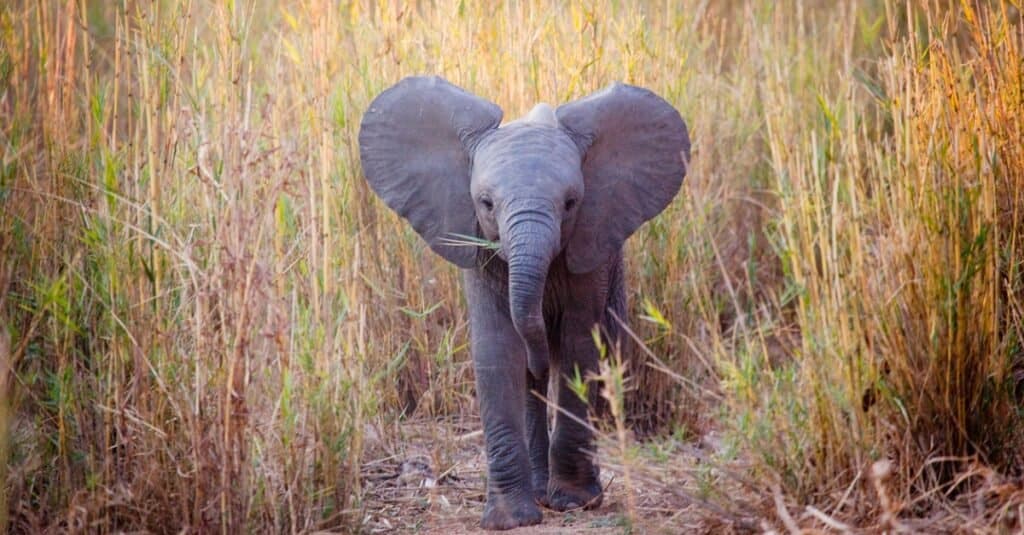
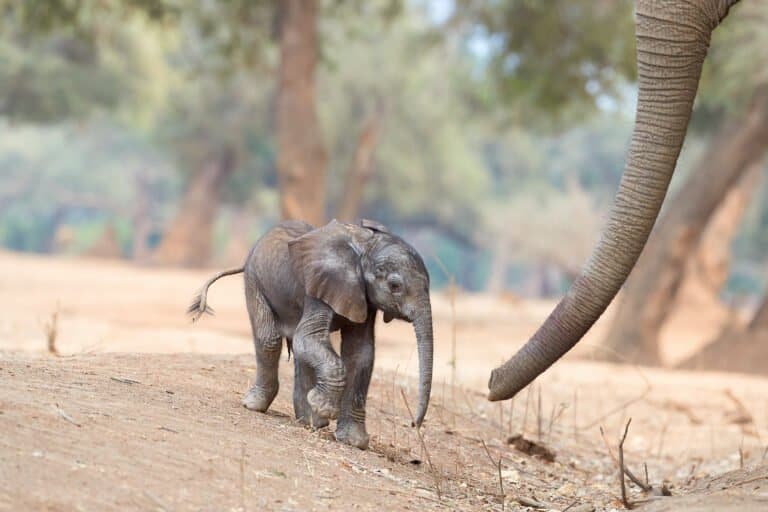
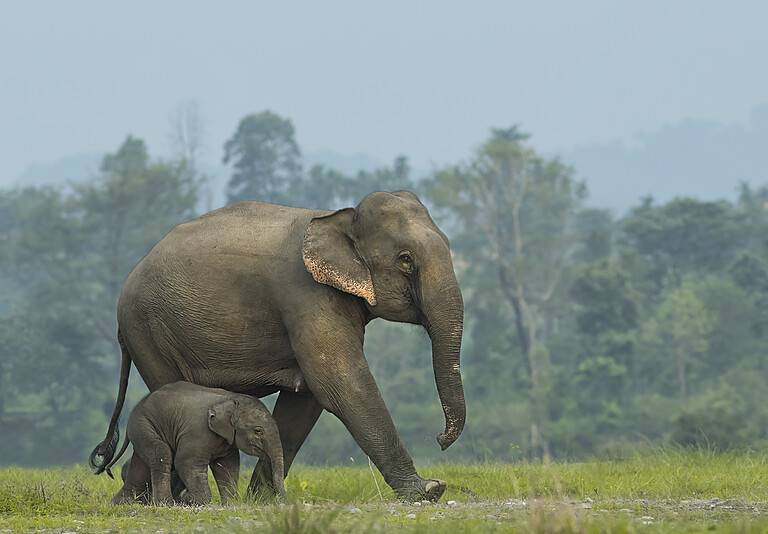
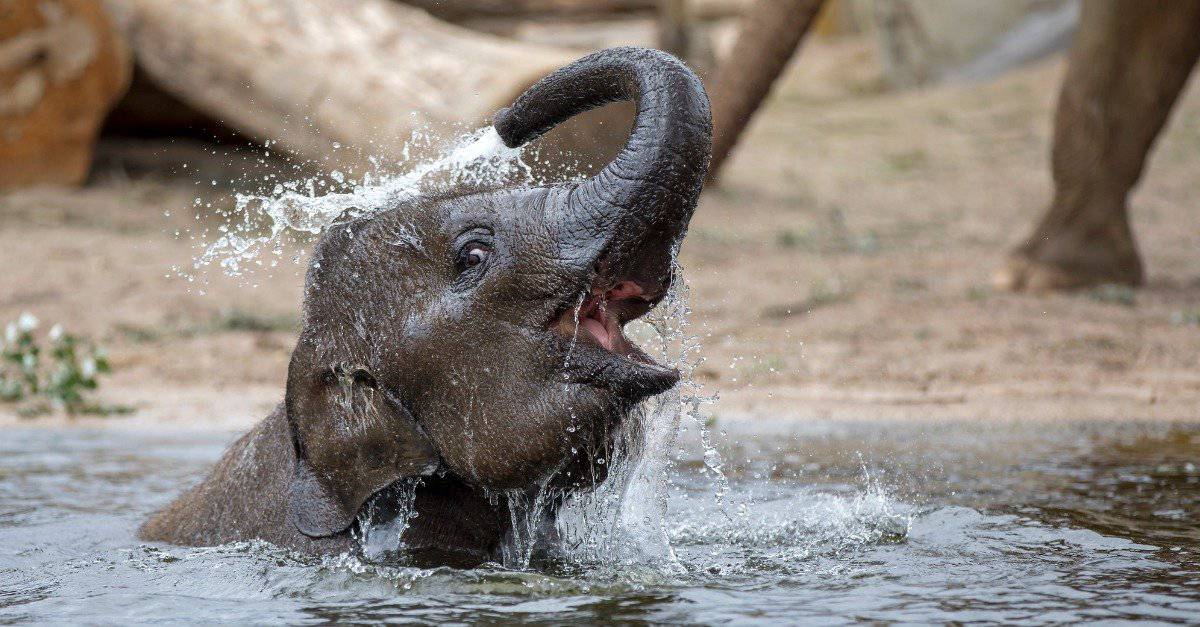
Newborn elephant calves can already weigh hundreds of pounds.
©iStock.com/samnooshka
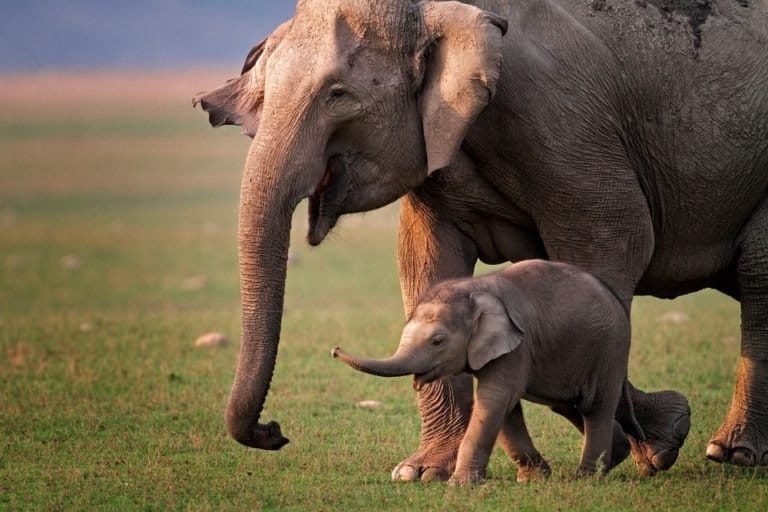
Even though the elephant in the video is a calf, that does not mean it is small. According to SeaWorld, newborn elephant calves average about 3 feet tall and 264 pounds at birth. Newborn male African elephants can weigh as much as 364 pounds.
And they only get bigger from there. African savanna elephants are the largest living land animals. Adult males can stand around 13 feet tall at the shoulder and weigh more than 13,000 pounds. Pulling a calf weighing a few hundred pounds from a muddy well is already a serious undertaking. Trying the same thing with a full-grown elephant would be an entirely different rescue operation.