
Yemen is on the southern end of the Arabian Peninsula and is dry and hot, with little annual rainfall. While it’s not the most visited country in the world, there is so much to see and do. For instance, you can visit Yemen’s numerous beaches, historical landmarks, and national parks. There you can see many plants, animals, and trees native to Yemen.
Yemen also has some of the largest and most beautiful trees in the world. For example, the country is best known for its unique dragon blood tree, which ‘weeps’ or ‘bleeds’ red sap. This isn’t the only amazing tree in Yemen. Listed below are 6 incredible trees native to Yemen and fun facts about each.
1. Socotra Dragon Trees (Dracaena cinnabari)
One of the most well-known and beautiful native Yemen trees is the Socotra dragon tree. It’s a very unique tree because of its blood-red sap. These trees are often compared to an open umbrella. They have a wide top with many thick branches and a much narrower trunk. Leaves only grow on the end of the branches and they shed every 3 or 4 years. Dragon trees also produce small fleshy berries with 1 to 4 seeds. The fruit comes from small clusters of fragrant, white, or green flowers. They take about five months to ripen and turn orange when they mature. Sadly, because of industrial and tourism development, this tree is listed as vulnerable on the IUCN Red List. The red resin produced from these trees has been used in ancient medicine and as a dye.
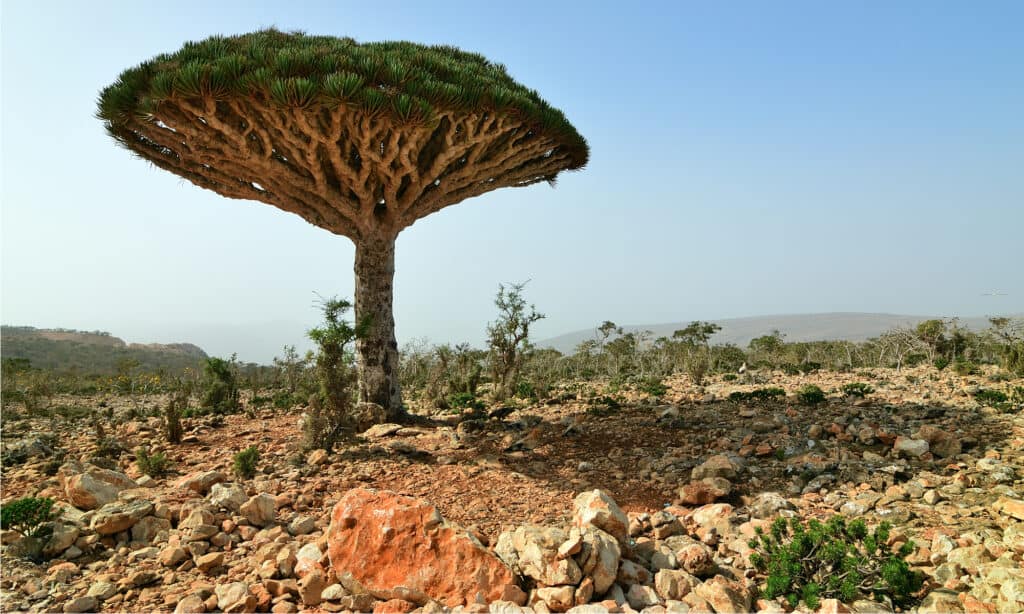
Socotra dragon trees are native to Yemen but are sadly decreasing in population because of industrial and tourism development.
©Oleg Znamenskiy/Shutterstock.com
2. Date Palm (Phoenix dactylifera)
Another native Yemen tree is the date palm. You can also find this tree in northern Africa, the Middle East, and South Asia. Although this tree is considered native to Yemen, experts are still uncertain about the tree’s exact origin. However, one theory suggests it originated from the Fertile Crescent region near Mesopotamia and Egypt. Others however believe this 50 million-year-old tree comes from the Persian Gulf area or even western India. Date palms can measure up to 100 feet tall. It grows slowly, but when properly cared for, can live for over 100 years. The leaves are long, about 13 to 20 feet and the leaflets are usually about a foot long. while these trees produce seeds, they mainly grow as cuttings. They take about 2 to 3 years to fruit. Date palms produce delicious dates eaten in many ways.
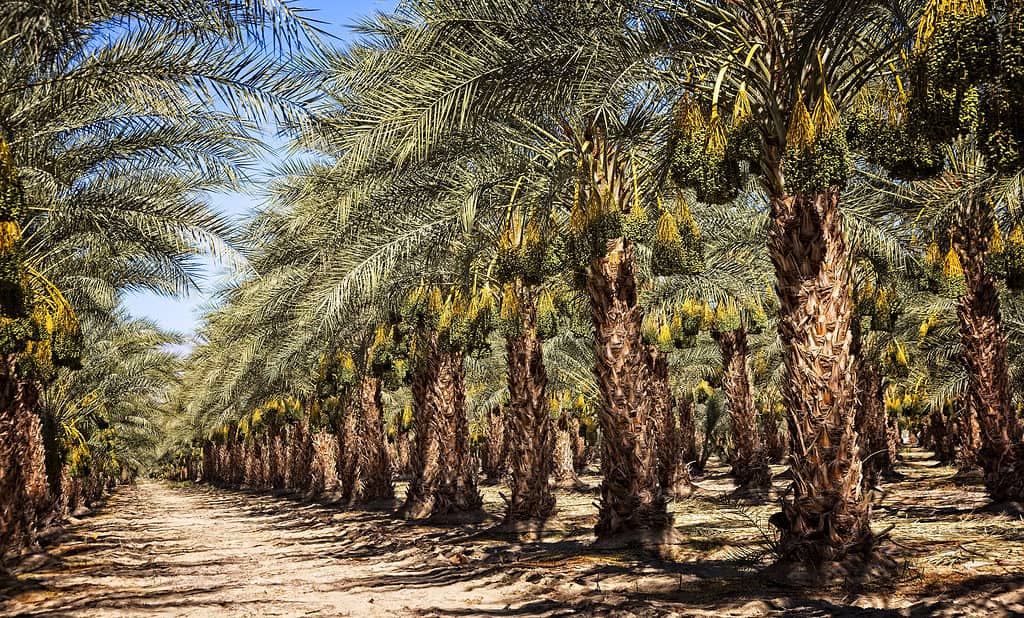
Date palm trees are common throughout Yemen and produce delicious date fruits.
©iStock.com/Woodkern
3. Sudan teak (Cordia abyssinica)
The Sudan teak is a beautiful white-flowered evergreen tree. It’s a member of the Borage family. This tree is native to Africa, including Yemen. The white flowers are fragrant and striking. The flowers produce delicious and edible fruit. This tree has many uses, including in the manufacturing of drums. The wood of the Sudan teak tree was used to make the Akan Drum, a drum found in the Colony of Virginia, but made in West Africa. Apart from African drums, the wood is also used to make flooring and high-quality furniture.
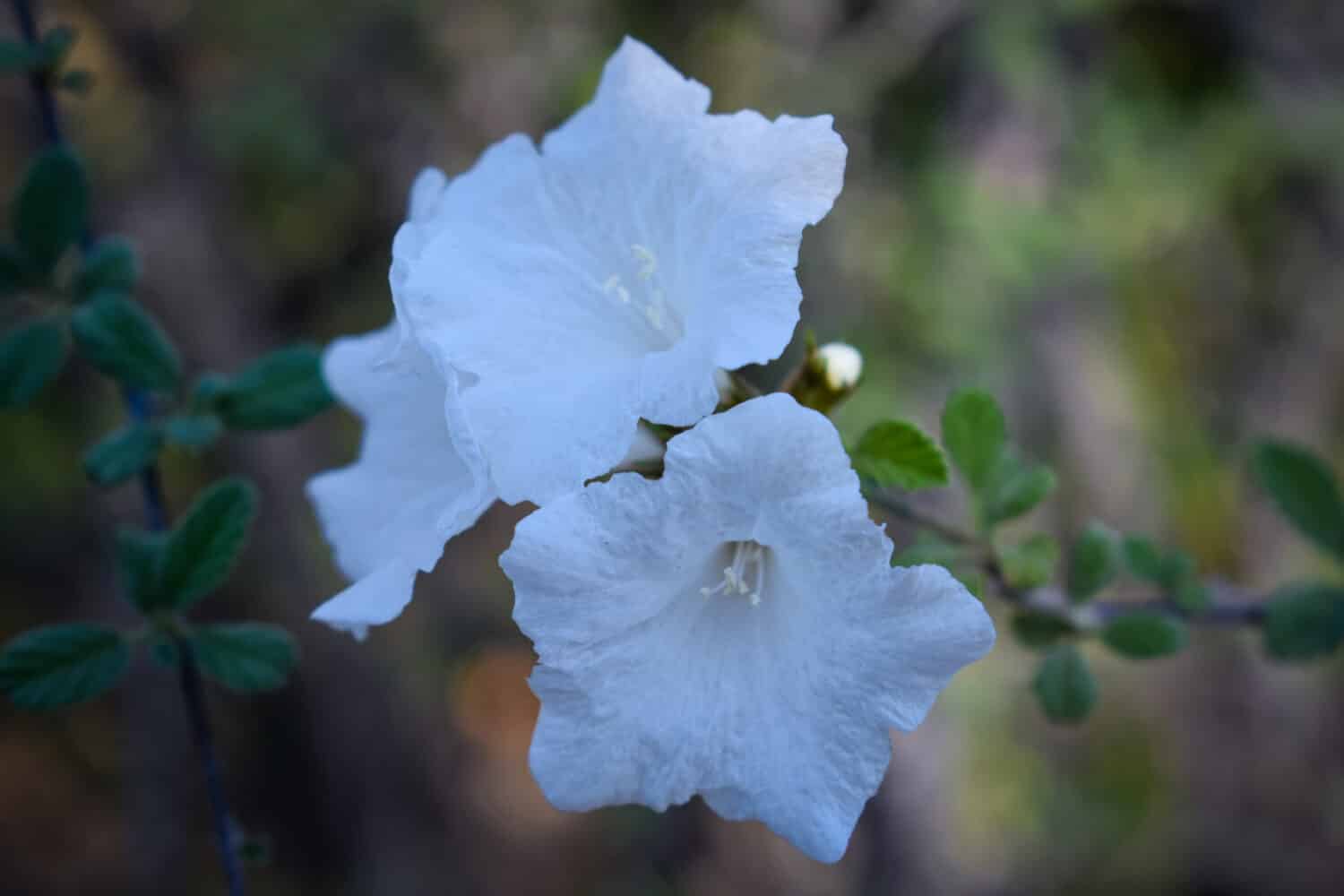
The Sudan teak has beautiful white flowers and is native to many African countries including Yemen.
©Dana Cole/Shutterstock.com
4. Ficus vasta
Fig trees are common throughout Yemen. A native species is the Ficus vasta. It’s also found in Ethiopia in dry areas and more commonly found along rivers and in dry savannah. Other names for this plant include Warka, Maraito, and Daero. This tree can reach impressive heights of up to 82 feet. The tree has smooth grey bark and thick branches. The tree’s leaves are stiff, heart-shaped, and almost circular with a blunt point. Ficus vasta trees have thick trunks. When young, the branches are hairy. The fruits from the Ficus vasta are edible and eaten by both humans and animals.
5. African Juniper (Juniperus procera)
The African juniper tree, also commonly known as the African pencil cedar, East African juniper, and Kenyan cedar is a large coniferous tree. This large tree is native to mountainous areas in Africa and the Arabian Peninsula, including Yemen. Although most African juniper trees reach 62 feet tall, they can surpass 80 feet. The trunk is thick, with a diameter between 5 to 6.5 feet. The leaves are short, less than 1 inch long, and vary depending on the age. African Juniper trees produce small berry-like cones that contain about 2 to 5 seeds.
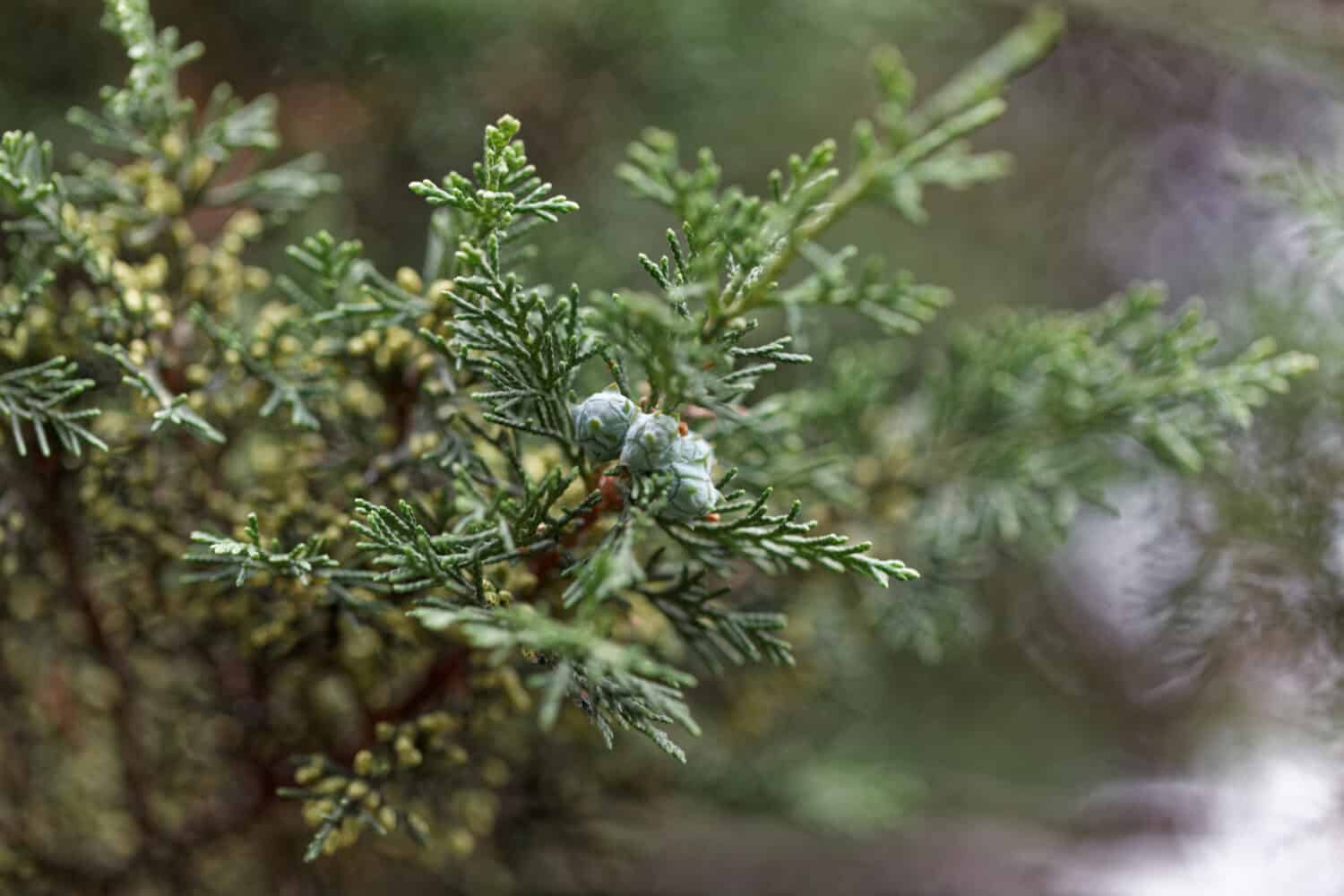
African juniper trees are found across the mountainous regions in Africa.
©ChWeiss/Shutterstock.com
6. Christ’s Thorn Jujube (Zizyphus spina-christi)
Last but not least, is Christ’s thorn jujube, an evergreen tree native to the Levant, East Africa, and Mesopotamia. It’s a tall tree sometimes growing in high elevations. Christ’s thorn jujube produces juicy edible fruit. This tree has a lot of cultural significance. Some folklore traditions state that these trees were protected by benevolent spirits or dead saints. Some people believe that this tree was used to make Jesus’ crown of thorns. These trees are old, sometimes living over 1,000 years. For example, the oldest recorded Christ’s thorn jujube was between 1500 and 2000 years old.
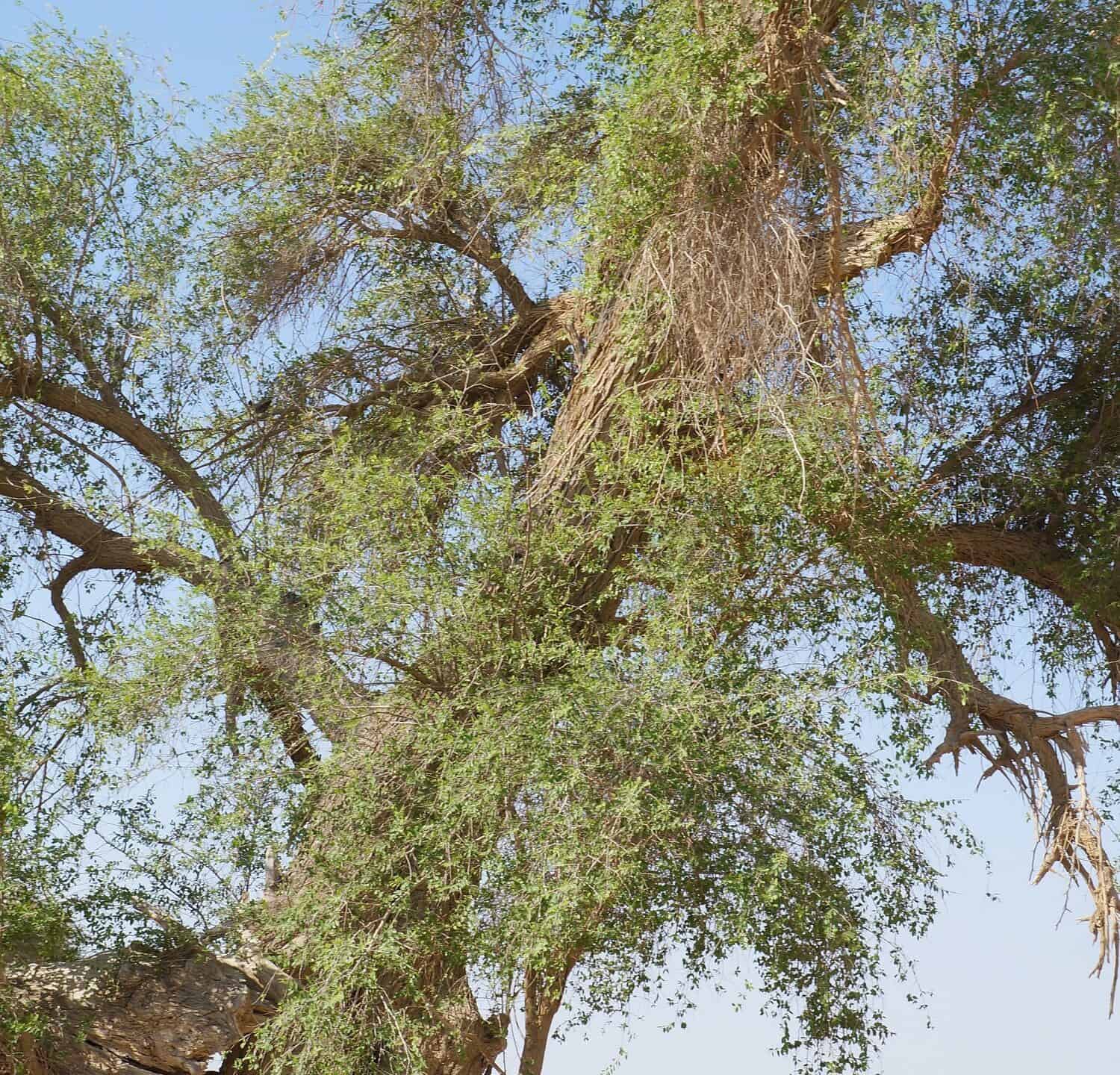
Christ’s thorn jujube is native to many countries including Yemen.
©Bakusova/Shutterstock.com