
Quick Take
- Giraffes are vanishing faster than almost any animal you follow in the news, and the very reason they've stayed off your radar is exactly why they're in trouble. The silent extinction explained →
- A giraffe's neck shares something surprising with yours, and what keeps it functional reveals a cardiovascular feat most people never expect. Explore their cardiovascular system →
- Lose the giraffe, and you don't just lose an animal. Entire ecosystems start unraveling in ways scientists are still mapping. See the ecological impact →
Every year, on June 21, the world celebrates the tallest animals on the planet by enjoying World Giraffe Day. This is a spectacular occasion because giraffes have an understated beauty that makes them truly unique. As they tower above the African savanna with their impossibly long necks and graceful movements, giraffes often seem untouchable, almost timeless. Unfortunately, giraffes are in trouble. Today, conservation groups estimate that there are only about 117,000 giraffes left across Africa, and the numbers are continuing to decline.
In some regions, populations have dropped dramatically over the last several decades due to habitat loss, poaching, human expansion, and climate-related pressures. Though the threats are real, the dangers to giraffes rarely dominate the headlines like other animals often do, so it’s time for that to change. World Giraffe Day is more than just a celebration of these gentle giants; it’s also an opportunity to make a difference. Let’s look deeper into the world of giraffes and the efforts to save their population.
The Biology of Giraffes
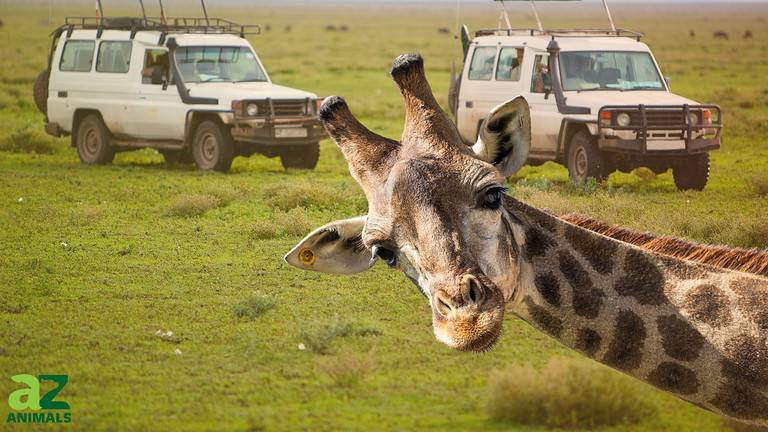
It’s possible that people would be more eager to help the tallest animals in the world if they knew more about the amazing biology of giraffes. Scientifically known as Giraffa camelopardalis, male giraffes can stand up to 18 feet tall. They use their long necks to survey the top of the tree canopy and reach leaves that few other herbivores can access. Many people don’t realize that, despite its length, a giraffe’s neck has the same number of vertebrae as humans: seven. However, each vertebra can exceed 10 inches in length. A neck that long and a body that big require an incredible cardiovascular system, including a large heart that can weigh more than 20 pounds.
At the end of that very long neck and head is an equally impressive tongue. It measures up to 20 inches long, and it’s perfectly adapted for stripping leaves from thorny acacia trees. The thick saliva that the mouth produces helps to protect the giraffe from sharp thorns. A baby giraffe is born about six feet tall and can walk within hours. From that time on, giraffes attempt to thrive while facing the dangers of the world.
The Different Giraffe Subspecies
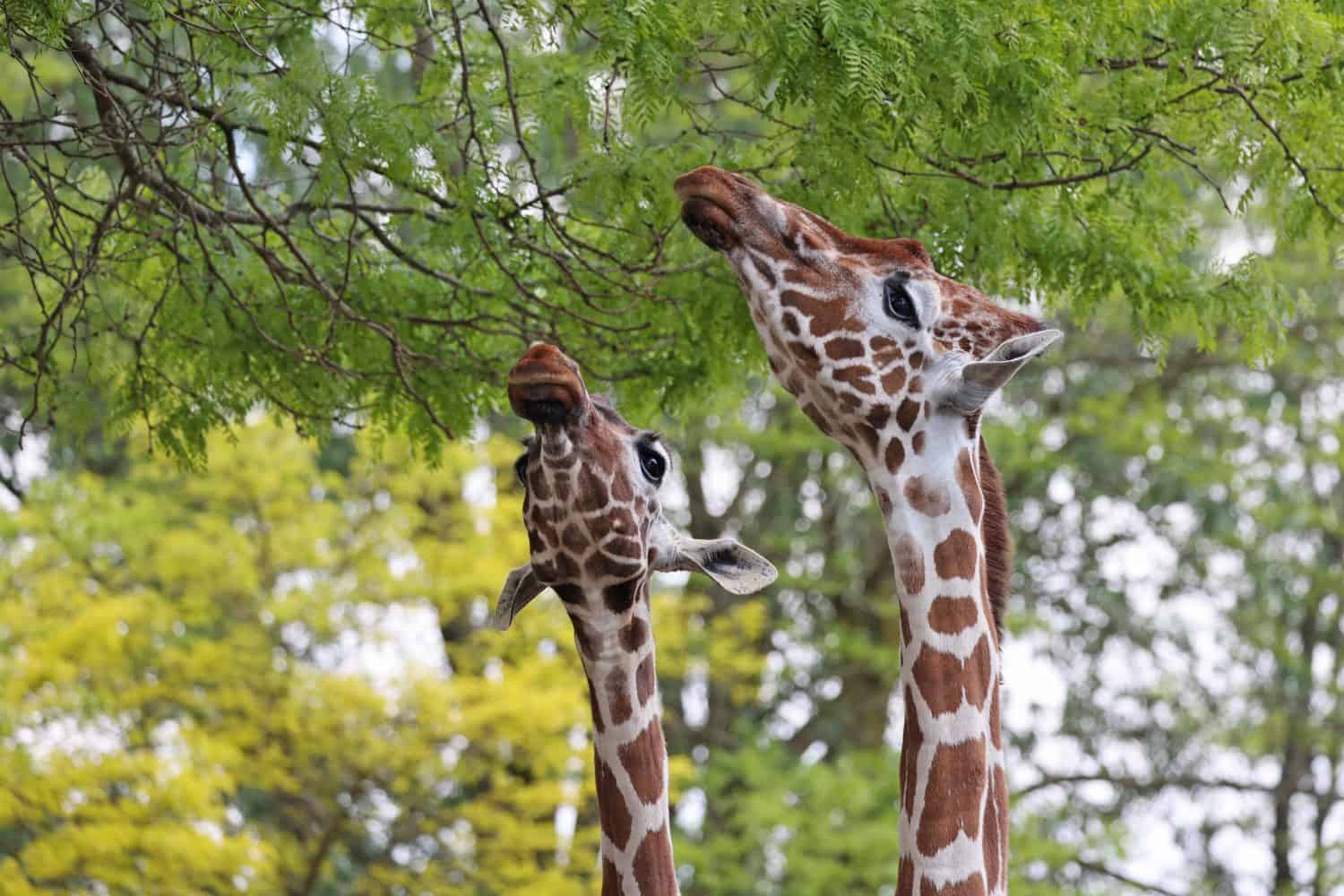
There are many giraffe subspecies, and they all need our help.
©Edwin Butter/Shutterstock.com
One reason giraffe conservation is not as well-known may be that the existence of multiple subspecies makes the world of giraffes more complex and confusing to understand. Each subspecies occupies different regions of Africa and faces unique conservation challenges.
Northern Giraffe
One of the tallest animals in the world is the Northern Giraffe, which is also among the most threatened. Found in scattered populations across parts of East and Central Africa, this group includes subspecies such as the Kordofan giraffe and Nubian giraffe. Small populations of the Nubian giraffe survive in countries including Uganda, Kenya, Ethiopia, and South Sudan. Civil unrest and poaching have made conservation extremely difficult in many of these areas, so the animals remain in danger.
Reticulated Giraffe
Native primarily to northern Kenya, parts of Somalia, and Ethiopia, reticulated giraffes are among the most visually recognizable. They’re famous for their striking coat pattern, marked by sharp white lines separating rich orange-brown polygons. Despite their popularity and distinctive appearance, reticulated giraffes have suffered major declines due to habitat fragmentation, human expansion, and illegal hunting.
Masai Giraffe
The Masai giraffe, found mainly in Kenya and Tanzania, is the tallest giraffe subspecies and perhaps the most iconic in safari photography. Their jagged, vine-like coat patterns distinguish them from other giraffe subspecies. Although still relatively widespread, Masai giraffes have experienced significant population declines in recent decades due to land conversion and poaching.
Southern Giraffe
This subspecies includes the South African and Angolan giraffes, which inhabit countries such as Namibia, Botswana, Zimbabwe, and South Africa. While many similar dangers exist in these areas, conservation efforts in southern Africa have had some success compared to other regions. Protected reserves, wildlife ranches, and stronger management programs have helped stabilize or increase some populations.
Why Giraffes Matter to Ecosystems
At first glance, giraffes may seem like passive browsers that simply move through the landscape, eating leaves. In reality, they play important ecological roles that influence the structure and health of African ecosystems, so it’s crucial that we protect them. For instance, giraffes feed high in the canopy, thereby helping shape tree growth patterns. By browsing selectively, they can stimulate new plant growth and influence which plant species dominate an area. This affects the availability of food and shelter for many other animals.
Their feeding habits may also help maintain open savanna ecosystems. Without large herbivores controlling vegetation, some landscapes can become overly dense or ecologically imbalanced. Additionally, giraffes help with seed dispersal. After giraffes eat, seeds from the fruit and vegetation in their diet pass through their digestive system and are dispersed across great distances. Finally, though not always pleasant to think about, giraffe calves are vulnerable to lions, hyenas, leopards, and wild dogs. As a result, they contribute to predator-prey dynamics within savanna ecosystems.
In summary, if giraffes disappeared, it would not only mean the loss of a beloved animal but would also cause ripple effects throughout entire ecological communities.
Dangers Faced By The World’s Tallest Animals
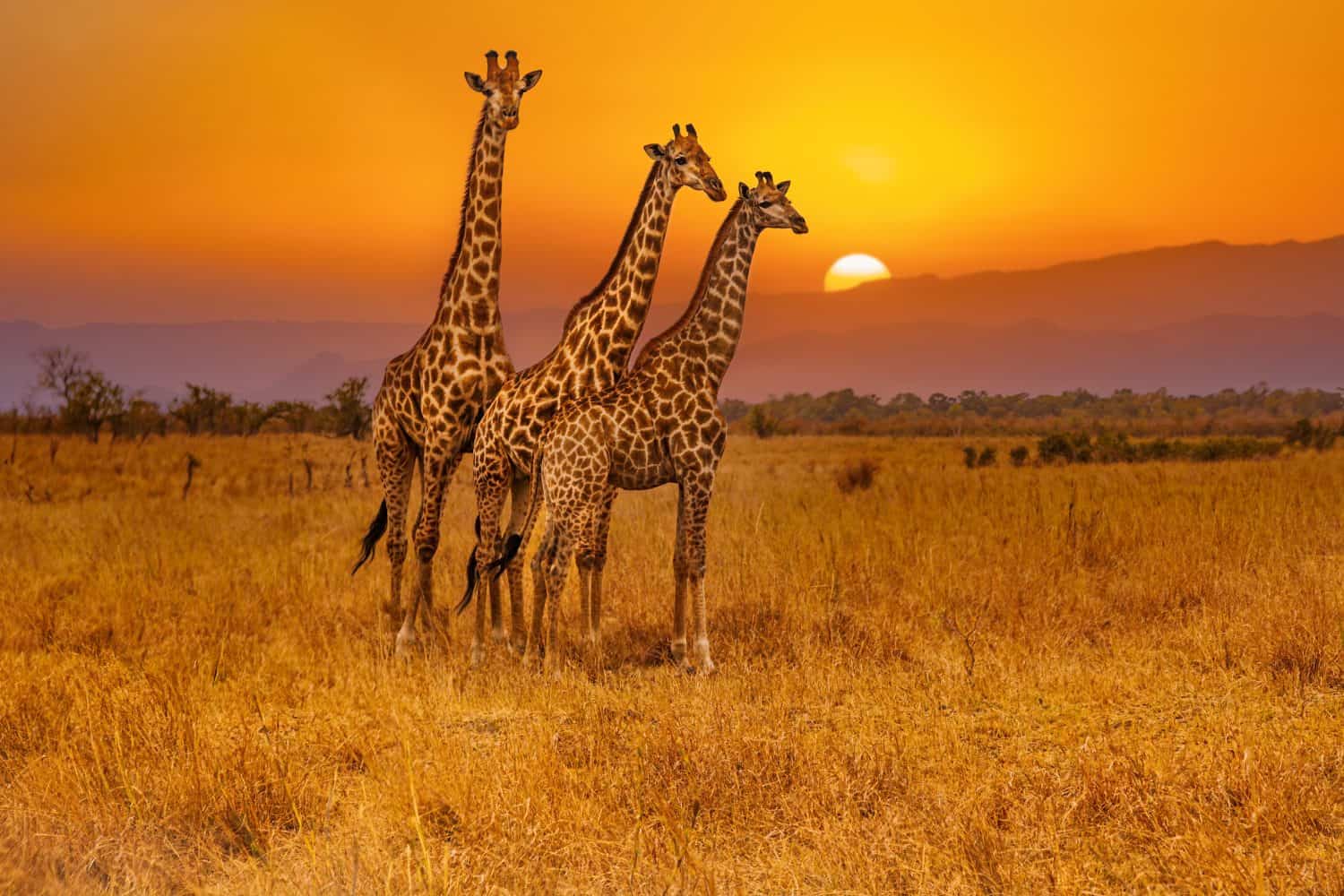
Giraffes face a wide range of threats that put their existence in jeopardy.
©Framalicious/Shutterstock.com
While we have touched on some of the threats that impact giraffes where they live, it’s important to know just how many dangers they truly face. Conservationists describe what is happening to giraffes as a “silent extinction” because the numbers have dropped largely outside public awareness. But by knowing the dangers, you can consider the solutions.
Habitat Loss and Fragmentation
Africa’s human population continues to grow rapidly, increasing demand for farmland, roads, settlements, and grazing areas for livestock. As wild landscapes are converted for human use, giraffe habitats become fragmented into isolated pockets. The issue is that giraffes need large areas to move and feed. The installation of fences, roads, agricultural developments, and expanding towns can cut off migration routes and isolate herds. More humans also often pose other dangers to giraffes, including increased crop damage, competition with livestock, and accidental entanglement in fencing, all of which create additional pressures..
In some regions, habitat loss is especially severe near rivers and woodlands where giraffes depend on key vegetation. Climate change is worsening this by altering rainfall patterns and increasing drought frequency.
Poaching and Illegal Hunting
Although giraffes are not targeted by poachers as frequently as rhinos or elephants, they are still at significant risk. Giraffe meat is consumed in some areas as bushmeat, while hides, bones, tails, and other body parts are used to make products or support traditional beliefs. Political instability and armed conflict further complicate protection efforts. In regions where law enforcement is weak or conservation funding is limited, poaching becomes harder to control.
Climate Change
As with many other animals, climate change is also a concern for giraffes. Changing rainfall patterns can reduce food availability, especially during prolonged droughts. Vegetation shifts may alter the distribution of key browsing trees. Water scarcity can also increase competition between wildlife, livestock, and human communities. Extreme weather events may further stress already fragmented populations. Young calves are particularly vulnerable during drought conditions when mothers struggle to find enough nutrition.
Conservation Efforts Are Underway
Although less visible, there are dedicated people and conservation groups working to help the dwindling giraffe population recover. As the risks described earlier continue to escalate, conservation becomes not just a nice-to-have but an absolute necessity. As you celebrate World Giraffe Day, consider how you can help the following groups and organizations with their noble efforts:
The Giraffe Conservation Foundation
The Giraffe Conservation Foundation is one of the leading groups dedicated solely to giraffe conservation. The organization conducts population surveys, supports research, relocates giraffes to safer habitats, and collaborates with governments and communities throughout Africa. Their research has been instrumental in revealing the seriousness of giraffe declines. Improved monitoring helps conservationists identify which populations are most at risk and where interventions are most urgently needed.
Wildlife Reserves and National Parks
Many wildlife reserves and parks are also actively working to save the tallest animals in the world. Various organizations in countries such as Kenya, Tanzania, Namibia, Botswana, Uganda, and South Africa provide critical, safe habitats. Sadly, even protected areas face challenges because of limited funding, poaching pressures, and climate-related changes that can still threaten wildlife inside reserve boundaries. Still, they do the best that they can.
Translocation Projects
Some conservation programs relocate giraffes from high-risk areas to safer habitats where populations can recover. These operations are massive undertakings. Moving the world’s tallest animal requires careful veterinary supervision, specialized transport equipment, and extensive planning. Despite the challenges, translocations have helped reestablish giraffe populations in regions where they had declined or disappeared.
Technology and Research
Modern conservation increasingly relies on technology. GPS tracking collars help researchers monitor giraffe movements, habitat use, and migration corridors. Drone surveys, satellite imagery, and genetic analysis are also improving the understanding of giraffe populations and ecosystem changes. Research into giraffe behavior, reproduction, and ecology helps conservationists develop more targeted management strategies.
You can support many of these initiatives by researching groups online. Even small donations can make a big difference. Individuals can also help by spreading education and awareness. Sharing information through schools, social media, and community events can help expand public support. Responsible tourism also matters. Travelers can choose safari operators and lodges that prioritize ethical wildlife practices and local conservation partnerships.
Treasure These Gorgeous Giants This Year
We’re thrilled to tell you about World Giraffe Day because it celebrates some of the most amazing animals on the planet. Few animals inspire the same sense of wonder as giraffes.
Children are fascinated by giraffes’ height and unusual appearance. Adults often describe watching giraffes move across the savanna as a peaceful or mesmerizing experience. Their slow, graceful gait gives them an almost dreamlike presence. Let these positive mental images inspire you to remember and support giraffes during this special international celebration and every day, so that the species may thrive again.