
Quick Take
- While most insects go dormant in winter, ice crawlers are thriving, and their survival strategy is stranger than you'd expect. Explore their winter survival →
- These insects have survived for millions of years, yet a single modern trend could wipe them out faster than they can reproduce. See the climate threat →
- Anderson's discovery in Yellowstone isn't just a personal milestone. It could change how scientists manage entire alpine ecosystems. Discover the conservation impact →
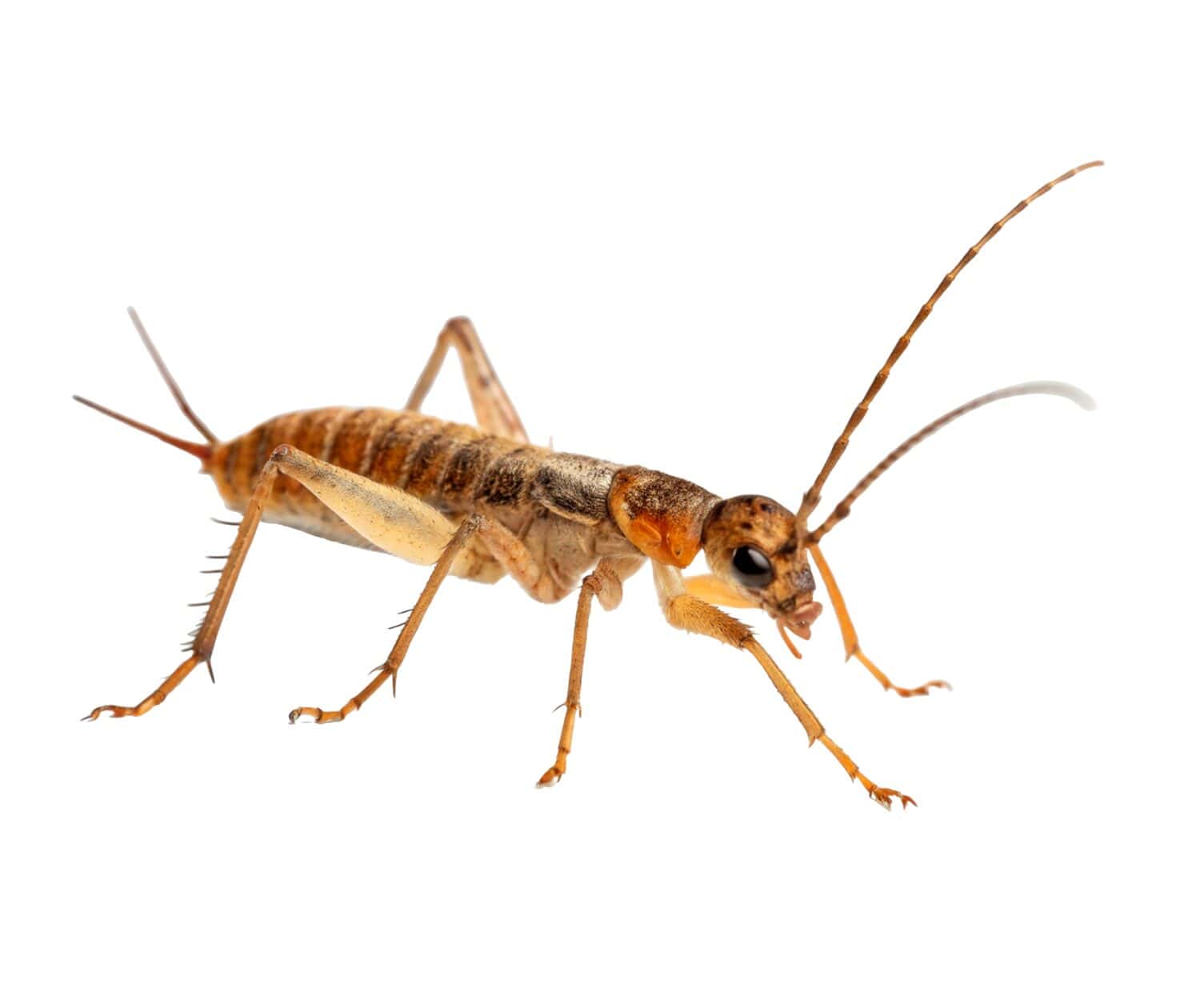
Deep in the glacial peaks of high alpine zones exists a rare bug that thrives in harsh conditions. The colder, the better for ice crawlers, also known as ice bugs or rock crawlers. Ice crawlers (Grylloblattidae) belong to an ancient group of ice-dwelling insects that have existed for as long as 300 million years. Despite their long-standing history in the world’s coldest regions, they’re extremely rare. Most people go their entire lives without ever knowing these insects exist, much less seeing one in person.
But one University of Wyoming student discovered one in an unexpected place. After a year of searching, Will Anderson finally found the rare Jurassic insect in one of America’s most visited national parks.
A Monumental Discovery of Not One, But Three Ice Crawlers
Scientists have described fewer than 30 ice crawler species worldwide, making them among the rarest insects to encounter. To make matters more challenging, their habitats require specific conditions, and they’re also among the world’s smallest insects. Finding them is a monumental task, but Anderson was up to completing it.
Last summer, he spent time in Yellowstone National Park trying to find at least one living specimen. “I am interested in this insect because there is so much not known about them, with their life history, habitat, and distribution all not being fully understood. I also am passionate about and interested in their alpine habitats, which are understudied,” he told the University of Wyoming.
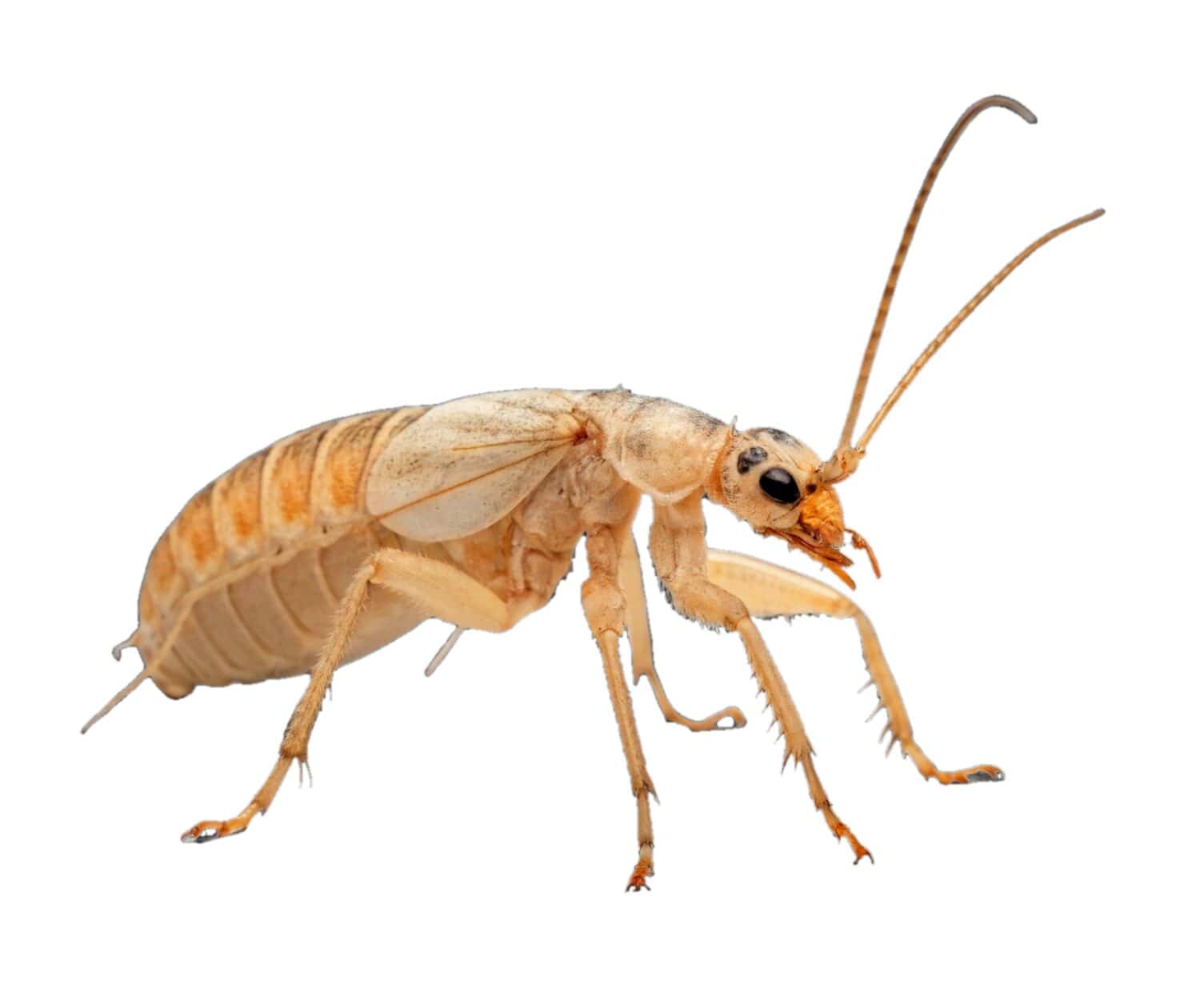
Ice crawlers are roughly 0.6 to 1.4 inches long.
©alishbazulfiqar/Shutterstock.com
As a member of the Wyoming Research Scholars Program (WRSP), Anderson knew where to look, but the insect’s elusive nature was problematic. Allen Gibbs, an entomologist and professor of Life Sciences at the University of Nevada, Las Vegas, says the insect needs several things to survive in one place.
“They are adapted to low temperatures; around freezing is perfect. Most places are too warm for them,” Allen explains. “They require low temperatures, so they are mostly found at high elevations in leaf litter and under rocks. They sometimes are found on patches of ice, hence the common name glacier bugs.”
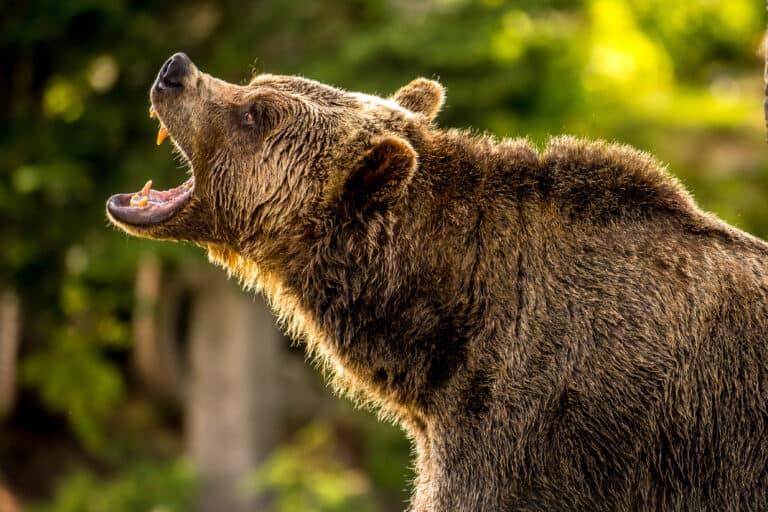
After traversing 170 miles with Audrey Lindsteadt, another UW student conducting research in Yellowstone, Anderson finally found what he was looking for. Researchers discovered two ice crawlers near Antler Peak, and found another after a harrowing run-in with a grizzly sow and cubs near Gray Peak. Adrenaline aside, researchers confirmed the three specimens as Grylloblatta campodeiformis.
How Do Ice Crawlers Survive Yellowstone’s Winters?
Researchers have also found ice crawlers in caves across California, Oregon, Washington, Idaho, and Montana. Outside the U.S., researchers have recorded them in northeastern Asia, Siberia, Alberta, Canada, and British Columbia. All of these locations share one thing: freezing temperatures and a high insect body count.
“Most insects are inactive during the winter because it’s too cold and there isn’t much to eat. Glacier bugs are out and about, eating the carcasses of other insects that didn’t survive,” Gibbs tells us. Anderson couldn’t confirm whether the two specimens he kept alive fed on the carcasses he gave them, but that is their primary diet.
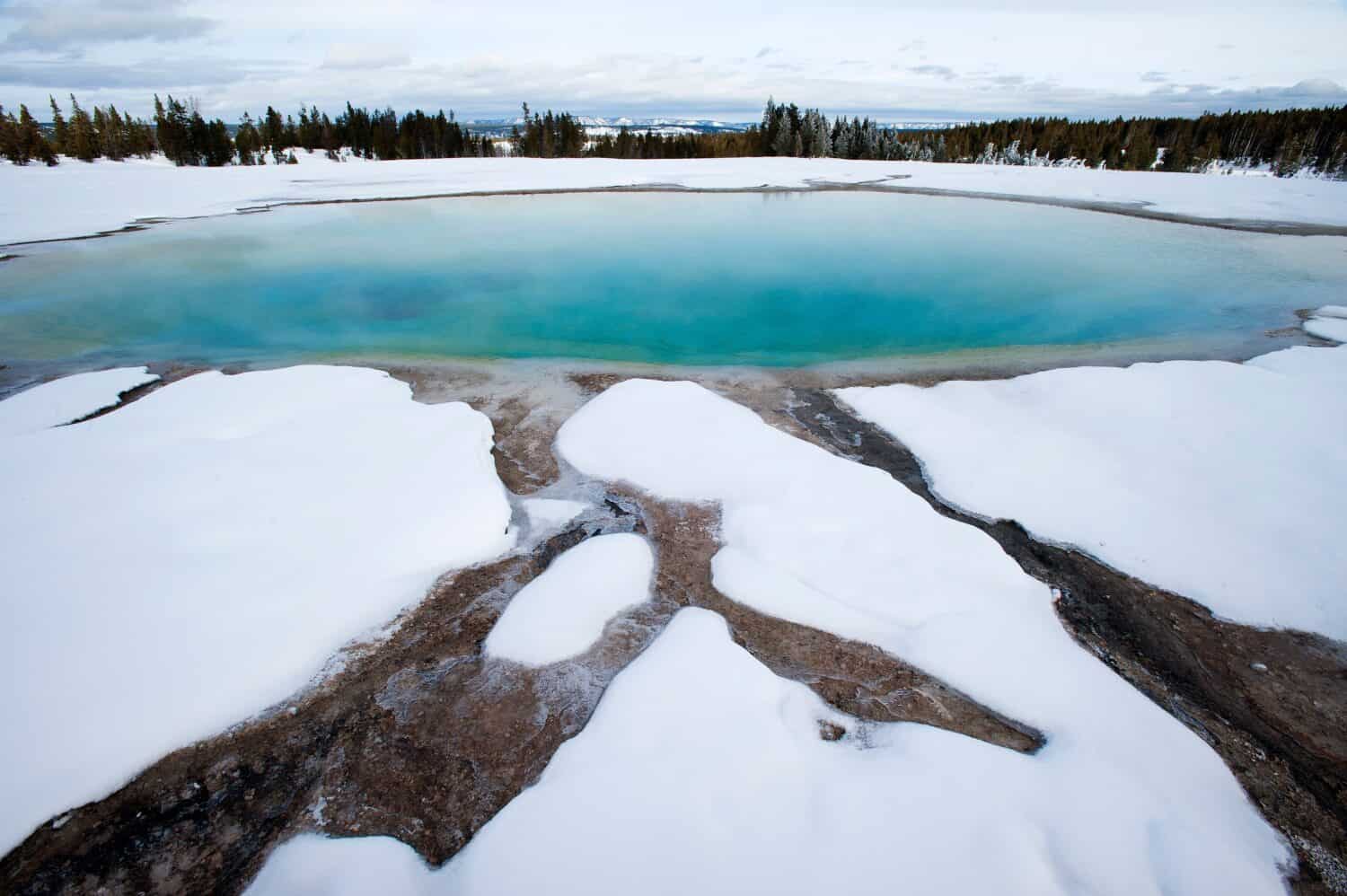
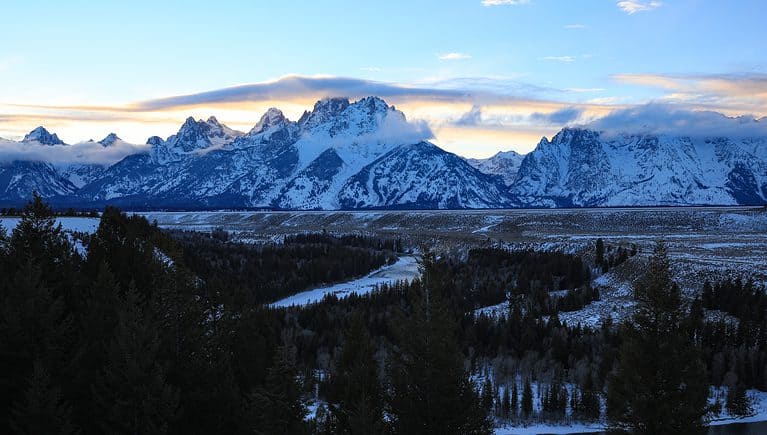
Yellowstone’s alpine regions are the perfect habitat for the rare Grylloblattidae.
©Dani Jara/Shutterstock.com
These insects are nocturnal, wingless, and slow-moving, which suits alpine environments because they expend less energy moving around. As scavengers, they’re opportunistic foragers that feed on insects and plant matter that doesn’t survive past summer.
They can withstand temperatures up to 50 degrees Fahrenheit thanks to roach-like exoskeletons, but little else is known about ice crawlers and their lifestyle.
Anderson’s Research Could Help Future Conservation
As with many other cold-weather species, ice crawlers are vulnerable to climate change. As temperatures rise, their habitats shrink. According to Gibbs, the summer discovery of three ice crawlers in Yellowstone supports this.
“The big picture is that their habitat is disappearing. Glaciers are melting across the planet,” he says. “Glacier bugs don’t absolutely require ice, but they do need low temperatures. Longer, warmer summers will probably be really hard on them in Yellowstone and elsewhere.”
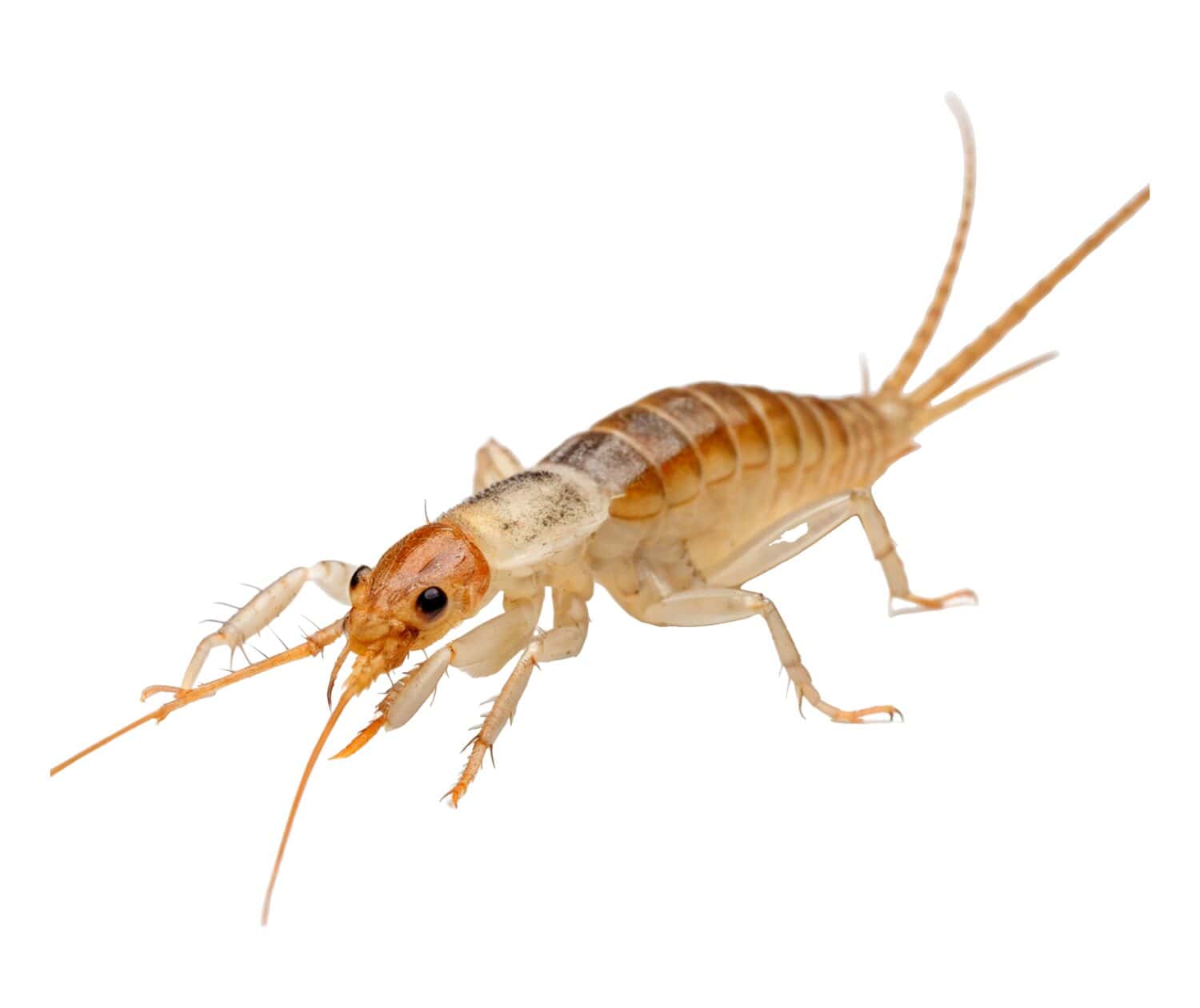
Future research could help preserve an already-vulnerable species.
©malik rafiq sanawan/Shutterstock.com
The need to adapt to warmer temperatures is compounded by ice crawlers’ slow reproductive rate. As slow-moving insects, they also grow extremely slowly and don’t reach full maturity until 5 to 7 years. By the time they’re ready to reproduce, they’ve lost nearly a decade to habitat loss.
Anderson’s research could be the key to preserving the vulnerable species. “Ice crawlers probably play a small part in these ecosystems due to their rarity but, still, are included in the food chains and nutrient cycles of their extreme habitats,” he told the University of Wyoming. “More importantly, we can use ice crawlers to better understand how these ecosystems work and be more effective managers of them.”