Quick Take
- Official conservation figures may be dramatically undercounting protected land, and the gap between what's reported and what's real has sweeping implications for the 30x30 deadline. See the missing acres →
- Hitting the 30% protection target could still be a catastrophic failure, and there is an overlooked reason why. Explore why 30% isn't enough →
- Some of North America's most endangered animals depend on a habitat type that conservation efforts keep ignoring, and the consequences are mounting. See the endangered species at risk →
- Where protected land is placed may matter more than how much of it exists, yet current strategies are getting this backwards. Find out where protection matters →
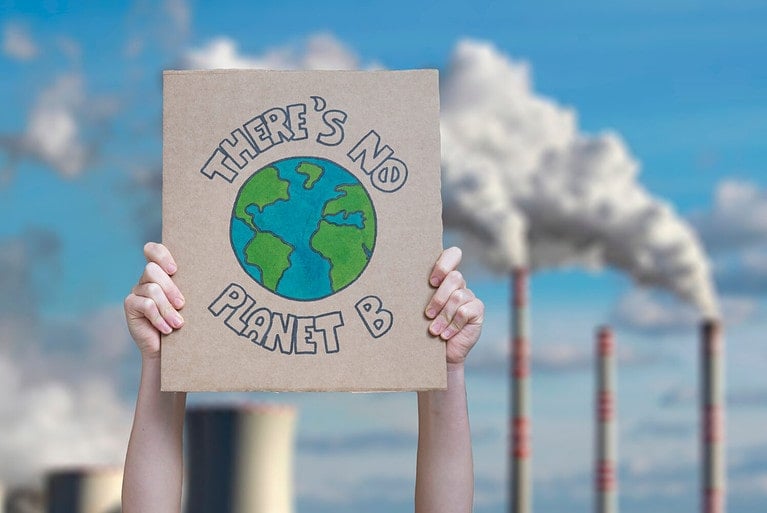
In December 2022, over 190 countries pledged to conserve 30% of the world’s land and sea by 2030. Conservationists thought we were far off track from this goal. However, a recent study shows the world may be closer than we realized. The new research published in Nature found that nearly 27% of Earth’s land may already be under some form of conservation, compared with the 18.5% reported in official figures.
Despite the promising news, scientists worry there may be significant gaps in the types of land under conservation. For example, grasslands and shrublands host diverse wildlife. However, they can be overlooked in conservation efforts. Additionally, the numbers don’t confirm whether or not conserved land is managed effectively.
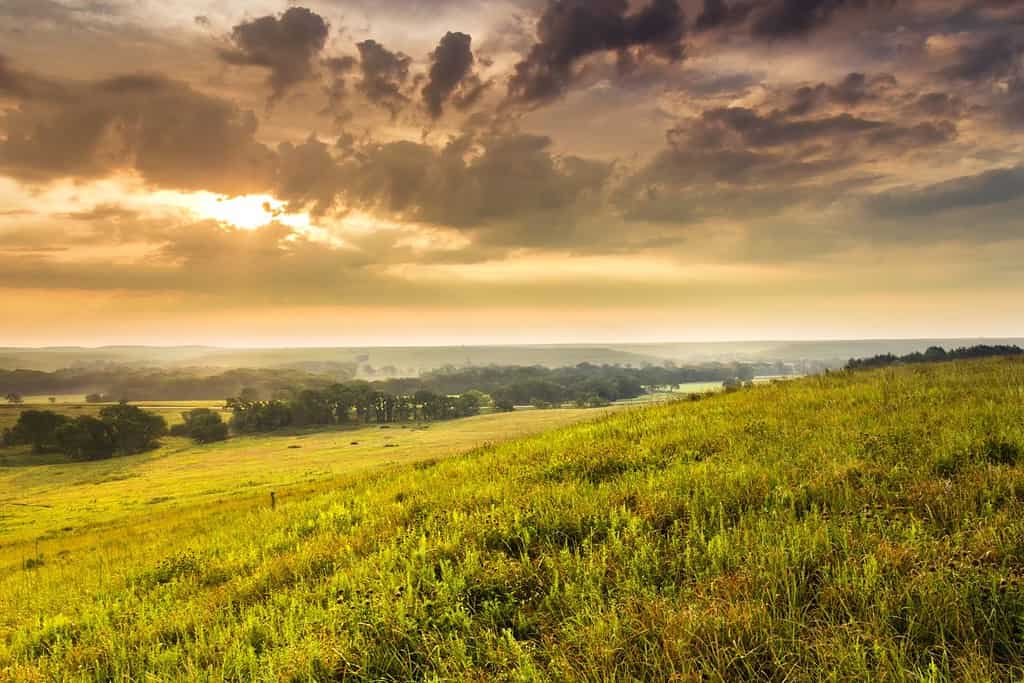
Over 190 countries have pledged to conserve 30% of the world’s land and sea by 2030.
©Ricardo Reitmeyer/Shutterstock.com
The 30-by-30 Goal Once Seemed Out of Reach
The 30 by 30 plan is a part of the Kunming-Montreal Global Biodiversity Framework, a global commitment to reverse habitat and species loss. However, official figures show that progress towards the 30% target has stalled. With only a few years to go, the amount of land estimated to be under conservation is only 18.5%, leaving a significant gap.
Conserving land does more than save the unique habitats and species found around the world. Human populations also depend on healthy ecosystems for food production and clean water. Pollinators are needed to grow crops, while the world’s forests filter pollution and contaminants from our water supply.
Conservation Databases May Be Missing Millions of Acres
The recent study found areas that are home to wildlife but aren’t considered in the global count. Researchers from the Durrell Institute of Conservation and Ecology at the University of Kent and the Institute of Zoology in London combined internationally recognized conservation records with national data.
The researchers examined conservation data from 25 countries and territories, representing 10% of global land. “We need much more effort to officially recognize the existing conservation areas that are currently only recorded in national data sets,” said Bob Smith, the study’s lead investigator, in a statement.
When researchers included those areas, the amount of land under conservation rose from 18.5% to 26.8%. Lead author Helen O’Neill explained in a statement, “With four years to go, the terrestrial component of the 30% target seems out of reach. Our analysis suggests that much more of the land is in some type of conservation area than currently recognized.”
Grasslands and Shrublands Remain Underrepresented
Scientists worry that expanding the total area without considering what types of habitats are included could leave these critical areas vulnerable. Conservationists have expressed concern that grasslands and shrublands are currently underprotected.
Grasslands provide habitat for diverse wildlife, including grazing mammals, ground-nesting birds, insects, and other wildlife. On the other hand, shrublands support a wide variety of species adapted to dry conditions, such as reptiles, insects, birds, and mammals.

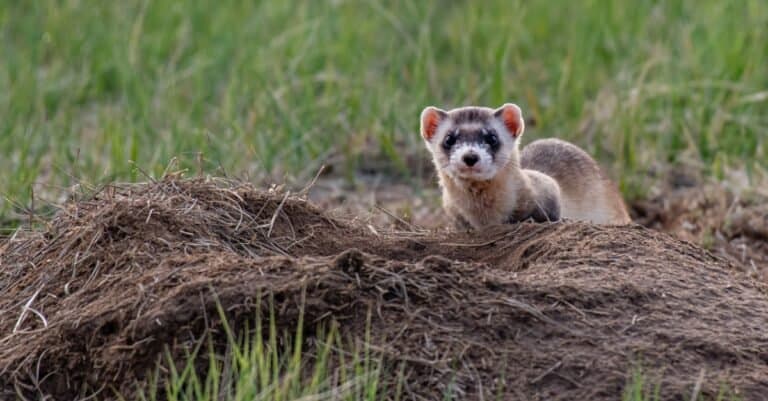
The black-footed ferret preys on prairie dogs and uses their tunnels for shelter.
©Kerry Hargrove/Shutterstock.com
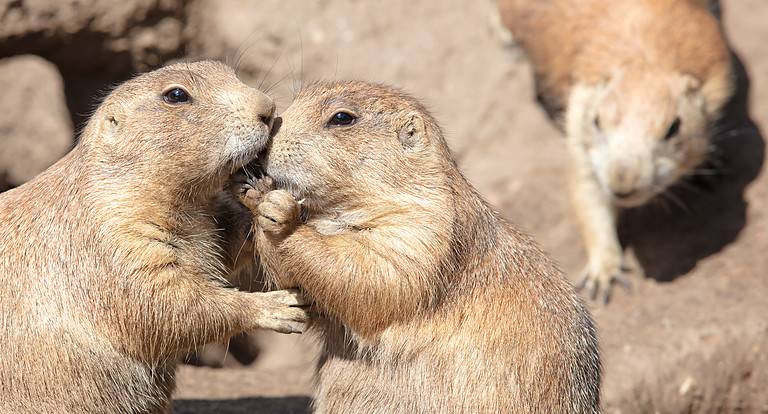
North America’s grasslands, for example, are home to some of the continent’s most endangered animals. The black-footed ferret (Mustela nigripes) is a member of the weasel family and is listed as endangered under the U.S. Endangered Species Act. This slender carnivore makes its home inside prairie dog tunnels, using the tunnels for shelter as it preys on the prairie dogs for food.

The American burying beetle is the largest carrion beetle in North America.
Another species in decline that relies on prairie dog tunnels is the burrowing owl (Athene cunicularia). This little, long-legged owl nests inside abandoned prairie dog towns. Finally, the American burying beetle (Nicrophorus americanus) is the largest carrion beetle in North America. This endangered beetle buries the carcasses of small animals to feed its larvae.
Where You Protect Matters as Much as How Much You Protect
Researchers emphasize that protecting the world’s habitats and species means more than reaching a numeric threshold. Co-author of the study, Heather Bingham, explained in a statement, “conserving 30% of land and seas is not sufficient on its own. The target also calls for these areas to be managed effectively for positive biodiversity outcomes, and to be placed where they will have the greatest impact on biodiversity.”
To successfully preserve the land, conservation areas should include diverse ecosystems. They also may need to be connected in certain areas. Further, it’s critical that sites are well-managed while considering the effects on local people living on or near the area.
Unfortunately, protecting more land in already well-represented ecosystems will not save habitat types and biodiversity hotspots that remain vulnerable. Smith said, “We also need to focus much more on improving the effectiveness of all conservation areas, as increasing the area of land under conservation will do little unless these sites are effectively and fairly managed.”