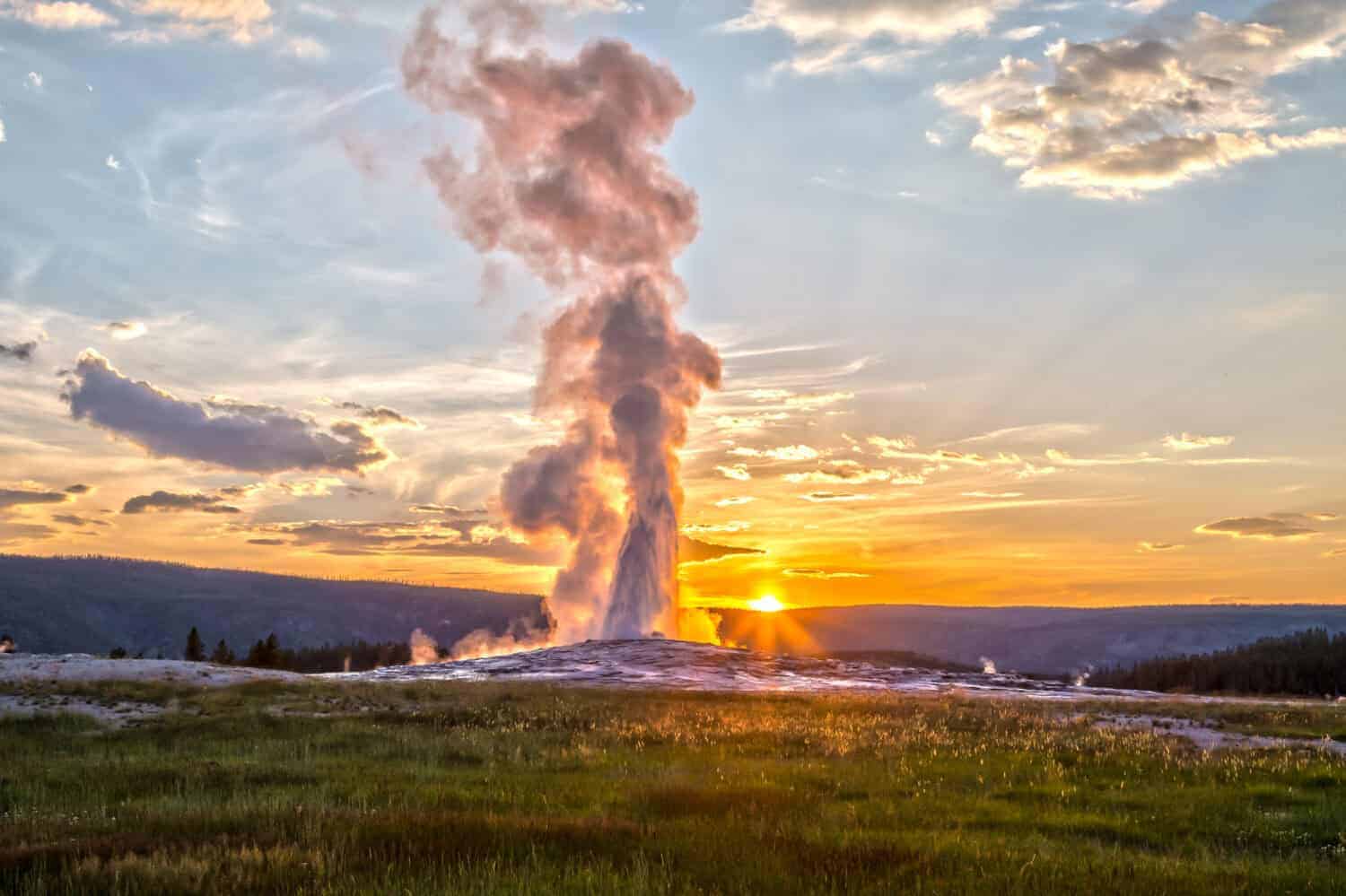

Yellowstone National Park is one of America’s most famous wilderness areas, spanning nearly 3,500 square miles across Wyoming, Montana, and Idaho. As much of it lies in the caldera of an ancient volcano, the park is famous for its volcanic hot springs and other geothermal marvels. But it also encompasses vast untouched high-country forests, open meadows, and hundreds of miles of waterways. These varied habitats support an array of wild animals, many of which observant and patient visitors may spot. Here are some of the most iconic examples.
Bison (Bison bison)
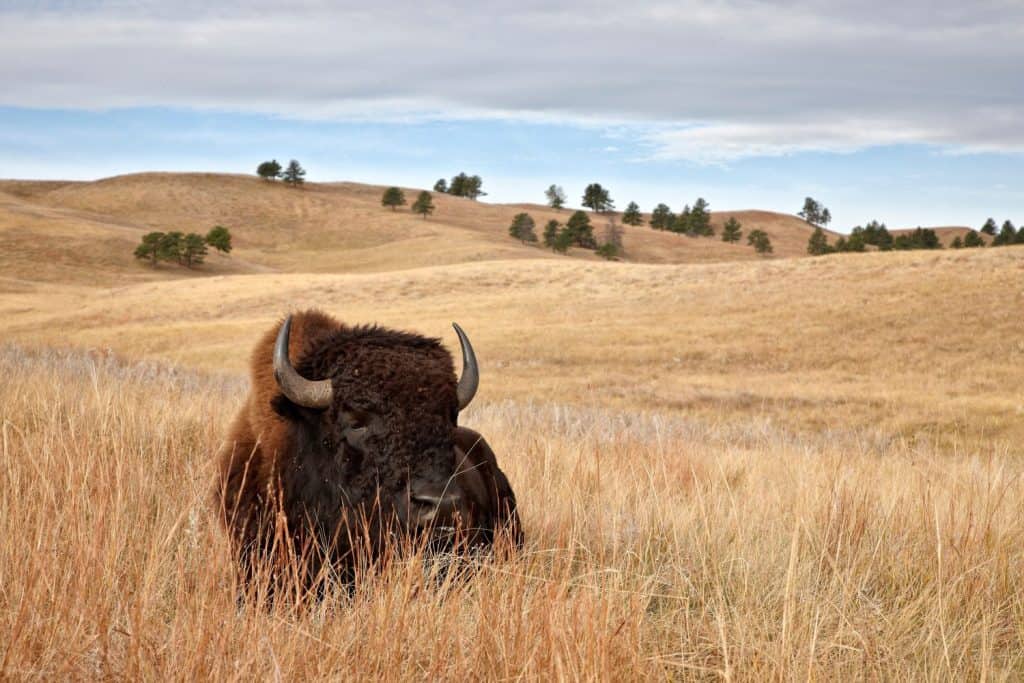
Bison (Bison bison)
©Robert Harding Video/Shutterstock.com
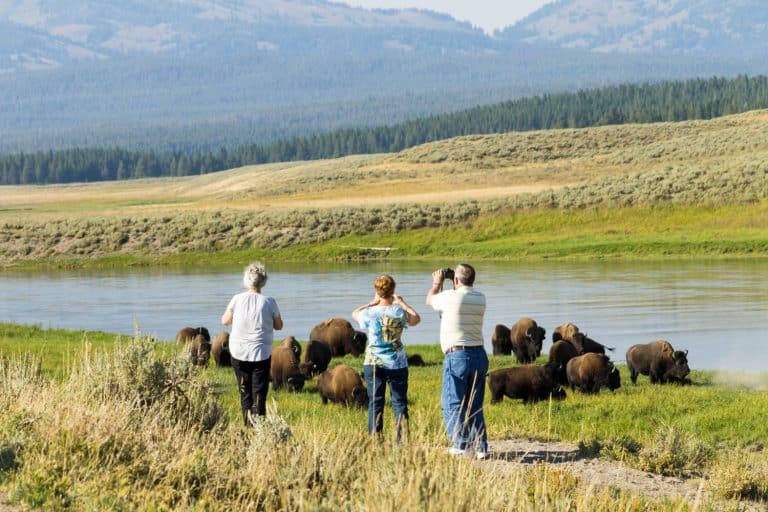
With hulking frames and massive heads, Yellowstone’s bison are legendary survivors. The park protects one of the largest free-roaming bison herd in North America, often seen grazing in large groups on the Lamar Valley and Hayden Valley grasslands. These ancient mammals, weighing up to 2,000 pounds, migrate seasonally in search of new grass, and their presence shapes the park’s ecosystem. Watching a bison herd thunder across an open plain evokes what much of the Great Plains must have looked like generations ago.
Bald Eagle (Haliaeetus leucocephalus)
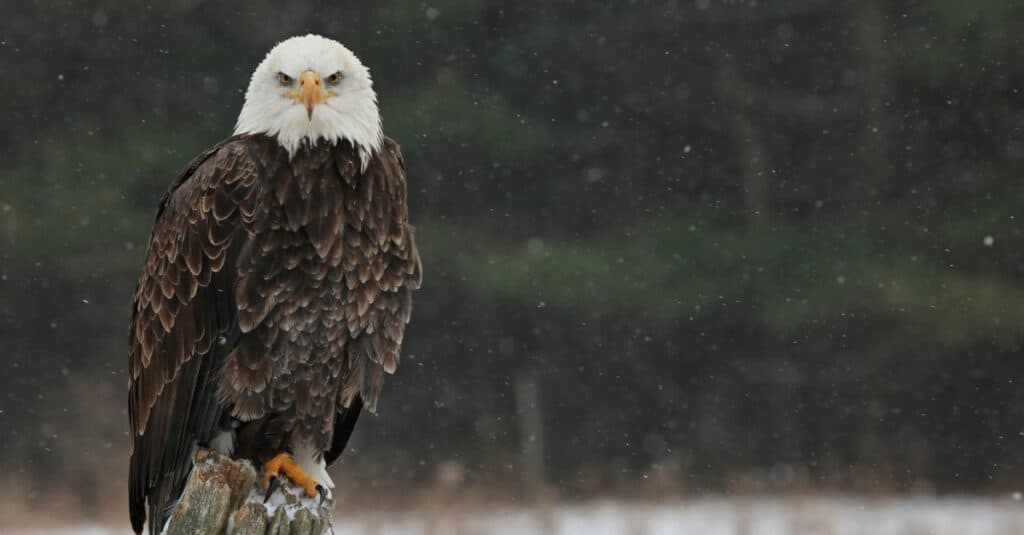
Bald Eagle (Haliaeetus leucocephalus)
©iStock.com/ca2hill
Yellowstone’s rivers, lakes, and tall pines provide ideal homes for bald eagles. They nest atop towering trees and hunt for fish, waterfowl, and carrion along the park’s waterways. Their white heads and tails, bright yellow beaks, and expansive wingspans are unmistakable in flight. Mid-spring through late autumn, look for bald eagles perched over the Yellowstone River, scanning the water’s surface for their next meal.
Pronghorn (Antilocapra americana)
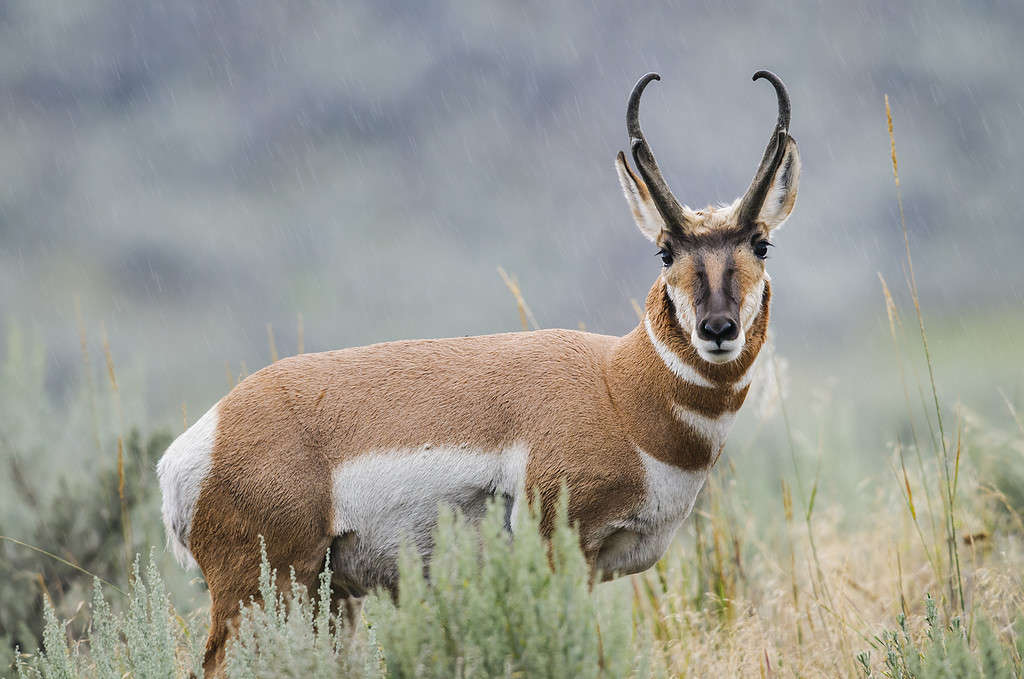
Pronghorn (Antilocapra americana)
©bgsmith/iStock via Getty Images
Darting over the open sagebrush plains, pronghorn are North America’s fastest land animals, able to reach more than 55 mph in short bursts. Their tan-and-white coats and black markings make them a fast-moving spectacle on Yellowstone’s grasslands. Unlike true antelope, pronghorn are native to North America. Trails near the northern entrance, especially Lamar and Blacktail Plateaus, are hotspots for observing their herds as they graze or bound away at impressive speeds.
Trumpeter Swan (Cygnus buccinator)
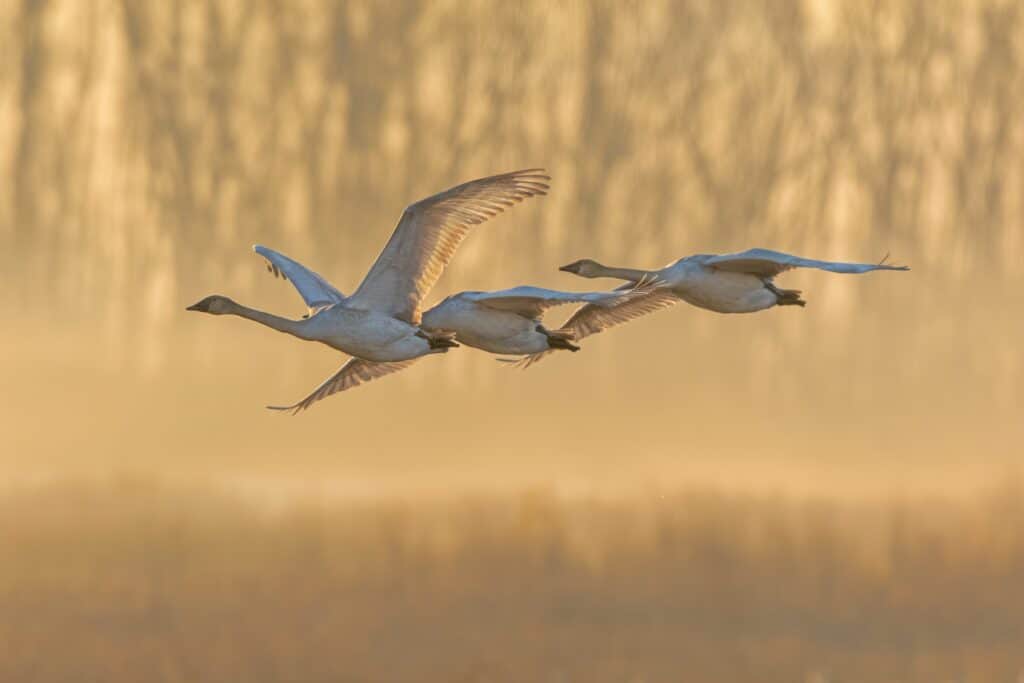
Trumpeter Swan (Cygnus buccinator)
©Danita Delimont/Shutterstock.com
The trumpeter swan is North America’s largest native waterfowl, and Yellowstone provides vital habitat for these majestic birds. With snow-white feathers, long necks, and haunting calls, they glide across quiet lakes and shallow marshes, especially the Yellowstone, Madison, and Firehole rivers. Swans raise cygnets on secluded ponds and can sometimes be found feeding in pairs or small family groups under the summer sun.
Grizzly Bear (Ursus arctos horribilis)
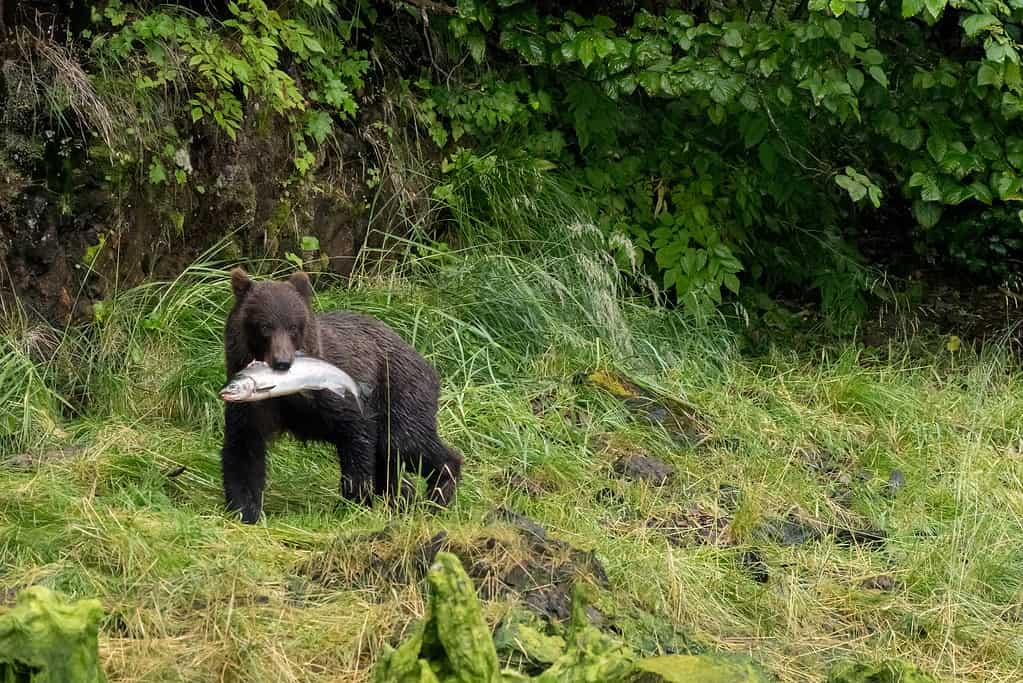
Grizzly Bear (Ursus arctos horribilis)
©Kirk Hewlett/ via Getty Images
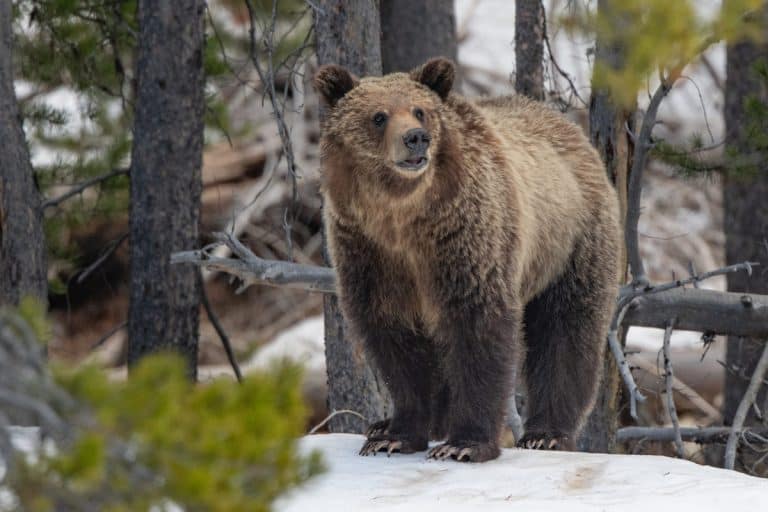
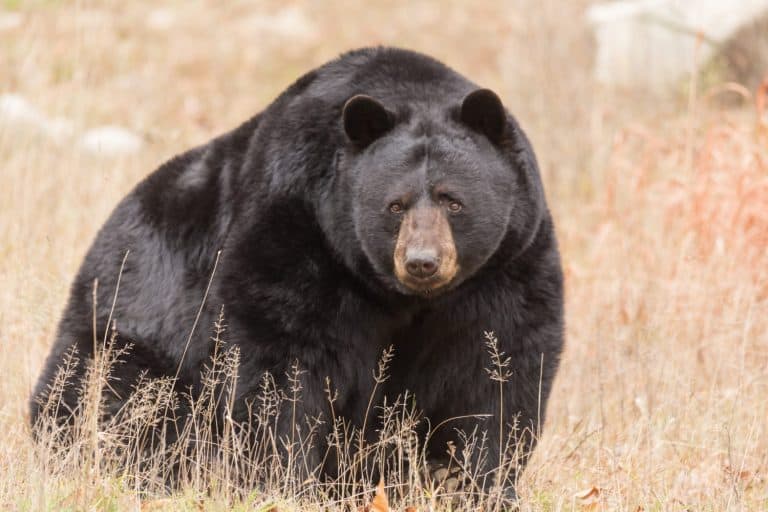
The park’s most famous predator, the grizzly bear, is a subspecies of the brown bear and an icon of Yellowstone. Powerful and intelligent, grizzlies range widely through spring meadows, berry-filled slopes, and pine forests. Spring brings mothers with cubs feeding on roots and emerging ground squirrels. In summer and fall, the search for pine nuts, cutthroat trout, or carrion keeps bears on the move. Early morning or dusk are the prime times to observe bears at safe distances along the park’s wide valleys.
Cutthroat Trout (Oncorhynchus clarkii bouvieri)
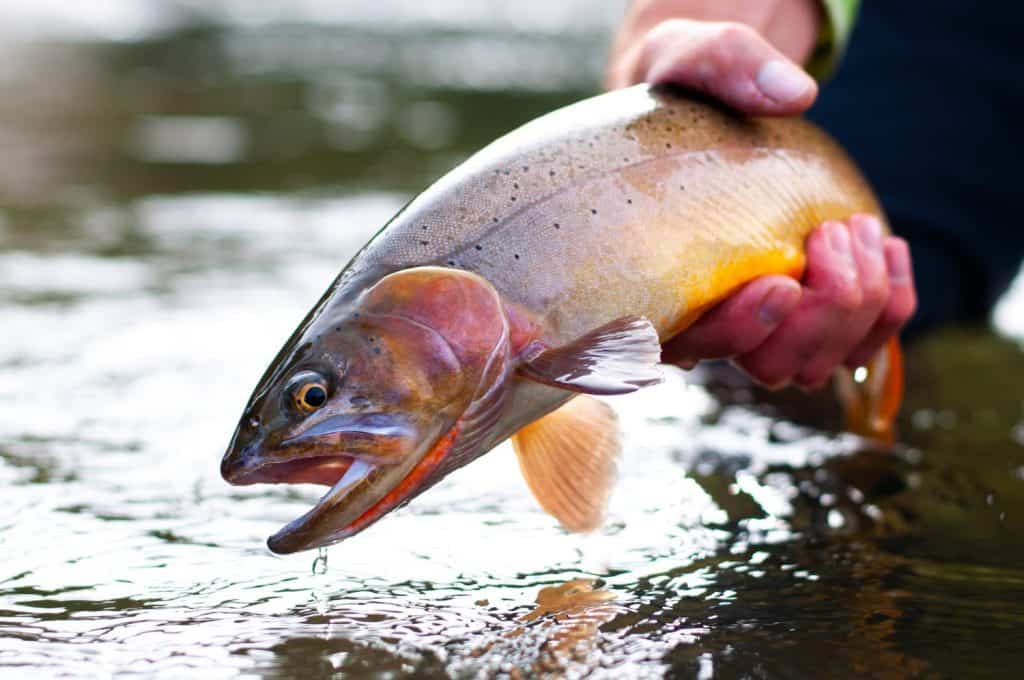
Cutthroat Trout (Oncorhynchus clarkii bouvieri)
©Jennifer de Graaf/Shutterstock.com
Native cutthroat trout are a key part of Yellowstone’s aquatic food web. These beautiful fish, spawn in clear cold streams and lakes, and are a crucial food source for otters, eagles, bears, and other predators. Fly fishing for cutthroat (catch-and-release only) is a popular sport. Mid-summer is the top season, especially along the Yellowstone River.
Gray Wolf (Canis lupus)
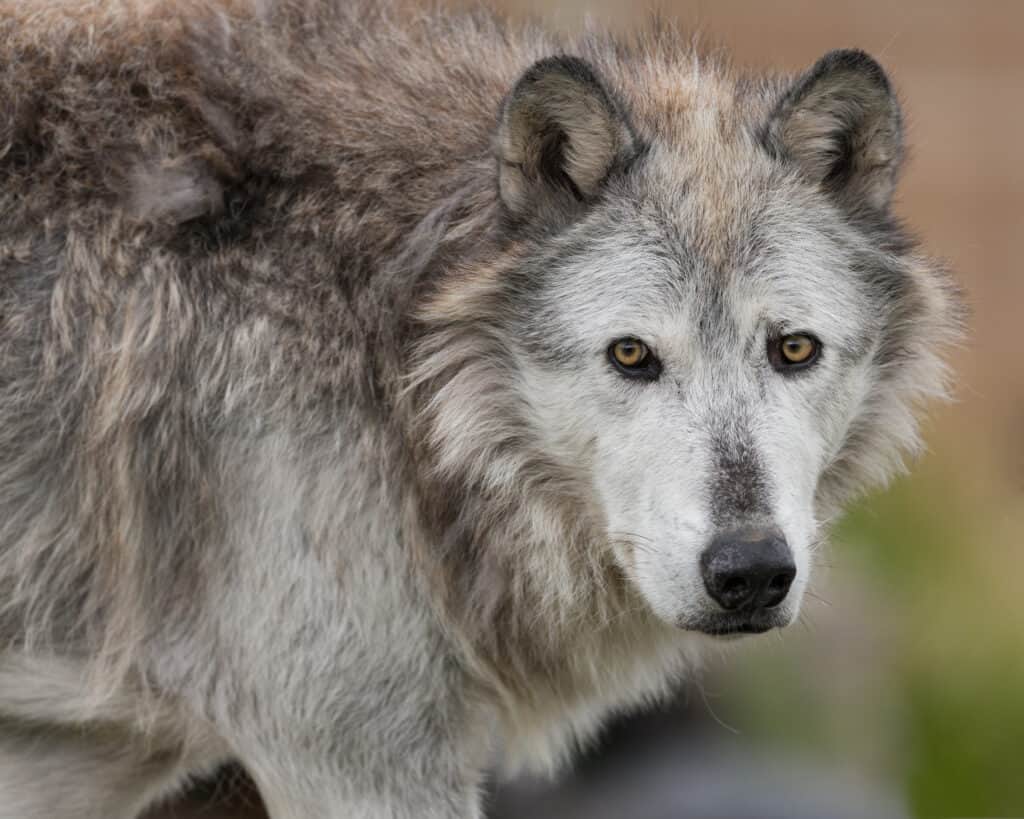
Gray Wolf (Canis lupus)
©Nagel Photography/Shutterstock.com
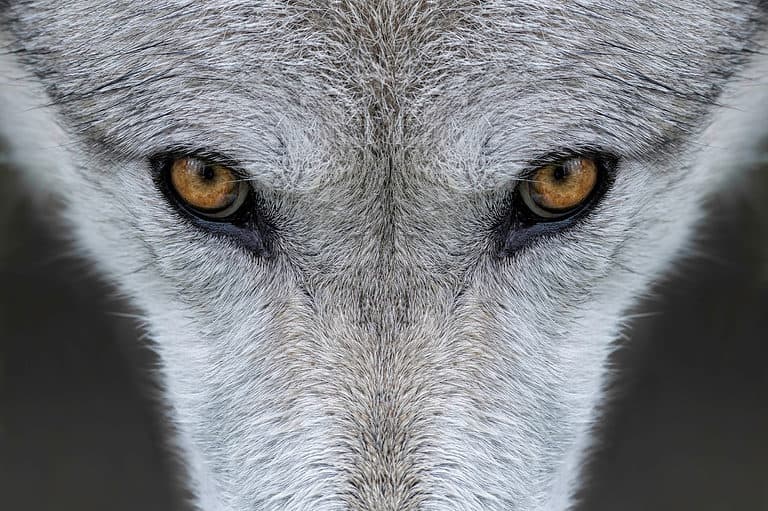
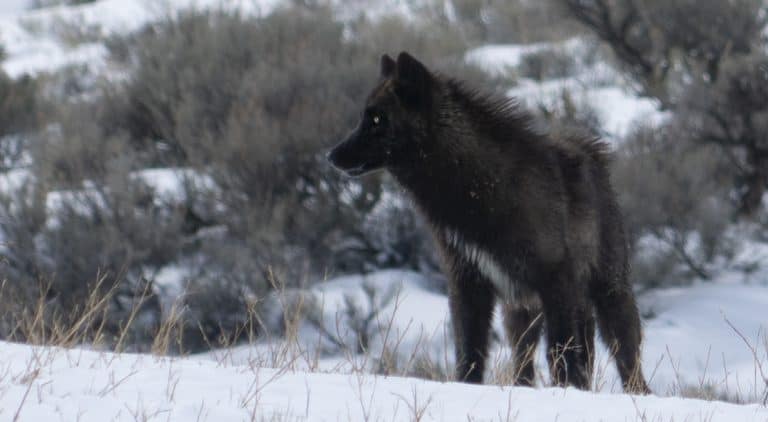
Once exterminated from the area, wolves were reintroduced to Yellowstone in the 1990s. Now, several wolf packs roam valleys and forests, preying on elk and bison and playing a vital role in controlling large mammal populations. An unexpected result of the presence of wolves was to stabilize the banks of the Yellowstone River. Grazing herds became more wary of predators and avoided going to the river in the open, which gave undergrowth and saplings time to get reestablished and control erosion with their dense networks of roots. With luck and patience, visitors can spot wolves during the early morning in Lamar Valley, often aided by the crowd of wildlife watchers and their spotting scopes.
Western Tanager (Piranga ludoviciana)

Western Tanager (Piranga ludoviciana)
©vagabond54/Shutterstock.com
A splash of color among green conifers, the western tanager dazzles birdwatchers with its yellow body, black wings, and red-orange head. These migratory songbirds arrive in late spring, filling forests with their warbling songs as they hunt insects in the canopy. Look for tanagers along woodland edges, especially in lower-elevation forest gaps after summer rains.
North American River Otter (Lontra canadensis)

North American River Otter (Lontra canadensis)
©Jana Krizova/Shutterstock.com
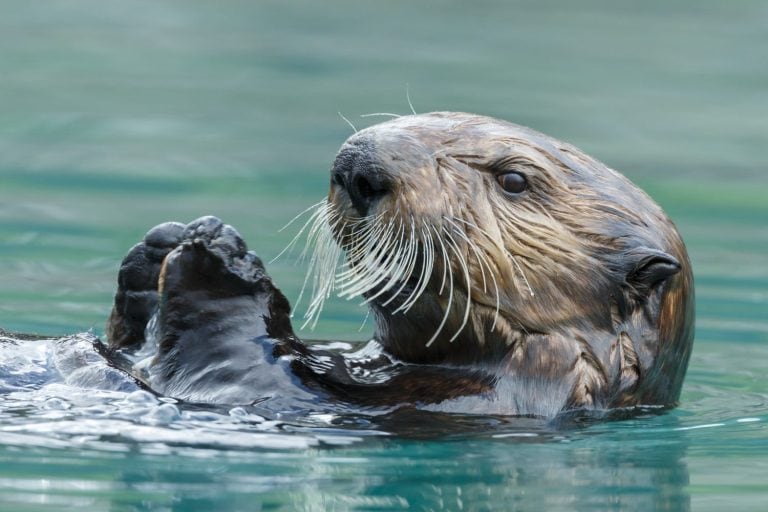
Playful and quick, river otters are among Yellowstone’s most adorable animals. They glide and dive through rivers and marsh channels, hunting fish and crayfish, or tumble along snowy banks in winter. Watch for their playful slides through fresh snow in Lamar and Hayden Valleys or their telltale tracks near muddy riverbanks.
Prairie Rattlesnake (Crotalus viridis viridis)
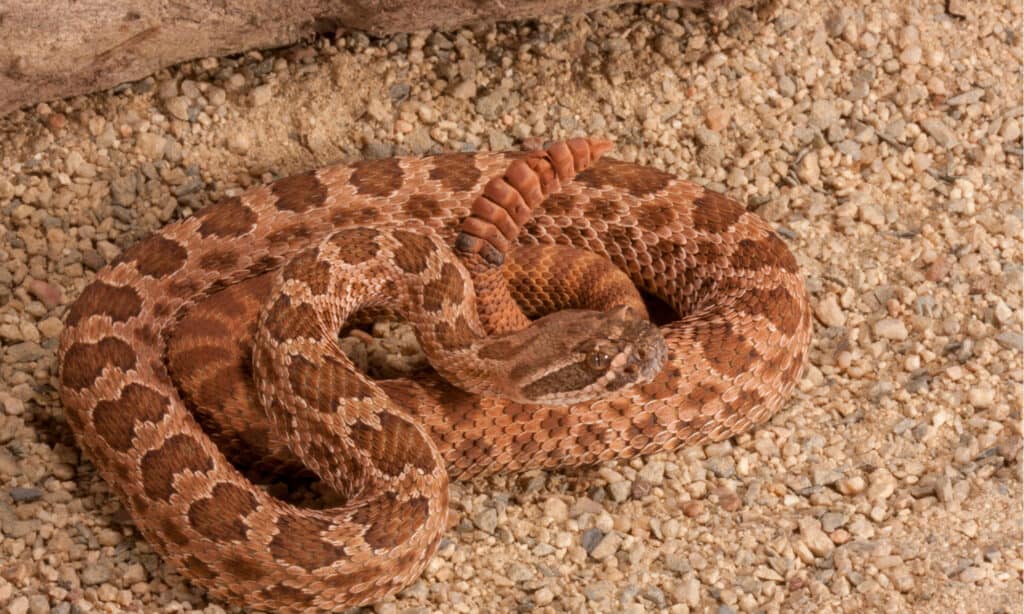
Prairie Rattlesnake (Crotalus viridis viridis)
©K Hanley CHDPhoto/Shutterstock.com
Yellowstone’s only venomous reptile, the prairie rattlesnake, is a shy resident of open grasslands and sagebrush slopes in the park’s lower elevations. These snakes are seldom seen but play an important ecological role by keeping rodent populations in balance.
Elk (Cervus canadensis)
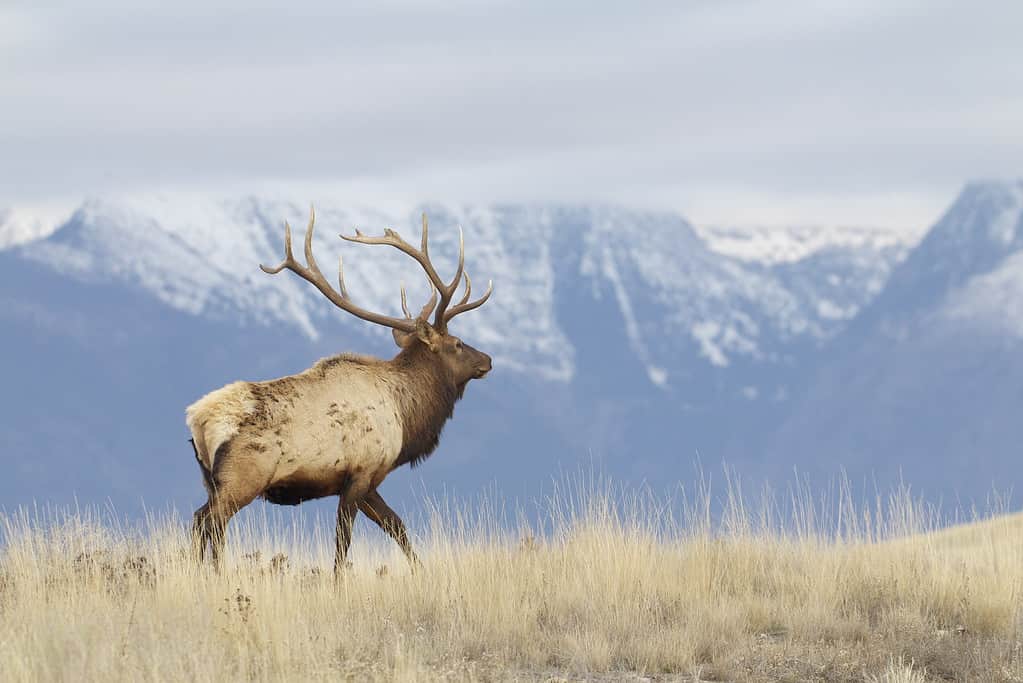
Elk (Cervus canadensis)
©Tom Reichner/Shutterstock.com
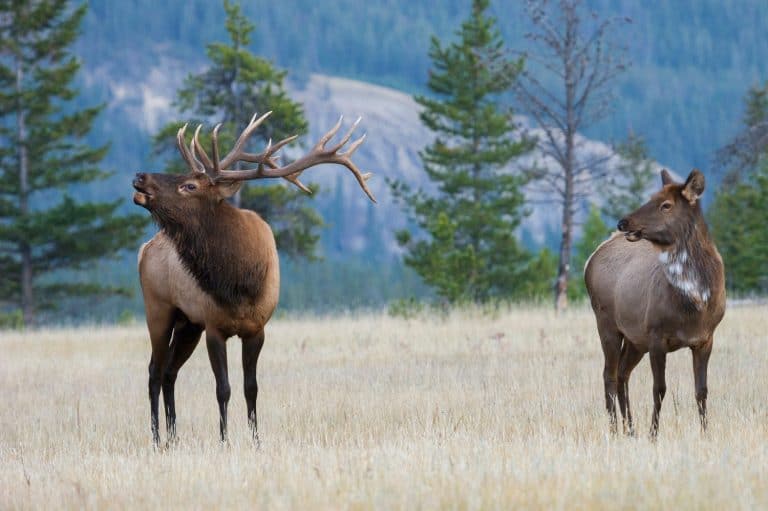
From spring through late fall, elk are an everyday sight in Yellowstone. Massive herds migrate seasonally, with cows, calves, and spotted young dotting the park’s open meadows. During the rut in September and October, bull elk bugle across the valleys, dueling for harems, and put on an unforgettable show. In winter, elk travel to lower elevations, where snow is shallower and they can paw it away to find vegetation.
Common Loon (Gavia immer)
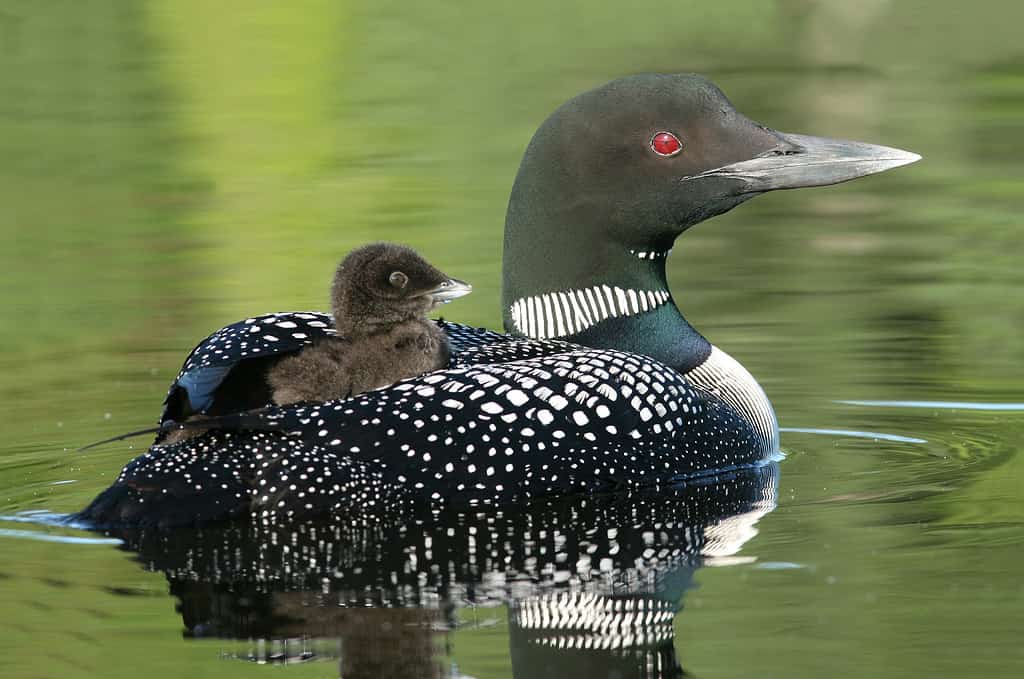
Common Loon (Gavia immer)
©BRIAN LASENBY/iStock via Getty Images
Listen for the wail of the common loon drifting across Yellowstone Lake on still mornings. Loons migrate into the park’s lakes in spring, nesting in quiet coves and rearing young in floating nests of reeds. Their dramatic black-and-white patterns and haunting calls are signs of unspoiled northern waters. If you spot one swimming, look close to see if it’s carrying a young one on its back.
Yellow-Bellied Marmot (Marmota flaviventris)
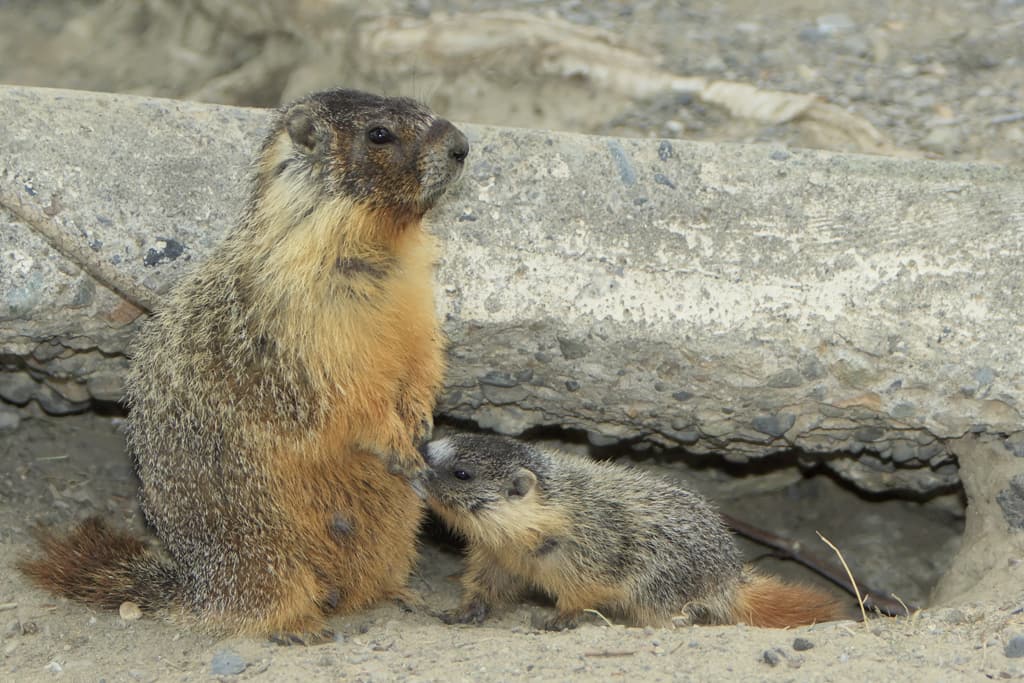
Yellow-Bellied Marmot (Marmota flaviventris)
Chubby and sociable, yellow-bellied marmots sun themselves on boulders and rocky slopes near park roads and overlooks. These rodents whistle sharp alarms when danger threatens and scurry away into elaborate burrow systems. Late summer visitors often see marmots fattening up for hibernation.
American White Pelican (Pelecanus erythrorhynchos)
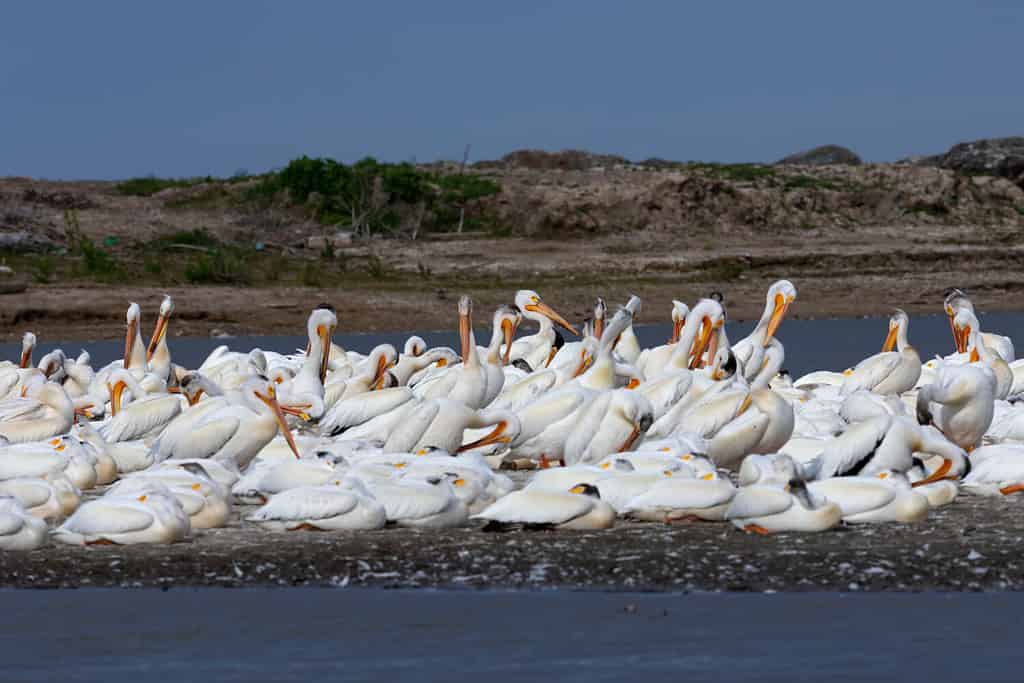
American White Pelican (Pelecanus erythrorhynchos)
©Karel Bock/Shutterstock.com
With an extraordinary nine-foot wingspan, American white pelicans soar over Yellowstone’s lakes and shallow lagoons, foraging for fish by dipping their immense pouched bills into the water. These striking birds nest in colonies on isolated islands, gathering in graceful flocks throughout the summer. Look for synchronized flights along the Yellowstone and Madison Rivers.
Red Fox (Vulpes vulpes)
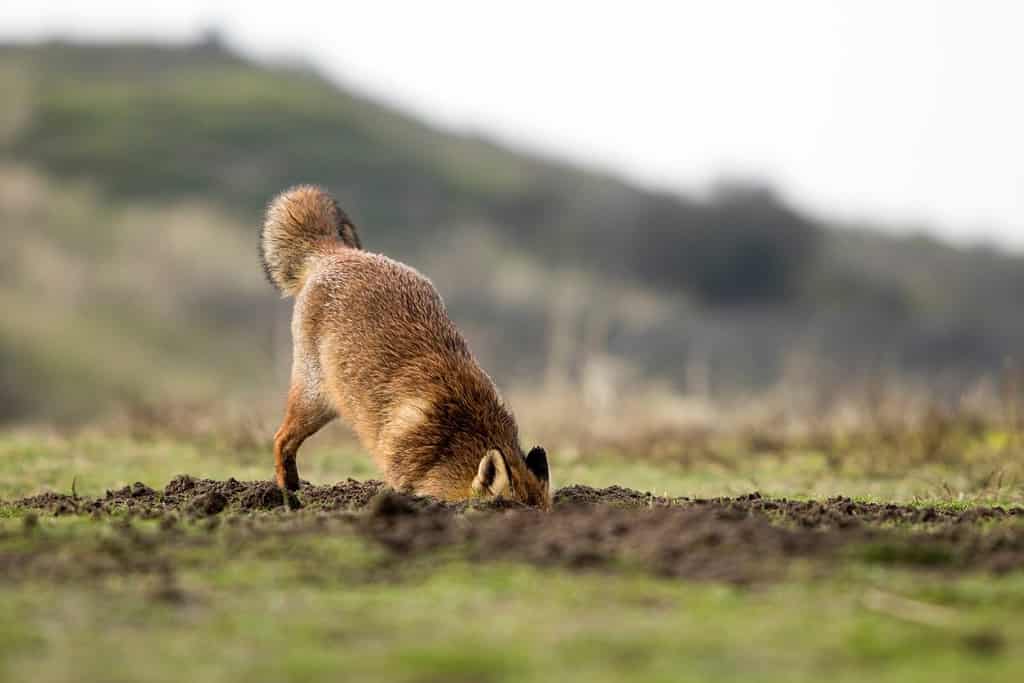
Red Fox (Vulpes vulpes)
©AngelaLouwe/Shutterstock.com
Clever and adaptable, red foxes twist through meadows and forest margins, hunting small mammals and birds or scavenging at dawn and dusk. Kits emerge in spring, tumbling and playing outside den mouths in open clearings. You might hear the yips of foxes even if you don’t catch a glimpse of the animals themselves.
Mountain Chickadee (Poecile gambeli)
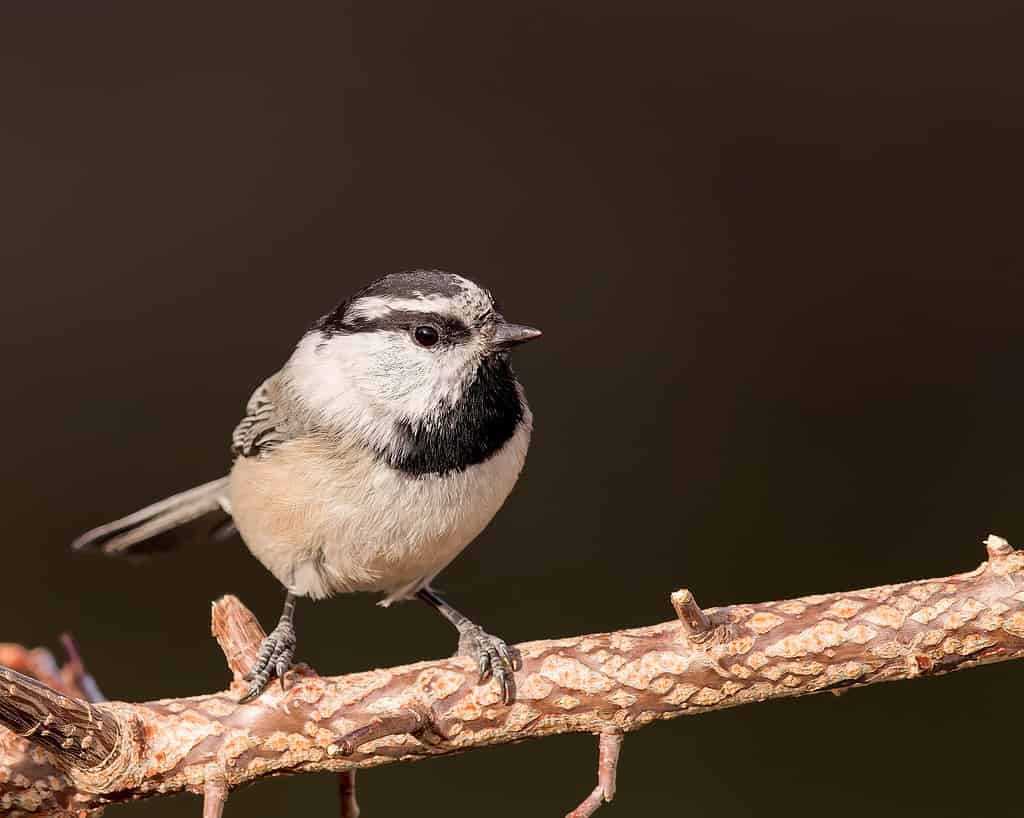
Mountain Chickadee (Poecile gambeli)
©M. Leonard Photography/ via Getty Images
These lively songbirds delight park visitors with their black-and-white heads, buff bellies, and acrobatic feeding. Mountain chickadees are found foraging among pine cones and twigs year-round, stashing seeds in bark crevices for winter’s lean months.
Western Terrestrial Garter Snake (Thamnophis elegans)
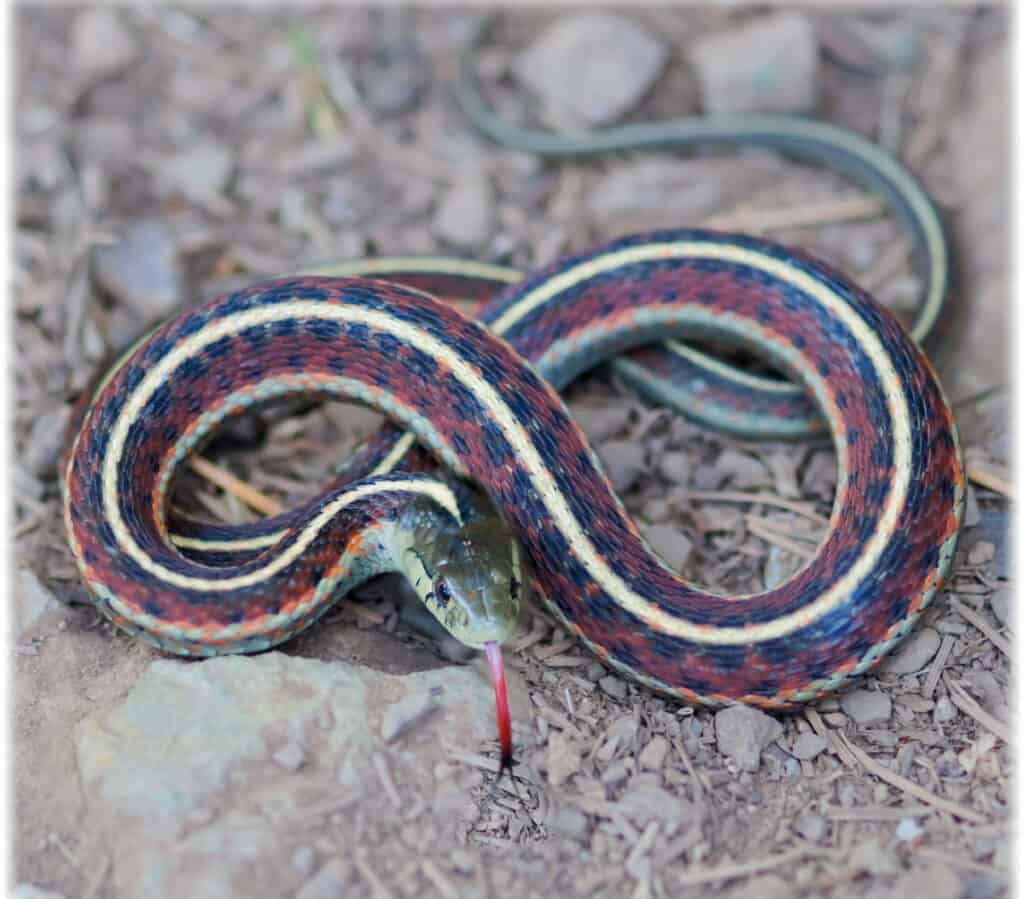
Western terrestrial garter snake (Thamnophis elegans)
©iStock.com/yhelfman
Slender and striped in a beautiful pattern, Western terrestrial garter snakes slip quietly through grassy banks and stream edges around the park. They feed on frogs, earthworms, and even small fish. Passive and shy, garters are most commonly spotted sunning themselves on rocks after a cool spring morning.
Pika (Ochotona princeps)
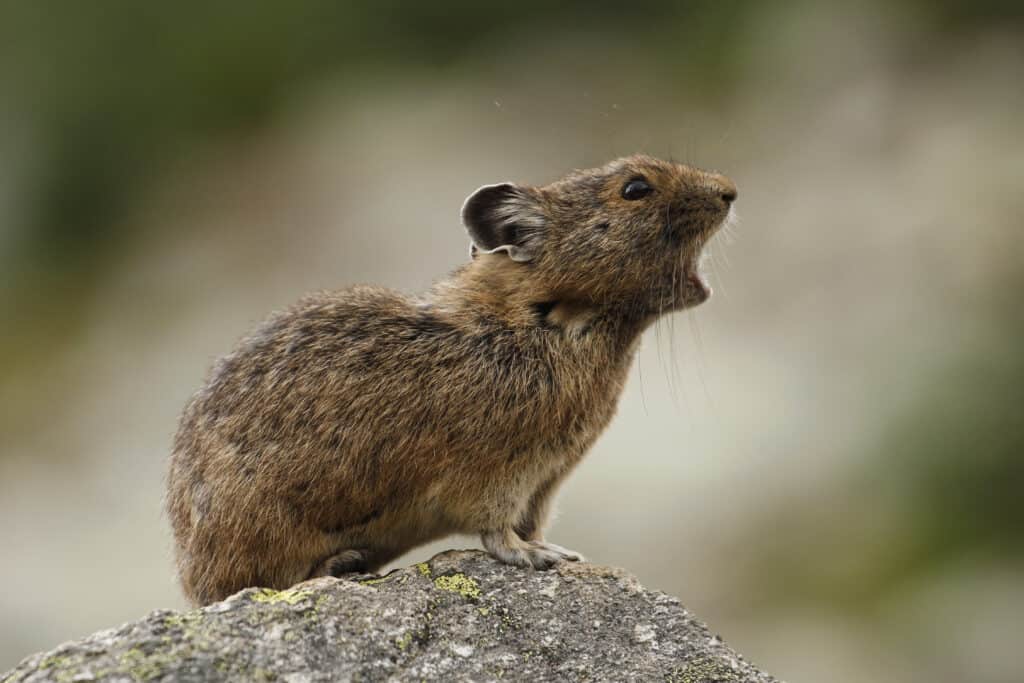
Pika (Ochotona princeps)
©iStock.com/Shayne Kaye
At higher elevations and talus slopes, pikas collect wildflowers and grasses, storing food in haypiles to survive the long, snowy winter. These tiny mammals dart among rocks and issue high-pitched warning chirps at hikers who approach too closely. Sensitive to heat, pikas are often spotted early or late in the day near boulder fields above 8,000 feet.
A Living Wilderness
Yellowstone National Park is a living wilderness, unmatched for wildlife viewing in North America. Families, hikers, and nature lovers will find thrilling encounters on every visit, along with many reasons to be grateful for the foresight of previous generations in preserving this gorgeous wild space for human visitors and the creatures who have lived there for eons.