
Quick Take
- A tourist attraction that never opened a single day was still the location of over 50 sloth deaths. See the full death toll →
- Experts say sloths are among the worst animals to keep in captivity. So why were more shipments arriving even as the body count climbed? Read the expert warnings →
- The surviving sloths were rescued and handed to a zoo, though being 'rescued' turned out to be just the beginning of their fight to stay alive. Follow the survivors' struggle →
- New legislation may be introduced to ban most sloth imports. Explore the SLOTHS Act →
A $49 animal encounter with wild sloths was the planned offering of a new roadside attraction called “Sloth World.” The Orlando enterprise never got off the ground, and the doomed scheme was associated with the deaths of dozens of wild sloths. The resulting public outcry may change the legal framework for importing sloths into the U.S.
The Tragedy of Sloth World
If you search Orlando’s Sloth World online today, you will find a red banner with the words ‘Permanently Closed’ written across it. Behind that simple declaration is a complicated picture of a failed business venture and the highly distressing suffering and deaths of multiple wild sloths. It’s a depressing timeline of a tourist attraction that never opened and the unnecessary deaths of more than 50 gentle creatures in cages many thousands of miles away from their forest homes.
It was in January 2026 that The Sloth Conservation Foundation and The Sloth Institute voiced concerns about an upcoming commercial sloth exhibition/attraction opening in Florida. The attraction had apparently acquired wild sloths from Guyana and Peru. According to this Press Release, the plan was for a “Slotharium” to maintain a rotating population of more than 40 two-fingered and three-fingered sloths sourced from the forests of Guyana and the Peruvian Amazon. A breeding program to maintain a long-term captive population was planned.
Before it even opened, however, this attraction was generating multiple public inquiries with growing media interest. And not in a positive way. The sloths were perishing at an alarming rate. Yet the imports continued, exposing weaknesses in the regulatory system that the authorities are now seeking to strengthen. Sloth World never opened its doors to the public, but its legacy lives on.
Why Sloths Should Not Be Imported for Entertainment
The Press Release goes on to make it abundantly clear why these animals should not be used in entertainment attractions. Dr. Rebecca Cliffe, founder and director of SloCo states that sloths are “exceptionally poorly suited to captivity”. She explains that when sloths are shipped from their forest homes to the US, they often suffer serious ill health issues related to changes in diet and housing in artificial environments. Many of the captured sloths perish from kidney failure and digestive diseases.

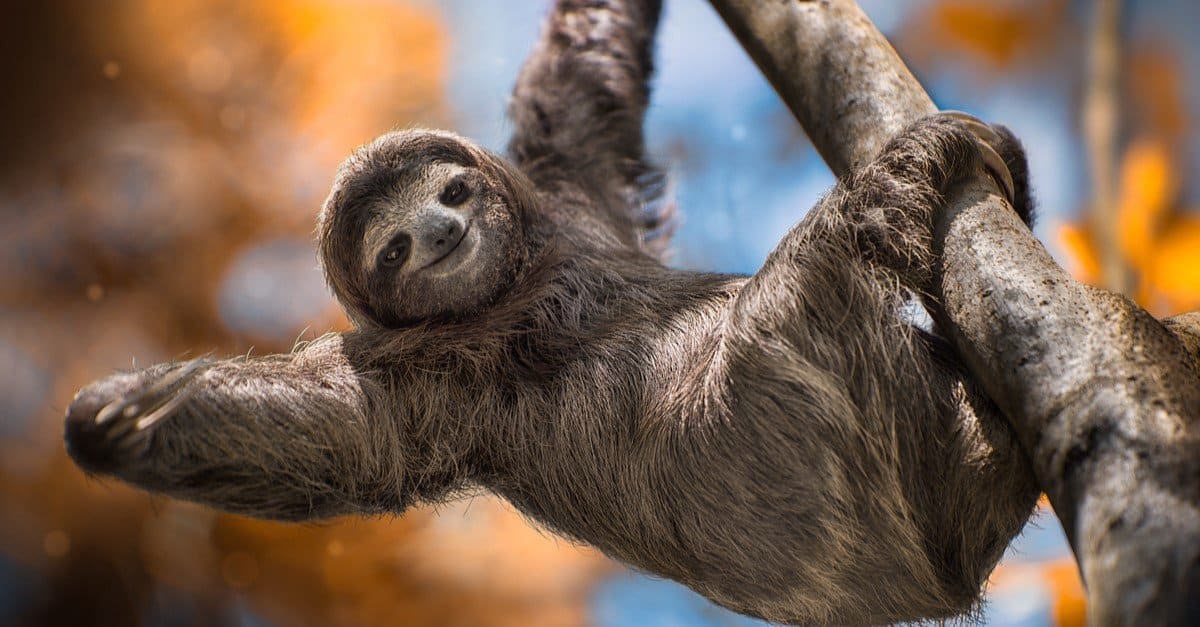
Sloths may look cute but do not make good pets.
©Rob Jansen/Shutterstock.com
Wild sloths rely on natural microclimates and specialized diets which are very hard to replicate in artificial environments. The sloths therefore succumb to stress-related illnesses. Three-fingered sloths have particularly high captivity-associated mortality rates. Captive breeding is also extremely challenging. At the time of writing the Press Release in January 2026, there were no reports of successful captive breeding of Bradypus (three-toed sloths) in the US.
Despite the attraction management’s intention to support conservation activities, the charities make it clear that there is no justification for acquiring wild sloths.
What Happened to the Sloth World Sloths?
By spring 2026, the extent of the sloth deaths at the exhibition was becoming clear. Inside Climate News reported the deaths on April 16th 2026, in this article. It also describes how wild-captured sloths were housed in accommodation that resembled “an old oil-change garage”. Referring to a Florida Fish and Wildlife Conservation Commission incident report, it describes housing with no electricity or running water. On one occasion in December 2024, the heaters stopped working, leaving the sloths overnight with no heat. These are animals that had been taken from the warm forests of Guyana and Peru.
It’s hardly surprising then that more than 31 died. Behind that figure are some truly upsetting stories. The article describes a shipment of wild sloths in February 2025 in which two were dead. The rest were emaciated. By August, all of these sloths were dead. It also describes how a virus was affecting the sloths, but that stress from their journey from the wild had acted as a catalyst for the deaths. It’s unclear exactly how many sloths associated with this enterprise have perished altogether, but local media reports estimate at least 55.
On April 25, the remaining 13 very ill sloths from the facility were handed over to the Central Florida Zoo & Botanical Gardens, which took over responsibility for their care.
How Are the Sloth World Sloths Doing Now?
The Central Florida Zoo & Botanical Gardens have been providing updates on the status of the rescued sloths since they arrived, and members of the public can donate towards their care. Following the updates from April to today is an emotional rollercoaster with extreme highs and lows.

Sloths are best left in the wild.
©Steffen Foerster/iStock via Getty Images
Initially, the sloths were placed in quarantine in an off-display habitat area for 30 days. Here, experts provided them with the best possible animal husbandry, medical treatment, and diet. Despite several of the sloths showing signs of dehydration and low body weight, they all made it through the first two weeks. Sadly, however, one male called ‘Bandit’ was exhibiting ongoing signs of lethargy, dehydration, and nutritional and electrolyte imbalances, along with some gastrointestinal issues. At times his progress looked hopeful, but he took a turn for the worse and declined rapidly, so that humane euthanasia was the only option. It left those who had cared for him with such dedication heartbroken.
Over the following weeks, two further sloths, ‘Habanero’ and ‘Dumpling ’, also died of the same cause as Bandit, namely emaciation. Then ‘Mr Ginger’ the youngest and undeniably cutest member of the group, also perished at just 4-6 months old.
At Last, Some Positive News
By May, there were at least some reasons to feel more positive about the remaining nine sloths. They are Blackberry, Chewie, Dolce, Hazel, Leloo, MojoJojo, Pearl, Phantom, and Willow. The group was developing more natural sloth behavior, and their personalities were shining through. Yet, they were still not home and dry, and Willow’s condition started to deteriorate. She passed away in June.
Throughout the summer, the sloths continued to receive expert care. This included human desensitization so that they could receive medical evaluations without causing undue stress. Meanwhile, the public rallied behind these guys. Donations of cash and enrichment toys, from new hanging buckets and hammocks to homemade hanging feeders, poured in.
Caring for sloths in captivity is a highly complex process. It should only be undertaken by the most skilled and highly trained experts. Just a few of the issues detailed by the vets caring for these particular sloths are their diverse gut biome, specific nutritional needs, thermoregulatory needs (high humidity, warm temperatures), unique digestive physiology, and their high sensitivity to stress.
Temporary Import Ban Introduced
The animals that lost their lives in this fiasco deserved better. The agencies involved are exploring how they can provide more robust protection for wild animals in the future.
Media reports have detailed how the Florida Fish and Wildlife Conservation Commission (FFWCC) gave the Sloth World’s import business a verbal warning for housing some of the animals in cages too small for them early in 2026. They had also produced a Captive Wildlife Report after an unannounced, routine inspection occurring in July 2025.

Sloths need special care in captivity.
©tristan tan/Shutterstock.com
Following public outcry about the plight of the animals and the dozens of deaths, the FFWCC issued a temporary ban on importing sloths into the state. The 60-day ban started in May and expired on July 10th 2026. A task force was also set up to pursue rulemaking changes to prevent a repeat of the Sloth World incident. However, if sloths cannot enter the US through Miami, they will likely be imported elsewhere. Therefore, federal-level controls are needed.
Federal Ban on Wild Sloth Imports
U.S. Reps. Maxwell Frost, D-Orlando, and Laurel Lee, R-Hillsborough County have proposed legislation to ban the import of wild sloths into the United States. The proposed SLOTHS Act stands for “Stopping Legalized Organized Trafficking and Harm to Sloths.” It would only allow sloths to be imported for research and conservation-focused breeding programs. Those found guilty of breaking the law could face civil penalties of up to $20,000. Those knowingly contravening it could face criminal fines of up to $100,000, canceled federal authorizations, and a requirement to forfeit any illegally imported sloths.
The FFWCC is proposing raising the minimum age for people applying for permits to own sloths from 16 to 18. Also, they propose that sloth owners have documented, species-specific experience working with the animals. However, conservationists have called for further measures. In this Central Florida Public Media article, State Rep. Anna Eskamani, D-Orlando, said: “We want to see stronger rulemaking from FWC.”
The ultimate message from this heartbreaking story is that wild sloths should remain in the wild. These beautiful animals do not exist for our entertainment.